Textiles & Dyeing
Woven brocade, hand-painted kimono silk, indigo-dyed cloth and island tsumugi — Japan's textile towns each guard a technique centuries in the making. This is where the country's cloth is truly made.
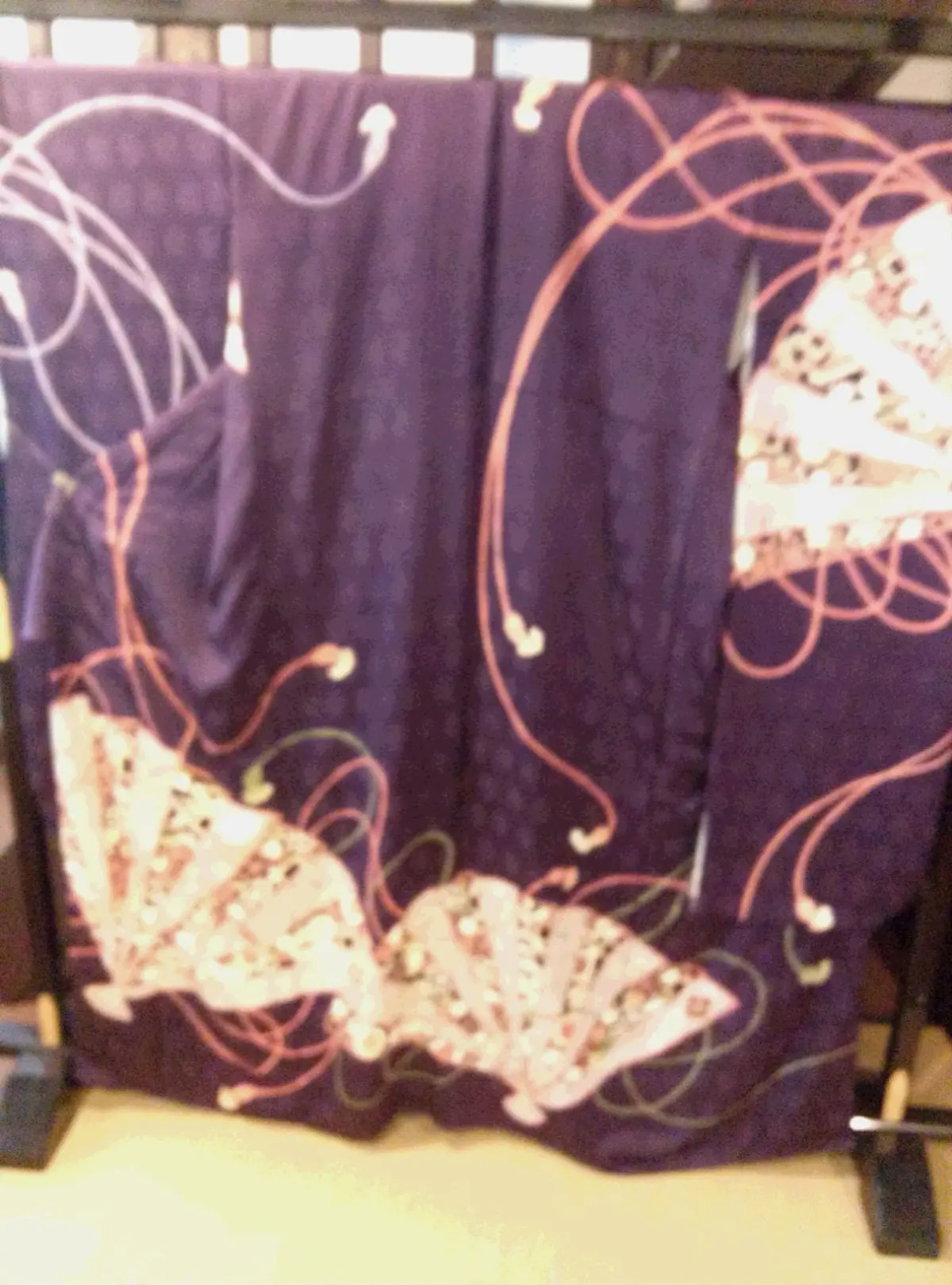
Nishijin Weaving
Kyoto's yarn-dyed figured weaving, named for the 'west camp' of the 15th-century Onin War, where weavers regrouped once the fighting ended. Dyed threads become intricate patterns — from figured 'mon-ori' to fingernail-woven 'tsuzure' tapestry — many kinds in small runs.
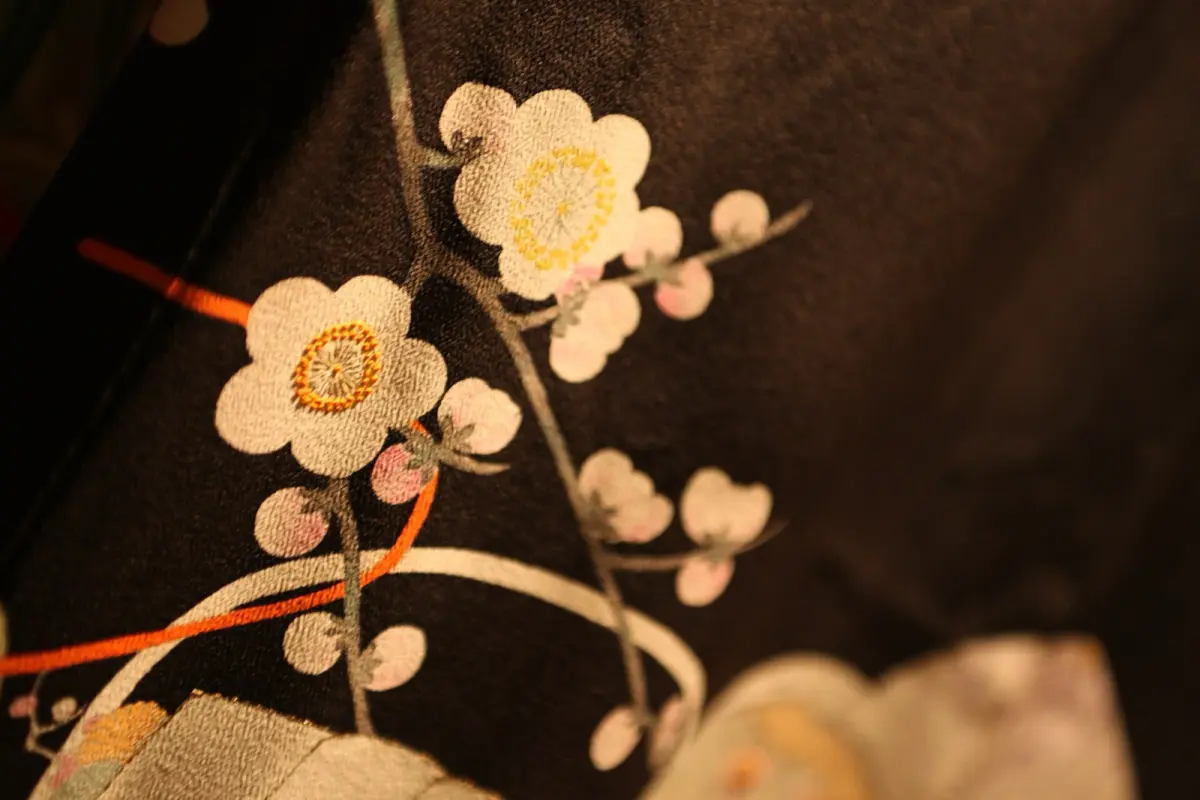
Kaga Yūzen
Kanazawa's hand-painted kimono dyeing, advanced by the fan-painter Miyazaki Yuzensai from 1712. Realistic flowers and leaves in the 'Kaga five colours,' with soft shading and the signature 'mushikui' insect-eaten-leaf motif — and, unlike Kyoto yuzen, almost no embroidery or gold.
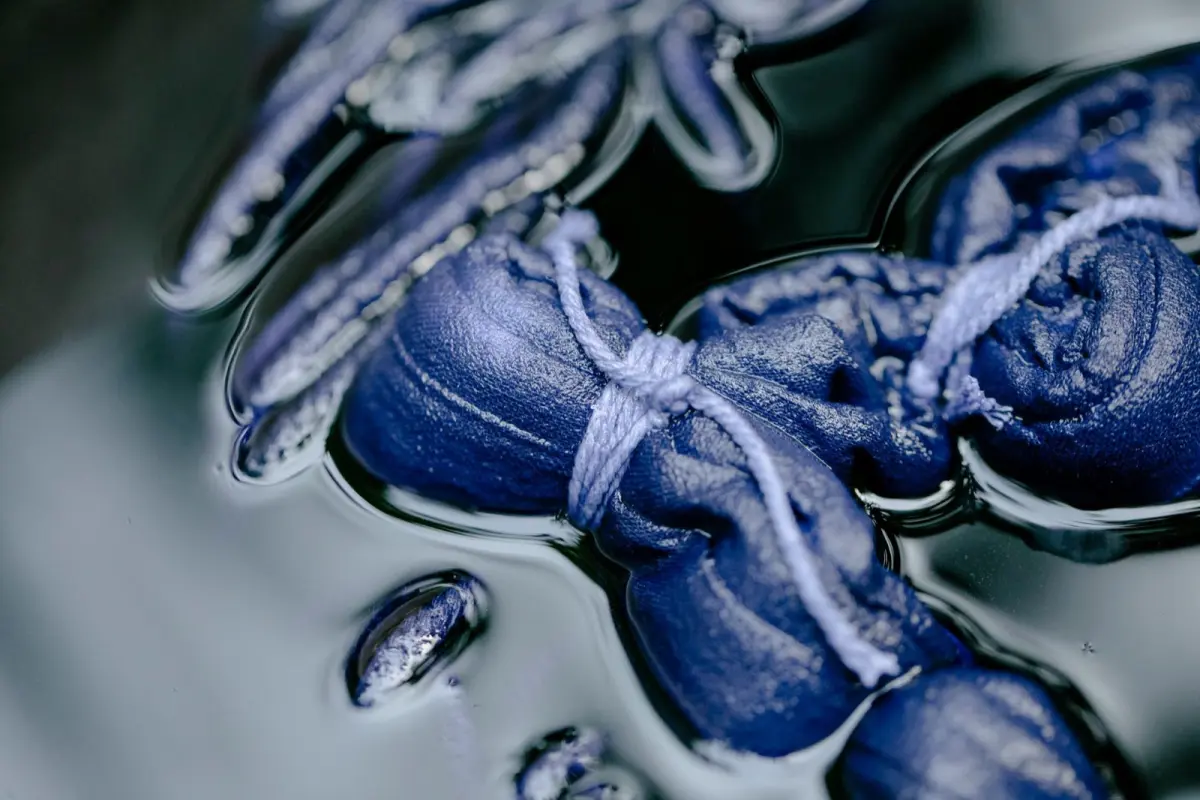
Awa Indigo
Tokushima's natural indigo — the 'sukumo' fermented from indigo leaves over nearly a year. Promoted by the Hachisuka lords from the Momoyama era, it dominated Japan's market and still supplies most of the country's natural indigo, the true Japan Blue.
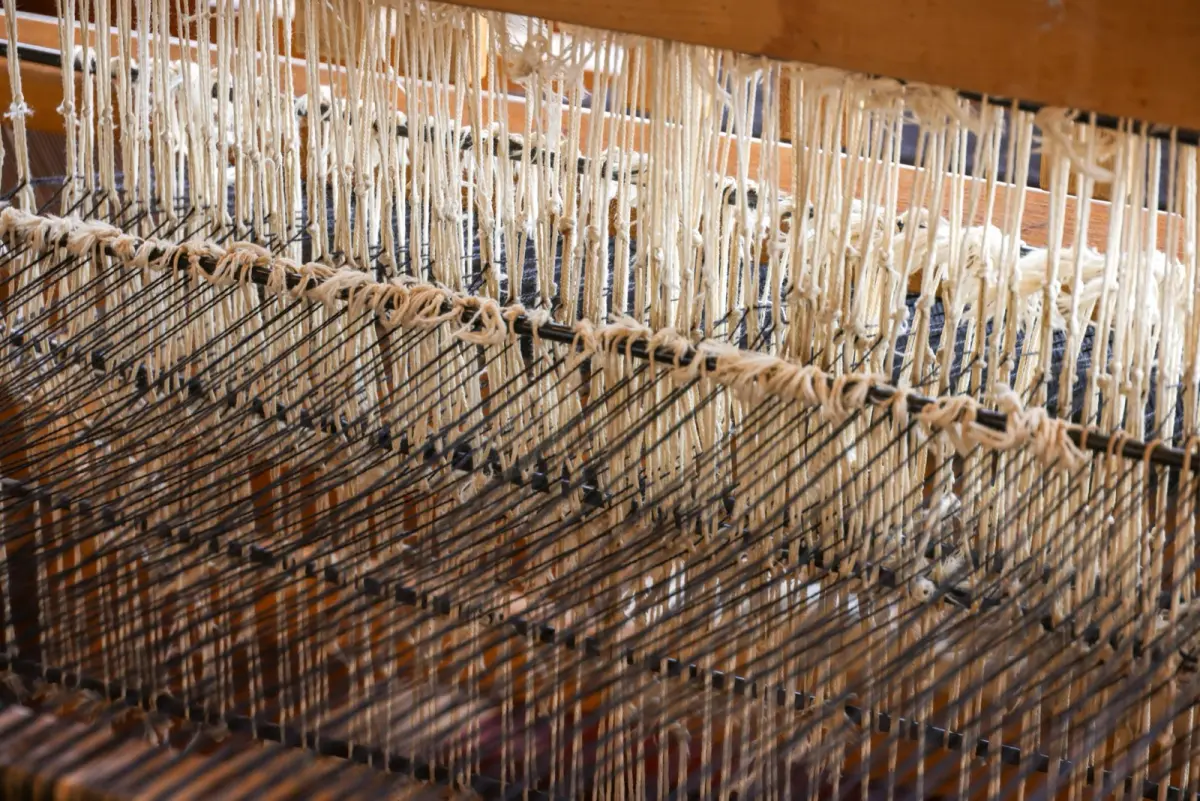
Kiryū Textiles
'Nishijin of the west, Kiryu of the east.' This Gunma weaving town presented silk to the court as early as 714, and is known for the lustre of its threads and seven weaving techniques — including the 'omeshi' cloth said to be favoured by a shogun.
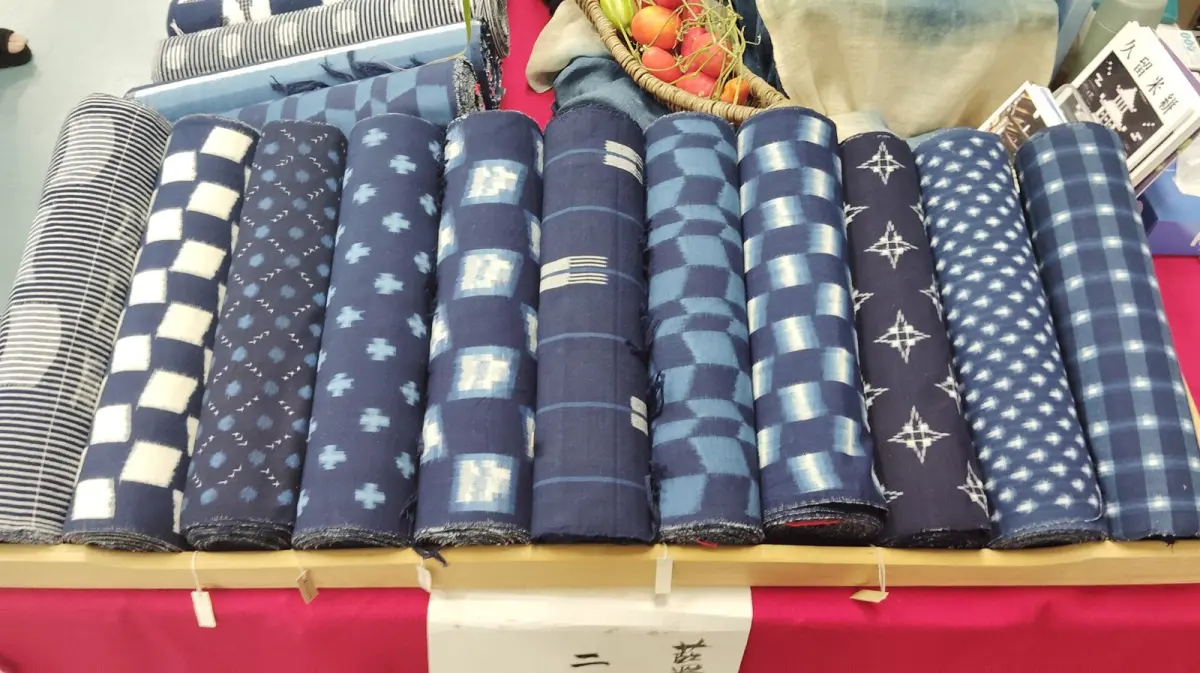
Kurume Kasuri
Cotton ikat invented around 1800 by Inoue Den, a girl of twelve who saw white flecks in a faded indigo garment and worked out how to bind and dye threads to make patterns in the weave. An Important Intangible Cultural Property since 1957.
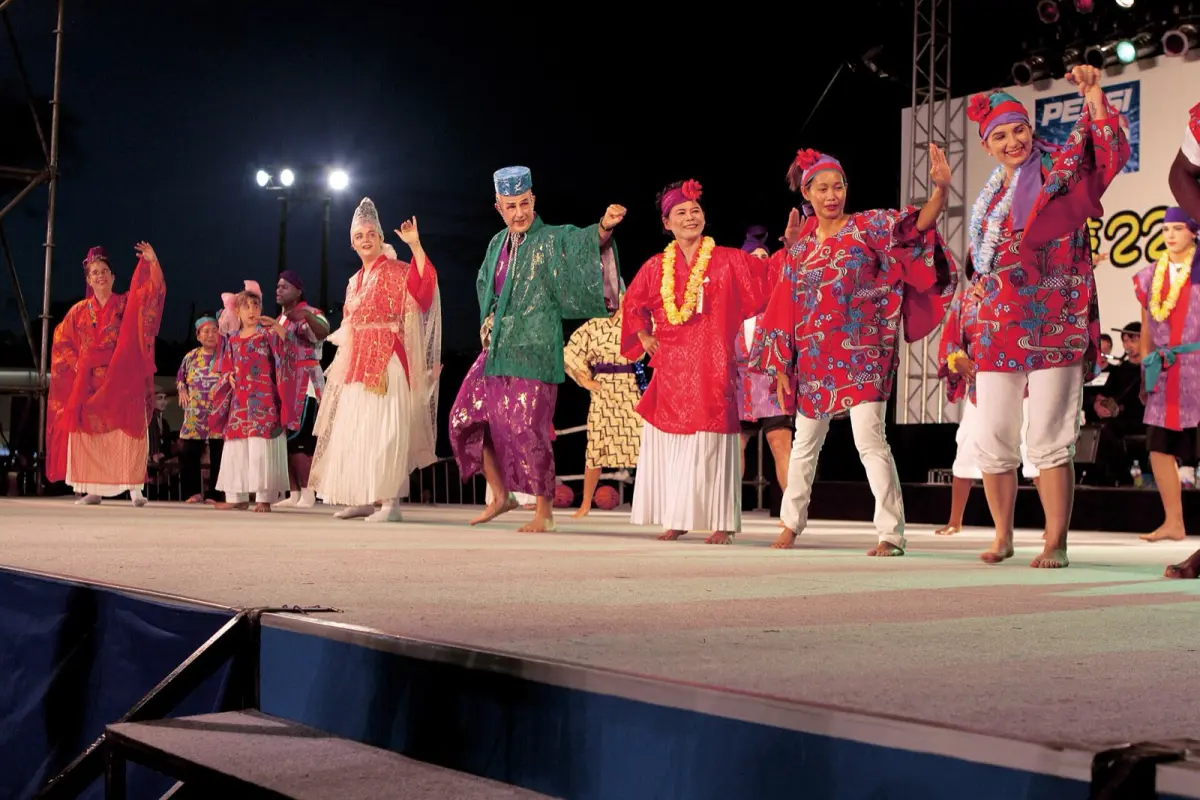
Ryūkyū Bingata
The Ryukyu Kingdom's brilliant stencil-dyeing, developed around Shuri as royal and warrior dress from the 14th century. It blends imported sarasa and stencil techniques with island methods, in bold colour and simple natural motifs, using both pigments and plant dyes.
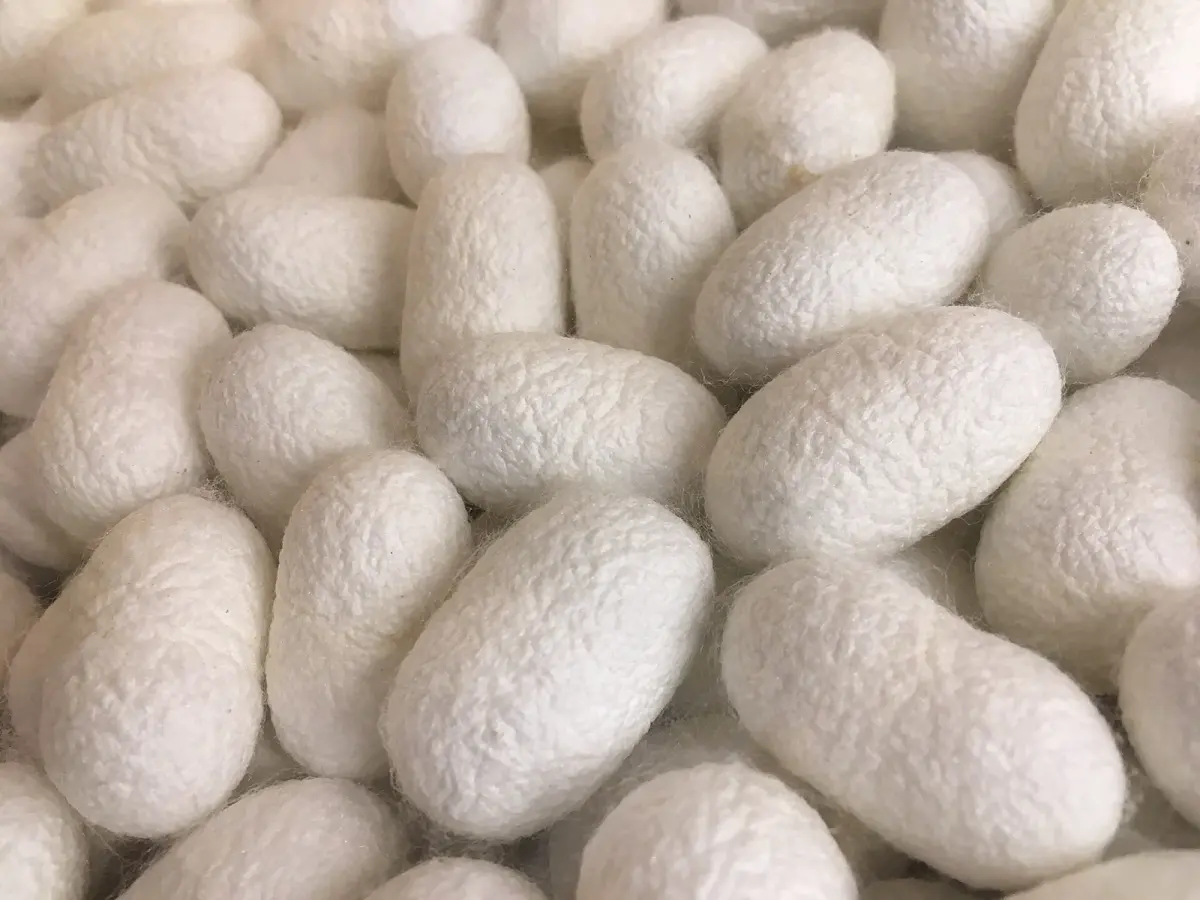
Yūki Tsumugi
Silk pongee spun by hand from silk floss, its kasuri tied by hand and woven on a waist-tensioned back-strap loom. Light, warm and untwisted-thread-soft, its ground-loom weave is an Important Intangible Cultural Property and, since 2010, UNESCO Intangible Cultural Heritage.
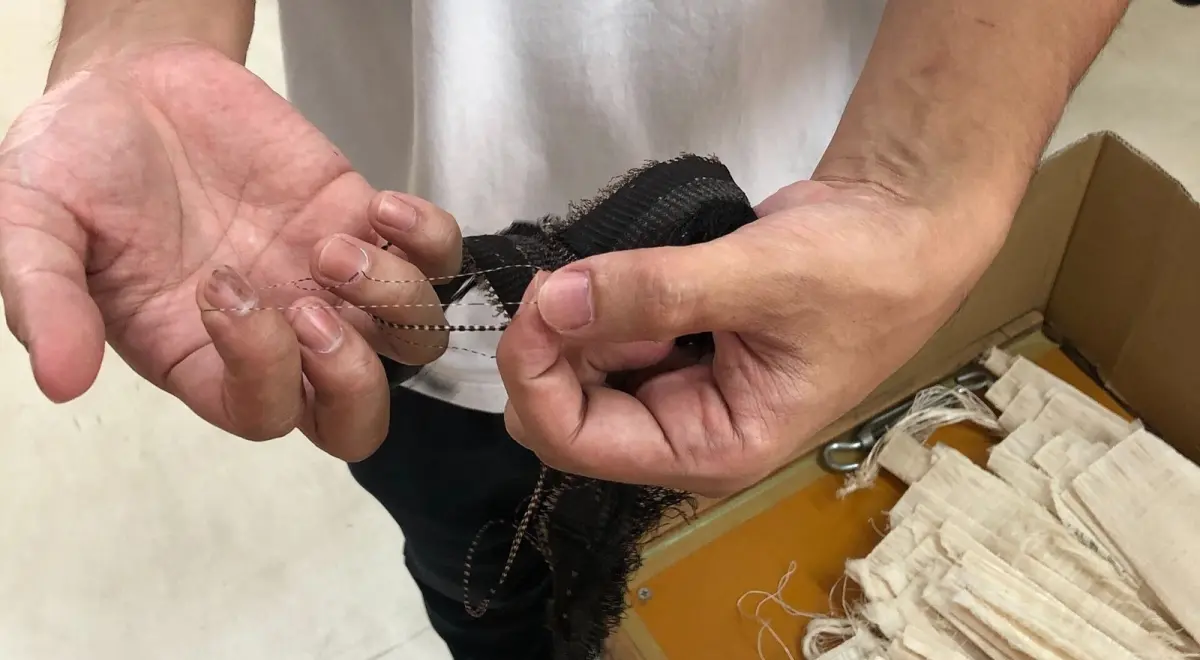
Ōshima Tsumugi
Amami's silk pongee, ranked among the world's three great textiles. Its deep, subdued black comes from mud-dyeing: thread steeped in 'teechi-gi' bark, then worked into the island's iron-rich mud. Precise kasuri is set on a binding loom perfected around 1902.
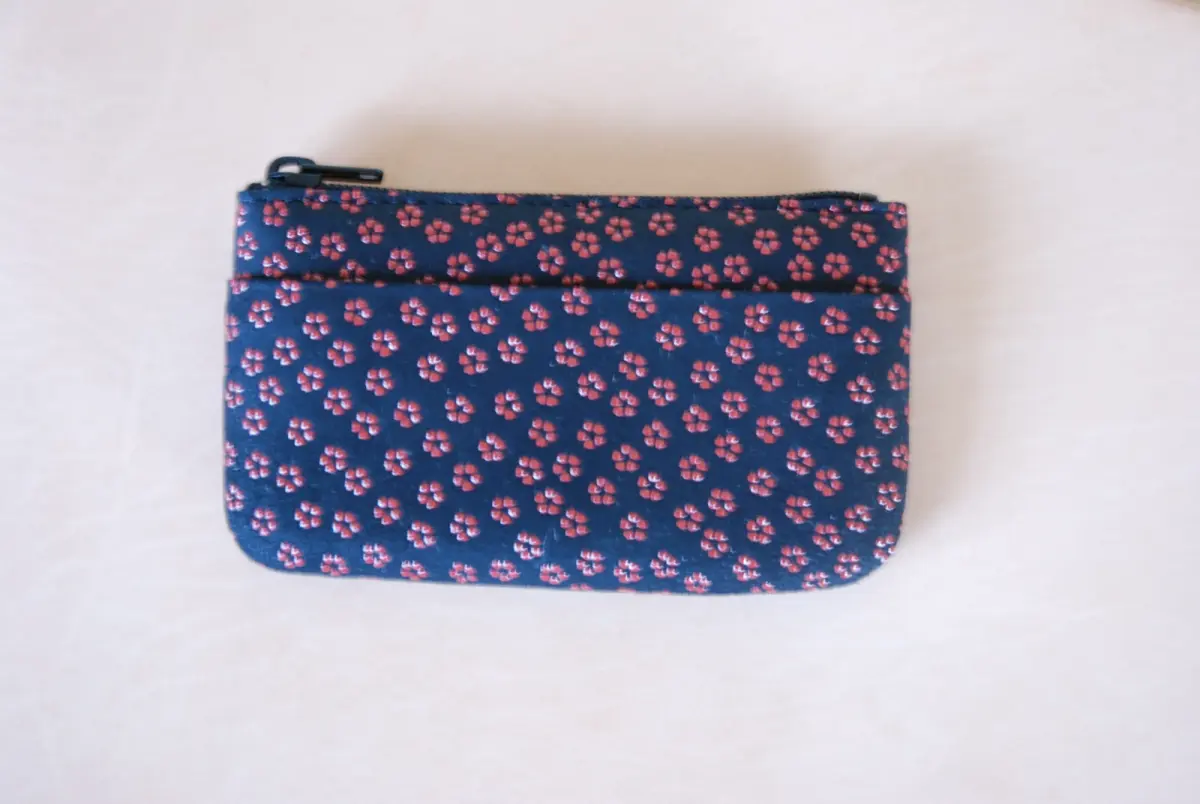
Kōshū Inden
Lacquered deerskin from Kofu, over 400 years old. Soft, strong deerskin — once armour trim — is smoked to amber and patterned with lacquer through stencils, then sewn into supple purses and bags. A national Traditional Craft since 1987.
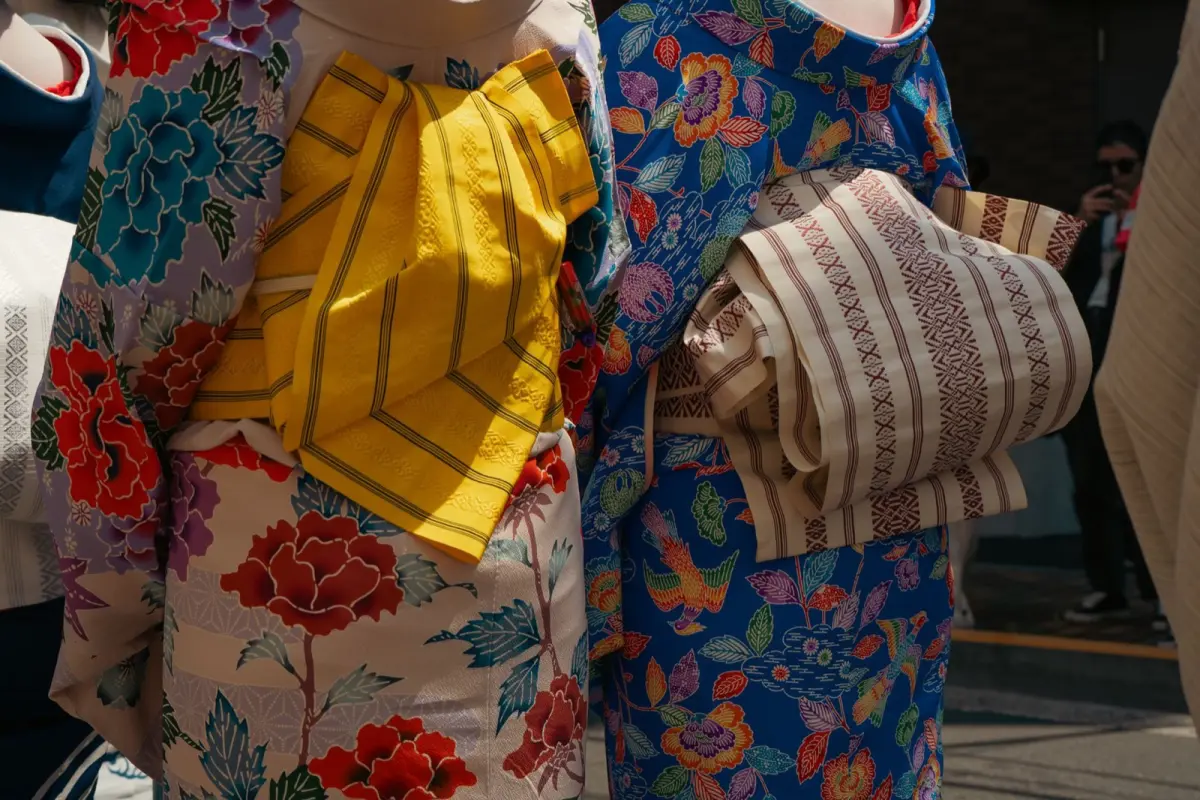
Hakata Ori
A dense, firm silk weave from Fukuoka, at its finest in the obi sash. From the Edo period the Kuroda lords sent it to the shogun, giving 'kenjo Hakata' its name; its stripes stylise Buddhist ritual tools. The weave packs thousands of warp threads — sometimes over 15,000 — beaten tight into a crisp, ridged cloth.
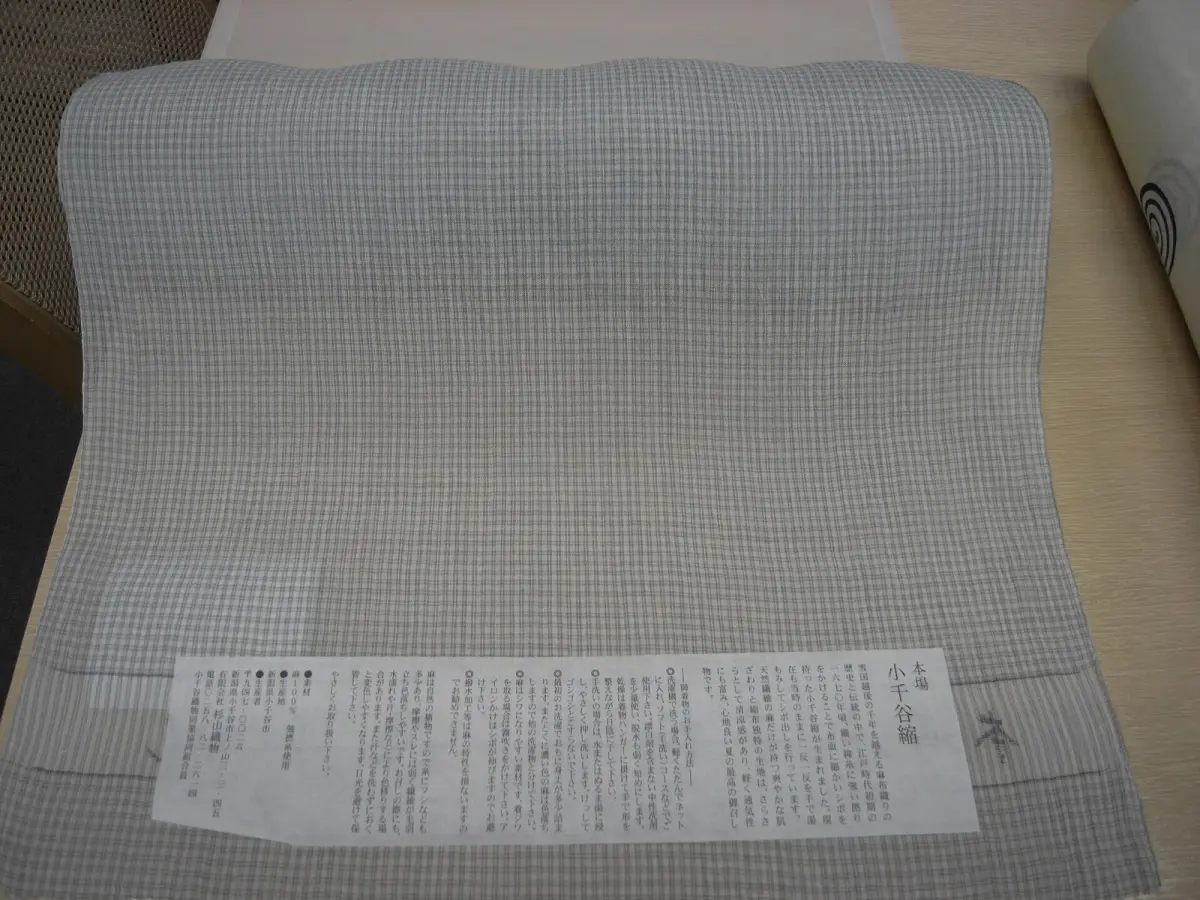
Ojiya Chijimi
A crinkled ramie summer cloth from snowy Niigata, perfected in the early Edo when a samurai refined the old Echigo linen. Hard-twisted weft gives it a cool, non-clinging 'shibo' pucker, and it is finished by 'yuki-zarashi', bleaching the cloth out on the spring snow. A UNESCO Intangible Cultural Heritage since 2009.
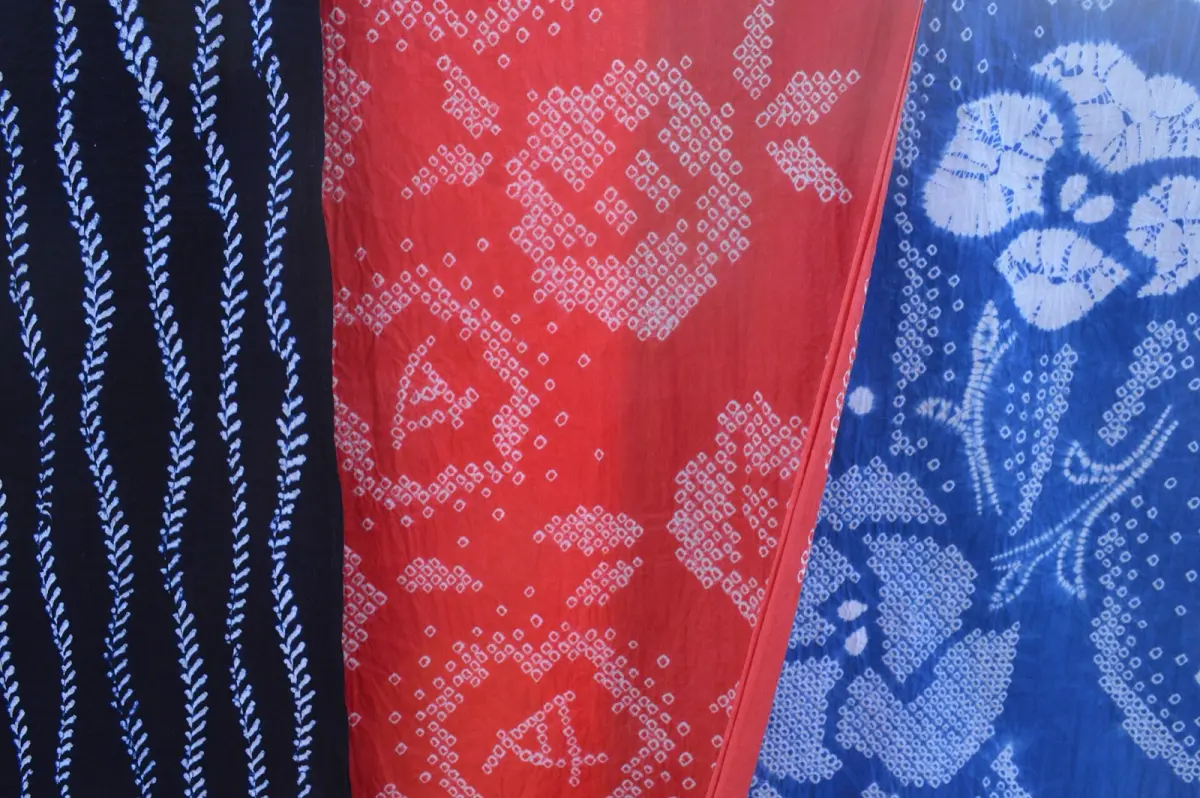
Arimatsu Shibori
Cotton tie-dye from a village founded on the Tokaido highway in 1608. Its pioneer Takeda Shokuro began selling shibori-dyed towels to travellers, and Arimatsu grew into Japan's foremost shibori town. Cloth is bound thread by thread by many specialist hands, then dyed, giving airy, textured patterns prized for summer yukata.
Kihachijo
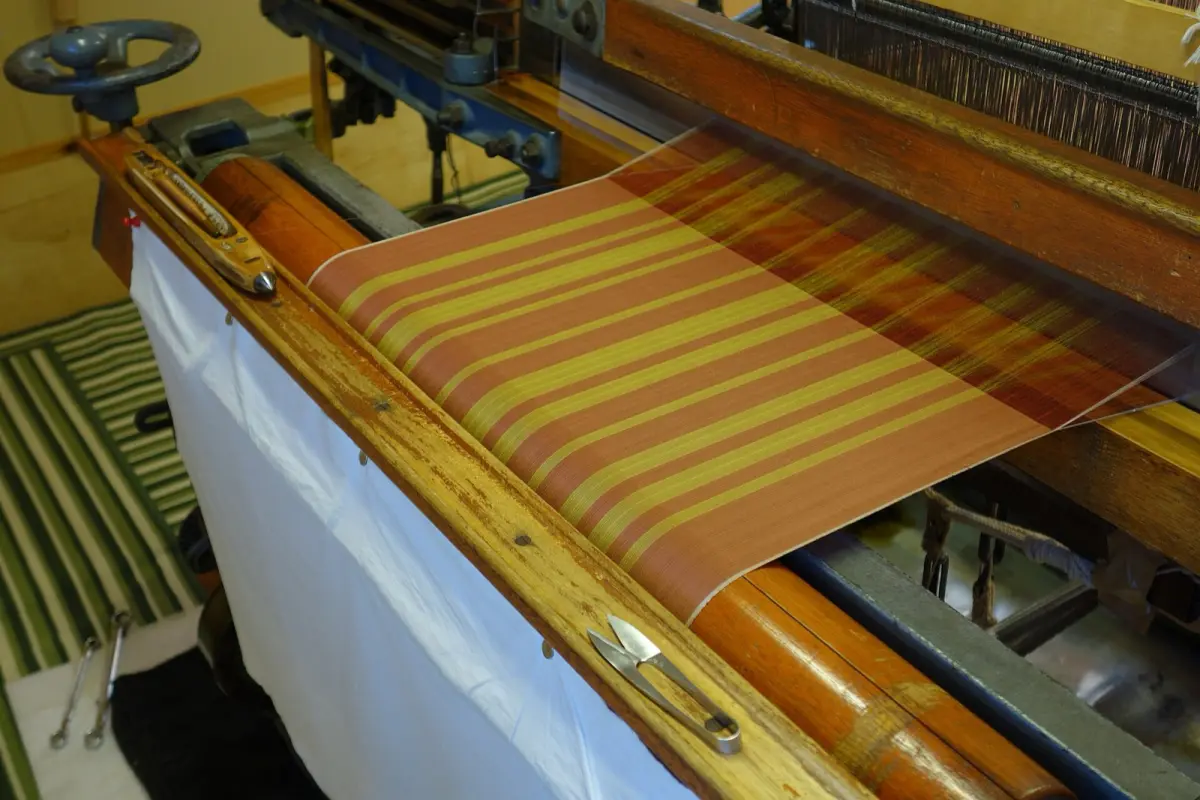
Silk woven on the remote island of Hachijojima, once paid as tribute in place of tax. Its warm palette — yellow, kaba brown and black — comes entirely from island plants: yellow from kariyasu grass, brown from tabu bark, black from chinquapin bark set with island mud. Handwoven into striking stripes and checks.