Nikkō, Go Deeper
Nikkō is where Japan's spiritual and natural grandeur collide in the mountains north of Tokyo. The gilded shrines and temples—UNESCO treasures enshrining shoguns and founded by ancient monks—are only the beginning. Beyond the vermilion gates, mist-wrapped gorges, highland lakes, and waterfalls tumbling from volcanic peaks invite you to wander deeper. This is a place that rewards the unhurried: every carved beam, every moss-covered stone, every hairpin turn up the mountain unfolds another layer of beauty and history.
- Tap Open in Google Maps on any place for live directions, transit, hours & reviews.
- Get an ICOCA / Suica IC card — tap on/off trains, subways & buses, no ticket needed.
- Carry some cash (¥) — many small shops, shrines & old streets are cash-only.
- Go early: the famous spots are calm and beautiful before ~9am.
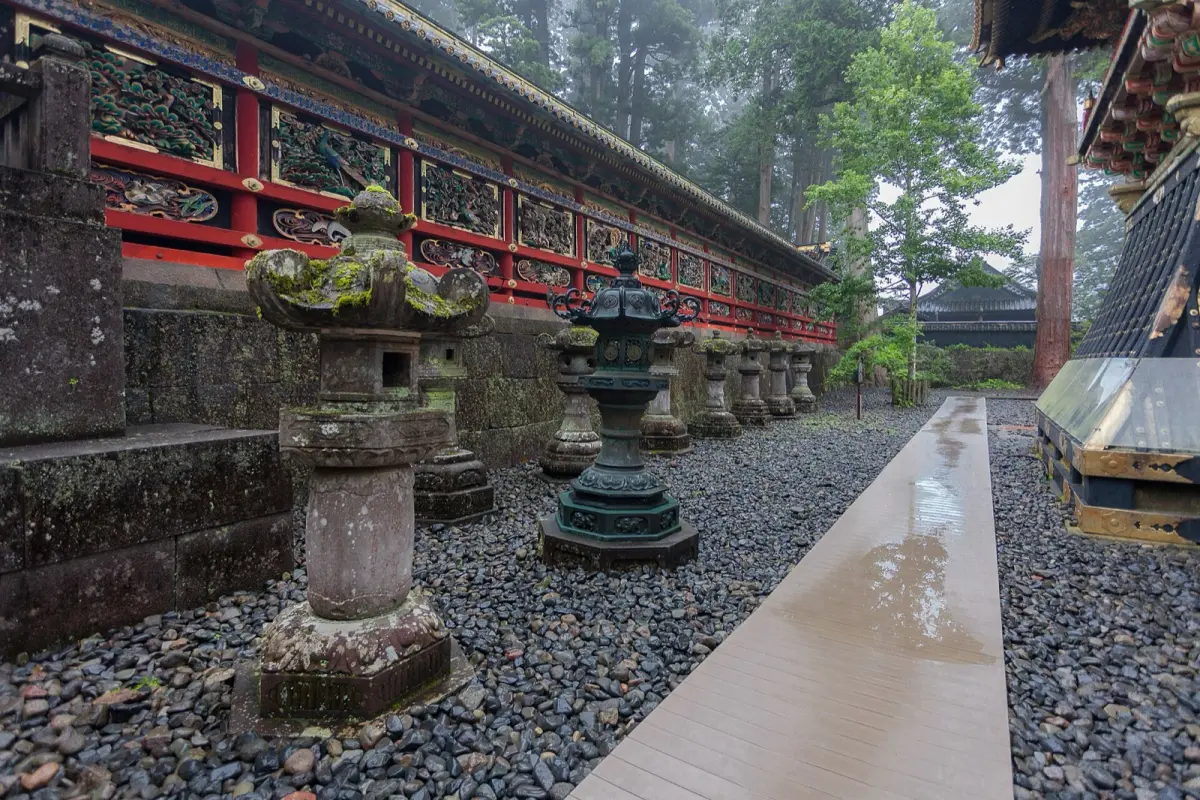
Nikkō Tōshōgū
Nikkō Tōshōgū is the dazzling mausoleum of Tokugawa Ieyasu, founded in 1617 and lavishly rebuilt by his grandson in 1636. The Yōmeimon gate alone dazzles with over five hundred intricate carvings, while the famous sleeping cat and three wise monkeys have become icons of Japanese art. A UNESCO World Heritage site, it is opulence in the service of devotion.
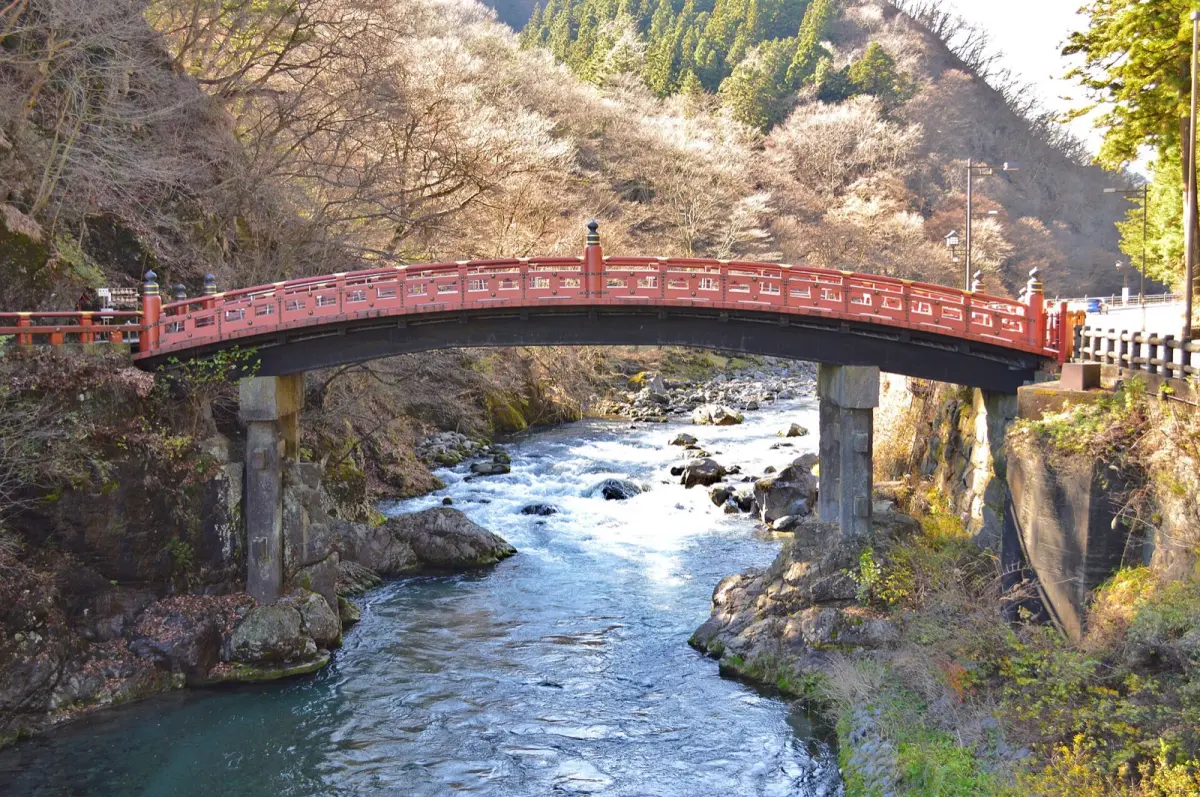
Shinkyō Bridge
The vermilion arc of Shinkyō Bridge marks the threshold to Nikkō's sacred precinct, a graceful wooden span belonging to Futarasan Shrine. Its bold colour against the green river gorge makes it one of Japan's most photographed bridges. Crossing it—or simply pausing to admire—is a ritual in itself.
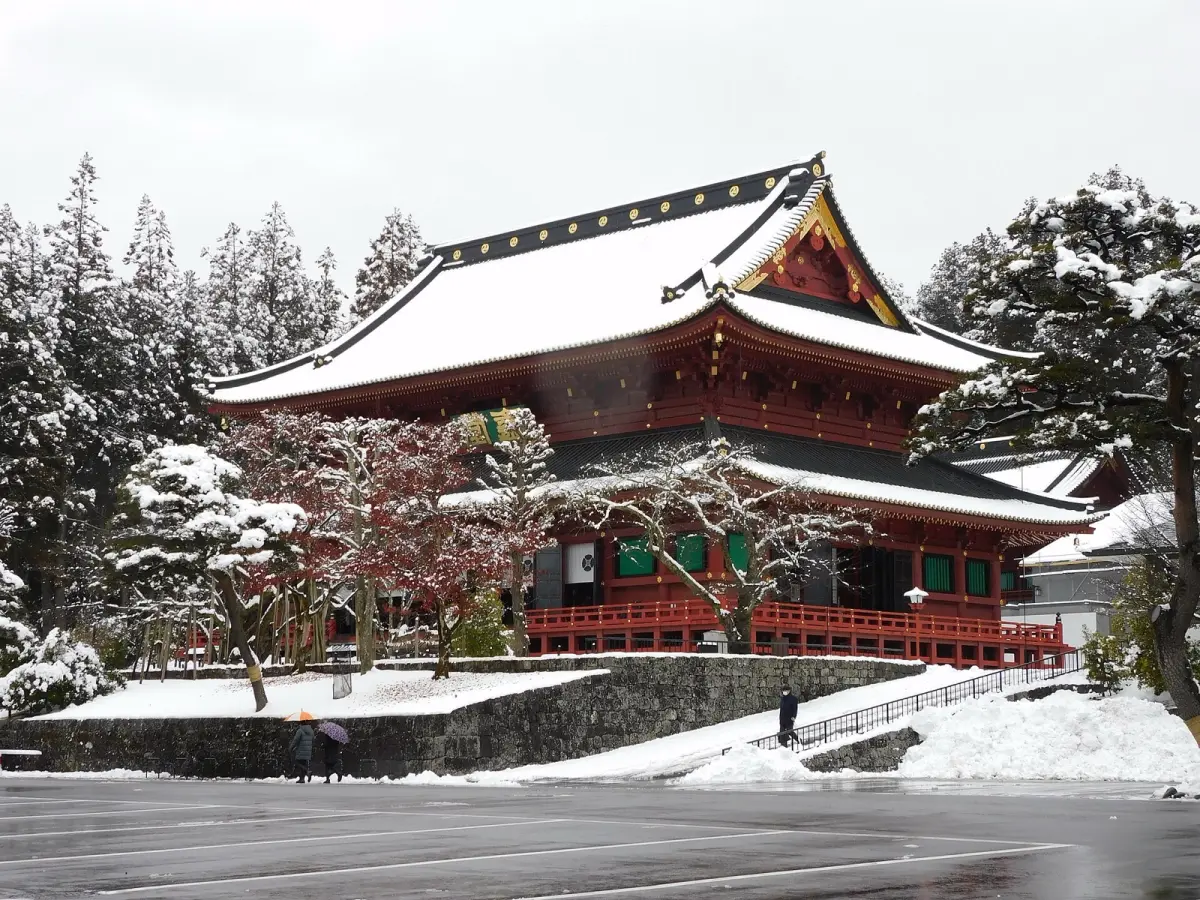
Rinnō-ji
Rinnō-ji traces its lineage back to the monk Shōdō in 766, making it one of Nikkō's oldest spiritual anchors. The temple complex shelters the Taiyūin mausoleum, the resting place of shogun Iemitsu, whose ornate halls echo the grandeur of Tōshōgū. History and devotion layer thickly here.
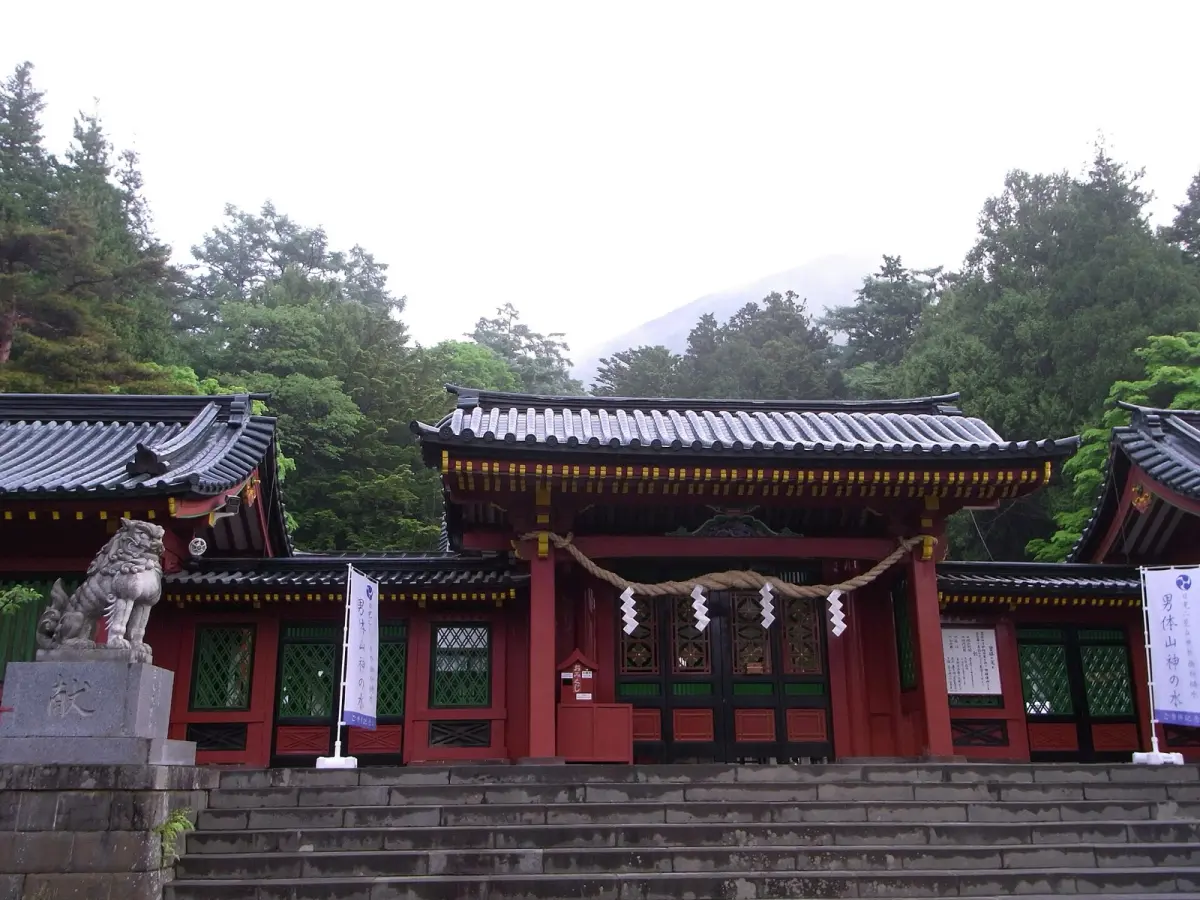
Futarasan Shrine
Futarasan Shrine has stood for over twelve centuries, founded by Shōdō to venerate the sacred peak of Mount Nantai. Quieter and older than its famous neighbour, it offers a glimpse of Nikkō's spiritual roots. The shrine's presence reminds visitors that these mountains were holy long before the shoguns arrived.
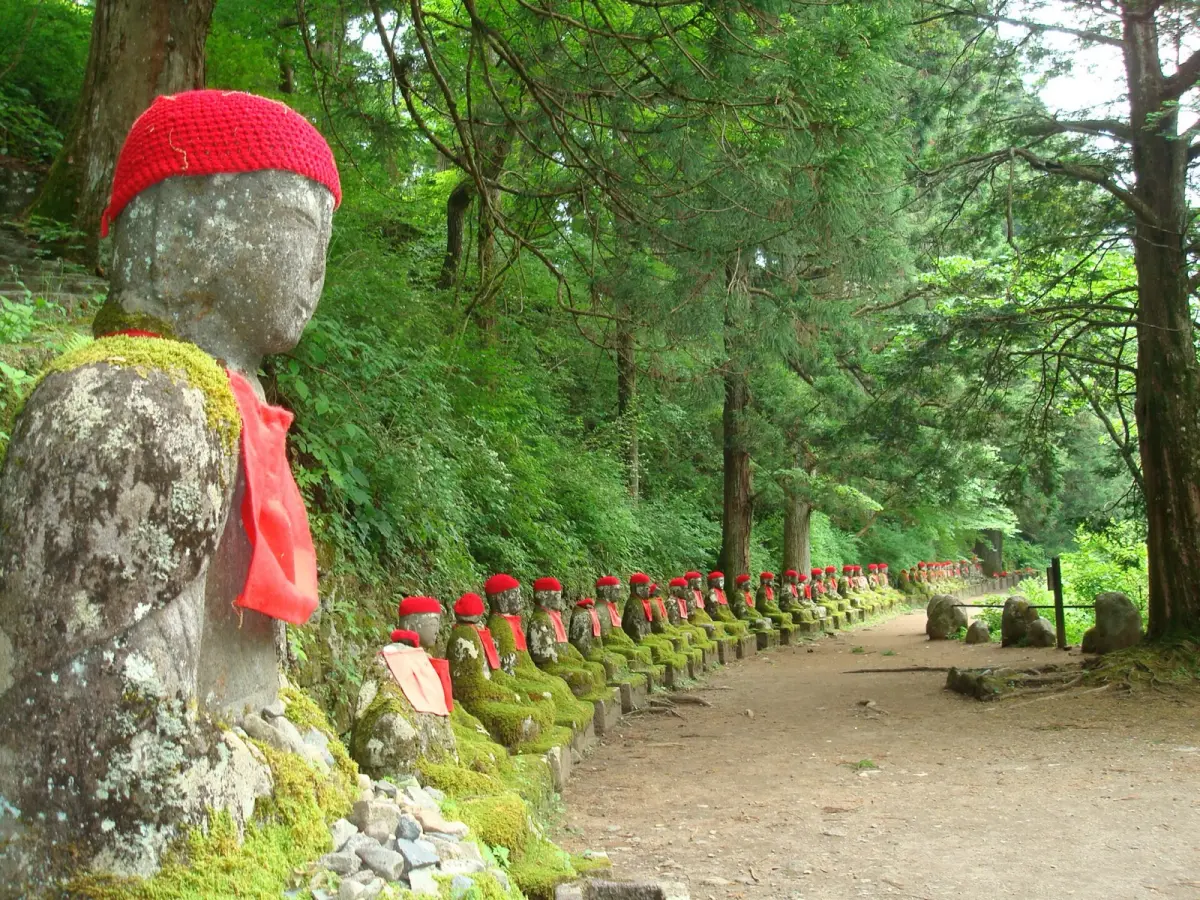
Kanmangafuchi Abyss
At Kanmangafuchi Abyss, a row of stone Jizō statues lines a shadowy river gorge, their number said to shift each time you try to count them—earning them the name 'Bake Jizō,' the ghost statues. The path along the mossy cliffs is hushed and otherworldly. It is a place where folklore and nature blur.
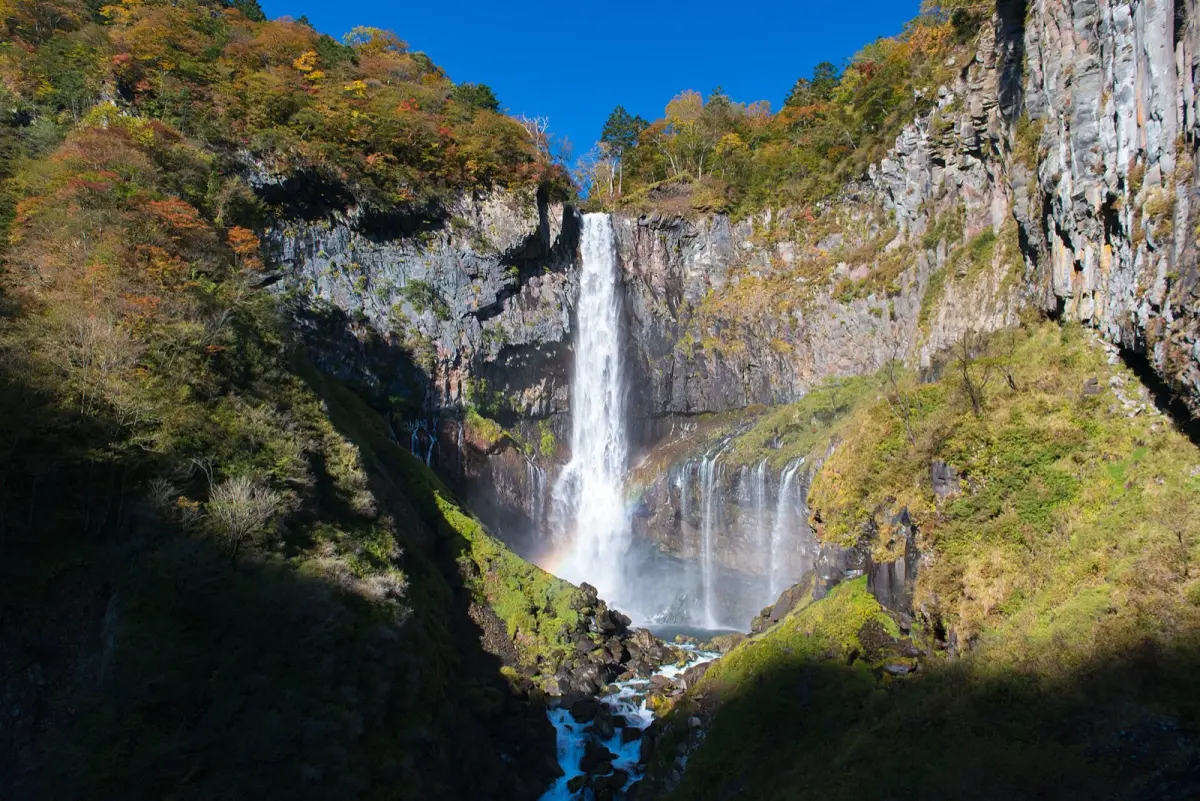
Kegon Falls
Kegon Falls plunges roughly ninety-seven metres where Lake Chūzenji spills over a volcanic cliff, sending up veils of mist and thunder. It ranks among Japan's most celebrated waterfalls, dramatic in any season. An observation platform brings you face to face with its raw power.
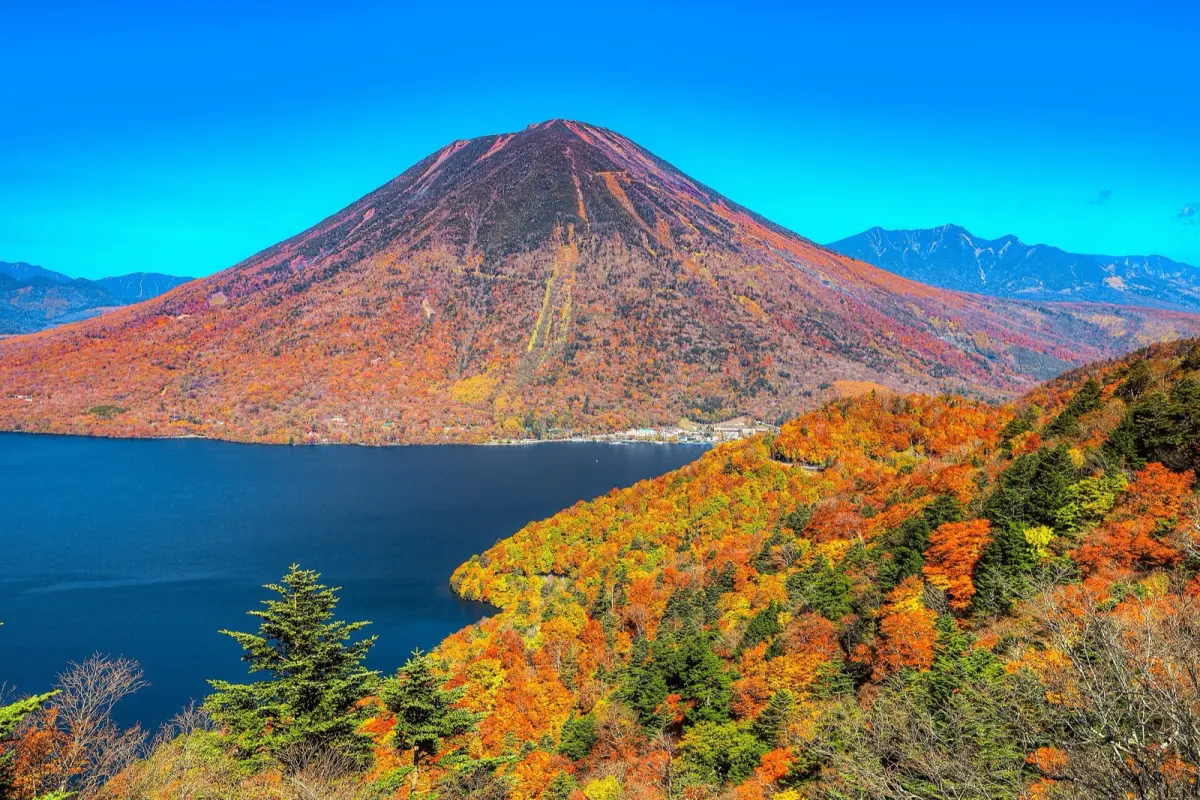
Lake Chūzenji
Lake Chūzenji sits at about twelve hundred metres, a cool highland mirror formed by an ancient eruption of Mount Nantai. In summer it offers respite from the heat below; in autumn, the surrounding forests ignite in scarlet and gold. The lake is both serene and alive with seasonal drama.
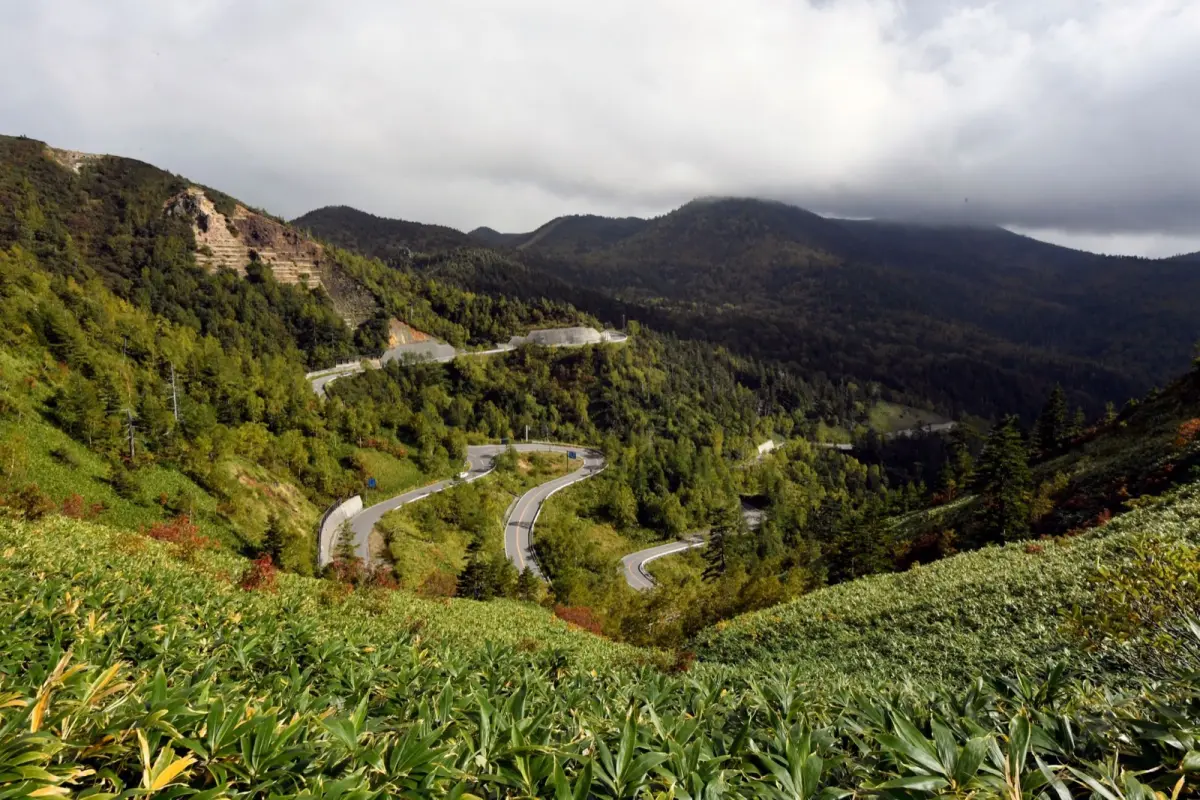
Irohazaka Winding Road
The Irohazaka winding roads snake up the mountain in a series of hairpin bends, each labelled with a character from the old 'iroha' syllabary. The ascent—and descent—is a journey in itself, with views opening and closing like a scroll. Driving or riding these curves is part of the Okunikko pilgrimage.
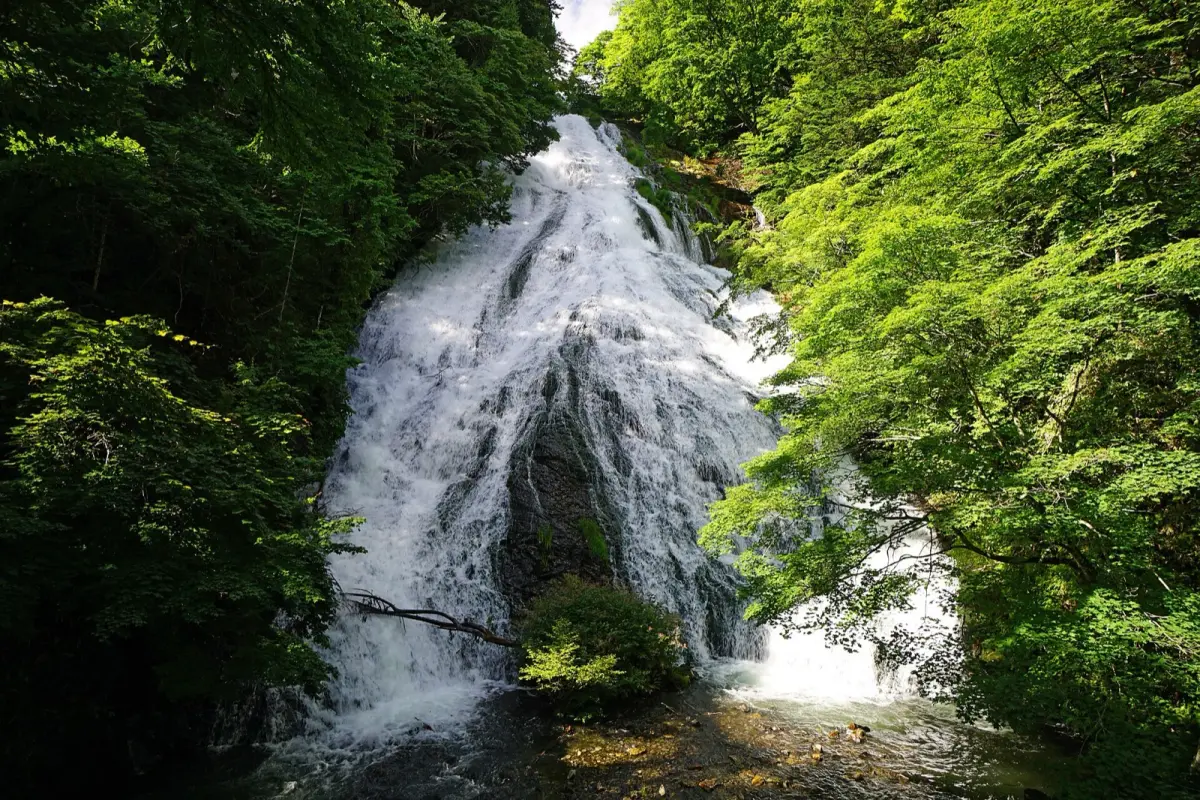
Yudaki Falls & Yumoto
Yudaki Falls spreads wide and white as it tumbles from Lake Yunoko into the marshy uplands of Okunikko. The setting is quieter and wilder than the lower valleys, with boardwalks threading through wetlands and forest. It is a place to breathe mountain air and listen to water.
Crafts of this region
Authentic pieces made near here — learn the story, then bring one home.
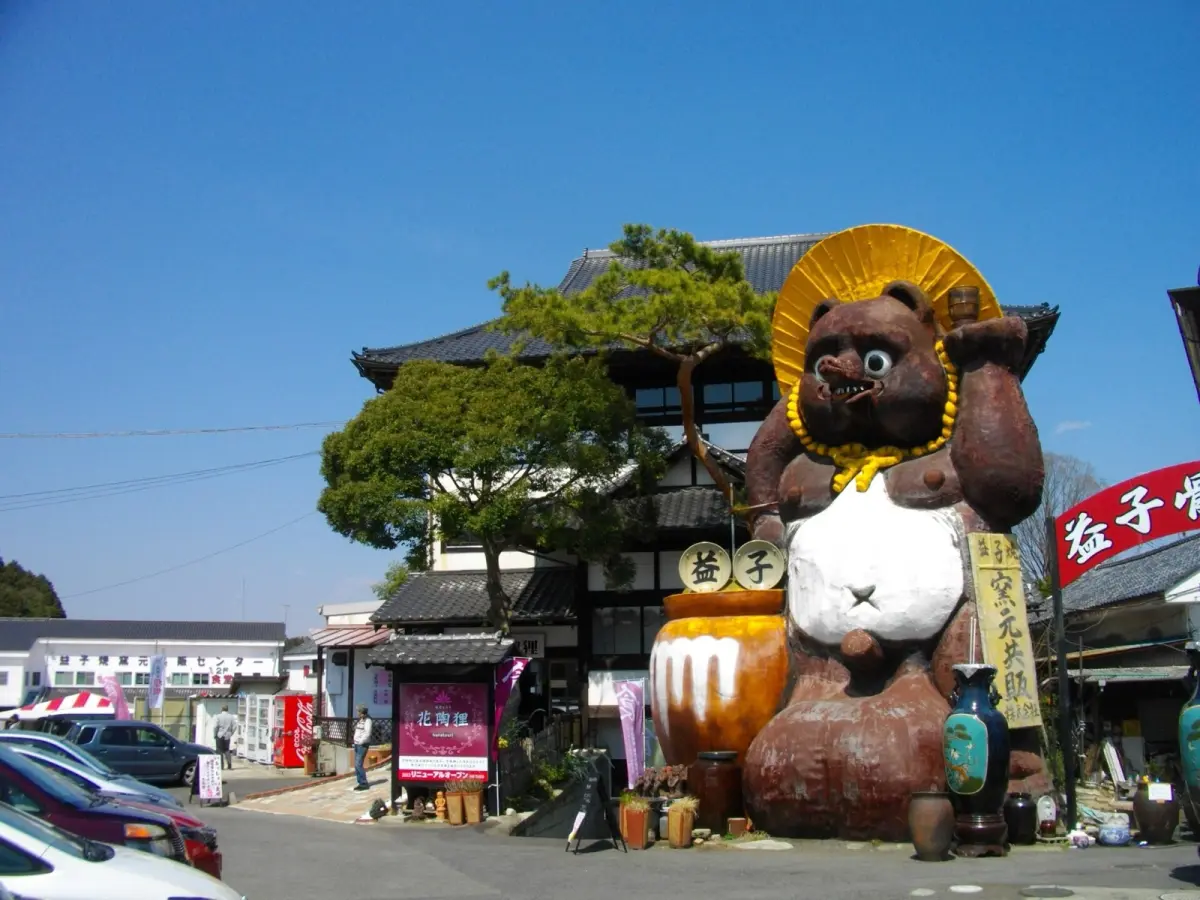 Mashiko Ware
益子焼 · Mashiko, Tochigi
Mashiko Ware
益子焼 · Mashiko, Tochigi
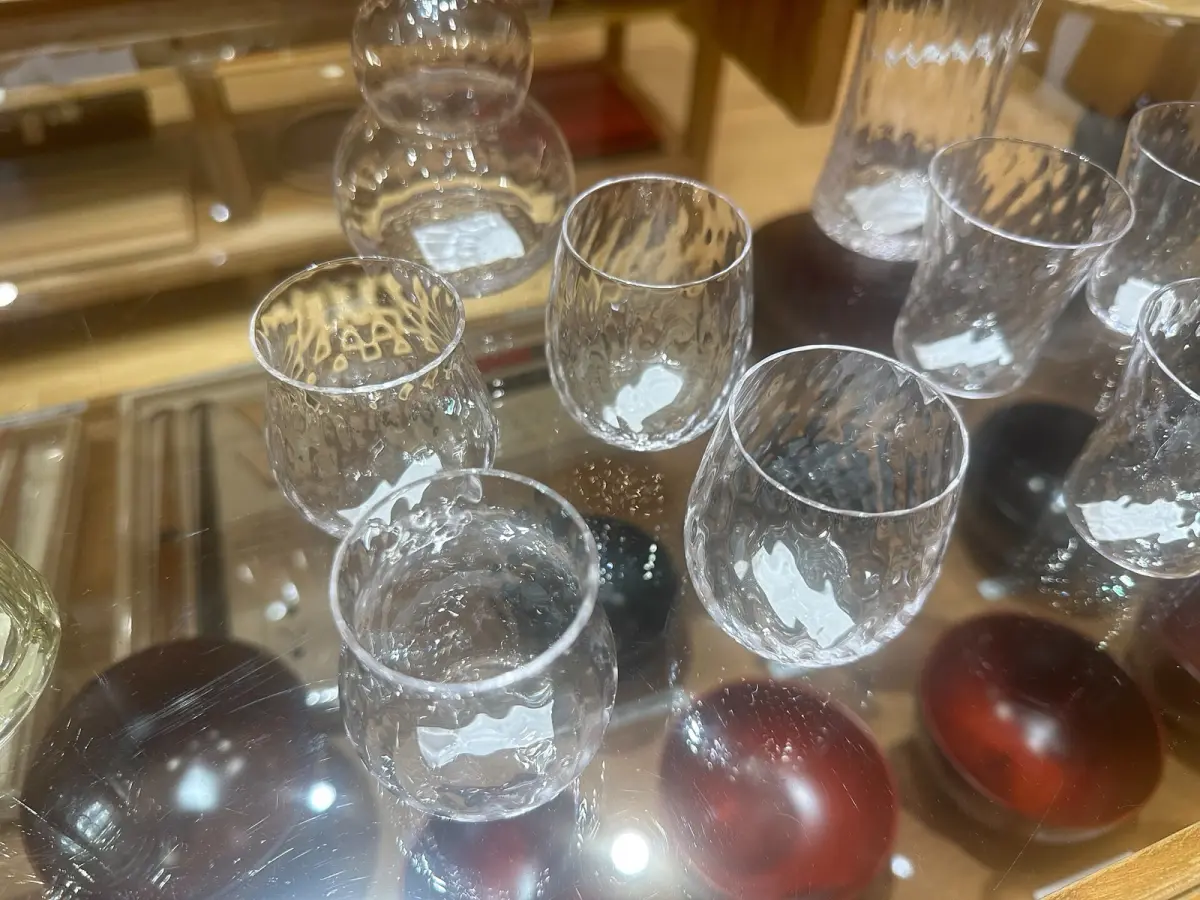 Edo Kiriko
江戸切子 · Sumida, Tokyo
Edo Kiriko
江戸切子 · Sumida, Tokyo
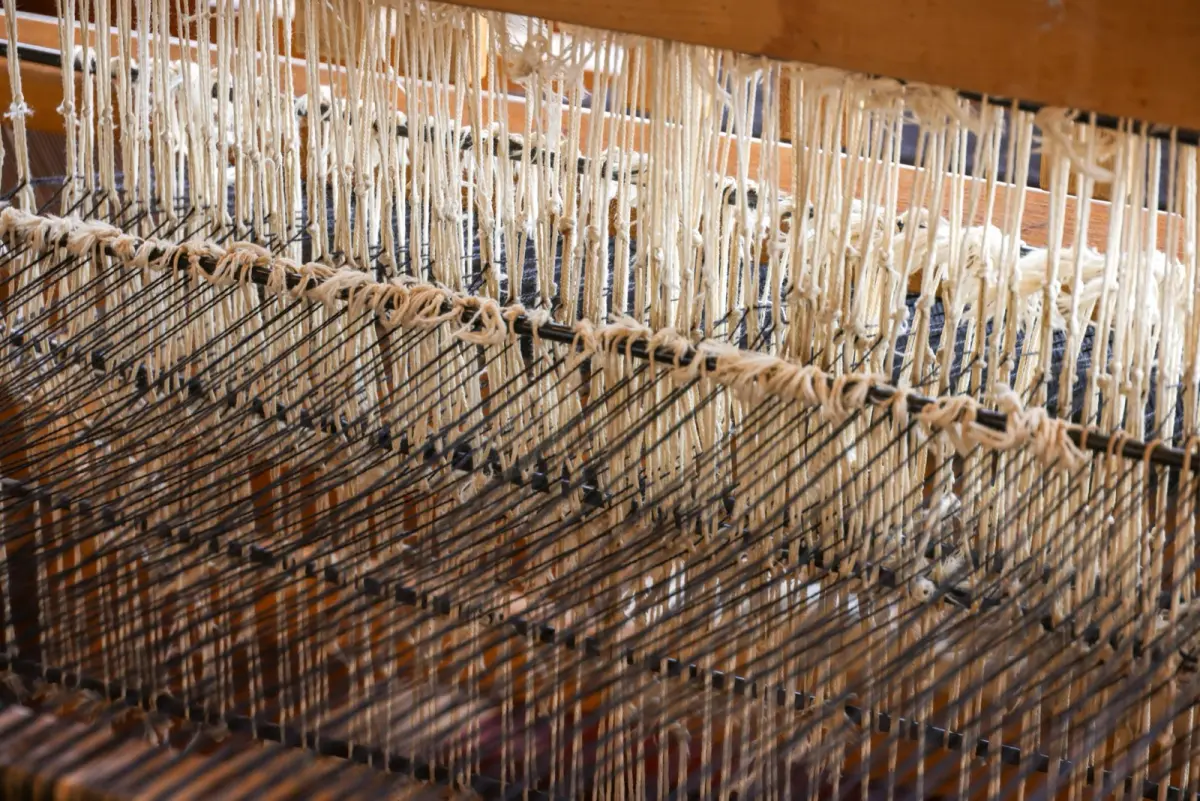 Kiryū Textiles
桐生織 · Kiryū, Gunma
Kiryū Textiles
桐生織 · Kiryū, Gunma
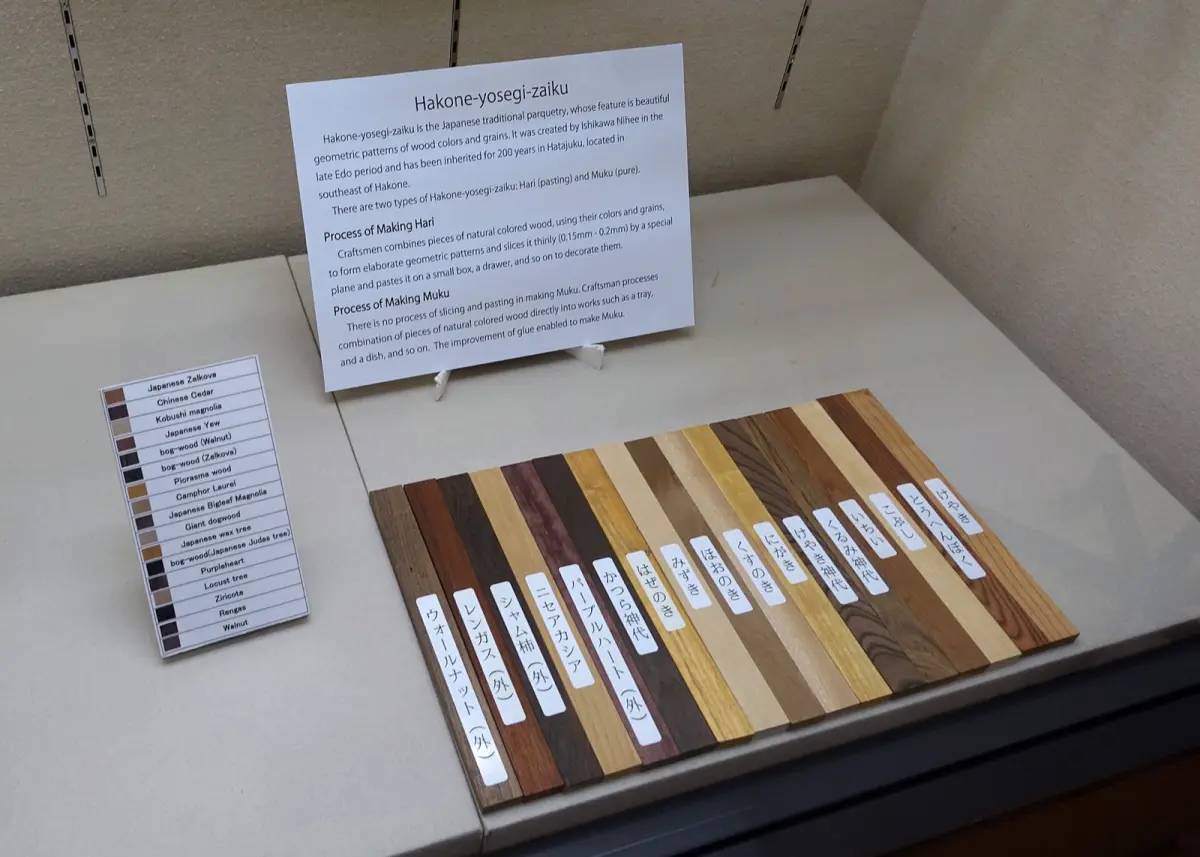 Hakone Yosegi
箱根寄木細工 · Hakone, Kanagawa
Hakone Yosegi
箱根寄木細工 · Hakone, Kanagawa
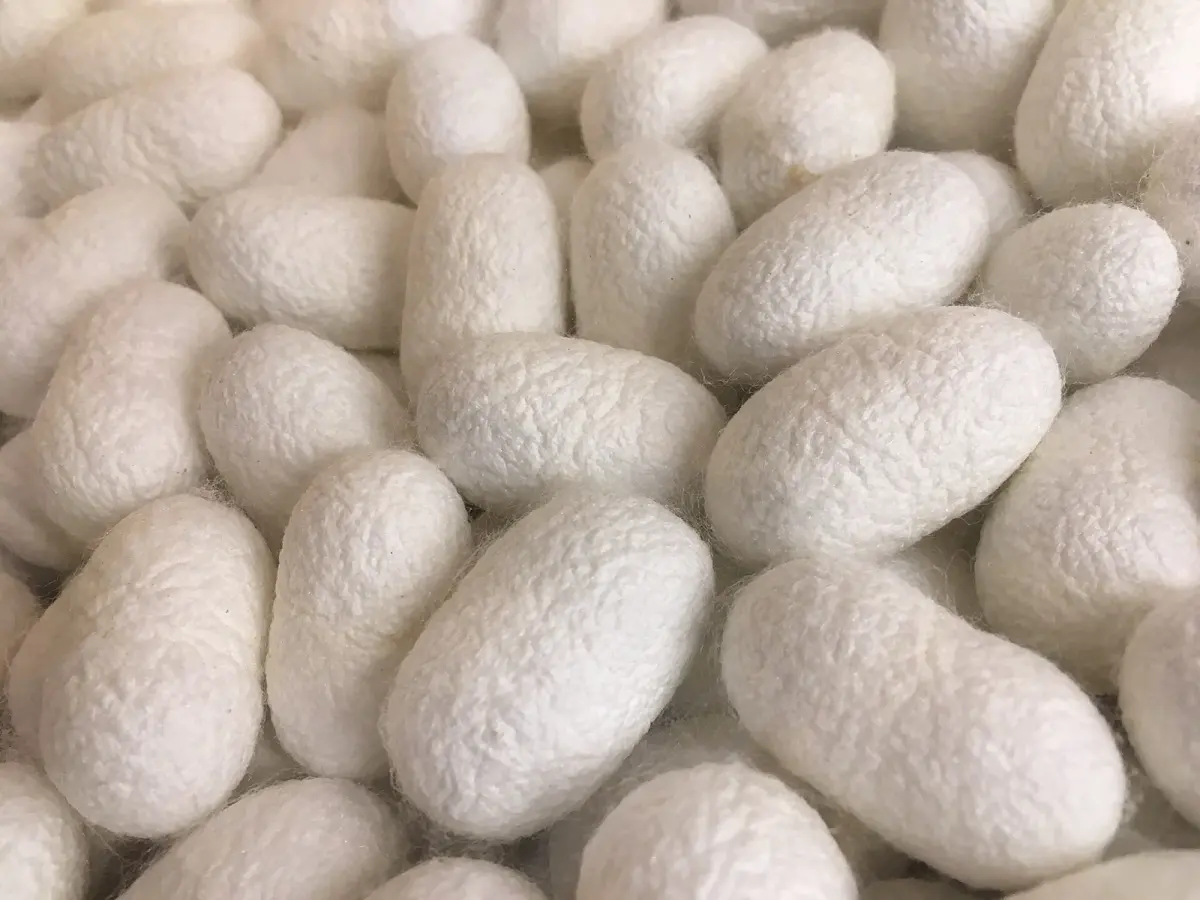 Yūki Tsumugi
結城紬 · Yūki, Ibaraki
Yūki Tsumugi
結城紬 · Yūki, Ibaraki
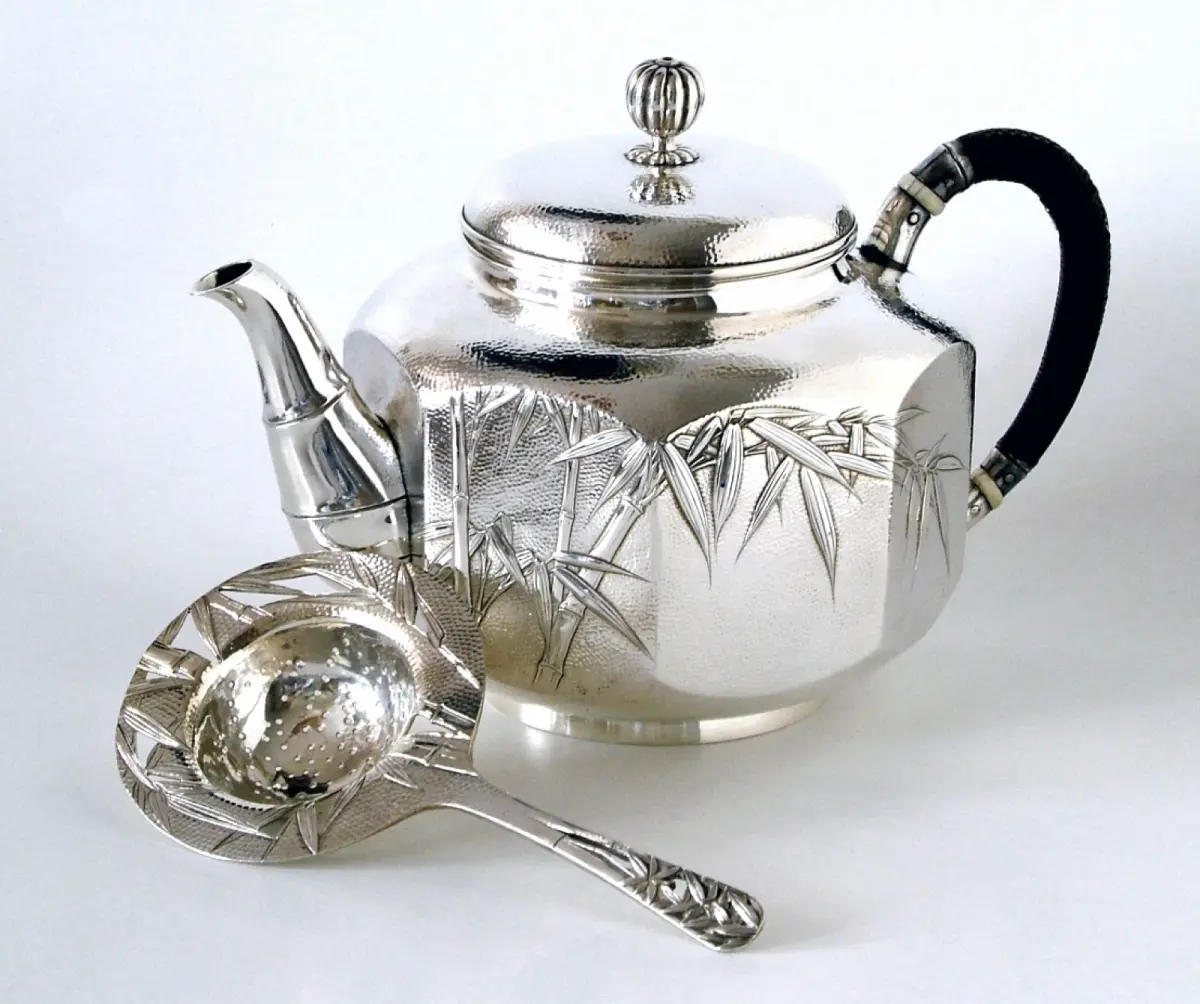 Tokyo Silver
東京銀器 · Taito, Tokyo
Tokyo Silver
東京銀器 · Taito, Tokyo
 Hosokawa Paper
細川紙 · Ogawa, Saitama
Hosokawa Paper
細川紙 · Ogawa, Saitama
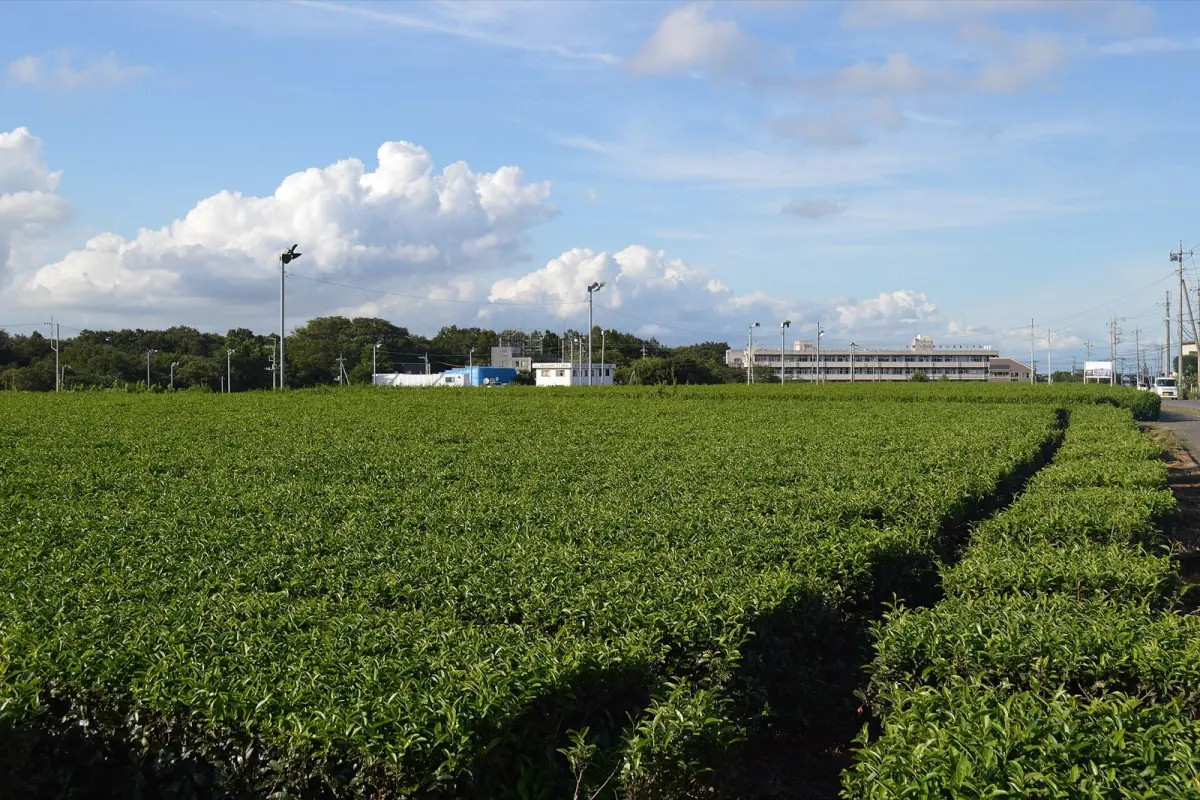 Sayama Tea
狭山茶 · Iruma, Saitama
Sayama Tea
狭山茶 · Iruma, Saitama