Lacquerware
Urushi lacquer turns wood into something that lasts generations — glossy black, deep vermilion, or speckled and marbled. Meet the lacquer towns behind Japan's finest bowls, trays and chopsticks.
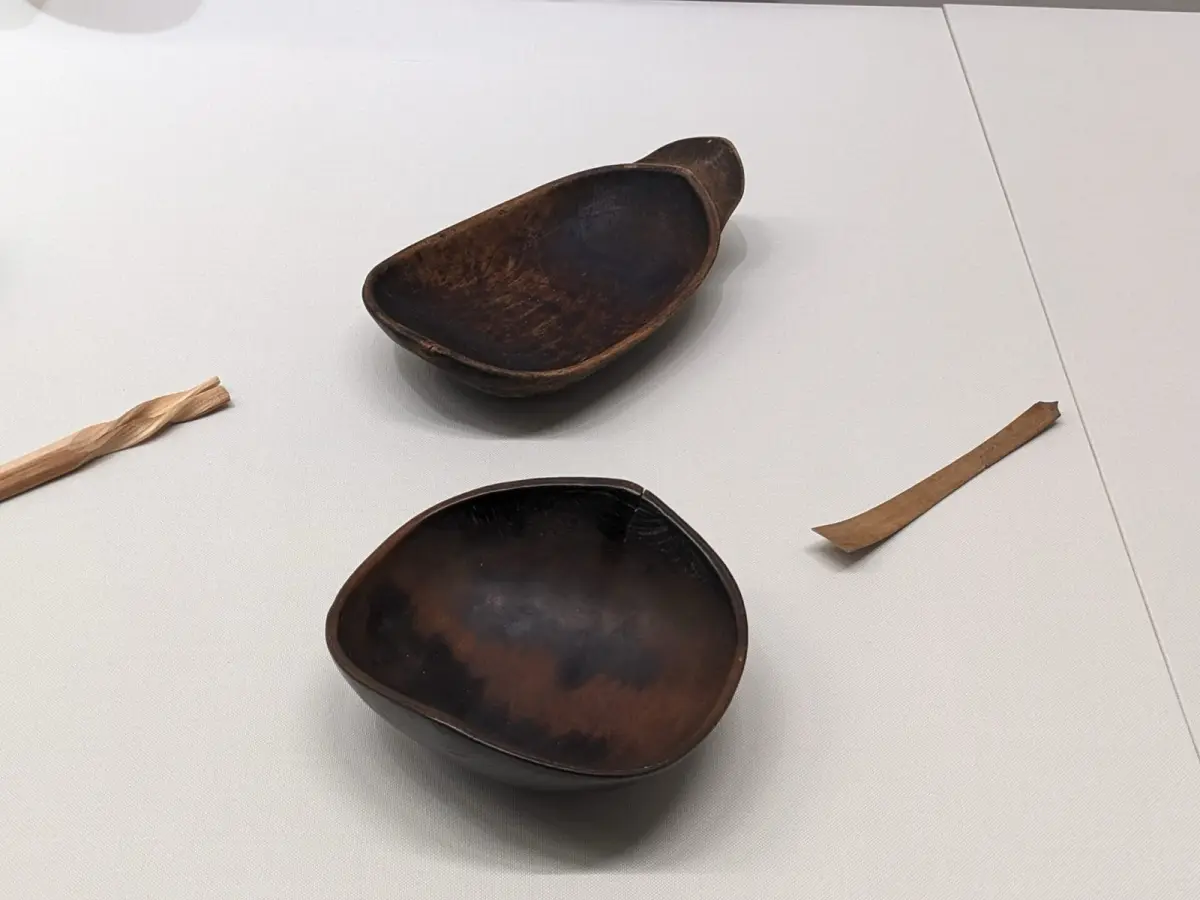
Wajima Lacquer
Japan's most prestigious lacquerware, prized for toughness: a foundation of local diatomaceous 'jinoko,' cloth-reinforced wood and many coats mean roughly 75 to 124 hand steps per piece — then celebrated 'chinkin' incised gold and 'maki-e.' An Important Intangible Cultural Property since 1977.
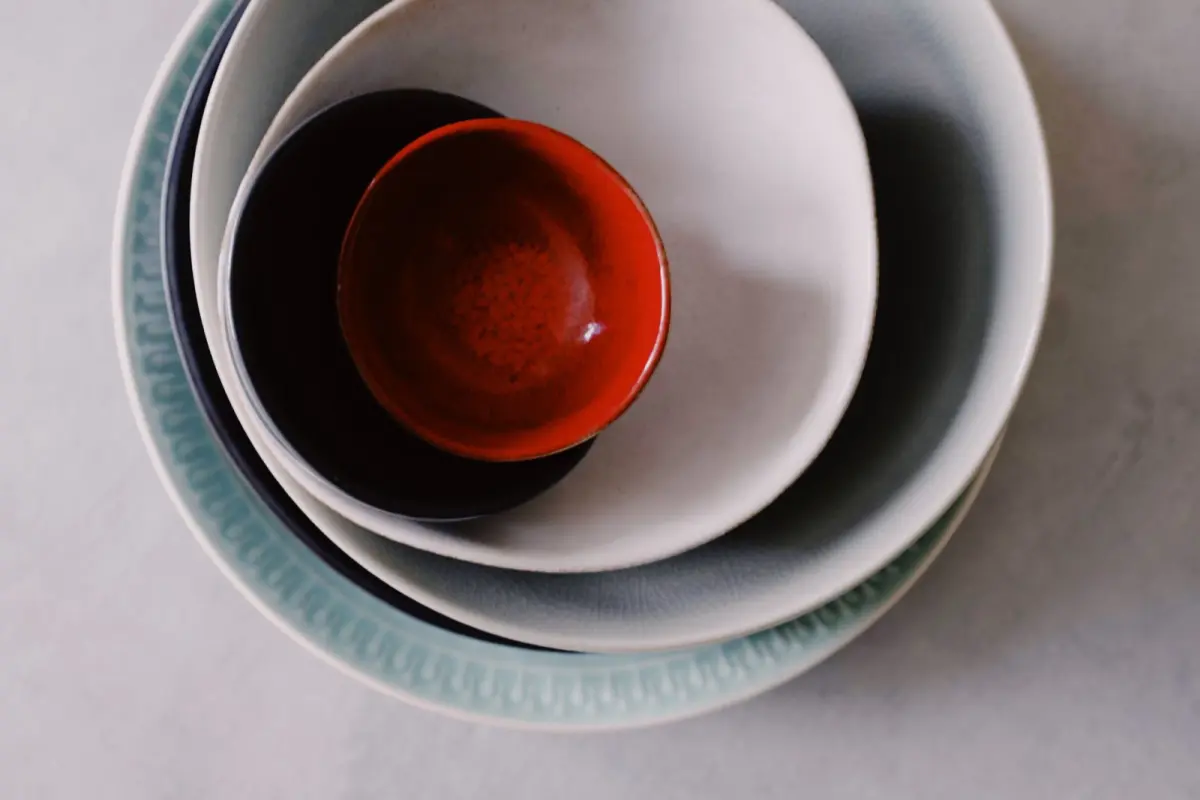
Aizu Lacquer
Lacquerware from the samurai city, rooted in 1590 when the lord Gamo Ujisato brought woodturners and lacquerers from Shiga and made it an industry. Later exported to China and the Netherlands; known for lustrous 'hana-nuri' and fine dusted-gold 'keshifun' maki-e.
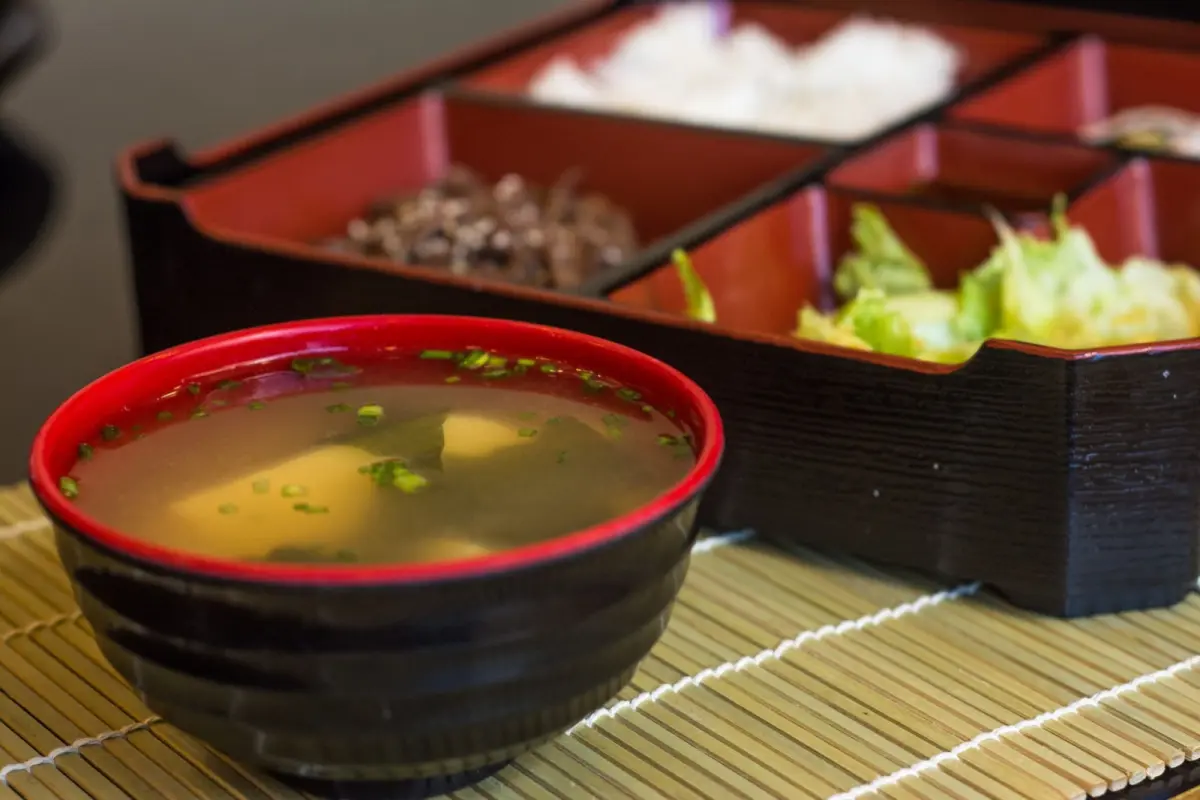
Yamanaka Lacquer
The finest turned woodwork in Japan — 'Yamanaka for woodturning, Wajima for coating, Kanazawa for maki-e.' Begun by 16th-century woodturners above Yamanaka Onsen, its lathe work cuts 'sensuji' ridges of a dozen fine lines within three millimetres.
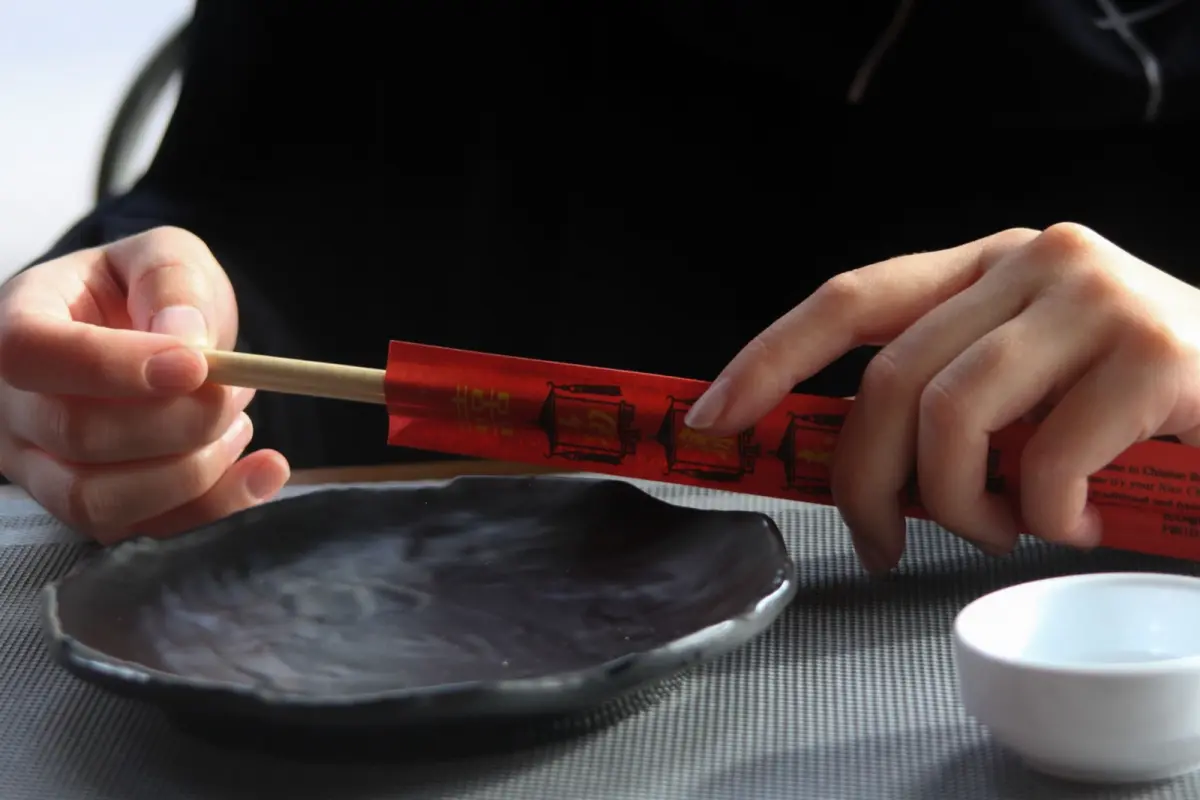
Tsugaru Nuri
Aomori's 'stubborn lacquer' — dozens of coats built up, then ground back to reveal marbled, speckled colour, no two alike. Its signature 'kara-nuri' is so laborious it is nicknamed 'the fool's lacquer.' Tough for daily chopsticks, refined enough to treasure.
Kishū Lacquer
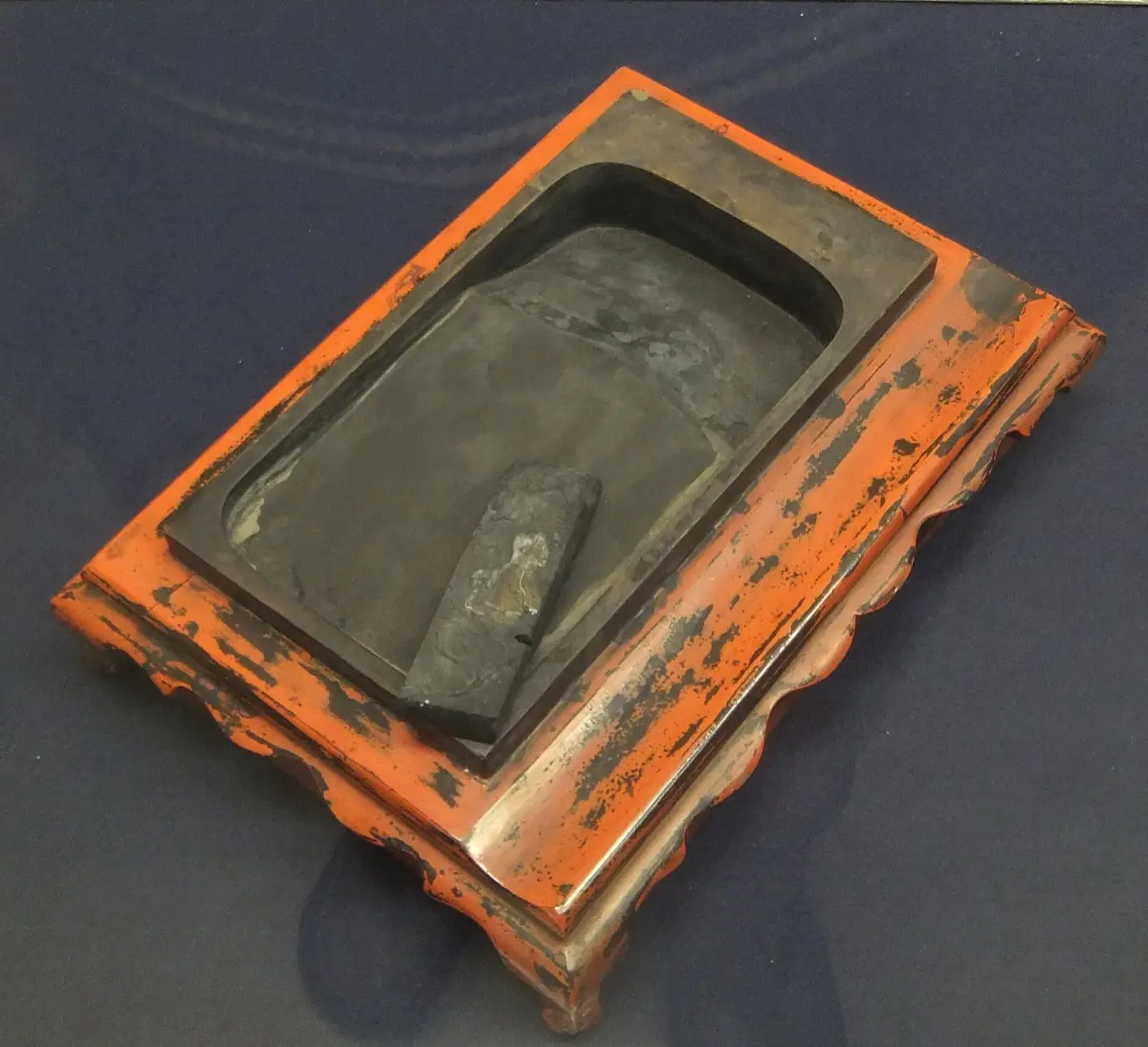
One of Japan's three great lacquerwares, made in Kuroe since about 1400. Shaped by nearby Negoroji temple's 'Negoro' style — red lacquer over black that wears to reveal the black beneath — Kishu made honest, affordable everyday lacquer for ordinary tables.
Kiso Lacquer
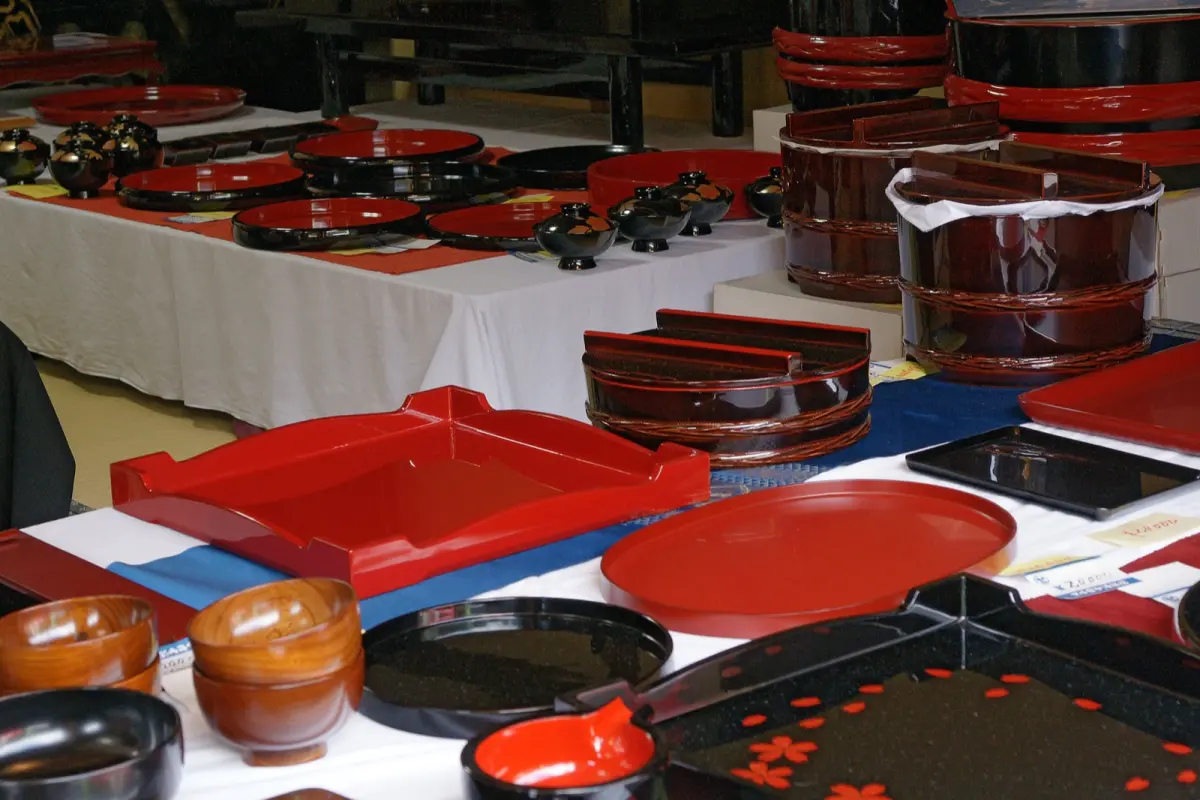
Sturdy lacquerware from the Kiso valley on the old Nakasendo highway, its trade grown with the road. A local iron-rich earth called 'sabitsuchi', found in the Meiji era and mixed into the undercoat, makes it exceptionally tough. Known for Kiso-tsuishu and Kiso-shunkei; the maker town Kiso-Hirasawa is a preservation district.
Kamakura-bori
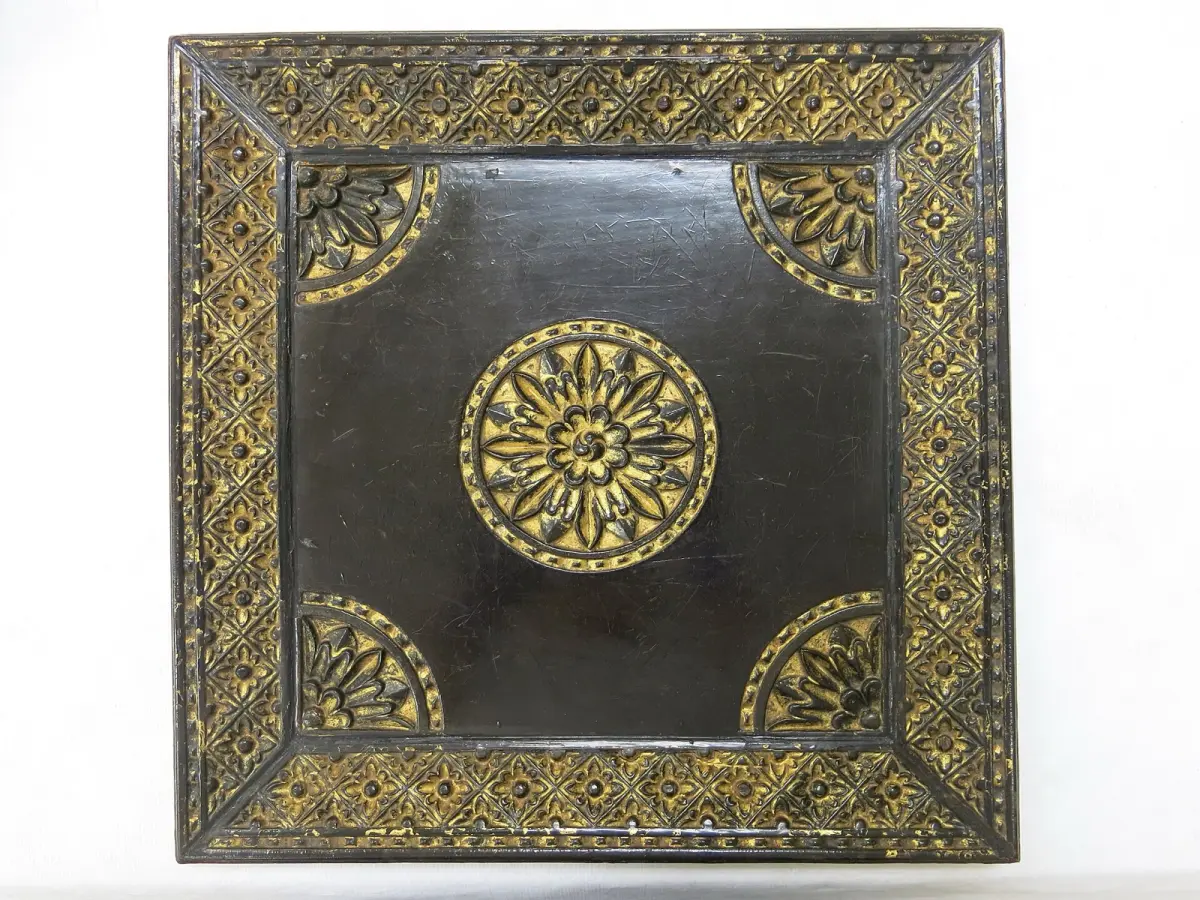
Carved lacquerware born in medieval Kamakura, where Zen temples like Kenchoji (1253) prized Chinese carved lacquer. Buddhist sculptors devised a simpler way: carve the wood first, then build up black and coloured lacquer over it and polish. The result is a deep, shadowed relief — 800 years on, still a Kamakura signature.
Echizen Lacquer
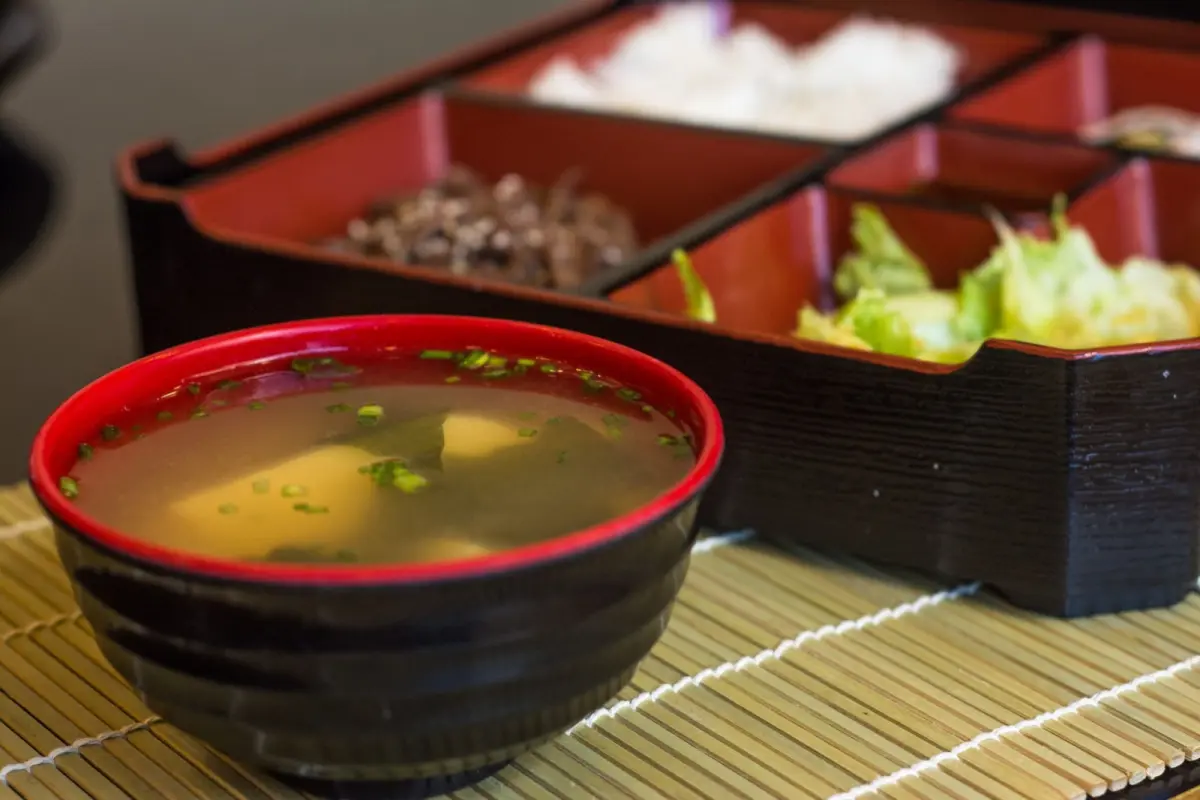
Lacquerware from Fukui with a 1,500-year legend: an ancient emperor, pleased by a black bowl offered when a local lacquerer mended his crown, encouraged the craft. Long known as plain 'Katayama bowls', it later took in Kyoto maki-e and Wajima chinkin. Today Echizen makes about 80% of Japan's commercial lacquerware for hotels and restaurants.