Kiryu Textile: Inside Japan's Historic Silk-Weaving City
On this page
The shimmer catches you first - that particular lustre unique to Kiryu-ori (桐生織), where silk threads seem to hold light differently than anywhere else in Japan. In the foothills of Gunma Prefecture, weavers have been coaxing this radiance from their looms for more than a millennium, earning their city the sobriquet that pairs it with Kyoto's famed Nishijin: 'Nishijin of the west, Kiryu of the east.'
Threads Through Deep Time
The Shoku Nihongi, one of Japan's six classical histories, records an offering of ashiginu silk from Kiryu to the imperial court in 714 CE. This isn't legend - it's documented tribute, proof that these mountain valleys were already producing textiles worthy of emperors thirteen centuries ago. Local tradition reaches back even further through the tale of Shirataki-hime, a princess who taught villagers the twin arts of sericulture and weaving, establishing practices that would define the region's identity across the ages.
Seven Ways to Catch the Light
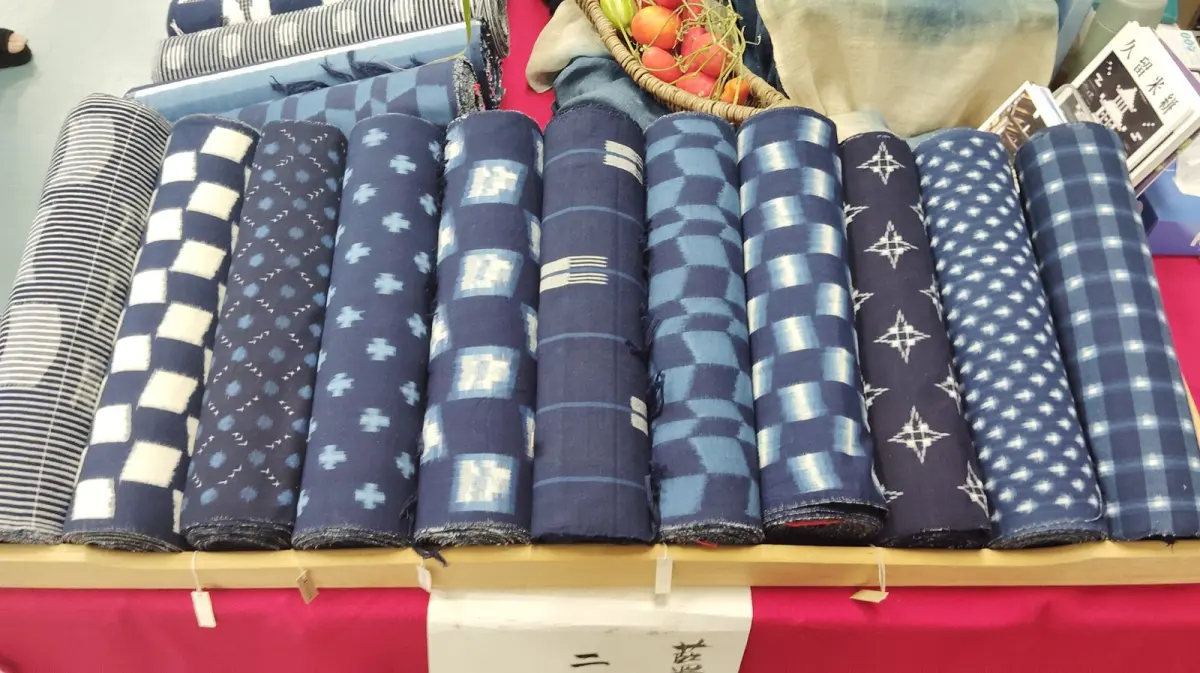
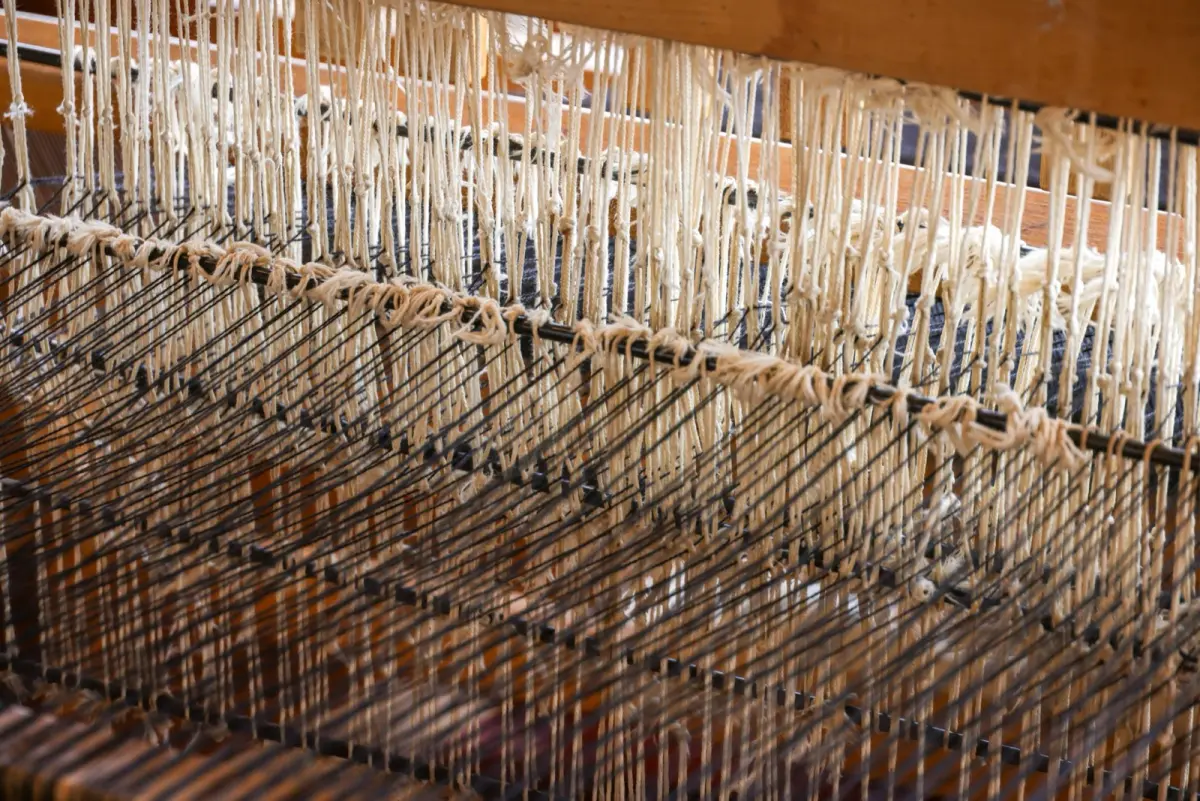
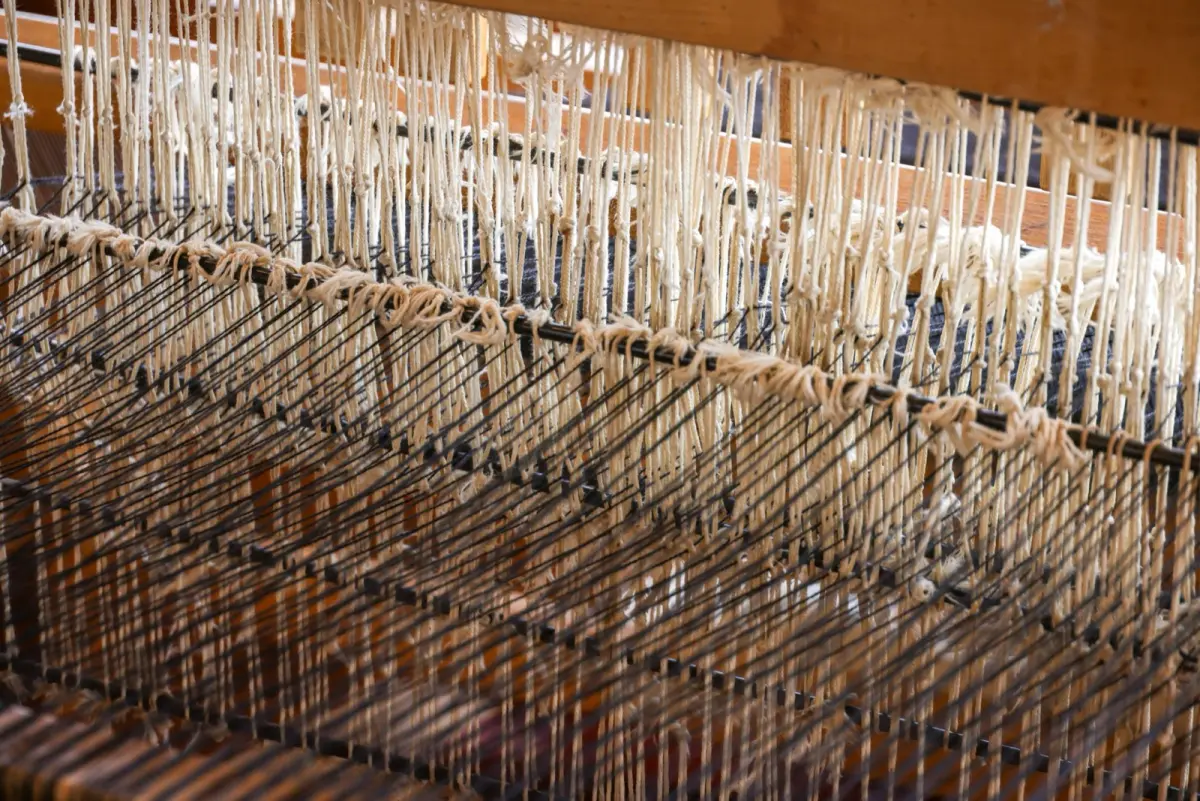
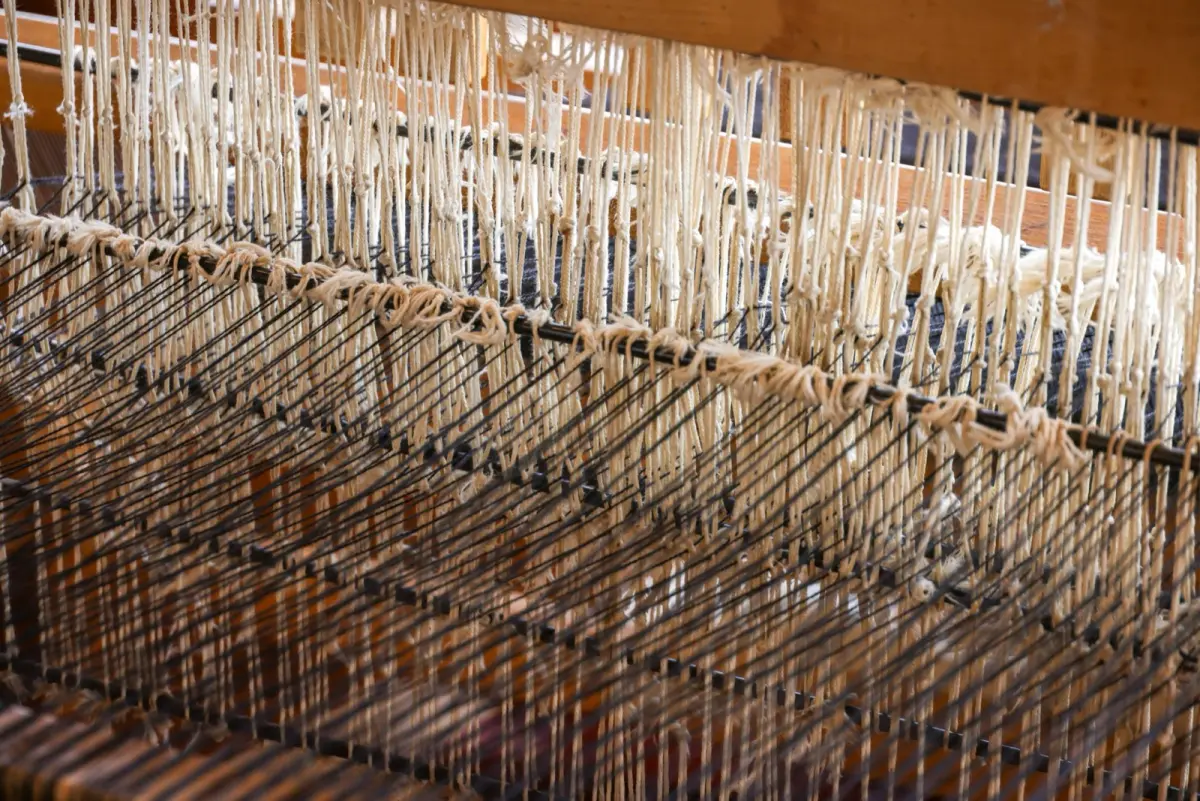
What sets Kiryu apart isn't a single signature technique but rather an extraordinary breadth of mastery. The city claims seven designated traditional weaving methods, each producing distinct textures and patterns. This range reflects centuries of technical evolution and cross-pollination - weavers here absorbed influences from across Japan while developing innovations of their own. The result is a living encyclopedia of Japanese textile techniques, all practised within a single geographic region and unified by that characteristic Kiryu lustre, a quality born from both the silk itself and the particular tension and rhythm of local looms.
The Shogun's Favourite Cloth
Among Kiryu's techniques, omeshi (御召) holds special distinction. The name itself - which translates roughly as 'summoned' or 'called for' - carries an origin story from the Edo period. According to tradition, the eleventh shogun Tokugawa Ienari developed such a preference for this particular Kiryu cloth that his repeated requests for it gave the fabric its name. Whether the etymology is perfectly accurate or not, the association stuck, and omeshi became synonymous with refined taste and shogunal approval, elevating Kiryu's reputation throughout the merchant and samurai classes.
Geography as Destiny
Kiryu's location proved ideal for textile production. The Watarase River provided water for dyeing and finishing, while the surrounding mountains offered the mulberry cultivation necessary for sericulture. The region's position - close enough to Edo (modern Tokyo) for market access, yet removed enough to maintain distinct traditions - allowed Kiryu to develop as both innovator and preserver. When Japan's silk industry exploded during the Meiji period, Kiryu was positioned to ride that wave while maintaining the traditional techniques that distinguished its textiles from mass production.
Woven Into the Present
Today's Kiryu weavers inherit these layered histories - the court records, the shogunal preferences, the technical diversity - and continue working looms that produce fabric fundamentally similar to what their predecessors made centuries ago. The city's textile industry has contracted from its peak, as has traditional weaving throughout Japan, but what remains is concentrated expertise. Those seven designated techniques are still practised, still producing that distinctive shimmer that first caught imperial eyes in the eighth century.
The lustre endures, thread by thread, through hands that know what their ancestors knew.
FAQ
Chaware curates authentic Japanese crafts — straight from the makers in Japan to your table.
Explore the Chaware collection →
Keep exploring