Takamatsu, Go Deeper
Takamatsu is Shikoku's quiet gateway, a harbour city where feudal gardens meet ferries to art islands and the pulse of everyday udon life. Beyond the castle moats and sculpted pines lies a region shaped by pilgrims, sailors and the Inland Sea itself—lava plateaus rising from blue water, stone steps climbing to shrines older than the nation, and noodle shops where lunch is a local art form. This is a place to slow down and look closer.
- Tap Open in Google Maps on any place for live directions, transit, hours & reviews.
- Get an ICOCA / Suica IC card — tap on/off trains, subways & buses, no ticket needed.
- Carry some cash (¥) — many small shops, shrines & old streets are cash-only.
- Go early: the famous spots are calm and beautiful before ~9am.
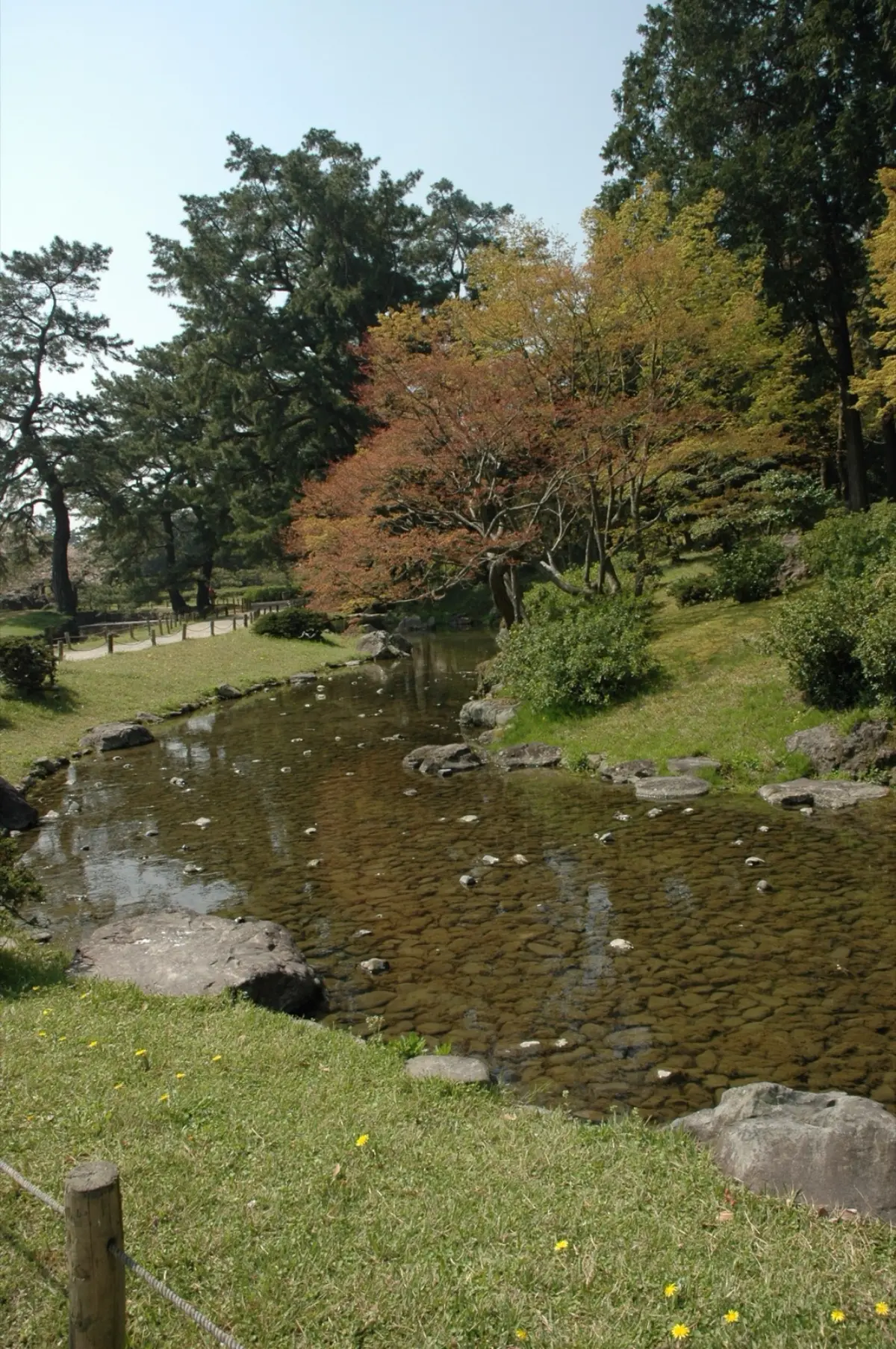
Ritsurin Garden
A century of careful work by the Matsudaira lords created this seventy-five-hectare masterpiece, a strolling garden that borrows the wooded slopes of Mount Shiun as its backdrop. Ritsurin holds the rank of Special Place of Scenic Beauty and is often named the finest garden outside the official 'big three', its ponds and teahouses unfolding in scene after composed scene.
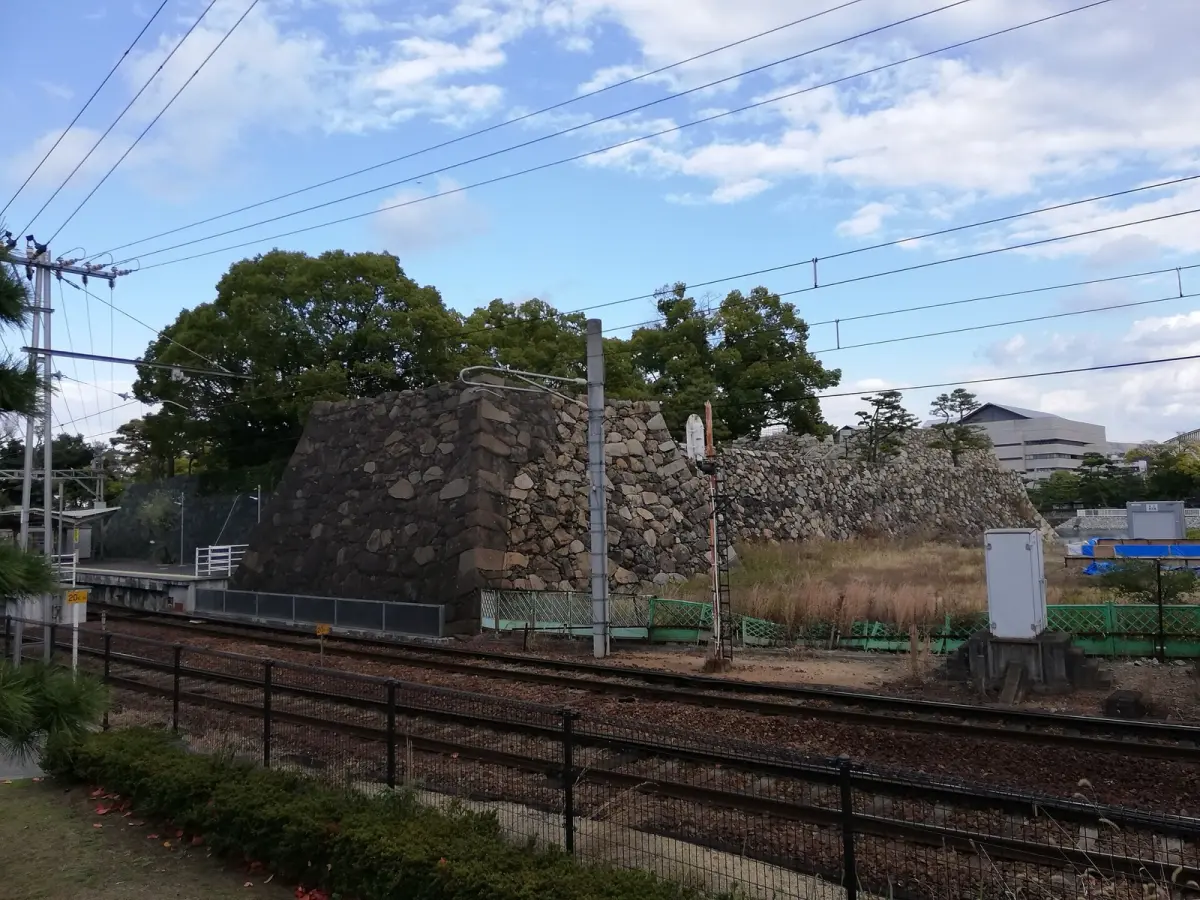
Takamatsu Castle (Tamamo Park)
One of Japan's rare sea castles, Takamatsu's moats still fill and empty with the tides of the Inland Sea. The keep is long gone, but the waterside turrets remain, their stone foundations lapped by salt water where fish swim in and out with the moon.
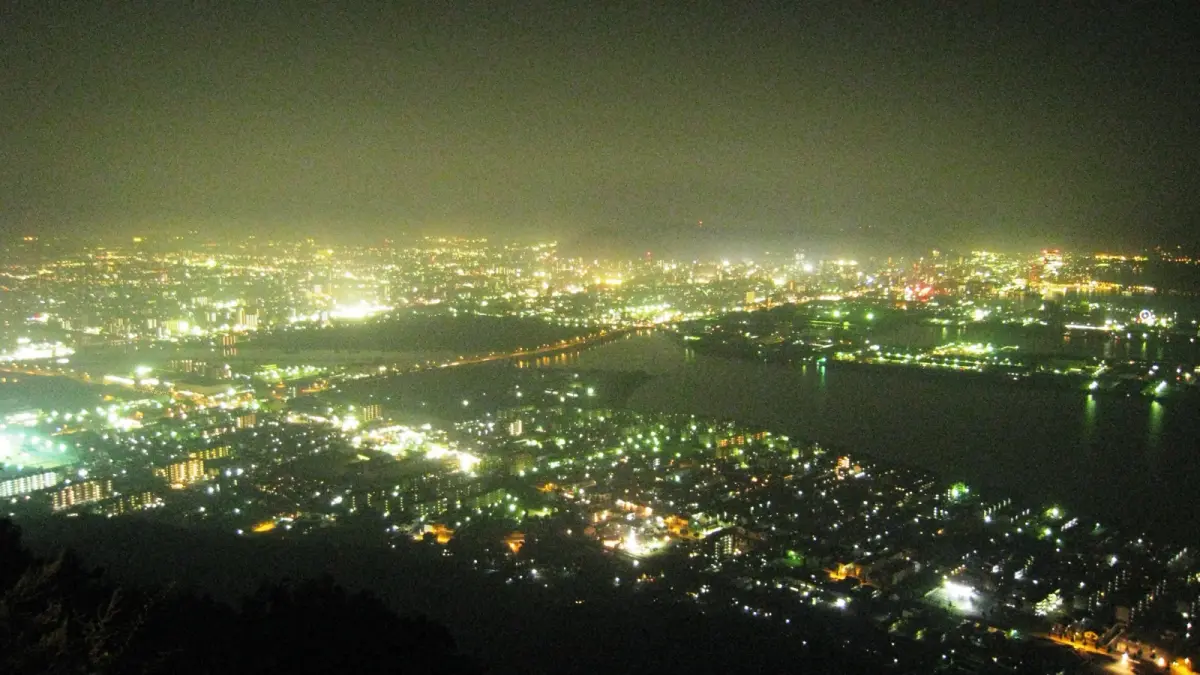
Yashima Plateau
This flat-topped lava plateau rises abruptly from the sea, its summit the stage for a twelfth-century clash between the Genji and Heike clans. Today the views sweep across the Inland Sea's scattered islands, the same waters those ancient warriors once fought to control.
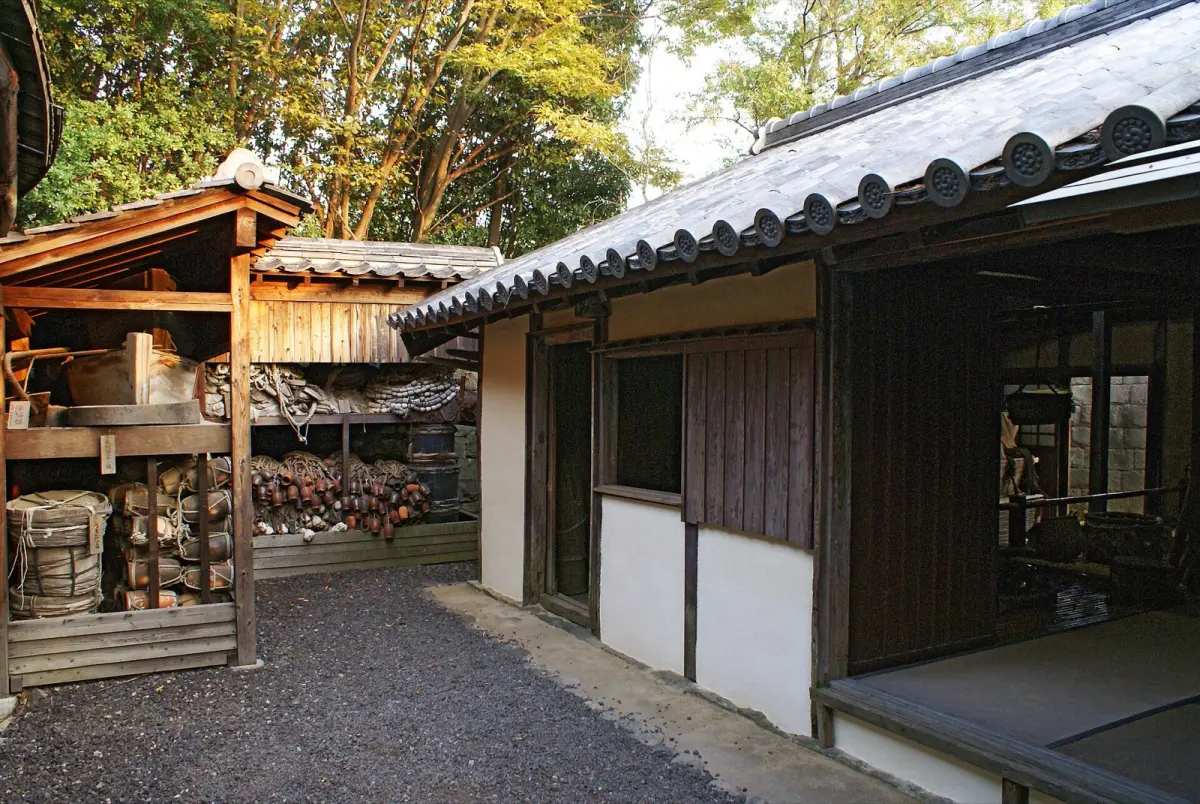
Shikoku Mura
An open-air museum where old Shikoku comes back to life—thatched farmhouses transplanted from across the island, a kabuki stage, and a swaying vine bridge. Each structure tells a story of rural craft and the rhythms of a slower century.
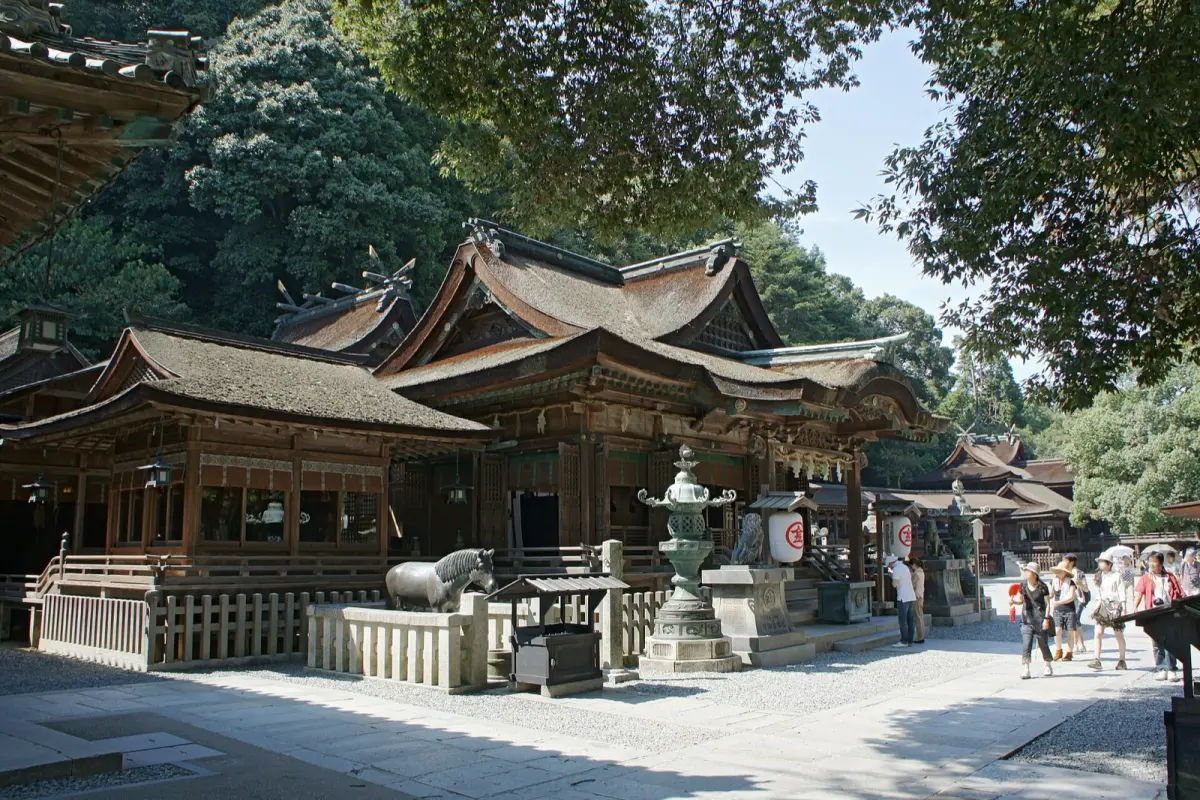
Konpira-san (Kotohira-gū)
The great shrine to the god of seafarers demands a pilgrimage of its own: seven hundred and eighty-five stone steps to the main hall, then another climb to the inner shrine at one thousand three hundred and sixty-eight. Sailors have made this ascent for centuries, seeking safe passage on unpredictable waters.
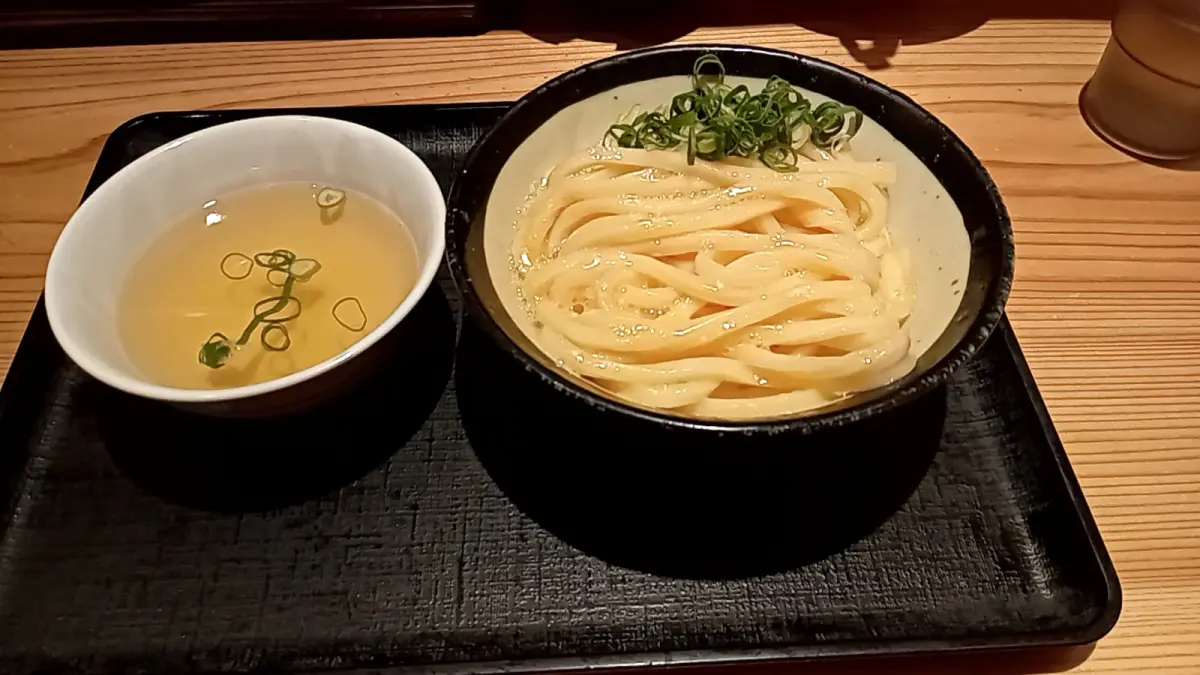
Sanuki Udon
Kagawa's thick, springy wheat noodles are so central to daily life here that locals call this 'Udon Prefecture'. The texture—firm, almost chewy—comes from technique honed over generations, and the simplest bowl in a neighbourhood shop can be a revelation.
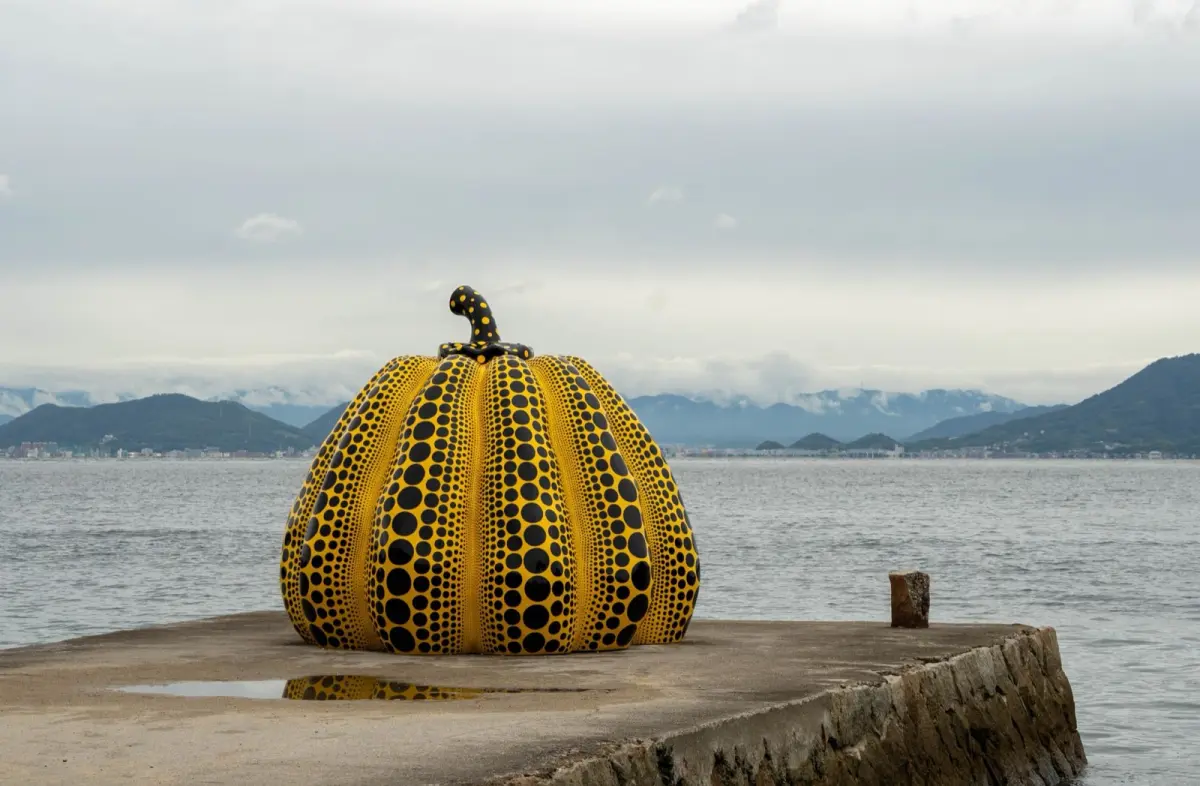
Naoshima Art Island
This small Inland Sea island has become a pilgrimage site of a different kind, where Tadao Ando's concrete galleries nestle into hillsides and Yayoi Kusama's yellow pumpkin perches by the ferry pier. Art and architecture merge with the rhythms of island life, reached by a short boat ride from Takamatsu.
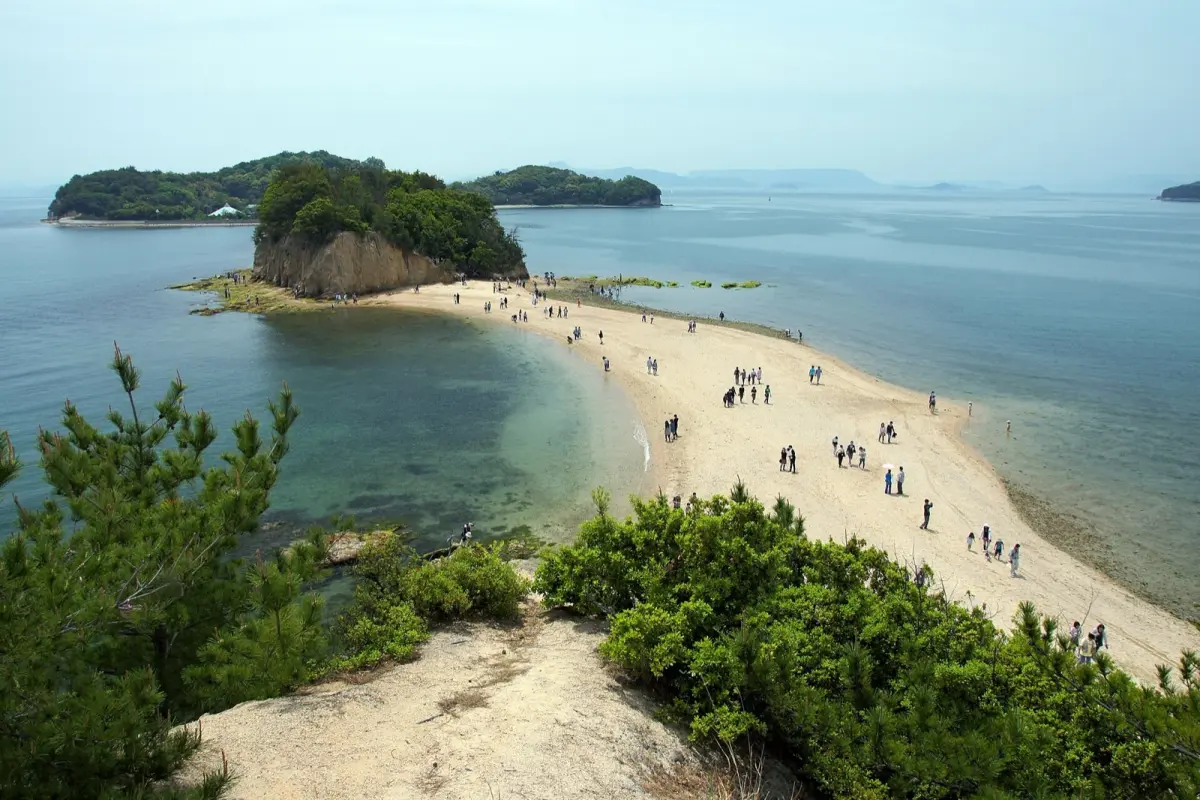
Angel Road, Shōdoshima
On Shōdoshima, a sandbar appears between small islets only when the tide retreats, creating a fleeting path across the shallows. The phenomenon draws couples and photographers alike, all timing their visit to the sea's ancient schedule.
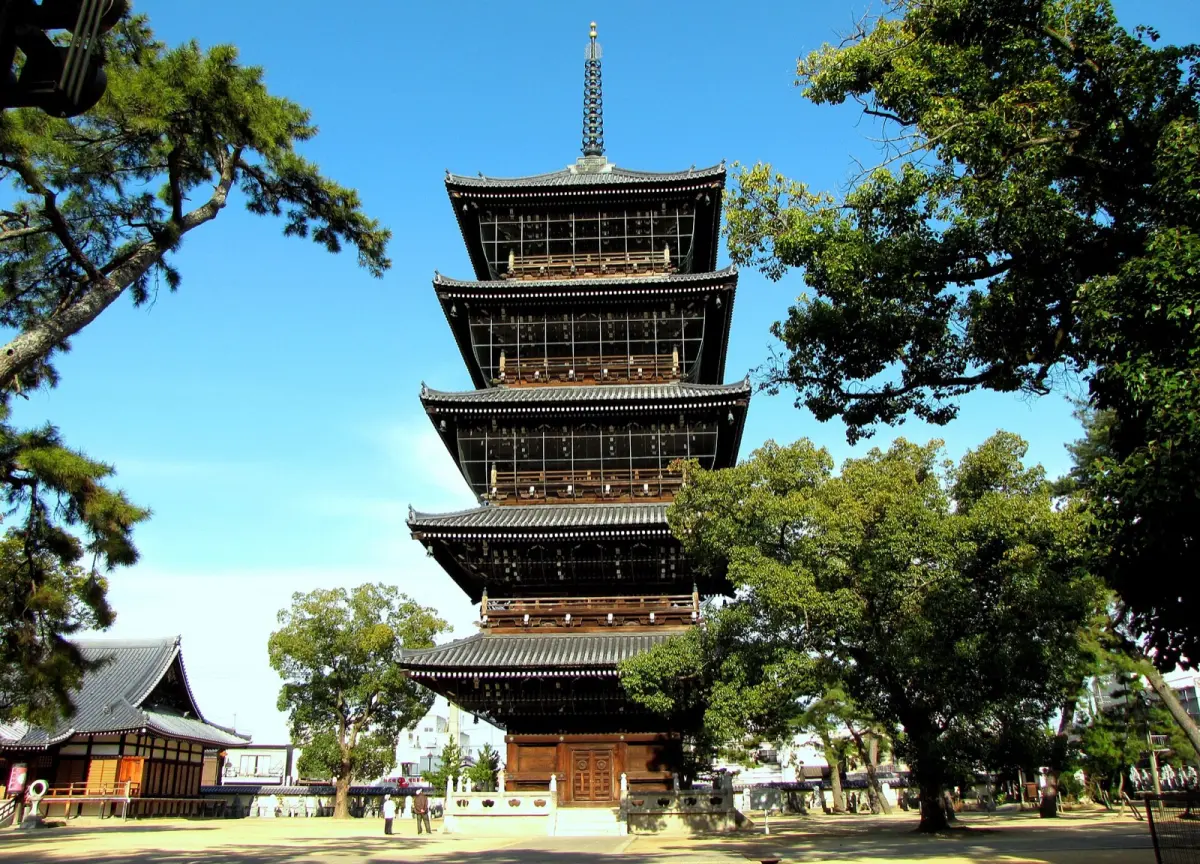
Zentsū-ji
The birthplace of Kūkai, founder of Shingon Buddhism, and temple seventy-five on the great pilgrimage circuit. A five-storey pagoda marks the site, and white-clad pilgrims still pause here to honour the monk who walked these paths more than a millennium ago.
Crafts of this region
Authentic pieces made near here — learn the story, then bring one home.
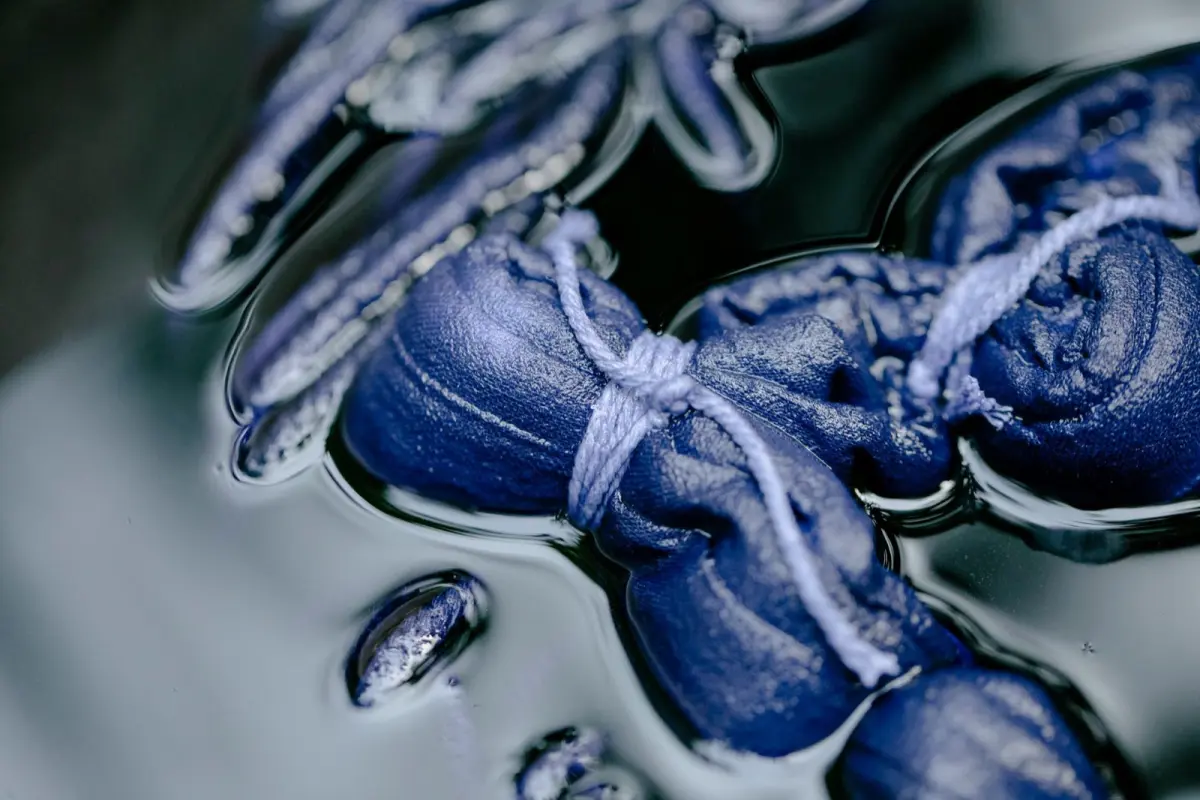 Awa Indigo
阿波藍 · Tokushima
Awa Indigo
阿波藍 · Tokushima
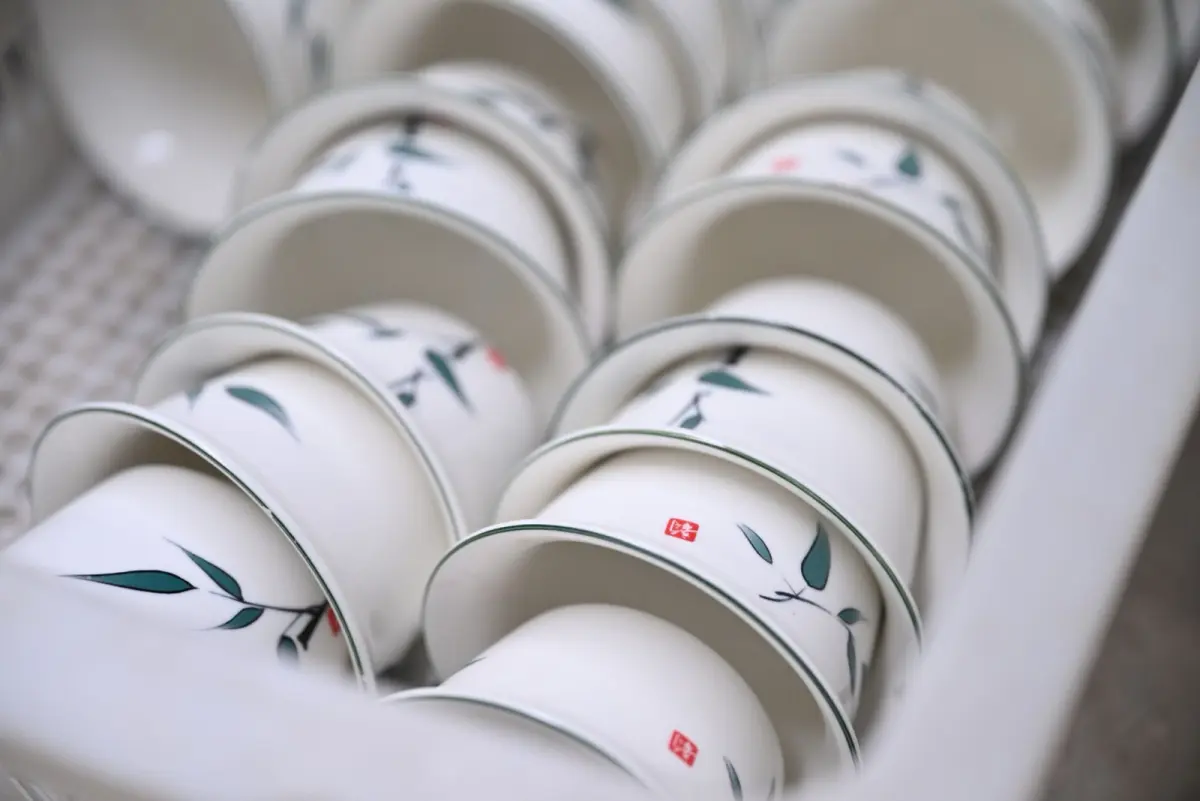 Tobe Ware
砥部焼 · Tobe, Ehime
Tobe Ware
砥部焼 · Tobe, Ehime
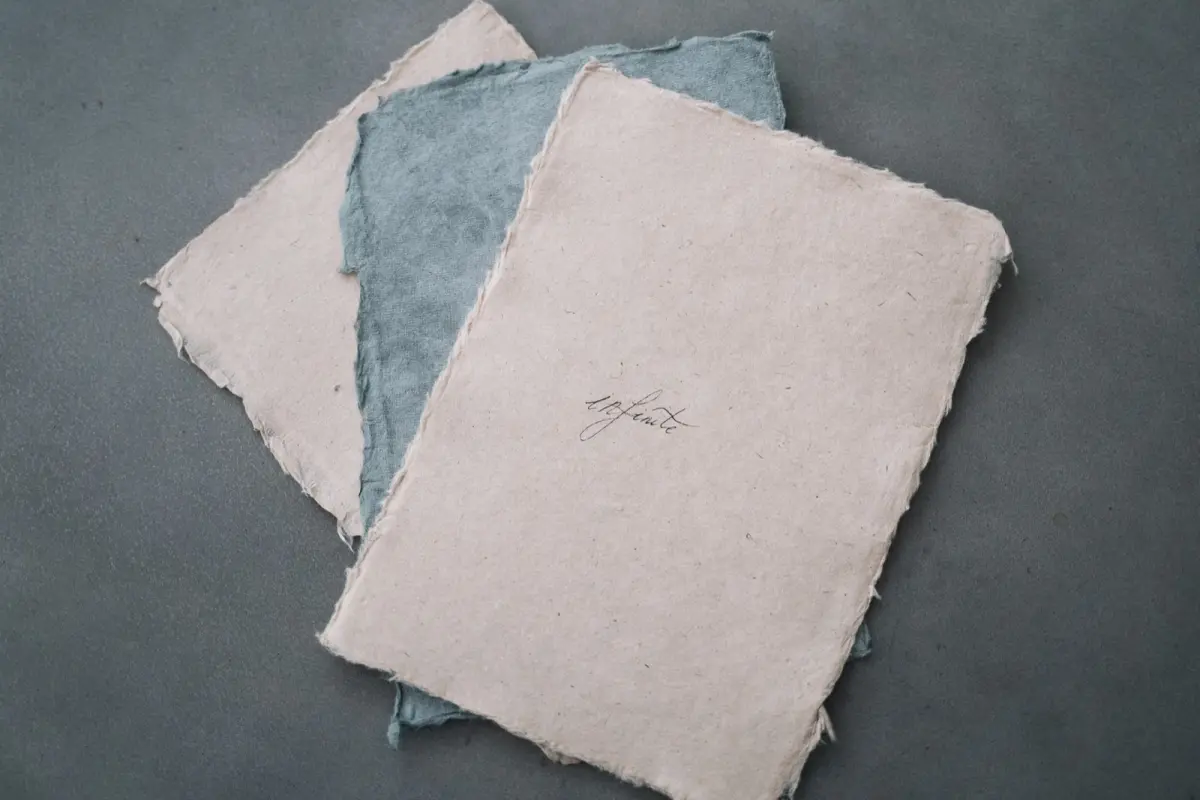 Tosa Washi
土佐和紙 · Ino, Kōchi
Tosa Washi
土佐和紙 · Ino, Kōchi
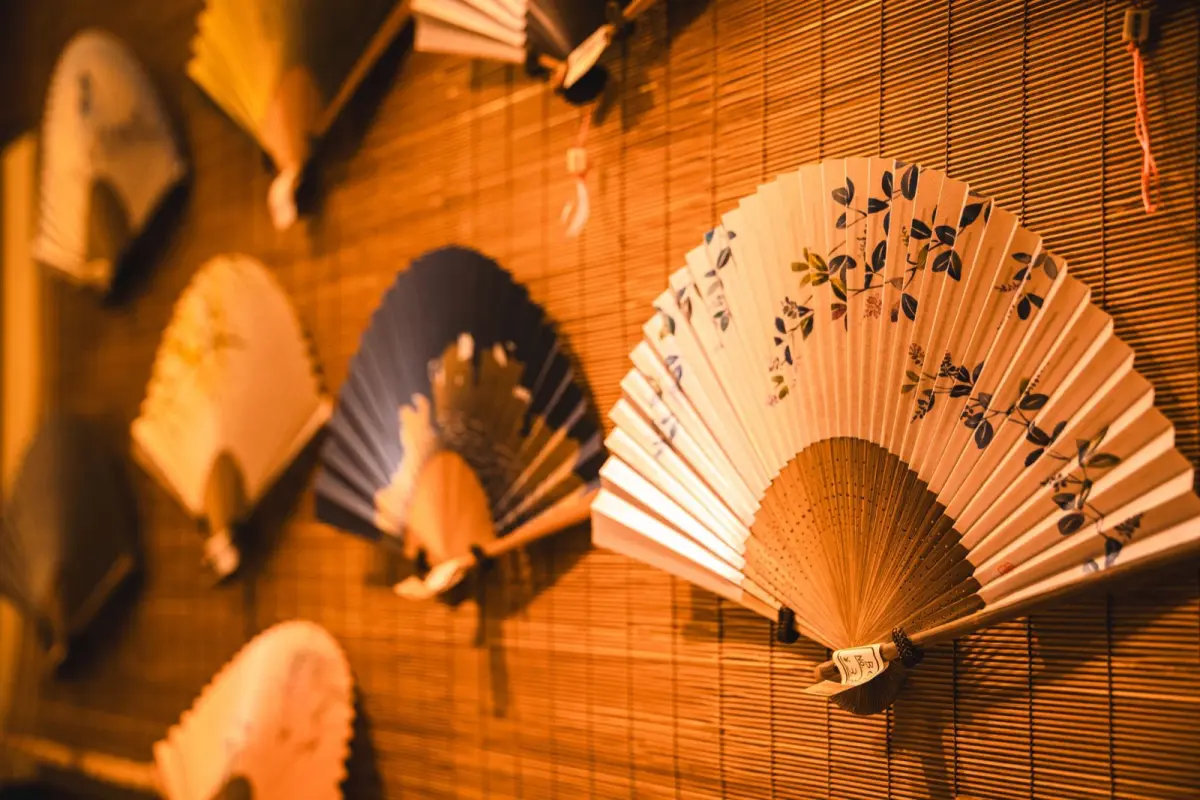 Marugame Round Fans
丸亀うちわ · Marugame, Kagawa
Marugame Round Fans
丸亀うちわ · Marugame, Kagawa
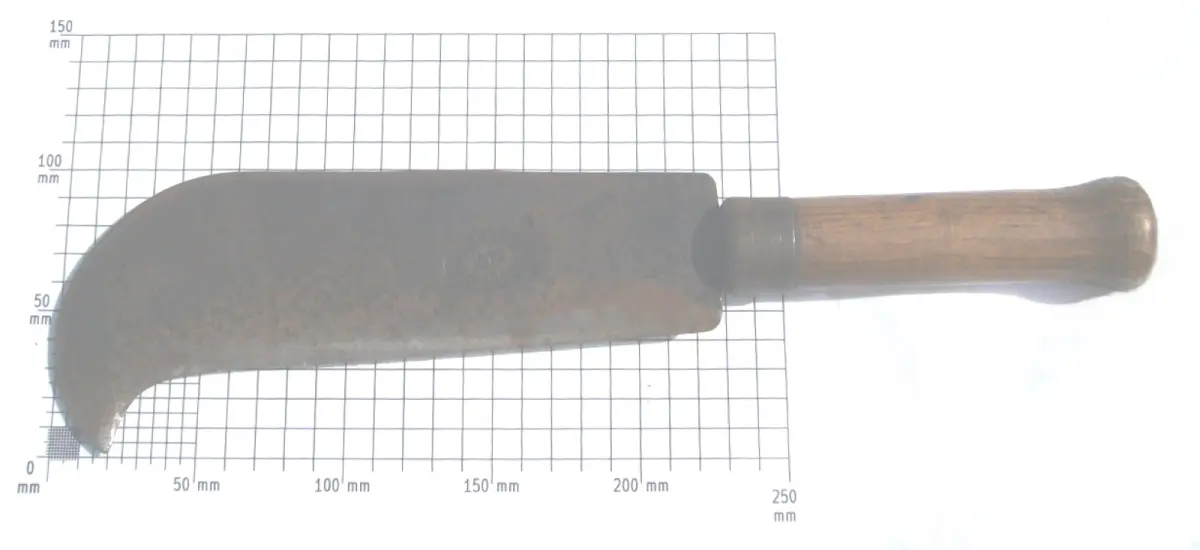 Tosa Blades
土佐打刃物 · Kami, Kochi
Tosa Blades
土佐打刃物 · Kami, Kochi