Yuki Tsumugi: The Silk That Takes A Year
On this page
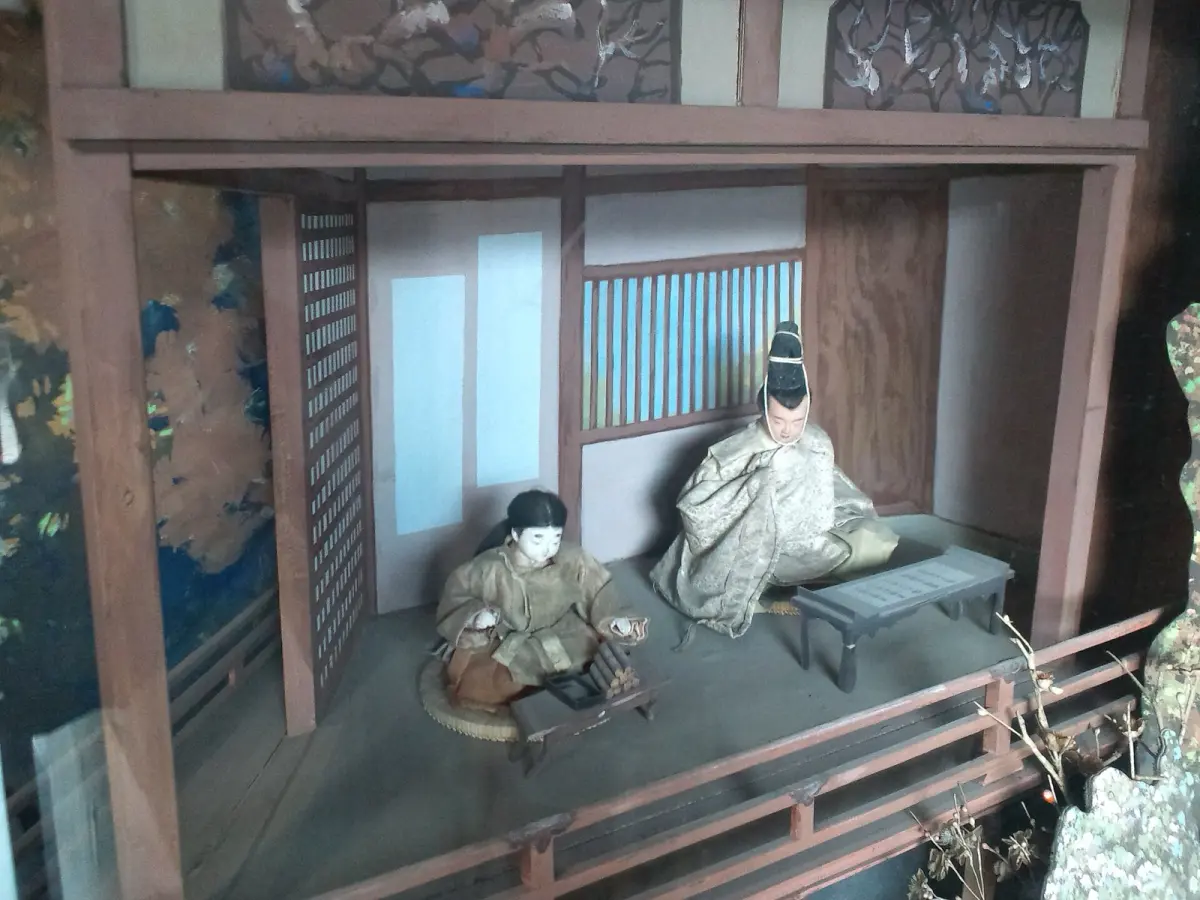
The weaver sits on the floor, legs stretched forward, the warp threads of her loom anchored to her own body. Each shift of weight adjusts the tension. This is izari-bata (居座機), the ground loom that has shaped Yuki tsumugi (結城紬) for centuries, turning raw silk floss into fabric so light a full bolt weighs a hundred grams less than ordinary raw silk.
Thread Spun by Winter Hands
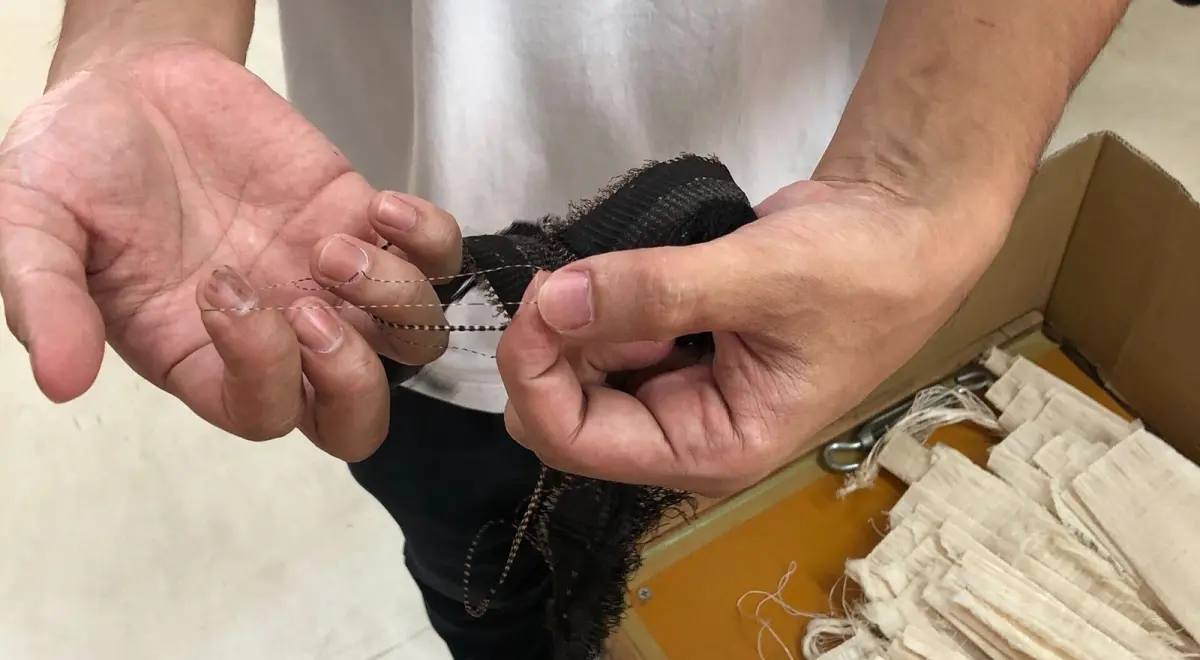
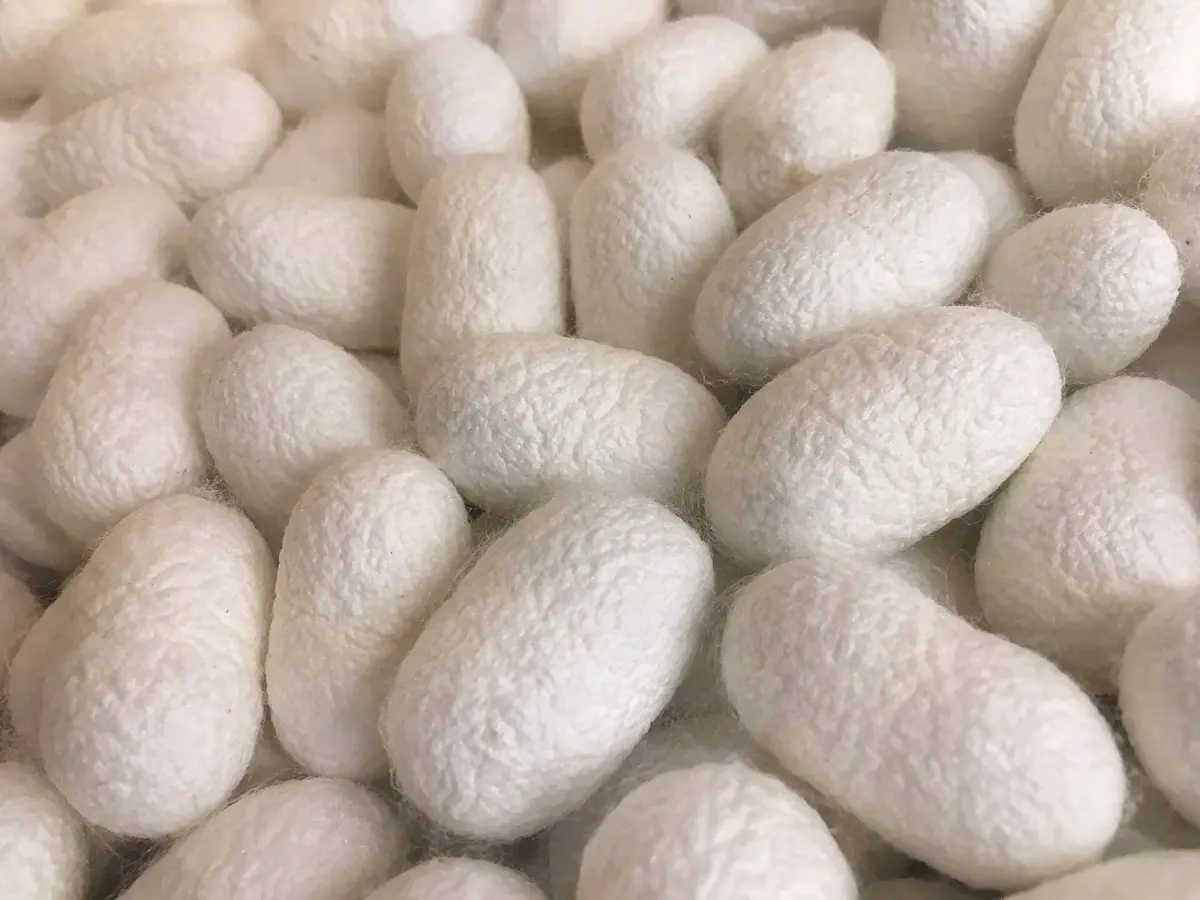
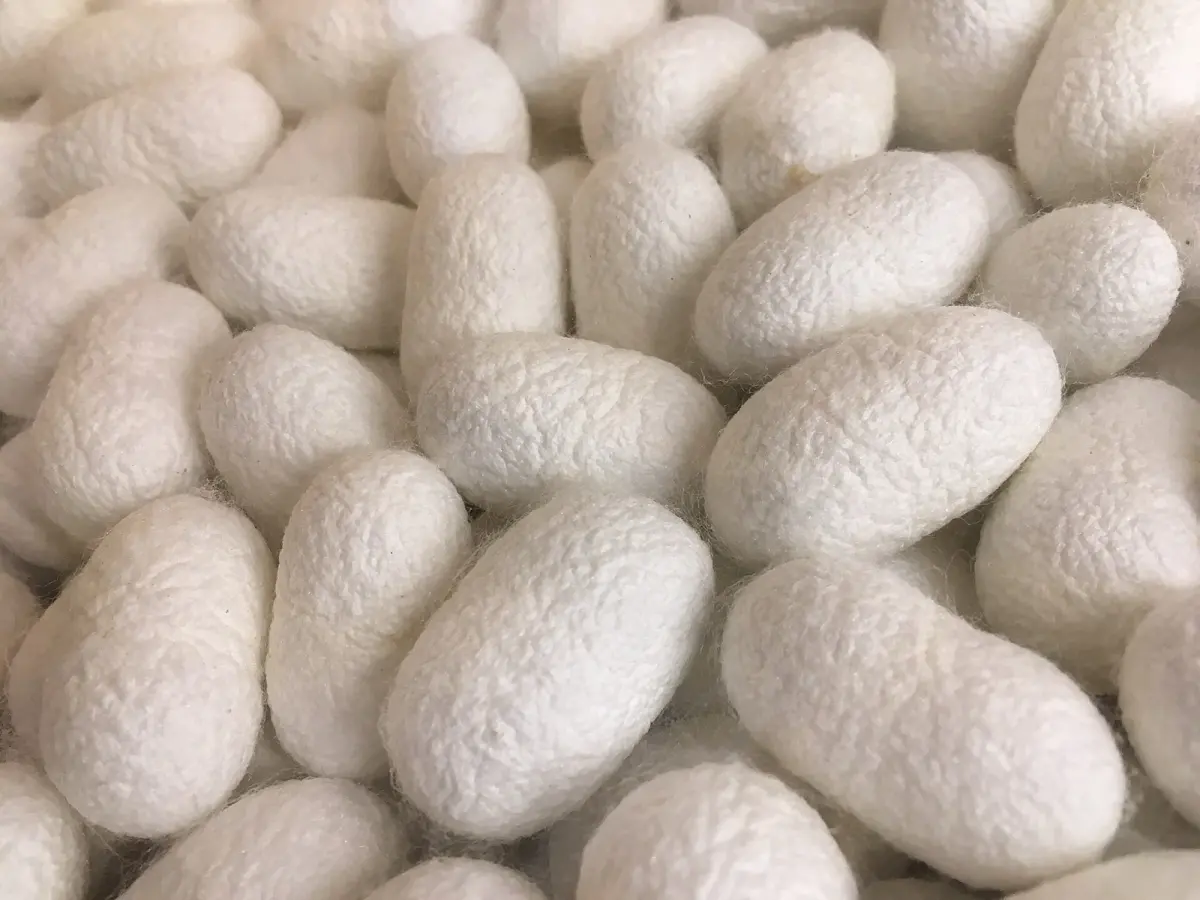
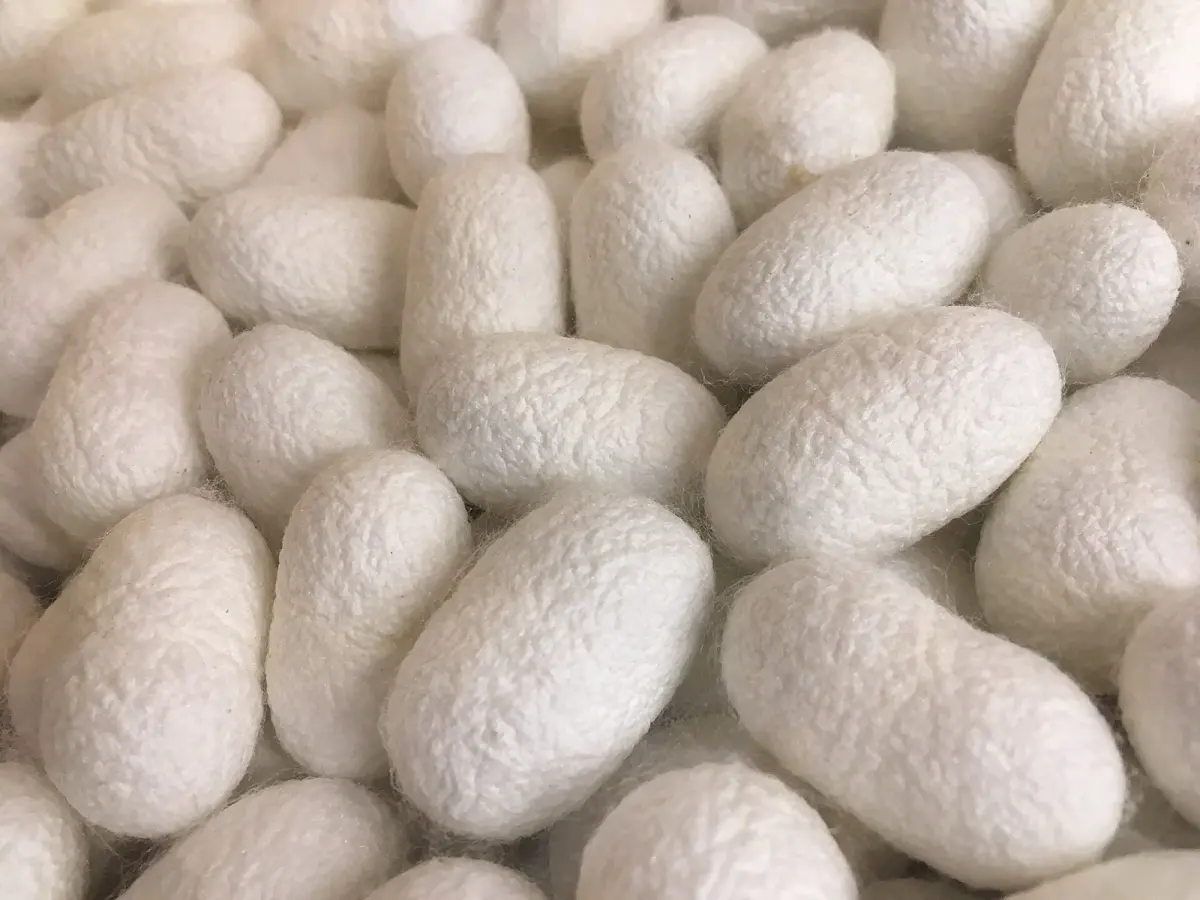
In Yuki, a city in Ibaraki Prefecture, the creation of this silk pongee begins not with a cocoon unwound whole, but with mawata (真綿) - silk floss stretched and teased by hand. Spinners pull the fibers gently, twisting them into thread between dampened fingers. The technique has no shortcuts. Every strand used in traditional Yuki tsumugi must be hand-spun, a requirement that sets this cloth apart from nearly all other Japanese silks and one that helped earn the izari-bata weaving method designation as an Important Intangible Cultural Property in 1956.
The fabric's roots reach back to the Nara period, though the name 'Yuki-tsumugi' itself dates to the Keicho era, between 1596 and 1615. By the early Edo period, production had grown substantial enough to supply the merchant and samurai classes with a cloth prized for its warmth and subtle texture.
Patterns Tied One Knot at a Time
Before weaving begins, the kasuri (絣) patterns must be bound into the threads themselves. Artisans mark the design on the warp and weft, then hand-tie each section that will resist the dye with cotton thread. The process is meticulous:
- Patterns emerge not from printed designs but from hundreds of tiny knots
- Each tie must be placed with precision to align when woven
- Complex motifs can require weeks of binding alone
When the tied threads are dyed, the bound sections remain pale, creating the blurred, soft-edged geometries characteristic of kasuri. Only when the loom brings warp and weft together does the full pattern reveal itself.
The Loom That Knows the Body
The izari-bata is unlike the high, framed looms found in most textile workshops. The weaver sits directly on the floor, the warp threads stretching forward to a beam anchored low ahead, then looping back around her waist via a strap. Tension comes not from pegs or weights but from the weaver's own posture - a slight lean backward tightens the threads; a forward shift gives slack for the shuttle to pass through.
This intimate connection between body and loom allows for minute adjustments impossible on a fixed frame. The weaver feels every thread, senses when one pulls tighter than its neighbors, corrects with a shift of hip or shoulder. It is slow work, but the resulting fabric has a suppleness that rigid-loom weaving cannot match.
Light Enough to Float, Warm Enough to Trust
A bolt of Yuki tsumugi weighs roughly one hundred grams less than a bolt of standard raw silk. The difference comes from the hand-spun thread, which traps air between its loosely twisted fibers. This makes the cloth breathable in summer yet insulating in winter - a quality that made it a favorite for everyday kimono among those who could afford it.
The fabric softens with wear, growing more comfortable over decades. Vintage pieces are often passed down, their kasuri patterns fading to gentle shadows, the silk acquiring a patina that new cloth cannot imitate.
Recognition Beyond Borders
In 2010, UNESCO inscribed the traditional technique of Yuki tsumugi on its Representative List of the Intangible Cultural Heritage of Humanity. The designation recognized not just the cloth but the entire process: the hand-spinning, the hand-tying of kasuri, the use of the izari-bata loom. It affirmed what practitioners in Yuki had long known - that this way of making fabric, demanding and slow, holds knowledge worth preserving.
Today, fewer weavers work the ground loom than in generations past, but those who remain carry forward a technique measured not in industrial efficiency but in the quiet rhythm of thread and body, pattern and time.
Chaware curates authentic Japanese crafts — straight from the makers in Japan to your table.
Explore the Chaware collection →
Keep exploring