Washi Paper
Handmade washi is strong enough to last a thousand years and soft enough to filter light. These are the paper-making villages where Japan still forms every sheet by hand.
Echizen Washi
One of Japan's three great papers, with 1,500 years of history and its own paper goddess, Kawakami Gozen, at Japan's only shrine to the paper deity. Echizen washi is prized for its natural colour and strength — even chosen, later, for banknote paper.
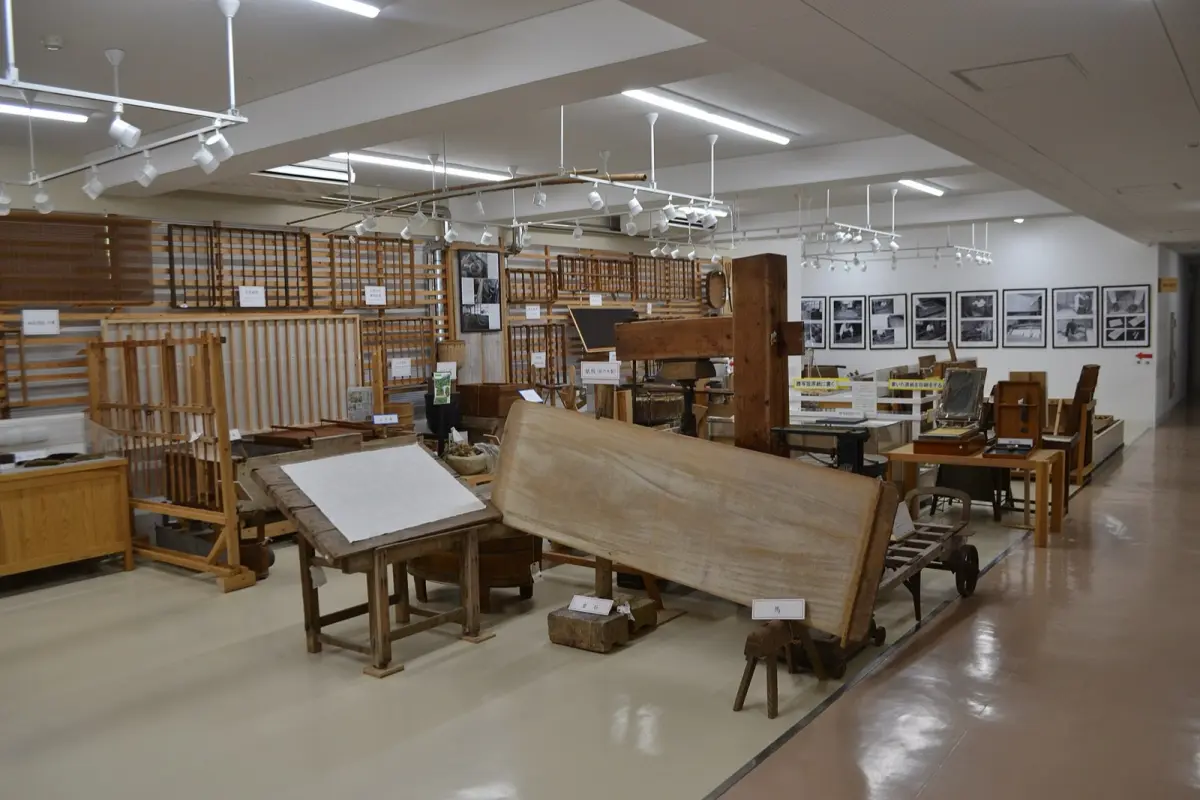
Mino Washi
One of the three great washi, over 1,300 years old — Nara's Shosoin holds Mino paper from the year 702. Its 'Hon-Minoshi' is thin, even and luminous yet strong: an Important Intangible Cultural Property, and UNESCO Intangible Cultural Heritage since 2014.
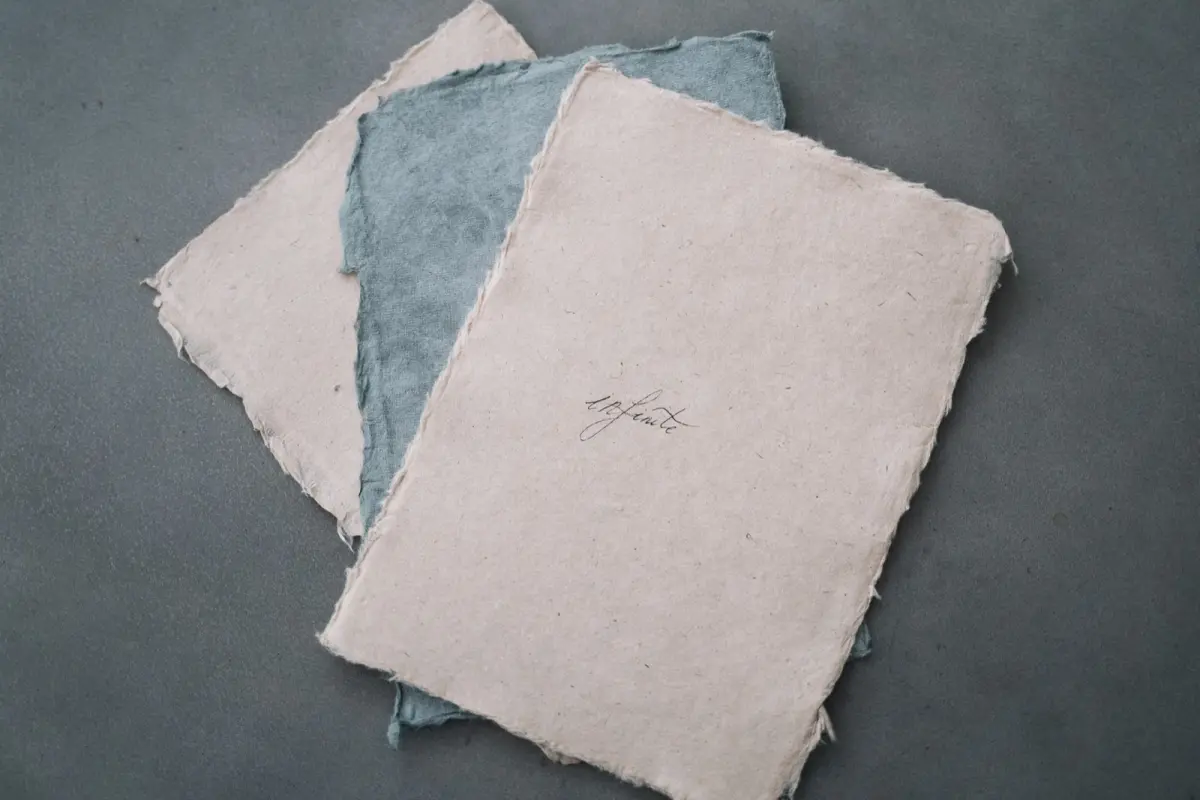
Tosa Washi
Kochi's paper, made with the pure Niyodo River and recorded since 927. Famous for being thin yet strong: 'Tosa Tengujoshi,' made only in Ino, is among the world's thinnest handmade papers at 0.03–0.05mm, used to restore artworks and documents worldwide.
Sekishu Washi
Paper from the Iwami coast of Shimane, said to reach back some 1,300 years to the poet Kakinomoto no Hitomaro. Sekishu-banshi is famed as Japan's toughest washi: it keeps the kozo bark's inner 'ama-kawa' layer for extra strength and a faint green sheen. An Important Intangible Cultural Property and UNESCO heritage.
Hosokawa Paper
Handmade paper from Saitama's Ogawa area, whose papermaking reaches back some 1,300 years. Made from mulberry alone by the Japanese 'nagashi-zuki' method, unbleached Hosokawa-shi is strong, smooth and lightly lustrous. It completes the UNESCO-listed trio of traditional Japanese papers with Mino and Sekishu.