Kanazawa, Go Deeper
Kanazawa, the castle town of the Kaga domain, was once as wealthy as any in Japan and largely untouched by war. That fortune left behind a city of layered beauty: gardens ranked among the nation's finest, cobbled districts where samurai and geisha once walked, and a living craft culture steeped in gold leaf and lacquer. Beyond the famous sights lies a quieter Kanazawa, where temple tricks and Zen stillness reward those willing to wander deeper.
- Tap Open in Google Maps on any place for live directions, transit, hours & reviews.
- Get an ICOCA / Suica IC card — tap on/off trains, subways & buses, no ticket needed.
- Carry some cash (¥) — many small shops, shrines & old streets are cash-only.
- Go early: the famous spots are calm and beautiful before ~9am.
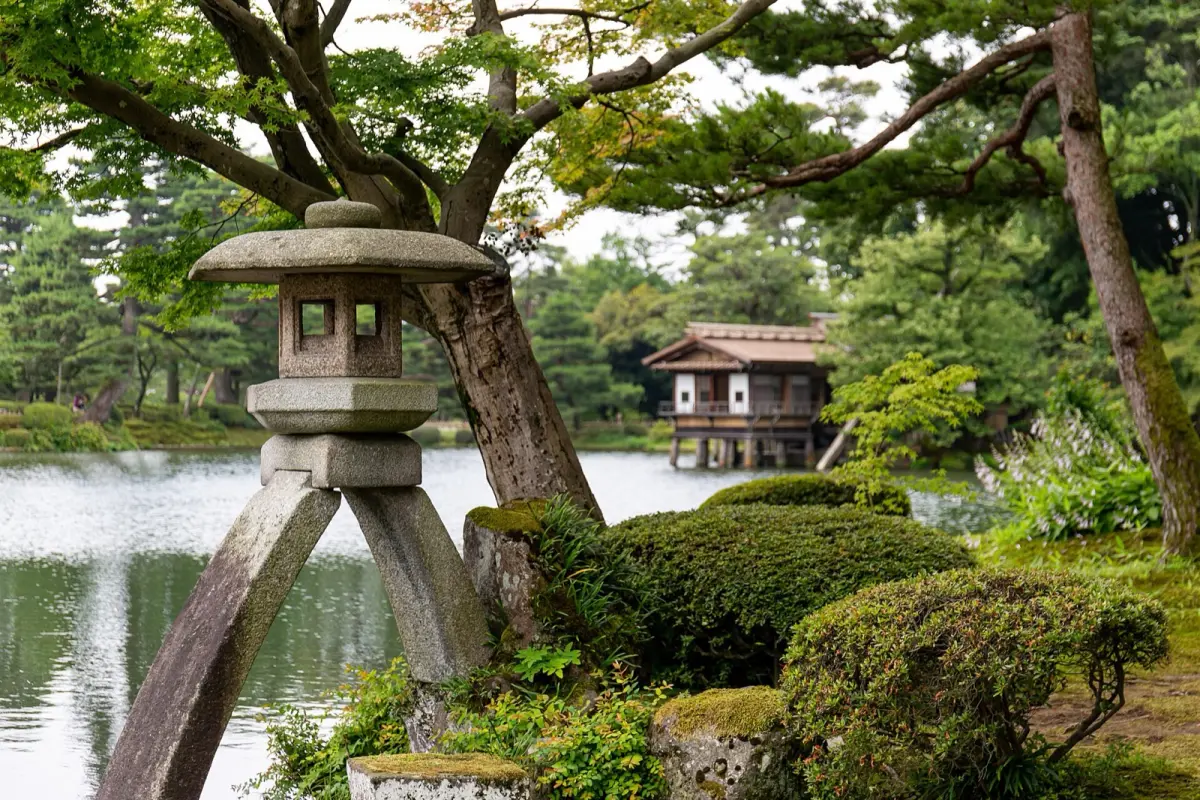
Kenroku-en Garden
One of Japan's three great gardens, Kenroku-en was the private retreat of the Maeda lords and named in 1822. Stroll past the iconic two-legged Kotoji stone lantern and, in winter, admire the yukitsuri—conical rope supports that protect pines from heavy snow.
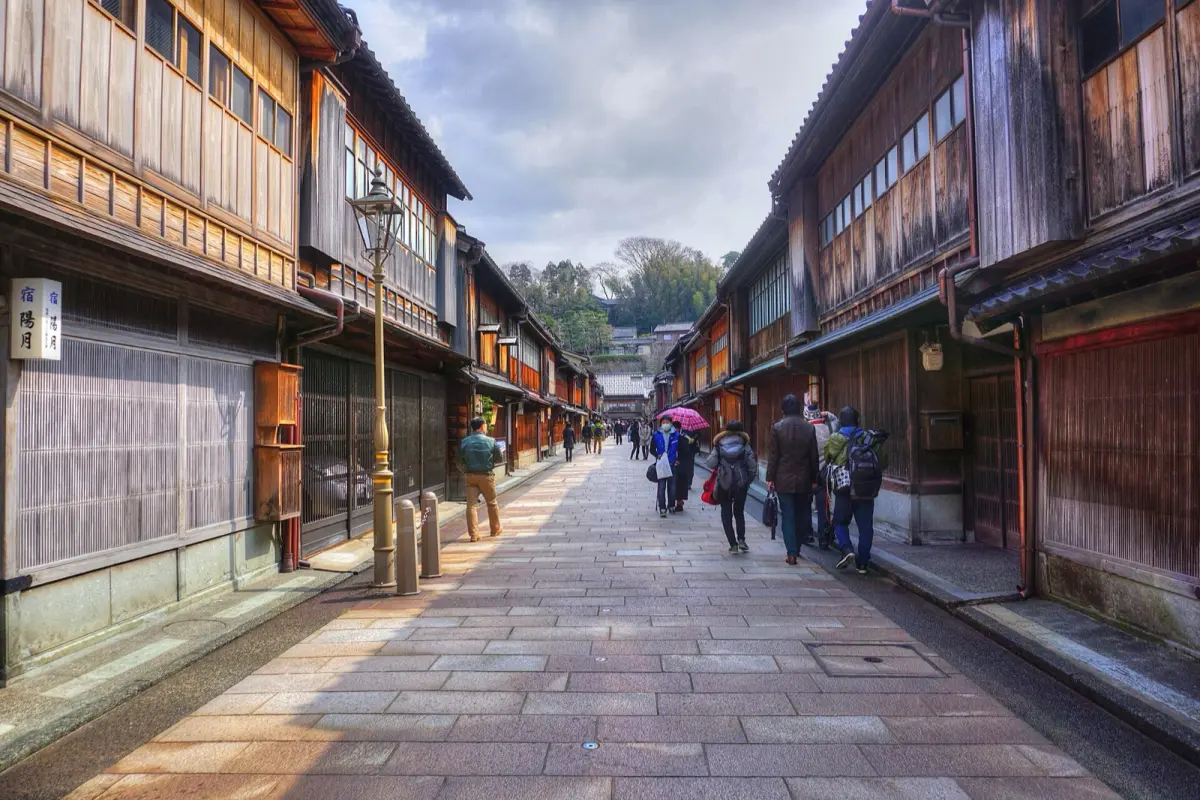
Higashi Chaya District
The largest and most atmospheric of Kanazawa's teahouse districts, Higashi Chaya is a nationally protected streetscape of latticed wooden facades where geisha once entertained. Today the old houses hold gold-leaf workshops and tea rooms, their interiors glowing with Kaga craft.
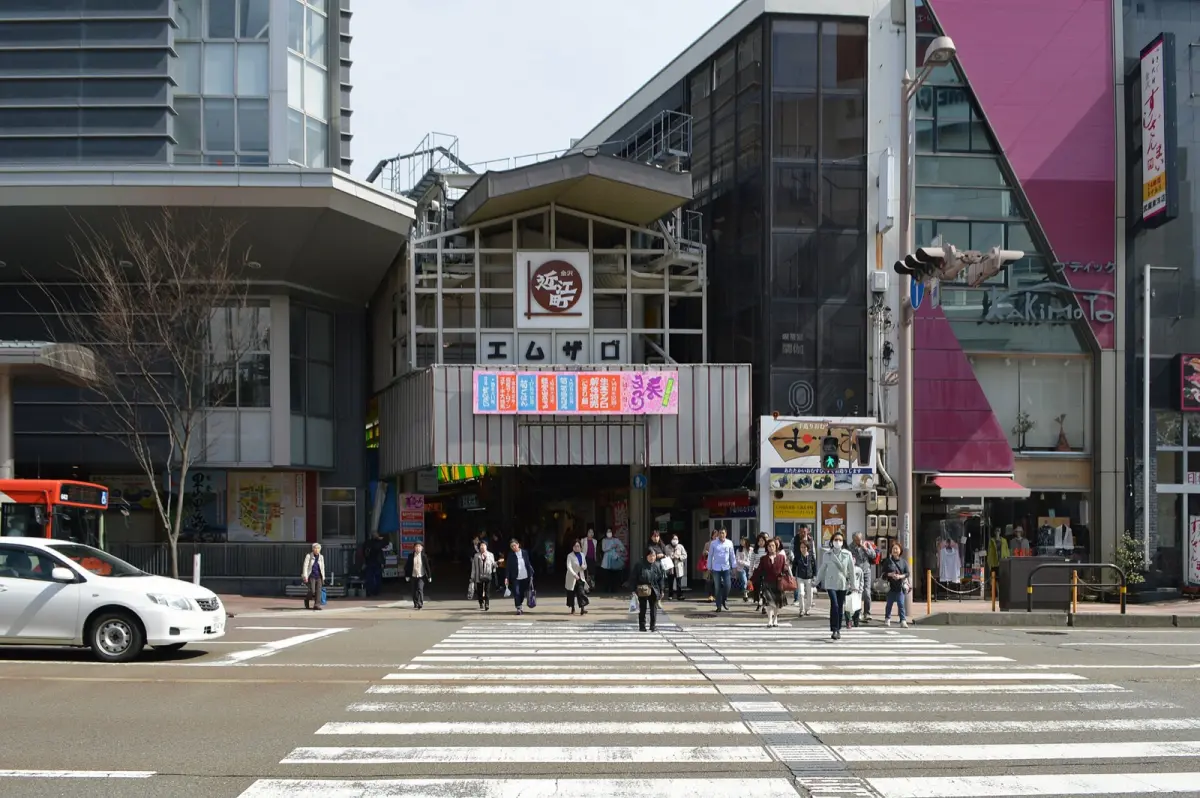
Ōmichō Market
Kanazawa's kitchen for over three centuries, Omicho Market has fed the city since the domain era. Narrow aisles brim with glistening seafood—especially prized snow crab in season—and stall after stall of local produce and ready-to-eat delights.
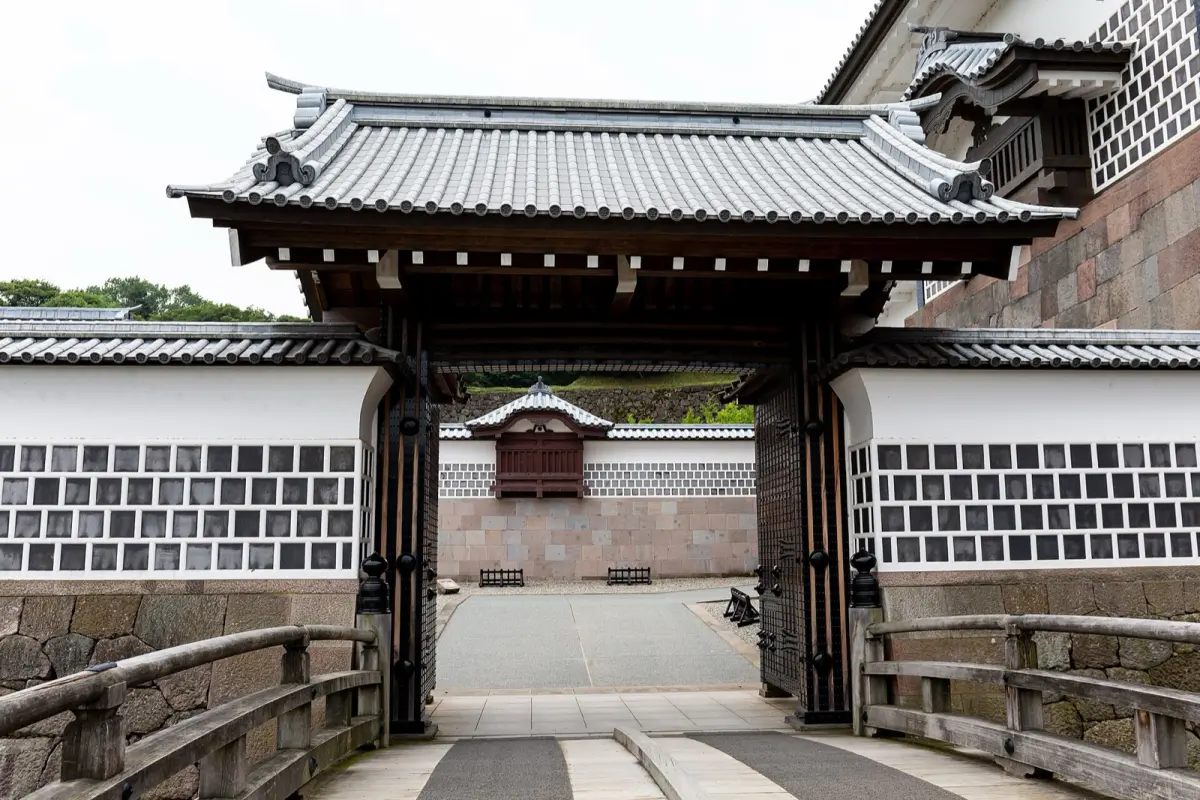
Kanazawa Castle Park
Seat of the Maeda lords who ruled the million-koku Kaga domain, Kanazawa Castle stands beside Kenroku-en as a symbol of regional power. Wander the spacious park and admire the carefully restored gates and turrets that hint at the castle's former grandeur.
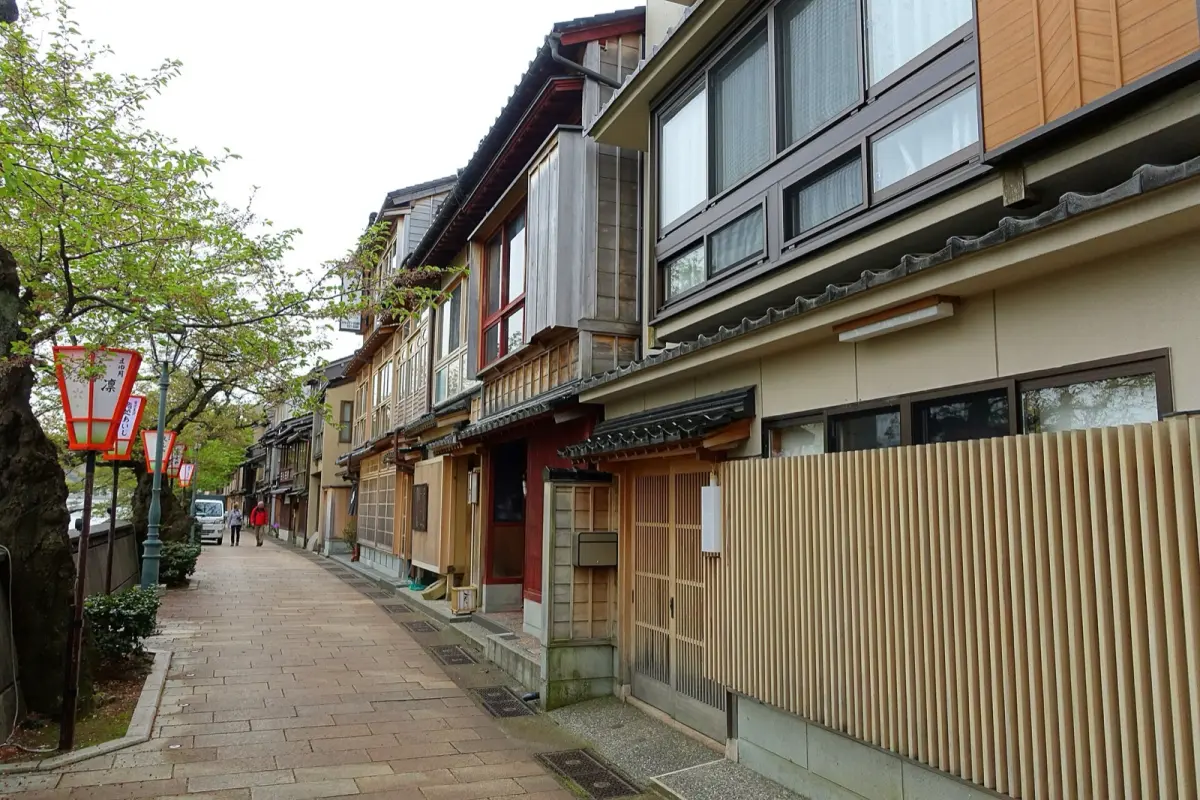
Kazue-machi Chaya District
Smaller and quieter than Higashi Chaya, Kazue-machi runs along the Asano River in a slim ribbon of old teahouses. By night, paper lanterns cast warm light on the water, and the narrow lanes feel like a secret kept from the crowds.
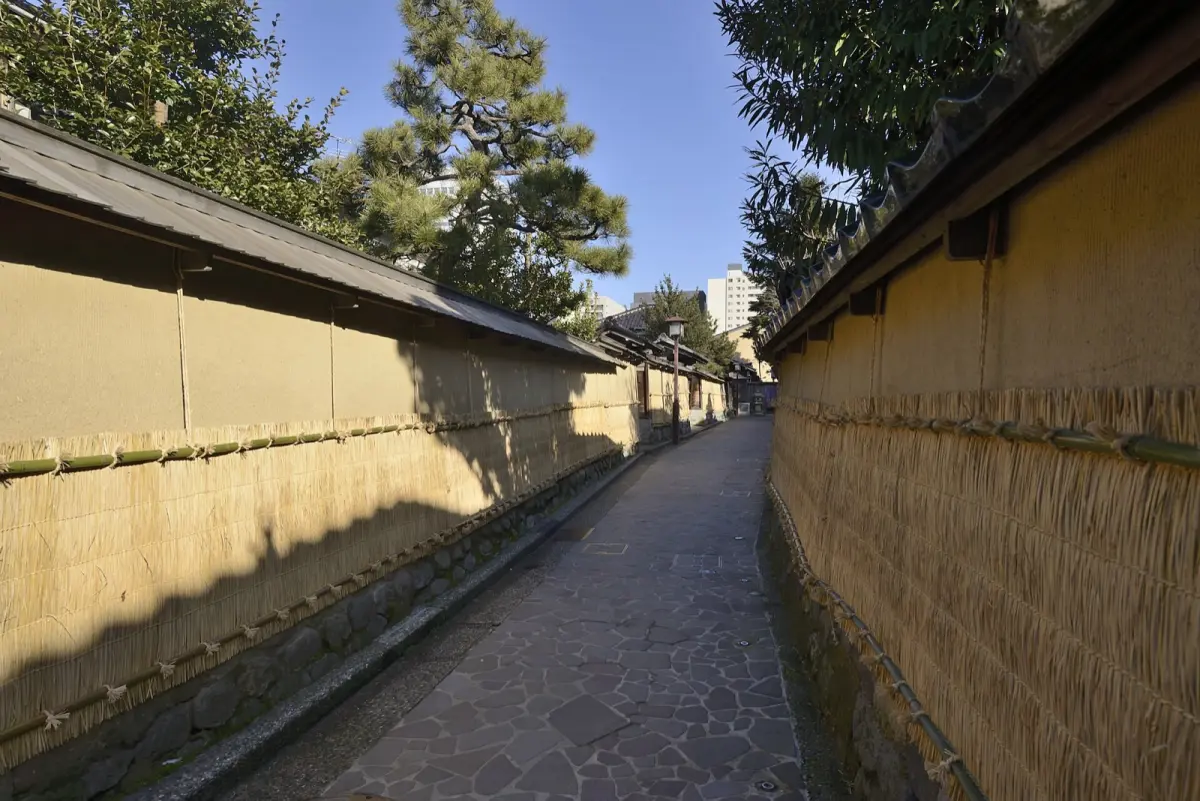
Nagamachi Samurai District
In the Nagamachi samurai district, earthen walls and wooden gates line lanes once home to the retainers of the Kaga domain. The atmosphere is hushed and dignified, a living reminder of the samurai families who served the Maeda lords for generations.
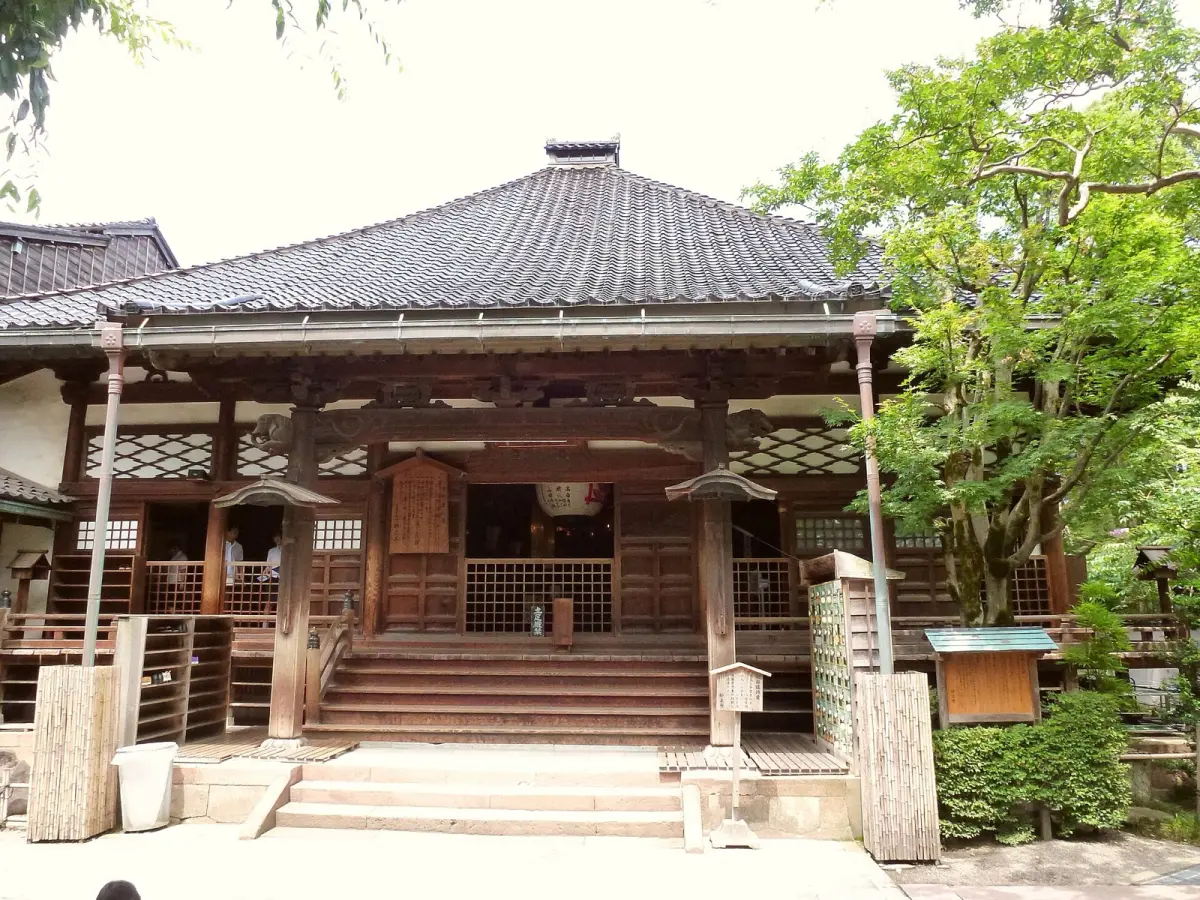
Myōryū-ji (Ninja Temple)
Built in 1643 by the third Maeda lord, Myoryuji—nicknamed the Ninja Temple—is a maze of hidden staircases, trapdoors, and defensive tricks designed to confuse intruders. Despite the nickname, it has no actual ninja history, only ingenious architecture born of political caution.
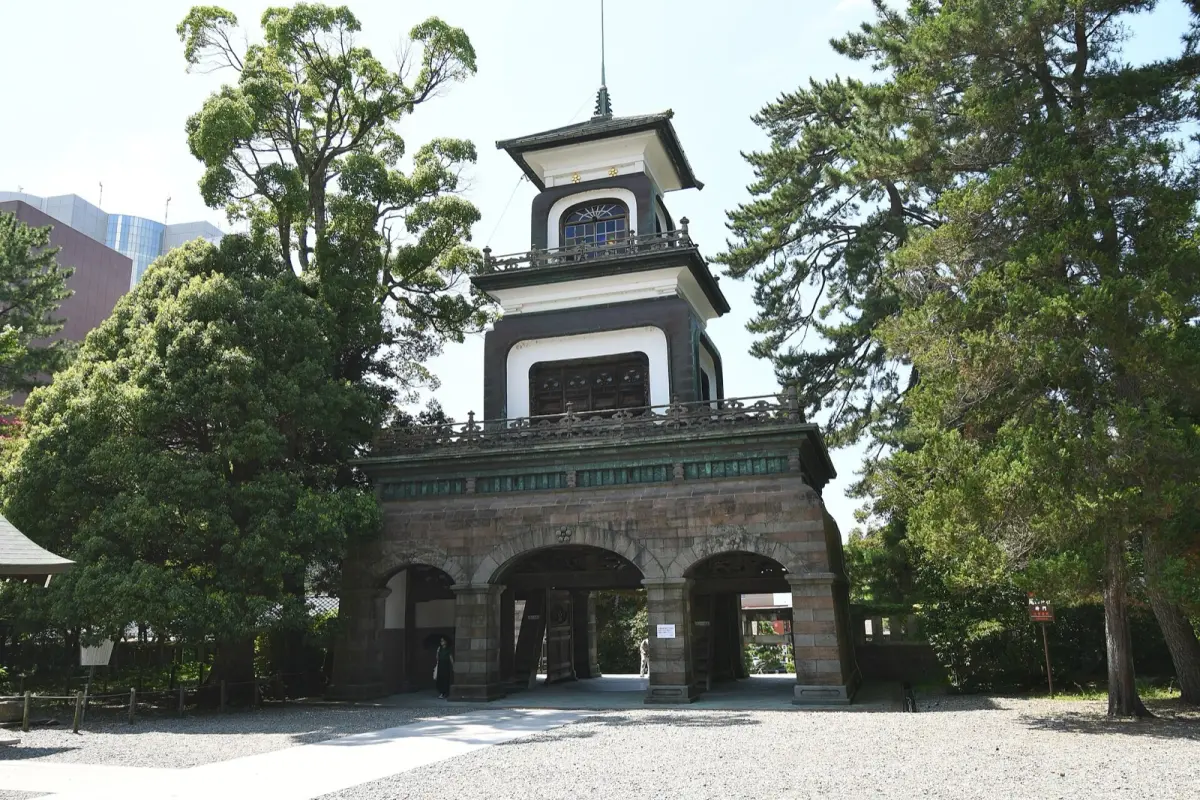
Oyama Shrine
Dedicated to Maeda Toshiie, founder of the Kaga domain, Oyama Shrine is best known for its striking gate—a curious blend of Japanese tradition and Dutch influence, crowned with stained glass that catches the light in unexpected ways.
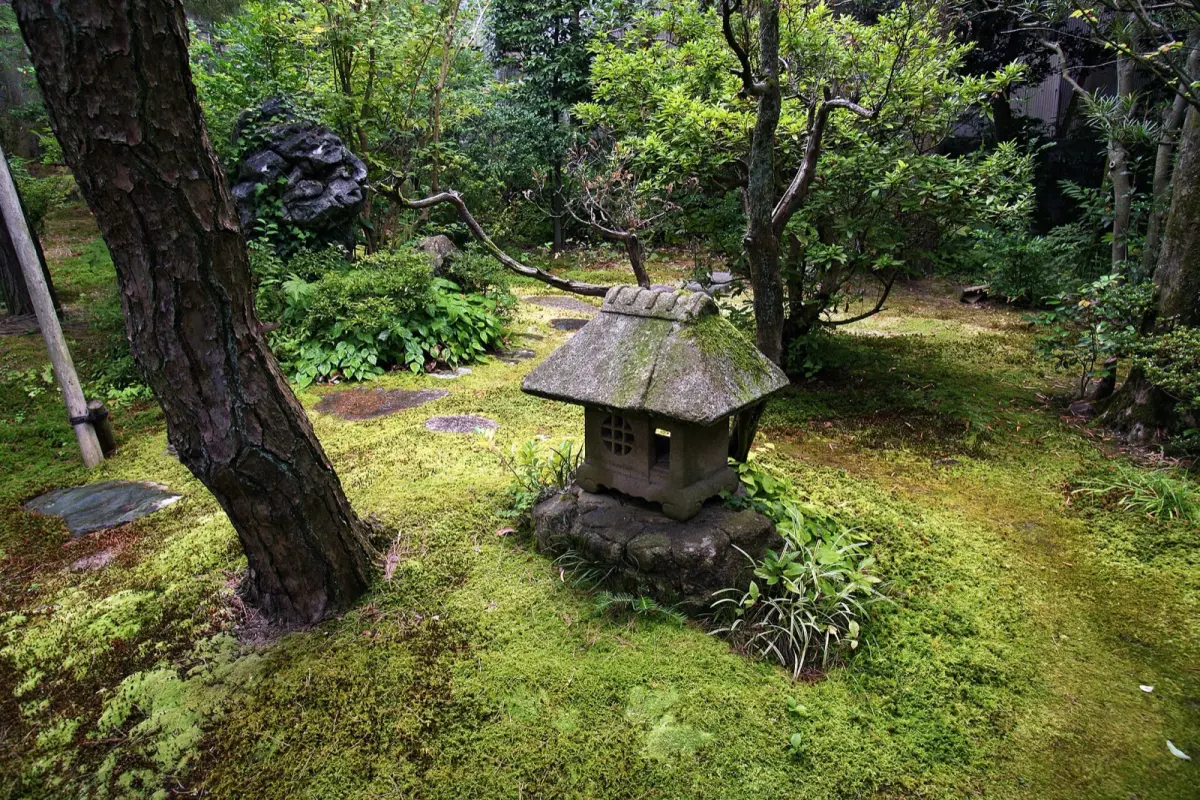
Gyokusen'en Garden
Tucked on a quiet hillside, Gyokusen'en is a strolling garden of ponds, moss, and carefully placed stones. It offers a more intimate counterpoint to Kenroku-en's grandeur, a place to linger without the crowds.
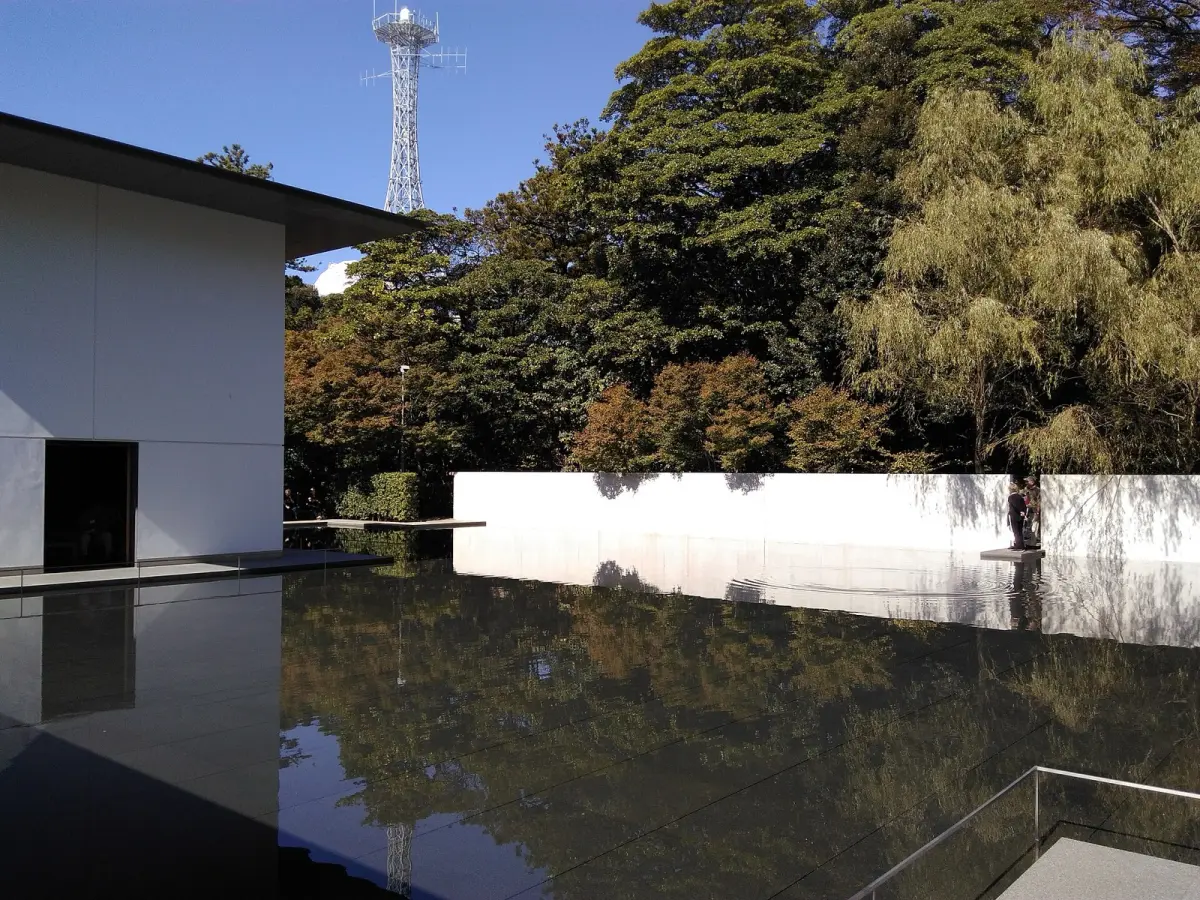
D.T. Suzuki Museum
The D.T. Suzuki Museum honors the Kanazawa-born Zen philosopher Daisetz Suzuki with minimalist architecture and a central water-mirror garden. The reflective pool and spare galleries invite contemplation, a modern space shaped by ancient stillness.
Crafts of this region
Authentic pieces made near here — learn the story, then bring one home.
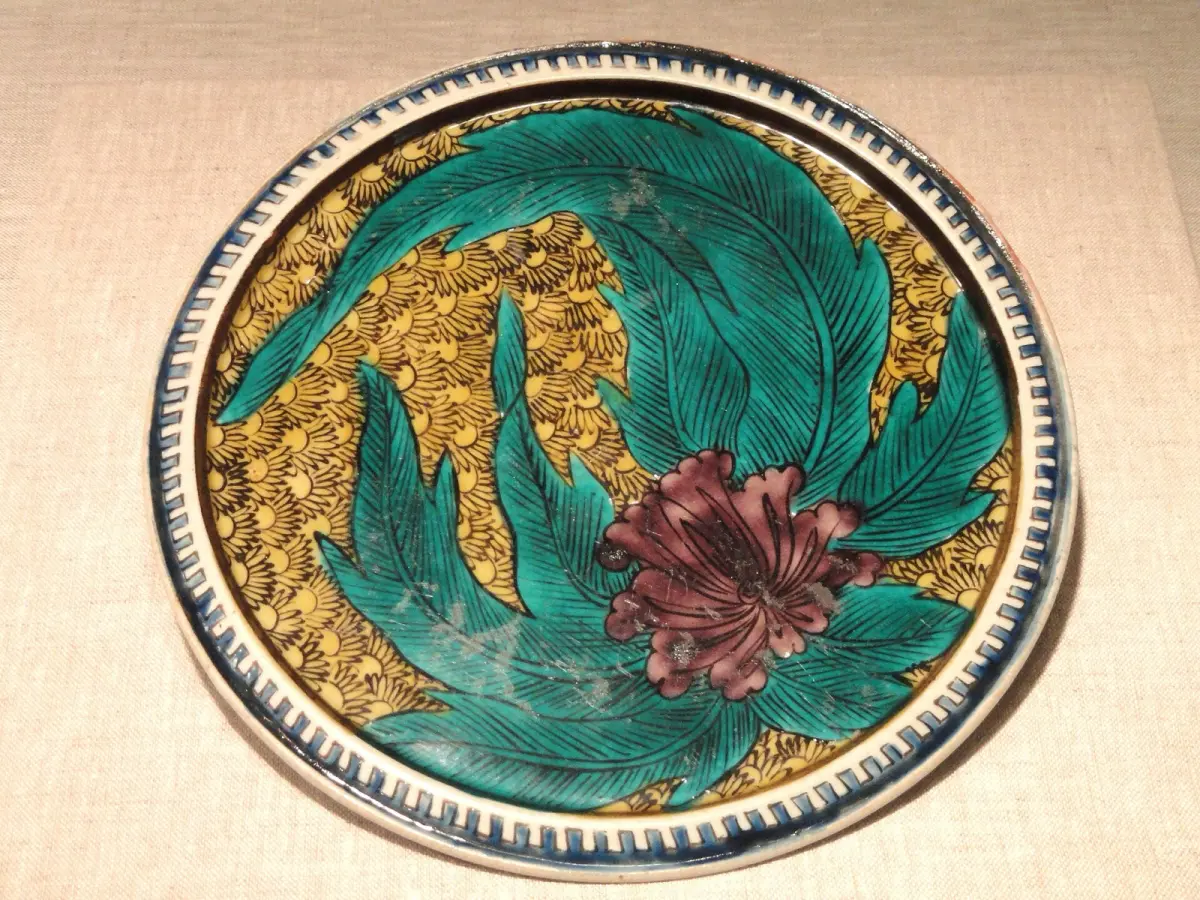 Kutani Ware
九谷焼 · Kaga, Ishikawa
Kutani Ware
九谷焼 · Kaga, Ishikawa
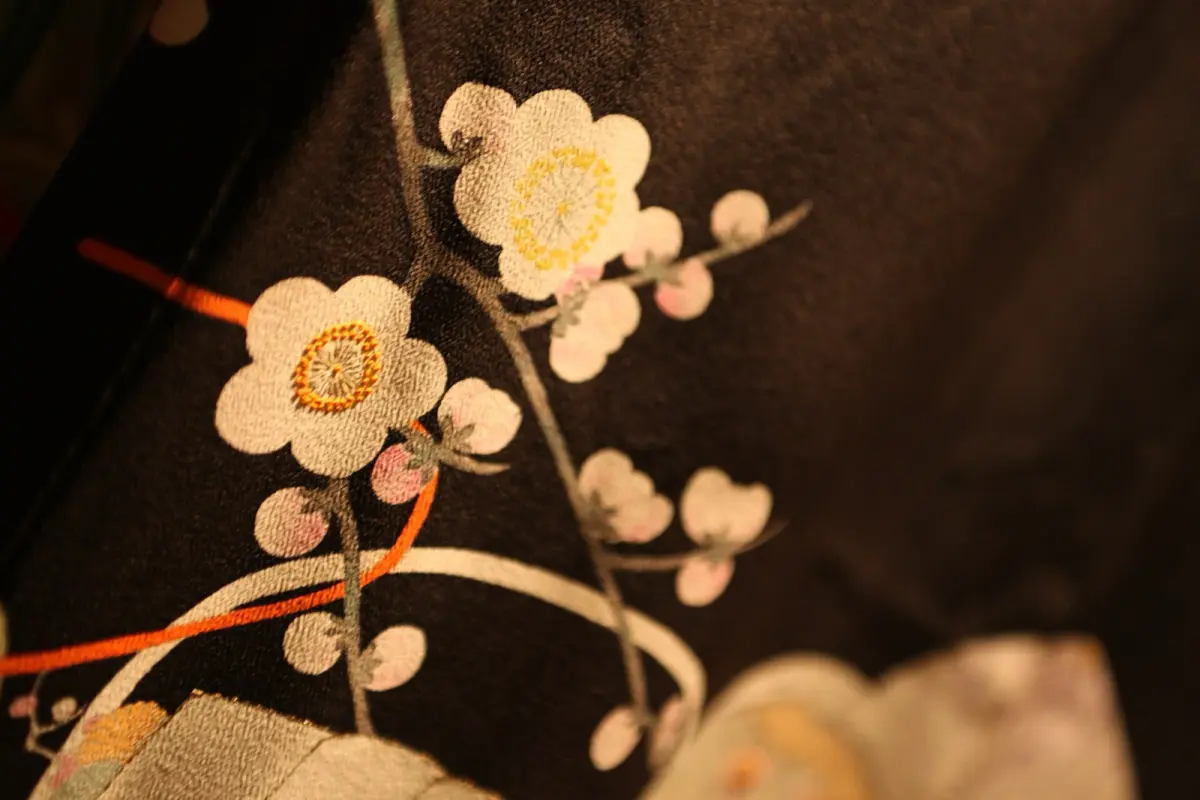 Kaga Yūzen
加賀友禅 · Kanazawa, Ishikawa
Kaga Yūzen
加賀友禅 · Kanazawa, Ishikawa
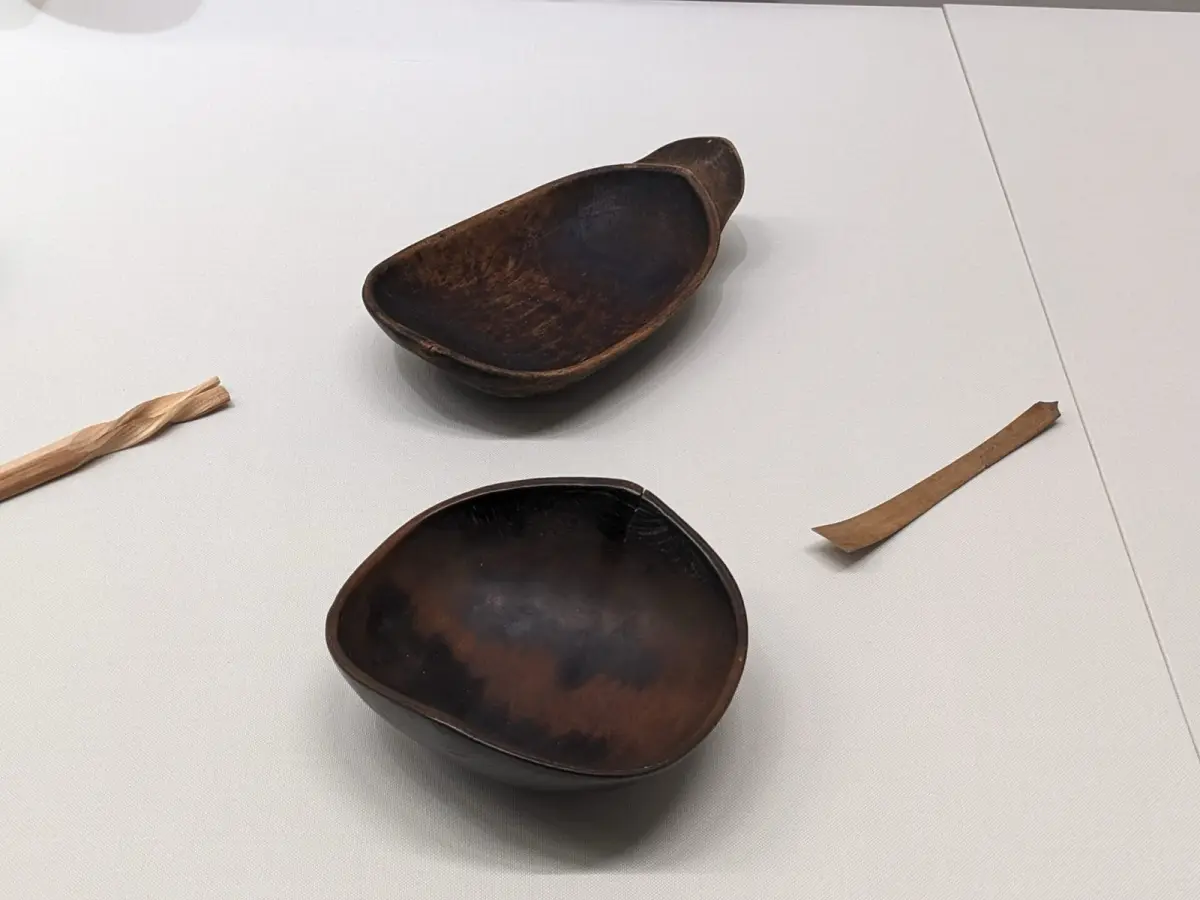 Wajima Lacquer
輪島塗 · Wajima, Ishikawa
Wajima Lacquer
輪島塗 · Wajima, Ishikawa
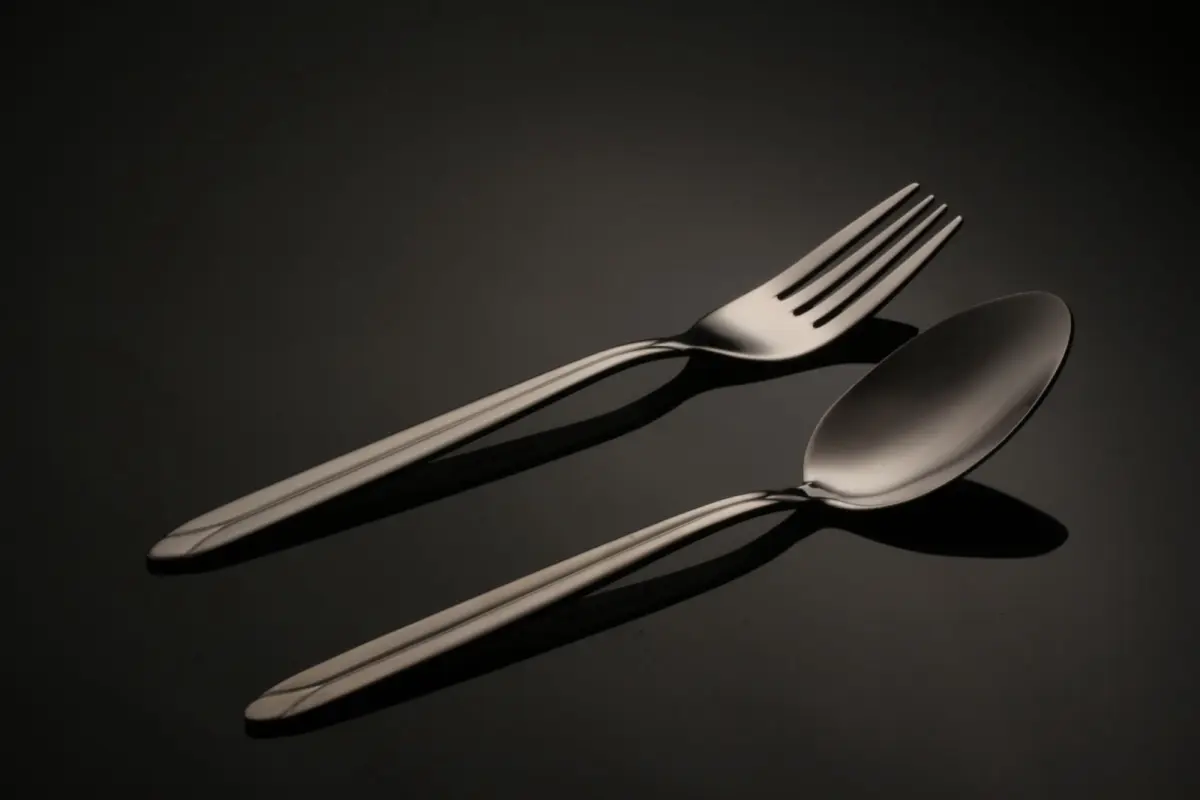 Tsubame-Sanjō Metalwork
燕三条 · Tsubame-Sanjō, Niigata
Tsubame-Sanjō Metalwork
燕三条 · Tsubame-Sanjō, Niigata
 Echizen Washi
越前和紙 · Echizen, Fukui
Echizen Washi
越前和紙 · Echizen, Fukui
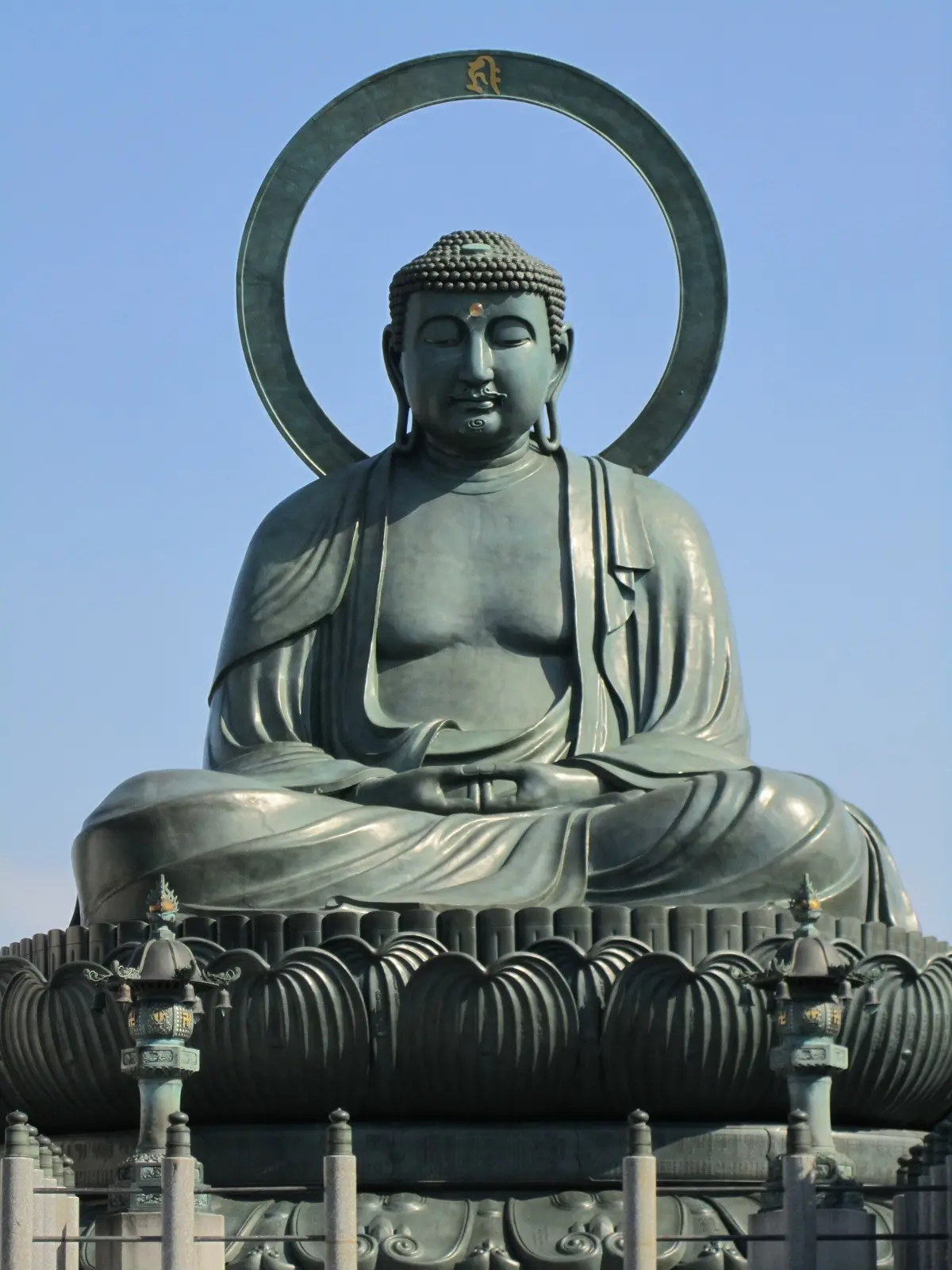 Takaoka Copperware
高岡銅器 · Takaoka, Toyama
Takaoka Copperware
高岡銅器 · Takaoka, Toyama
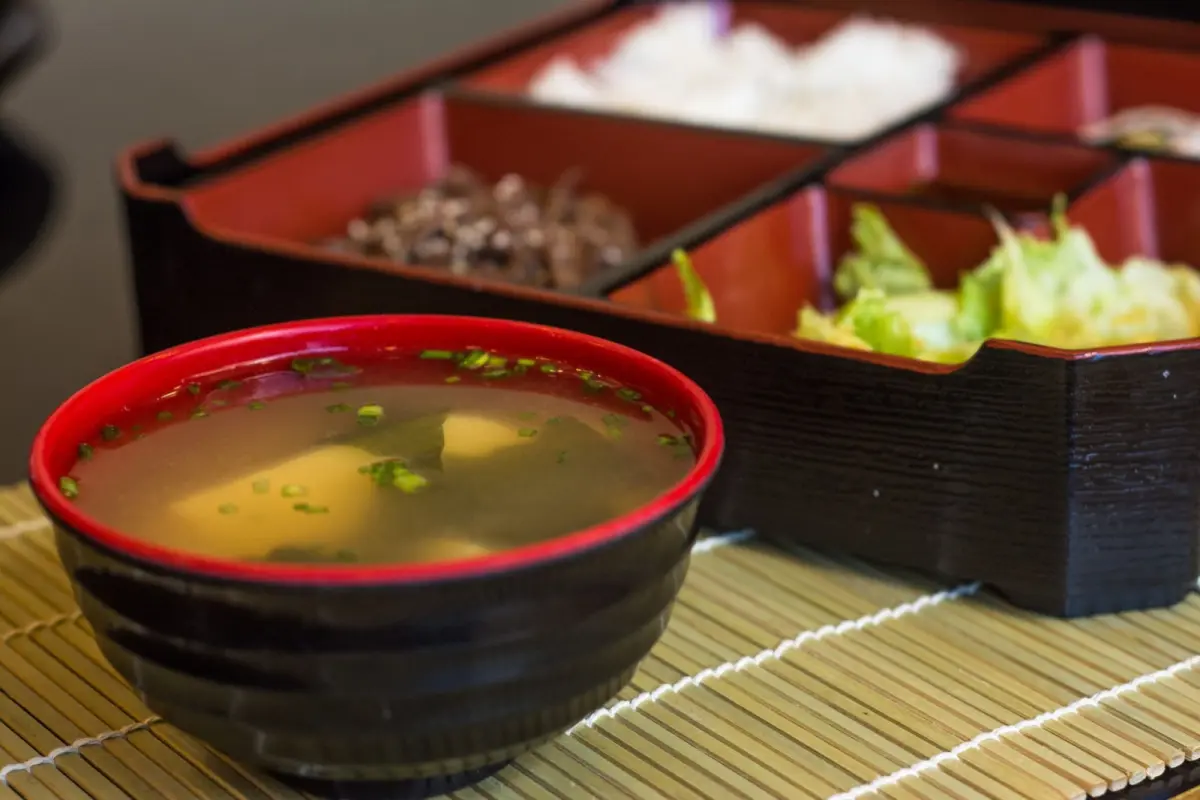 Yamanaka Lacquer
山中漆器 · Kaga, Ishikawa
Yamanaka Lacquer
山中漆器 · Kaga, Ishikawa
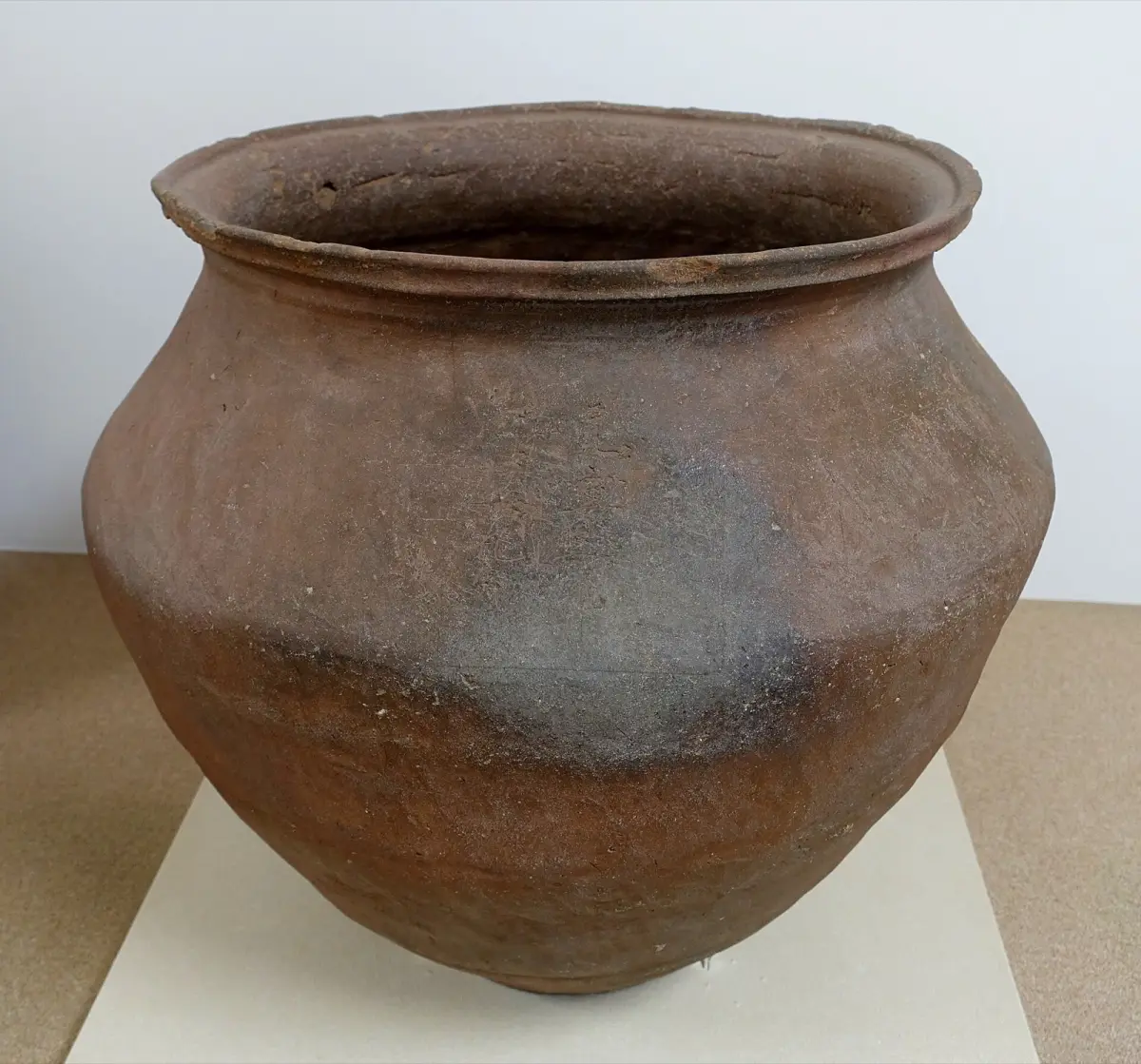 Echizen Ware
越前焼 · Echizen, Fukui
Echizen Ware
越前焼 · Echizen, Fukui