Kamakura, Go Deeper
Just an hour south of Tokyo, Kamakura rewards the curious traveler who lingers beyond the postcard snapshots. This seaside town was Japan's political heart in the twelfth and thirteenth centuries, and its legacy lives on in serene Zen temples, a monumental bronze Buddha open to the sky, and shrines woven into wooded hillsides. Between temple visits, wander lanes of street food, wash coins in sacred springs, and catch sight of Fuji from a small island where waves meet ancient caves.
- Tap Open in Google Maps on any place for live directions, transit, hours & reviews.
- Get an ICOCA / Suica IC card — tap on/off trains, subways & buses, no ticket needed.
- Carry some cash (¥) — many small shops, shrines & old streets are cash-only.
- Go early: the famous spots are calm and beautiful before ~9am.
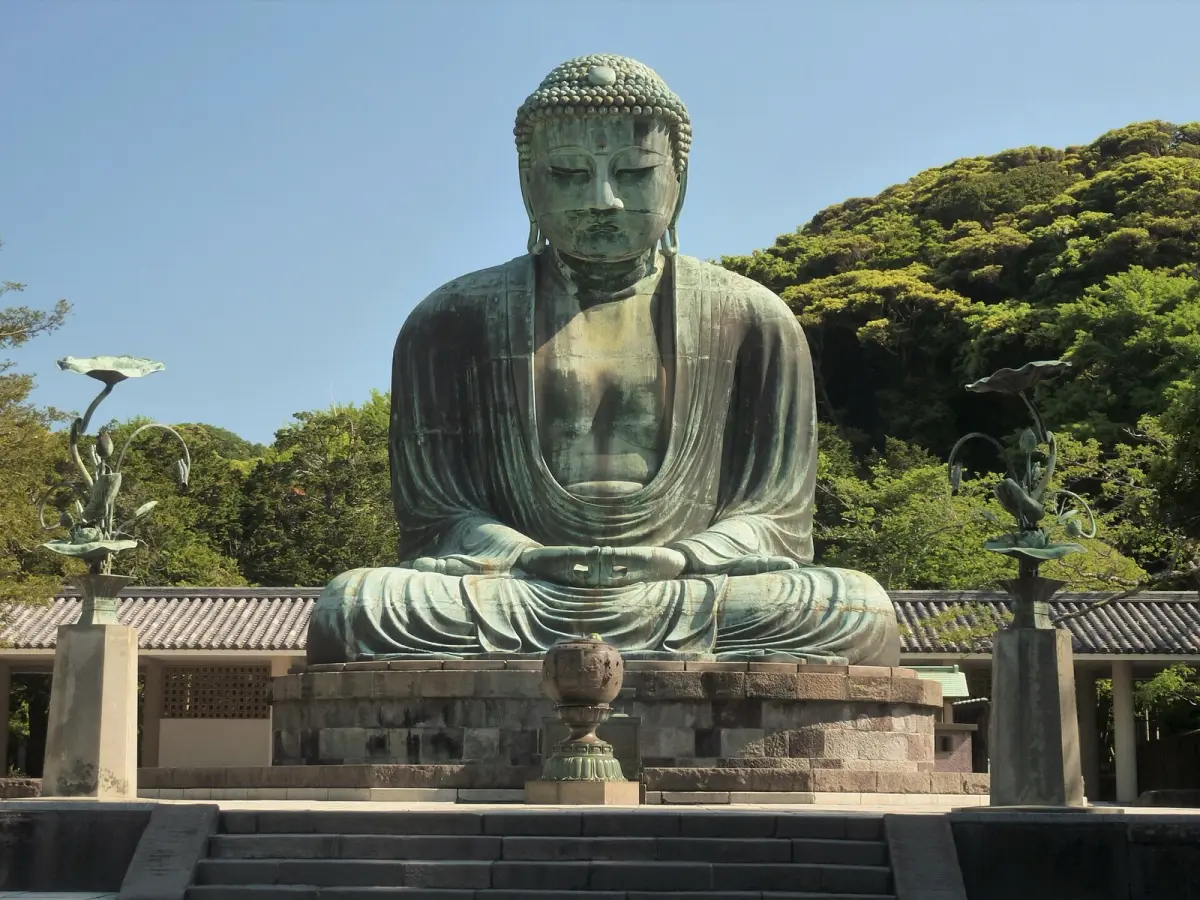
The Great Buddha (Kōtoku-in)
Kamakura's Great Buddha—a bronze Amida cast in the thirteenth century and standing about eleven meters tall—sits calmly in the open air, the hall that once sheltered it long since swept away by the sea. Designated a National Treasure, this serene figure invites quiet contemplation beneath the changing sky.
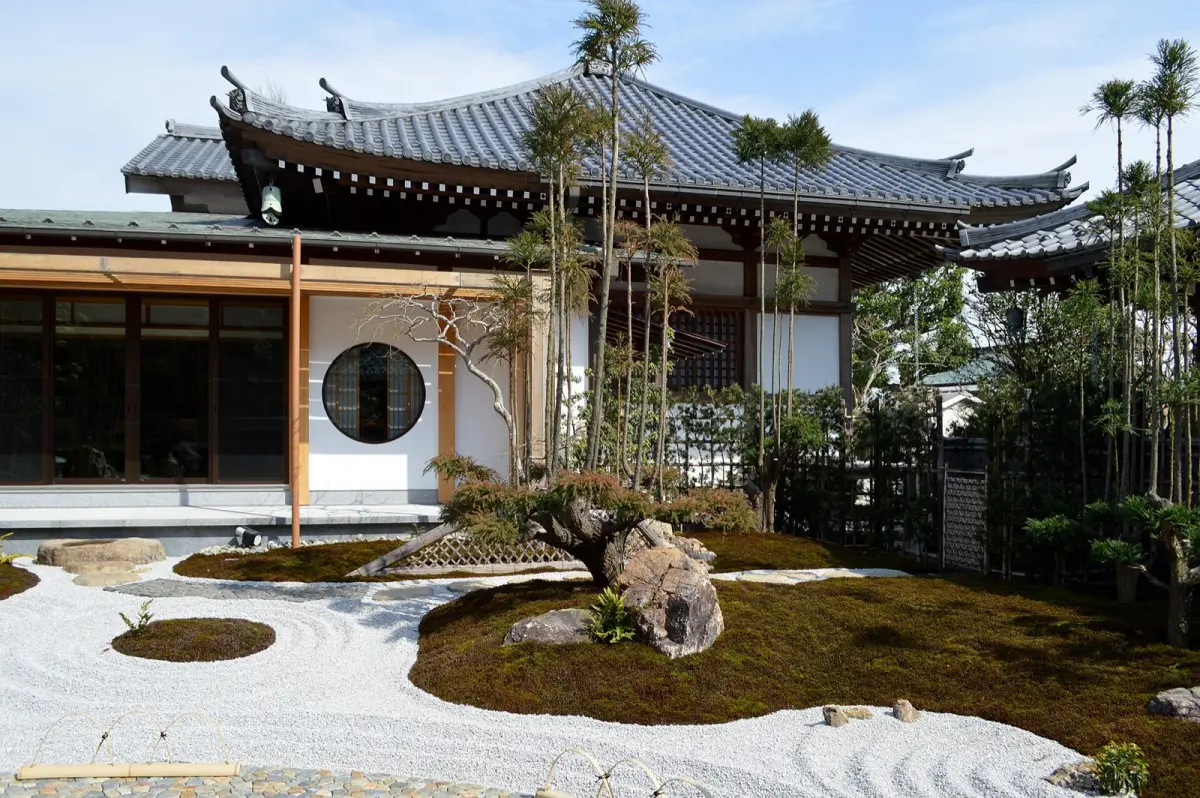
Hase-dera
Hase-dera centers on a towering wooden Kannon, one of Japan's largest at over nine meters, her eleven faces watching over pilgrims and the glittering bay below. The temple grounds bloom with hydrangeas in early summer, and the hillside perch offers sweeping views across Sagami Bay.
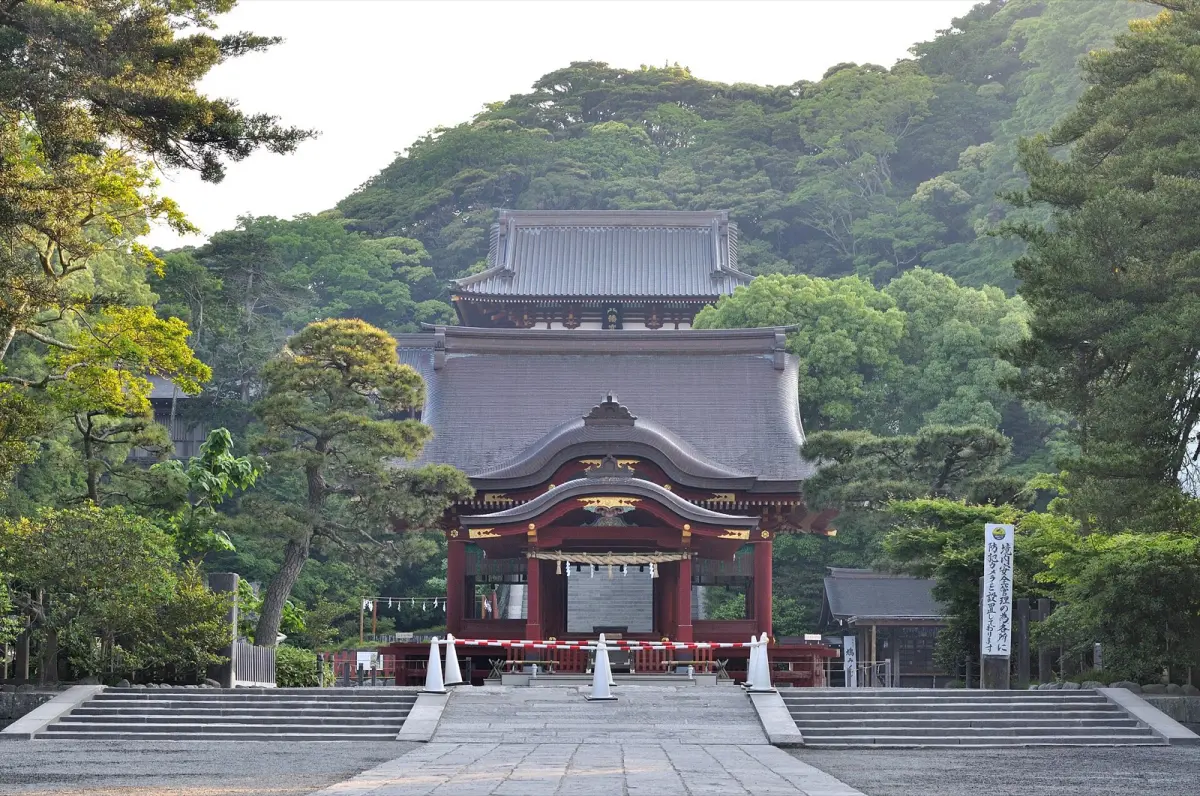
Tsurugaoka Hachimangū
Tsurugaoka Hachimangū stands at the spiritual and historical heart of Kamakura, its long approach once trodden by shoguns of the Minamoto clan. Today it remains one of Japan's most-visited shrines at New Year, its vermilion halls and broad courtyards alive with festival energy and centuries of devotion.
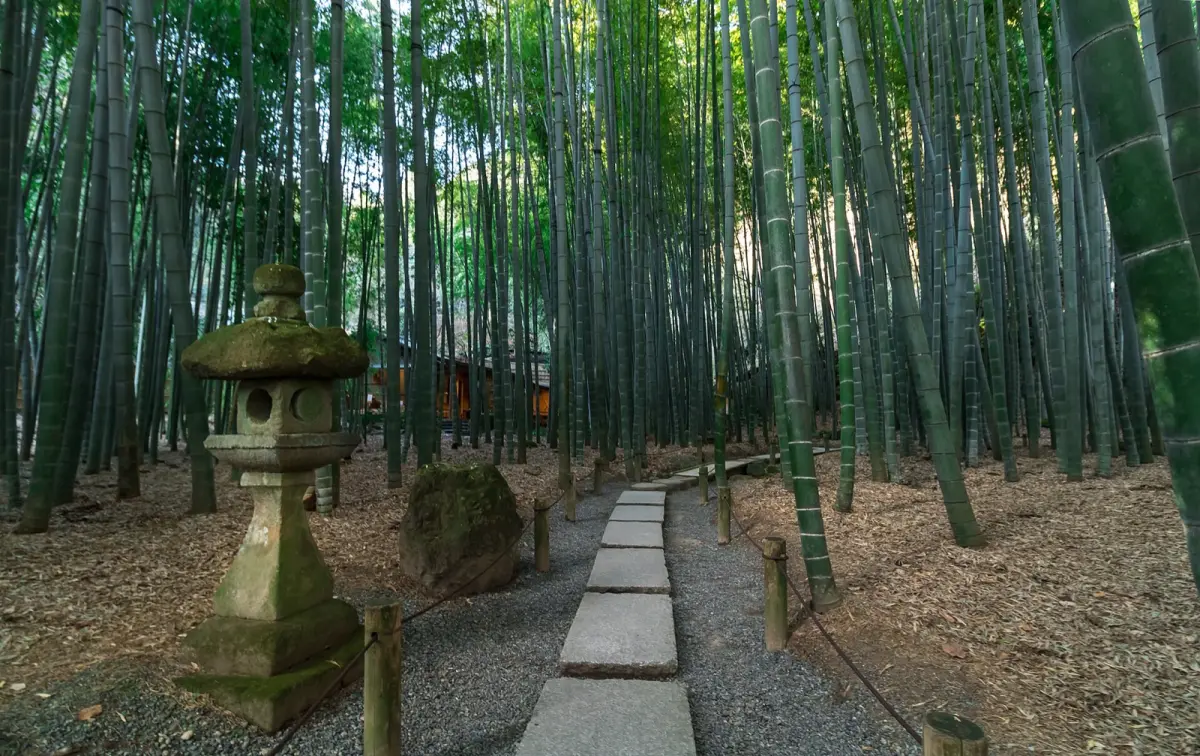
Hōkoku-ji (Bamboo Temple)
Hōkoku-ji's grove of some two thousand bamboo stalks filters light into soft green shadow, a living cathedral of rustling canes. Visitors can take matcha at a tea seat tucked within the grove, savoring stillness in one of Kamakura's most atmospheric corners.
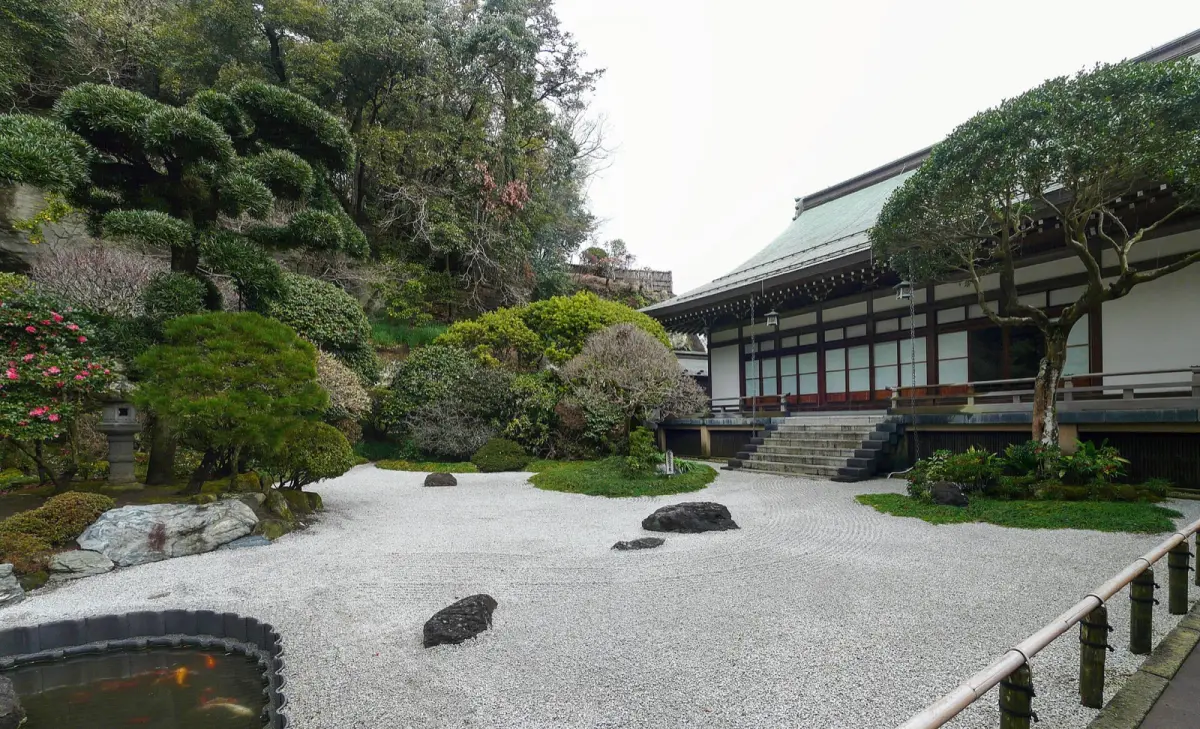
Kenchō-ji
Founded in 1253, Kenchō-ji was Japan's first full Zen training monastery and the foremost of Kamakura's five great Zen temples. Its spacious halls and gardens still breathe the discipline and clarity of early Zen practice, inviting walkers to slow down and listen.
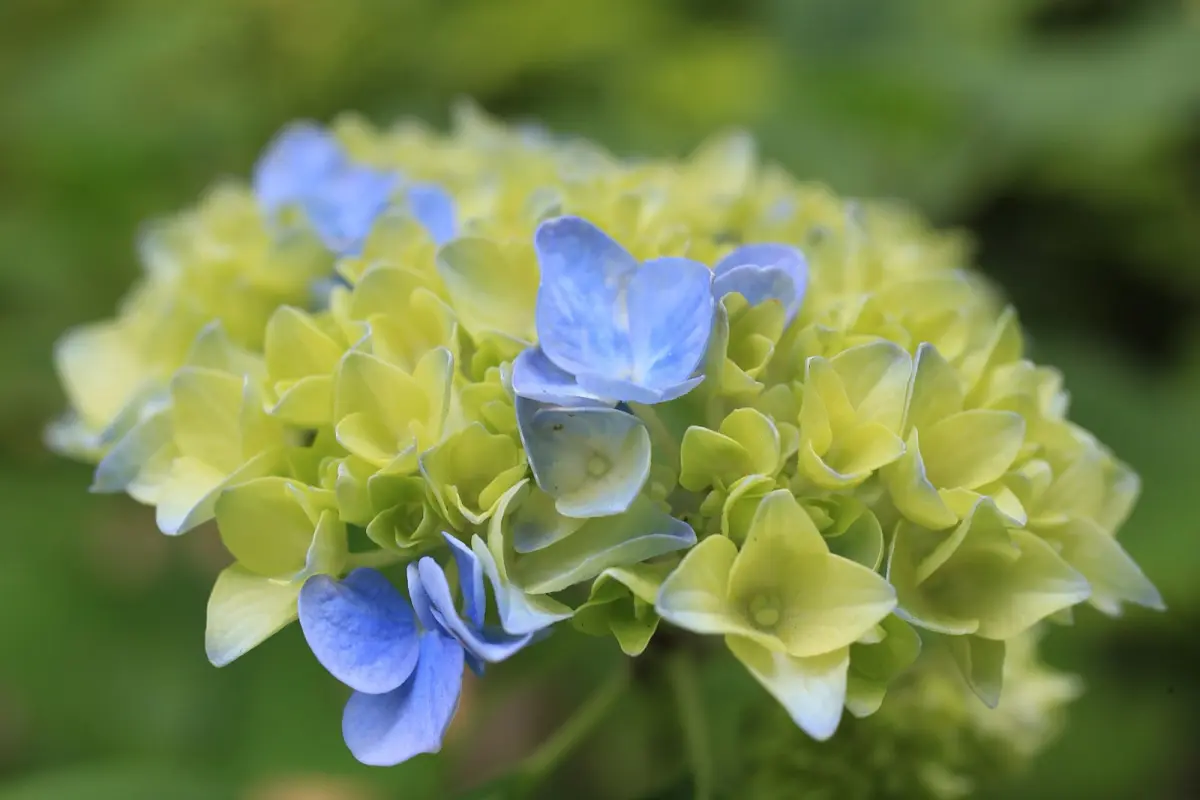
Meigetsu-in
Meigetsu-in earns its nickname as the 'hydrangea temple' each June, when pale-blue blooms carpet the grounds in a soft haze of color. The temple's famous round window frames an inner garden like a living scroll, a moment of perfect composition amid the quiet.
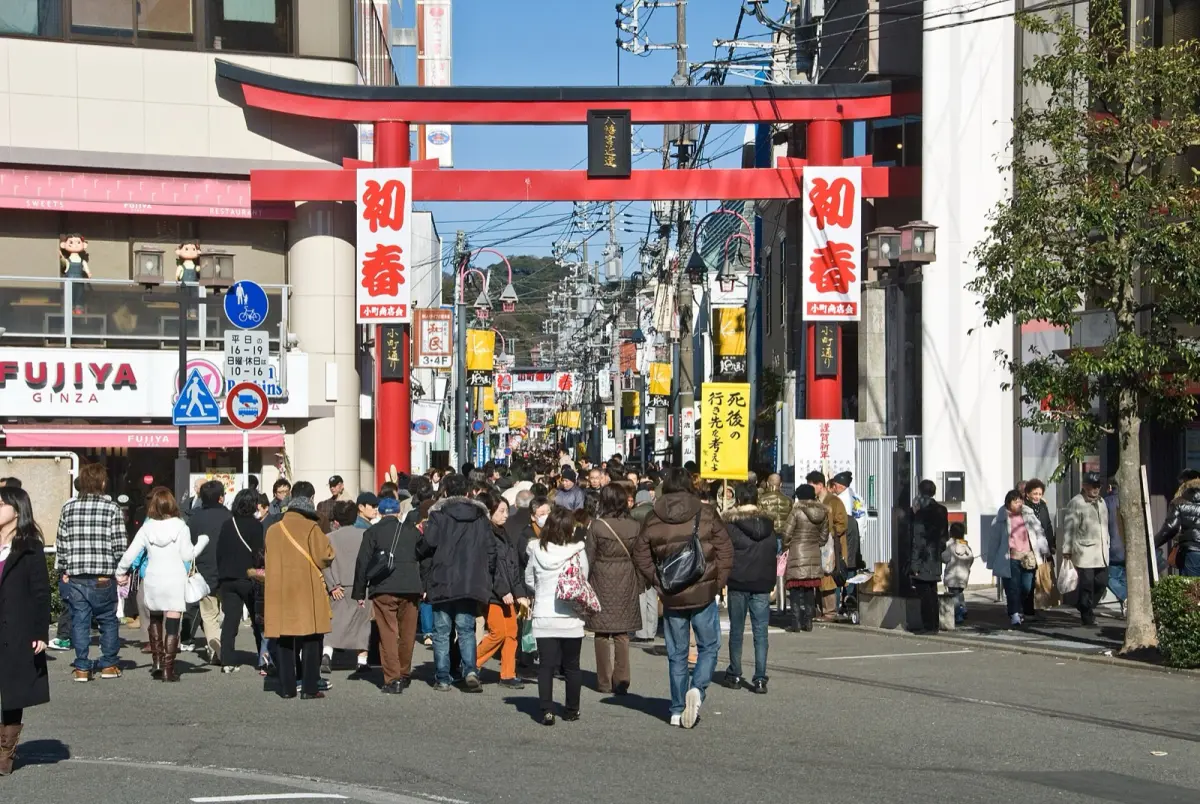
Komachi-dōri
Komachi-dōri hums with energy, a narrow lane lined with snack stalls, sweet shops, and souvenir vendors stretching from the station toward Tsurugaoka Hachimangū. Sample skewered rice cakes, soft-serve in unexpected flavors, and the cheerful bustle of Kamakura's everyday life.
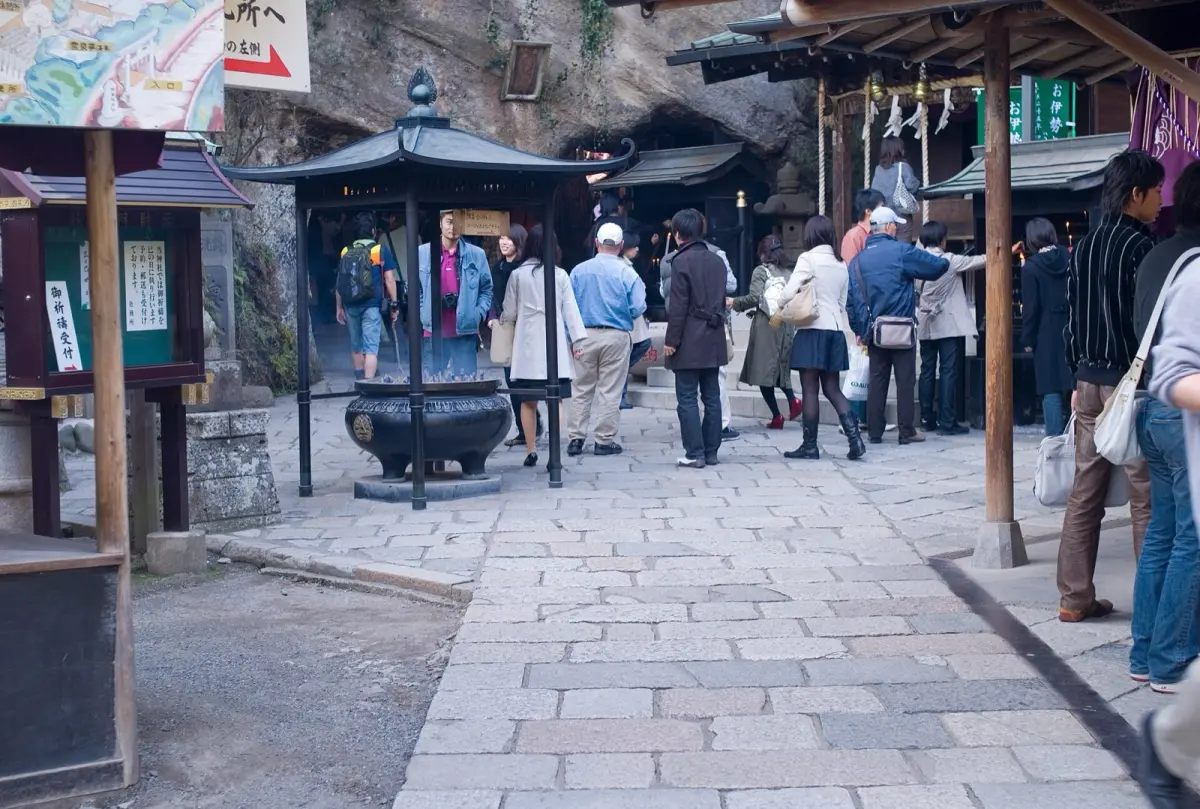
Zeniarai Benzaiten
Zeniarai Benzaiten hides behind a tunnel carved through rock, its spring-fed pools said to multiply any money washed in their waters. Visitors rinse coins and bills in wicker baskets, a ritual both playful and earnest, tucked into a grotto alive with dripping stone and incense.
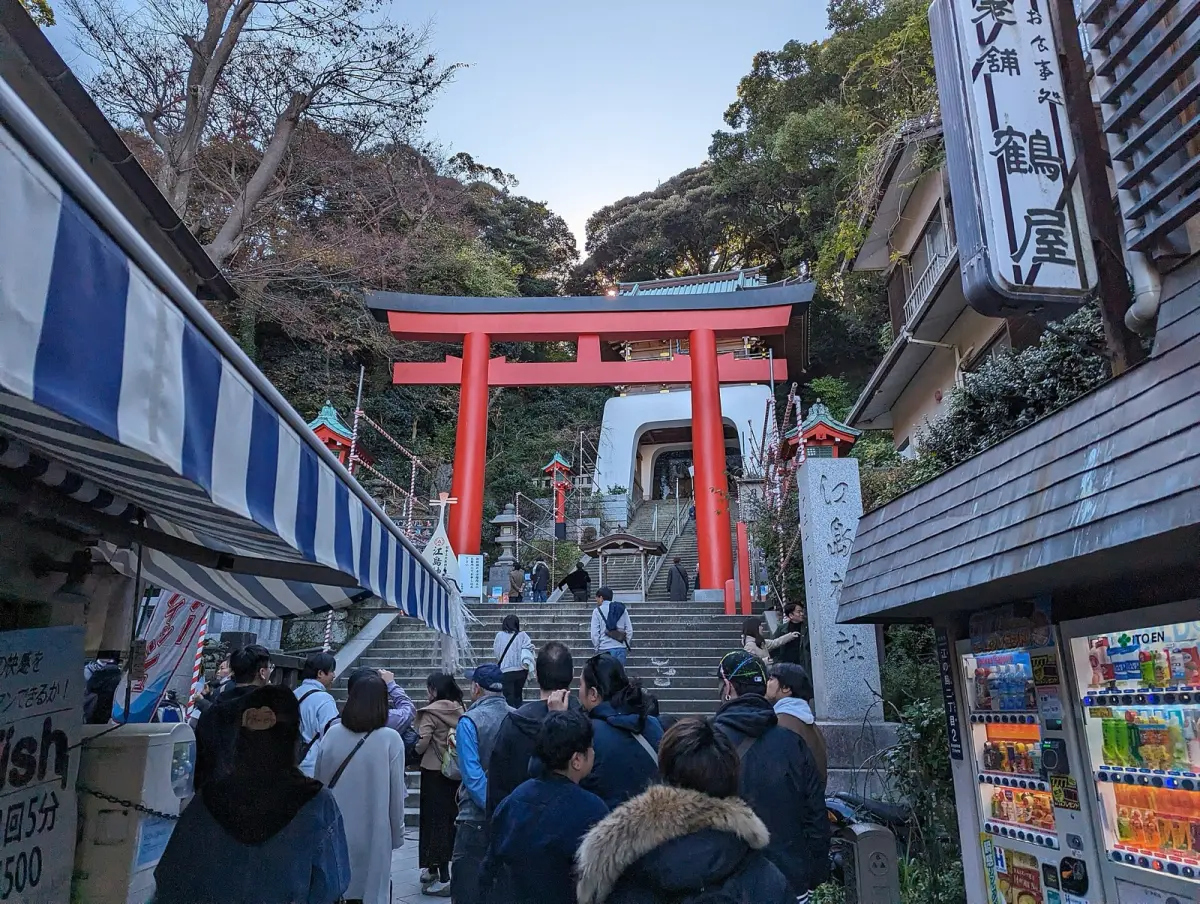
Enoshima
A short bridge links the mainland to Enoshima, a small island crowned with shrines, gardens, and sea caves carved by the Pacific. On clear days, Mount Fuji rises across the water, and the island's winding paths reward explorers with salt air, hidden viewpoints, and the crash of waves below.
Crafts of this region
Authentic pieces made near here — learn the story, then bring one home.
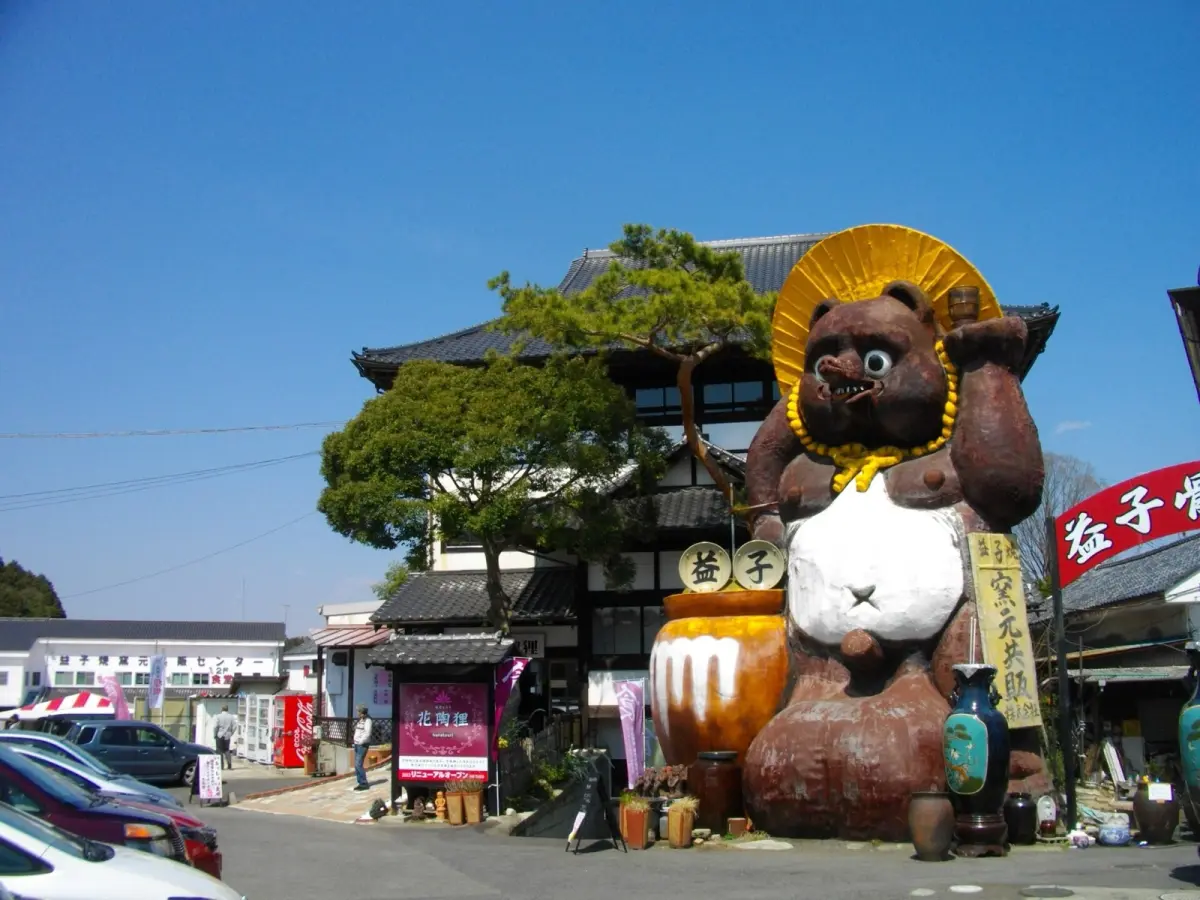 Mashiko Ware
益子焼 · Mashiko, Tochigi
Mashiko Ware
益子焼 · Mashiko, Tochigi
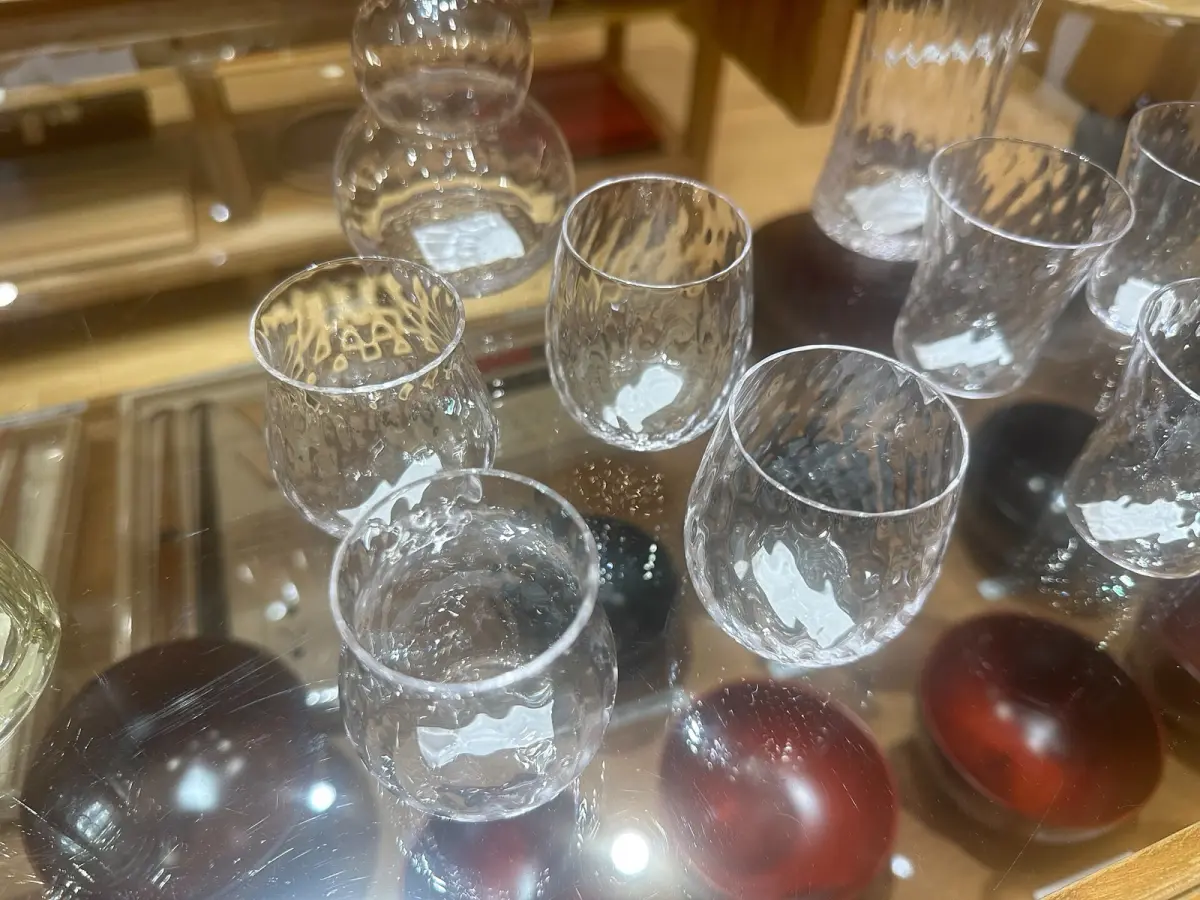 Edo Kiriko
江戸切子 · Sumida, Tokyo
Edo Kiriko
江戸切子 · Sumida, Tokyo
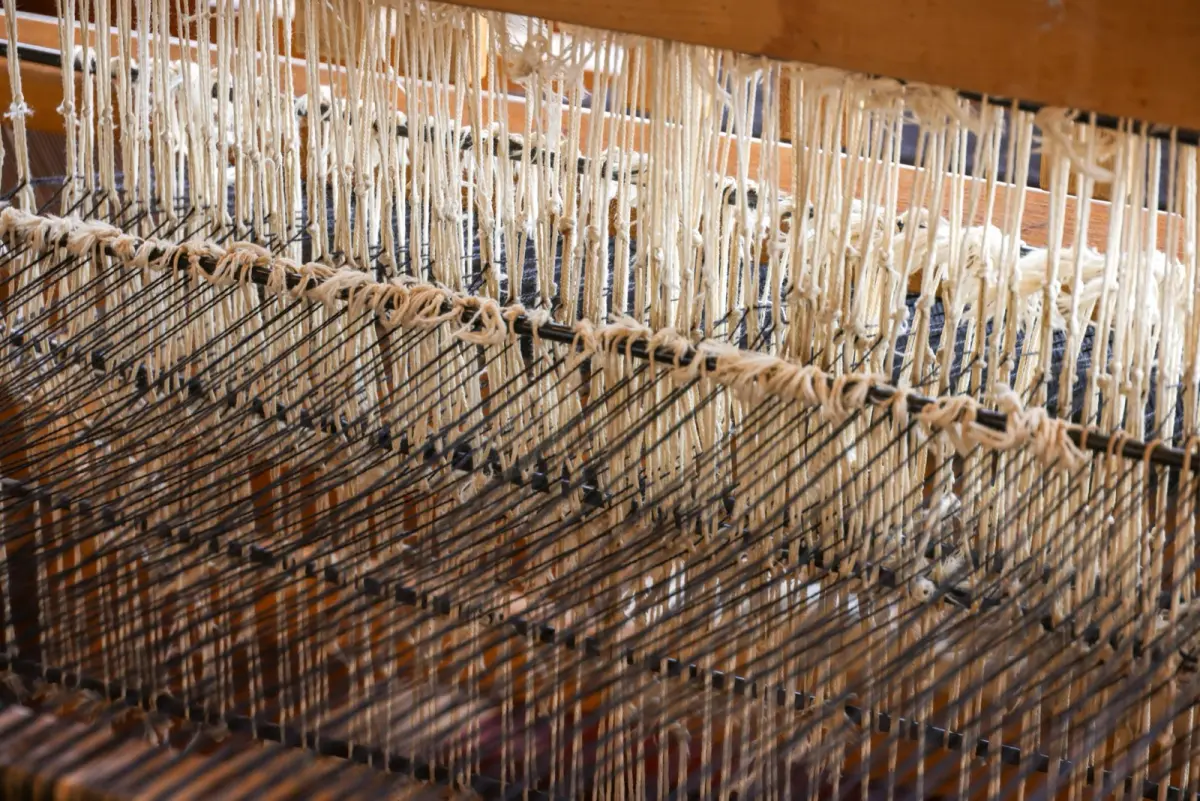 Kiryū Textiles
桐生織 · Kiryū, Gunma
Kiryū Textiles
桐生織 · Kiryū, Gunma
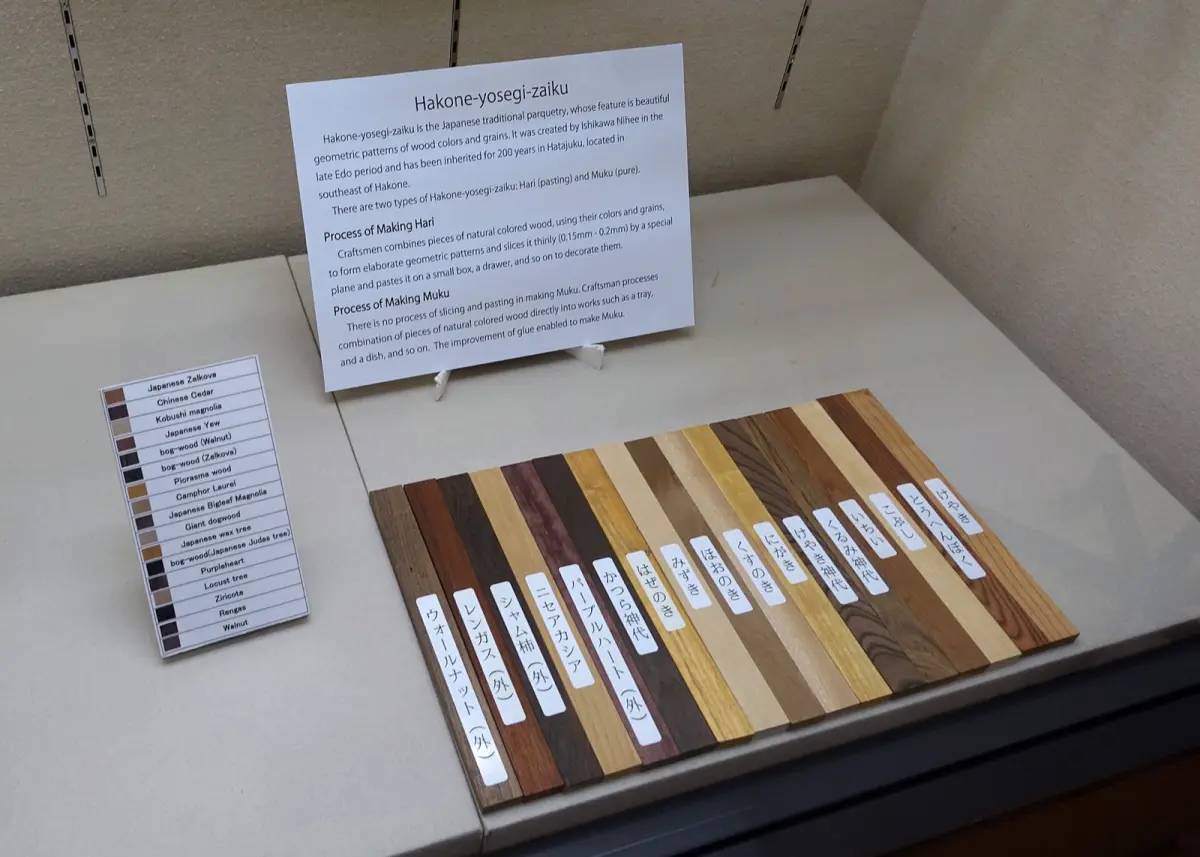 Hakone Yosegi
箱根寄木細工 · Hakone, Kanagawa
Hakone Yosegi
箱根寄木細工 · Hakone, Kanagawa
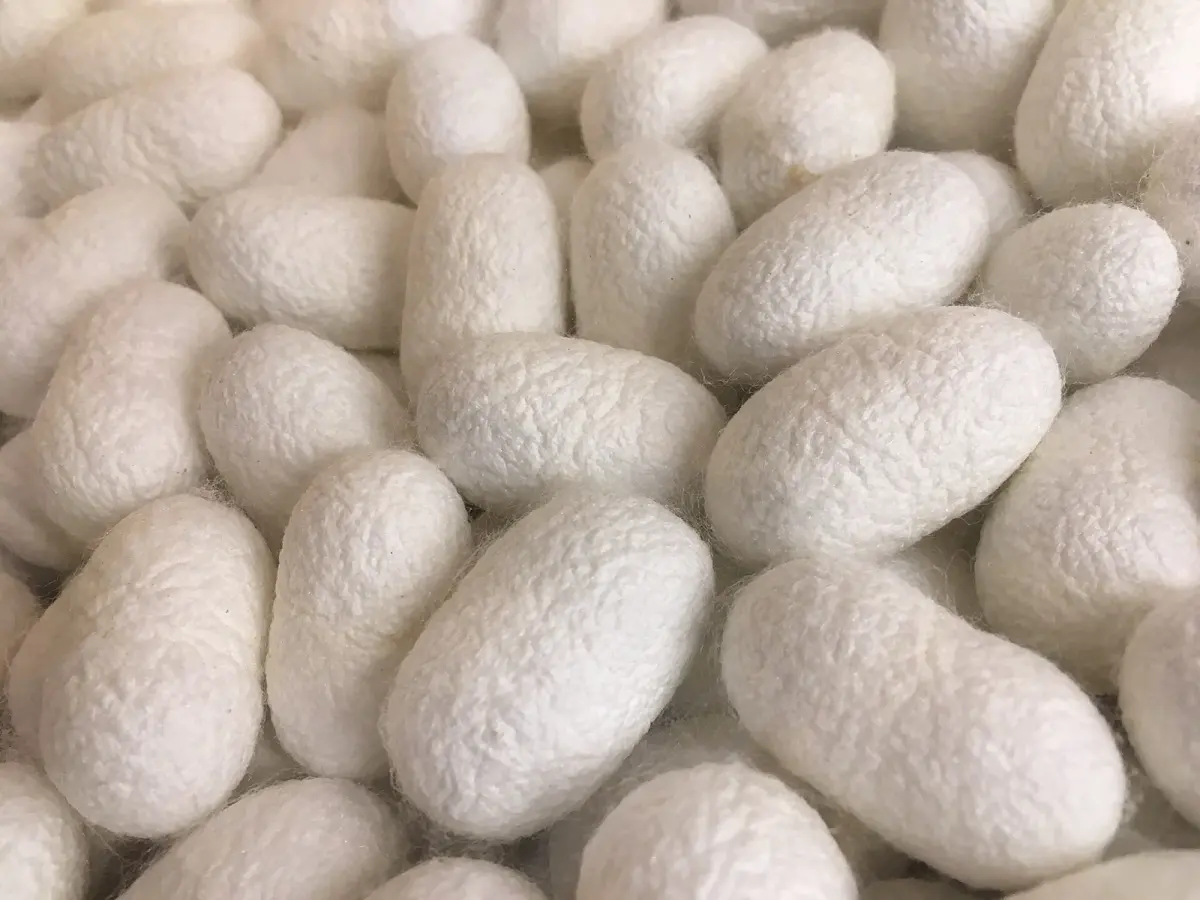 Yūki Tsumugi
結城紬 · Yūki, Ibaraki
Yūki Tsumugi
結城紬 · Yūki, Ibaraki
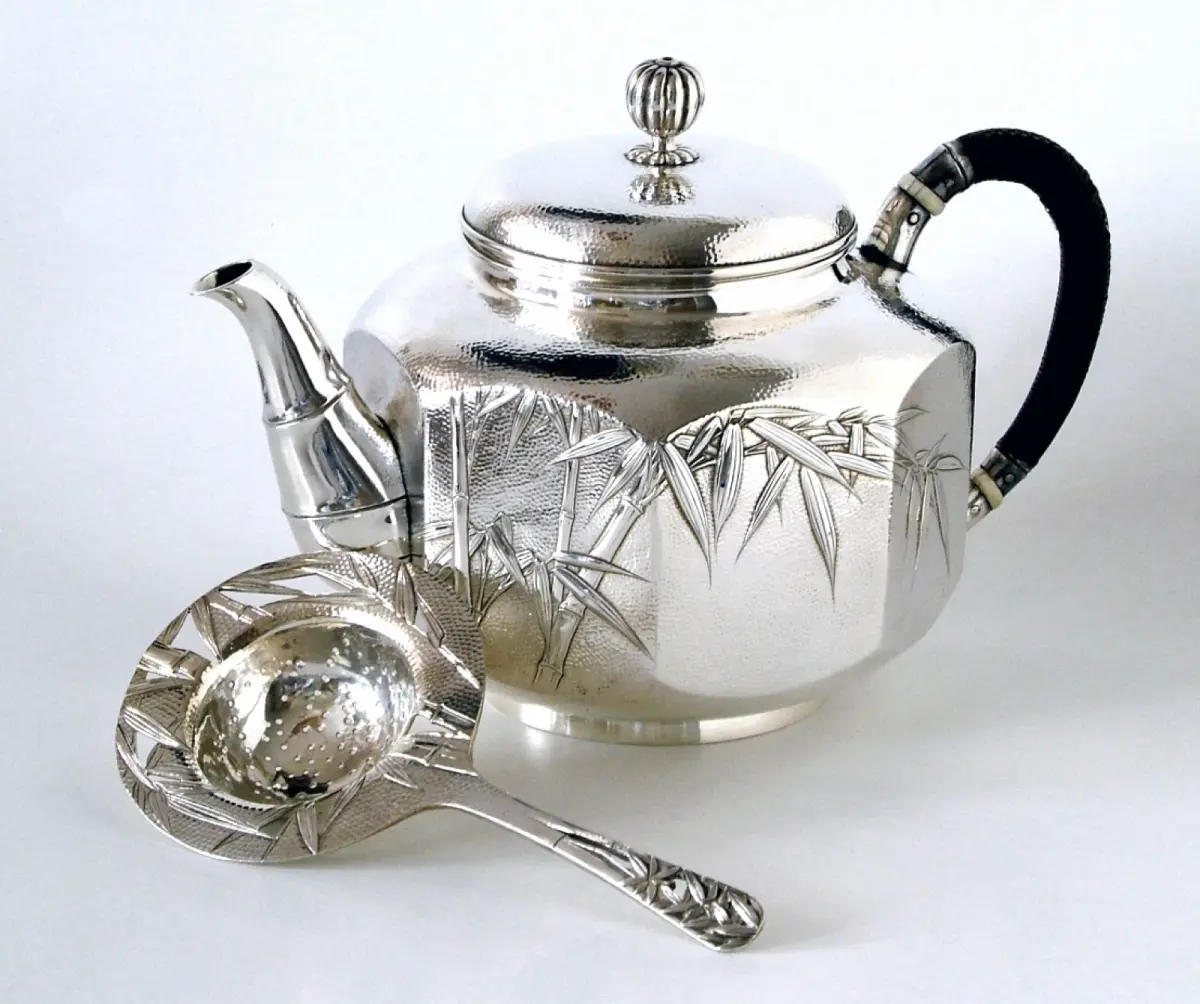 Tokyo Silver
東京銀器 · Taito, Tokyo
Tokyo Silver
東京銀器 · Taito, Tokyo
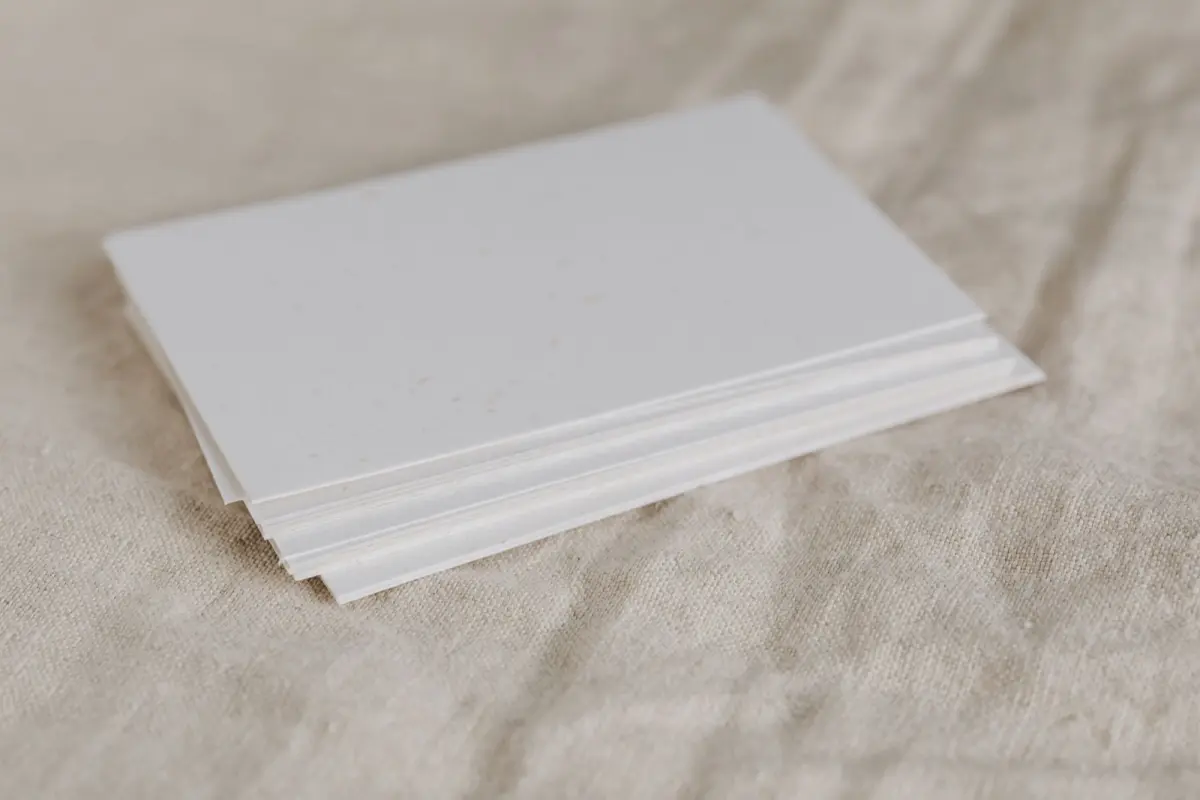 Hosokawa Paper
細川紙 · Ogawa, Saitama
Hosokawa Paper
細川紙 · Ogawa, Saitama
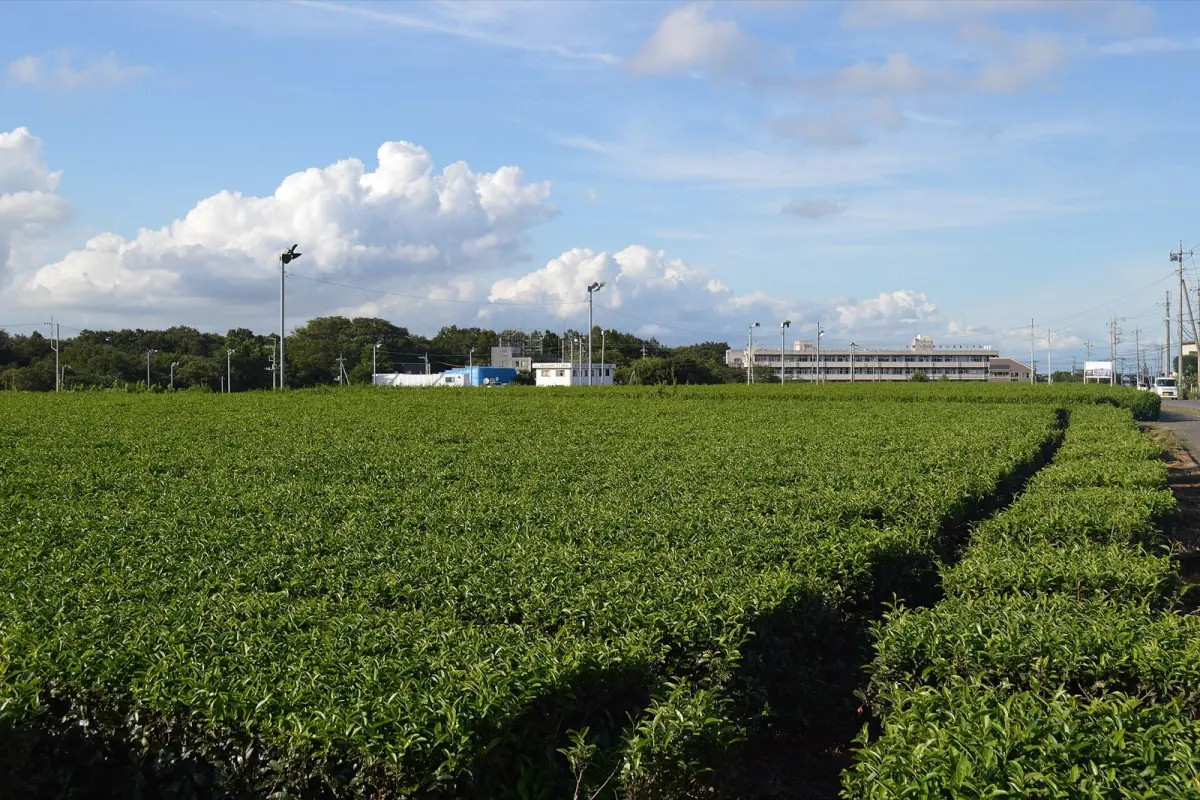 Sayama Tea
狭山茶 · Iruma, Saitama
Sayama Tea
狭山茶 · Iruma, Saitama