Tea & Matcha
Green tea is grown the length of Japan, but a handful of regions define it — the shaded matcha of Uji, the mountain gyokuro of Yame, the wide plantations under Mt Fuji. Here is where the country's finest tea is grown.
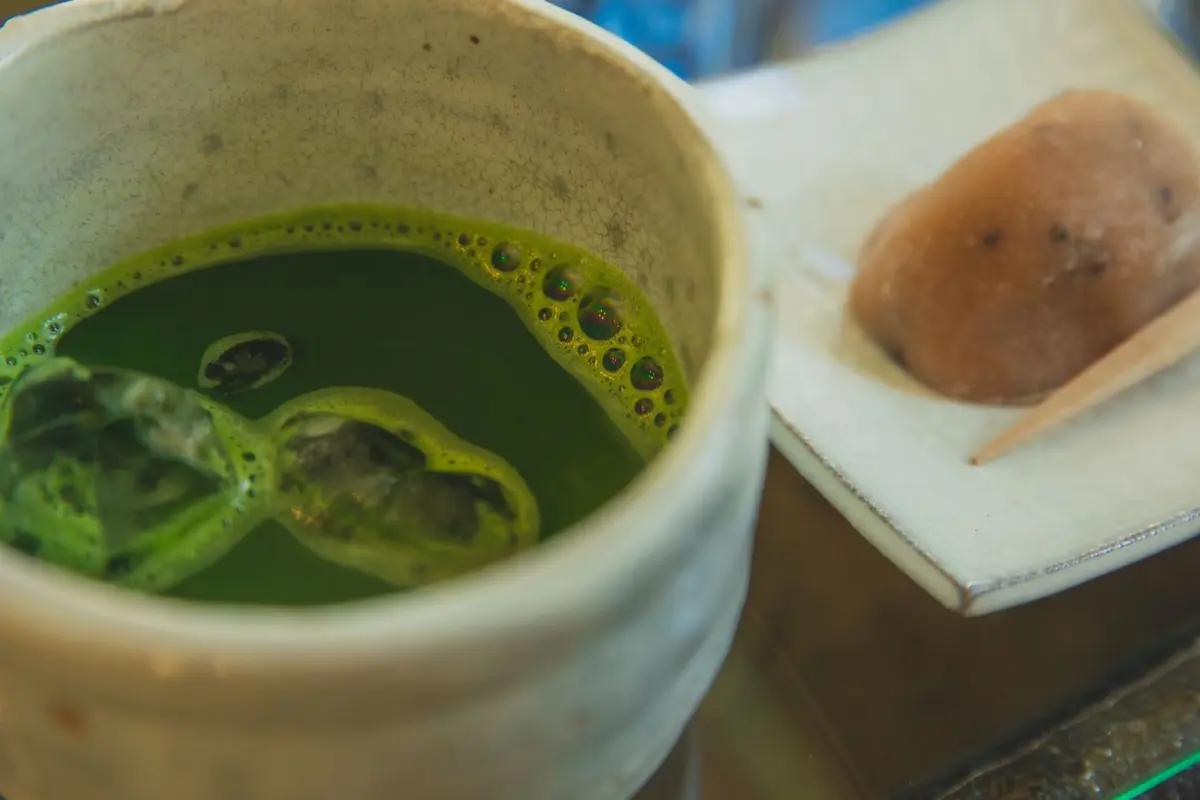
Uji Matcha
The birthplace of Japan's finest matcha. Tea took hold here after 1191 via the monks Eisai and Myoe; shaded cultivation was developed in the 16th century for the tea ceremony, and in 1738 Nagatani Soen's 'Uji method' shaped modern Japanese tea — and gyokuro.
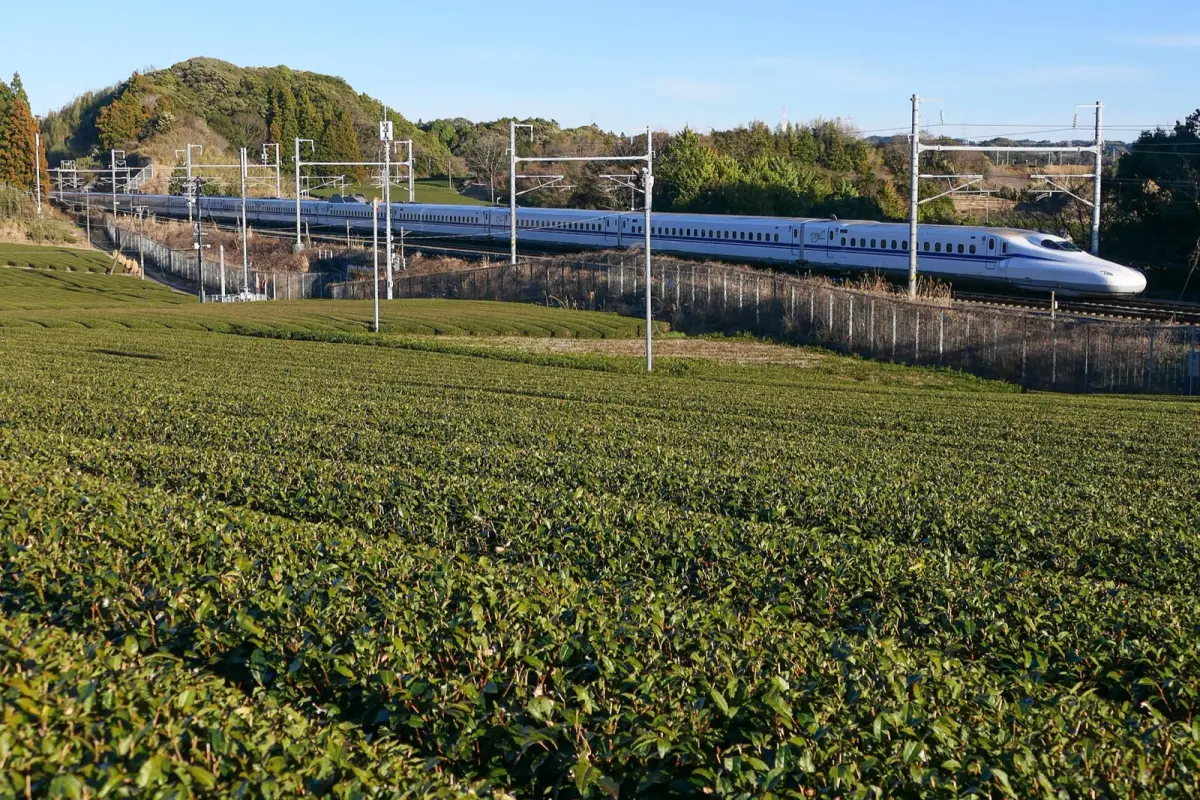
Shizuoka Tea
Japan's number-one tea region. The vast Makinohara plateau was pioneered from 1869 by former Tokugawa retainers, and Shizuoka now grows about 40% of the nation's tea — much of it deep-steamed 'fukamushi' sencha under the gaze of Mount Fuji.
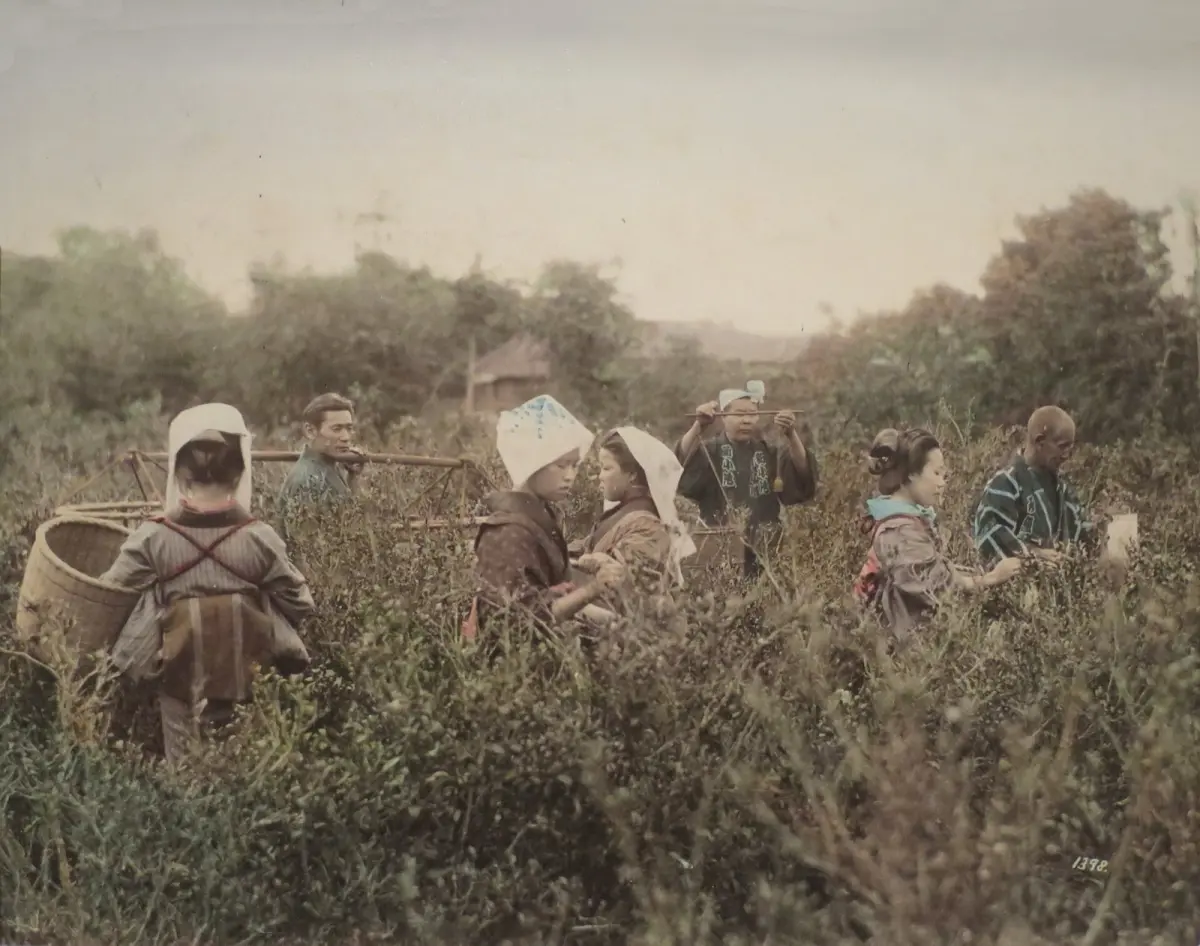
Yame Gyokuro
Home of Japan's finest gyokuro. Tea began here in 1423, when a Zen monk back from Ming China founded a temple and shared his seeds — 600 years in 2023. Yame's straw-shaded traditional hon-gyokuro repeatedly tops the national tea competition.
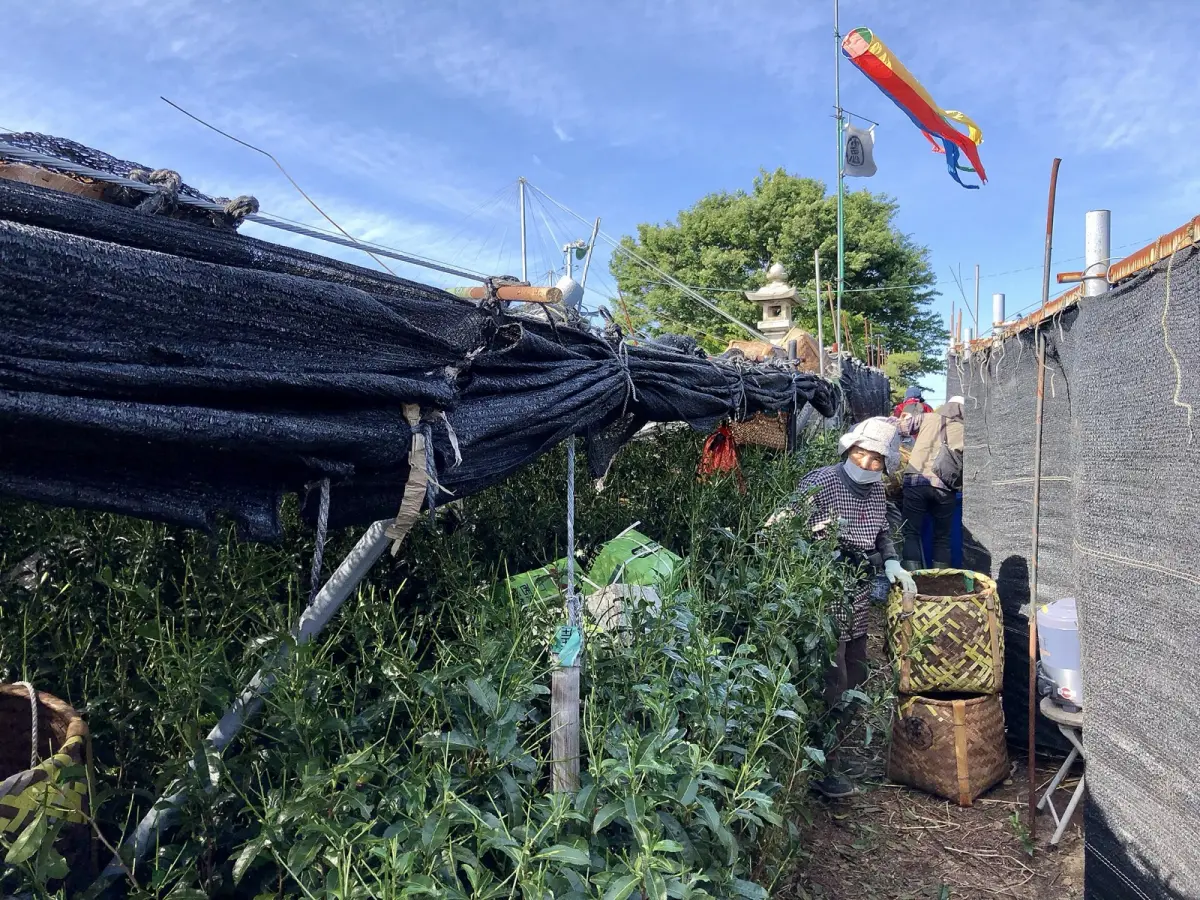
Nishio Matcha
A leading matcha town on the Yahagi River, where a temple priest raised Uji seedlings in 1872. Grown under traditional shelf-shading on the Inariyama hills, Nishio makes deep-green, full-bodied matcha — about a fifth of Japan's output.
Sayama Tea
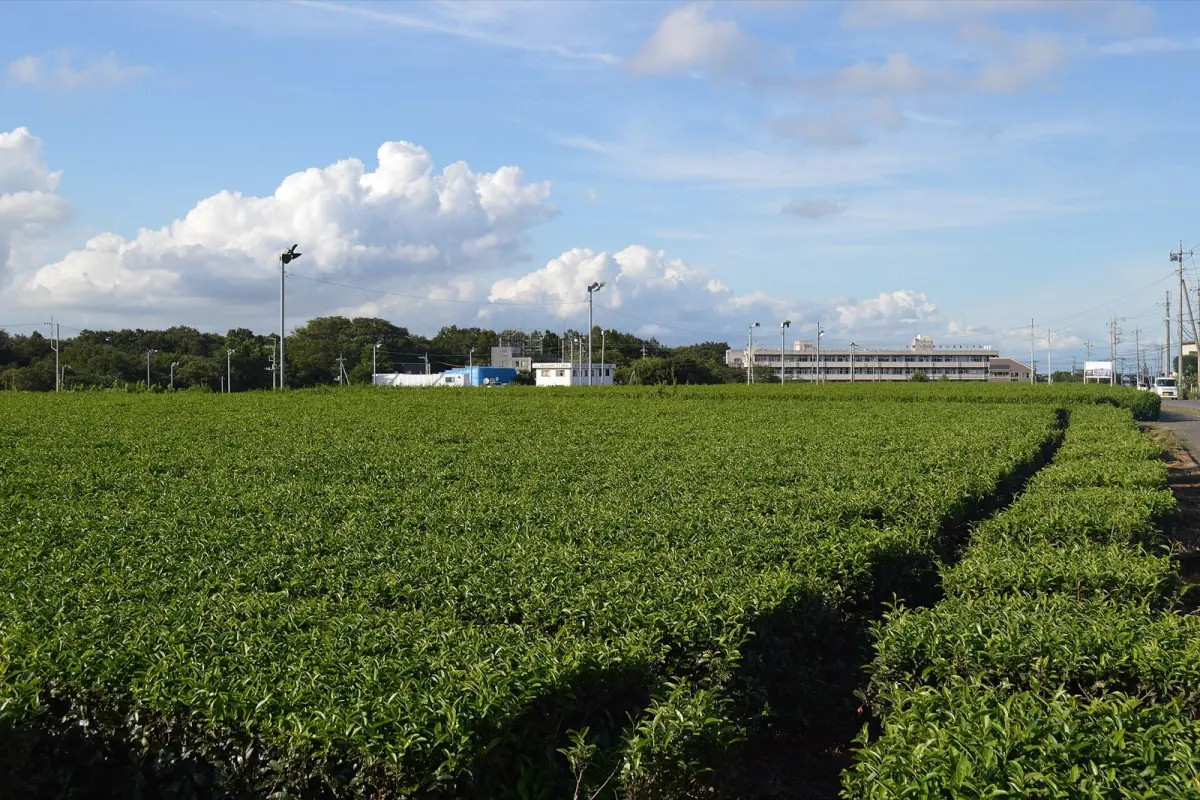
One of Japan's three great teas, grown in Saitama at the cool northern edge of the tea belt. Frost and snow thicken the leaf, and the local 'Sayama hi-ire' final firing deepens its rich, mellow taste. As the old picking song says: colour from Shizuoka, aroma from Uji, but taste from Sayama.