Kyoto, Go Deeper
Kyoto is a city of layers: beneath the famous gold and vermilion lie quiet canals, Zen rock gardens, and hillside tea terraces that have shaped Japanese aesthetics for centuries. To go deeper is to wander the willow-shaded backstreets of Gion at dusk, climb the forested mountain behind ten thousand torii gates, or sip tea where it has grown since the Heian court first retreated to these hills. This guide leads you past the postcards into the rhythms and textures that make Kyoto endlessly rewarding.
- Tap Open in Google Maps on any place for live directions, transit, hours & reviews.
- Get an ICOCA / Suica IC card — tap on/off trains, subways & buses, no ticket needed.
- Carry some cash (¥) — many small shops, shrines & old streets are cash-only.
- Go early: the famous spots are calm and beautiful before ~9am.
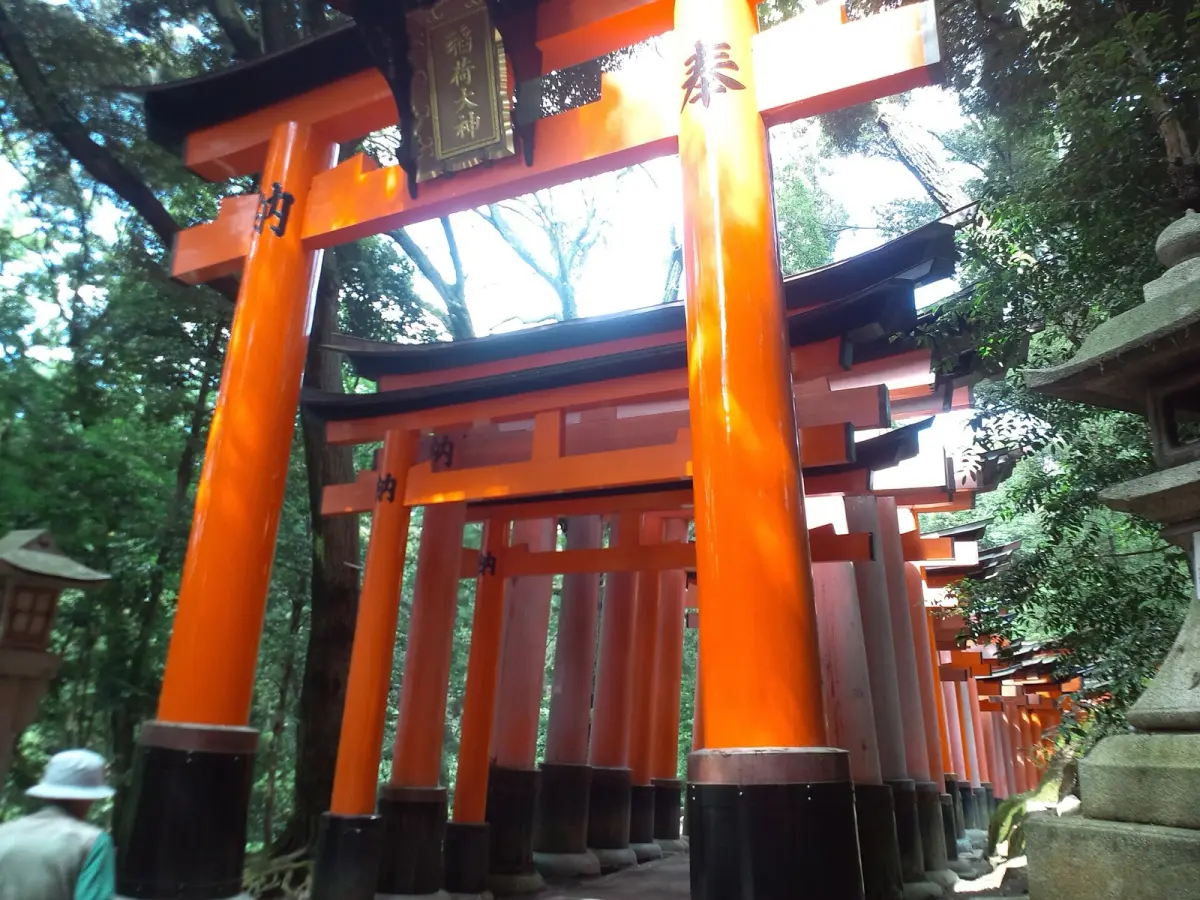
Fushimi Inari Taisha
The head of thirty thousand Inari shrines across Japan, Fushimi Inari was founded in 711 and dedicated to the deity of rice and prosperity. Its famous tunnels of vermilion torii—around ten thousand in all, donated over centuries as offerings—wind up the wooded slopes of Mount Inari, where the full loop takes two to three unhurried hours and the crowds thin with every turn.
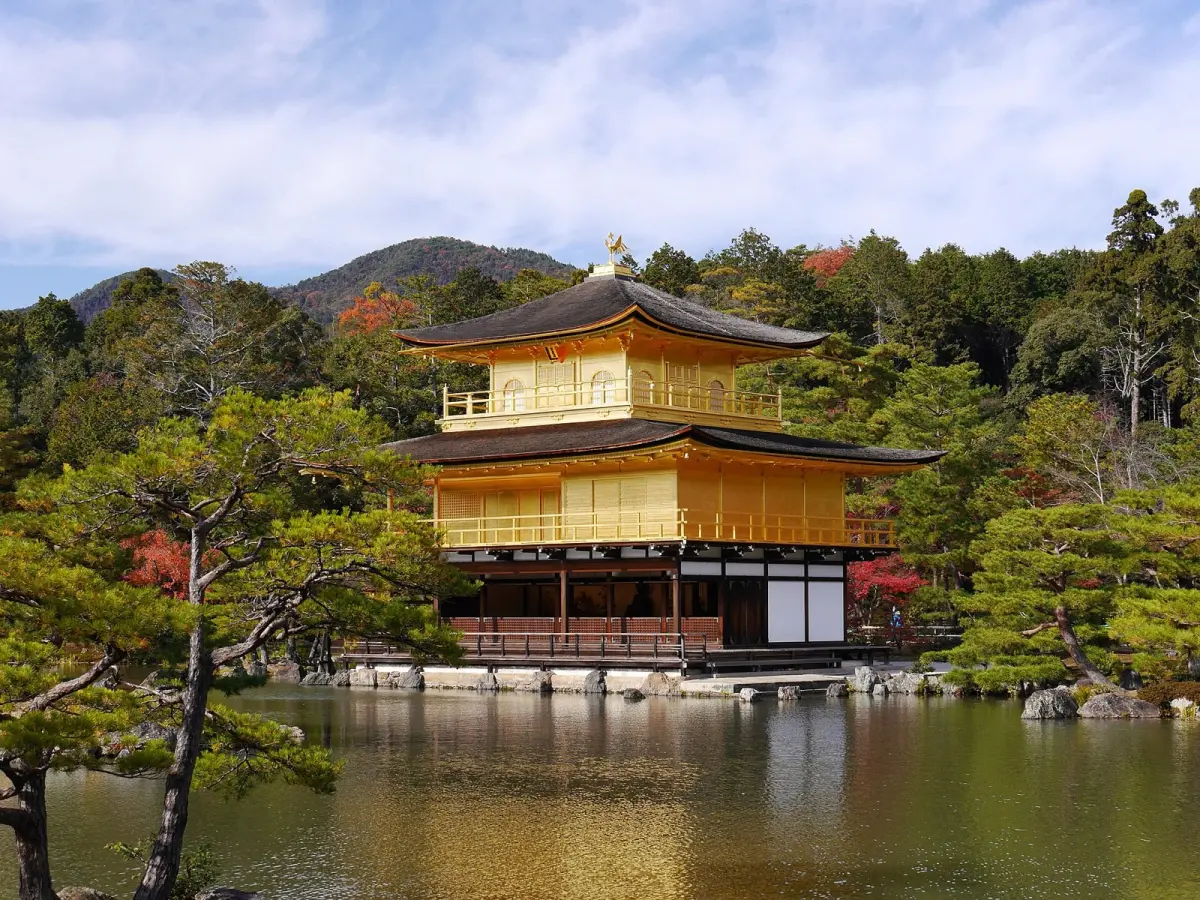
Kinkaku-ji (Golden Pavilion)
The Golden Pavilion floats above its mirror pond, its top two floors sheathed in gold leaf, a vision of Pure Land paradise built as the retirement villa of a shogun in the late fourteenth century. The present structure is a faithful 1955 reconstruction after arson, but the garden and the shimmering reflection remain timeless.
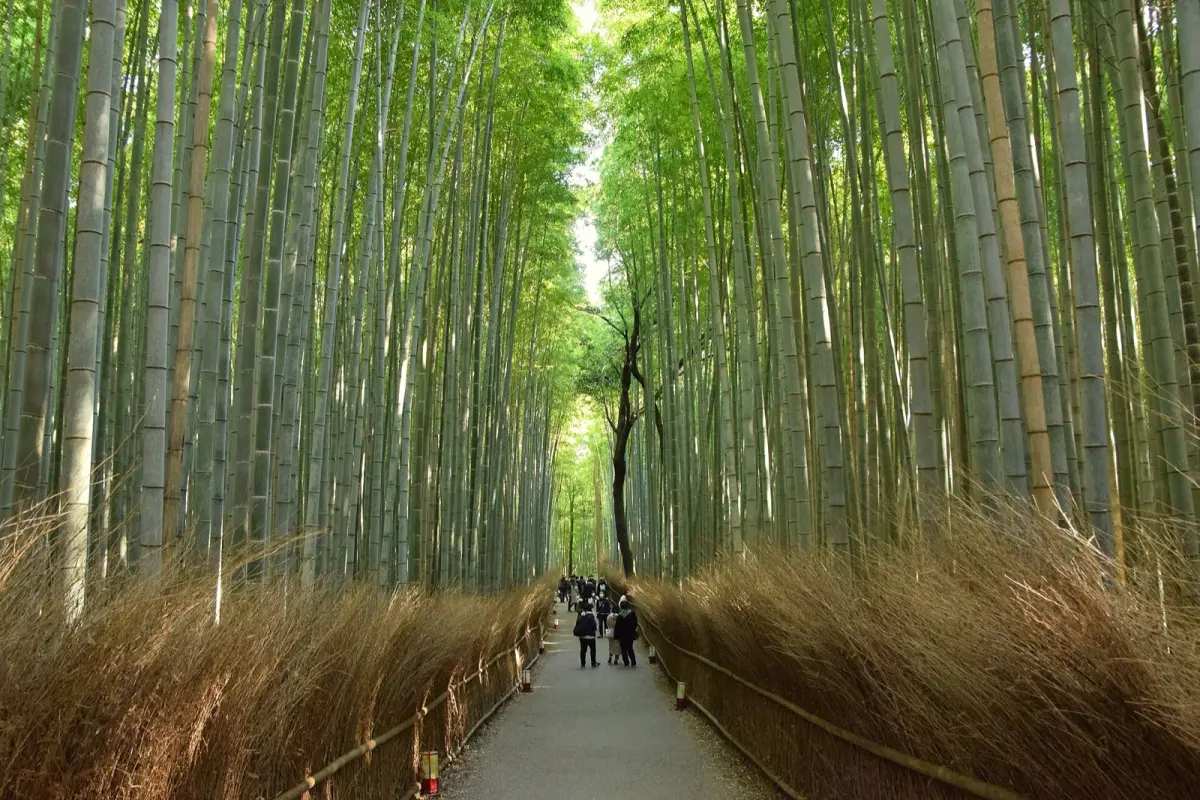
Arashiyama Bamboo Grove
This four-hundred-metre path runs through towering managed bamboo groves that creak and sway overhead, filtering the light into shifting green. The grove has been part of Arashiyama since the Heian nobility made these hills their retreat, and it still feels like stepping into another realm.
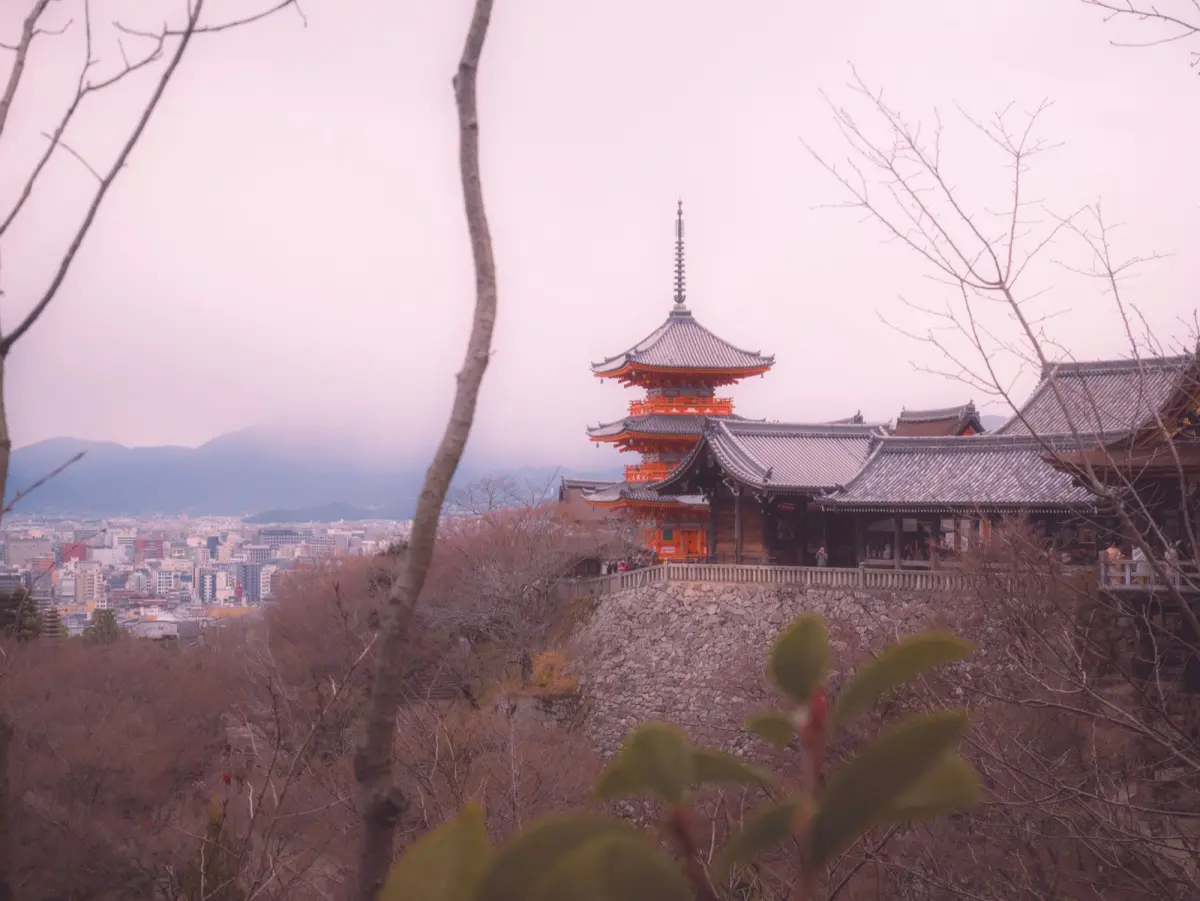
Kiyomizu-dera
Founded in 778, Kiyomizu-dera is famous for its great wooden stage that juts from the hillside on tall pillars, built without a single nail. Named for the pure Otowa waterfall that flows below, the temple is especially beloved during cherry blossom season and the blaze of autumn leaves.
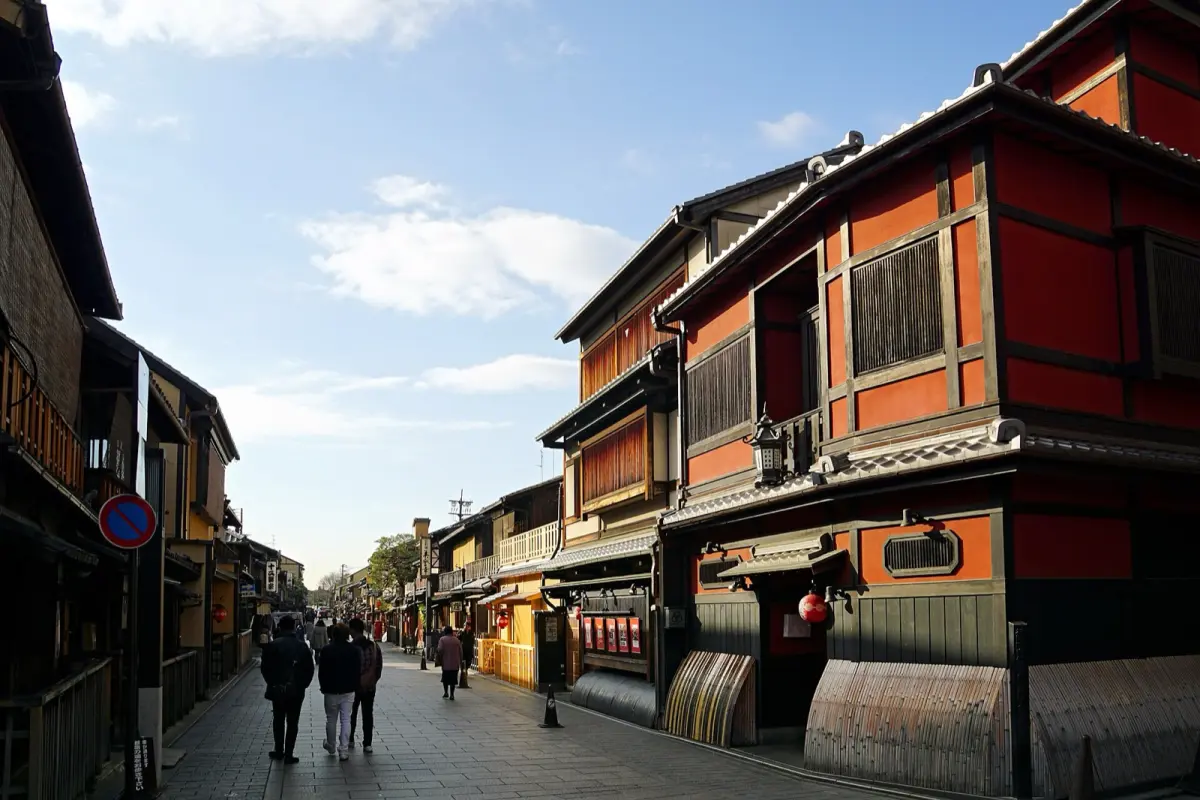
Gion (Hanamikoji)
Kyoto's storied geisha district, where geiko and maiko still move between wooden ochaya teahouses along Hanamikoji, the main lane of old machiya townhouses. The atmosphere at dusk, when lanterns glow and the possibility of a glimpse feels real, is what draws travelers back again and again.
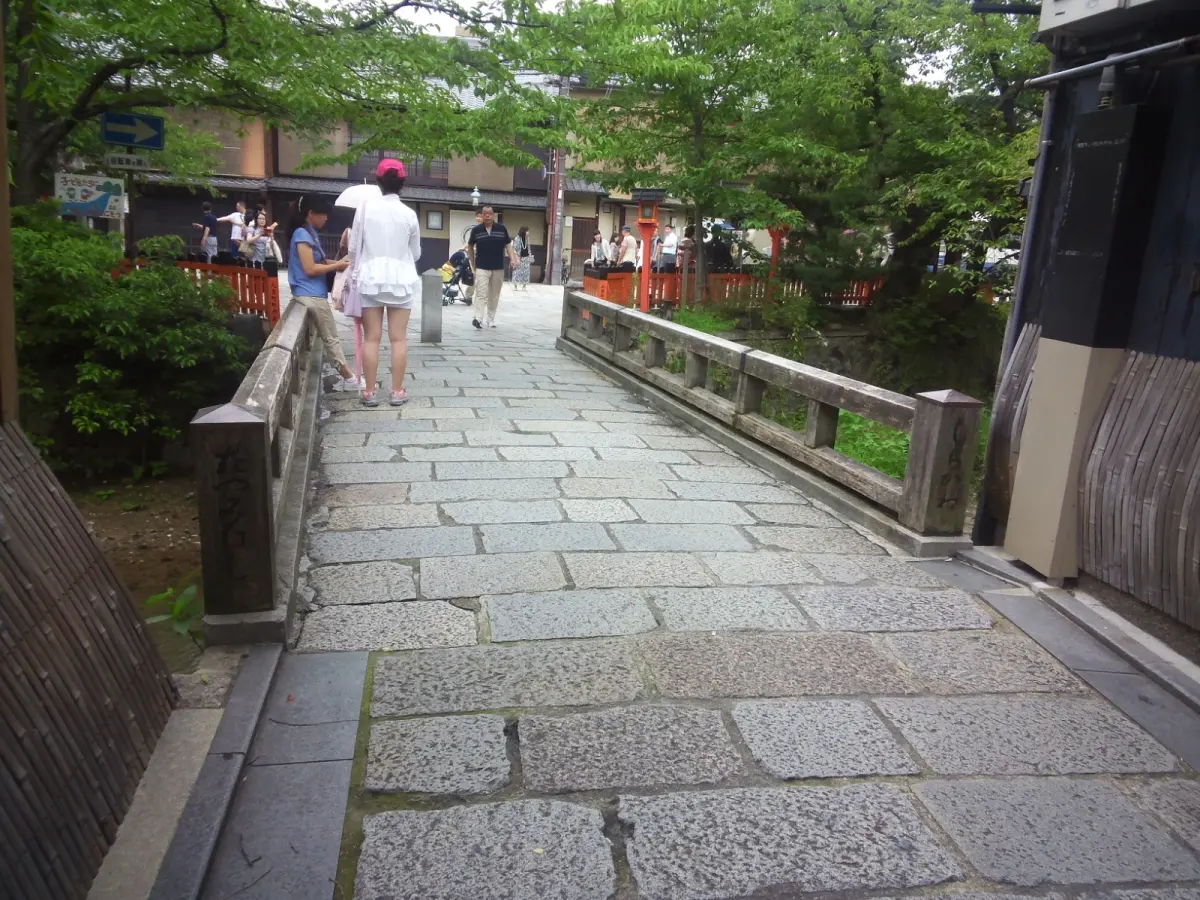
Gion Shirakawa
A quieter, canal-side corner of Gion, where willow branches trail over the Shirakawa stream and the small Tatsumi bridge arches between old teahouses. The stillness here, just steps from busier lanes, feels like a secret kept in plain sight.
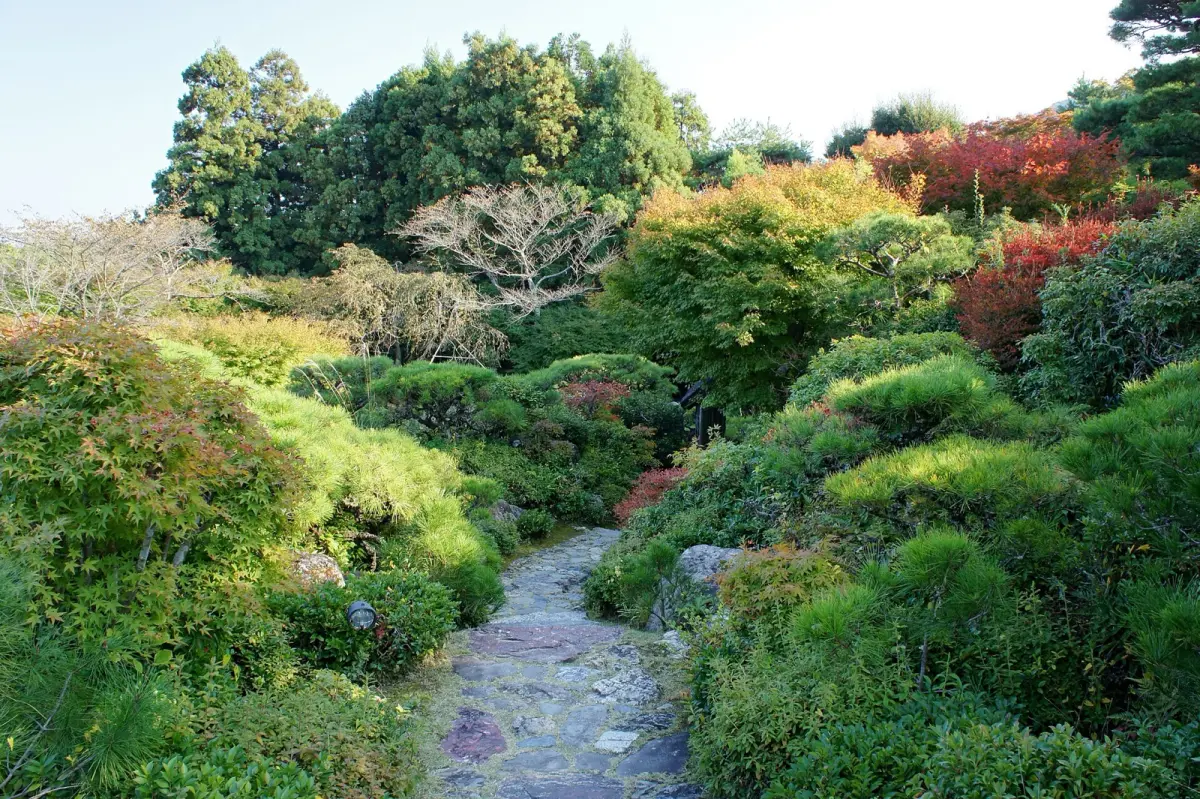
Ōkōchi Sansō Garden
The hillside villa and strolling garden of silent-film star Denjiro Okochi sits at the far end of the bamboo grove, offering sweeping views over Arashiyama and a sequence of carefully composed garden rooms. It is a quieter counterpoint to the crowds below, where every turn reveals another considered frame of nature.
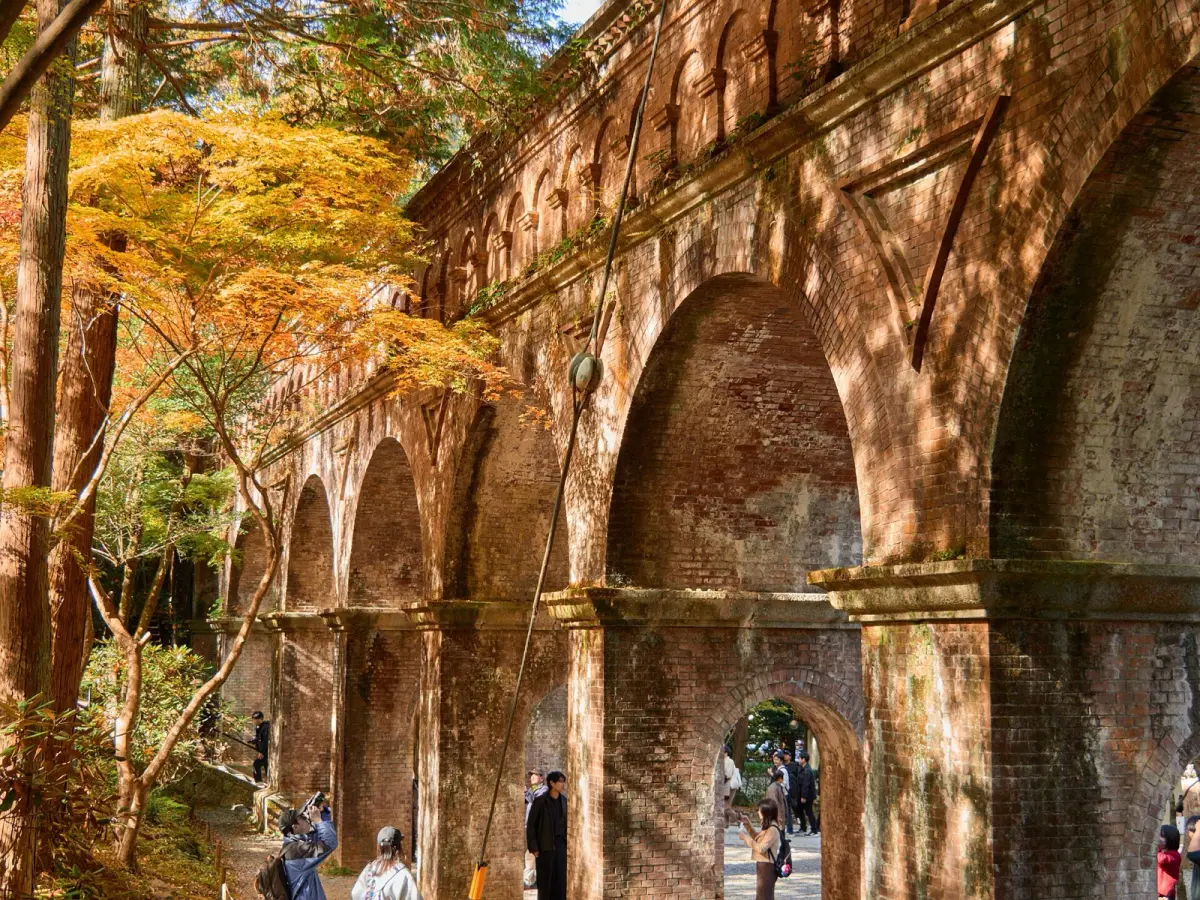
Nanzen-ji & the Aqueduct
This head temple of a Rinzai Zen branch is known for its massive Sanmon gate and the striking red-brick aqueduct of the Meiji-era Lake Biwa Canal that strides through the temple grounds. The contrast of Zen austerity and industrial-age engineering makes Nanzen-ji uniquely layered, even for Kyoto.
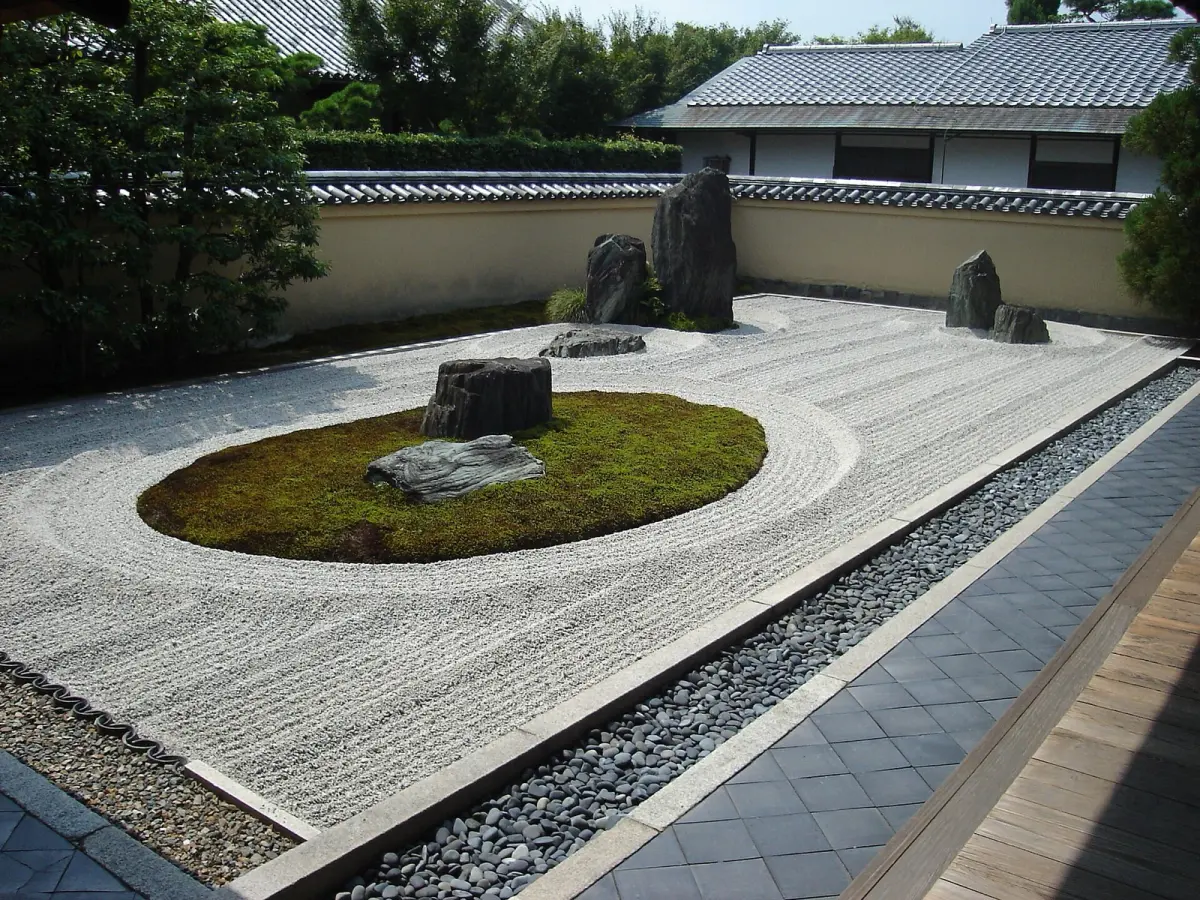
Daitoku-ji Zen Temples
A walled complex of Rinzai Zen sub-temples, Daitoku-ji is celebrated for its dry rock gardens and deep historical ties to the tea ceremony and the master Sen no Rikyu. The atmosphere is contemplative and less crowded, inviting slow wandering among raked gravel and ancient pines.
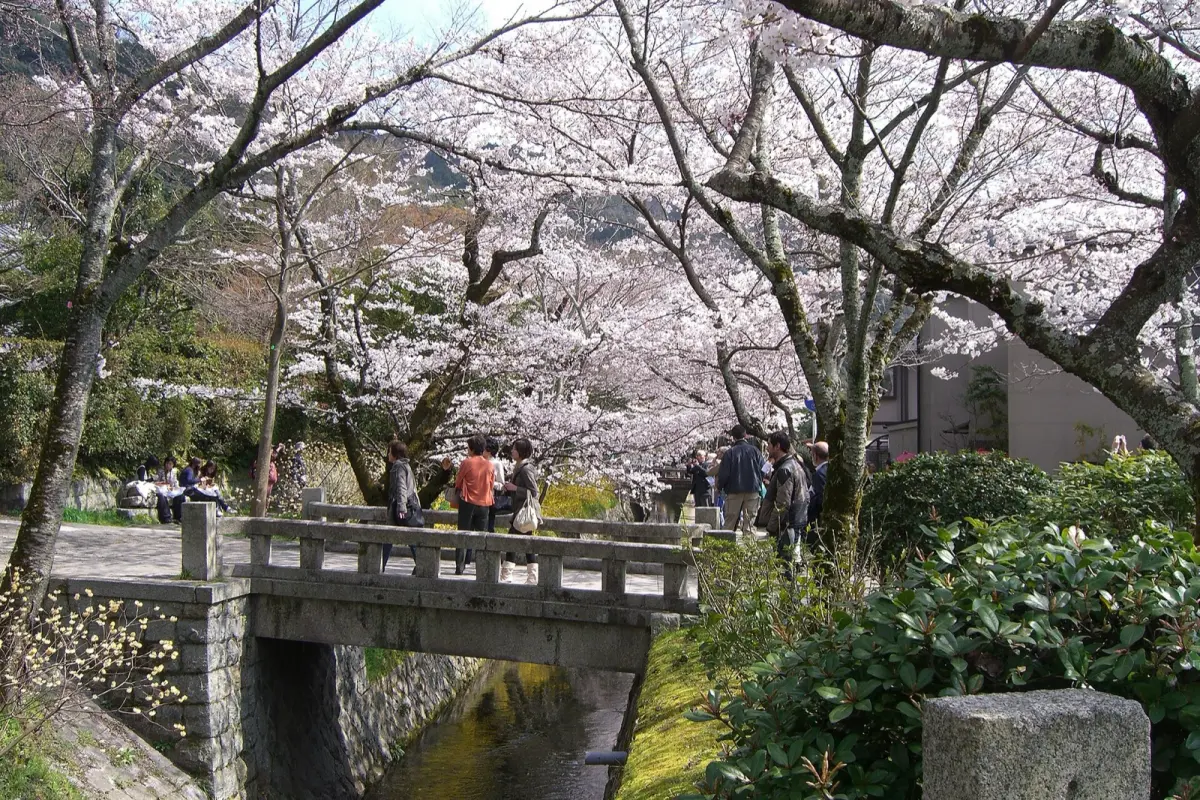
The Philosopher's Path
This canal-side walk is lined with cherry trees and named for the philosopher Nishida Kitaro, who meditated here on his daily walks. In spring the blossoms form a tunnel overhead; the rest of the year it remains a gentle, reflective stroll through a quieter side of Higashiyama.
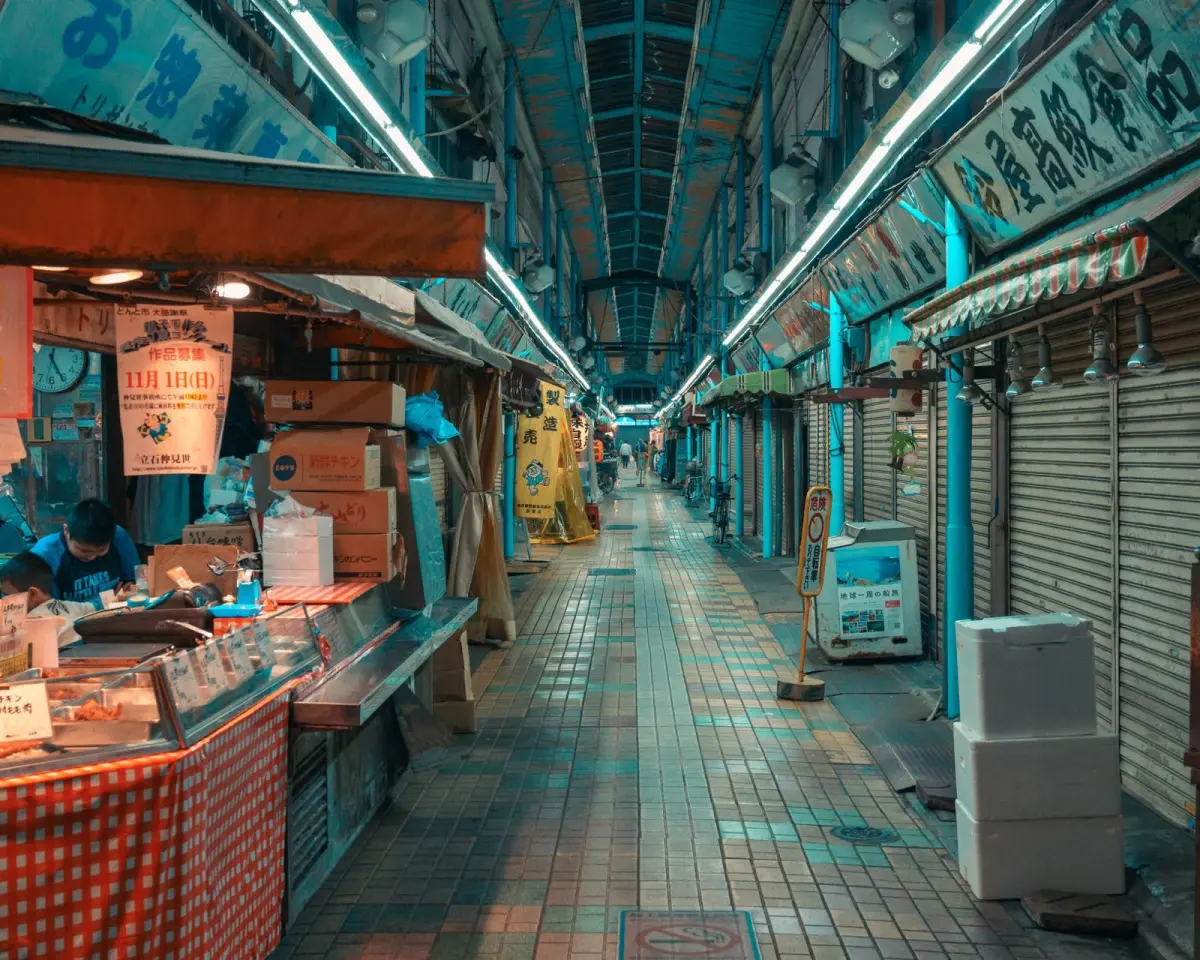
Nishiki Market
Kyoto's kitchen for centuries, this narrow covered arcade shelters some hundred and thirty stalls selling pickles, sweets, knives, dried fish, and every specialty of Kyoto cuisine. The energy is lively and local, and wandering its length is the best edible introduction to the city's flavors.
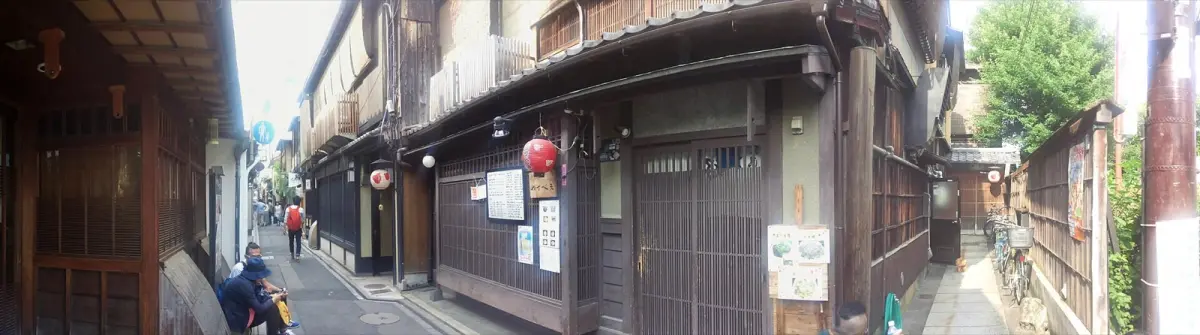
Pontochō Alley
A lantern-lit sliver of an alley running along the Kamogawa river, Pontocho has been an entertainment quarter for generations. Many restaurants open onto riverside terraces in summer, and the narrow lane itself, barely wide enough for two to pass, retains an intimate, old-Kyoto atmosphere.
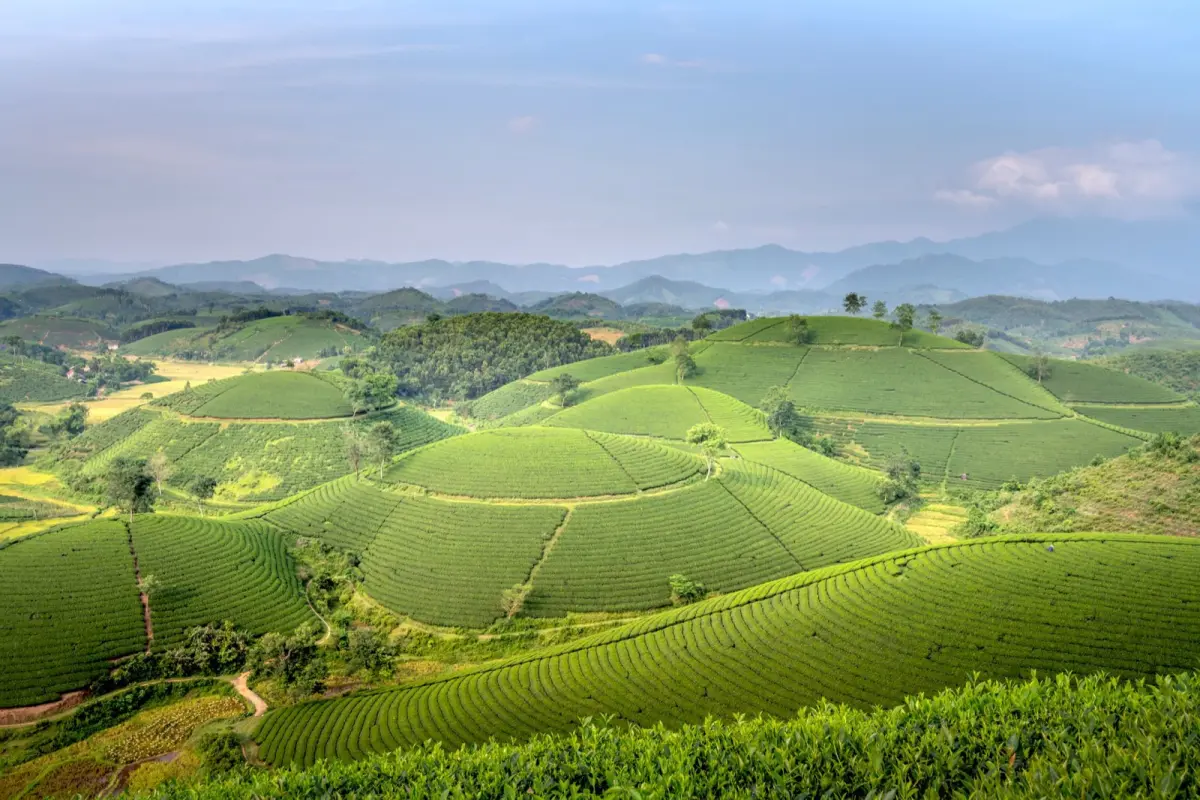
Wazuka Tea Fields
This hillside tea town in the Uji region is where much of the finest Uji tea is grown, its terraced fields rippling green across the slopes. Visiting Wazuka means seeing the source: the careful cultivation, the mist-hung mornings, and the quiet pride of farmers who tend leaves destined for the best teahouses in Japan.
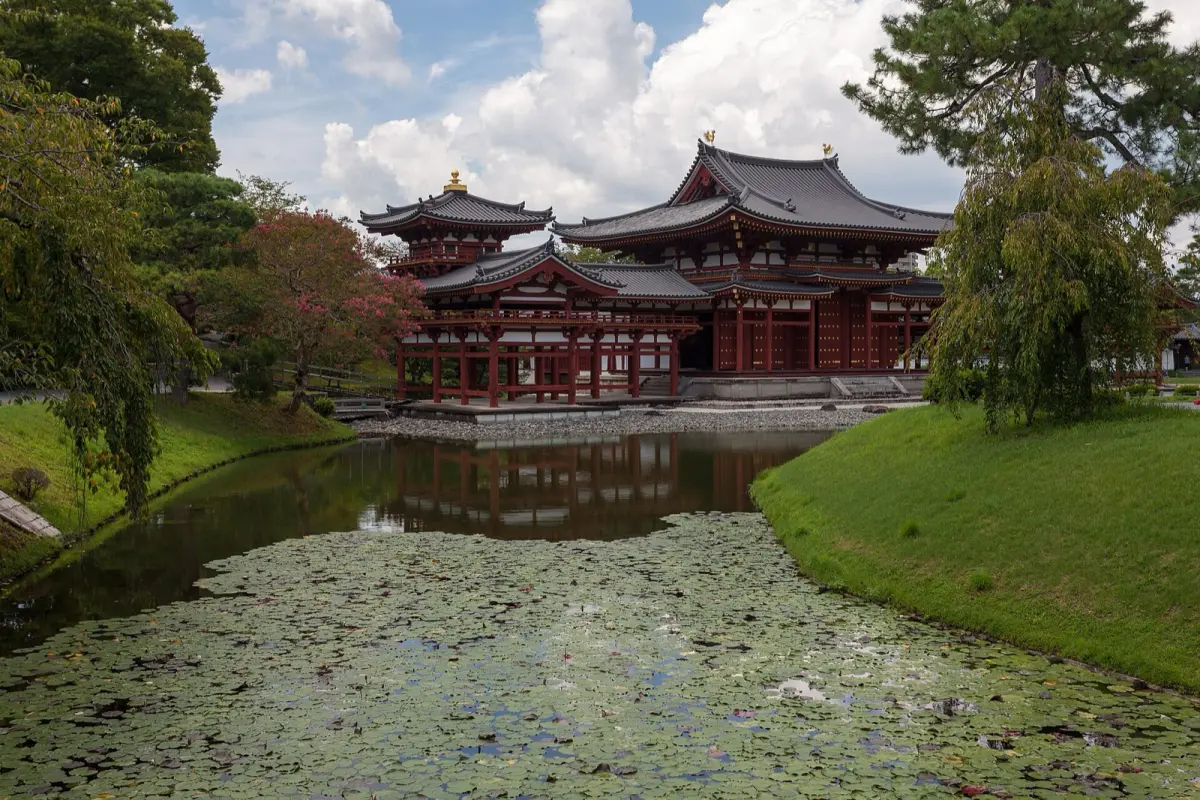
Byōdō-in & Uji
In the town of Uji, the Phoenix Hall of Byodo-in was built in 1053 and appears on every ten-yen coin, its graceful form mirrored in a lotus pond. The hall is a masterpiece of Pure Land architecture and a reminder that Kyoto's cultural reach has always extended beyond the city limits into these tea-scented hills.
Crafts of this region
Authentic pieces made near here — learn the story, then bring one home.
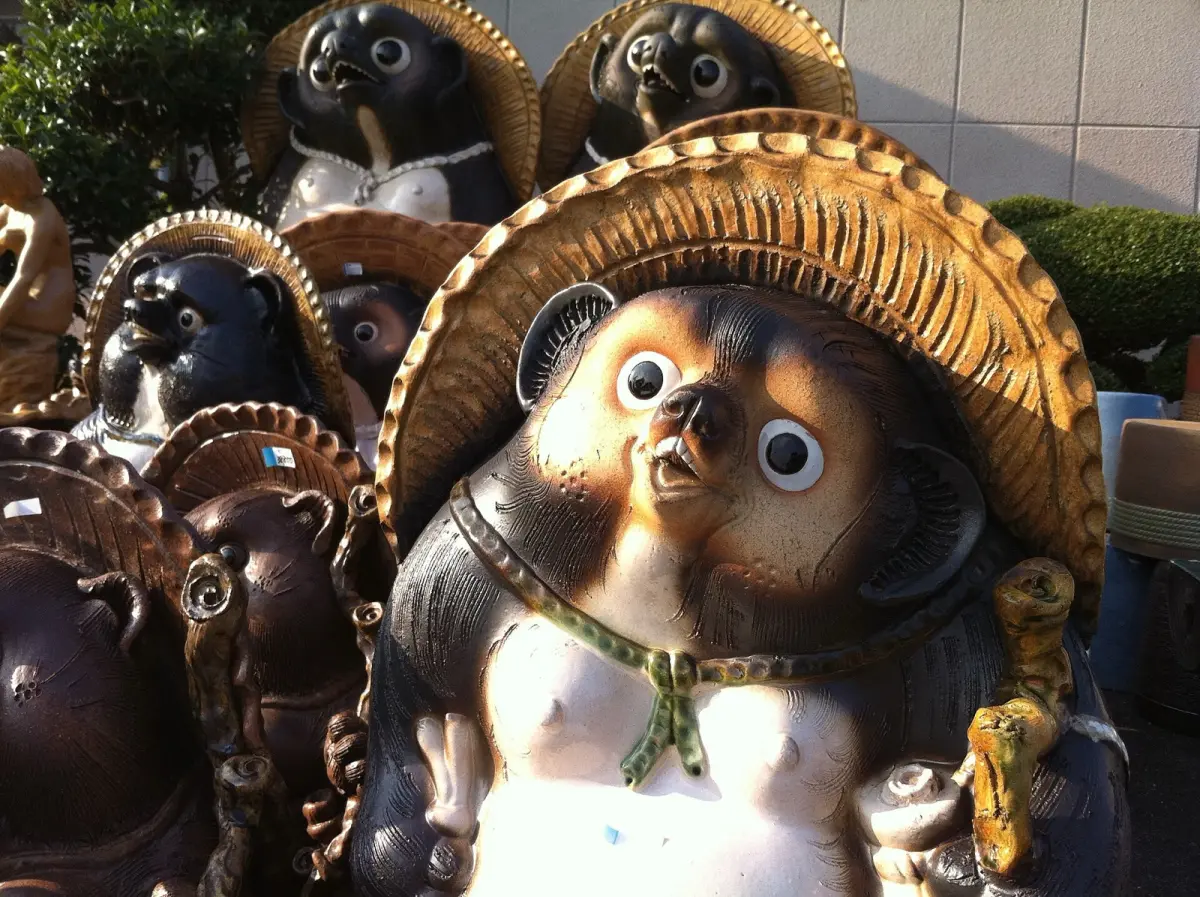 Shigaraki Ware
信楽焼 · Kōka, Shiga
Shigaraki Ware
信楽焼 · Kōka, Shiga
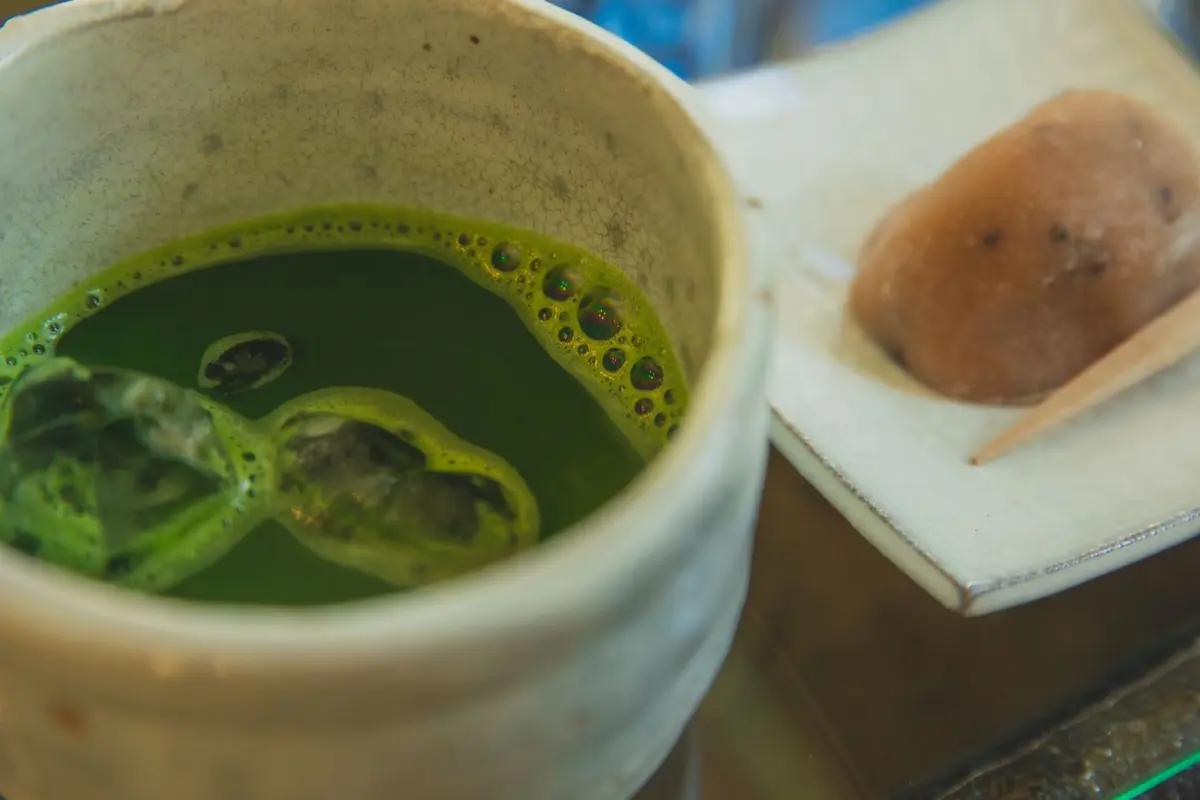 Uji Matcha
宇治茶 · Uji, Kyoto
Uji Matcha
宇治茶 · Uji, Kyoto
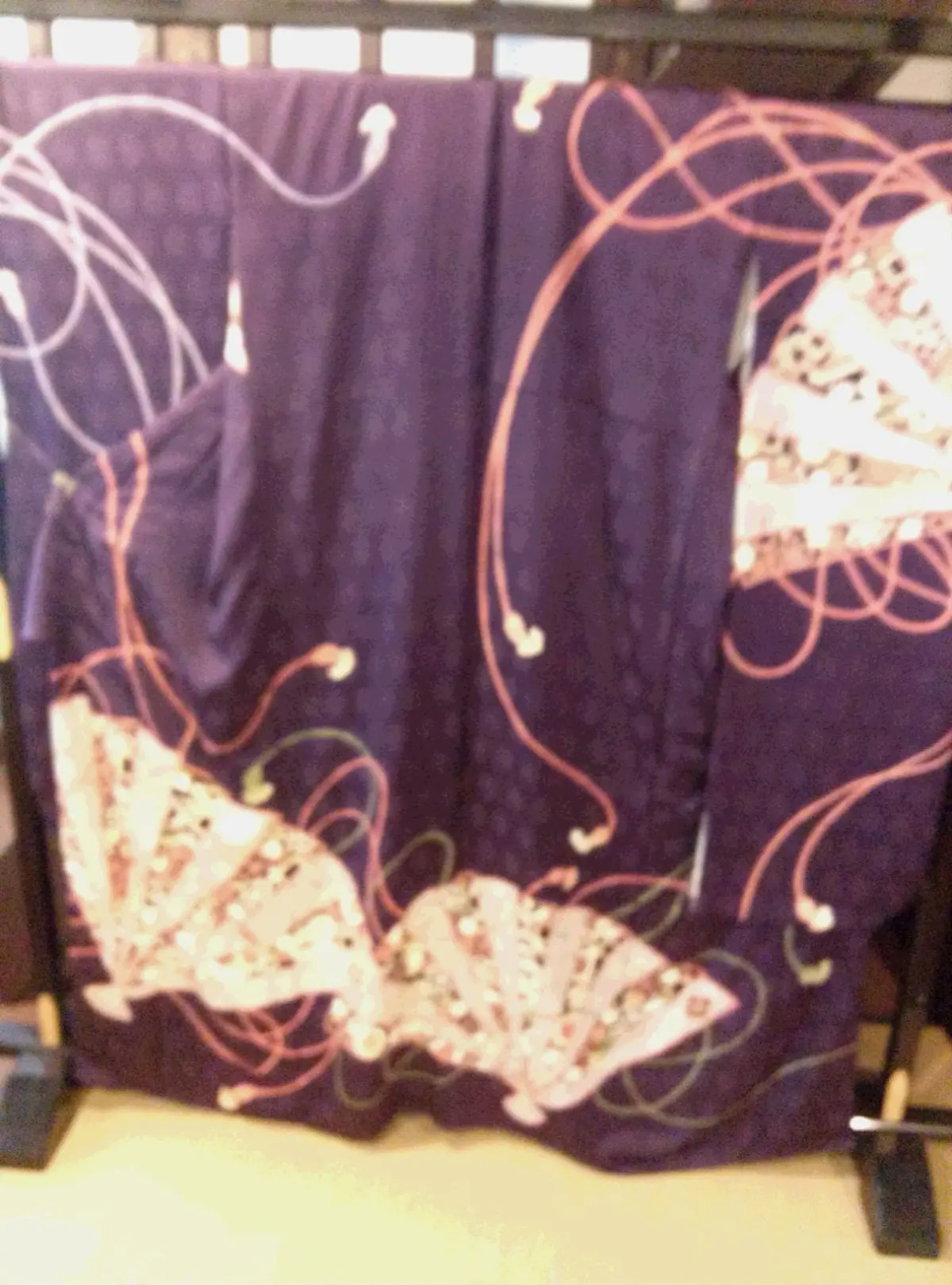 Nishijin Weaving
西陣織 · Nishijin, Kyoto
Nishijin Weaving
西陣織 · Nishijin, Kyoto
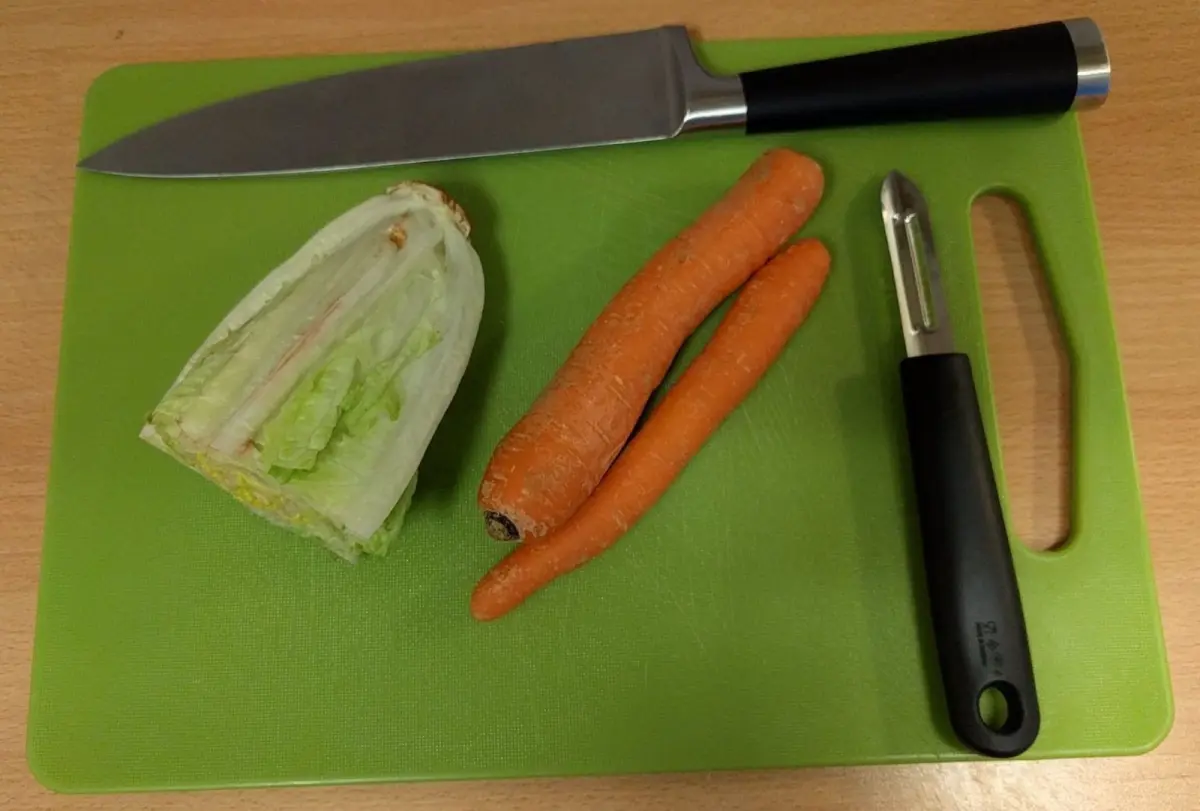 Sakai Blades
堺打刃物 · Sakai, Osaka
Sakai Blades
堺打刃物 · Sakai, Osaka
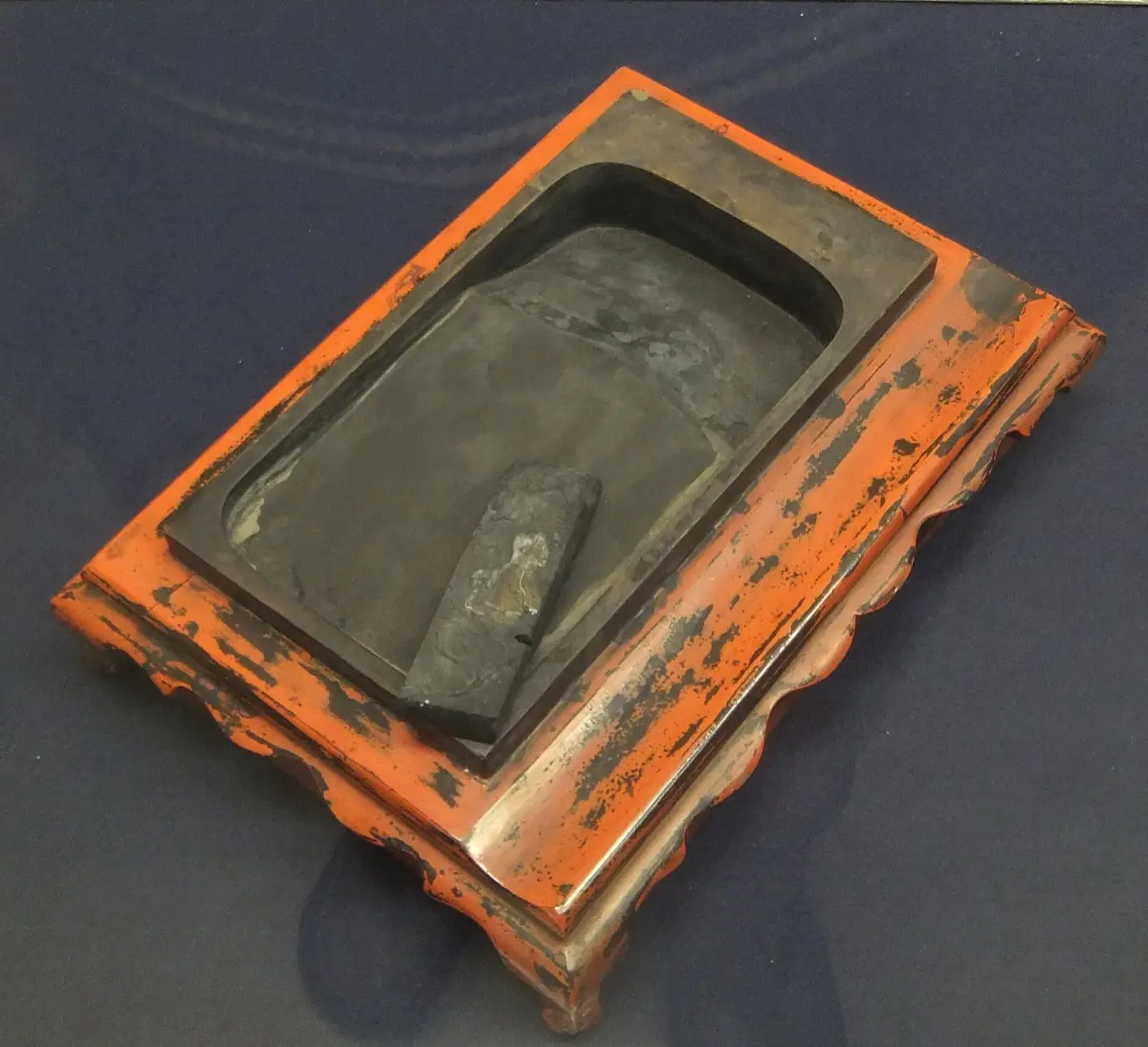 Kishū Lacquer
紀州漆器 · Kainan, Wakayama
Kishū Lacquer
紀州漆器 · Kainan, Wakayama
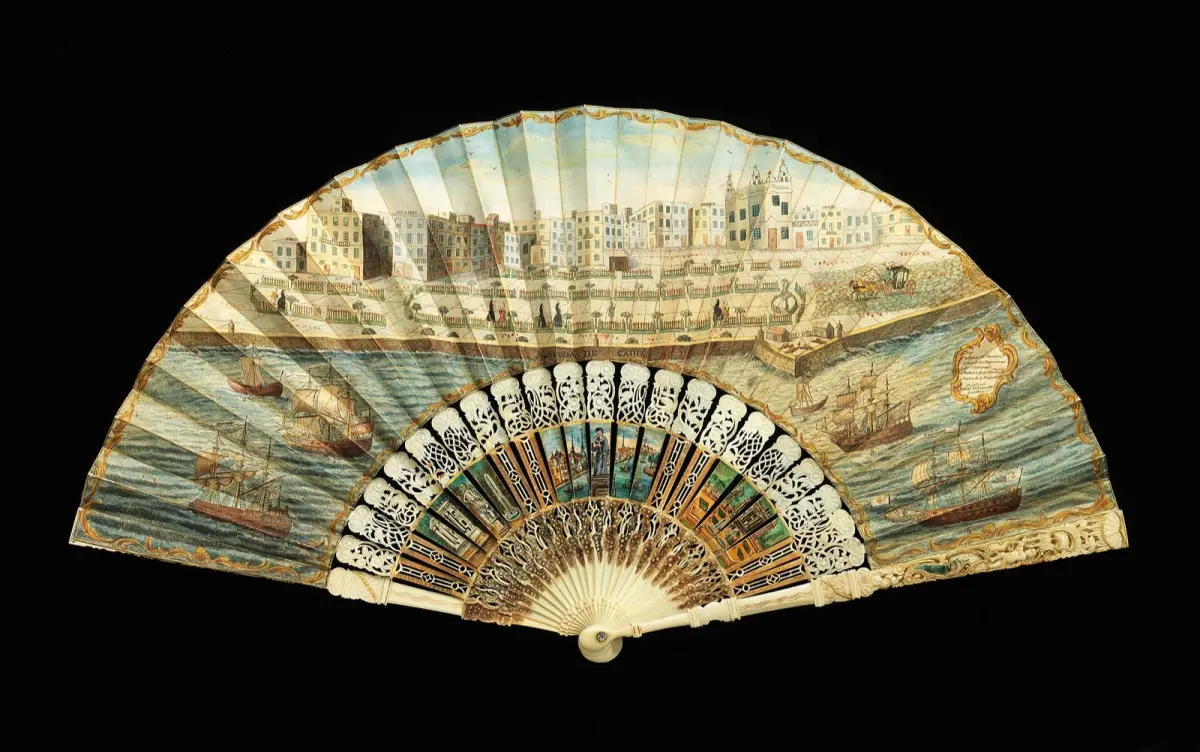 Kyoto Folding Fans
京扇子 · Kyoto
Kyoto Folding Fans
京扇子 · Kyoto
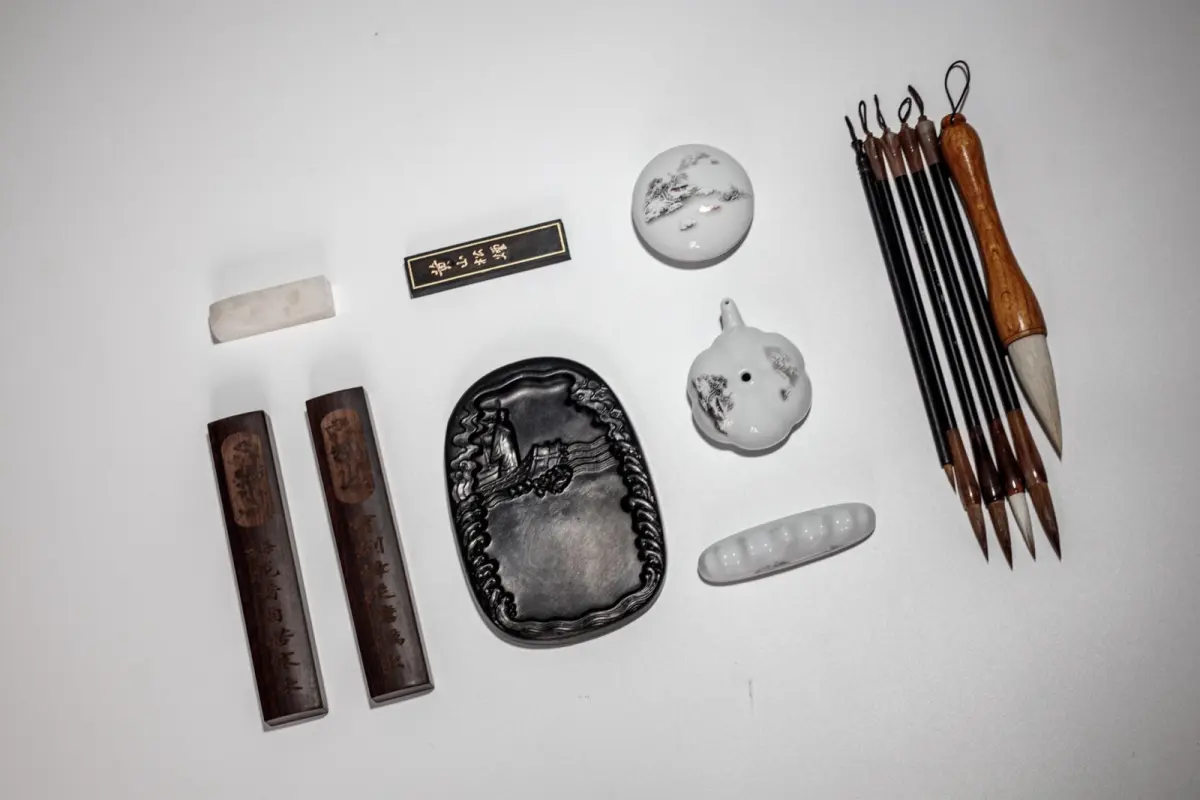 Nara Ink Sticks
奈良墨 · Nara
Nara Ink Sticks
奈良墨 · Nara
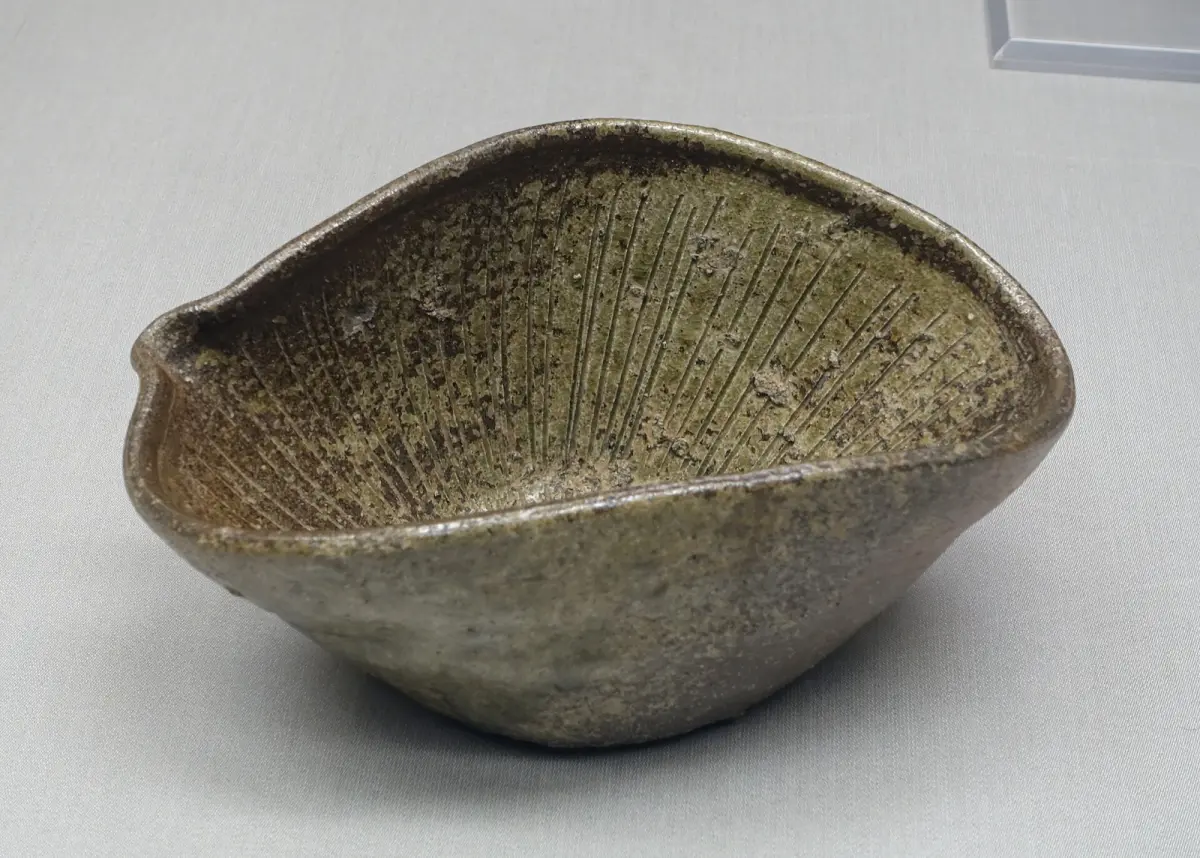 Tamba Ware
丹波焼 · Tamba-Sasayama, Hyogo
Tamba Ware
丹波焼 · Tamba-Sasayama, Hyogo