Glass
Japanese glass runs from the razor-cut facets of Edo Kiriko to the soft, sea-coloured bubbles of Tsugaru Bidoro. Meet the workshops keeping Japan's cut-glass and hand-blown traditions alive.
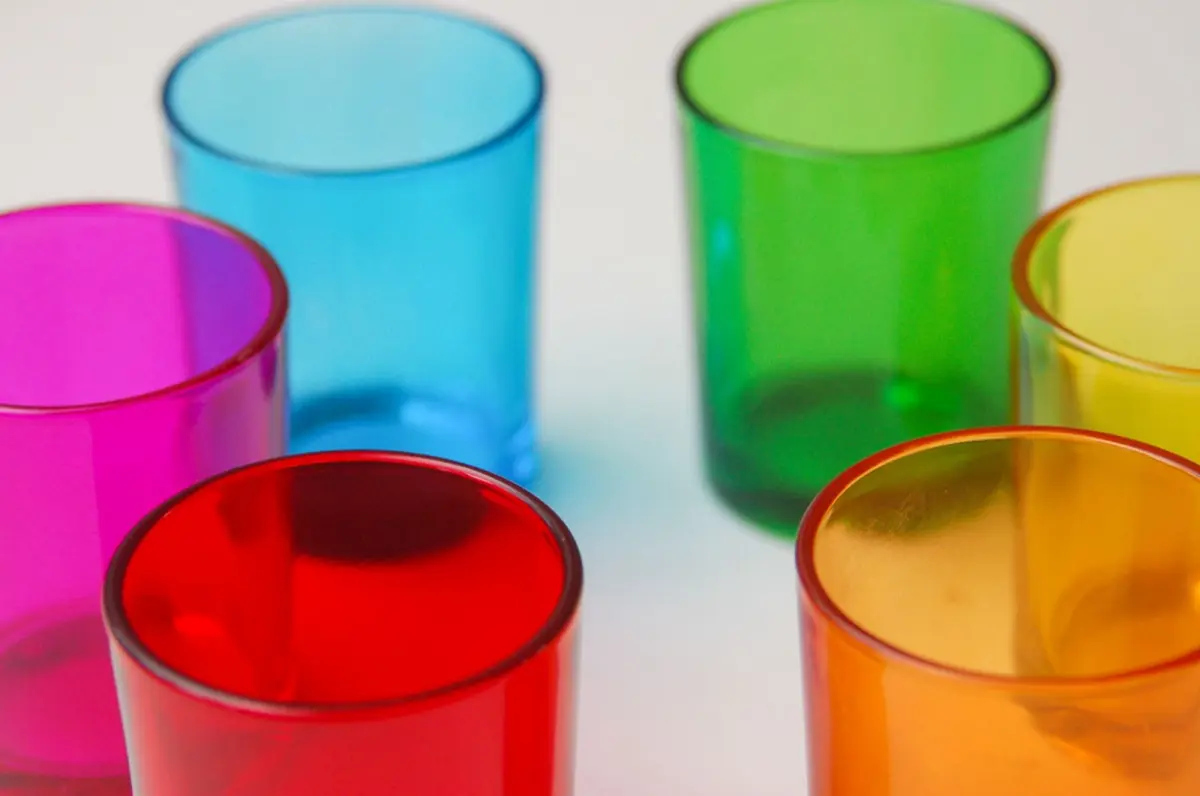
Tsugaru Bidoro
Hand-blown colour glass born from a fishing-float factory. Aomori's Hokuyo Glass, once Japan's top maker of glass floats, turned its free-blowing skill to art glass around 1975. It now blends over 100 of its own colours, drawn from Aomori's seasons.
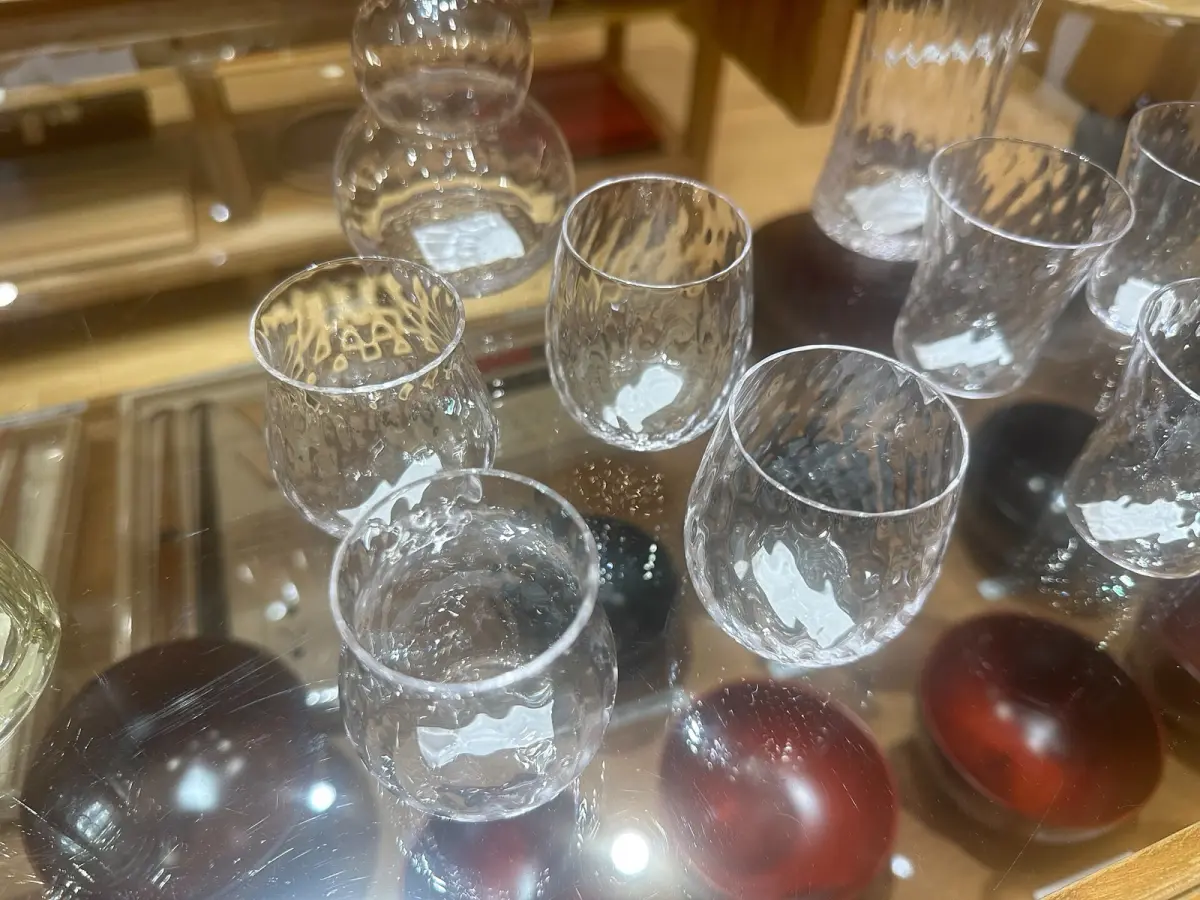
Edo Kiriko
Cut glass from old Edo, first engraved in 1834 by a Nihonbashi glass dealer using emery powder and refined after a British cutter was invited in 1881. Thin colour-overlaid glass is cut to reveal clear beneath, in patterns like the fish-roe 'nanako.'
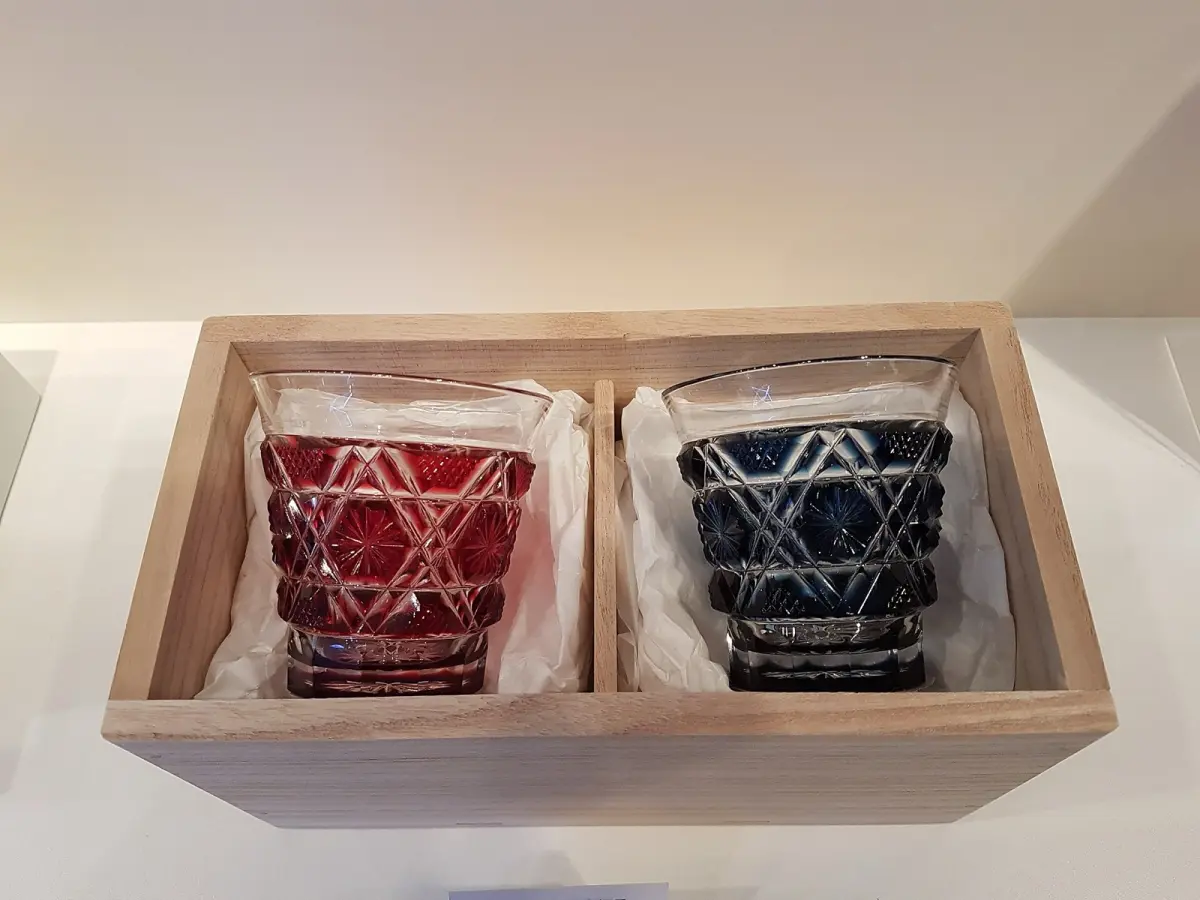
Satsuma Kiriko
Coloured cut glass developed in the 1850s under the Satsuma lord Shimazu Nariakira. Lost in the upheavals of the Meiji Restoration — the 'phantom kiriko' — and revived from old records after 1985. Its signature is the soft 'bokashi' gradient, above all the Satsuma crimson.
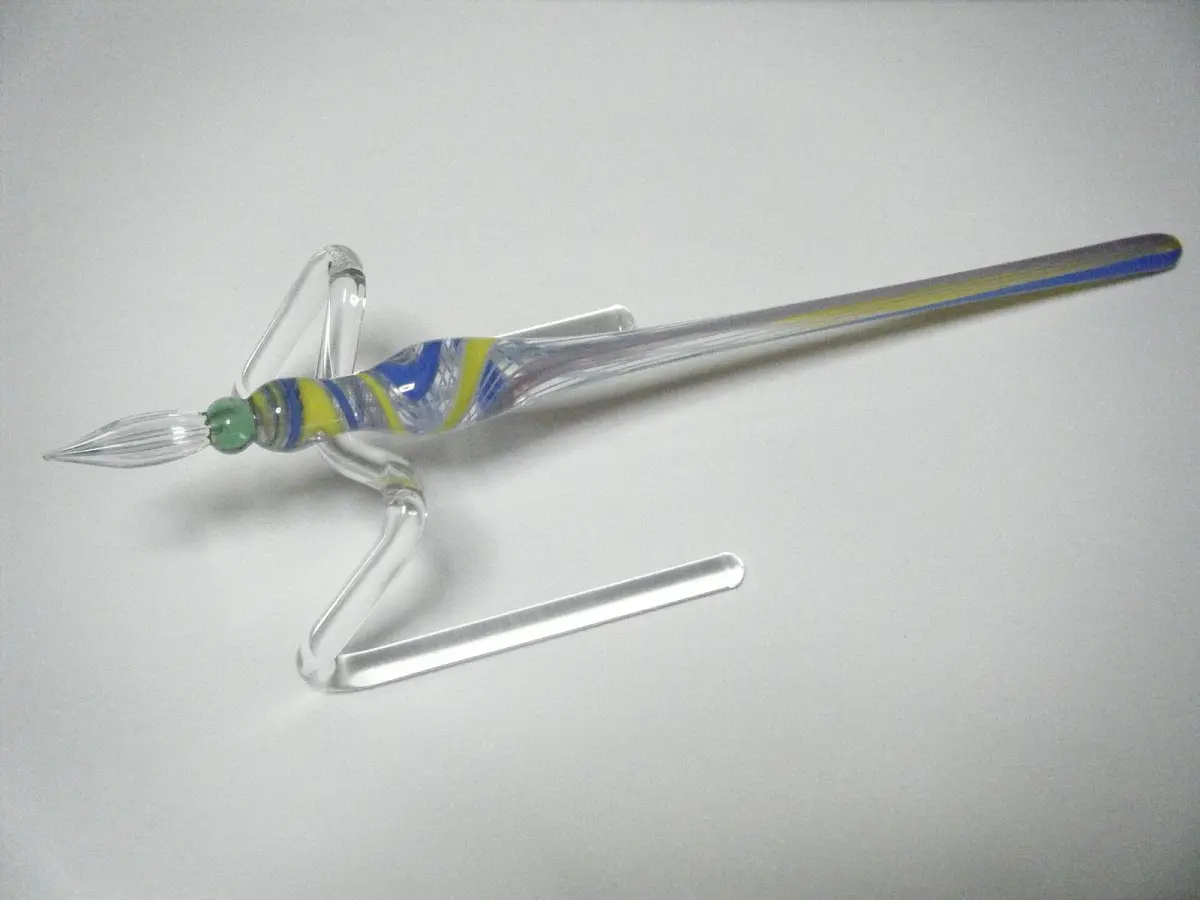
Otaru Glass
A northern port that blew kerosene lamps and herring-fishery floats from 1901, then reinvented itself as a canal-side glass town. Otaru's hand-blown colour glass carries pale hues like colour flushing softly through snow.
Ryukyu Glass
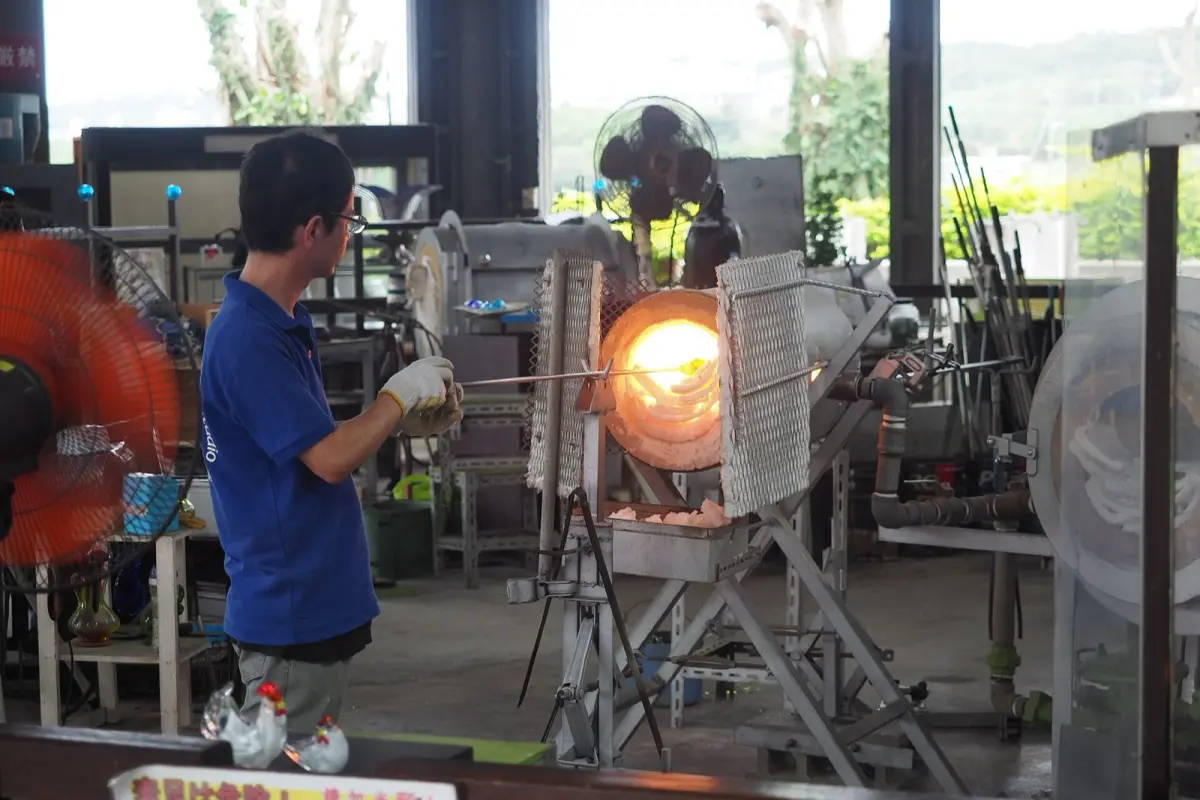
Okinawa's thick, bubble-flecked glass, born of postwar scarcity: with materials short, blowers melted down discarded American beer and cola bottles, and the trapped air bubbles — once a flaw — became its signature. Made an Okinawan traditional craft in 1998, its colours glow like the island sea.