Nishijin Weaving: Inside Kyoto's 1,200-Year Textile Quarter
On this page
Article Body
In a quiet corner of Kyoto, the rhythmic clack of wooden looms still marks time as it has for centuries. Here, in the district known as Nishijin (西陣), weavers transform dyed silk threads into textiles so intricate they seem to hold light itself—each pattern emerging not from printing or painting, but from the careful interlacing of colored yarns.
The West Camp's Legacy
The name Nishijin translates literally to 'west camp,' a designation born from conflict rather than craft. During the Ōnin War (1467-1477), a devastating civil conflict that reduced much of Kyoto to ash, weavers fled the capital for safety in Sakai. When peace finally returned, these artisans came back to the western encampment area of the old battlefield and resumed their work. The district took its name from that military position, transforming a site of destruction into a center of creation.
Yet silk weaving in this part of Kyoto reaches back far earlier—to the Kofun period, when the immigrant Hata clan (秦氏) brought their textile knowledge to Japan. The threads of Nishijin's story, then, stretch across more than a millennium.
Yarn-Dyed Distinction
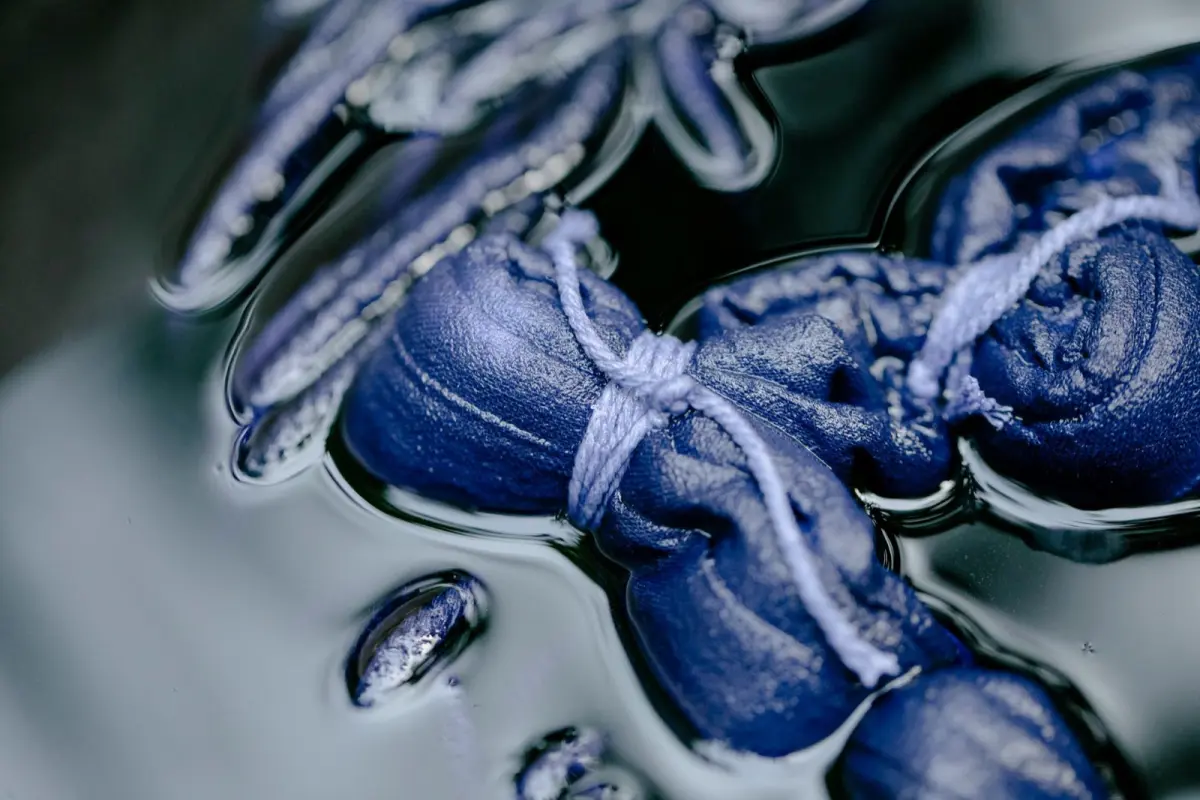
What sets Nishijin-ori (西陣織) apart is its fundamental approach: saki-zome (先染め), or yarn-dyeing. Unlike textiles printed or dyed after weaving, Nishijin fabrics emerge from threads colored before they ever meet the loom. Each strand carries its hue into the weave, where careful interlacing creates patterns of remarkable depth and precision.
This technique allows for: - Complex gradations impossible with surface dyeing - Patterns visible on both sides of the fabric - Exceptional durability, as color penetrates each fiber - The distinctive shimmer of silk catching light at different angles
The result is a textile where pattern and structure are inseparable—the design exists not on the cloth but as the cloth itself.
Many Kinds, Small Quantities
Nishijin has long been celebrated for its philosophy of diversity over mass production. The district specializes in creating many different types of figured textiles in limited quantities, each suited to specific purposes. This approach demands both technical versatility and deep knowledge of varied weaving structures.
The tradition broadly divides into two main categories: mon-ori (紋織), or figured weaving, which uses complex loom mechanisms to create raised patterns, and tsuzure-ori (綴織), a tapestry technique where weavers draw weft threads through the warp using their fingernails rather than a shuttle. The latter requires such precise hand control that a weaver's nails become their most essential tools, shaped and hardened through years of practice.
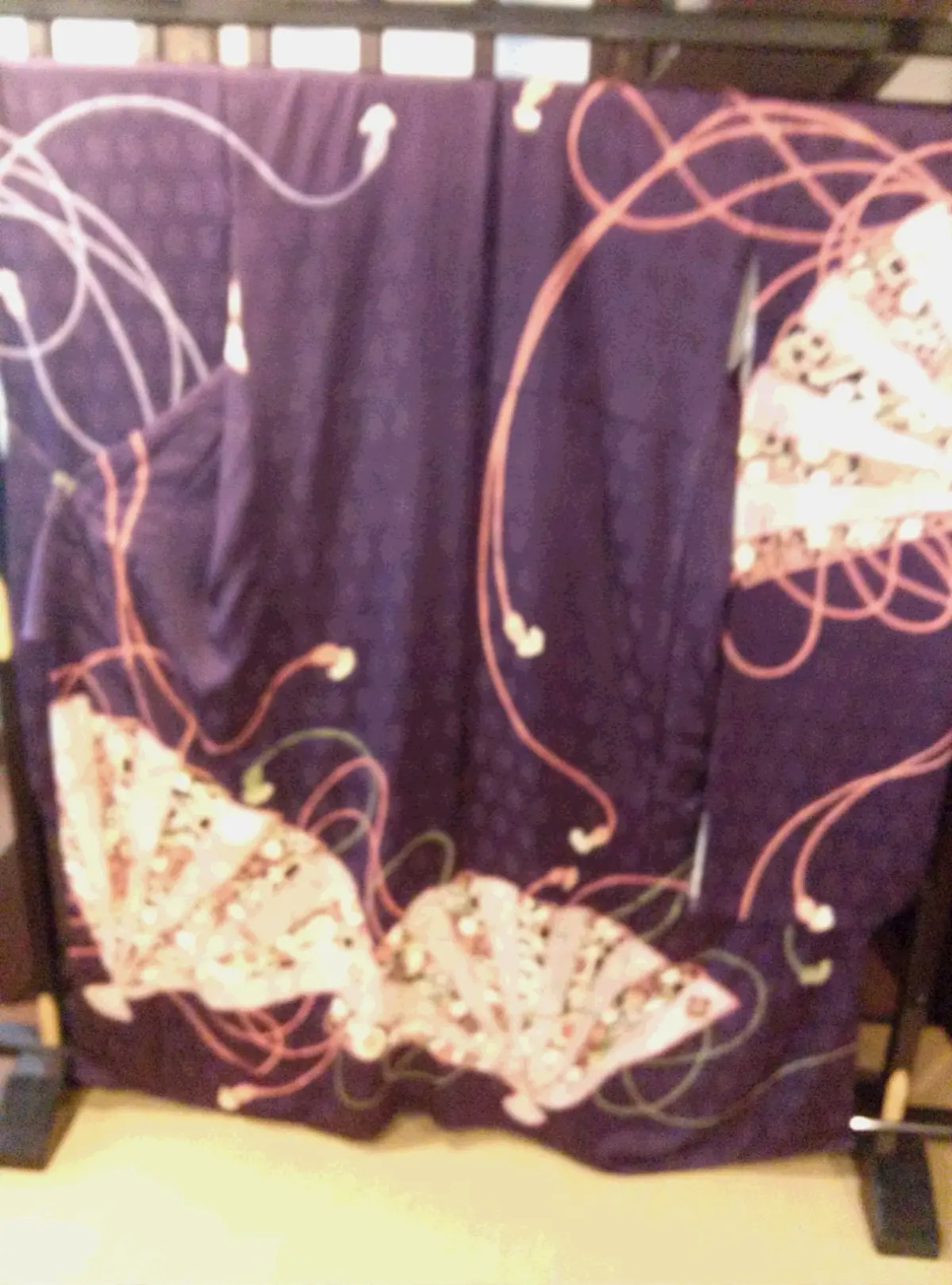
Patterns in Thread
In Nishijin weaving, the loom becomes an instrument of almost musical complexity—each thread a note, each pattern a composition that takes weeks or months to complete.
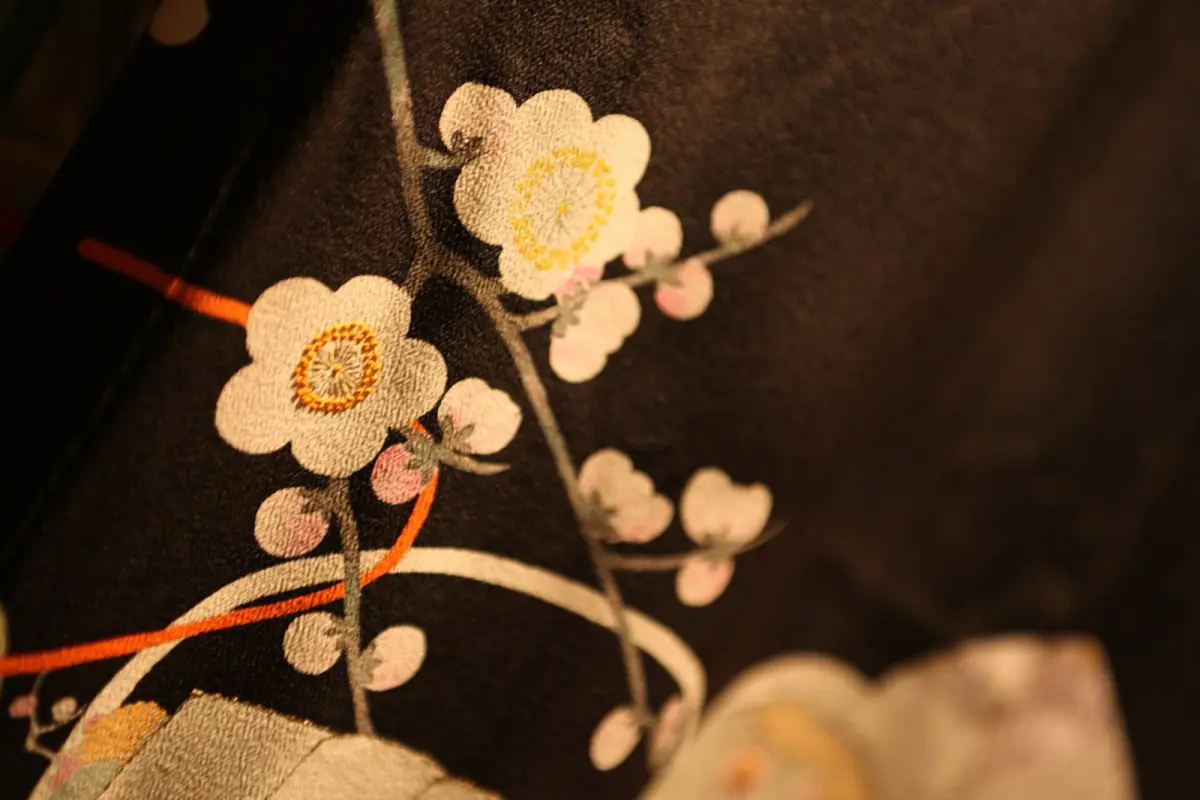
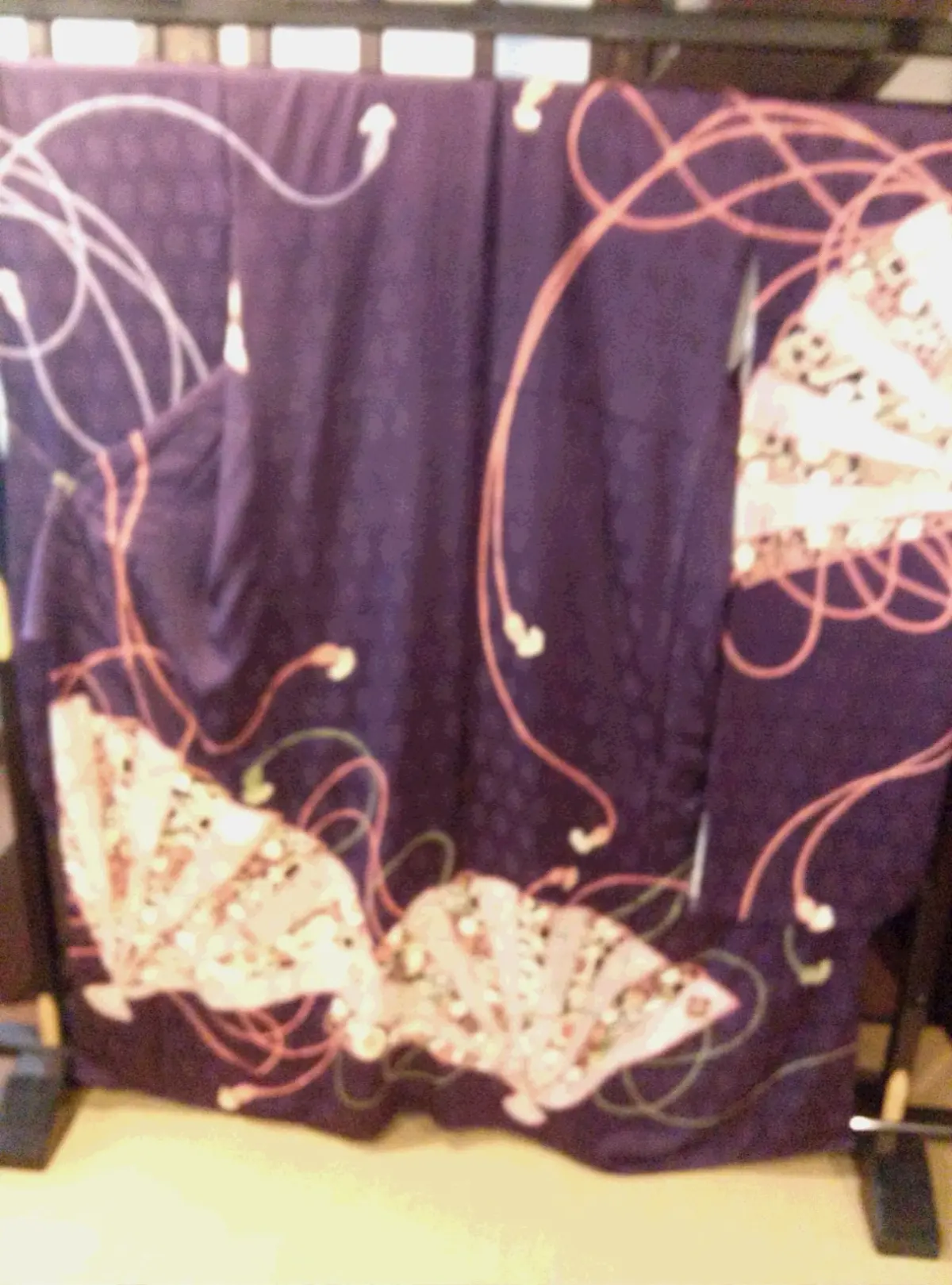
The figured textiles of Nishijin have long supplied Japan's formal wear industry, particularly for obi (帯) sashes and kimono fabrics. The same techniques that once dressed court nobles now create ceremonial garments, temple furnishings, and contemporary art pieces. The patterns range from classical motifs—phoenixes, peonies, geometric abstractions—to modern interpretations that push traditional boundaries while respecting ancestral methods.
Living Tradition
In 1976, Nishijin-ori received designation as a national Traditional Craft, formal recognition of both its historical importance and continued vitality. The district remains a working neighborhood where the sound of looms drifts from workshop windows, where apprentices still learn by watching masters' hands, and where innovation happens within the constraints of centuries-old technique.
The weavers of Nishijin continue what their predecessors resumed after the Ōnin War ended: the patient work of turning colored threads into cloth that transcends mere function, each piece a small testament to the endurance of craft through war, change, and time.
FAQ
Chaware curates authentic Japanese crafts — straight from the makers in Japan to your table.
Explore the Chaware collection →
Keep exploring