Metalwork & Blades
Cast-iron kettles, mirror-polished cutlery and the blades professional chefs swear by — Japan's metalworking towns forge some of the world's most respected steel and ironware.
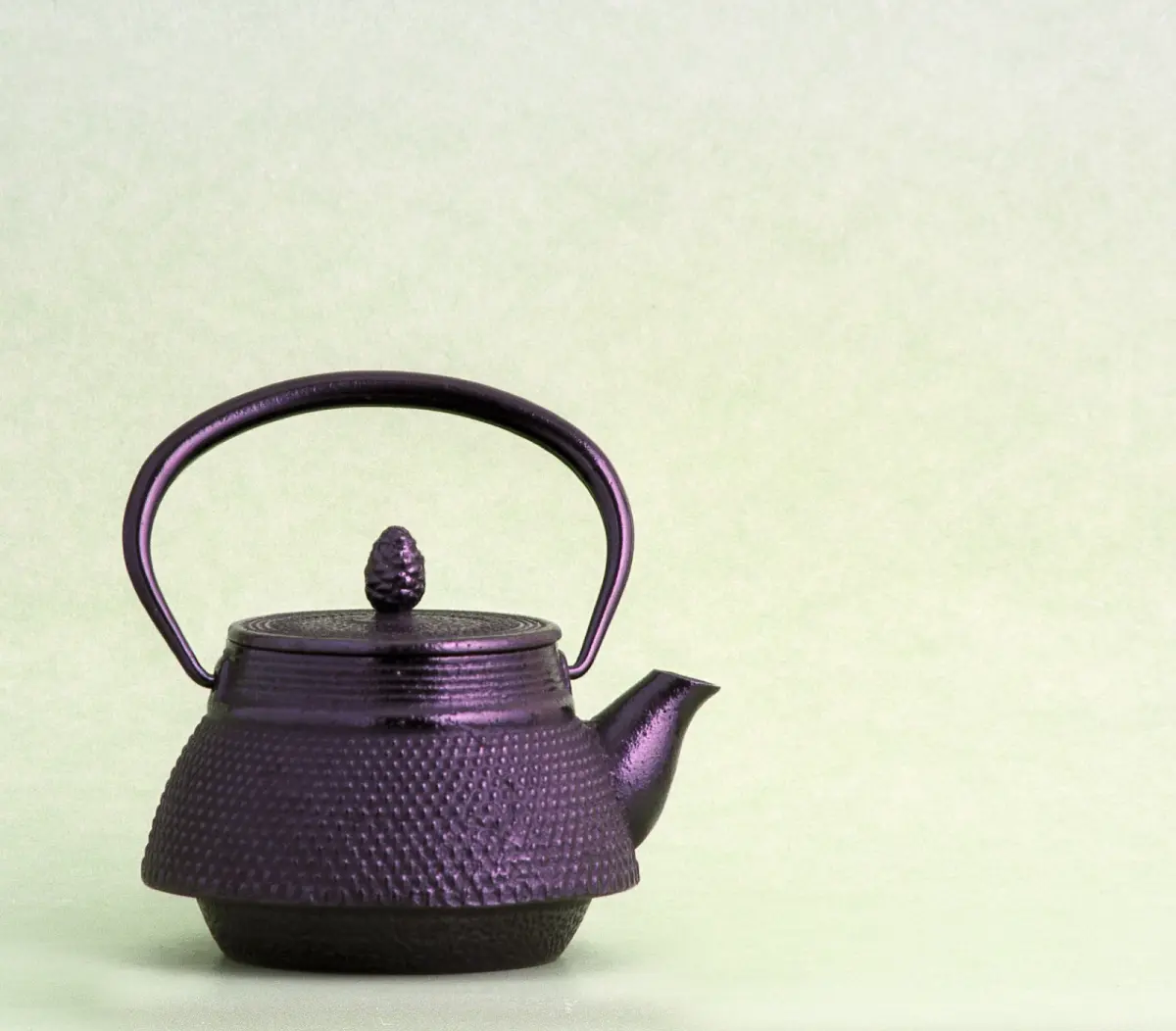
Nambu Ironware
Iwate cast ironware: Morioka's tea-kettle tradition from Kyoto masters and Mizusawa's older temple-casting, united as one brand in 1959. The pebbled 'arare' iron kettle, lacquer-finished against rust, is austere, sturdy and made to last generations.
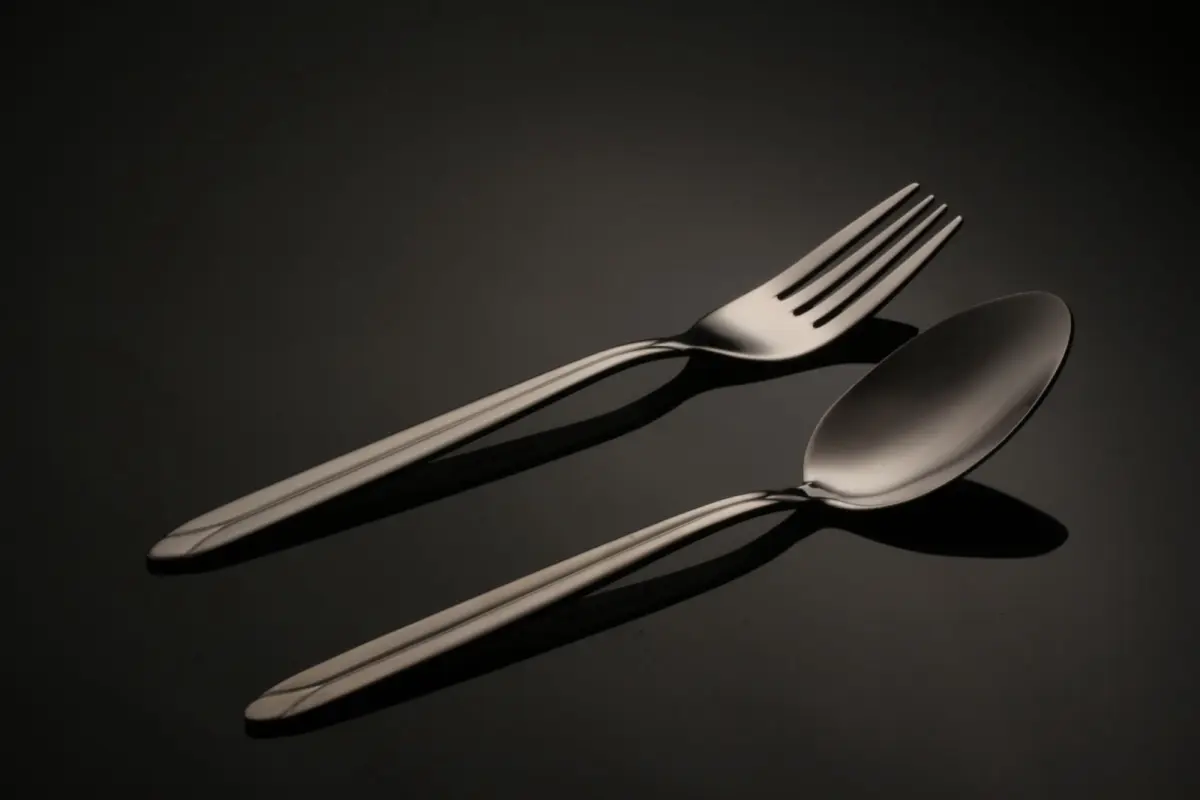
Tsubame-Sanjō Metalwork
Japan's metalworking capital, which began with farmers forging nails as an Edo off-season trade, then hammered copperware and pipes, then Western cutlery. Today its twin towns pool forging, pressing and mirror-polishing behind knives and tableware known worldwide.
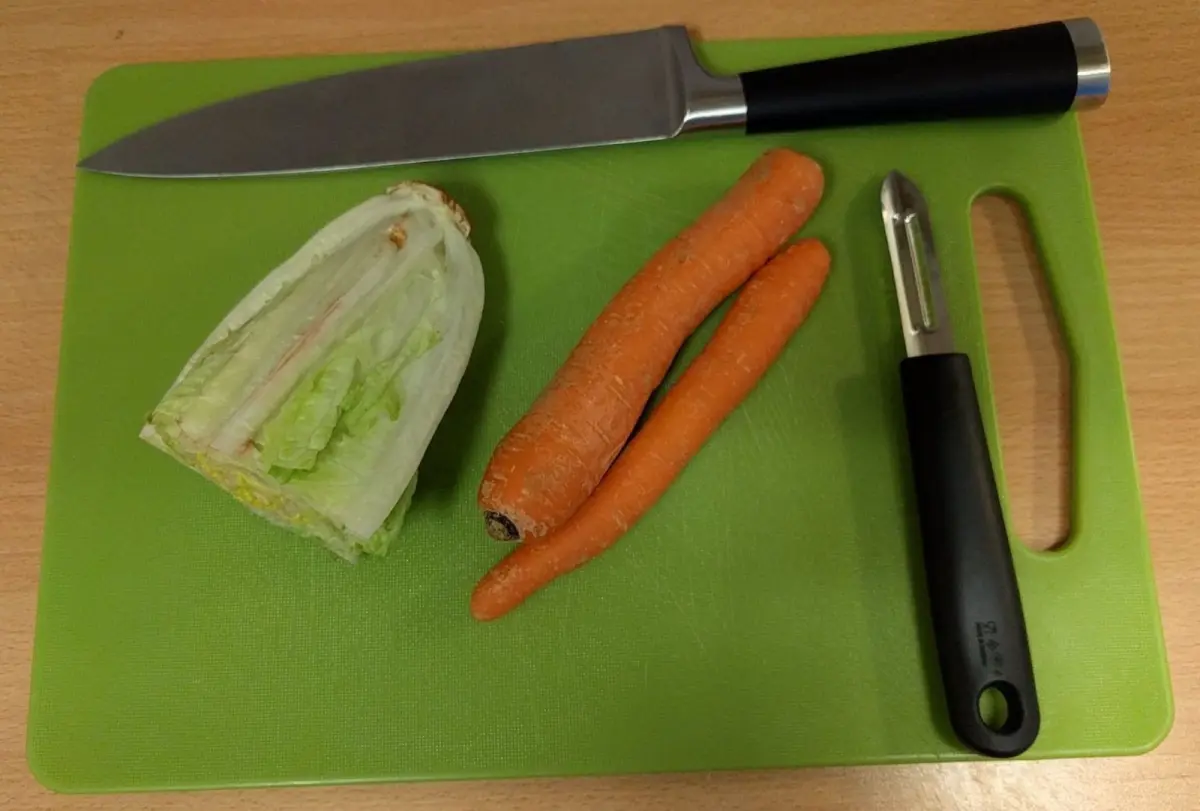
Sakai Blades
The blades professional chefs swear by. After tobacco arrived in the 1500s, Sakai smiths forged tobacco knives so sharp the shogunate stamped them 'Sakai kiwami.' Made by divided specialists and usually single-bevelled, Sakai knives dominate Japanese professional kitchens.
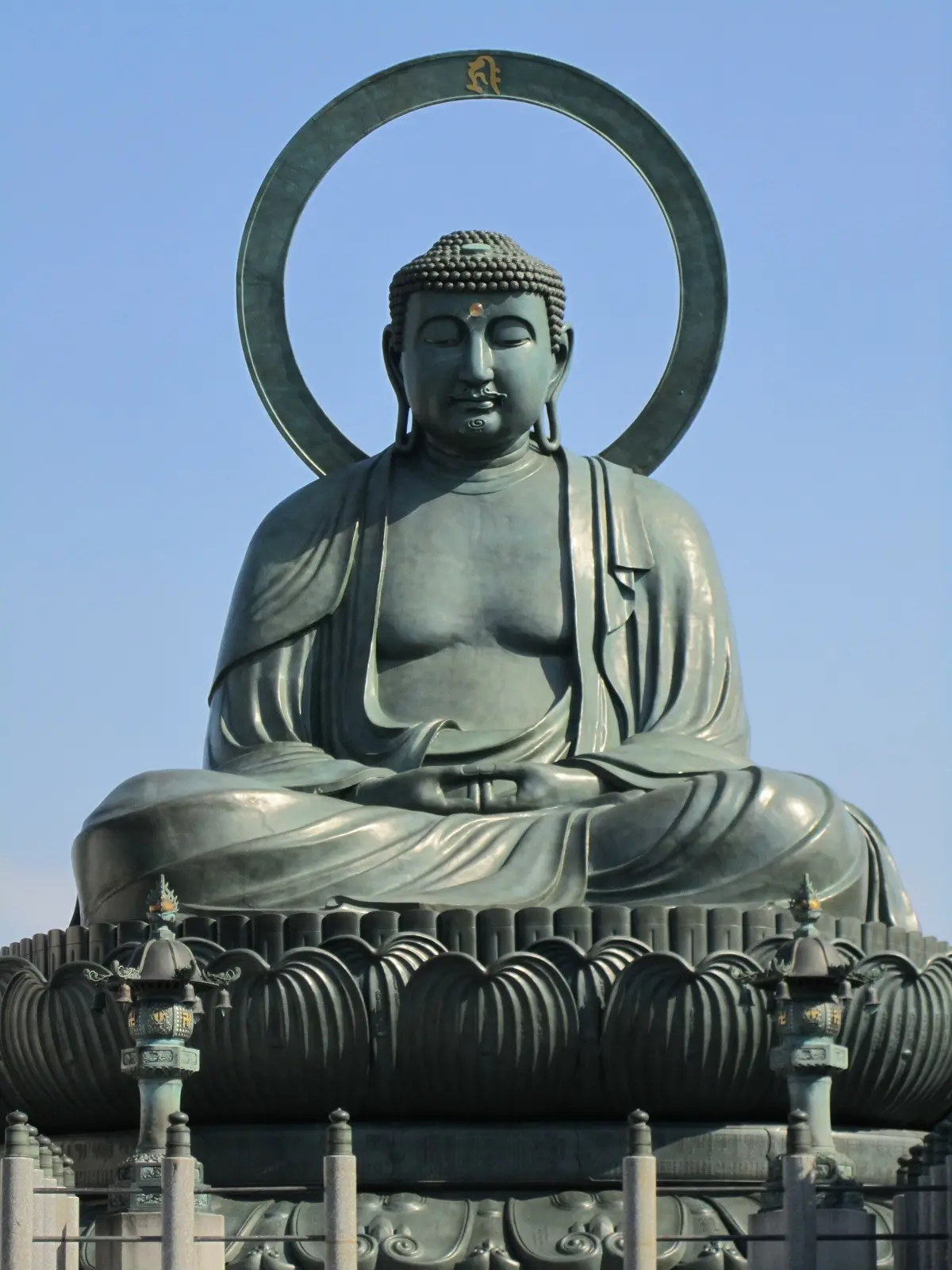
Takaoka Copperware
Toyama's cast metalwork, founded in 1611 when the Kaga lord invited seven casters to build the town. From iron pots it turned to fine copper art — altar fittings, vases, temple bells — and now makes most of Japan's copperware, richly patinated and inlaid.
Seki Blades
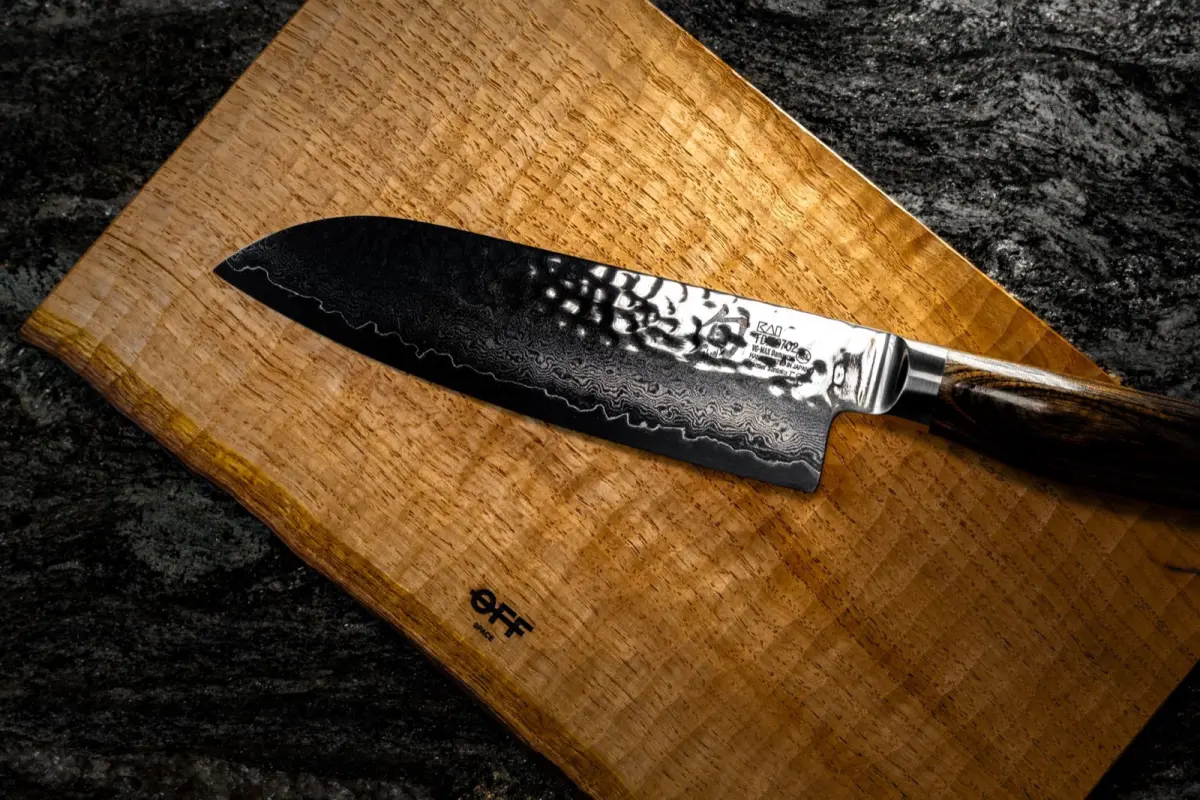
The sword capital of medieval Japan, whose 'Mino-den' was one of the five great sword traditions and whose blades were 'unbreakable, unbendable, sharp.' Seki turned 700 years of blade-craft into the world's finest kitchen and pocket knives.
Tokyo Silver
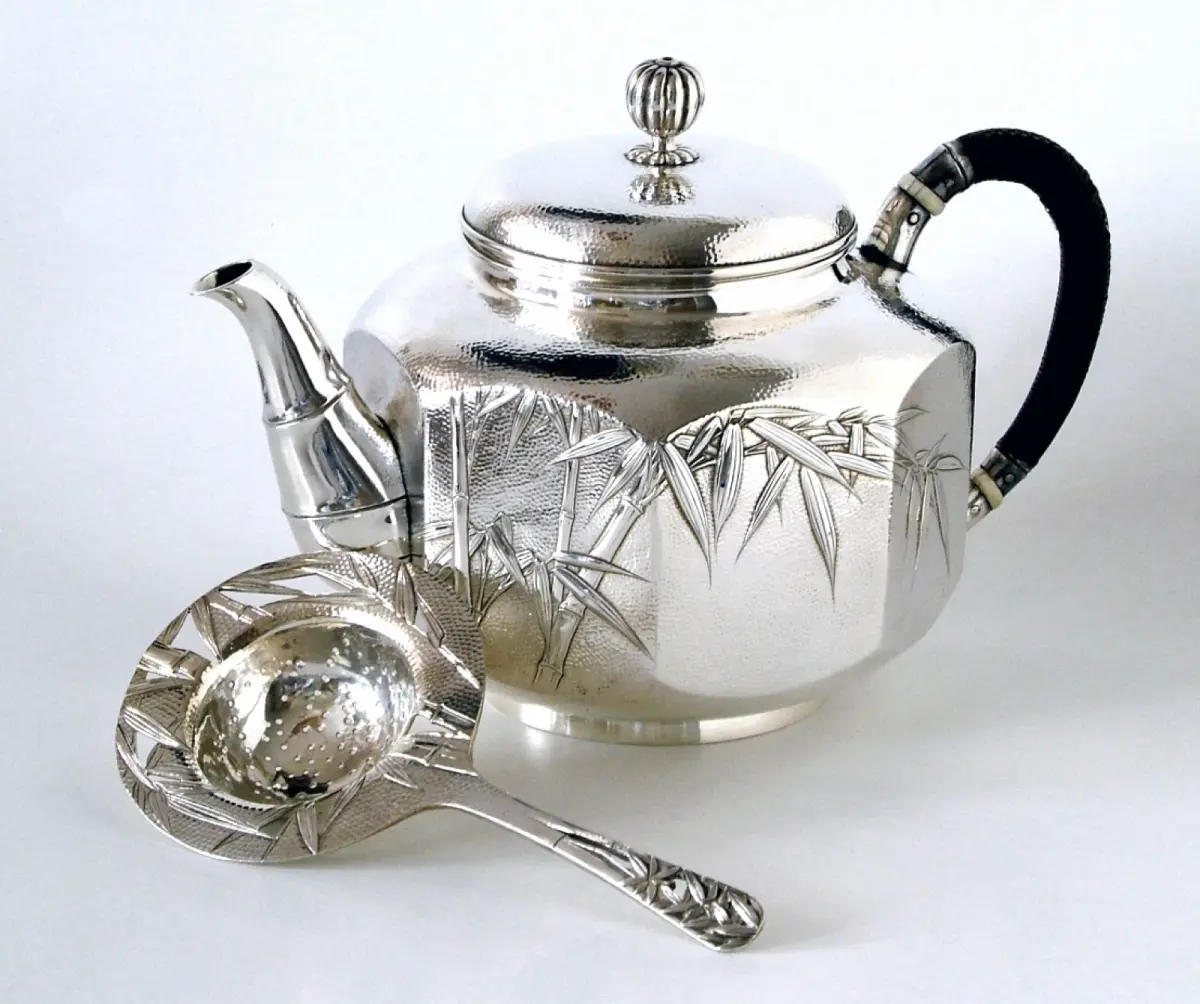
Edo silverware, refined from the mid-Edo period when 'shirogane-shi' silversmiths served the city's merchants and samurai. Raised and chased entirely by hand into cups, vessels and tableware, its restrained brilliance won admiration at the 1867 Paris Exposition. A national Traditional Craft since 1979.
Yamagata Ironware
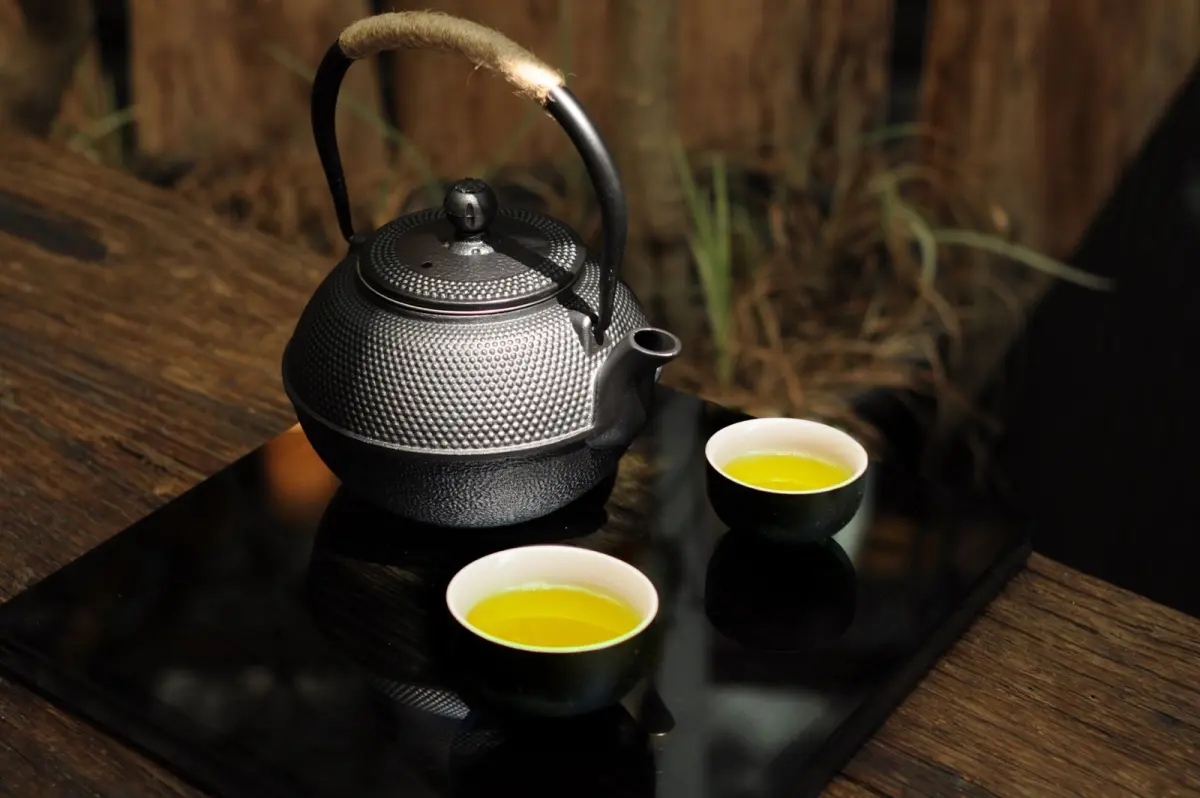
Cast metalwork from Yamagata, begun about 900 years ago when casters travelling with the warrior Minamoto no Yoriyoshi found the Mamigasaki River sand ideal for moulds. The lord Mogami Yoshiaki gathered them into a 'Do-machi', a copper town. Yamagata iron kettles are prized for an unusually thin, fine, precise cast surface.
Tosa Blades
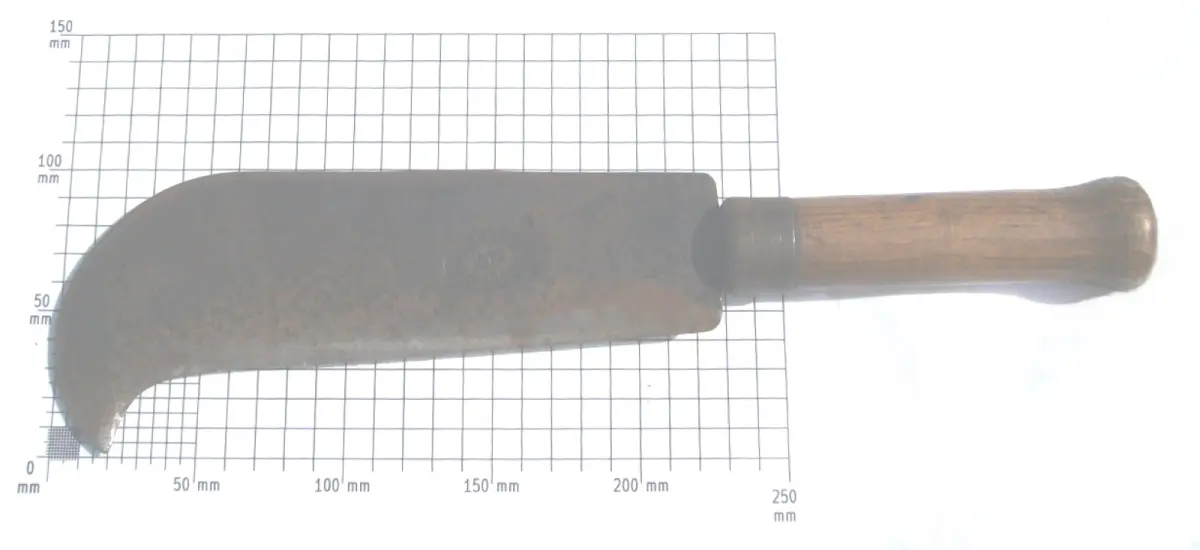
Forged blades from Kochi, Japan's most forested prefecture, where farm and forestry tools have been made for centuries — a 1590 land survey already counted 399 smithies. Made by 'free forging' without fixed patterns, each sickle, hatchet or knife is shaped to its user and task: thick at the spine, thin at the edge, balanced to work all day.