Sendai & Matsushima, Go Deeper
Sendai, the largest city in Tohoku, carries the bold spirit of Date Masamune, the one-eyed warlord who built it from nothing in the early seventeenth century. His legacy lives on in ornate shrines, forested castle heights, and a love of good food—especially charcoal-grilled beef tongue. Just beyond the city, Matsushima Bay scatters hundreds of pine-topped islets across calm waters, a view so celebrated it has drawn poets and pilgrims for centuries. Together, they offer history, nature, and a taste of northern Japan's quiet confidence.
- Tap Open in Google Maps on any place for live directions, transit, hours & reviews.
- Get an ICOCA / Suica IC card — tap on/off trains, subways & buses, no ticket needed.
- Carry some cash (¥) — many small shops, shrines & old streets are cash-only.
- Go early: the famous spots are calm and beautiful before ~9am.
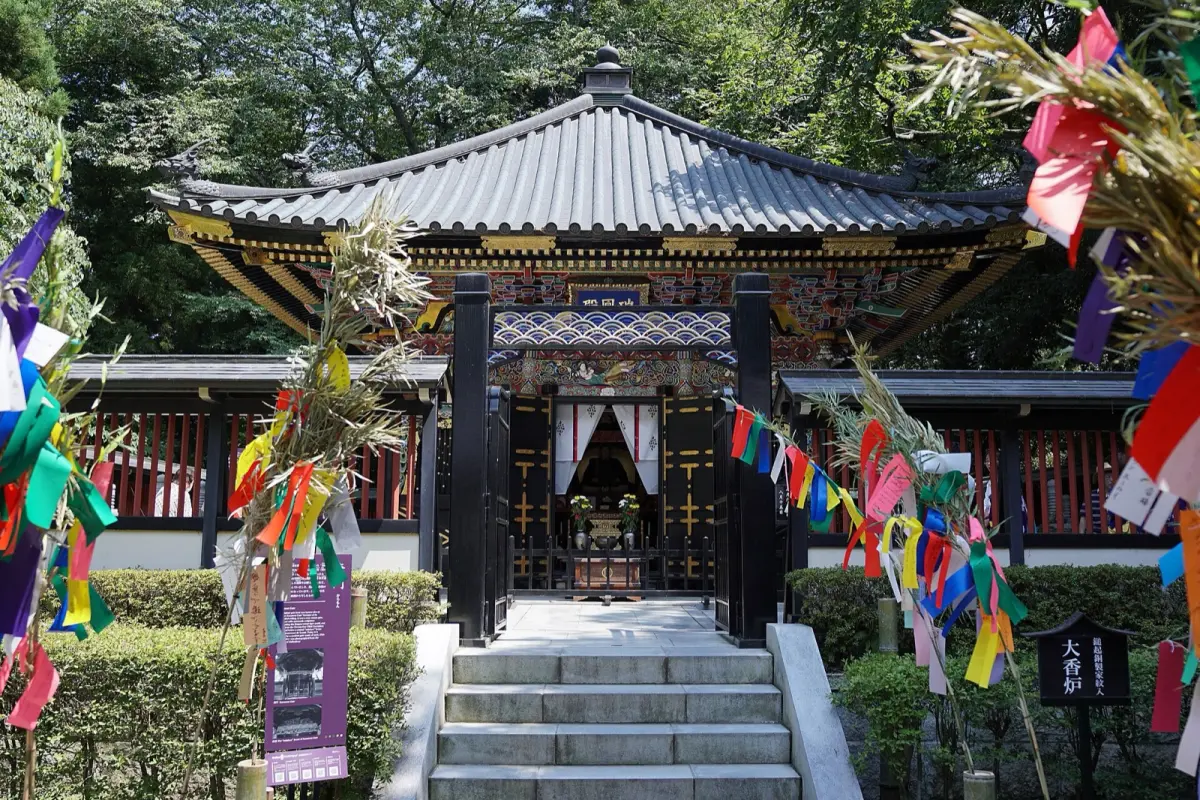
Zuihōden Mausoleum
The Zuihōden enshrines Date Masamune in a blaze of color and gold, its ornate Momoyama-style architecture first raised in 1637 and faithfully rebuilt after wartime destruction in 1979. Vermilion pillars, intricate carvings, and a forested hillside setting make it one of Tohoku's most striking monuments.
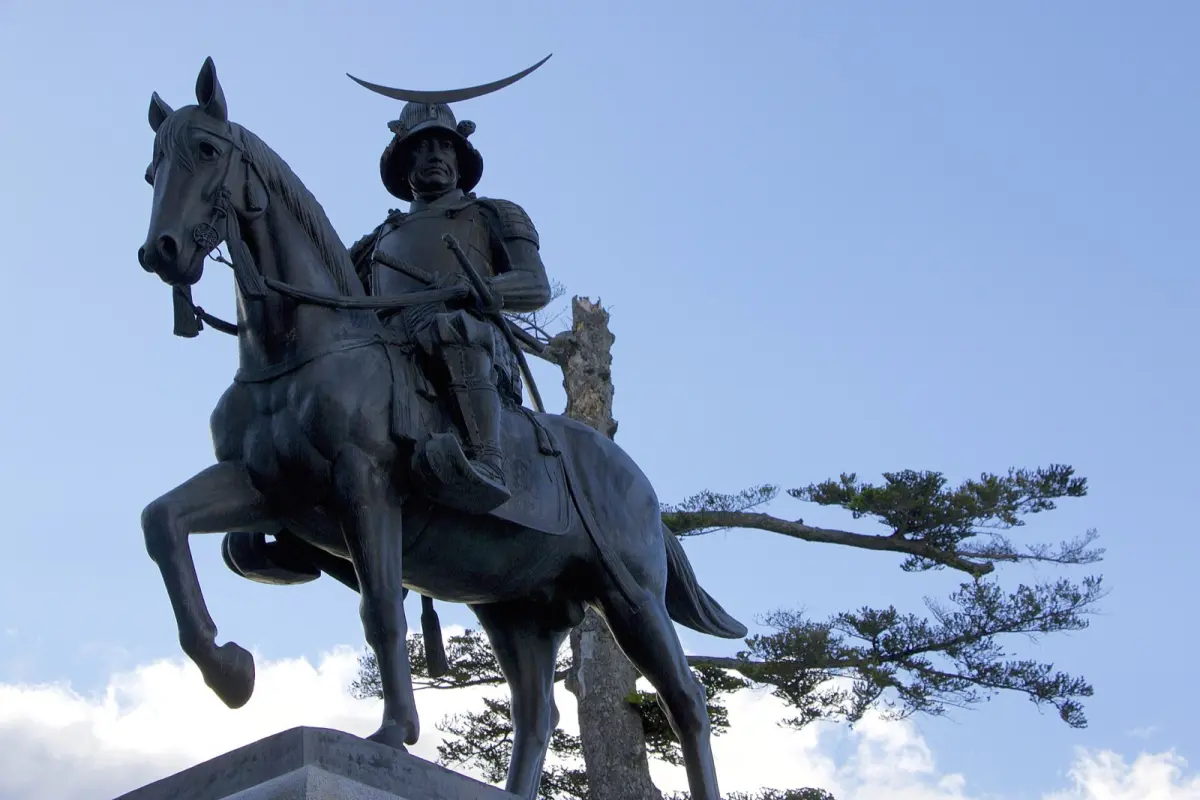
Sendai Castle Ruins (Aoba)
Perched on a wooded bluff, the stone ramparts of Sendai Castle mark where Date Masamune established his seat of power from 1601. Today the famous equestrian statue of the warlord surveys the city he founded, while the hilltop offers sweeping views and a sense of the domain's strategic might.
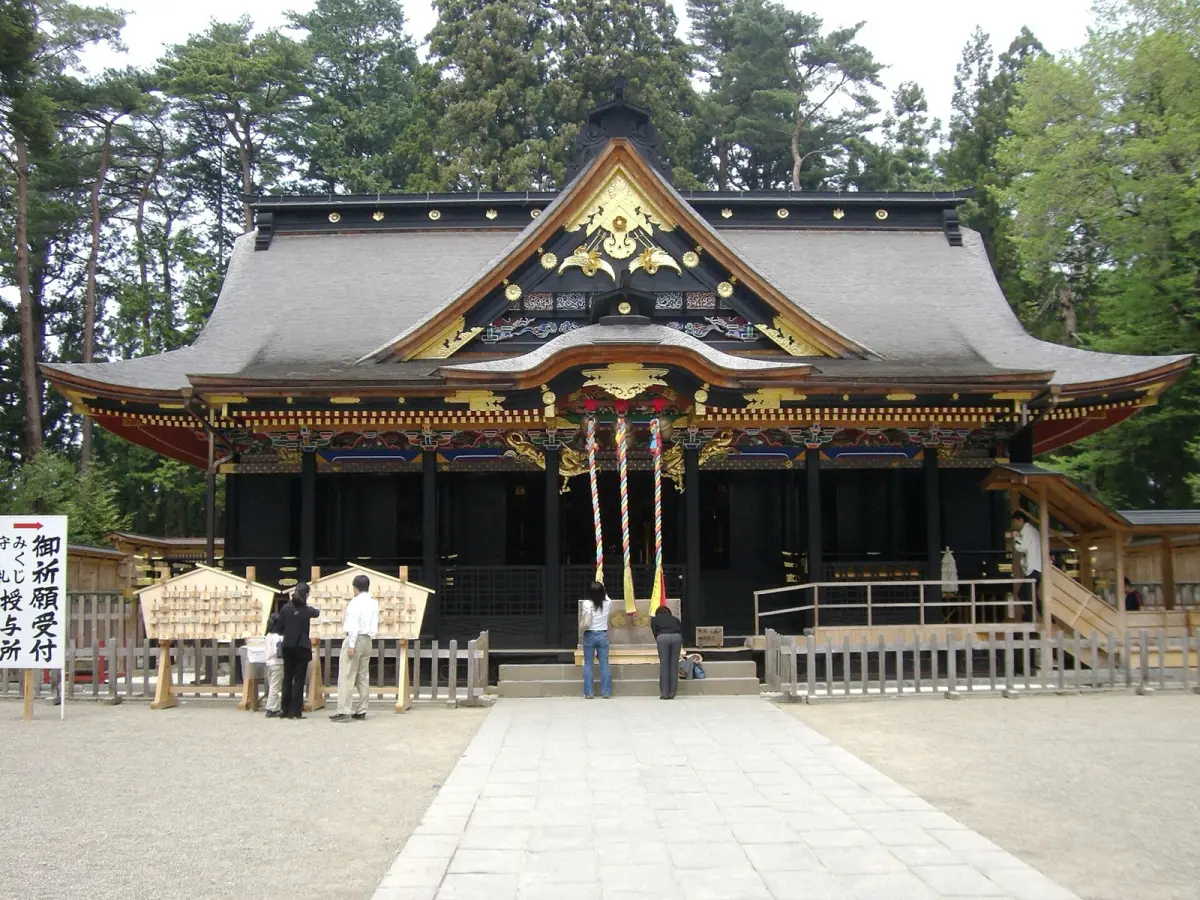
Ōsaki Hachimangū
This shrine, built under Masamune's patronage, is a National Treasure of black lacquer and gold leaf, its Momoyama splendor preserved through the centuries. The bold contrasts and intricate detailing reflect the confidence of an age when Sendai was rising to prominence in northern Japan.
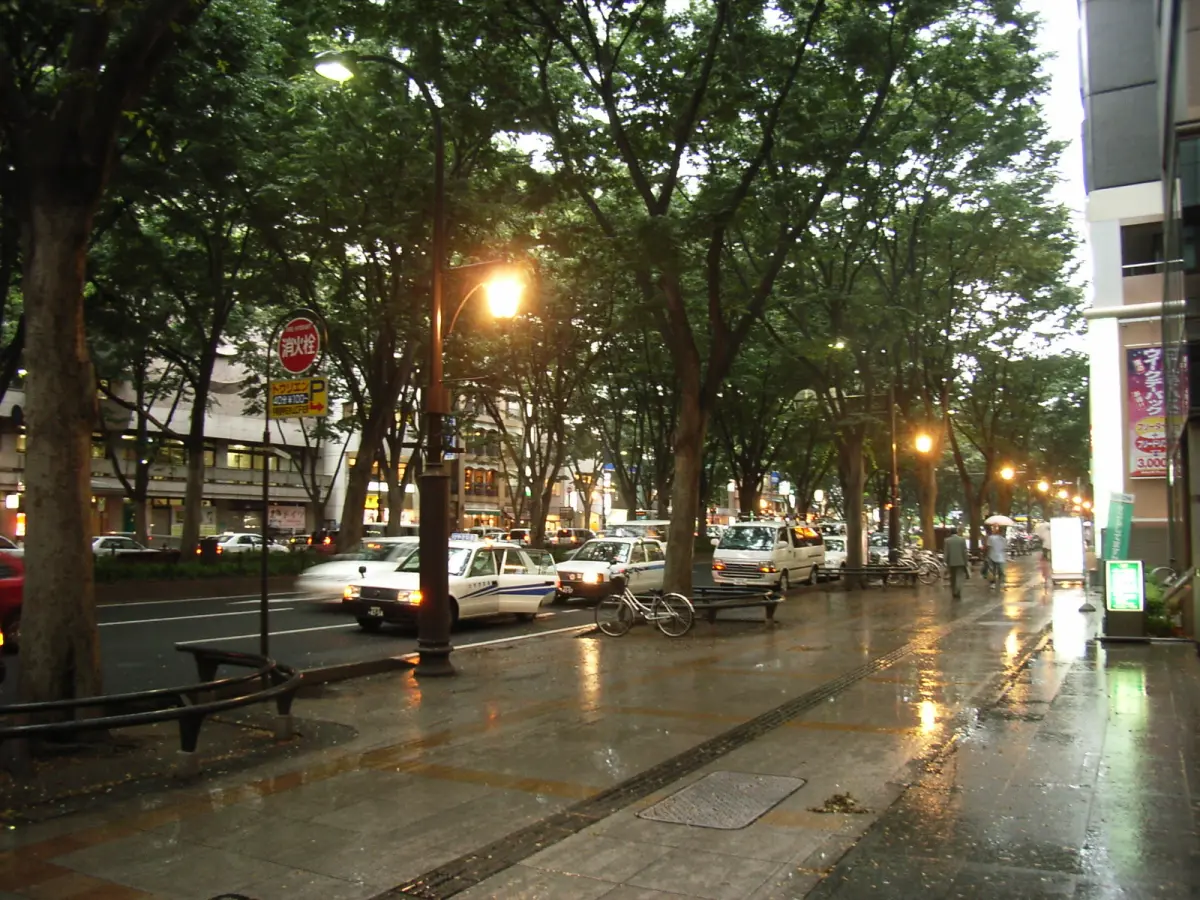
Jōzenji-dōri Avenue
A broad boulevard shaded by rows of zelkova trees, Jōzenji-dōri is Sendai's green heart, cool and leafy in summer. Come winter, it transforms into the glittering Pageant of Starlight, when hundreds of thousands of lights turn the avenue into a tunnel of warmth against the northern cold.
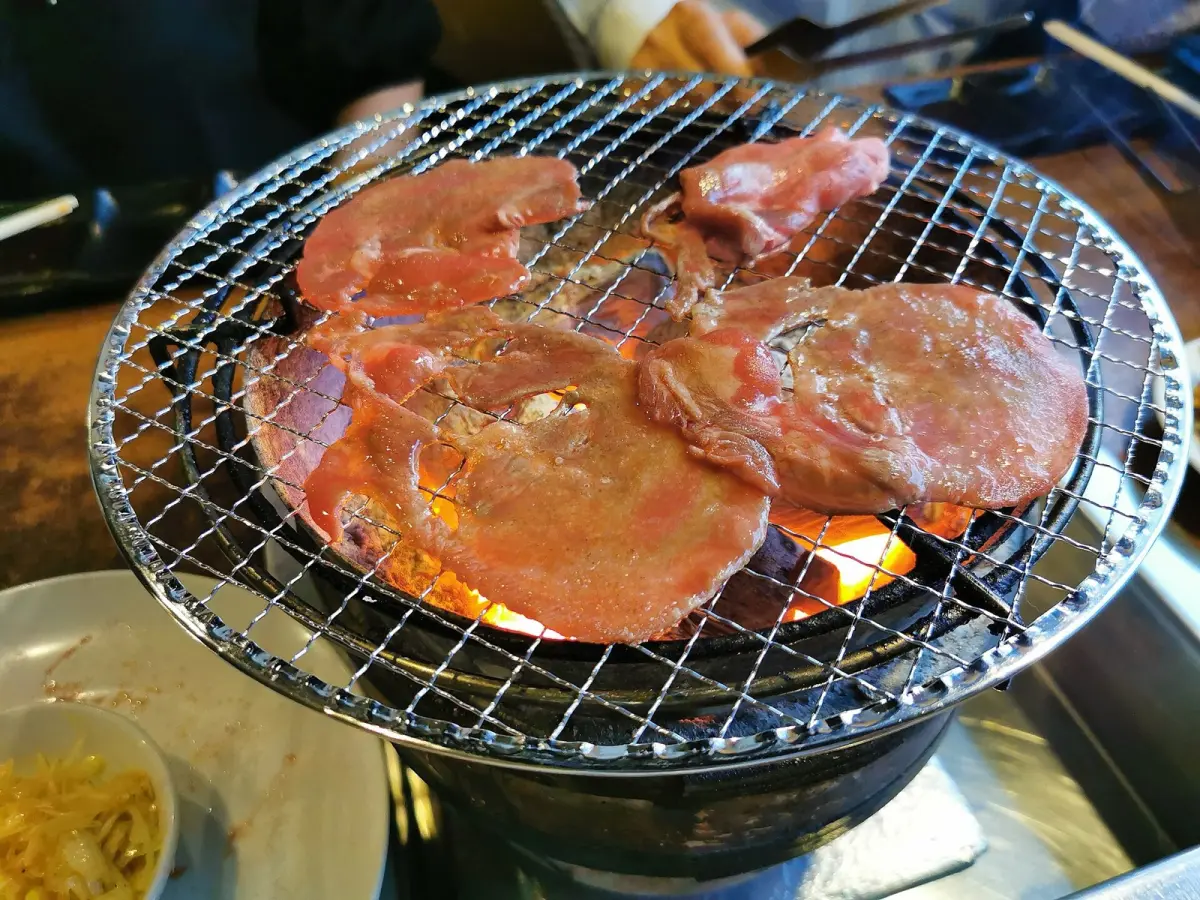
Sendai Gyūtan
Sendai's signature dish is charcoal-grilled beef tongue, sliced thick and seared to a tender, smoky finish, traditionally served alongside barley rice and tail soup. What began as postwar ingenuity has become a point of civic pride, with specialist restaurants perfecting the art across the city.
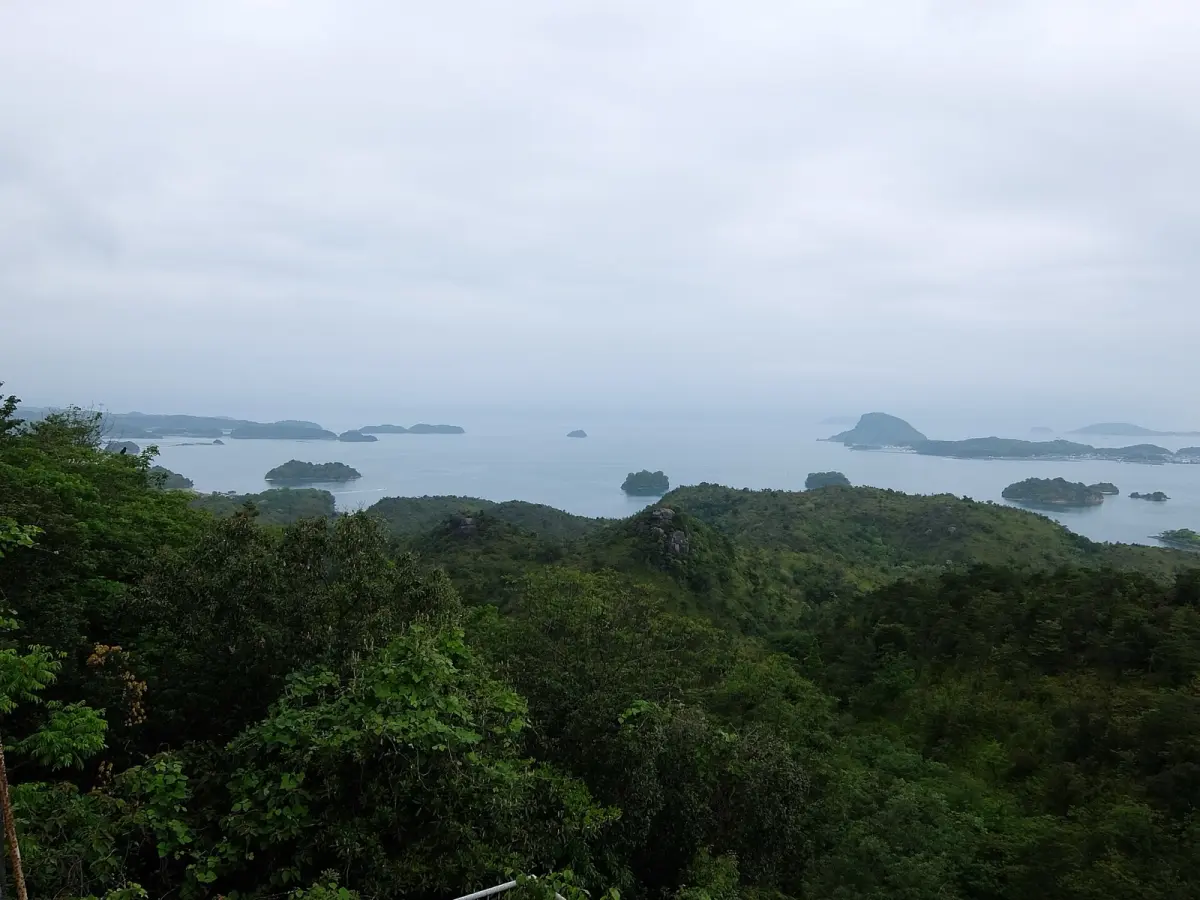
Matsushima Bay
Matsushima Bay scatters hundreds of small, pine-covered islands across its sheltered waters, a composition so admired it ranks among Japan's three great views. The interplay of rock, green, and tide has inspired poets and painters for centuries, and the bay remains as serene as ever.
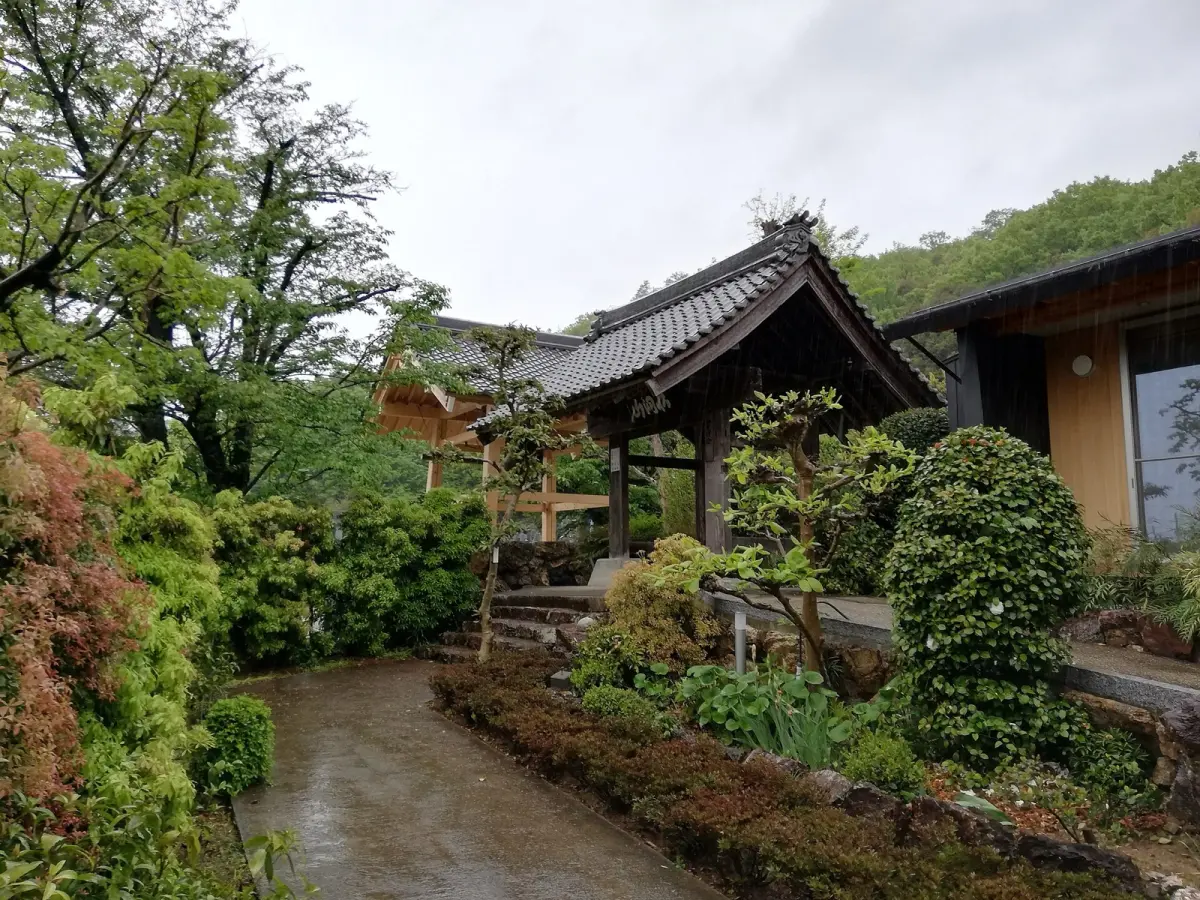
Zuigan-ji
The Date clan's principal Zen temple, Zuigan-ji is a National Treasure rebuilt by Masamune himself in the early seventeenth century. Its austere halls, painted screens, and approach lined with cave memorials speak to the family's devotion and the temple's enduring importance in Matsushima.
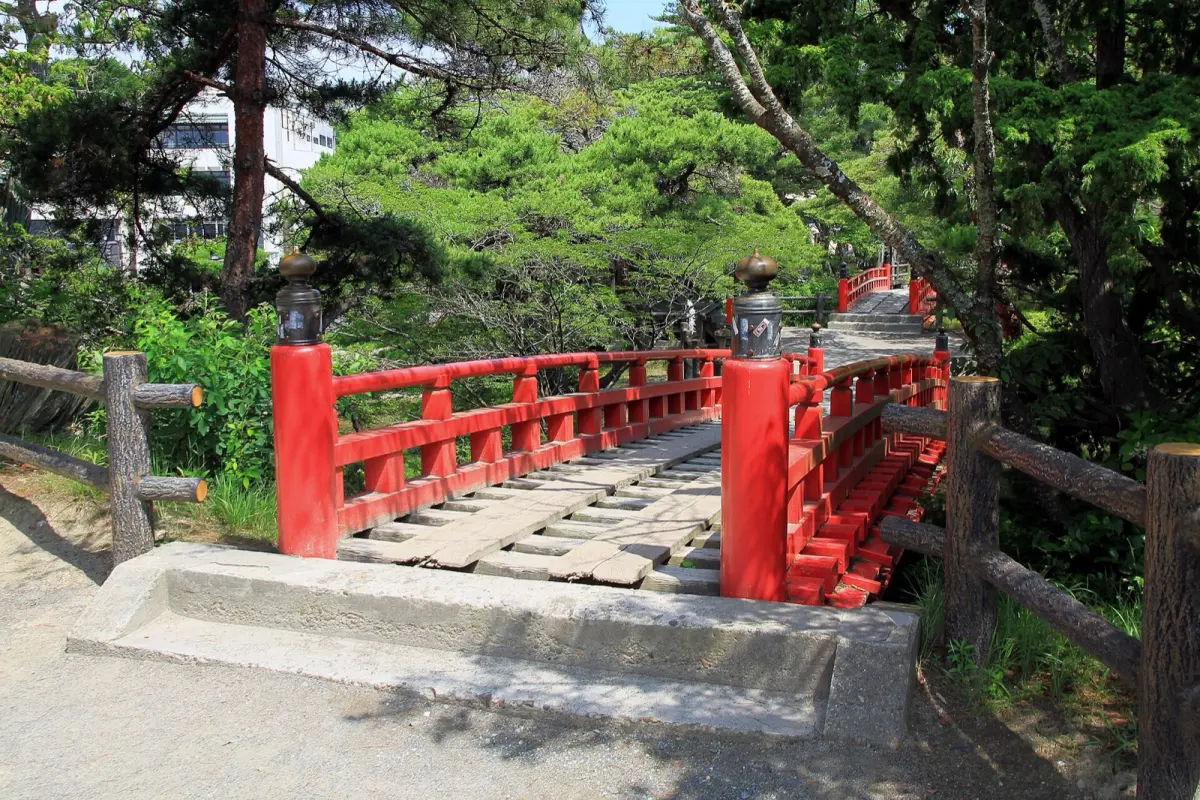
Godaidō
A small, weathered hall perched on a tiny islet, Godaidō has become the symbolic image of Matsushima Bay. Reached by a pair of short wooden bridges with gaps between the planks, it invites a moment's pause above the water before you step inside.
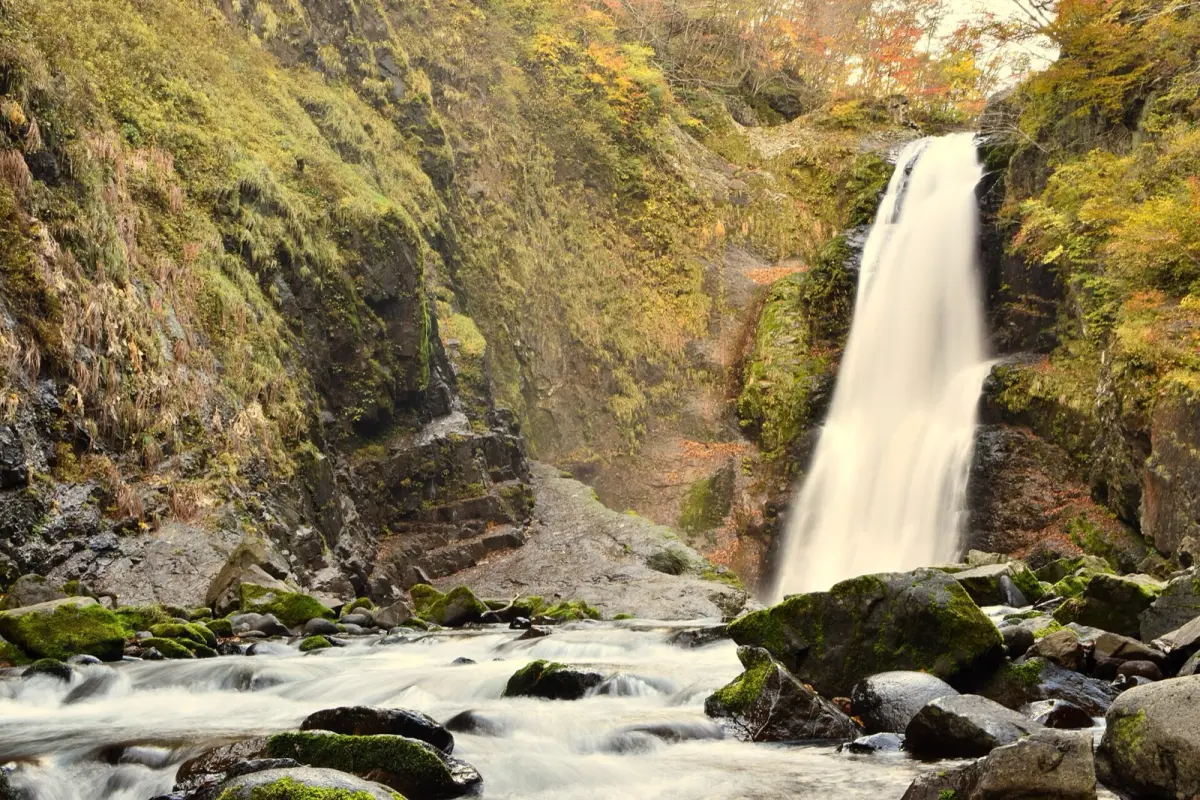
Akiu Great Falls
Akiu Great Falls plunges roughly fifty-five meters over a wide basalt ledge, its roar echoing through the forested gorge. Set in the hills near Akiu Onsen, the waterfall offers a dramatic natural counterpoint to the hot springs and a chance to feel the power of Tohoku's landscape.
Crafts of this region
Authentic pieces made near here — learn the story, then bring one home.
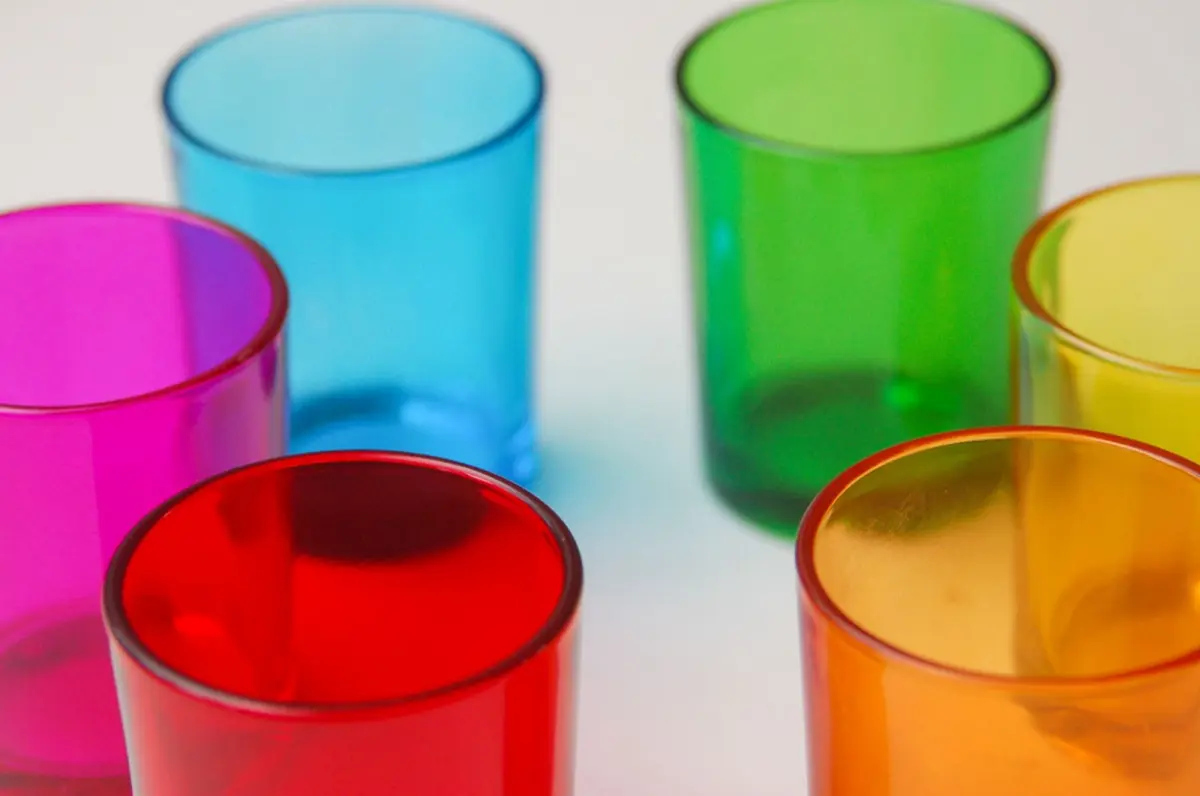 Tsugaru Bidoro
津軽びいどろ · Aomori
Tsugaru Bidoro
津軽びいどろ · Aomori
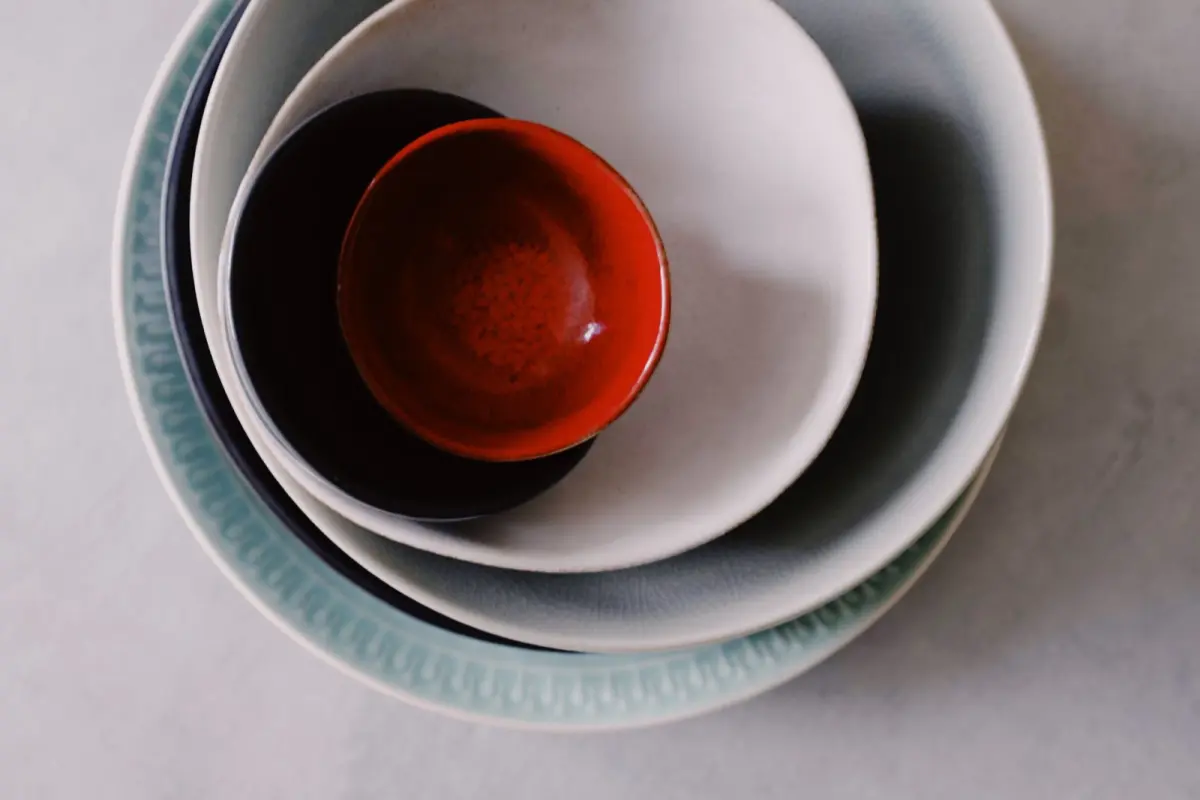 Aizu Lacquer
会津塗 · Aizuwakamatsu, Fukushima
Aizu Lacquer
会津塗 · Aizuwakamatsu, Fukushima
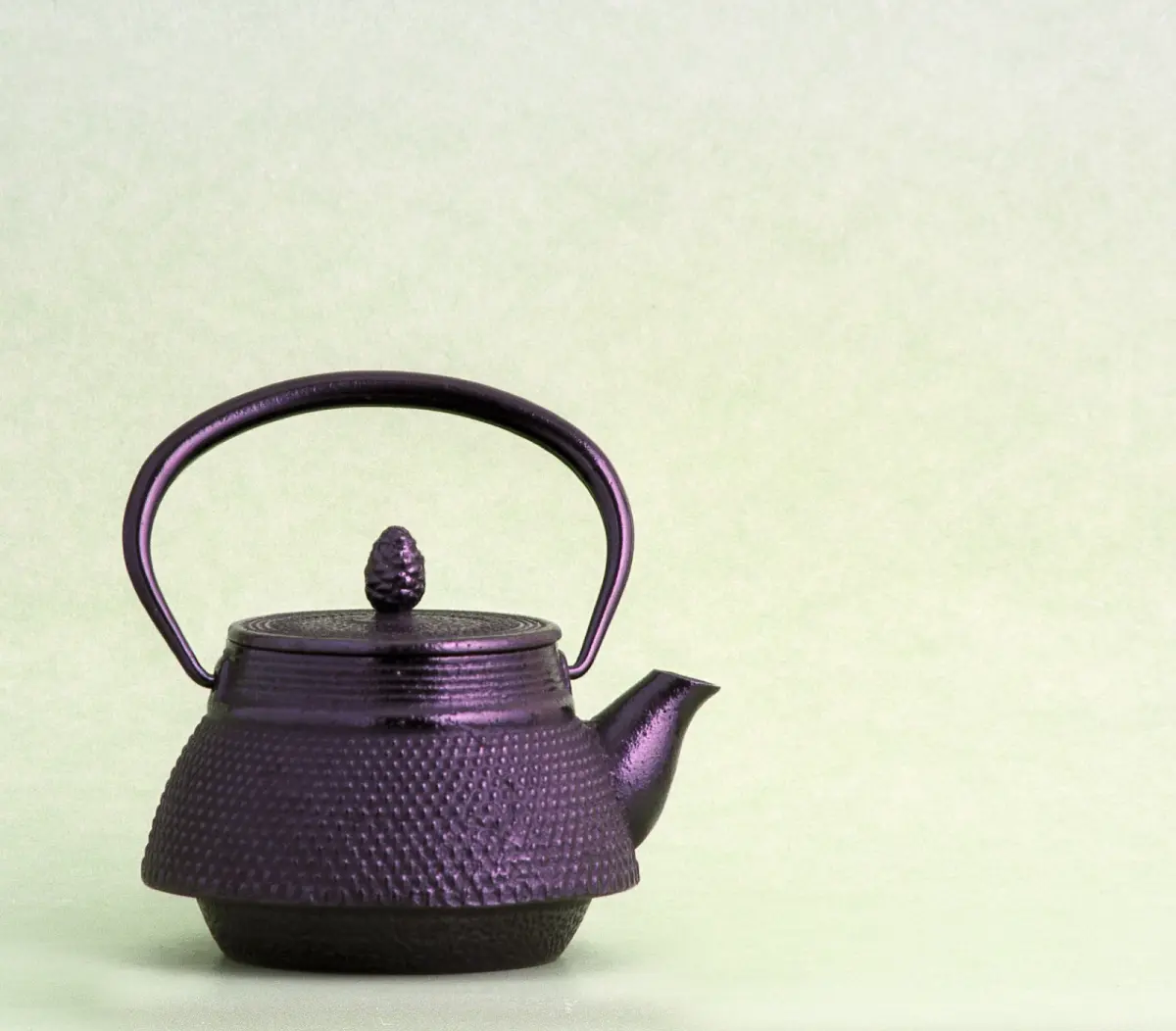 Nambu Ironware
南部鉄器 · Morioka, Iwate
Nambu Ironware
南部鉄器 · Morioka, Iwate
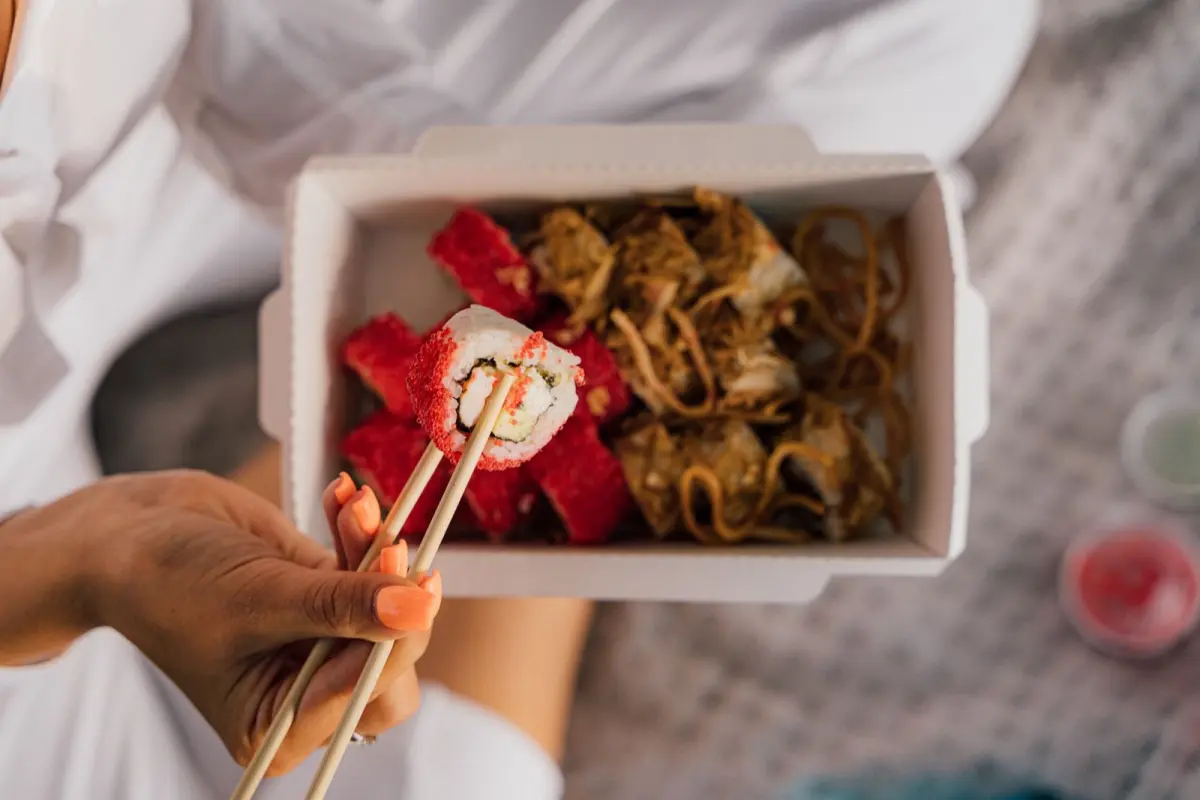 Odate Magewappa
大館曲げわっぱ · Ōdate, Akita
Odate Magewappa
大館曲げわっぱ · Ōdate, Akita
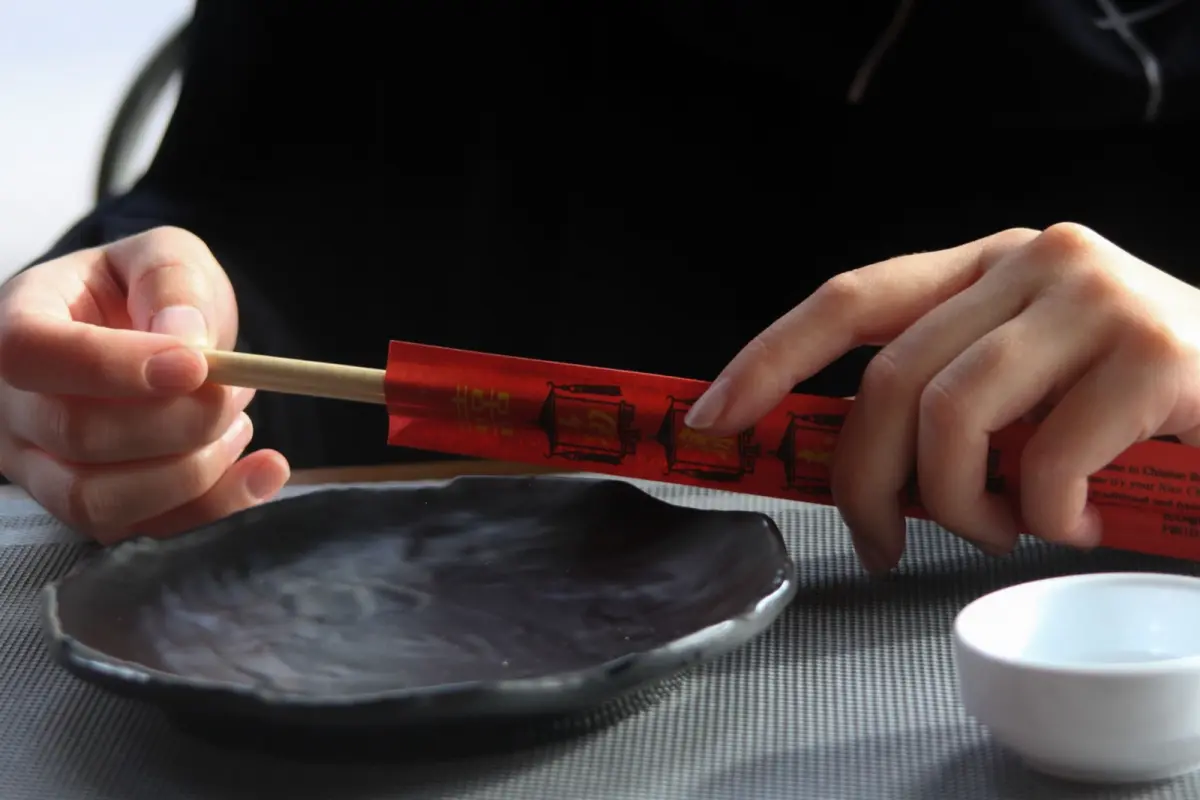 Tsugaru Nuri
津軽塗 · Hirosaki, Aomori
Tsugaru Nuri
津軽塗 · Hirosaki, Aomori
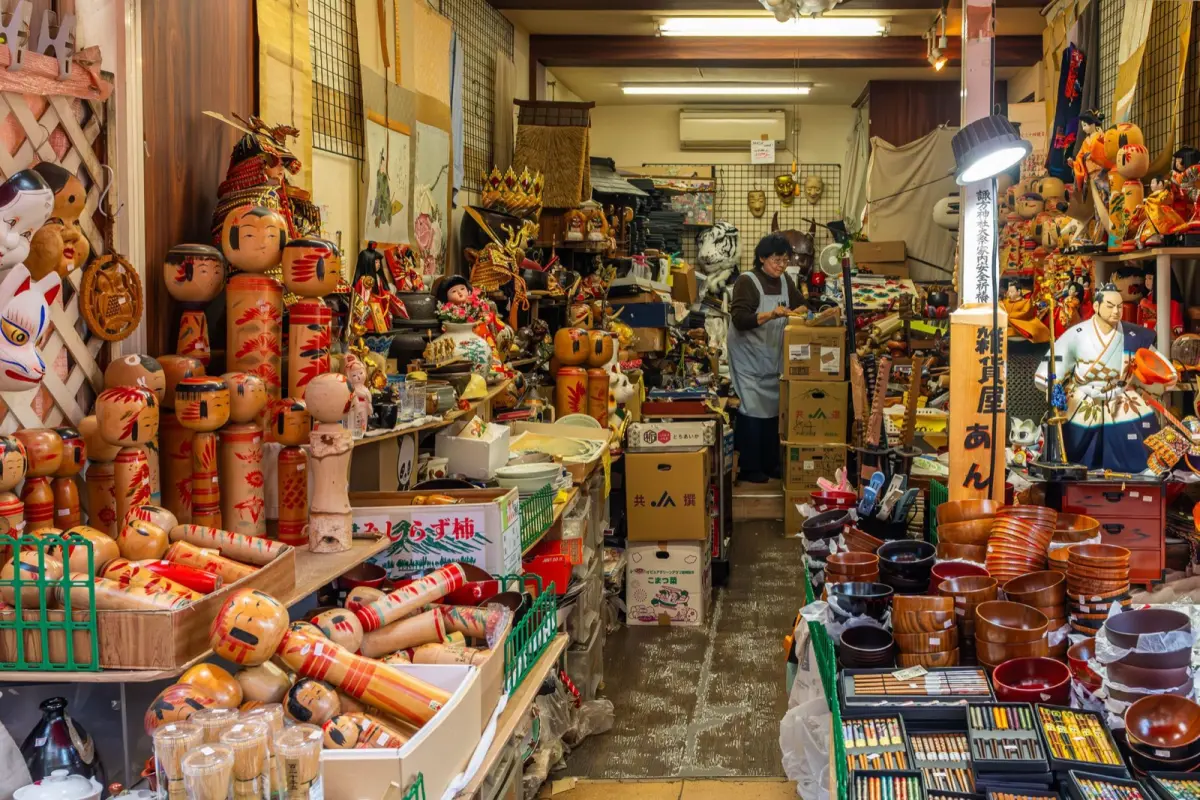 Naruko Kokeshi
鳴子こけし · Ōsaki, Miyagi
Naruko Kokeshi
鳴子こけし · Ōsaki, Miyagi
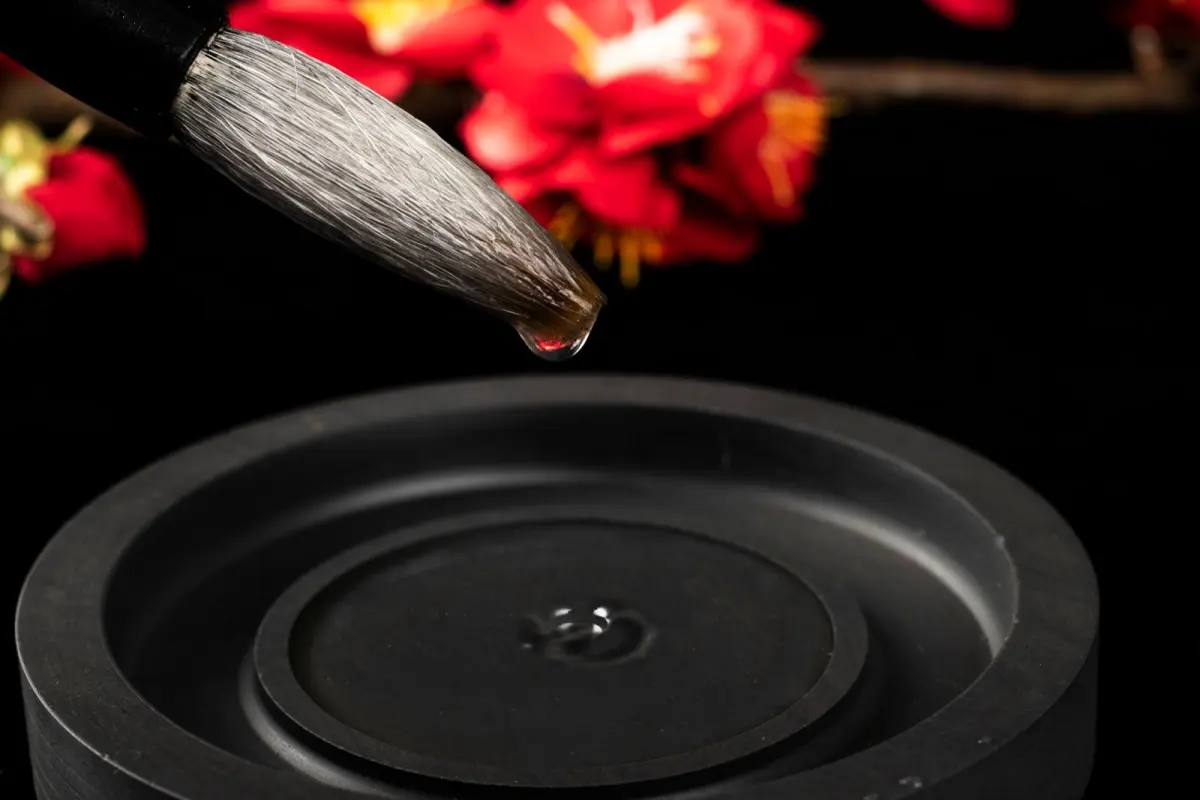 Ogatsu Inkstones
雄勝硯 · Ishinomaki, Miyagi
Ogatsu Inkstones
雄勝硯 · Ishinomaki, Miyagi
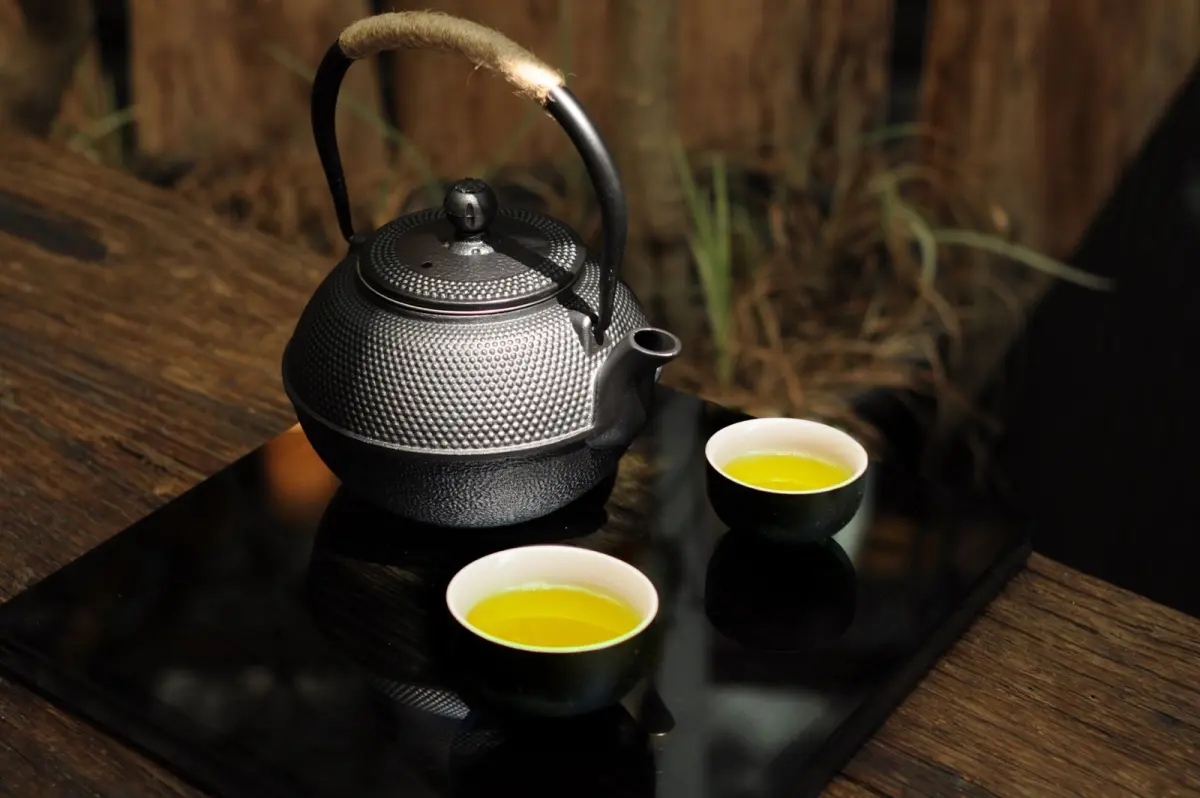 Yamagata Ironware
山形鋳物 · Yamagata
Yamagata Ironware
山形鋳物 · Yamagata