Wajima: The Town That Perfected Japan's Finest Lacquer
On this page
The hands of a Wajima artisan move with quiet precision, brushing layer upon layer of lacquer onto wood that will not be finished for months. In the coastal city of Wajima, on the Noto Peninsula of Ishikawa Prefecture, this patience has been refined into Japan's most esteemed lacquerware tradition—one built not on speed, but on an almost architectural approach to durability.
A Technique Carried by Monks and Masters
The origins of Wajima-nuri (輪島塗) stretch back centuries, rooted in the movement of knowledge across medieval Japan. By tradition, a monk from Negoroji temple in Kishu province brought lacquering techniques to Wajima during the Oei era, between 1394 and 1428. The craft evolved slowly, absorbing innovations from Japan's cultural centres. The celebrated chinkin (沈金) technique—where gold leaf is pressed into incised designs—arrived by the Kyoho era of 1716 to 1736. Later, the delicate art of maki-e (蒔絵), sprinkling gold or silver powder onto wet lacquer, came from the workshops of Kanazawa and Kyoto, enriching Wajima's decorative vocabulary.
The Secret Beneath the Surface
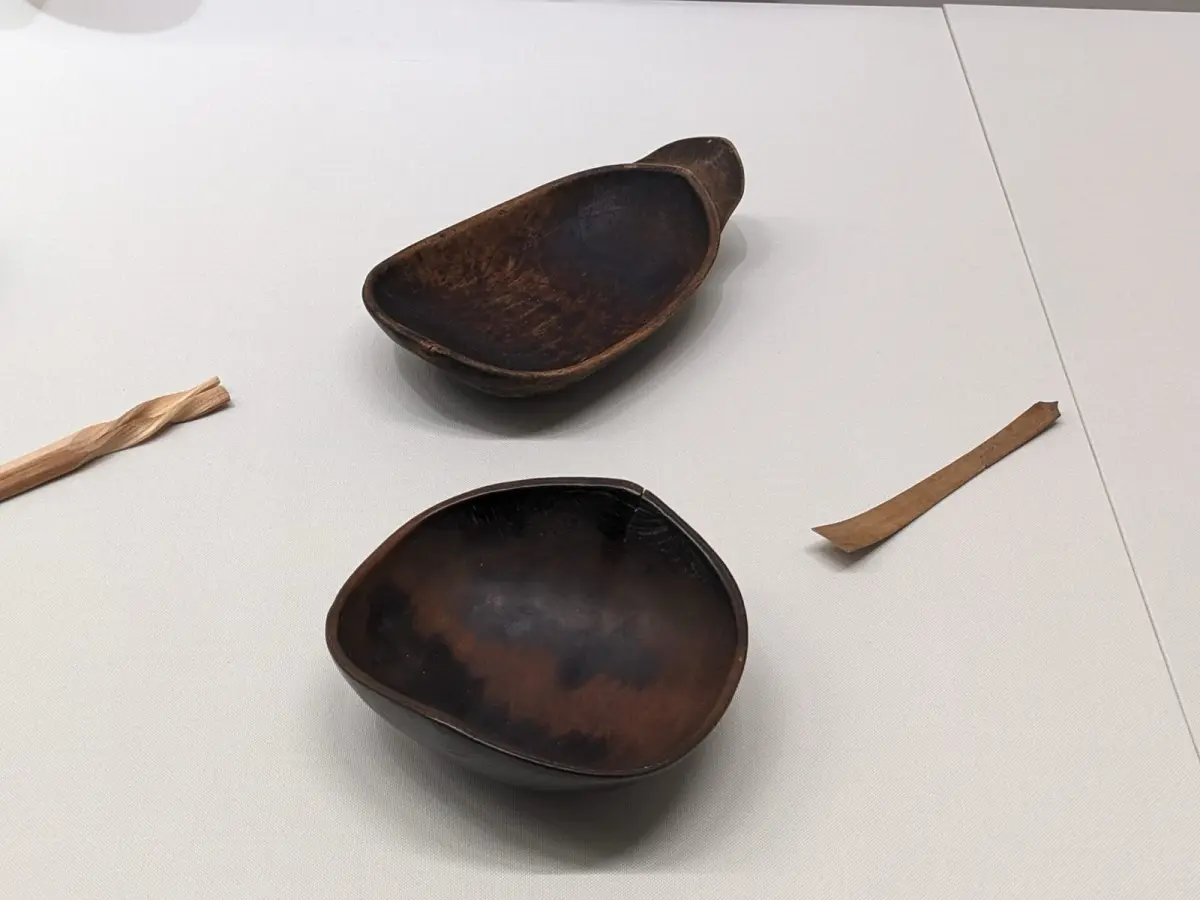
What sets Wajima lacquerware apart is not immediately visible. The true distinction lies in the foundation: jinoko (地の粉), a fine powder of diatomaceous earth mined locally from the Noto Peninsula. This fossilized algae, mixed into the lacquer undercoats, creates an unusually robust base that resists cracking and wear. Before lacquer ever touches the wood, artisans apply nunokise (布着せ)—strips of cloth adhered to edges and joints, reinforcing the structure against the stresses of daily use. These unseen layers are Wajima's quiet insurance policy, the reason pieces can endure generations of handling.
The Arithmetic of Patience
A single piece of Wajima lacquerware passes through roughly seventy-five to one hundred and twenty-four distinct hand operations. Each step must dry completely before the next begins, and in Wajima's humid climate, this cannot be rushed. The process unfolds in stages:
Multiple applications of lacquer mixed with jinoko build the foundation. Cloth reinforcement is carefully smoothed. Surface coats are applied, polished, and reapplied. Only then does decoration begin—chinkin's fine incisions filled with gold, or maki-e's powdered metals settling into tacky lacquer. A final polishing brings the surface to its characteristic depth.
The timeline stretches across months, sometimes beyond a year for complex pieces. This is lacquerware as architecture: engineered for longevity, not haste.
Gold in the Grain
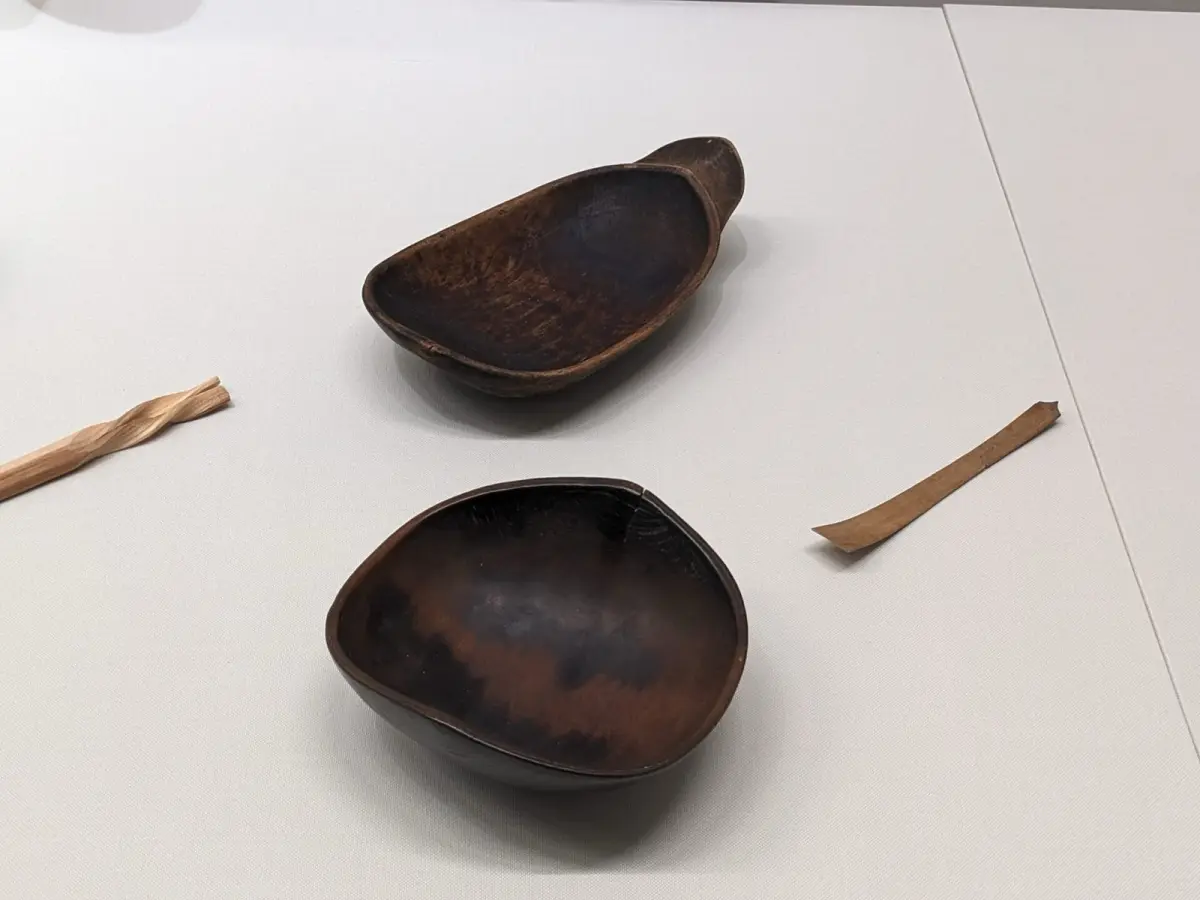
The decorative techniques of Wajima have become inseparable from its identity. In chinkin, the artisan uses fine chisels to carve delicate patterns—florals, geometric motifs, seasonal imagery—into the hardened lacquer surface. Gold leaf is then pressed into these grooves and burnished, creating designs that seem to float just beneath the glossy surface. Maki-e, by contrast, builds its imagery in relief, with metallic powders applied in layers to create dimension and shimmer. Both techniques demand absolute steadiness of hand; a single slip cannot be undone without stripping away weeks of work.
Recognition and Continuity
In 1977, the Japanese government designated Wajima-nuri as an Important Intangible Cultural Property, formal recognition of a craft that had already shaped the city's identity for centuries. Today, Wajima remains a working centre of lacquerware production, where traditional workshops coexist with contemporary interpretations of the form. The designation protects not just techniques, but the knowledge embedded in them—the understanding of when lacquer has reached the right consistency, how humidity affects drying, which woods accept jinoko most readily.
The craft persists because it was never designed for mere beauty. It was engineered to last, to be used, to carry the marks of time without breaking. In Wajima, patience remains the most essential tool.
FAQ
Chaware curates authentic Japanese crafts — straight from the makers in Japan to your table.
Explore the Chaware collection →
Keep exploring