Aizu Lacquerware: The Resilient Craft of Japan's Samurai City
On this page
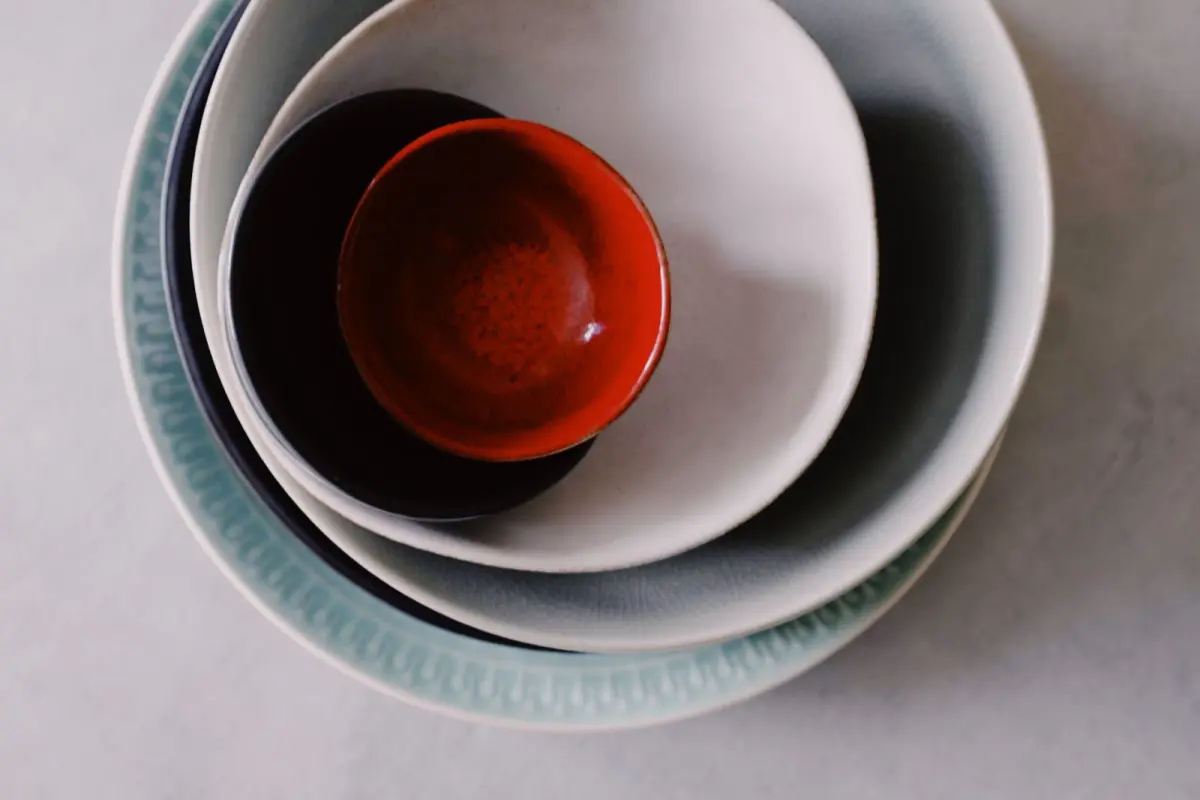
In the castle town of Aizuwakamatsu, deep in Fukushima, lacquer has flowed through the streets for more than four centuries. Walk through the Monden district today and you'll still find whole blocks devoted to the craft—workshops where woodturners shape zelkova and chestnut, studios where lacquerers apply coat after patient coat, storefronts displaying bowls that gleam like dark water.
A Lord's Calculated Gift
Aizu lacquer (会津塗, Aizu-nuri) began not as folk tradition but as deliberate policy. In 1590, when the warlord Toyotomi Hideyoshi appointed Gamo Ujisato as lord of Aizu, the new ruler saw opportunity in the region's abundant lacquer trees. Gamo brought skilled woodturners and lacquerers from his former domain of Hino in present-day Shiga Prefecture, seeding an industry that would outlast his own brief tenure. Successive Aizu lords protected the lacquer groves and encouraged technical innovation, understanding that fine tableware could be both cultural capital and export commodity.
Beyond Japan's Shores
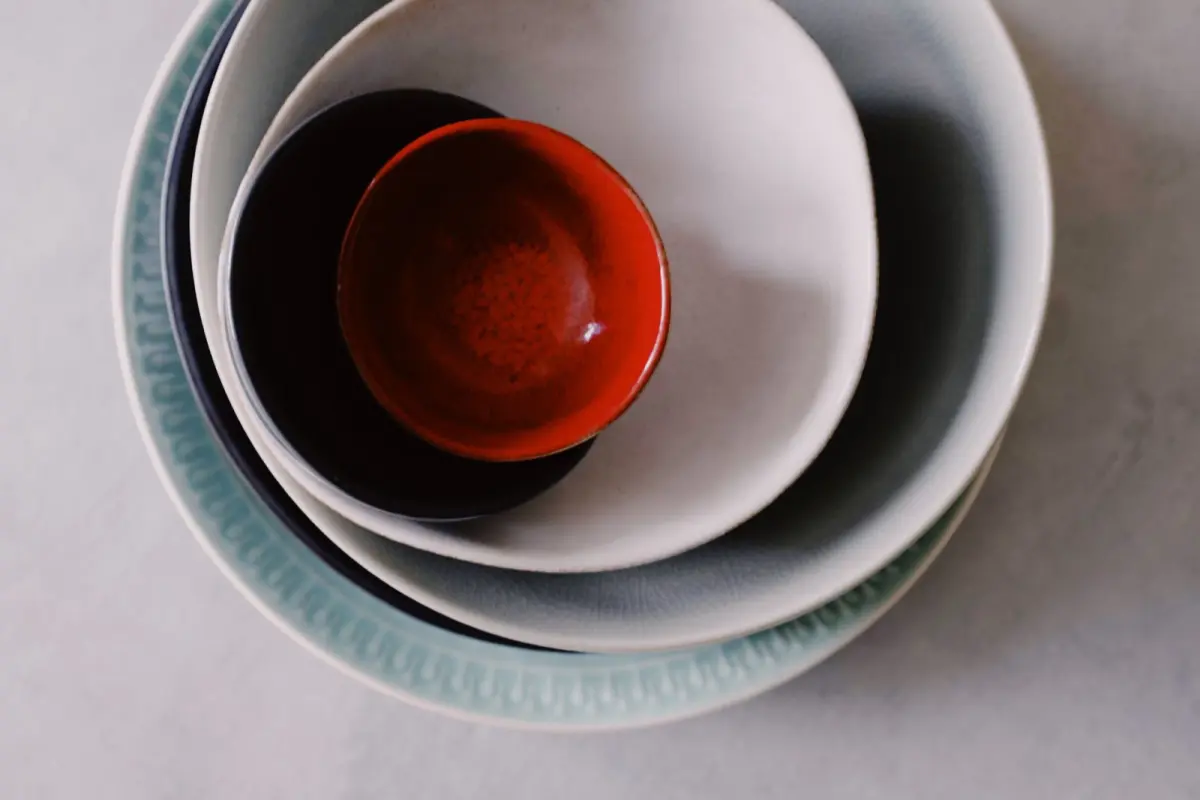
By the Edo period, Aizu lacquerware had earned a reputation substantial enough to travel. The glossy bowls and trays made their way not only to Edo and Kyoto but across the sea—exported to China and even to the Netherlands through Nagasaki's tightly controlled trade channels. This wasn't the rustic ware of mountain villages but polished goods refined enough for foreign markets, proof that Aizu's workshops had mastered both technical precision and aesthetic appeal.
The Shimmer of Technique
What distinguishes Aizu lacquer is a suite of signature methods developed over generations:
Hana-nuri produces a lustrous, brush-finished coating that catches light like still water. Kin-mushikui ('gold insect-eaten') creates delicate patterns suggesting the tracery of wood-boring beetles. Keshifun maki-e employs fine gold dust in decorative work, building up images through careful sprinkling and layering.
Each technique demands not just skill but patience—lacquer cures slowly in controlled humidity, and rushing means ruin. A single piece may pass through dozens of hands and weeks of drying before it reaches a customer.
A Whole Quarter Devoted
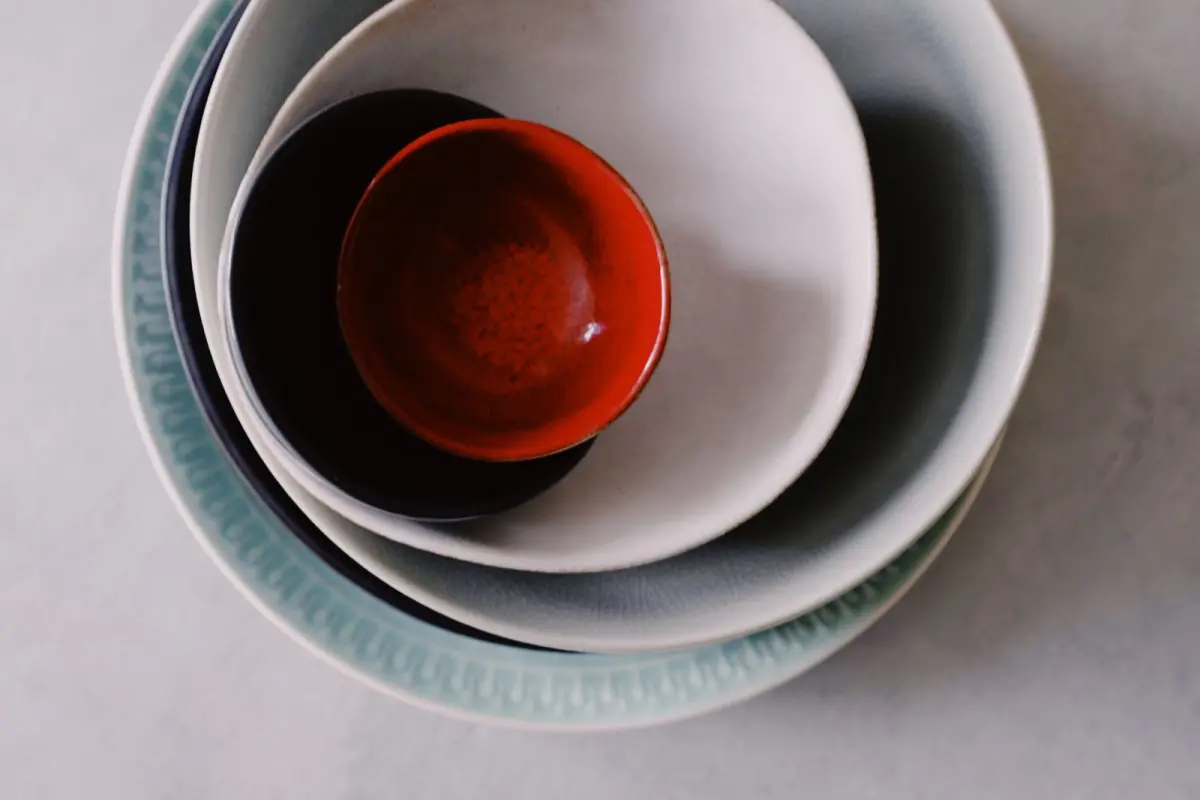
The Monden district of Aizuwakamatsu remains what it has been for centuries: a neighbourhood organized around lacquer. Here the craft isn't confined to isolated studios but woven into the urban fabric. Woodturners work beside lacquerers; suppliers of raw urushi sap operate near finishers who apply the final coats. Storefronts display both everyday rice bowls and ceremonial trays destined for weddings. The concentration of expertise means a young apprentice can learn not just from a single master but from an entire community's accumulated knowledge.
Continuity in Motion
Aizu lacquer endures not through museum preservation but through active making. Contemporary artisans still apply hana-nuri to soup bowls, still dust gold onto trays using methods refined in the 1600s. The workshops adapt—some now make lacquered smartphone cases alongside traditional tableware—but the core techniques remain legible across centuries. In Aizuwakamatsu, lacquer isn't heritage frozen in amber but a living practice, each generation adding its own layer to work that began when Gamo Ujisato first planted the idea in fertile ground.
The bowls still gleam. The brushes still move. The craft continues.
FAQ
Chaware curates authentic Japanese crafts — straight from the makers in Japan to your table.
Explore the Chaware collection →
Keep exploring