Kishu Lacquer: The Everyday Urushi Tradition of Wakayama
On this page
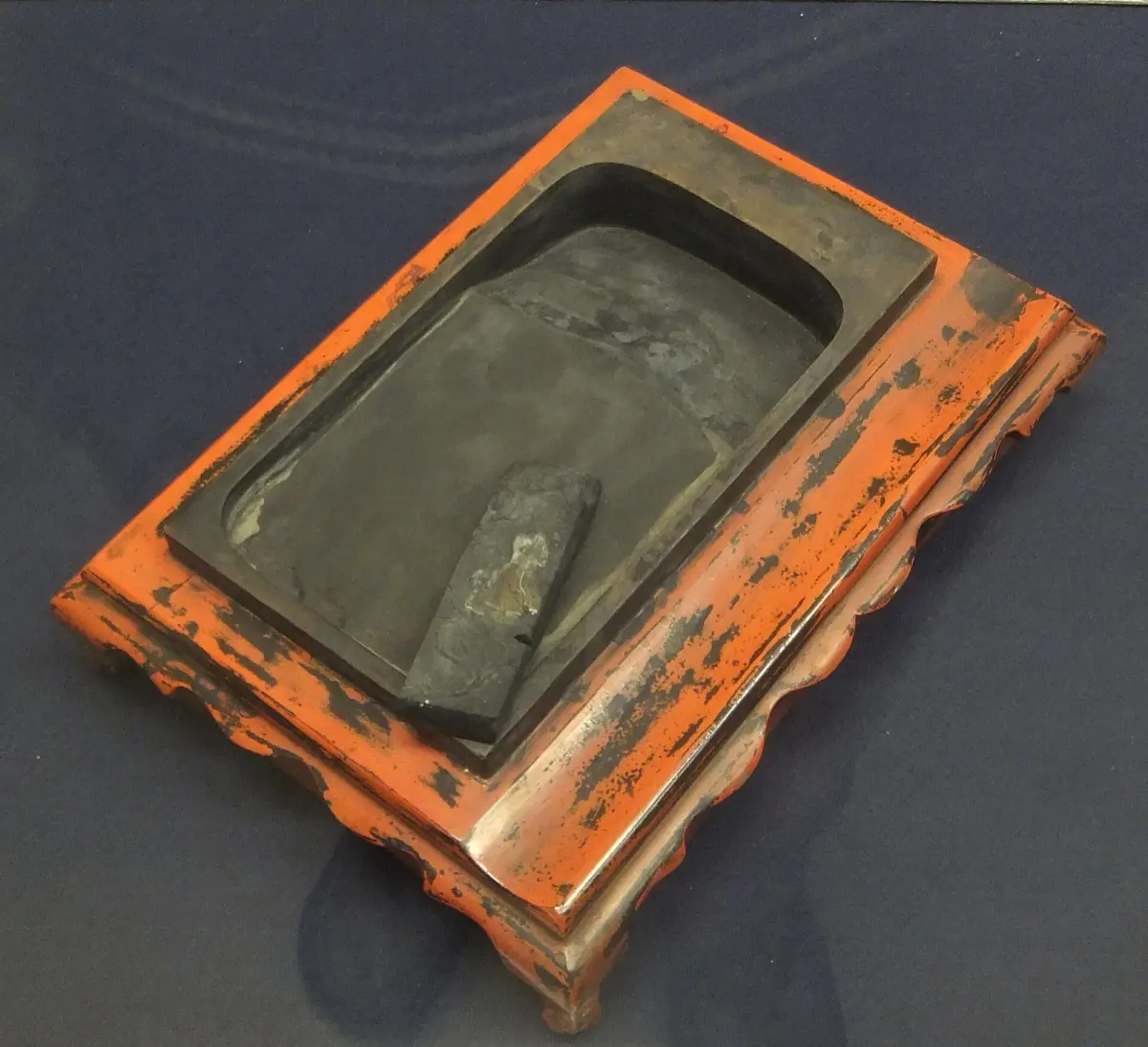
The forests of Kishu whisper a quiet truth: beauty need not be precious to be profound. For six centuries, the lacquer artisans of Kainan have turned local timber into vessels meant for daily hands, their red surfaces slowly revealing black depths beneath—a transformation as honest as the wear of years.
The Woodturners Who Stayed
Around 1400, during the early Muromachi period, woodturners from Omi province arrived in the village of Kuroe, now part of Kainan city in Wakayama. They found what they needed: dense forests of Kishu timber and a tradition waiting to be born. These craftsmen began producing shibuji-wan (渋地椀), bowls finished with a persimmon-tannin base that made lacquerware accessible beyond aristocratic circles. Unlike the ornate pieces destined for castle halls, these were vessels for common tables, sturdy enough for miso soup at dawn and rice at dusk.
This practical philosophy would become Kishu shikki's (紀州漆器) defining character—one of Japan's three great lacquerware traditions alongside Aizu and Wajima, yet distinguished by its commitment to the everyday.
The Temple's Quiet Lesson
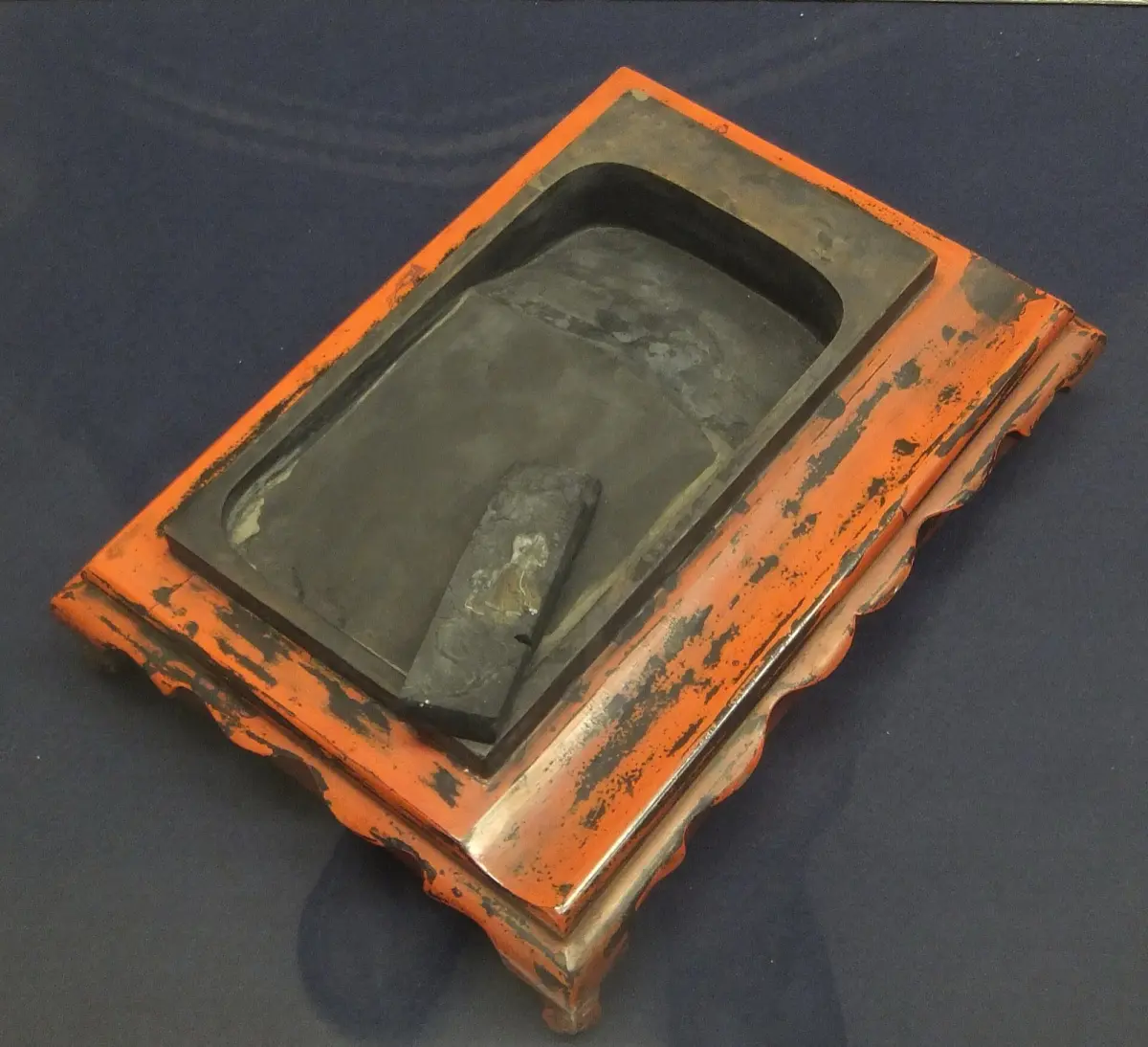
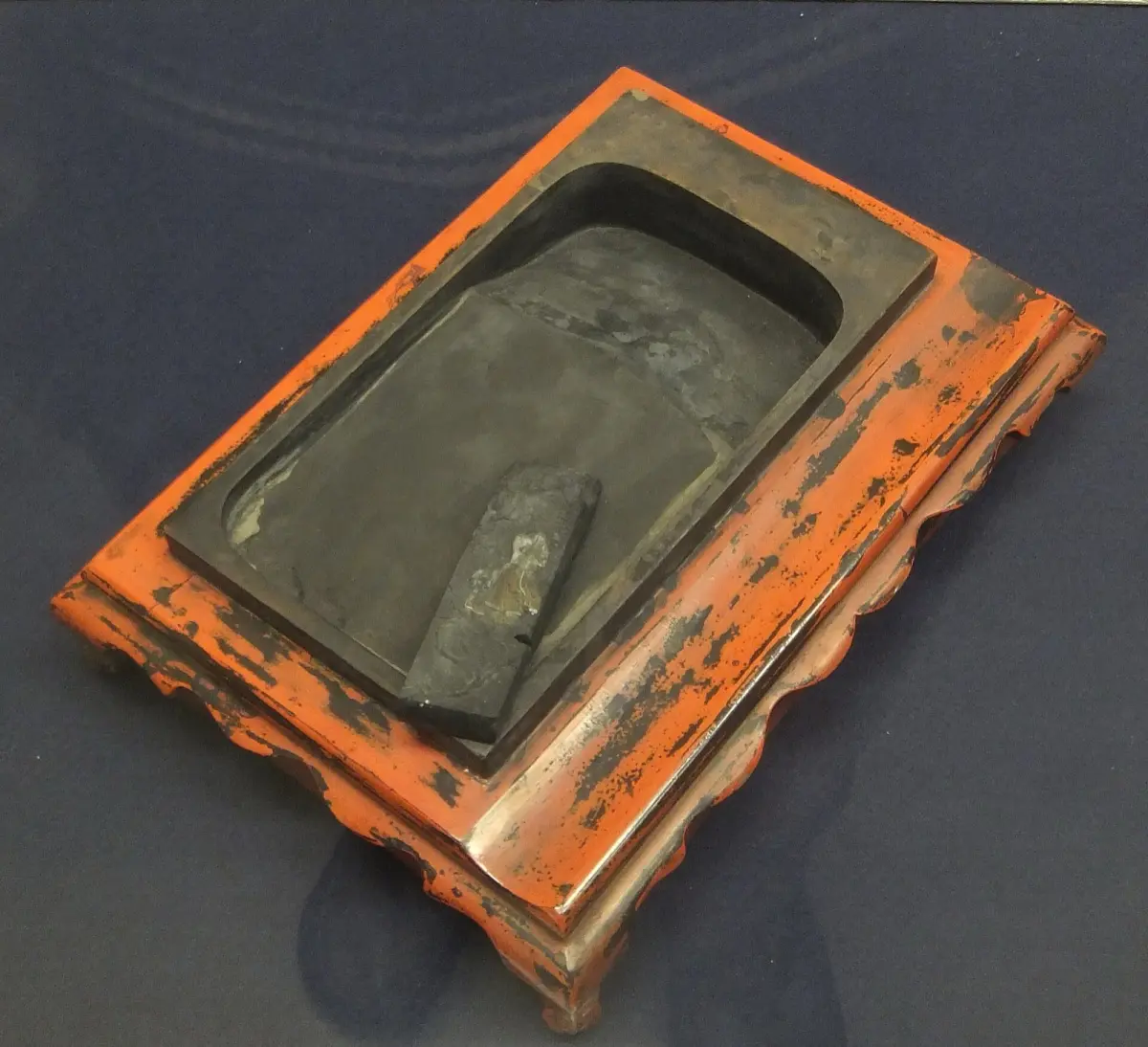
Just beyond Kuroe stood Negoroji, a temple whose monks practiced a form of making that would reshape Japanese aesthetics. The monks crafted their own lacquered trays and bowls, applying red lacquer over black in a technique that seemed simple until time worked its magic. With use, the red surface wore away at edges and high points, revealing the black beneath in patterns no artist could plan. This became known as Negoro-nuri (根来塗), and its accidental beauty—the aesthetic of honest wear—profoundly influenced Kishu's artisans.
The Negoro style taught a radical idea: that an object could grow more beautiful through use, that perfection might lie not in preservation but in transformation.
Forests as Foundation
Wakayama's mountains provided more than timber. The abundance of local wood meant Kishu craftsmen could experiment, refine, and produce at scales that sustained entire communities. While other lacquerware centers might import their base materials, Kuroe's artisans worked with what grew around them—a integration of forest and workshop that kept costs manageable and quality consistent. This access to raw materials allowed Kishu shikki to occupy a unique position: lacquerware of genuine quality at prices ordinary families could afford.
Three Greats, One Philosophy
Standing alongside Aizu-nuri and Wajima-nuri as one of Japan's three great lacquerware traditions, Kishu distinguished itself not through elaborate decoration but through democratic durability. Where Wajima became known for its meticulous hon-kataji undercoating and Aizu for its pictorial artistry, Kishu refined the art of the essential. These were bowls that could withstand generations of daily washing, trays that bore the marks of countless meals without shame. The lacquer protected; the wood endured; the design asked for nothing more than use.
Wear as Wisdom
Six centuries after those Omi woodturners settled in Kuroe, Kishu shikki continues to honor its founding principle. The red lacquer still wears to reveal black beneath, though now this happens on soup bowls in Tokyo apartments and rice containers in Osaka kitchens. The technique remains largely unchanged—patient layering, careful curing, an understanding that true lacquerware improves with the friction of living. Modern Kainan carries forward what Negoroji's monks understood: that the most beautiful objects are those brave enough to show their age.
In a world increasingly suspicious of wear, Kishu lacquer remembers what hands have always known—that some things must be touched to become themselves.
FAQ
Chaware curates authentic Japanese crafts — straight from the makers in Japan to your table.
Explore the Chaware collection →
Keep exploring