Osaka, Go Deeper
Osaka wears its heart on its sleeve—and its neon on its canals. This is Japan's kitchen, stage, and eternal underdog, a city that built castles and comedy in equal measure. Beyond the famous Glico runner and takoyaki stands lies a deeper Osaka: moss-slicked alleyways where prayers are whispered, retro arcades thick with Showa nostalgia, and shrines that have stood for nearly two millennia. To go deeper here is to taste, laugh, and wander past the postcards into the soul of Kansai.
- Tap Open in Google Maps on any place for live directions, transit, hours & reviews.
- Get an ICOCA / Suica IC card — tap on/off trains, subways & buses, no ticket needed.
- Carry some cash (¥) — many small shops, shrines & old streets are cash-only.
- Go early: the famous spots are calm and beautiful before ~9am.
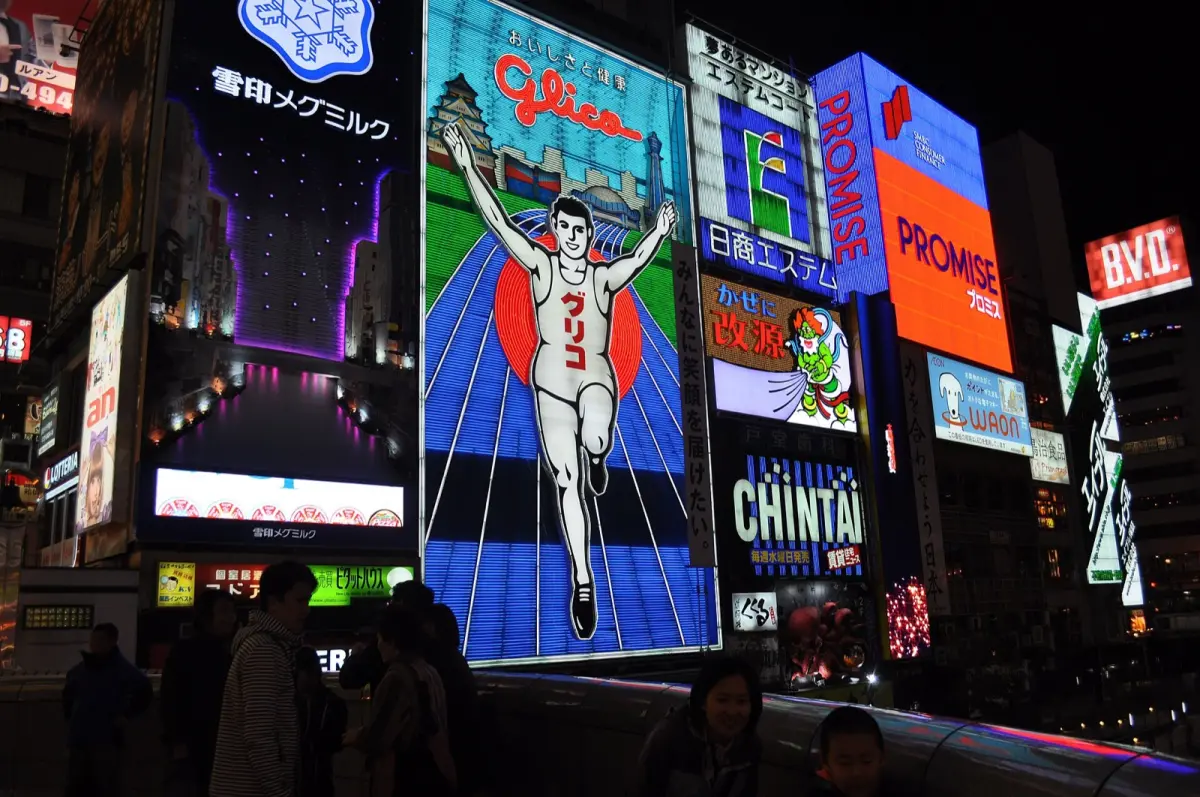
Dōtonbori
Osaka's neon-lit heart beats loudest along this canal in Minami, where the running-man Glico sign has welcomed revelers since the Edo period. Theatres, bars, and giant signboards—crabs, dragons, chefs—turn the waterfront into a carnival of light and appetite. This is where the city comes to eat, shout, and celebrate.
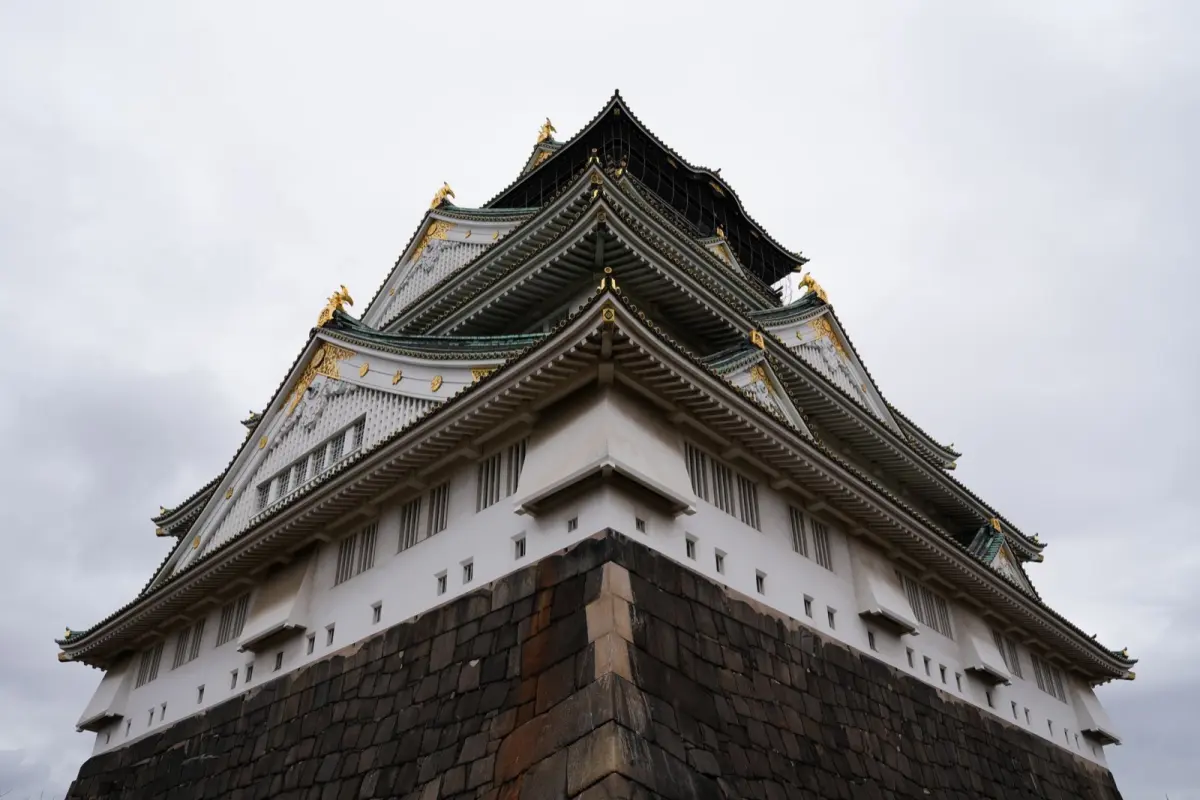
Osaka Castle
Toyotomi Hideyoshi began raising this fortress in 1583, and its massive stone walls and moats still command the skyline. The present keep, a 1931 reconstruction, gleams white and gold above sprawling grounds. It remains Osaka's proudest symbol, a monument to ambition wrapped in cherry blossoms each spring.
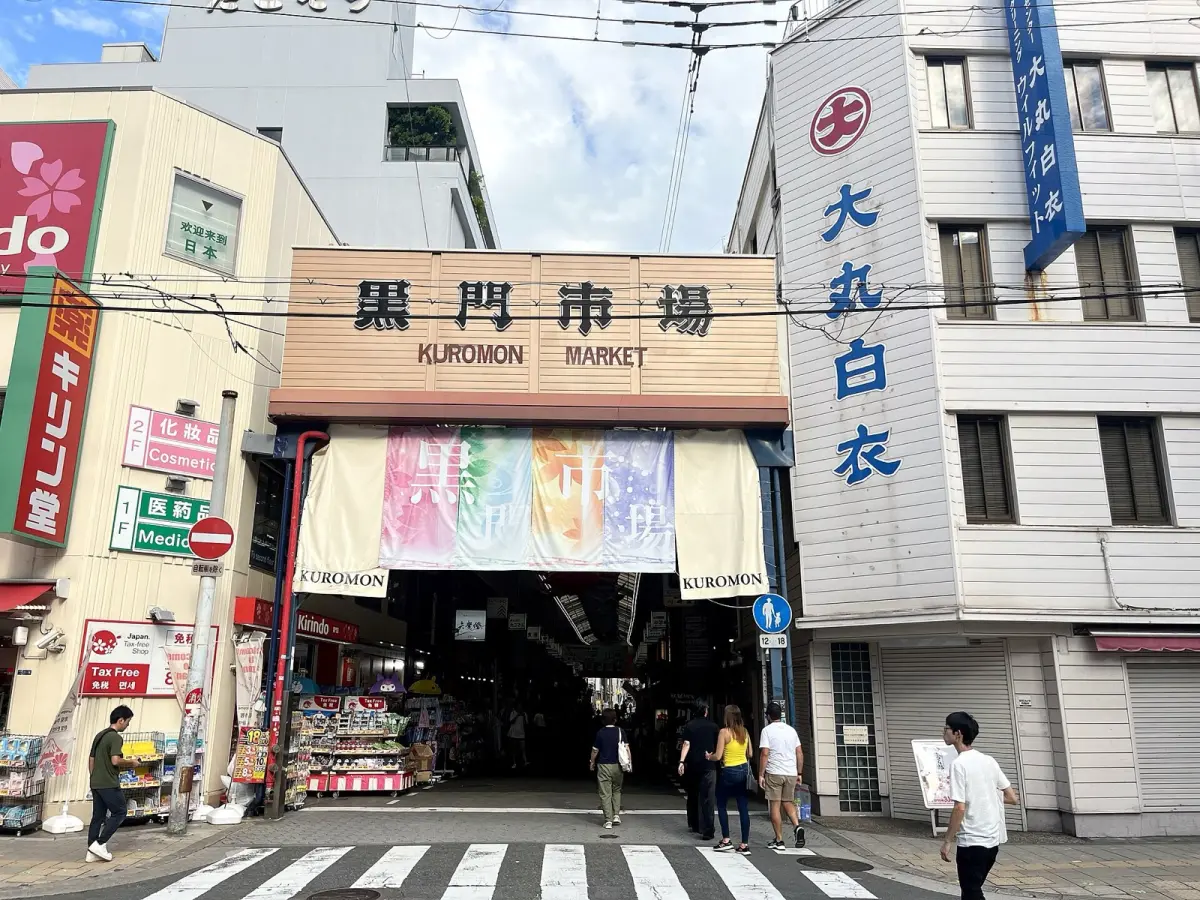
Kuromon Ichiba Market
Known as 'Osaka's kitchen,' Kuromon Ichiba shelters some 180 stalls under a covered arcade where the city shops and snacks. Tuna belly sizzles on grills, sea urchin glistens in trays, and vendors banter in Kansai-ben. Come hungry, leave with your hands full and your appetite for the city sharpened.
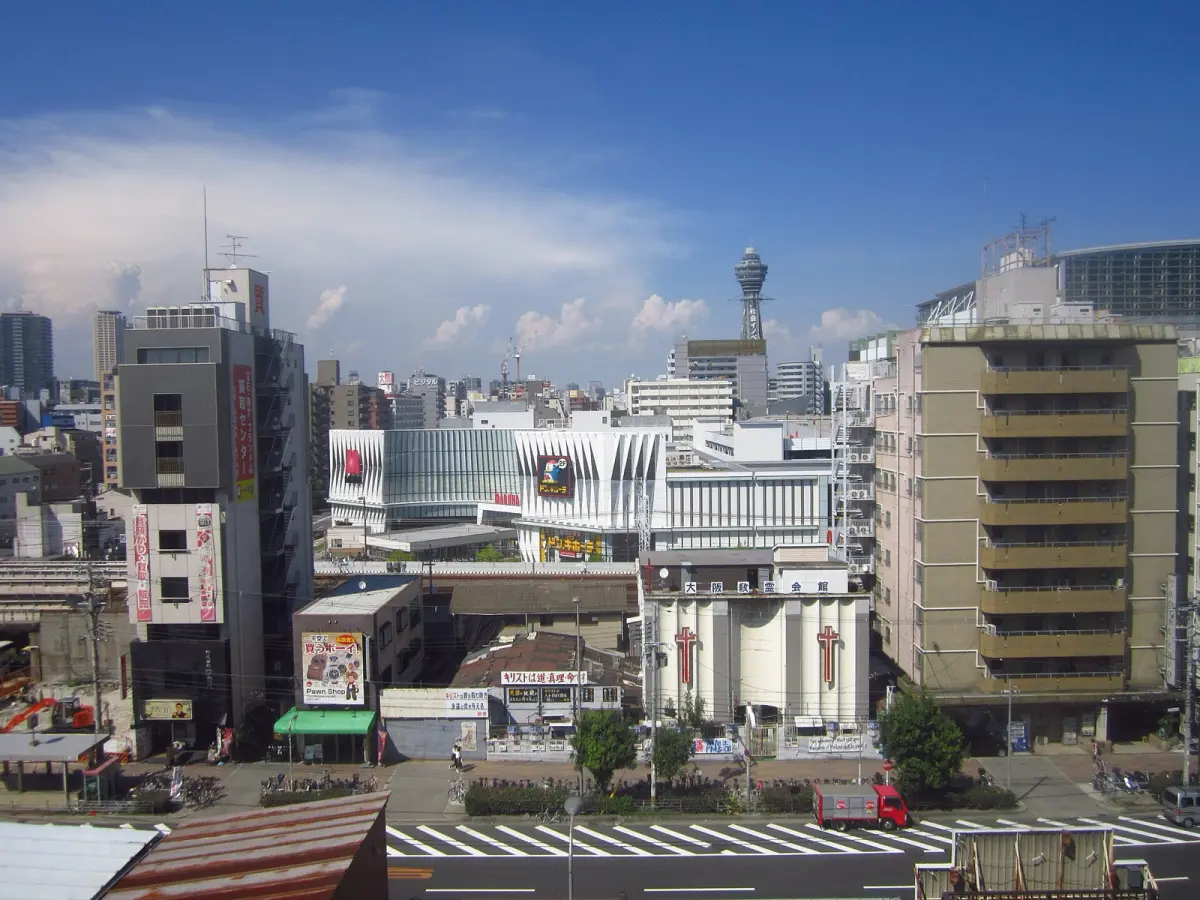
Shinsekai & Tsūtenkaku
Built in 1912 around the Tsutenkaku tower, Shinsekai is a time capsule of early-twentieth-century optimism now thick with Showa-era nostalgia. Kushikatsu joints line the streets, their signs faded but their fryers hot. The neighborhood wears its age proudly, a little worn, a lot loved.
Hōzen-ji Yokochō
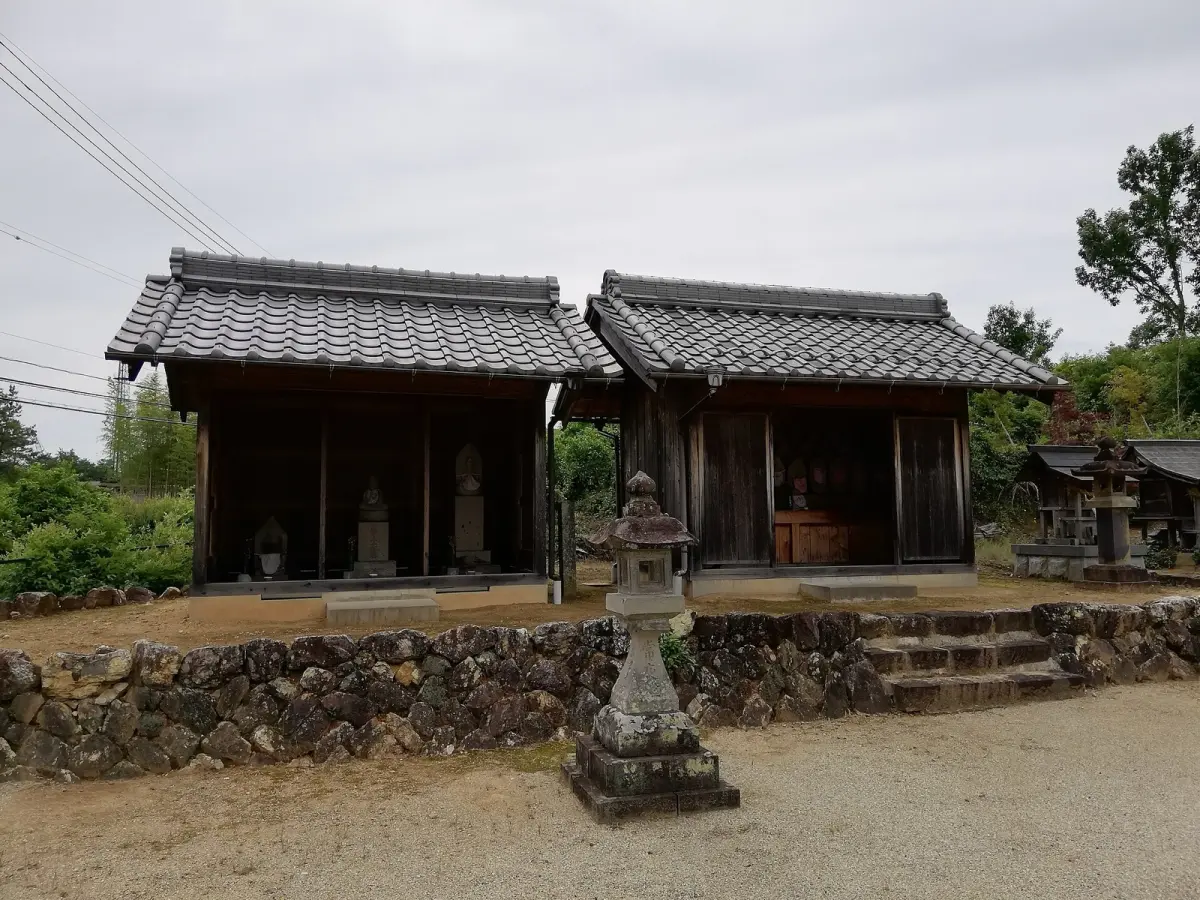
Step off the main drag into this tiny stone-paved lane, where a moss-covered Fudo statue stands drenched by centuries of devotion. Worshippers splash water over the figure in prayer, and the alley's lanterns glow softly above traditional restaurants. It is a pocket of old Osaka, intimate and enduring.
Sumiyoshi Taisha
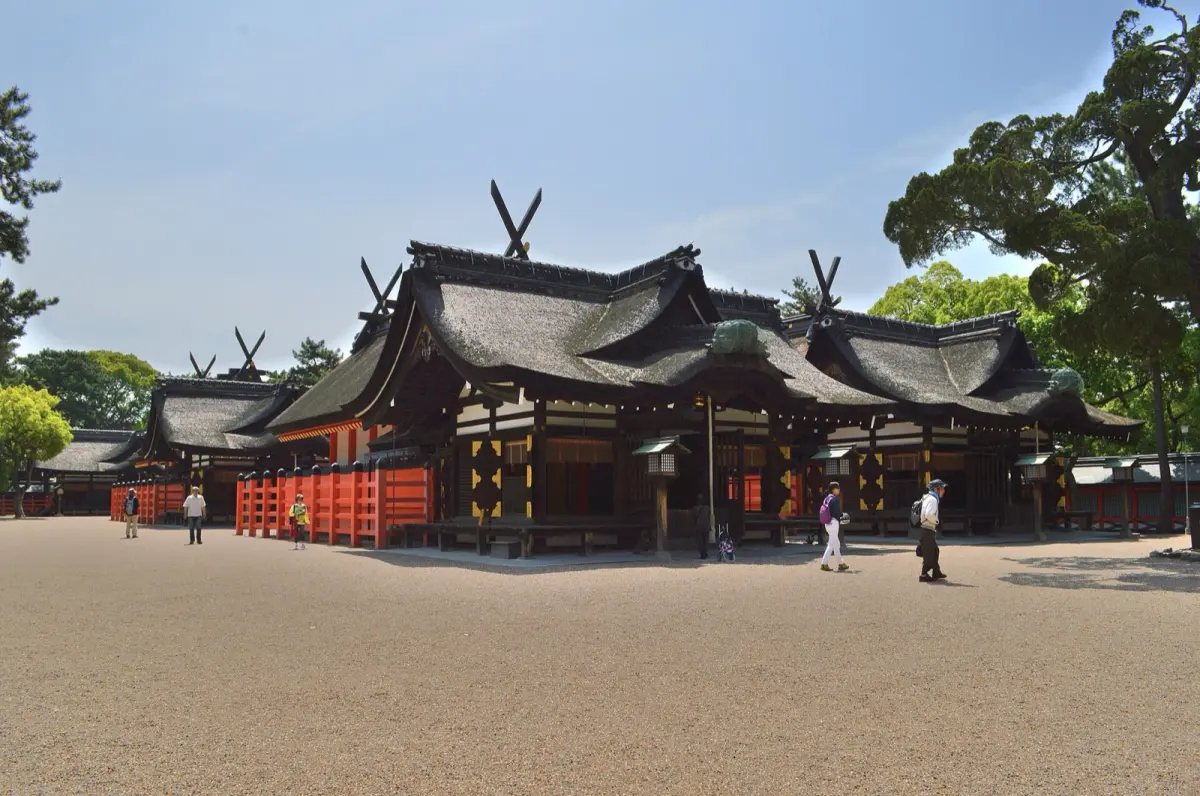
With over 1,800 years of history, Sumiyoshi Taisha is one of Japan's most ancient shrines and the head of all Sumiyoshi shrines nationwide. Its unique Sumiyoshi-zukuri architecture predates Buddhist influence, and the arched drum bridge curves steeply over a pond. Locals come for blessings; visitors come for a glimpse of something older than the city itself.
Shitennō-ji
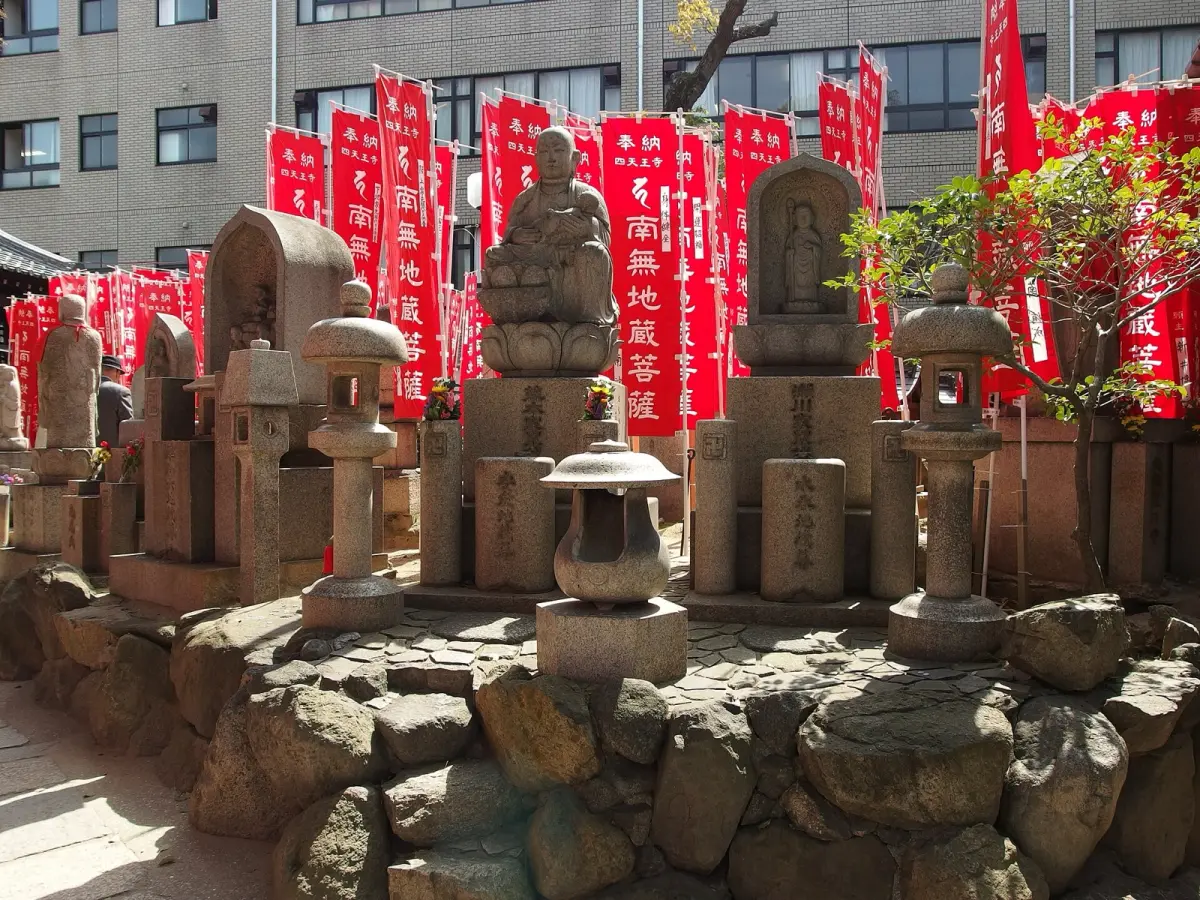
Prince Shotoku founded this temple in 593, making it one of Japan's oldest official Buddhist sites. Centuries of war and fire have required rebuilding, but the layout remains faithful to its original vision. Walking its grounds is walking through the very roots of Japanese Buddhism.
Nakazakichō
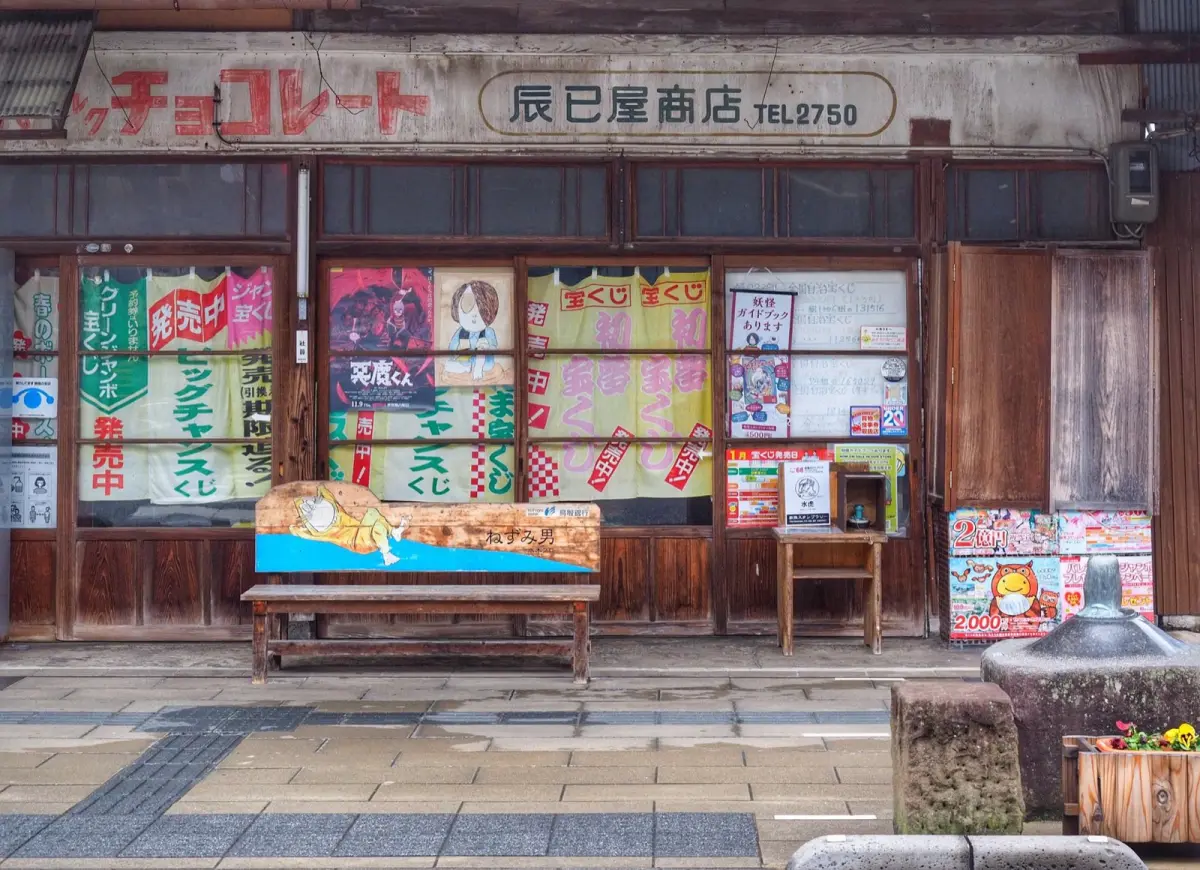
Just off the glass towers of Umeda, a pocket of old wooden houses survives, now filled with vintage shops, quiet cafes, and creative studios. Nakazakicho feels like a secret kept in plain sight. Wander its narrow lanes slowly; this is Osaka at a different tempo.
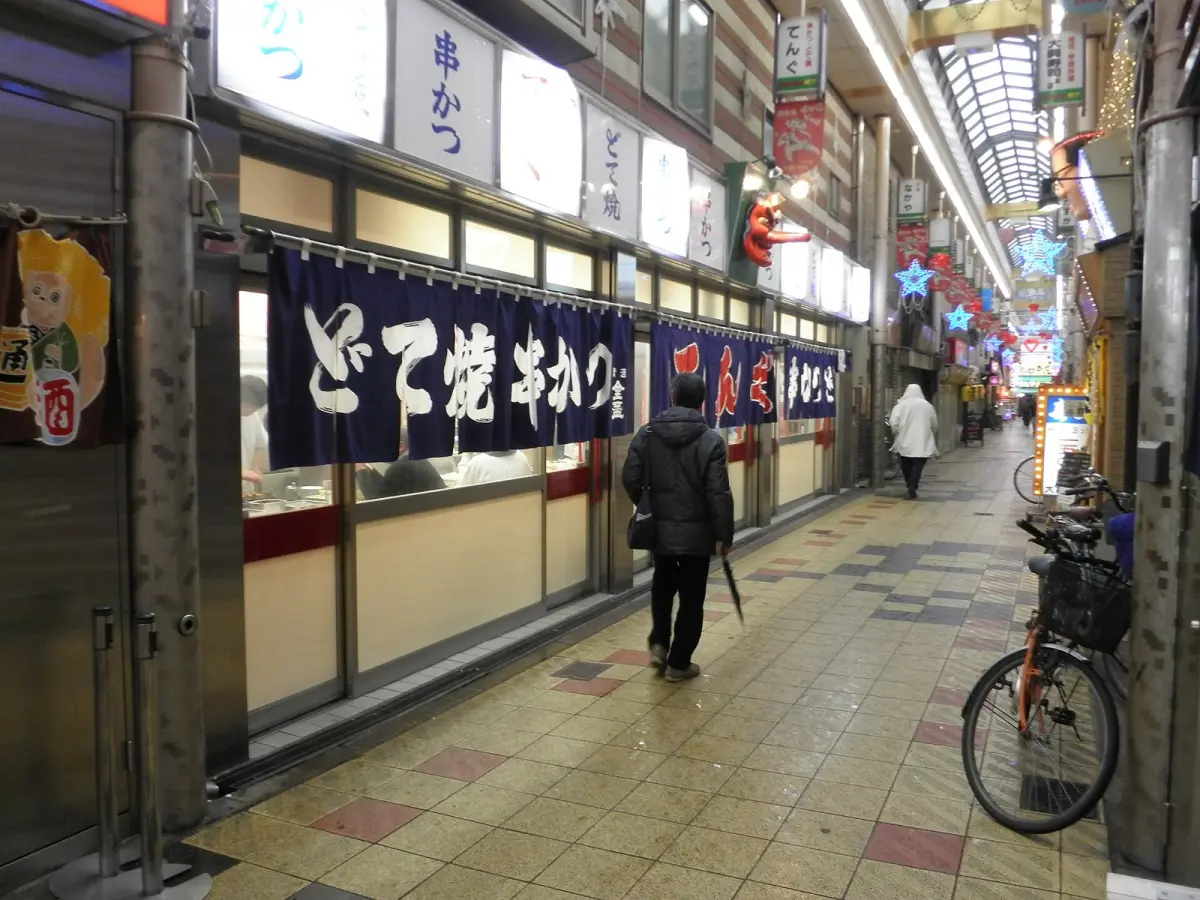
Janjan Yokochō
Jan Jan Yokocho is a retro arcade in Shinsekai where kushikatsu counters and standing bars huddle under low ceilings and flickering signs. The vibe is pure mid-century working-class Osaka: cheap, cheerful, and unapologetically local. Order skewers, dip once, and soak in the atmosphere.
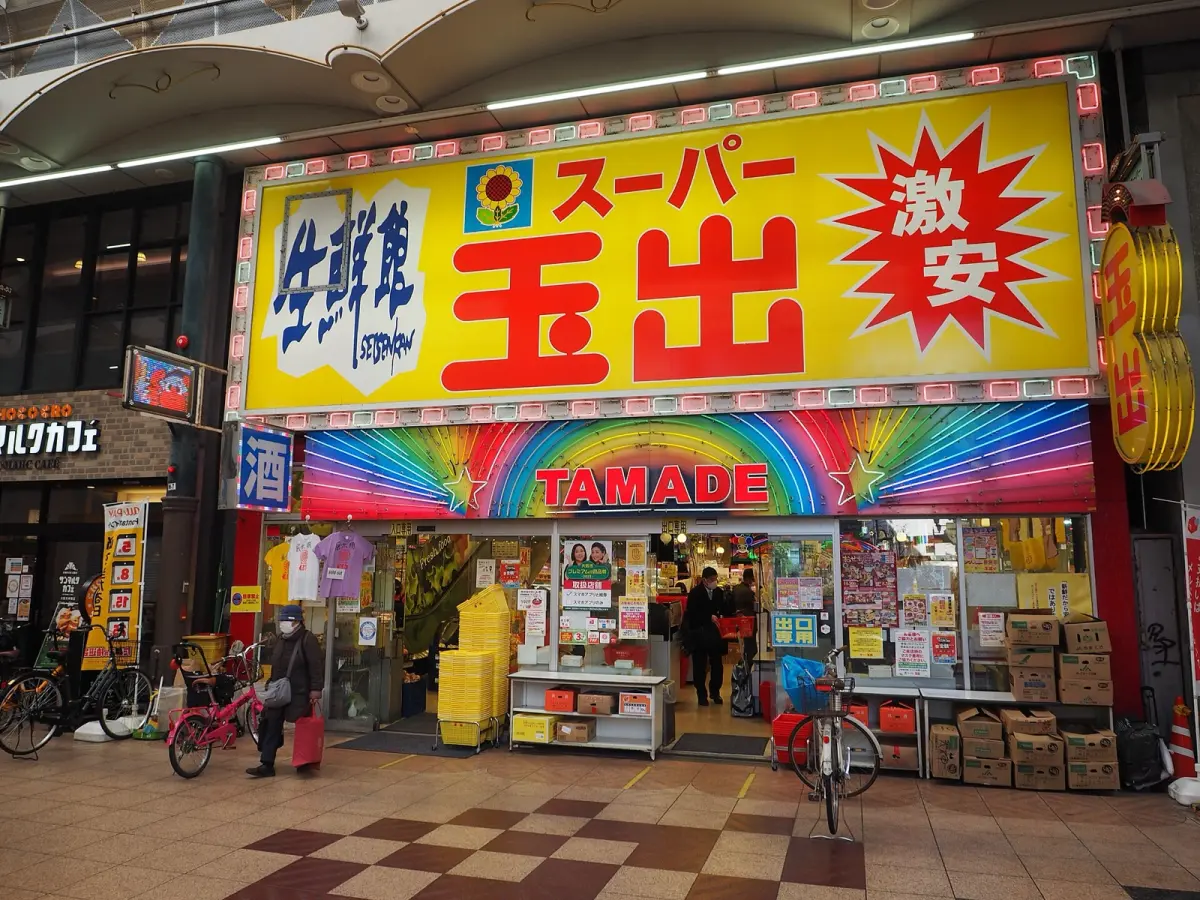
Tenjinbashisuji Shōtengai
Stretching roughly 2.6 kilometers, Tenjinbashisuji is said to be Japan's longest covered shopping arcade, a ribbon of everyday Osaka life near Osaka Tenmangu shrine. You will find everything from pickles to hairpins, croquettes to kimonos. Walk it end to end and you will understand how this city shops, eats, and endures.
Crafts of this region
Authentic pieces made near here — learn the story, then bring one home.
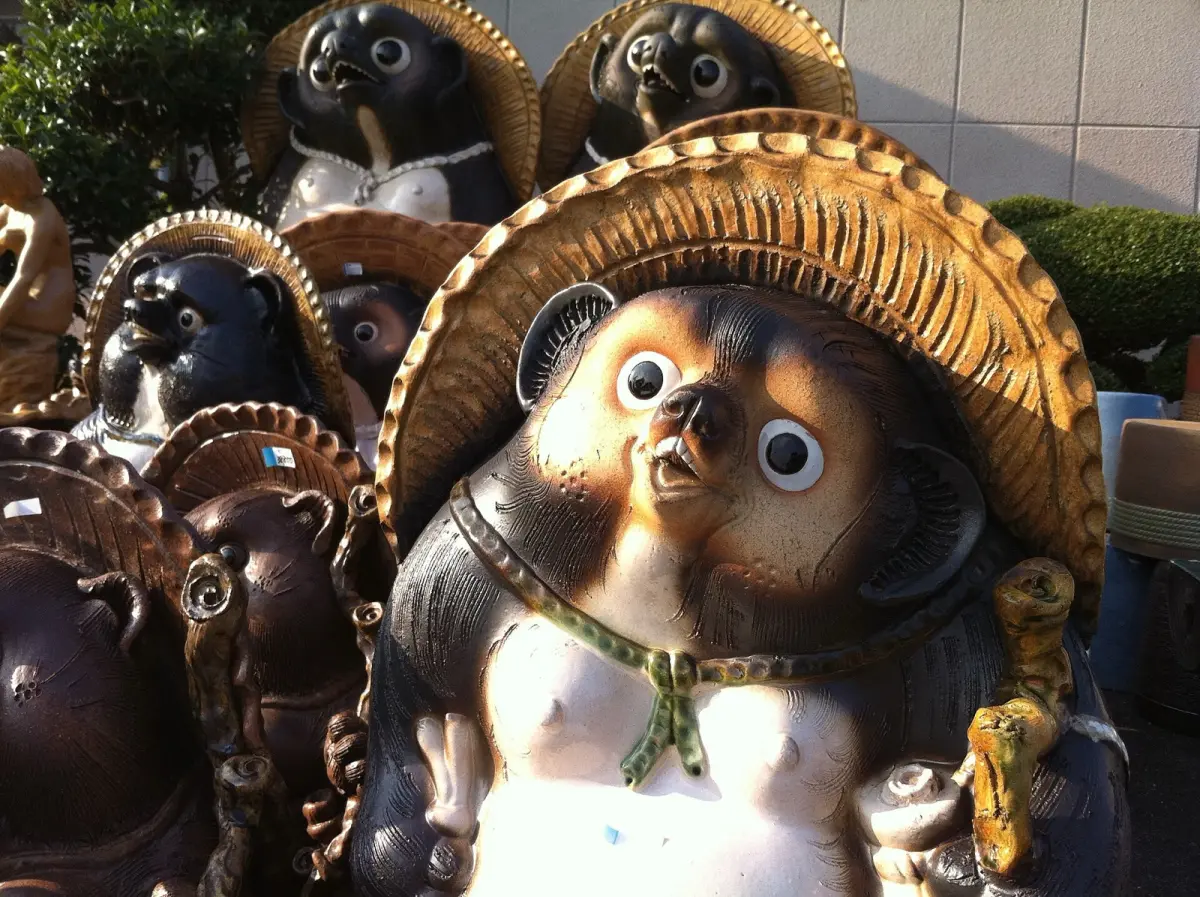 Shigaraki Ware
信楽焼 · Kōka, Shiga
Shigaraki Ware
信楽焼 · Kōka, Shiga
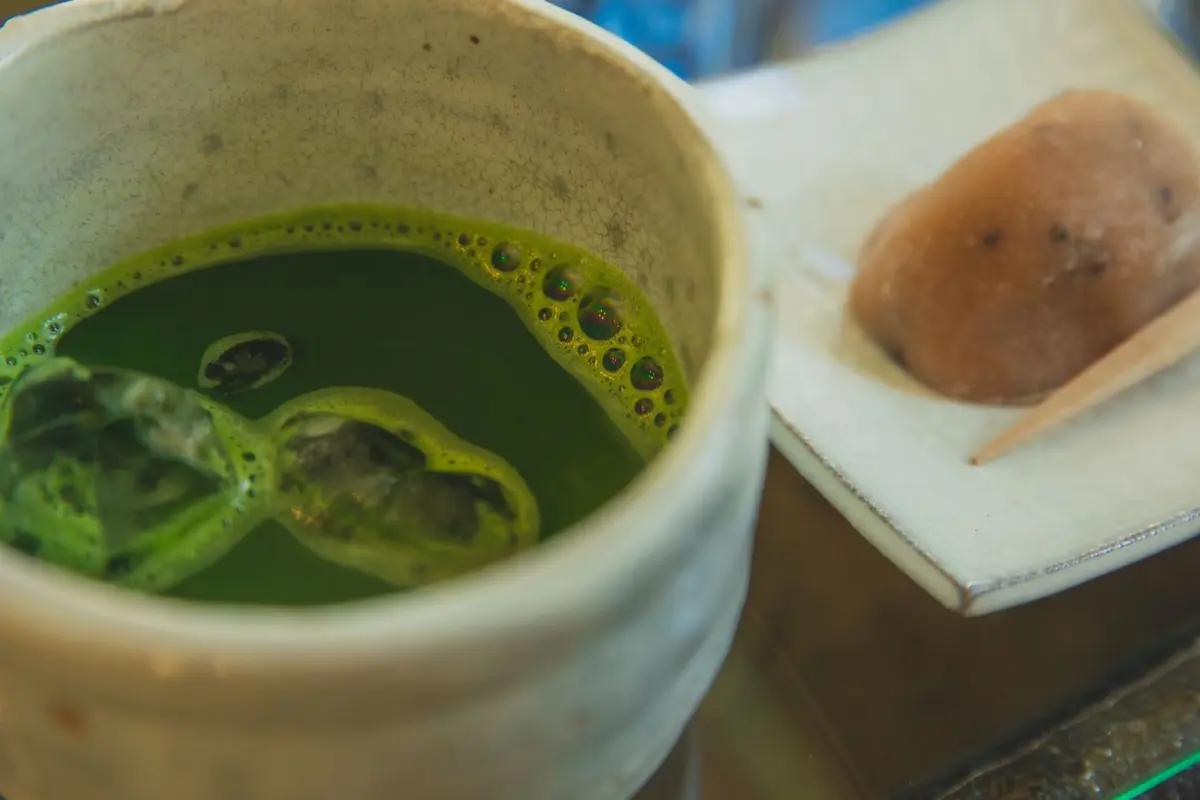 Uji Matcha
宇治茶 · Uji, Kyoto
Uji Matcha
宇治茶 · Uji, Kyoto
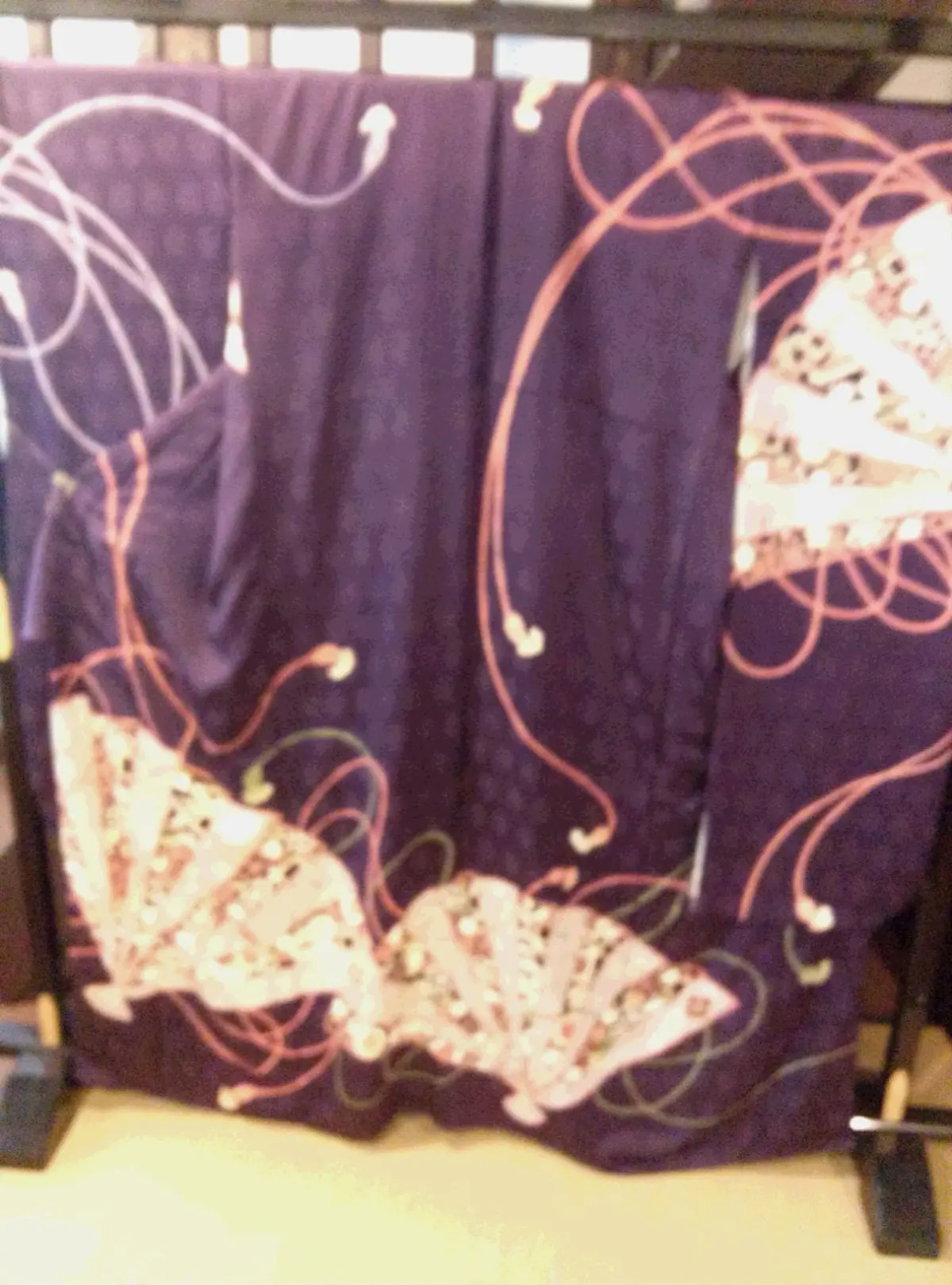 Nishijin Weaving
西陣織 · Nishijin, Kyoto
Nishijin Weaving
西陣織 · Nishijin, Kyoto
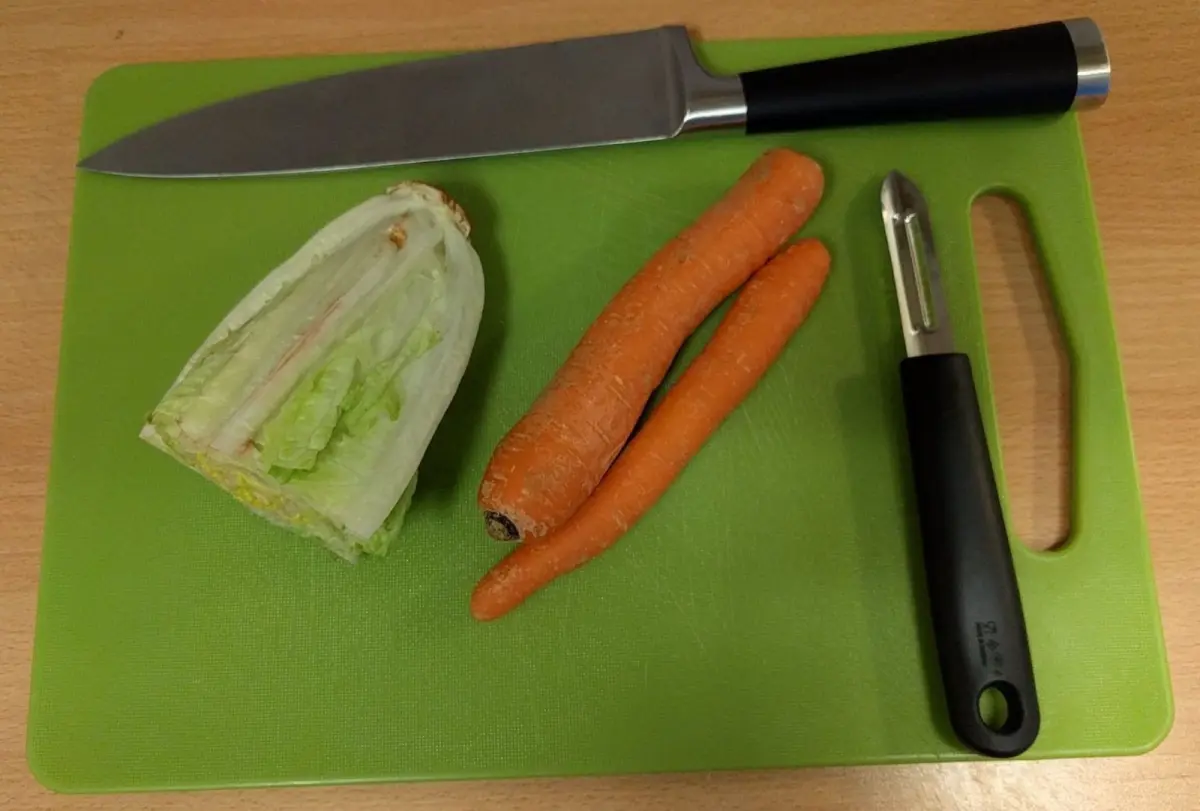 Sakai Blades
堺打刃物 · Sakai, Osaka
Sakai Blades
堺打刃物 · Sakai, Osaka
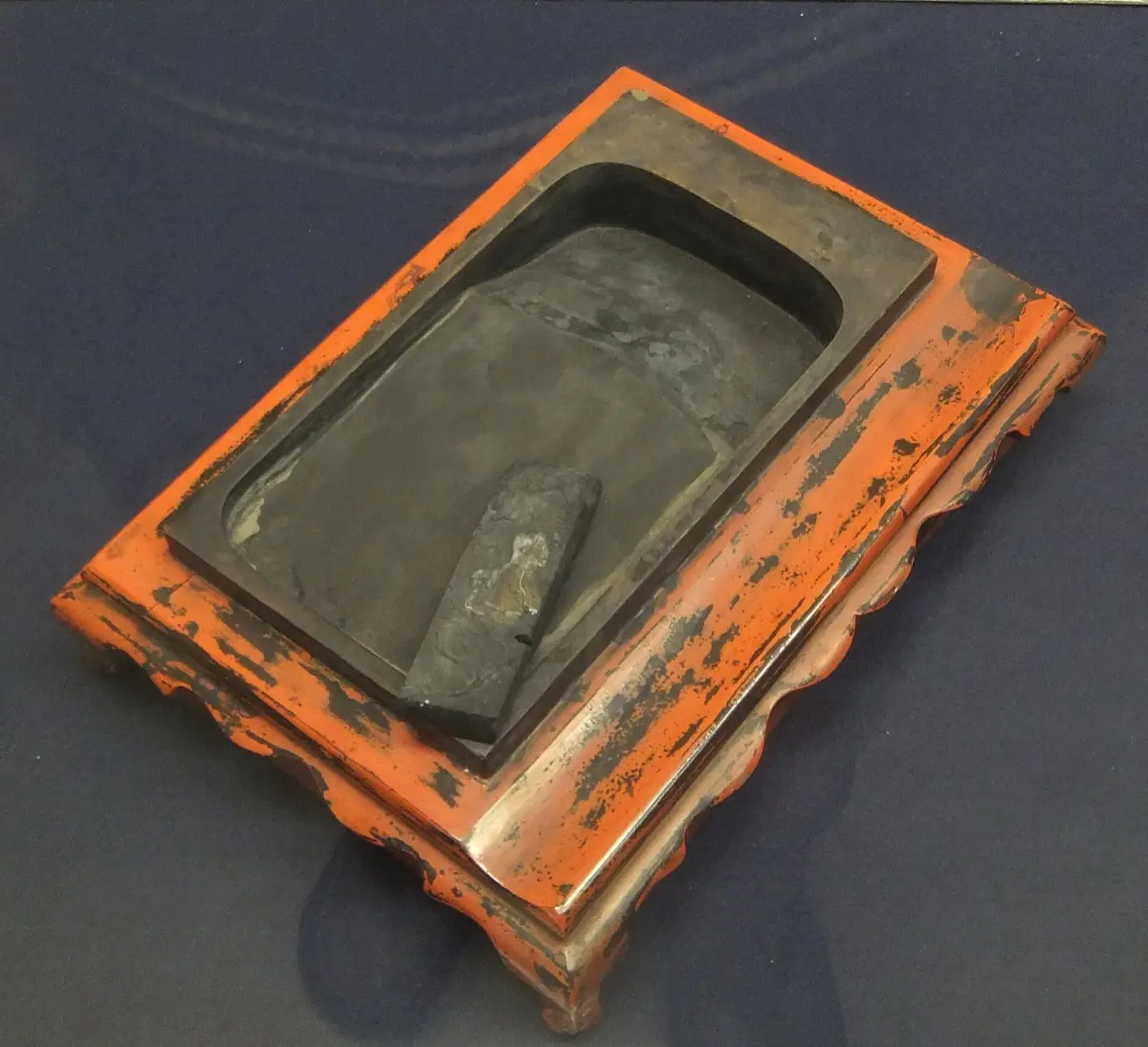 Kishū Lacquer
紀州漆器 · Kainan, Wakayama
Kishū Lacquer
紀州漆器 · Kainan, Wakayama
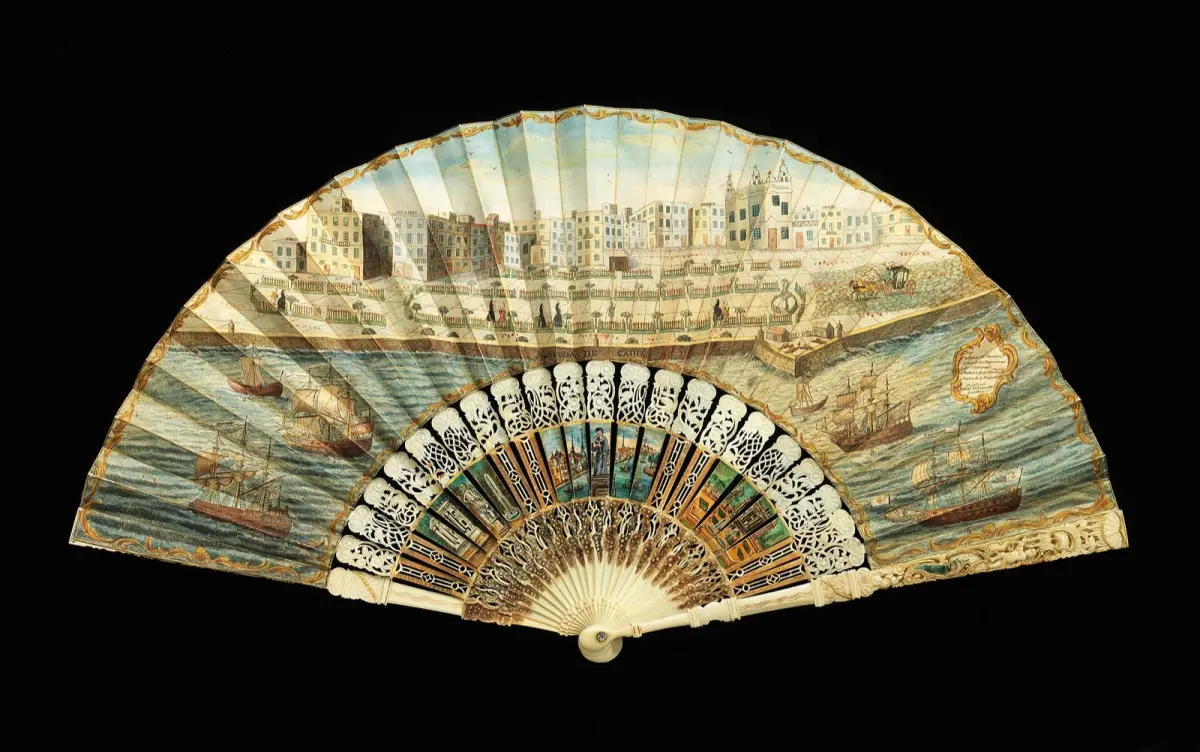 Kyoto Folding Fans
京扇子 · Kyoto
Kyoto Folding Fans
京扇子 · Kyoto
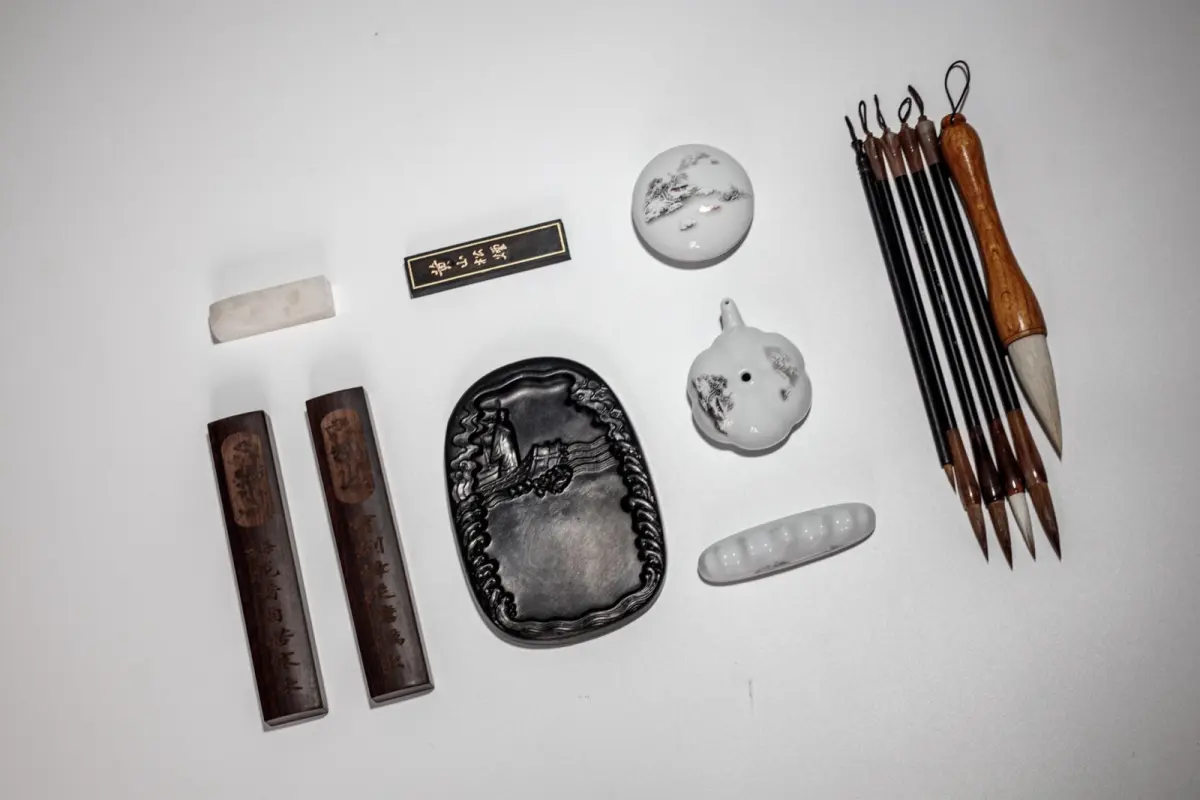 Nara Ink Sticks
奈良墨 · Nara
Nara Ink Sticks
奈良墨 · Nara
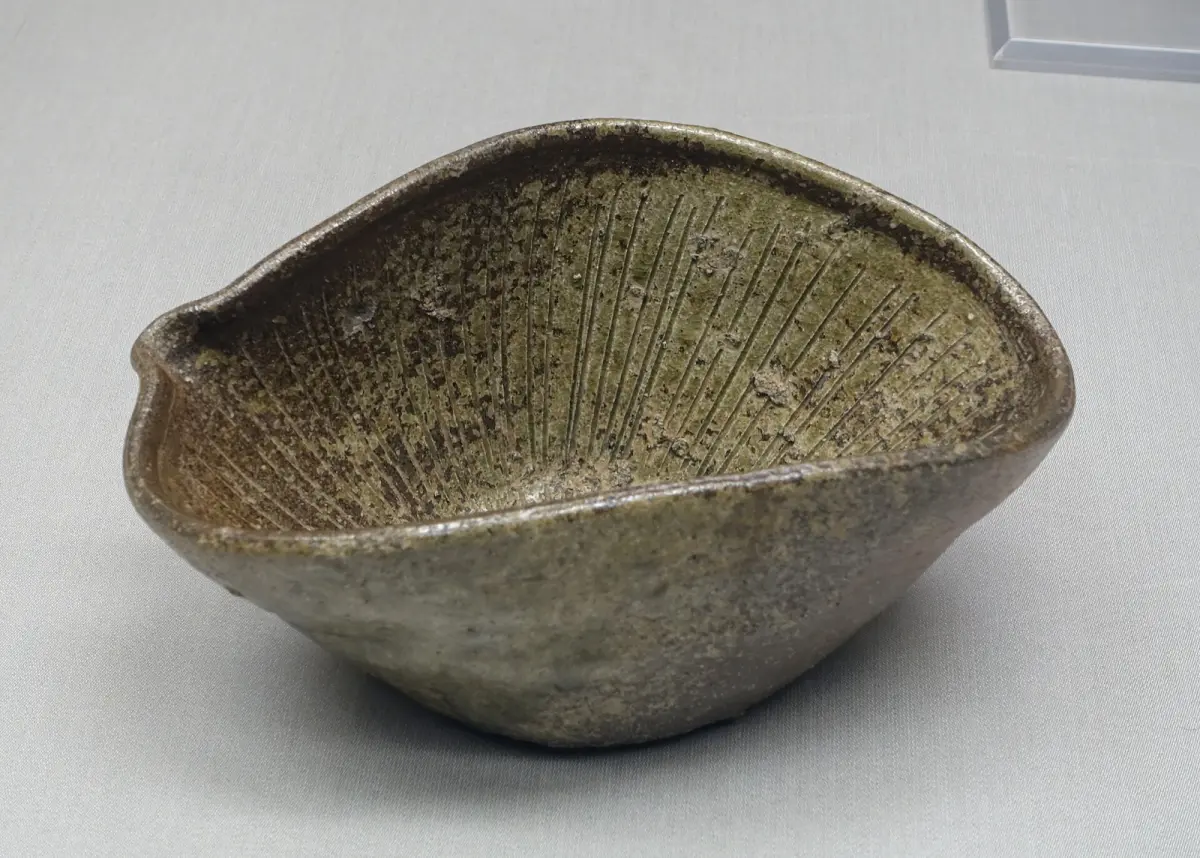 Tamba Ware
丹波焼 · Tamba-Sasayama, Hyogo
Tamba Ware
丹波焼 · Tamba-Sasayama, Hyogo