Yamanaka Lacquer: The Art of Lathe-Turned Wood from Kaga
On this page
Article Body
The hot-spring town of Yamanaka Onsen sits in the mountains of Ishikawa, where steam rises from the river and wooden ladles have been spinning on lathes for over four centuries. What began as simple souvenirs for bathers has become something else entirely: Japan's most exacting turned woodwork, where a craftsman's skill is measured in fractions of a millimetre.
The Woodturners Who Came Down from the Mountains
In the Tensho era (1573–92), a group of woodturners settled at Managa, upstream of what is now Yamanaka Onsen. They held tree-felling licences and knew the forests. At first, they made plain white-wood items—bowls, cups, trays—sold to visitors taking the waters. No lacquer, no decoration. Just the grain of the wood and the rhythm of the lathe.
But the mountain timber was exceptional, and so were the hands that shaped it. Over generations, Yamanaka's turners refined a technique that would set them apart from every other lacquerware centre in Japan.
Tategidori: Turning with the Grain
Most woodturning cuts across the grain. Yamanaka lacquerware does the opposite. The technique is called tategidori (縦木取り)—'vertical wood-taking'—and it means the lathe follows the grain lengthwise, working with the tree's natural structure rather than against it.
The result is a vessel that resists warping, even when turned astonishingly thin. A Yamanaka bowl can be so delicate that light passes through the rim, yet it holds its shape through decades of use. This is not poetry; it is physics married to patience.
Sensuji and the Art of Kashokibiki
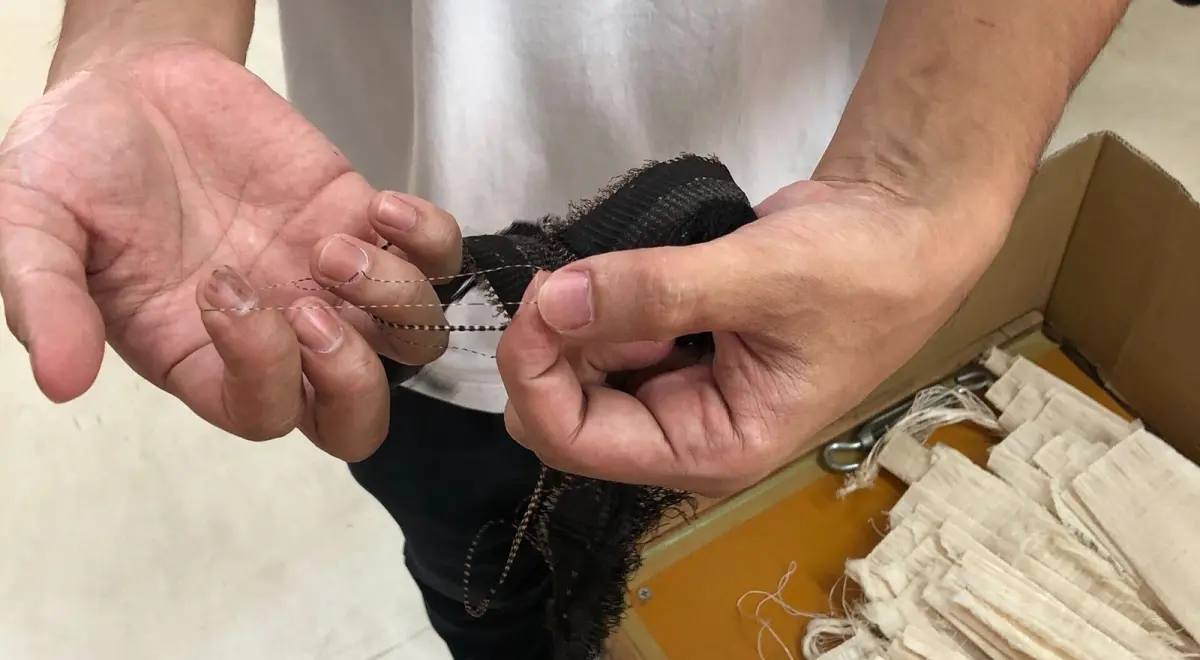
Thinness alone does not make Yamanaka famous. What catches the eye—and the fingertip—are the decorative ridges cut into the surface, a technique called kashokibiki. The most celebrated pattern is sensuji: over a dozen fine parallel lines carved within a span of just three millimetres.
The lathe must spin at a constant speed, the blade must not waver, and the craftsman's breath must steady. A single lapse and the rhythm breaks.
These ridges are not merely ornamental. They catch the light, create texture under the hand, and reveal the turner's mastery. Each pattern—whether the tight lines of sensuji or the broader waves of other styles—is a signature of control.
The Ishikawa Trinity
There is a saying in Ishikawa: 'Yamanaka for woodturning, Wajima for coating, Kanazawa for maki-e.' It is a recognition that lacquerware is not one craft but several, and that each city in the prefecture has claimed its peak.
Wajima is known for its dozens of lacquer layers, Kanazawa for its gold-dusted artistry. But Yamanaka—Yamanaka owns the lathe. The wood base, the foundation upon which all else rests, reaches its highest expression here. Even pieces finished elsewhere often begin on a Yamanaka turner's wheel.
White Wood to Lacquered Heirloom
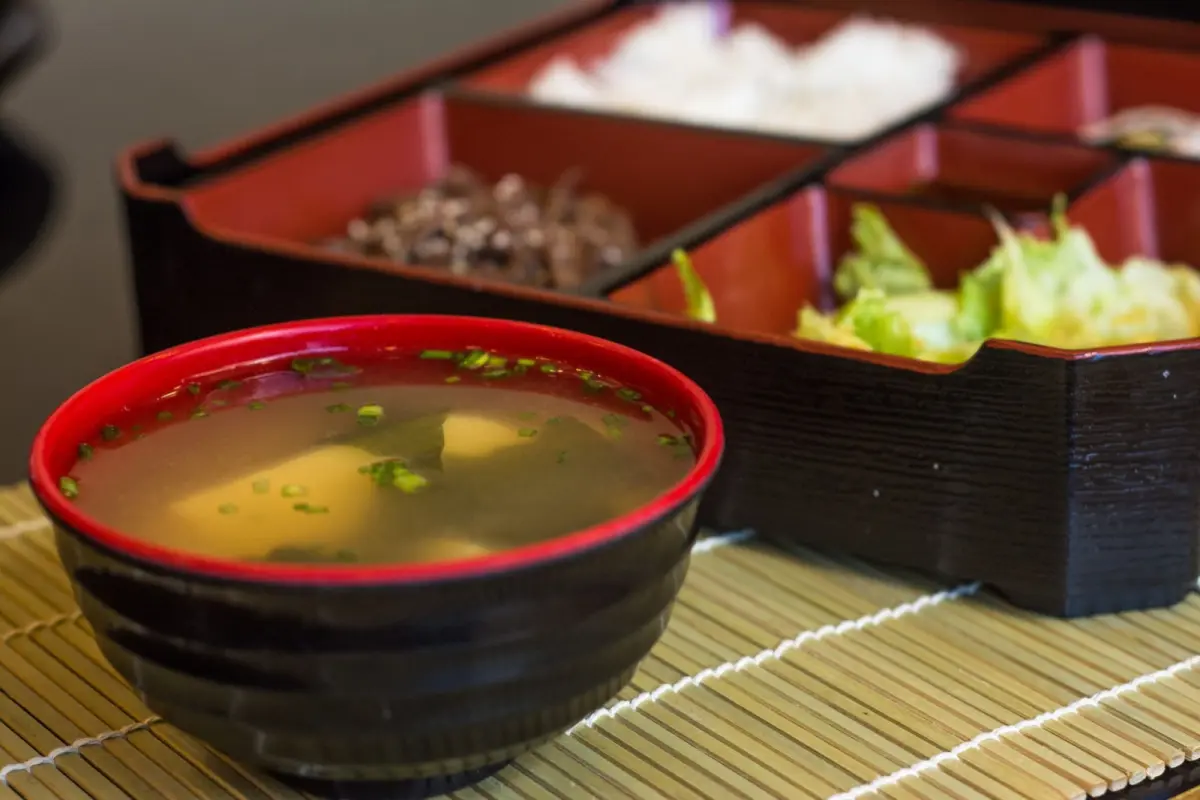
Today, Yamanaka still produces both plain wood items and fully lacquered pieces. Some bowls are left in their natural state, the grain speaking for itself. Others receive coats of urushi (lacquer), transforming the pale wood into deep blacks, vermilions, or subtle ambers.
But beneath every glossy surface, the truth remains: it is the turning that matters. The lacquer may dazzle, but it is the invisible precision—the thinness, the evenness, the ridges cut to a hair's breadth—that makes a piece unmistakably Yamanaka.
In a hot-spring town where visitors once bought simple wooden cups, craftsmen still sit at their lathes, blades singing against spinning wood, measuring excellence in millimetres.
FAQ
Chaware curates authentic Japanese crafts — straight from the makers in Japan to your table.
Explore the Chaware collection →
Keep exploring