Aomori, Go Deeper
Aomori, at the northern tip of Honshu, is where Japan's deep past and vivid present collide. Ancient Jomon villages, volcanic calderas believed to touch the afterlife, and forests ablaze with autumn colour share the stage with giant glowing festival floats and contemporary art. This is Tohoku at its most dramatic: raw nature, old spirits, and a defiant creative energy that refuses to be overlooked.
- Tap Open in Google Maps on any place for live directions, transit, hours & reviews.
- Get an ICOCA / Suica IC card — tap on/off trains, subways & buses, no ticket needed.
- Carry some cash (¥) — many small shops, shrines & old streets are cash-only.
- Go early: the famous spots are calm and beautiful before ~9am.
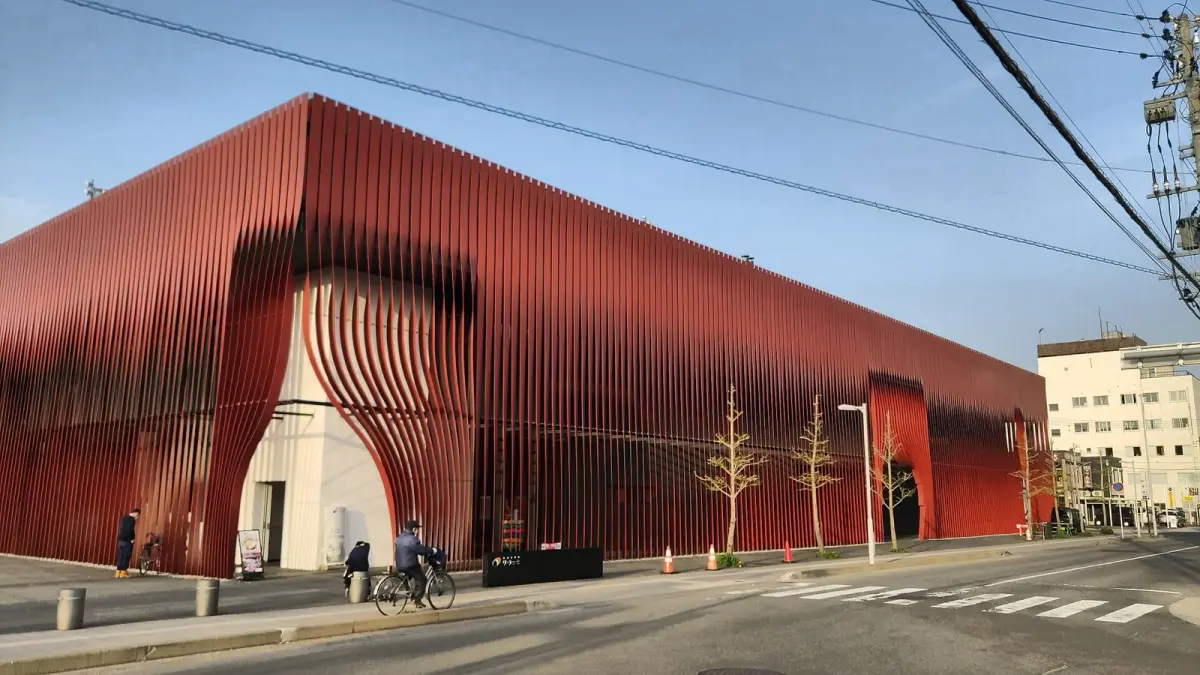
Nebuta Museum Wa-Rasse
The Nebuta Museum Wa-Rasse keeps the spirit of one of Tohoku's three great summer festivals burning year-round. Inside, towering paper floats glow with fierce warriors and mythical figures, their painted faces and intricate frameworks filling the hall with the wild energy of August's street parades.
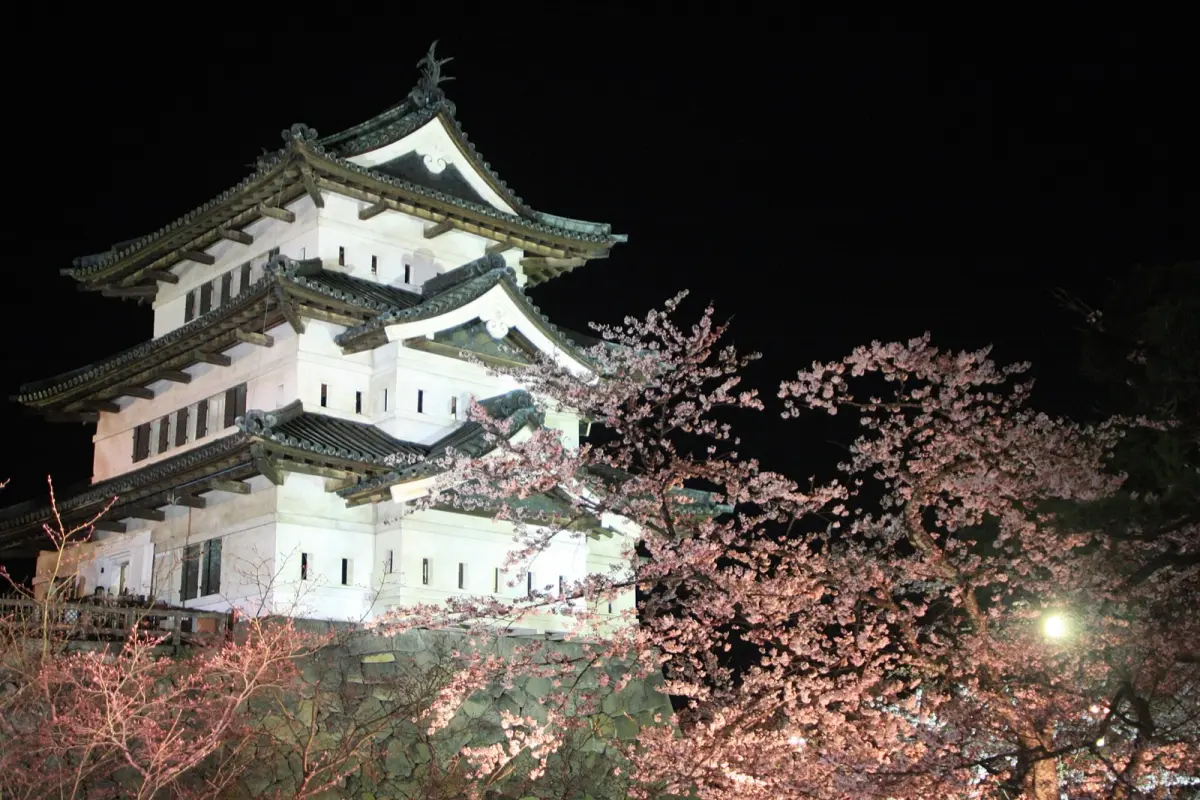
Hirosaki Castle & Park
Hirosaki Castle's small original keep presides over a vast moated park that becomes Japan's most celebrated cherry-blossom scene each spring. When the petals fall, they carpet the moat in drifts of pink, drawing photographers and dreamers from across the country.
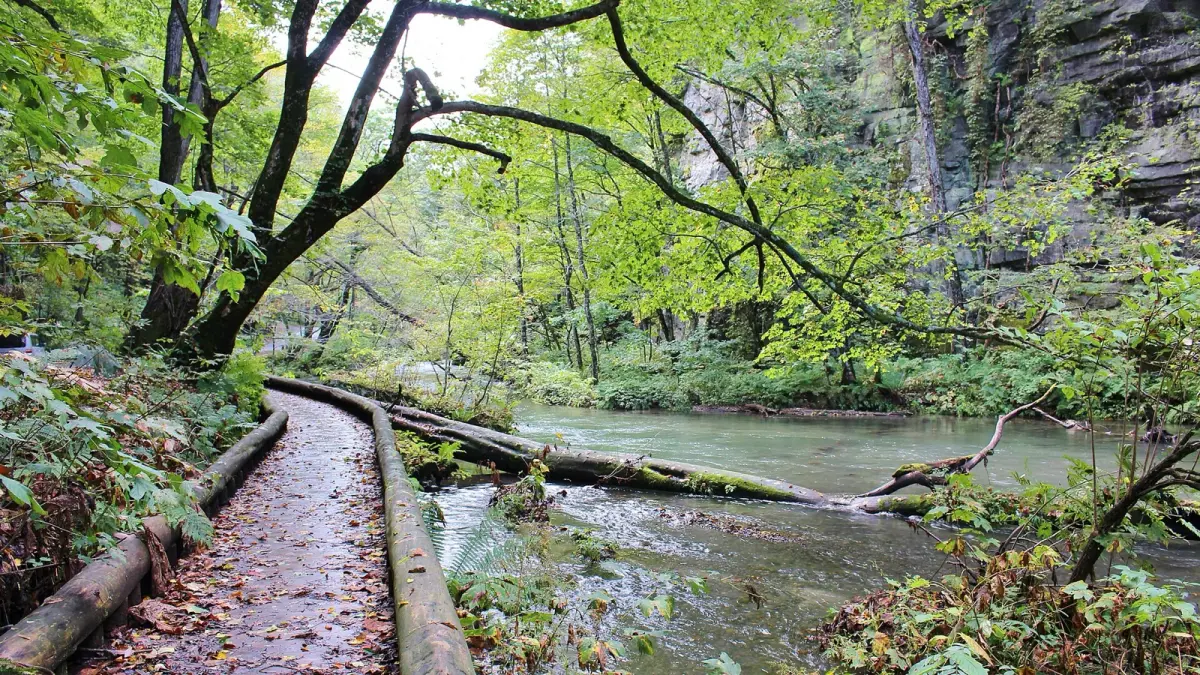
Oirase Gorge
The Oirase Gorge is a mountain stream that tumbles about fourteen kilometres from Lake Towada in a continuous rush of waterfalls, mossy boulders, and white rapids. In October, the forest canopy ignites in reds and golds, turning the gorge into one of Japan's most famous autumn spectacles.
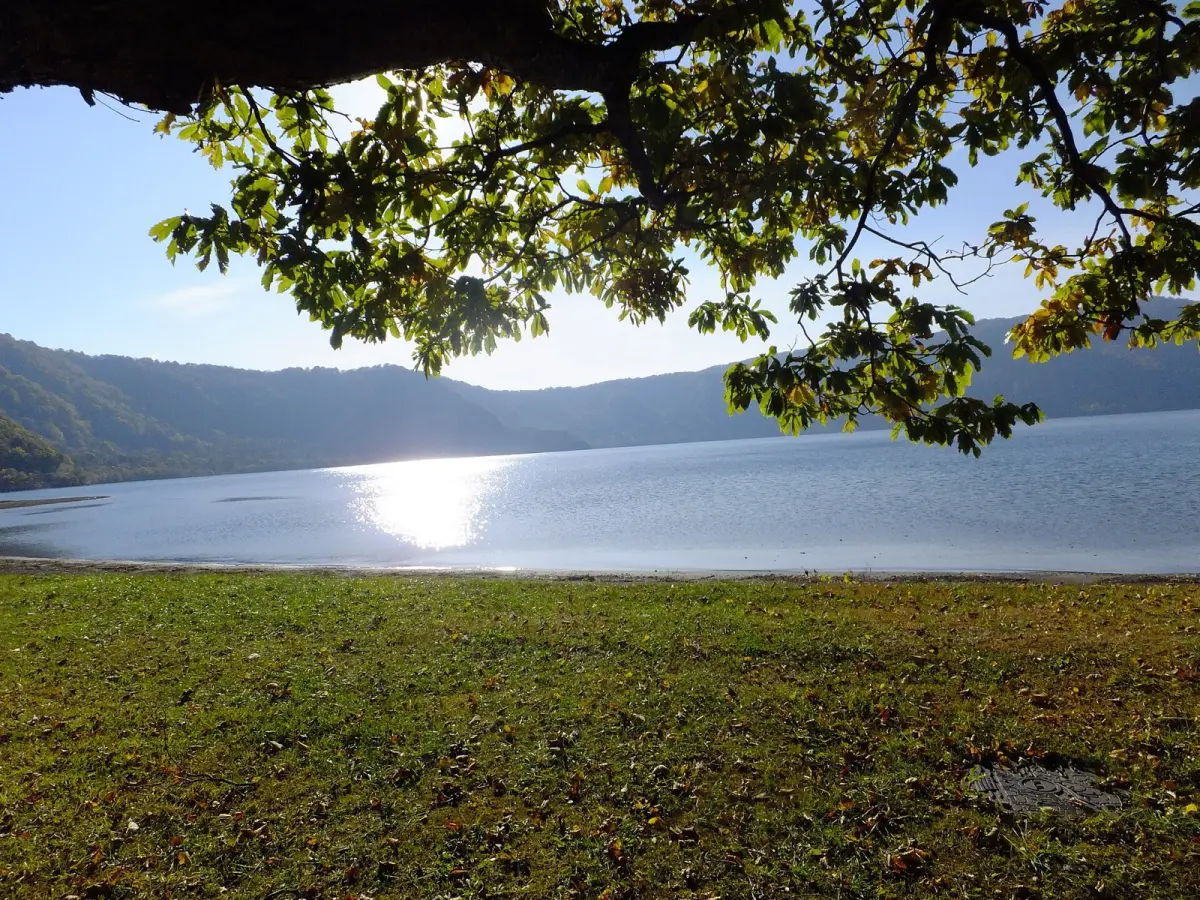
Lake Towada
Lake Towada is a deep-blue crater lake cradled in the mountains, where the Oirase stream begins its descent. The water is still and cold, reflecting the surrounding peaks and forest in a silence that feels almost sacred.
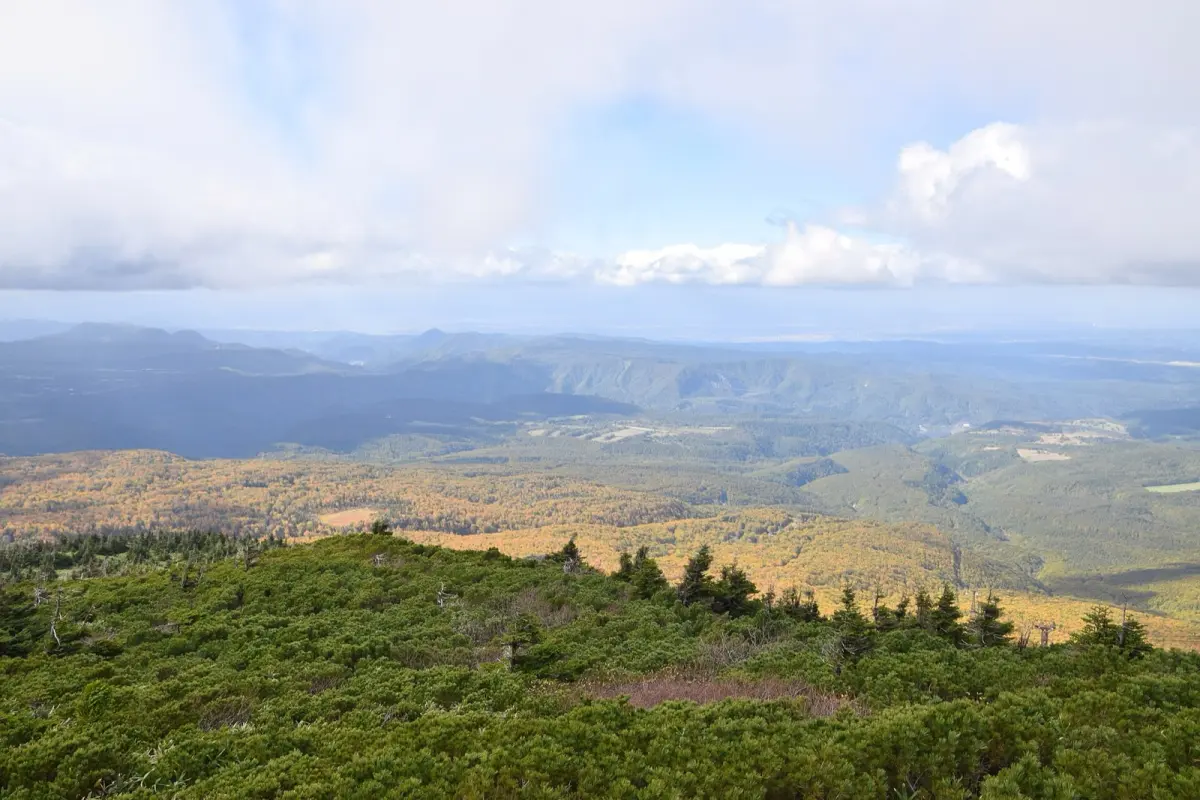
Hakkoda Mountains
The Hakkoda Mountains are a chain of volcanic peaks and marshes reached by ropeway, famous for their autumn blaze and for winter's 'snow monsters'—trees encased in thick frost. The landscape shifts from fiery colour to otherworldly white as the seasons turn.
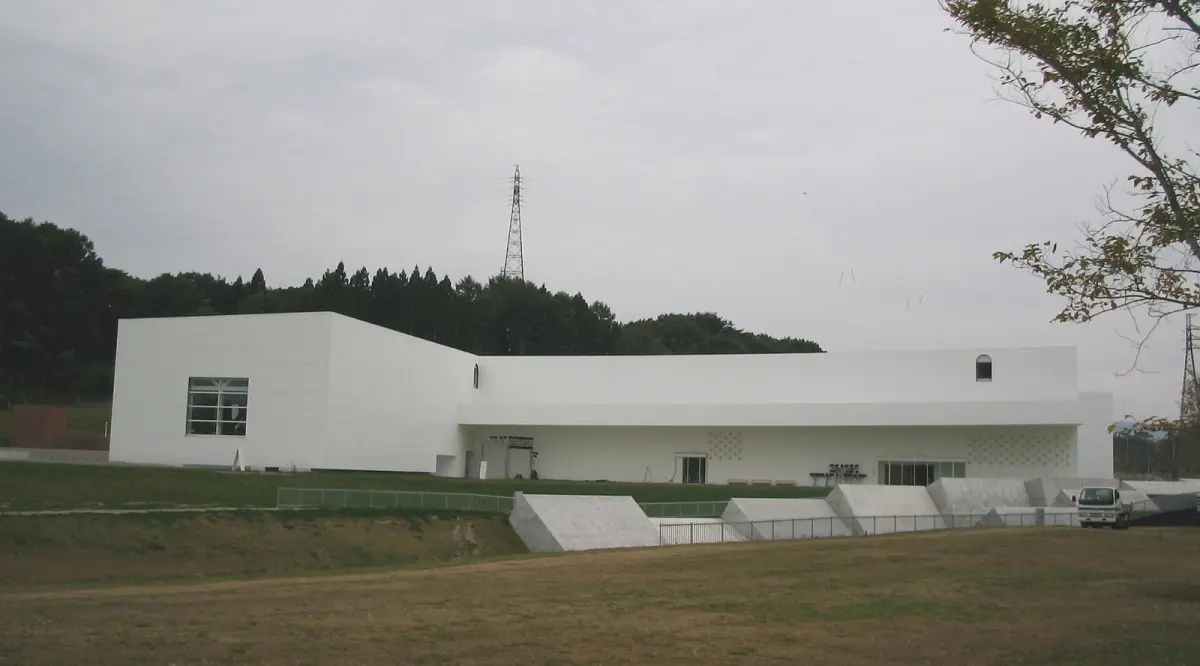
Aomori Museum of Art
The Aomori Museum of Art, built beside the Jomon archaeological dig, houses Yoshitomo Nara's giant 'Aomori-ken' dog and Marc Chagall's enormous stage backdrops. The architecture itself—stark white trenches and galleries—feels like an excavation, echoing the ancient site next door.
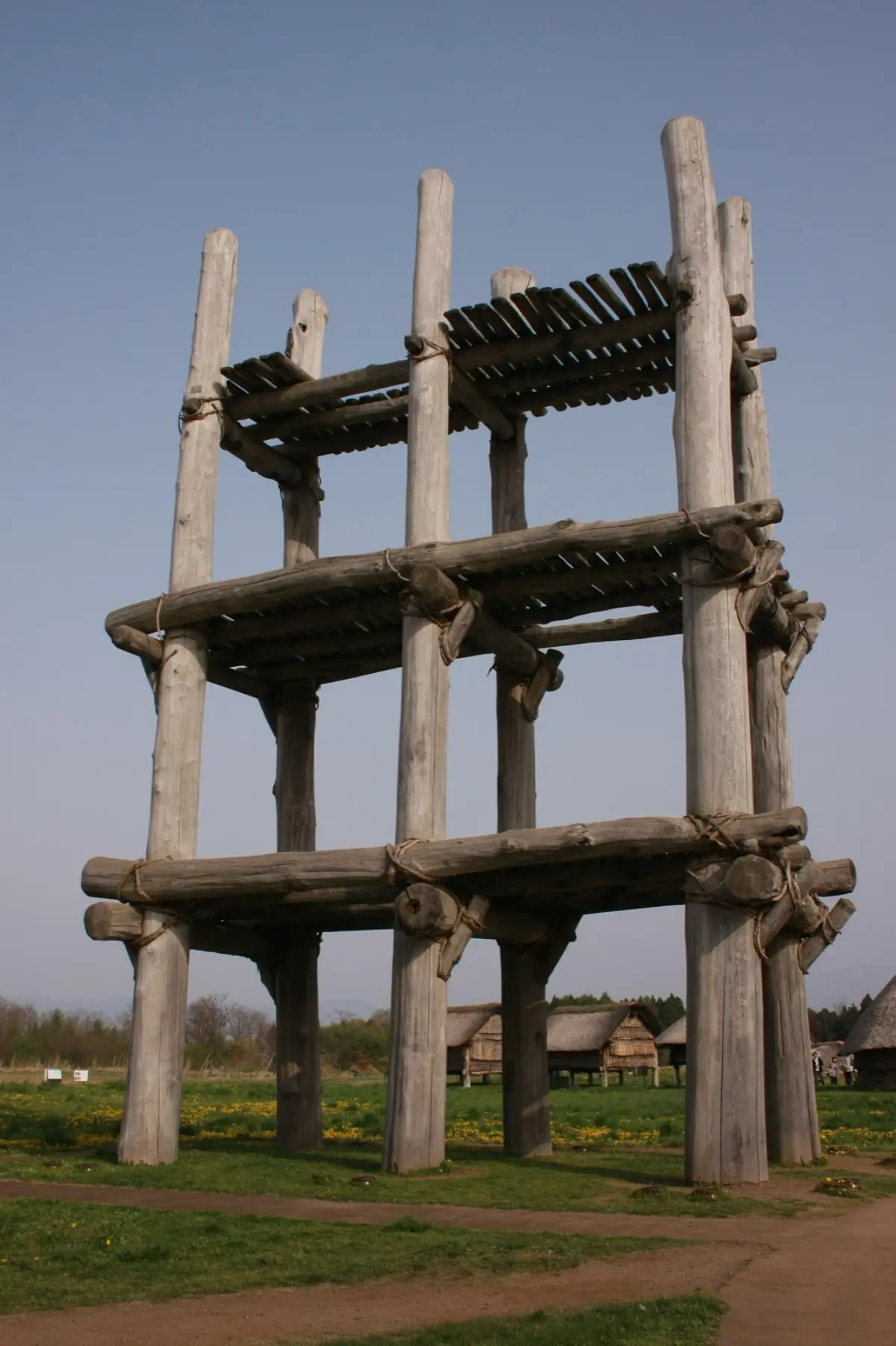
Sannai-Maruyama Site
The Sannai-Maruyama Site is a reconstructed Jomon village inhabited some 5,900 years ago, now a UNESCO World Heritage site. Great timber pillars rise from the earth, and longhouses and pit-dwellings show how people lived here long before rice, writing, or emperors.
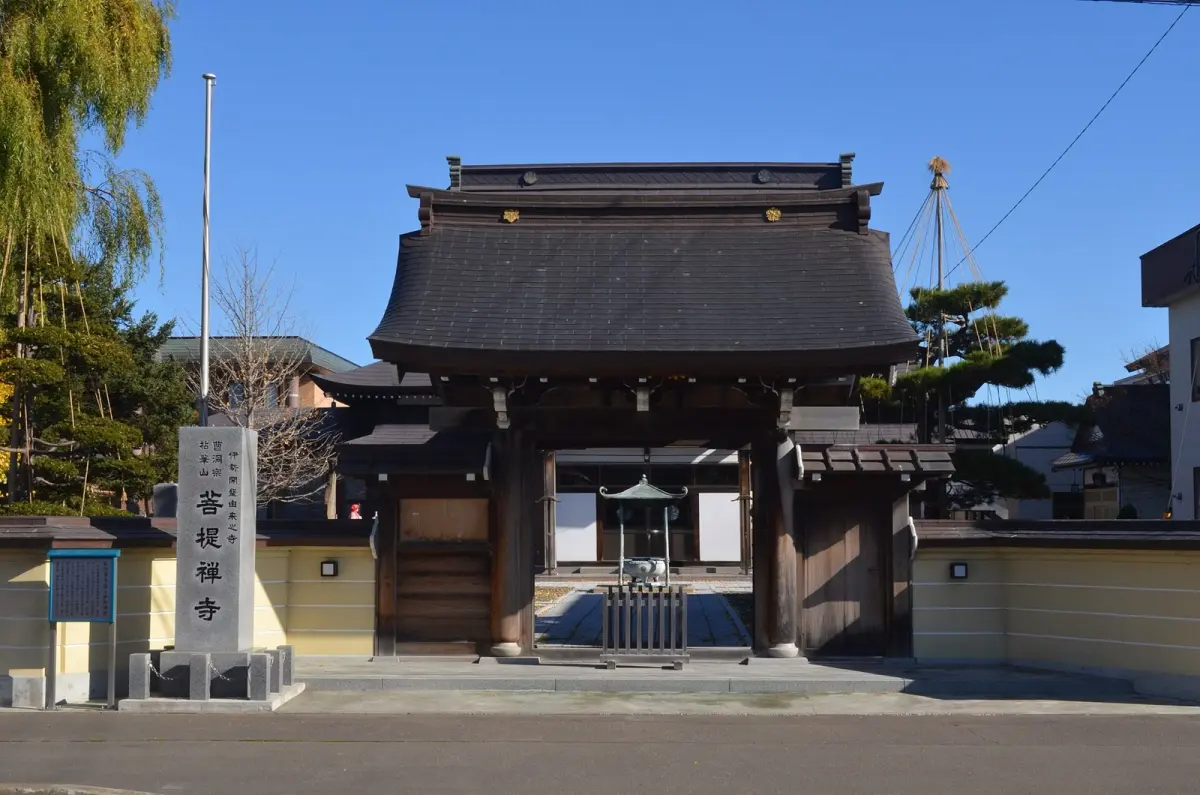
Mount Osore (Osorezan)
Mount Osore is a bleak, sulphur-steaming caldera long believed to be an entrance to the afterlife. Pilgrims come to walk its grey shores and volcanic rock, and blind 'itako' mediums are said to channel the voices of the dead in rituals that blur the boundary between this world and the next.
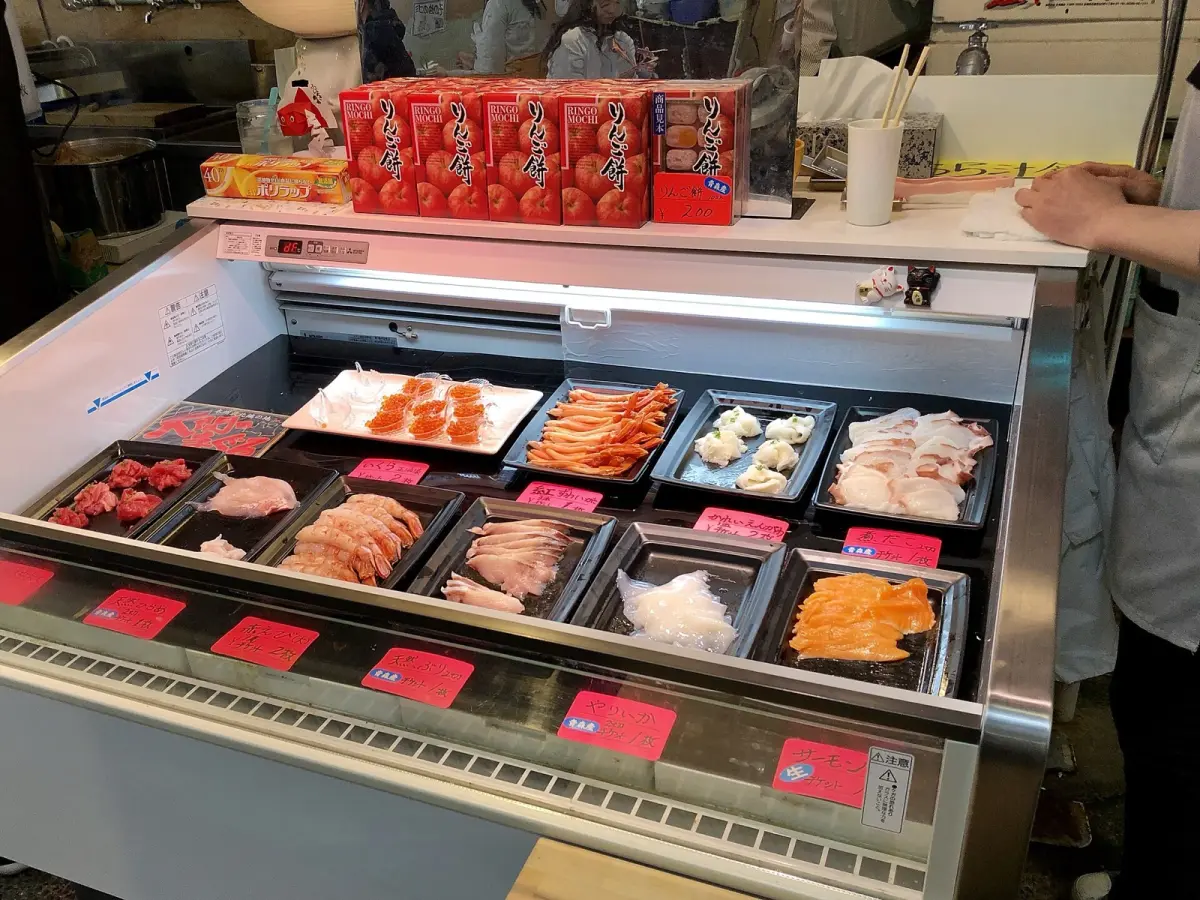
Nokkedon Seafood Bowl
Nokkedon at Furukawa market is a build-your-own seafood rice bowl, piled high with Aomori's scallops, uni, tuna, and salmon roe. You buy meal tickets, then wander the stalls choosing your toppings, assembling a glistening tower of the morning's catch over warm rice.
Crafts of this region
Authentic pieces made near here — learn the story, then bring one home.
 Tsugaru Bidoro
津軽びいどろ · Aomori
Tsugaru Bidoro
津軽びいどろ · Aomori
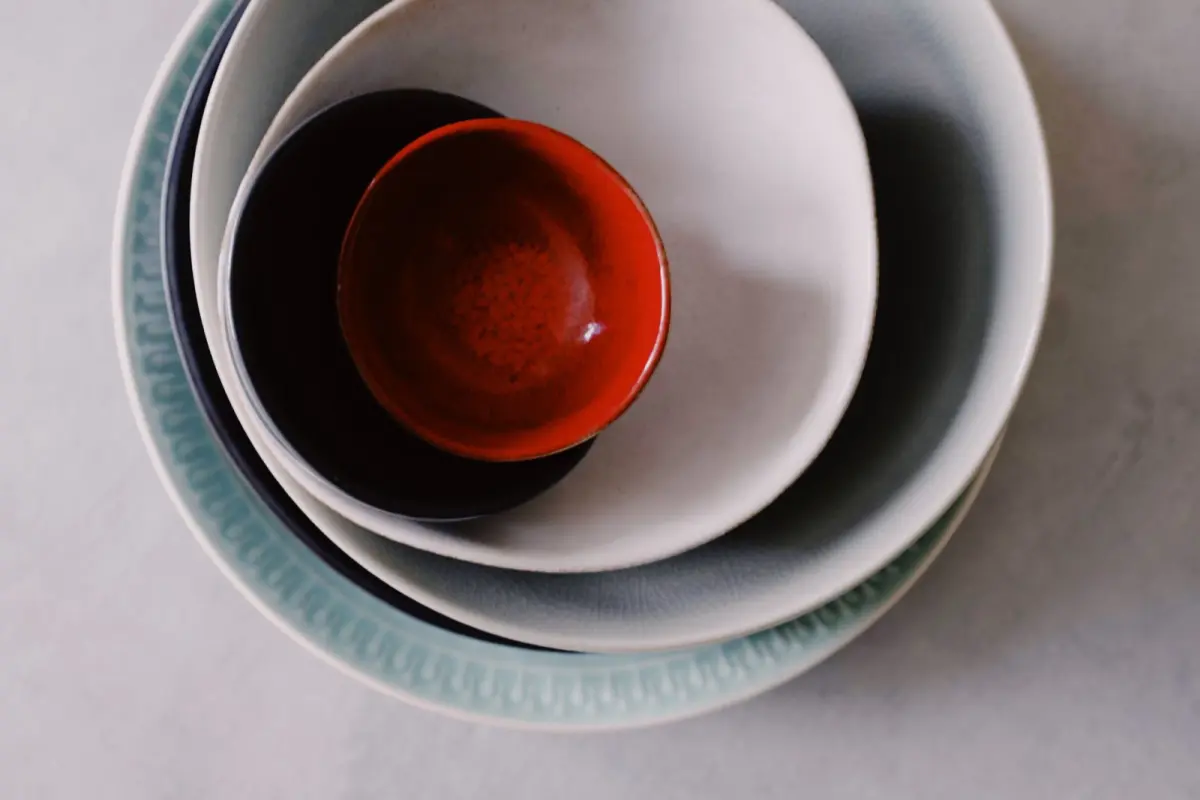 Aizu Lacquer
会津塗 · Aizuwakamatsu, Fukushima
Aizu Lacquer
会津塗 · Aizuwakamatsu, Fukushima
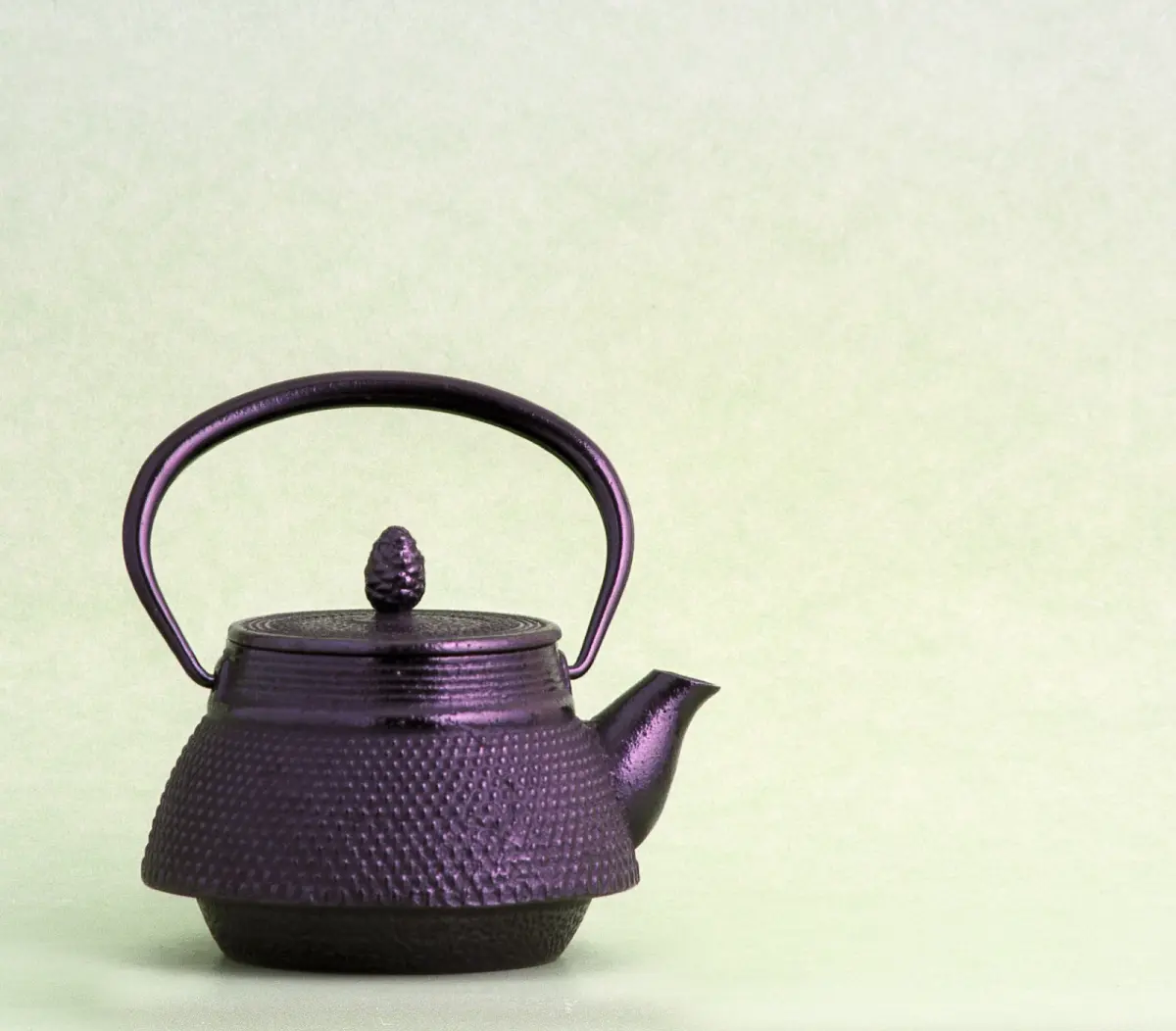 Nambu Ironware
南部鉄器 · Morioka, Iwate
Nambu Ironware
南部鉄器 · Morioka, Iwate
 Odate Magewappa
大館曲げわっぱ · Ōdate, Akita
Odate Magewappa
大館曲げわっぱ · Ōdate, Akita
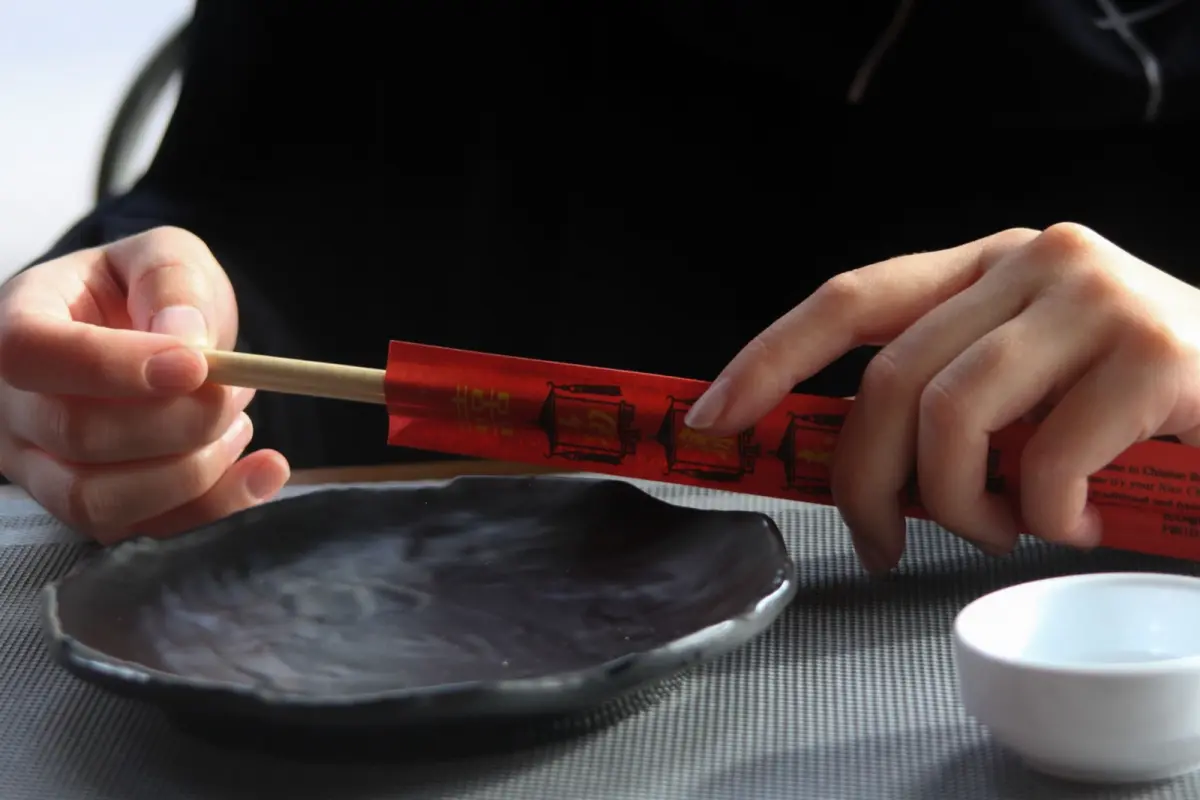 Tsugaru Nuri
津軽塗 · Hirosaki, Aomori
Tsugaru Nuri
津軽塗 · Hirosaki, Aomori
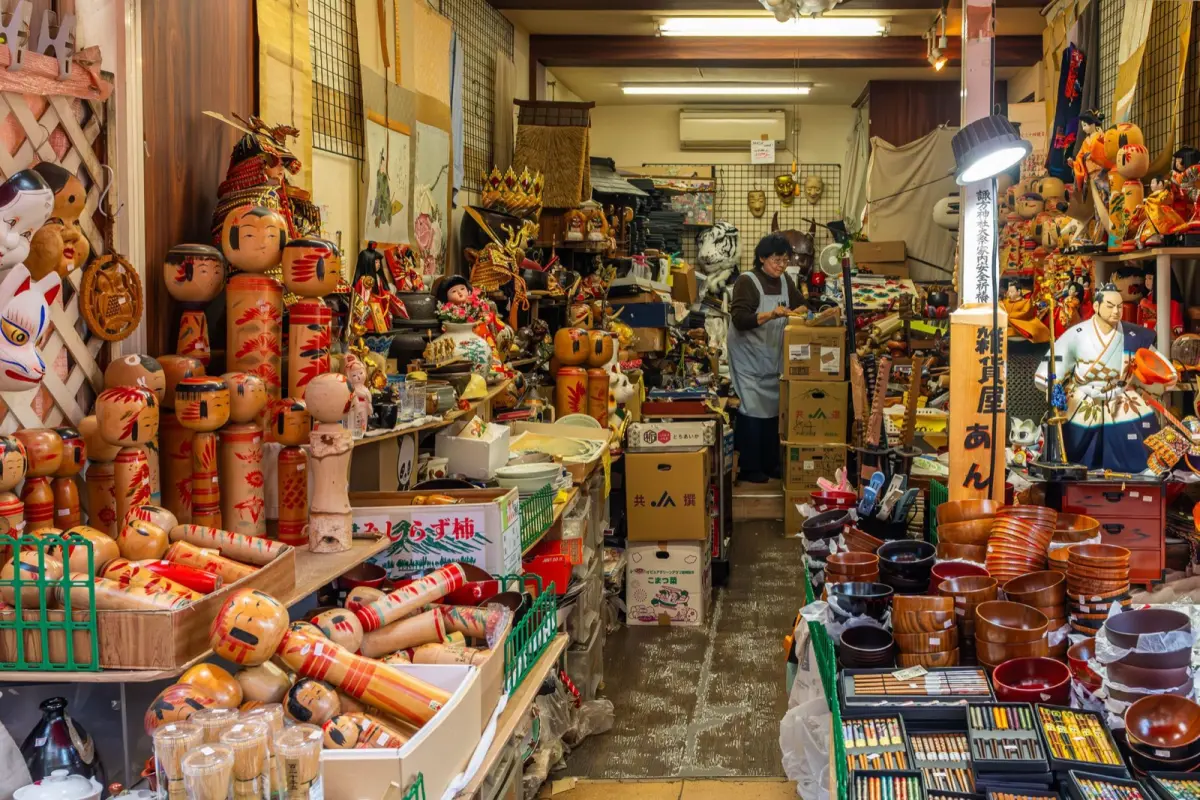 Naruko Kokeshi
鳴子こけし · Ōsaki, Miyagi
Naruko Kokeshi
鳴子こけし · Ōsaki, Miyagi
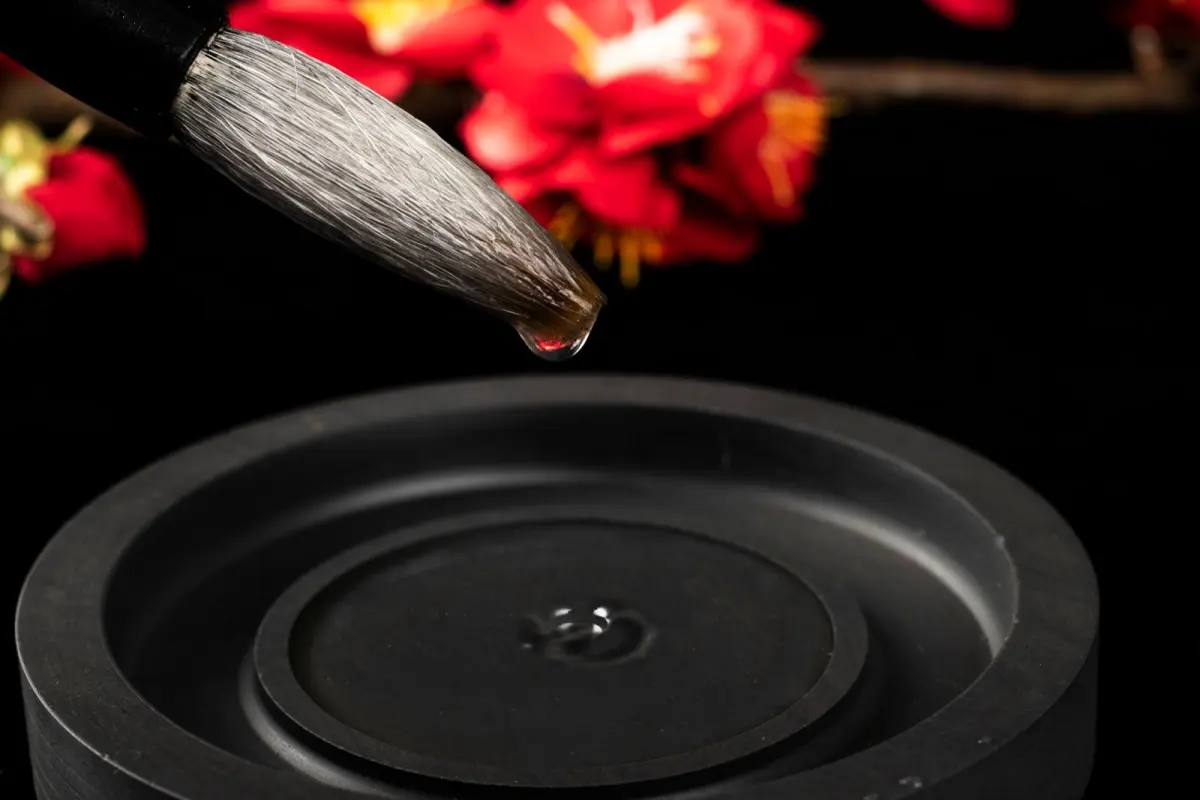 Ogatsu Inkstones
雄勝硯 · Ishinomaki, Miyagi
Ogatsu Inkstones
雄勝硯 · Ishinomaki, Miyagi
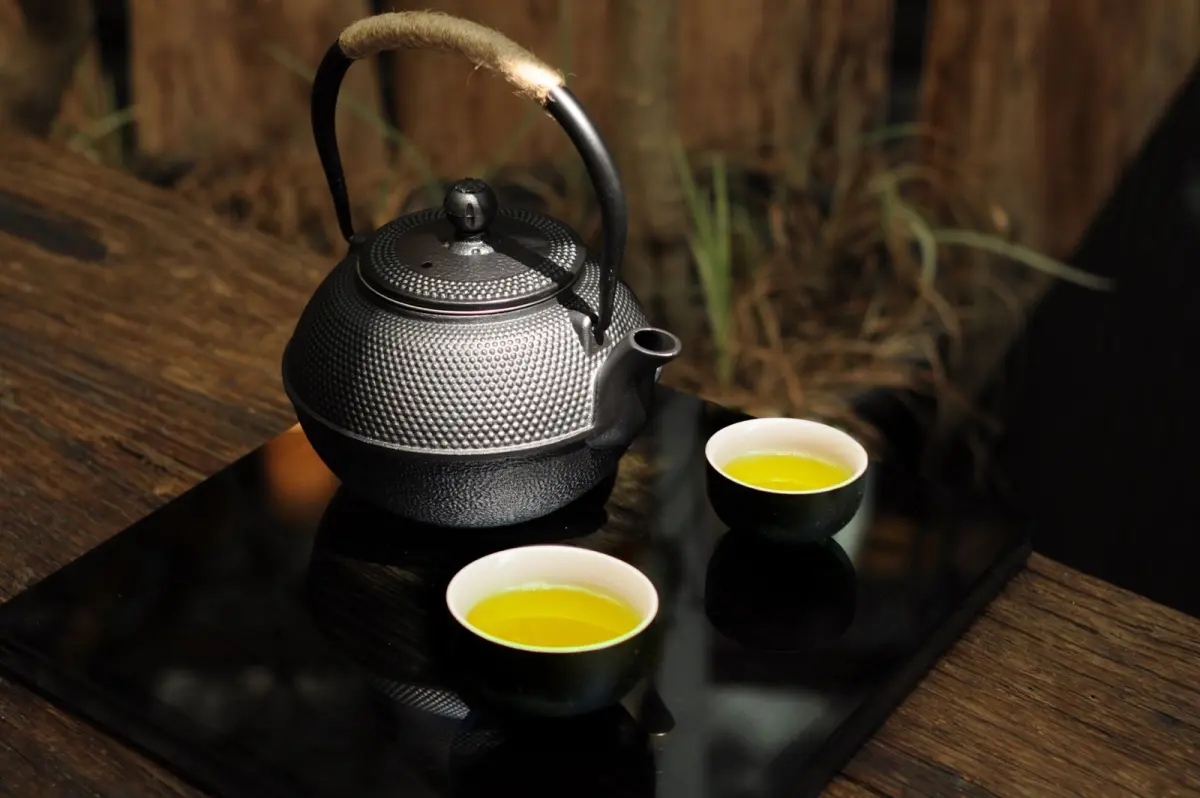 Yamagata Ironware
山形鋳物 · Yamagata
Yamagata Ironware
山形鋳物 · Yamagata