Matsumoto & the Alps, Go Deeper
Matsumoto sits in a basin where the Northern Alps rise abruptly from the valley floor, a castle town that has kept its black tower and its mountain soul intact. The air is clear, the rivers run cold from snowmelt, and the old post roads still thread through the surrounding highlands. This is a place to linger: for the castle and the art, yes, but also for the wasabi farms, the alpine valleys, and the soba that tastes of high altitude and short summers.
- Tap Open in Google Maps on any place for live directions, transit, hours & reviews.
- Get an ICOCA / Suica IC card — tap on/off trains, subways & buses, no ticket needed.
- Carry some cash (¥) — many small shops, shrines & old streets are cash-only.
- Go early: the famous spots are calm and beautiful before ~9am.
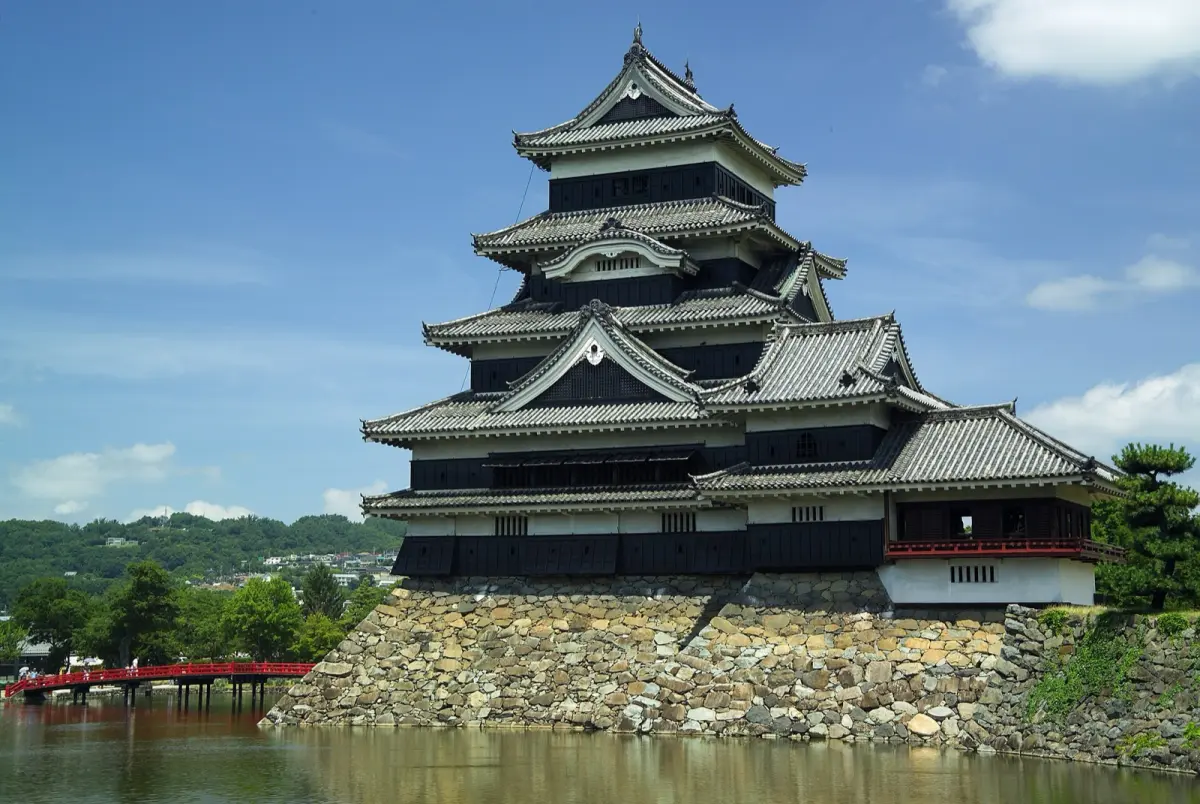
Matsumoto Castle
Matsumoto Castle is one of only five original wooden keeps left in Japan and a National Treasure, its black-and-white tower perfectly mirrored in the moat. On clear days the Northern Alps rise behind it, and the contrast—dark timber against snow peaks—is the image that defines this city.
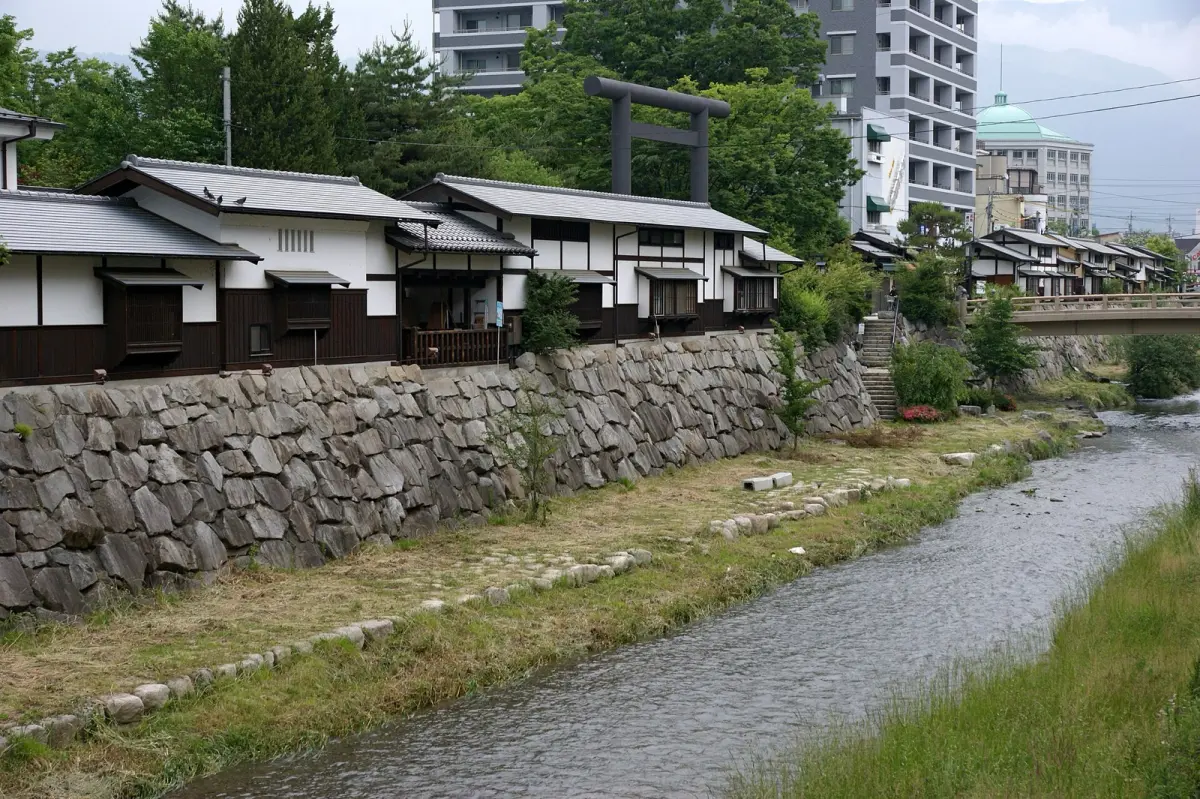
Nawate Street
Nawate-dori is a narrow pedestrian lane that runs along the Metoba River, lined with small shops and watched over by frog statues at every turn. The name means a rope-like embankment, and the street still feels like a village path tucked inside the city.
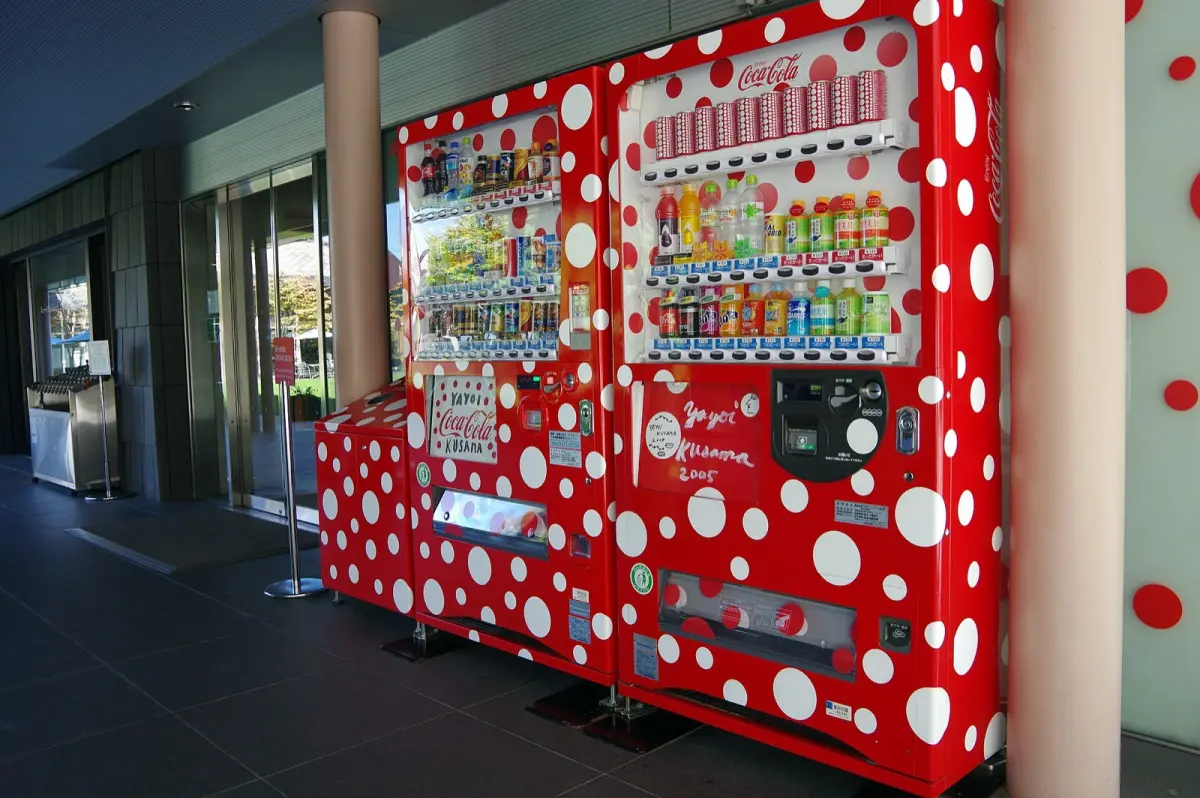
Matsumoto City Museum of Art (Kusama)
The Matsumoto City Museum of Art is home to the work of Yayoi Kusama, who was born here. A bright polka-dotted tulip sculpture greets you at the entrance, and inside the galleries are dense with her dots, pumpkins, and obsessive, joyful patterns.
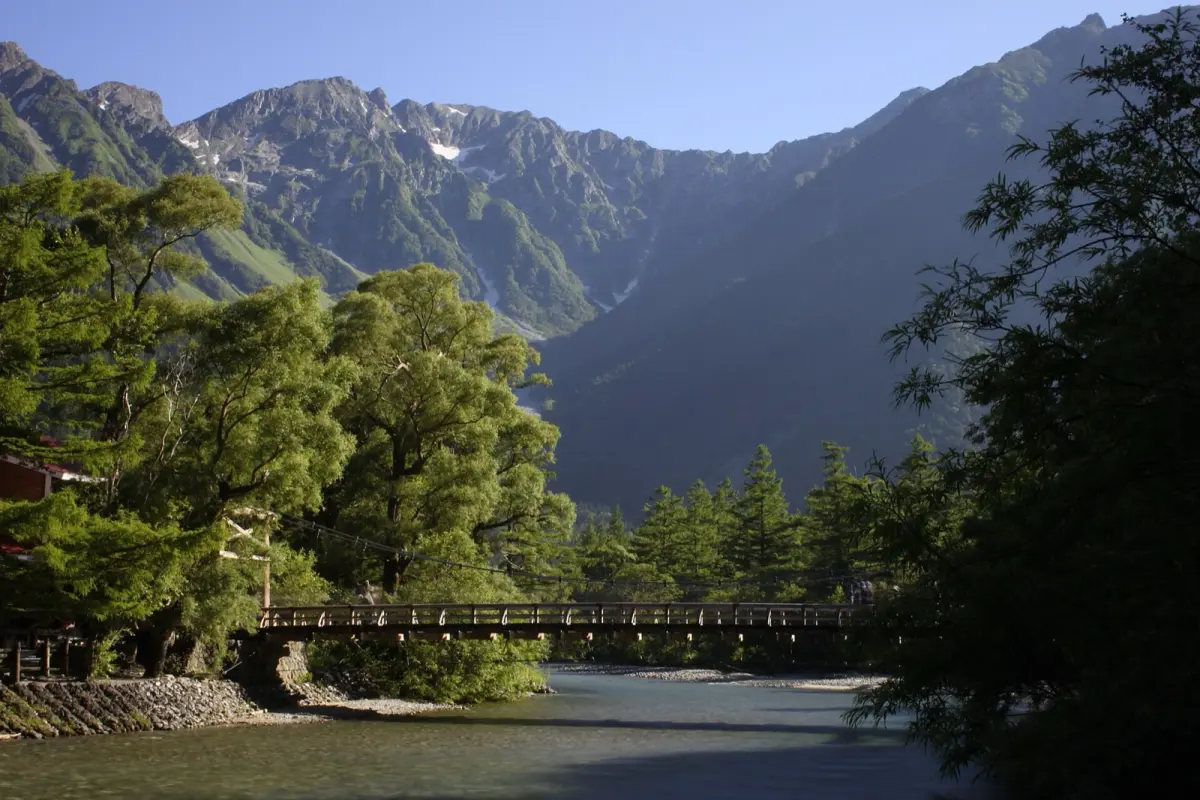
Kamikochi
Kamikochi is a pristine highland valley at around 1,500 metres, where the Azusa River runs clear and turquoise beneath peaks that rise above 3,000 metres. Cross the iconic Kappa Bridge and you are standing in one of the most protected and beautiful stretches of the Northern Alps.
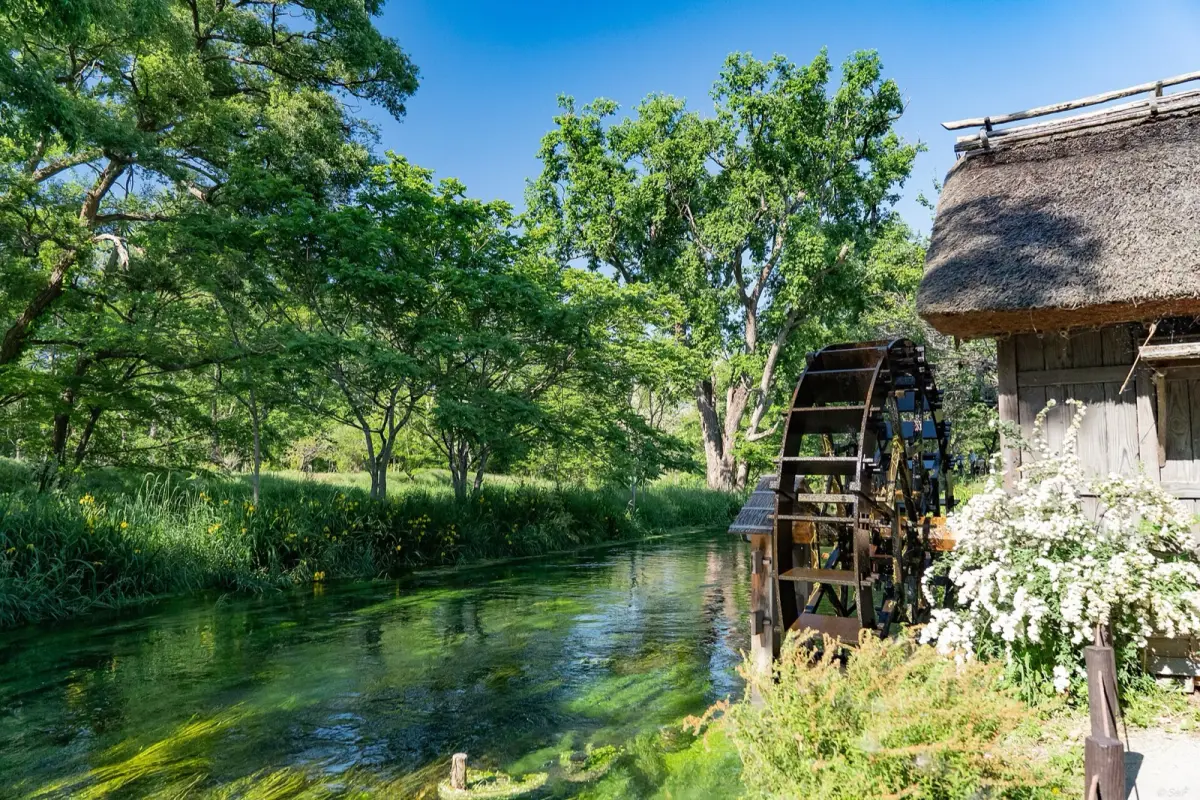
Daio Wasabi Farm (Azumino)
Daio Wasabi Farm in Azumino is Japan's largest wasabi farm, a landscape of clear alpine channels running between beds of bright green wasabi plants. Old watermills turn slowly in the current, and you can try wasabi soft-serve that is surprisingly sweet and only faintly sharp.
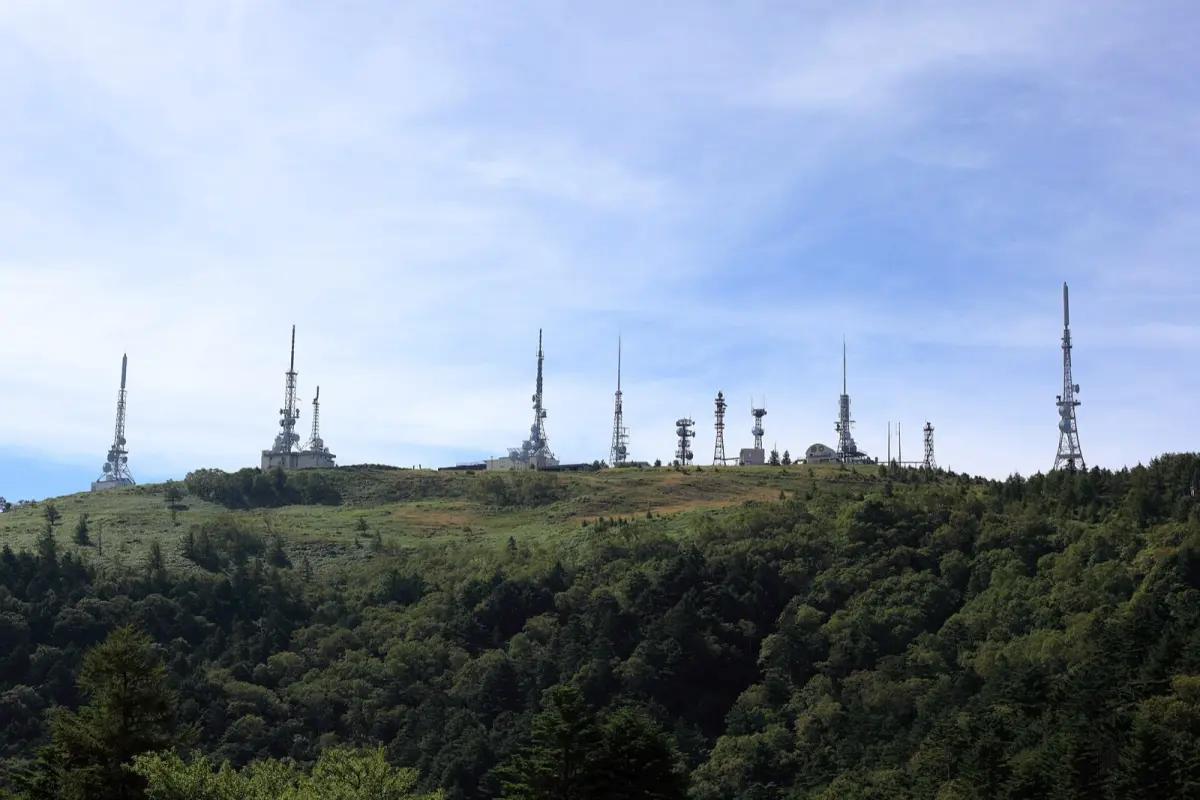
Utsukushigahara Highland
Utsukushigahara is a grassy plateau at about 2,000 metres, grazed by cattle and ringed by a 360-degree horizon of Japan's highest mountains. The air is thin, the sky enormous, and the sense of standing on the roof of the country is hard to shake.
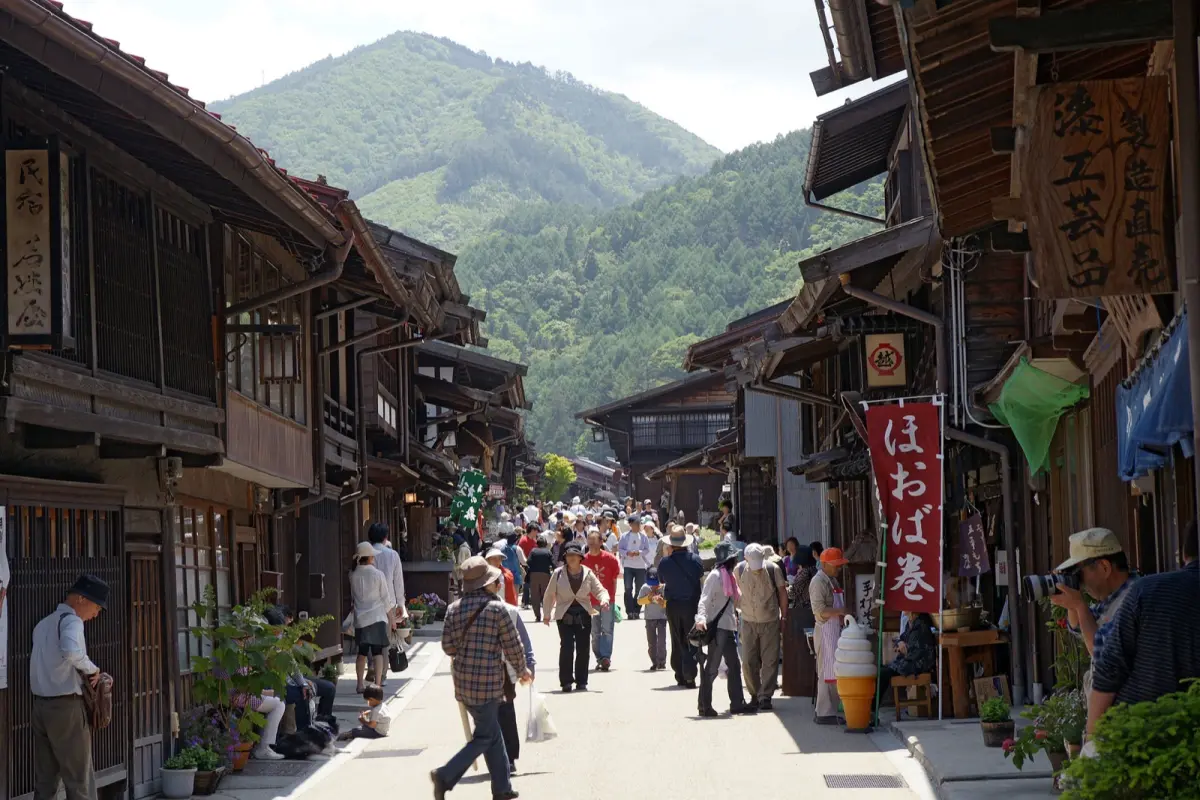
Narai-juku
Narai-juku is the longest post town on the old Nakasendo, a full kilometre of dark-wood Edo-period inns and shops stretching through the Kiso valley. Walking it feels like stepping into a woodblock print, all eaves and lattice and quiet mountain light.
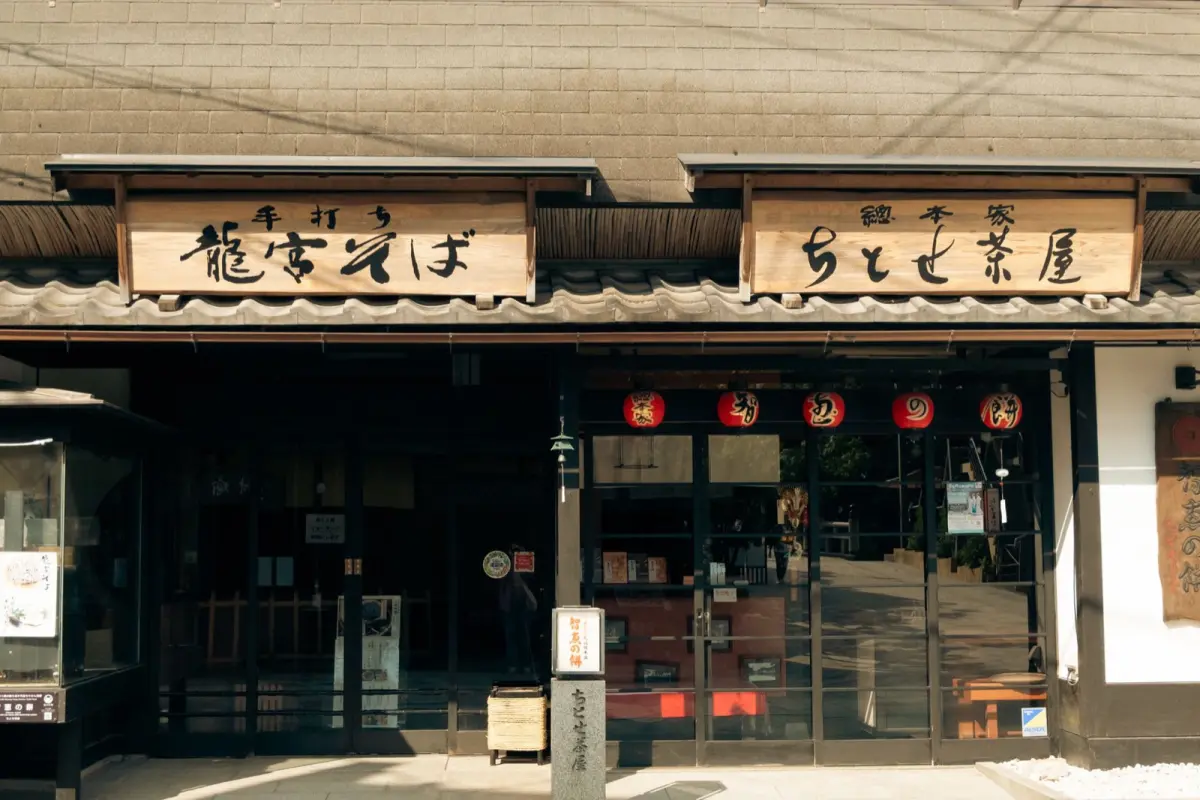
Asama Onsen
Asama Onsen is Matsumoto's own hot-spring quarter, tucked into the eastern hills and soaked in since samurai days. The water is alkaline and soft, and the neighbourhood still has the unhurried feel of a place people come to rest rather than pass through.
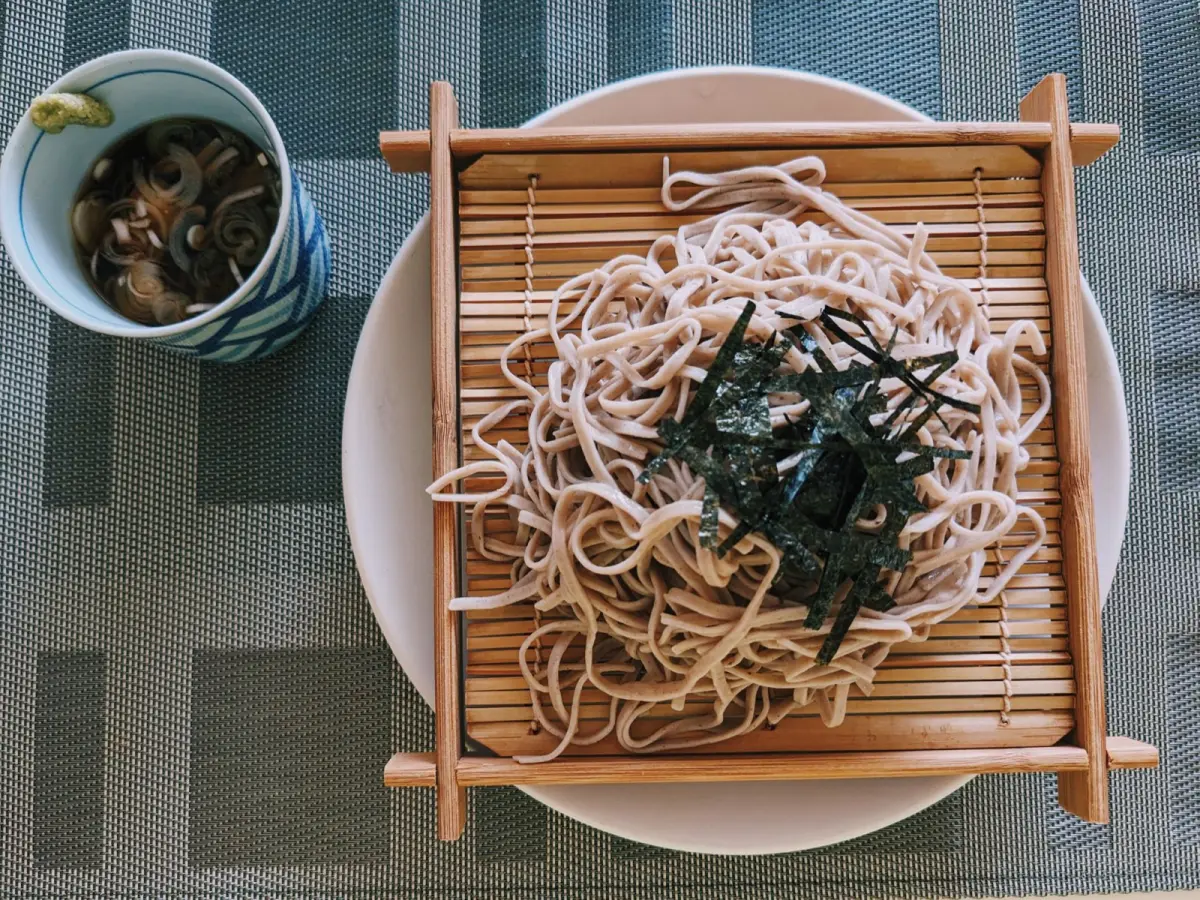
Shinshu Soba
Shinshu soba is Nagano's buckwheat noodle, grown in the cool highland climate and milled to a nutty, earthy flavour. It is served cold with dipping sauce in summer or hot in broth when the mountains turn white, and it tastes unmistakably of this high, austere country.
Crafts of this region
Authentic pieces made near here — learn the story, then bring one home.
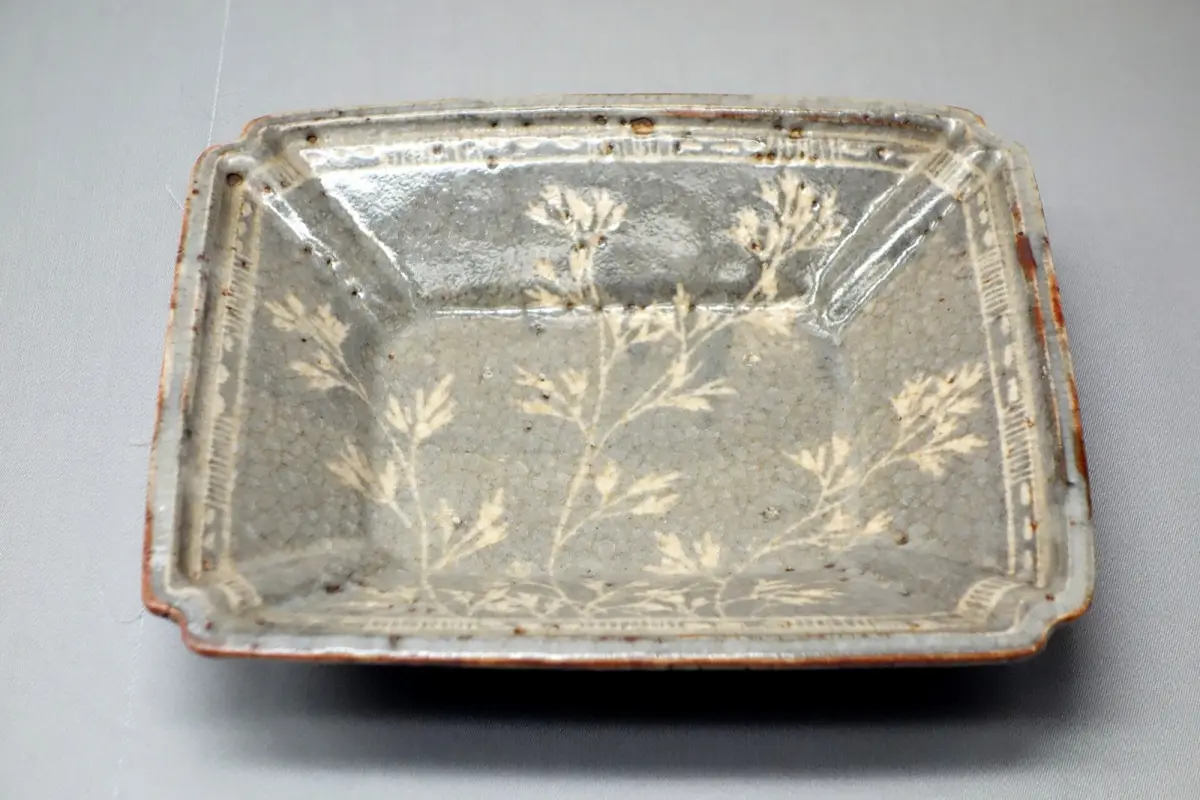 Mino Ware
美濃焼 · Toki, Gifu
Mino Ware
美濃焼 · Toki, Gifu
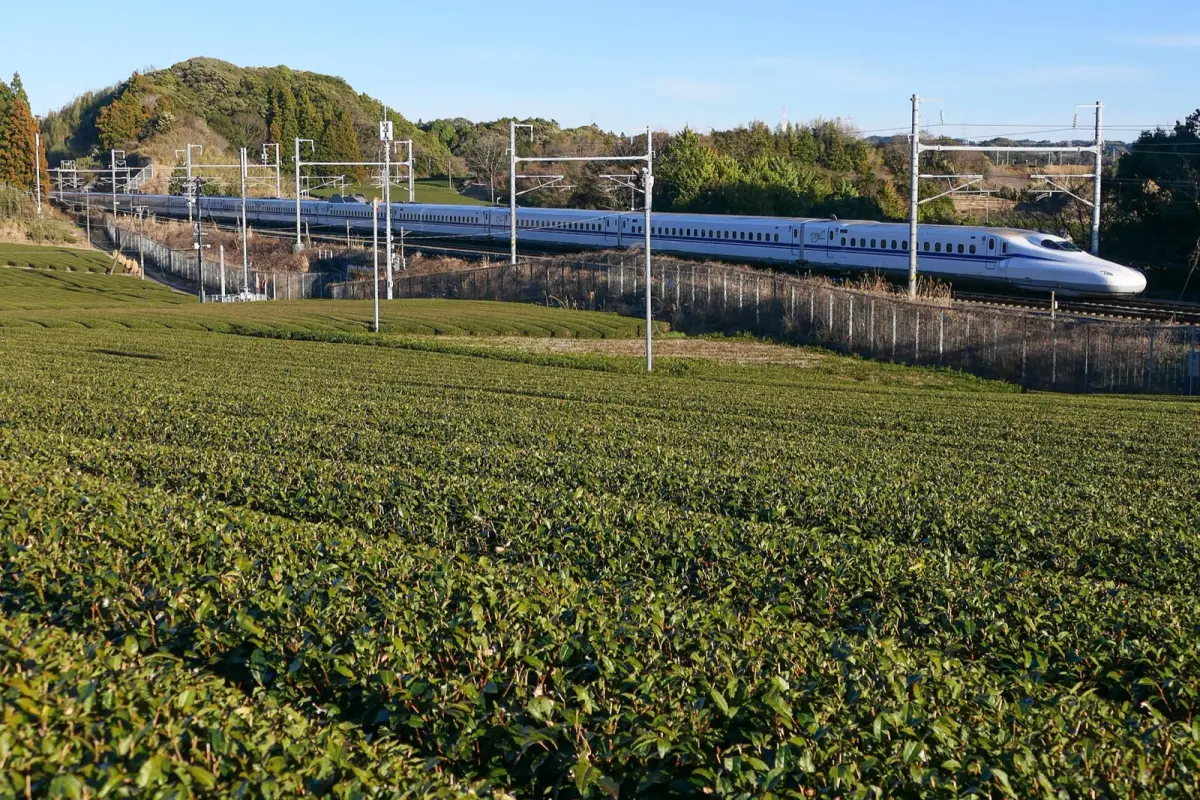 Shizuoka Tea
静岡茶 · Shizuoka
Shizuoka Tea
静岡茶 · Shizuoka
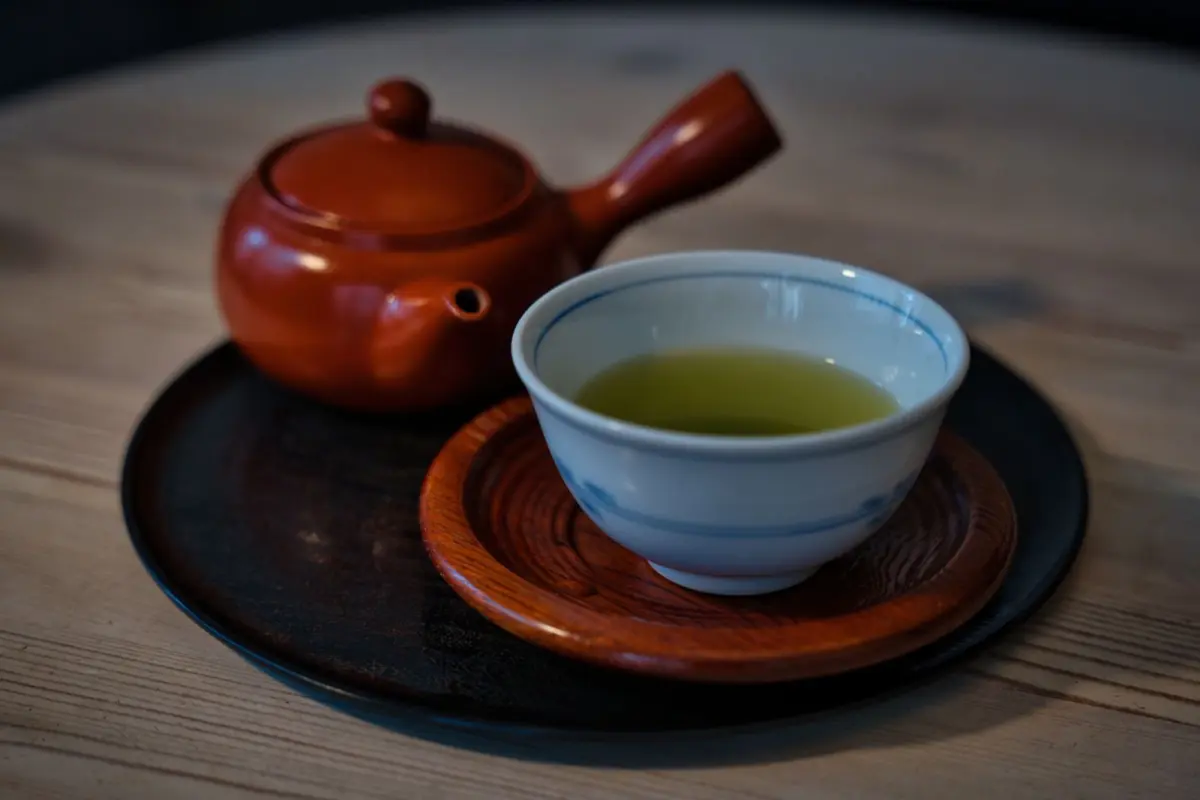 Tokoname Ware
常滑焼 · Tokoname, Aichi
Tokoname Ware
常滑焼 · Tokoname, Aichi
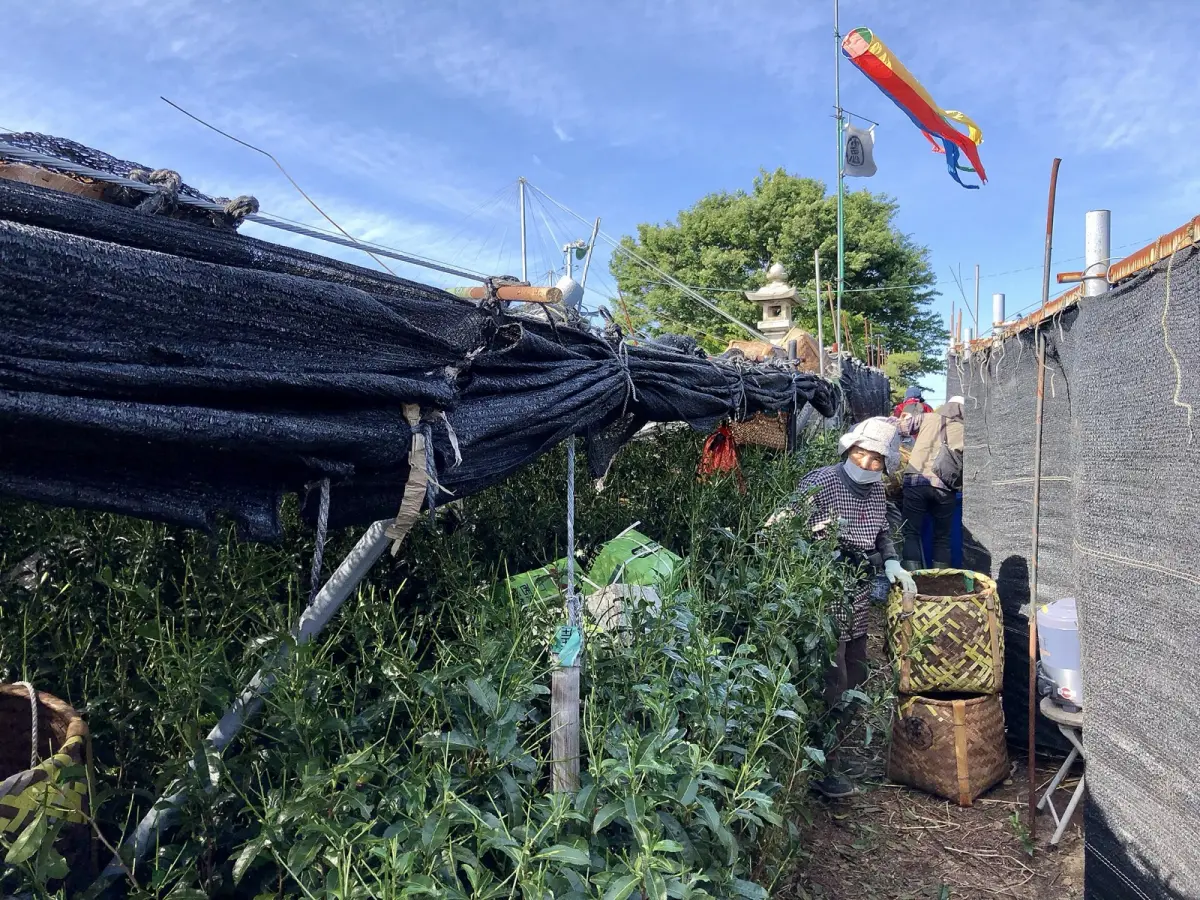 Nishio Matcha
西尾抹茶 · Nishio, Aichi
Nishio Matcha
西尾抹茶 · Nishio, Aichi
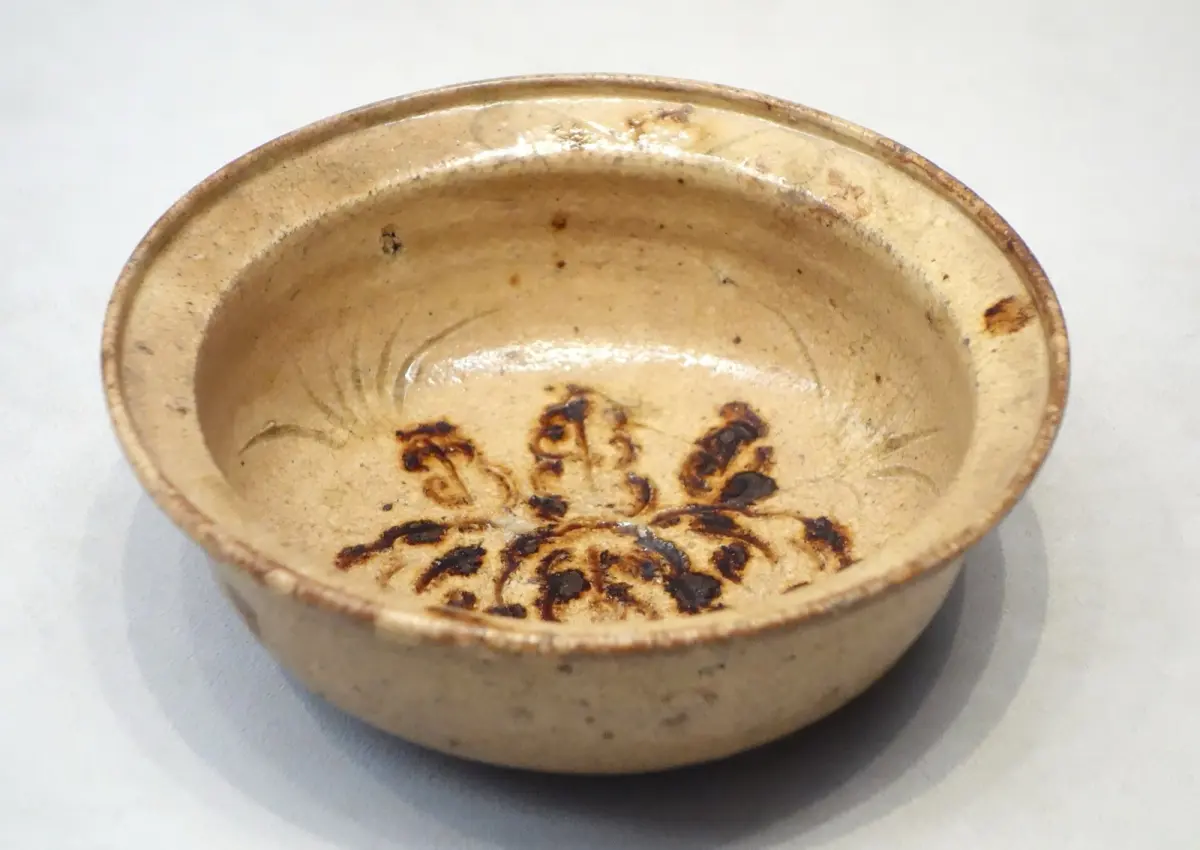 Seto Ware
瀬戸焼 · Seto, Aichi
Seto Ware
瀬戸焼 · Seto, Aichi
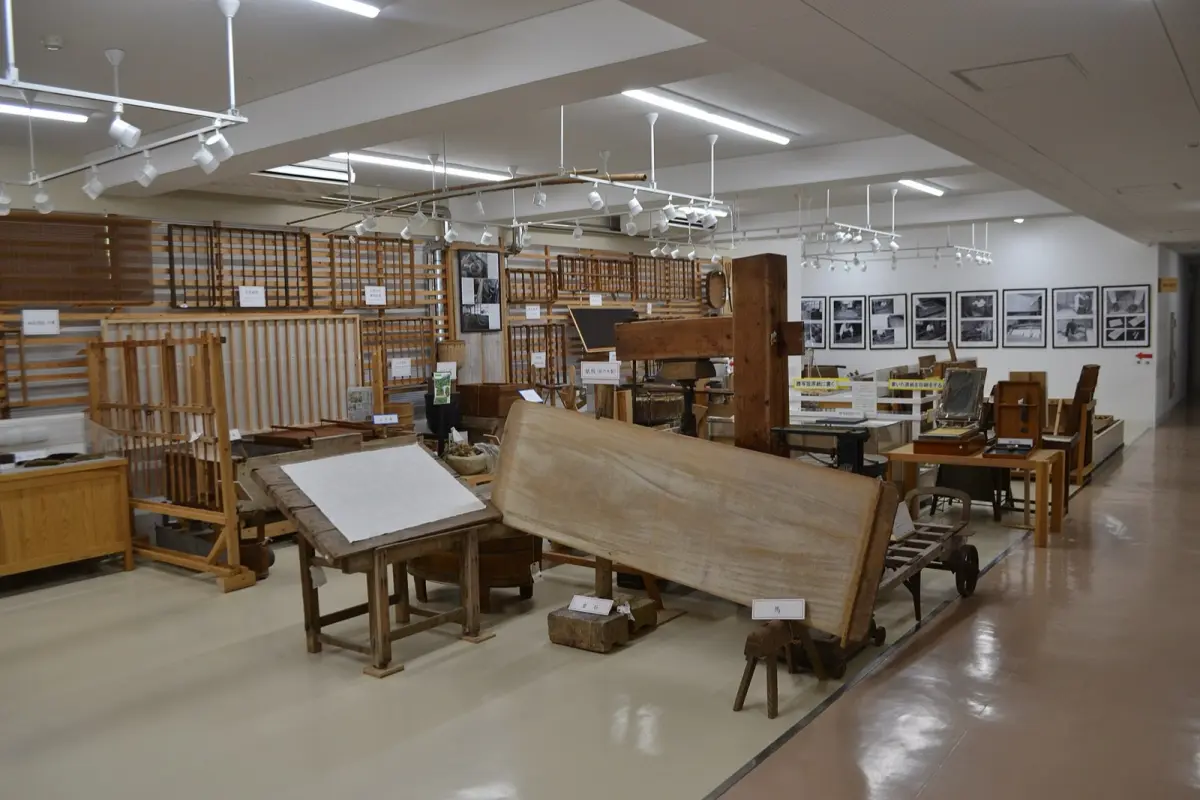 Mino Washi
美濃和紙 · Mino, Gifu
Mino Washi
美濃和紙 · Mino, Gifu
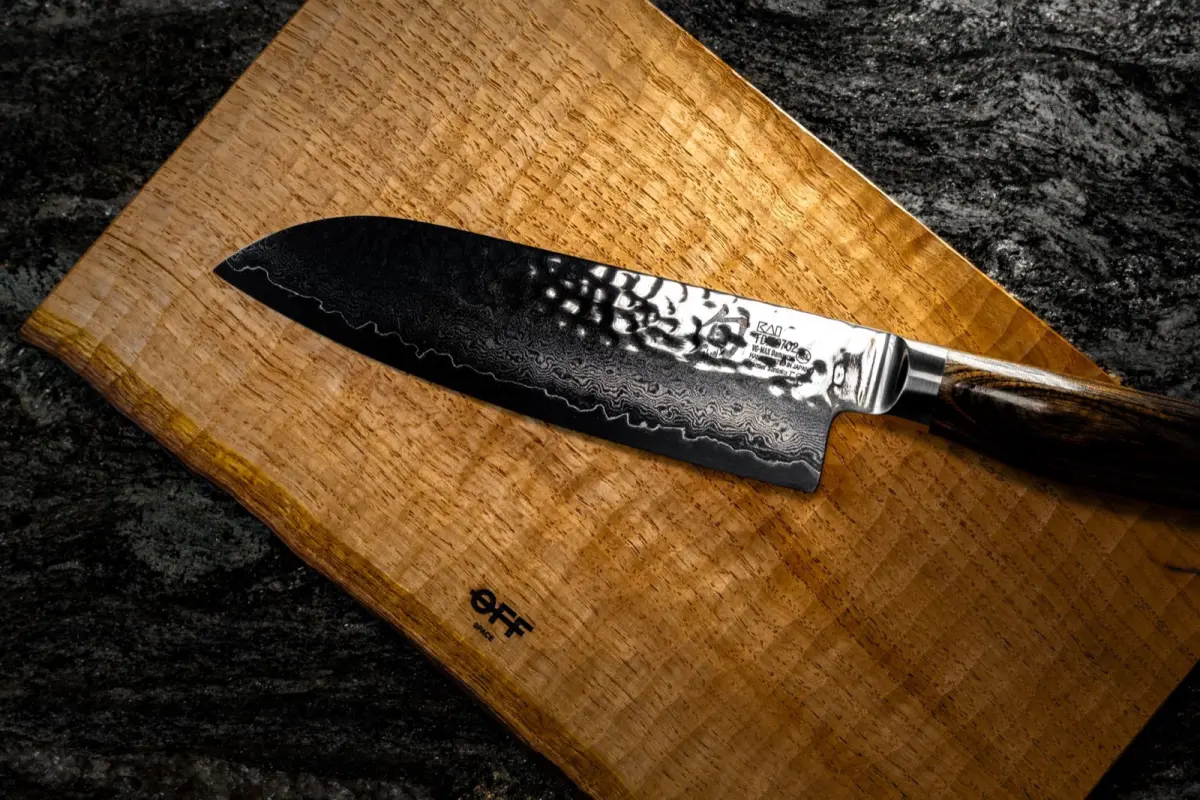 Seki Blades
関の刃物 · Seki, Gifu
Seki Blades
関の刃物 · Seki, Gifu
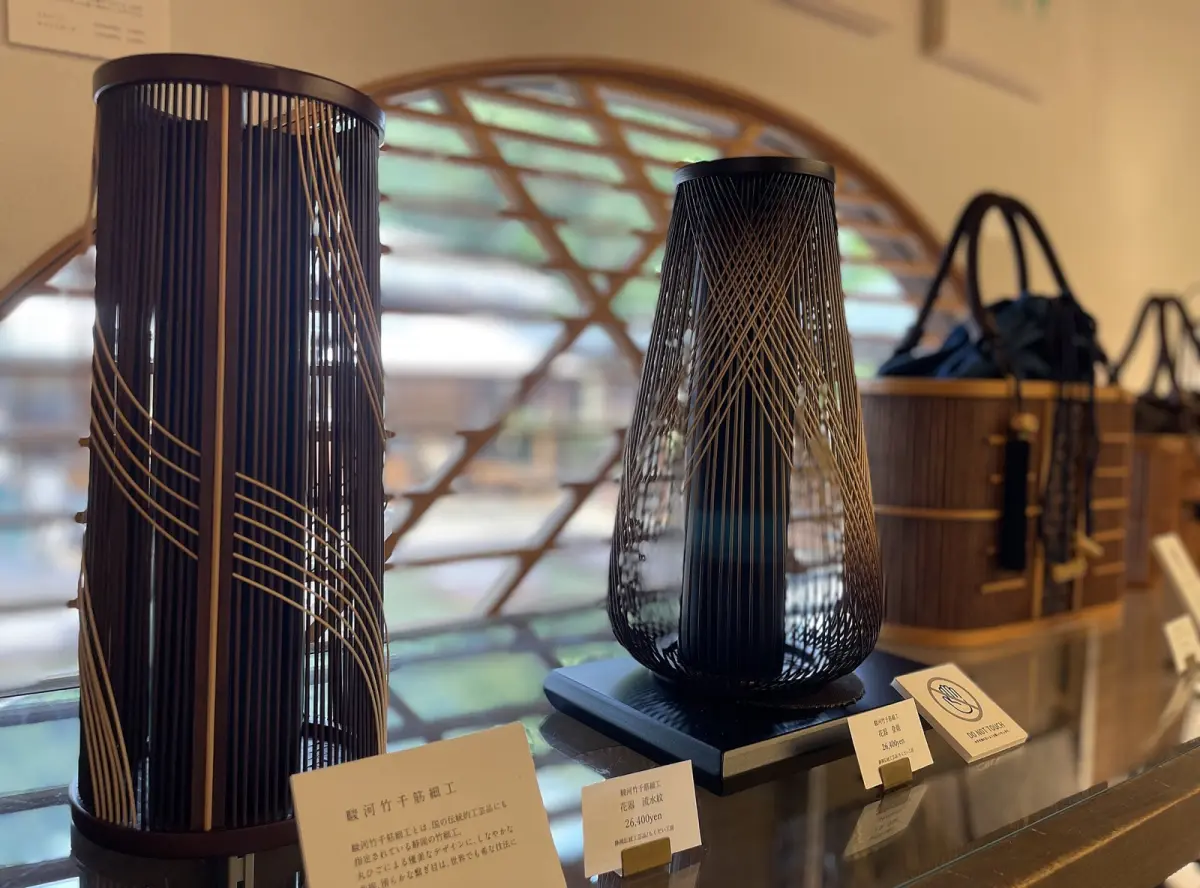 Suruga Bambooware
駿河竹千筋細工 · Shizuoka
Suruga Bambooware
駿河竹千筋細工 · Shizuoka