Morioka and Nambu Ironware: The Legendary Iron Kettles of Iwate
On this page
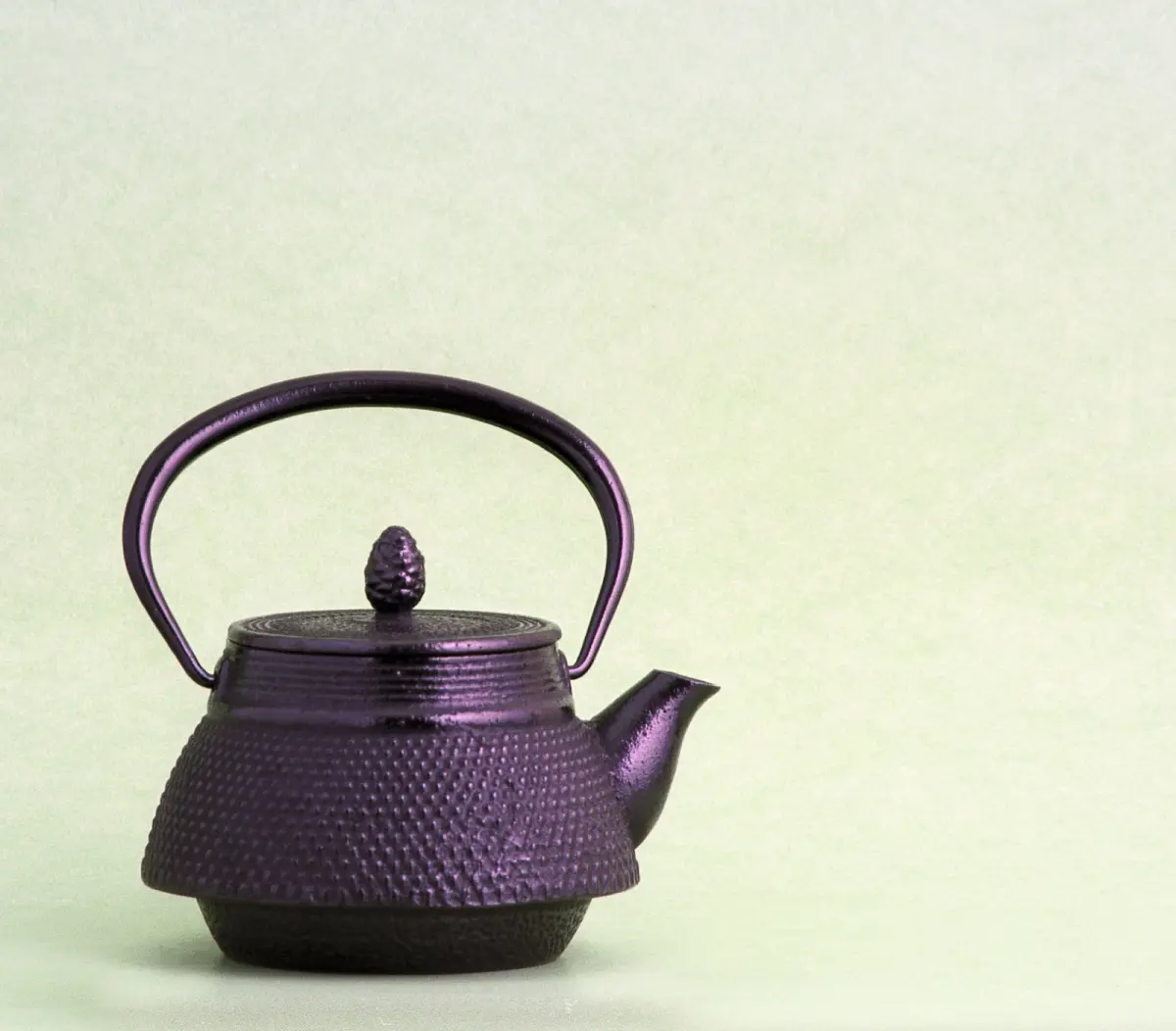
The heft of a Nambu kettle in your palm is unmistakable—dense, cool, deliberate. Run your fingers across its surface and you'll feel the tiny raised dots, like frozen hailstones caught mid-fall. This is iron with a memory, shaped by fire and patience in the workshops of northern Japan.
Two Rivers, One Name
Nambu ironware (南部鉄器, nambu tekki) carries the name of a feudal clan, but its story flows from two distinct wellsprings in Iwate Prefecture. The older tradition took root in what is now Oshu, in the Mizusawa district, roughly 900 years ago during the late Heian period. The powerful Fujiwara family summoned casters to create temple vessels and cooking pots for their northern stronghold. Centuries later, around 380 years ago in the mid-Edo period, the Nambu lords of Morioka invited master kettle-makers from Kyoto to craft chagama—tea-ceremony kettles—for the samurai class. These parallel lineages ran independently until 1959, when craftspeople from both regions united under the single Nambu ironware designation, launching the tradition onto the world stage.
The Hailstone Mark
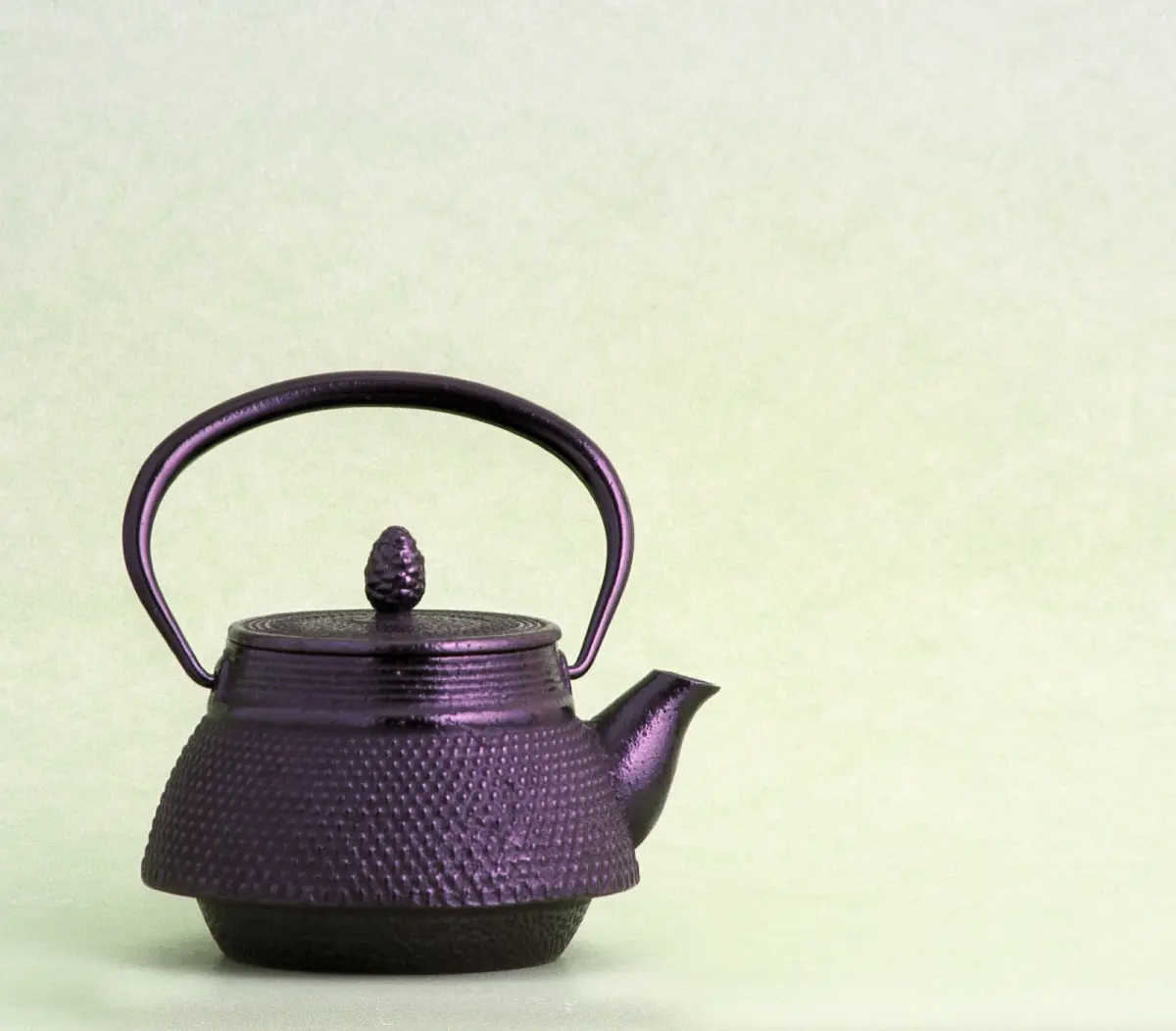
The most recognizable feature of a tetsubin (鉄瓶, iron kettle) is its arare (霰) surface—a pattern of small, uniform bumps resembling hailstones. This textured finish isn't merely decorative. The raised dots increase the kettle's surface area, helping distribute heat more evenly and giving the iron its characteristic grip in the hand. Each bump is formed in the mold before casting, a painstaking process that demands precision. The pattern has become so synonymous with Nambu work that a glance at that pebbled surface immediately signals origin and quality.
Pig Iron and Fire
Nambu craftspeople work with pig iron, the raw material smelted from iron ore. The casting process begins with a sand mold, carefully packed and shaped, often destroyed after a single use. Molten iron, heated to extreme temperatures, pours into these molds and cools into form. What emerges is brittle and rough—the real artistry lies in finishing. Surfaces are filed, smoothed, and inspected. Then comes the protective layer: a coat of lacquer, traditionally applied while the kettle is still warm, which seeps into the iron's pores and guards against rust. This marriage of metal and organic finish gives Nambu ware its austere beauty and legendary durability.
Built to Outlast
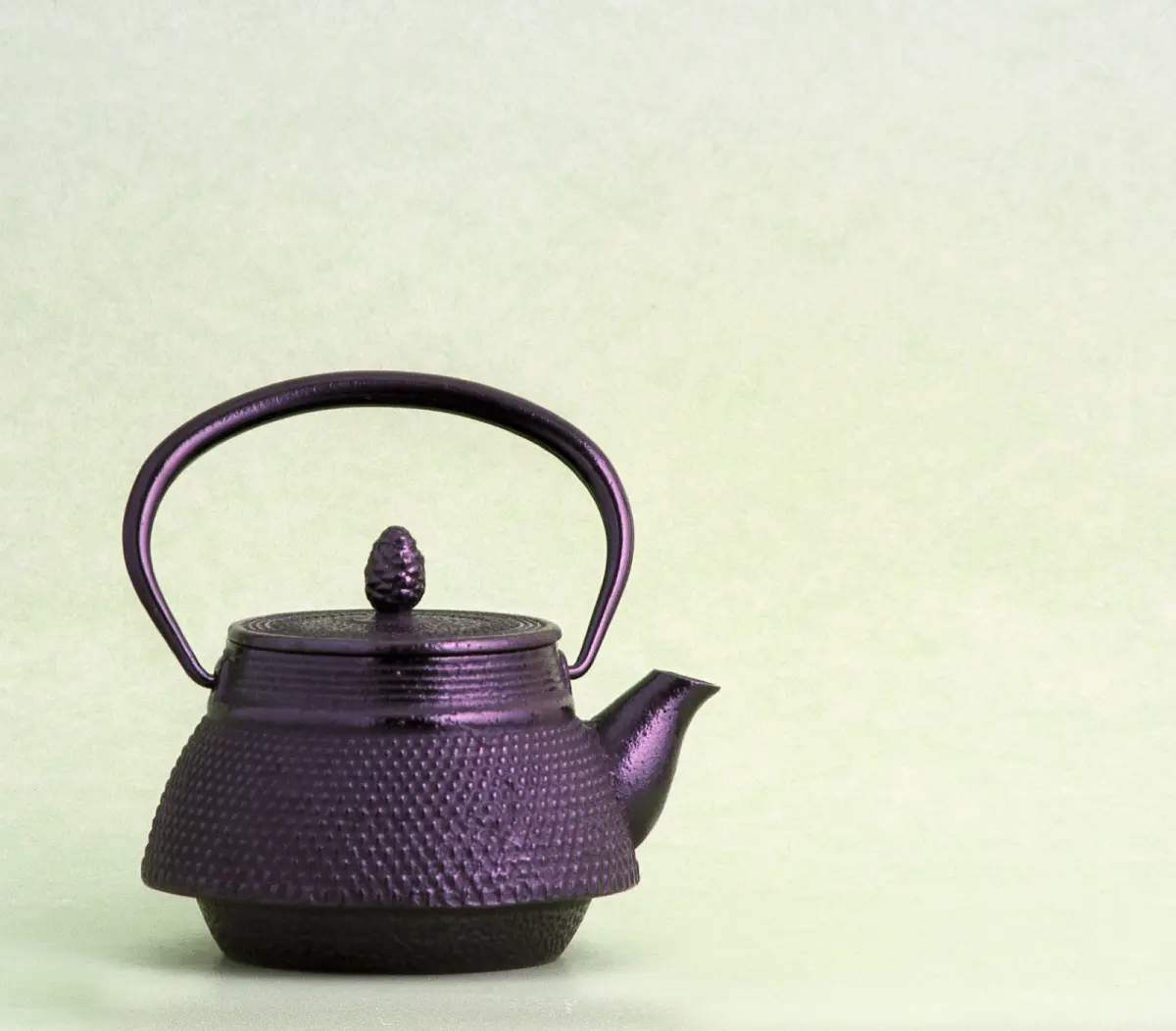
A well-made Nambu kettle can serve multiple generations. The thickness of the iron walls ensures even heating and remarkable heat retention—water boiled in a tetsubin stays hot longer than in thinner vessels. The lacquer finish, renewed occasionally with proper care, maintains the iron's integrity against moisture. There's no fragility here, no need for anxious handling. These are working objects, designed for daily use in a climate where winters are long and hearths were central to life. The sturdiness isn't incidental; it's the whole point. In a culture that values mottainai—the waste-not principle—Nambu ironware embodies respect for materials and time.
Beyond the Teahouse
While the Morioka tradition began with refined tea kettles for ceremony, Nambu ironware has always served practical needs. Cooking pots, trivets, wind chimes, and in recent decades, colorful enameled teapots for international markets—all emerge from the same foundries. The global expansion since 1959 hasn't diluted the core techniques; rather, it has sustained workshops that might otherwise have faded. Today, visitors to Morioka and Oshu can still watch casters pour glowing iron, still hear the rasp of files on cooled metal, still smell the lacquer as it bonds with heat.
Hold a Nambu kettle and you hold geology transformed—ore pulled from earth, melted, shaped, and made useful. The hailstones never melt.
FAQ
Chaware curates authentic Japanese crafts — straight from the makers in Japan to your table.
Explore the Chaware collection →
Keep exploring