Nishio: Aichi's Quiet Matcha Capital Where Tradition Meets Terroir
On this page
Article Body
The Yahagi River winds through Aichi Prefecture, its banks cradling a secret that took centuries to unfold. Here in Nishio, beneath latticed bamboo shelters that filter the spring sun into a soft green twilight, grows the powder that has coloured tea ceremonies and confections across Japan for generations.
Seeds from Uji, Roots by the River
The story often begins at Jissoji temple (実相寺), founded in 1271, where legend places the first tea seeds in Nishio soil. But the true matcha tradition took root much later. In 1872, a priest named Adachi Junto (安達順道) from Kojuin temple (弘誓院) brought seedlings from the famed tea gardens of Uji and planted them along the Yahagi River. This quiet act seeded an industry that would eventually produce roughly 20 per cent of Japan's matcha (抹茶).
The timing was no accident. The Meiji era's modernisation created new demand, and Nishio's geography—well-drained hillsides, steady river mists, mild winters—proved ideal for the exacting cultivation that matcha requires.
The Architecture of Shade
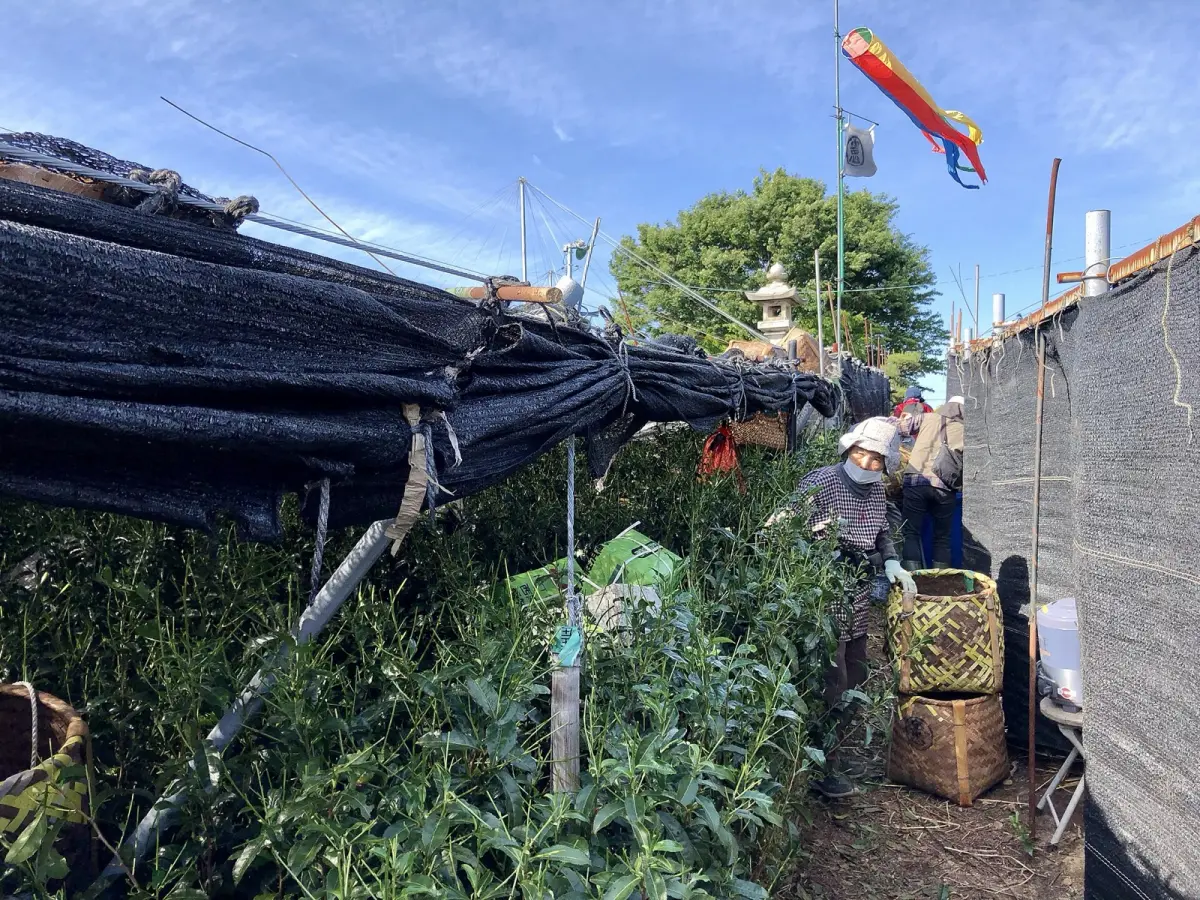
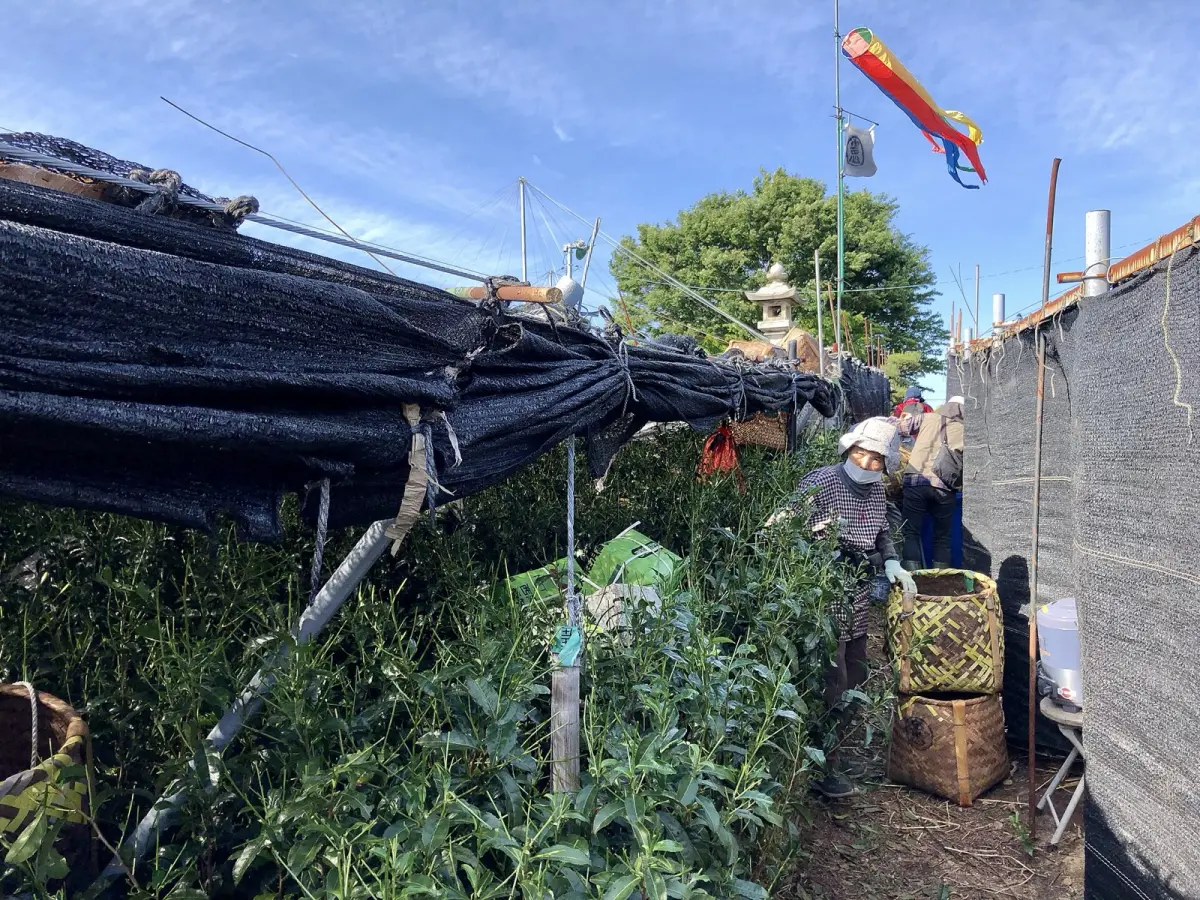
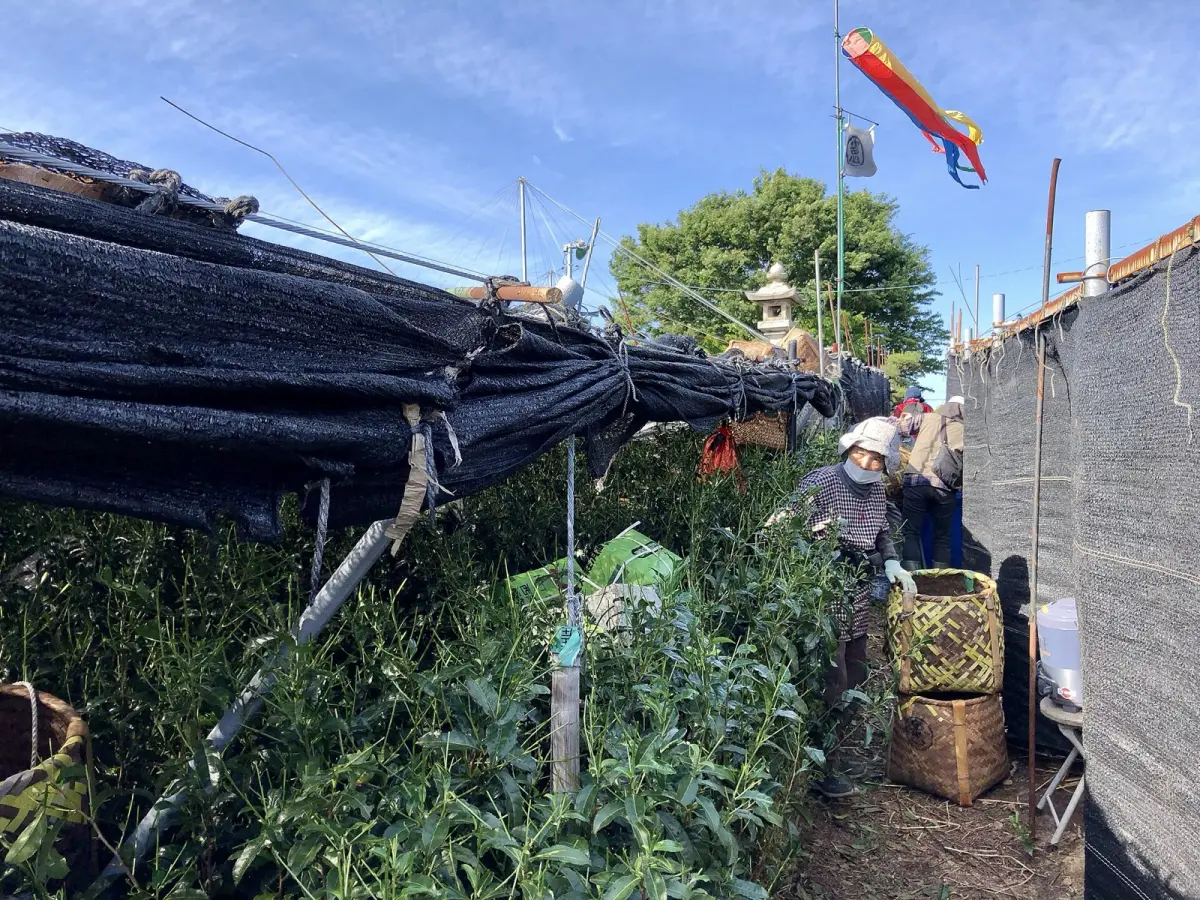
Walk through the Inariyama tea gardens (稲荷山茶園) today and you step beneath structures that look almost architectural. These are the tana-shiki oishita-saibai (棚式覆下栽培) shelters, the traditional shelf-shading method that defines Nishio's approach. Bamboo frames support layers of rice-straw mats and synthetic mesh, blocking up to 90 per cent of direct sunlight for the final weeks before harvest.
This deliberate deprivation transforms the leaf. Starved of light, the plant pumps chlorophyll into every cell, deepening the green to near-black. Amino acids accumulate. Bitterness softens. The result is tencha (碾茶), the shade-grown leaf that, once steamed, dried, and stone-ground, becomes matcha.
The roughly 100 hectares of Inariyama's terraced gardens represent more than farmland—they are a carefully calibrated light-and-shadow performance, repeated each spring.
From Leaf to Luminous Powder
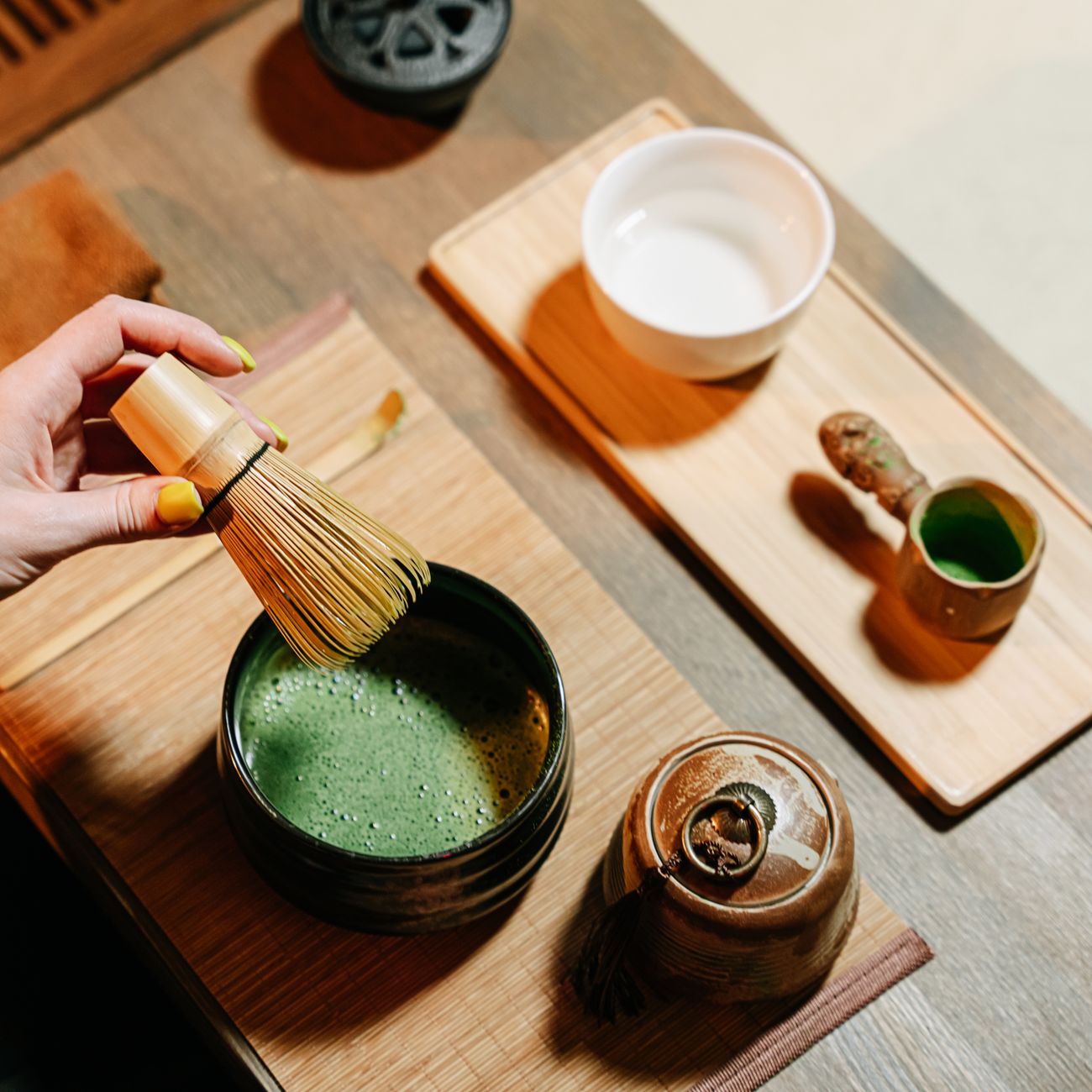
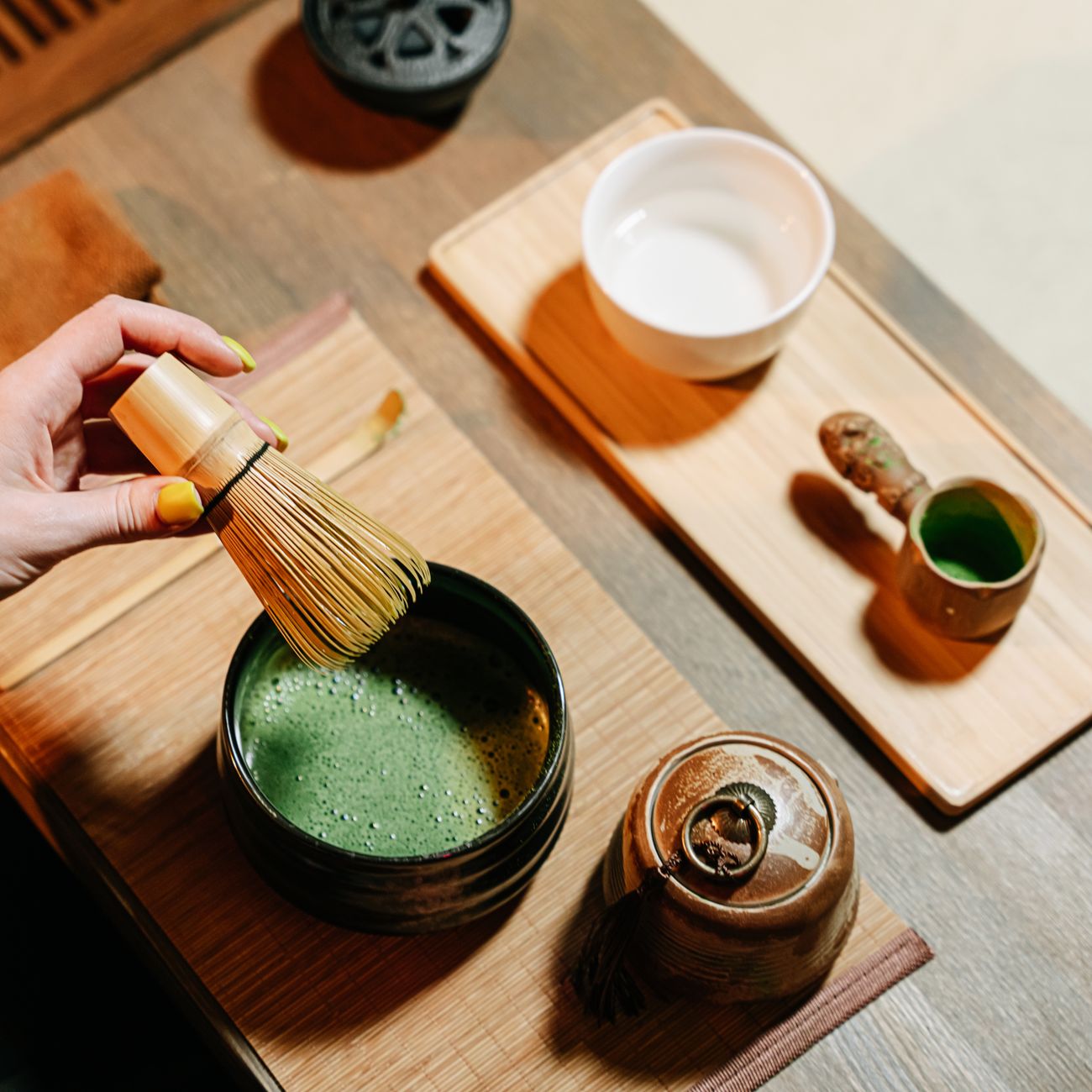
After picking, the leaves are briefly steamed to halt oxidation, then dried without rolling—unlike sencha, tencha must remain flat. The dried leaves are stripped of stems and veins, leaving only the softest tissue. Finally, granite mills turn at a glacial 30 grams per hour, grinding the fragments into a powder so fine it suspends in water rather than dissolving, creating matcha's signature jade suspension.
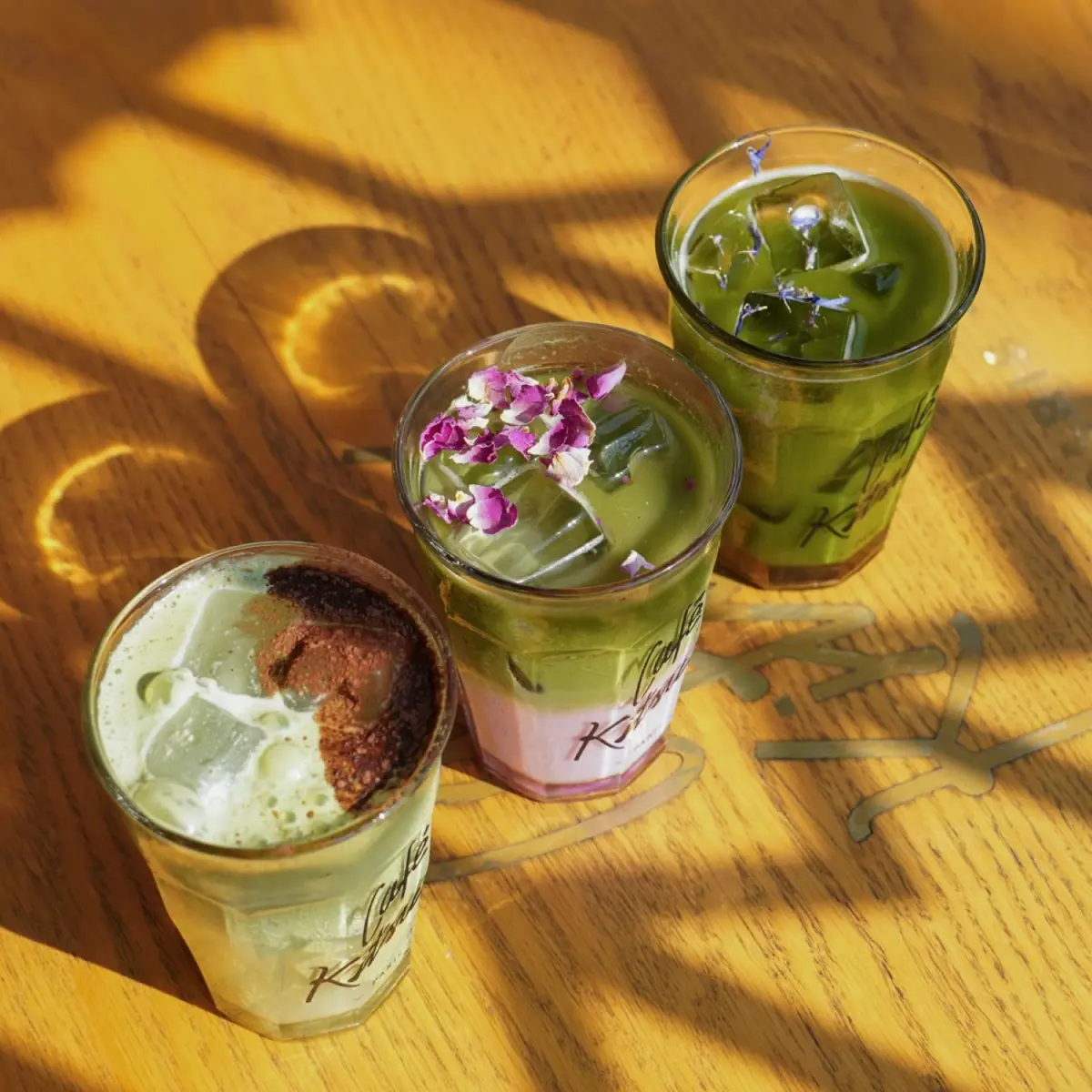
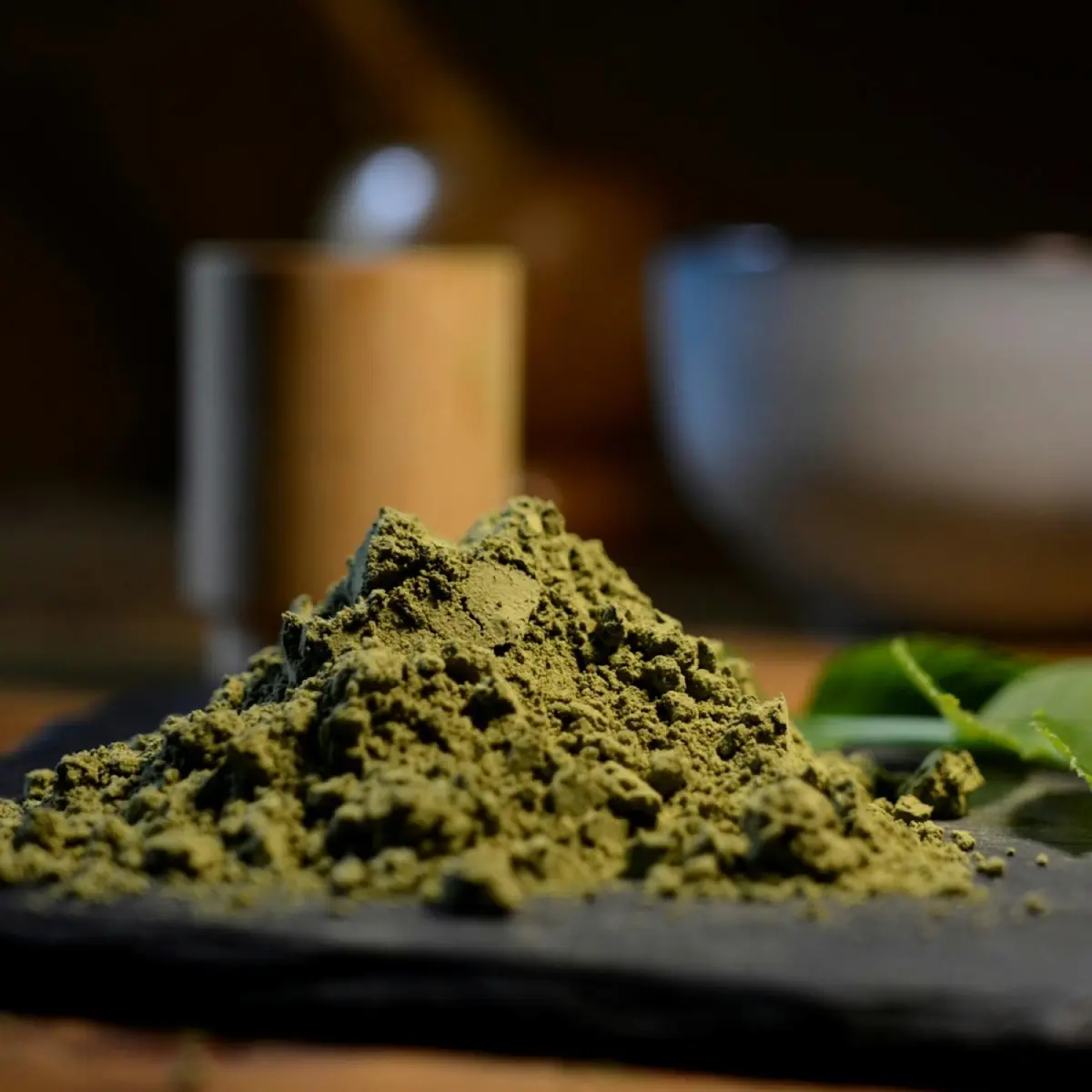
Nishio no matcha (西尾の抹茶) is known for its deep green hue and full-bodied character, a richness that comes from both the shading technique and the Yahagi valley's terroir. The powder carries a subtle sweetness balanced by umami depth, qualities prized in both ceremonial bowls and modern lattes.
A Fifth of the Nation's Green
Today Nishio supplies approximately one-fifth of Japan's matcha, a scale that speaks to both tradition and adaptation. While Uji remains the historical heartland, Nishio's Meiji-era head start and riverside geography carved out a distinct identity. The region balances heritage methods—those bamboo shelters, the patient grinding—with the demands of contemporary production.
The designation Nishio no matcha signals not just origin but method: shade-grown, stone-ground, produced within a landscape shaped by Adachi Junto's 1872 vision. It is both a protected name and a living practice, evolving as new generations tend the Inariyama slopes.
Powder, Place, and Persistence
What began with borrowed seedlings and a priest's foresight has become a regional identity. The matcha whisked in a Kyoto tea room or folded into Osaka's finest wagashi may well have started its journey beneath Nishio's shaded canopies, where the Yahagi River still flows and the spring harvest still follows rhythms set 150 years ago.
The powder dissolves on the tongue, but the place remains—written in every luminous green sip.
FAQ
Chaware curates authentic Japanese crafts — straight from the makers in Japan to your table.
Explore the Chaware collection →
Keep exploring