Shizuoka Tea: Exploring Japan's Green Tea Heartland
On this page
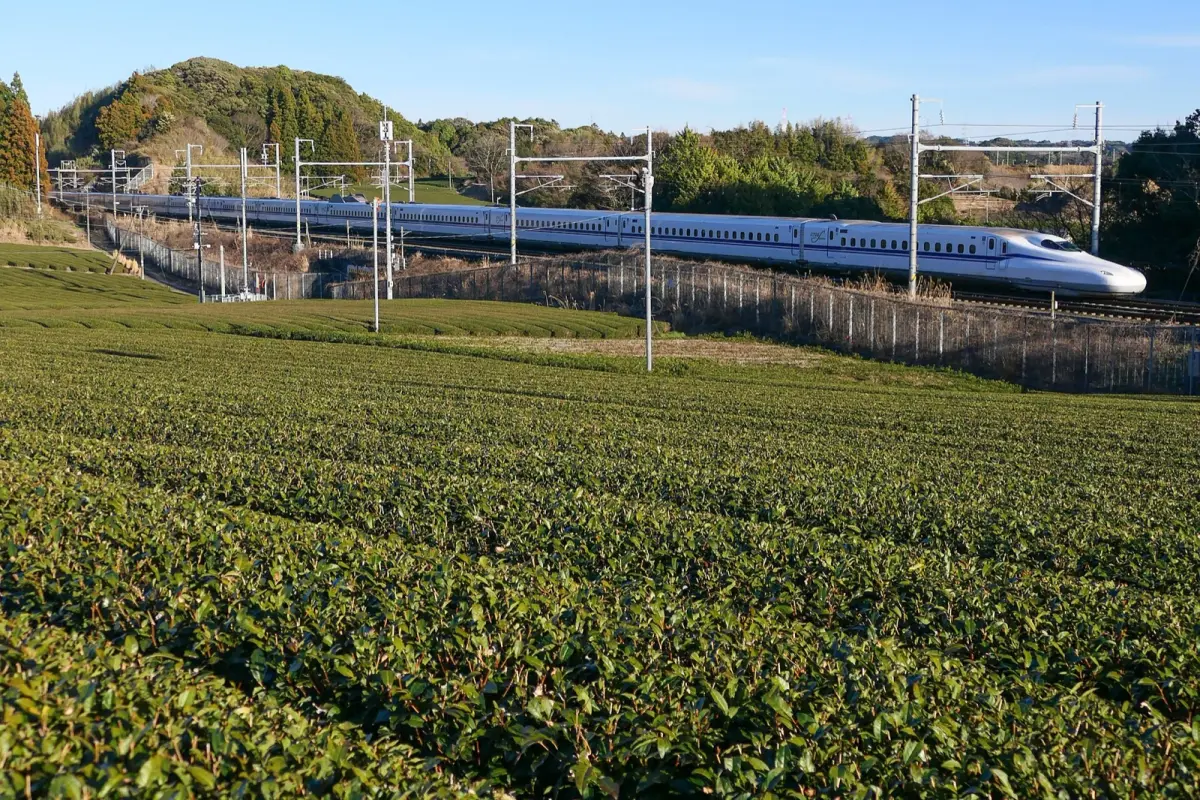
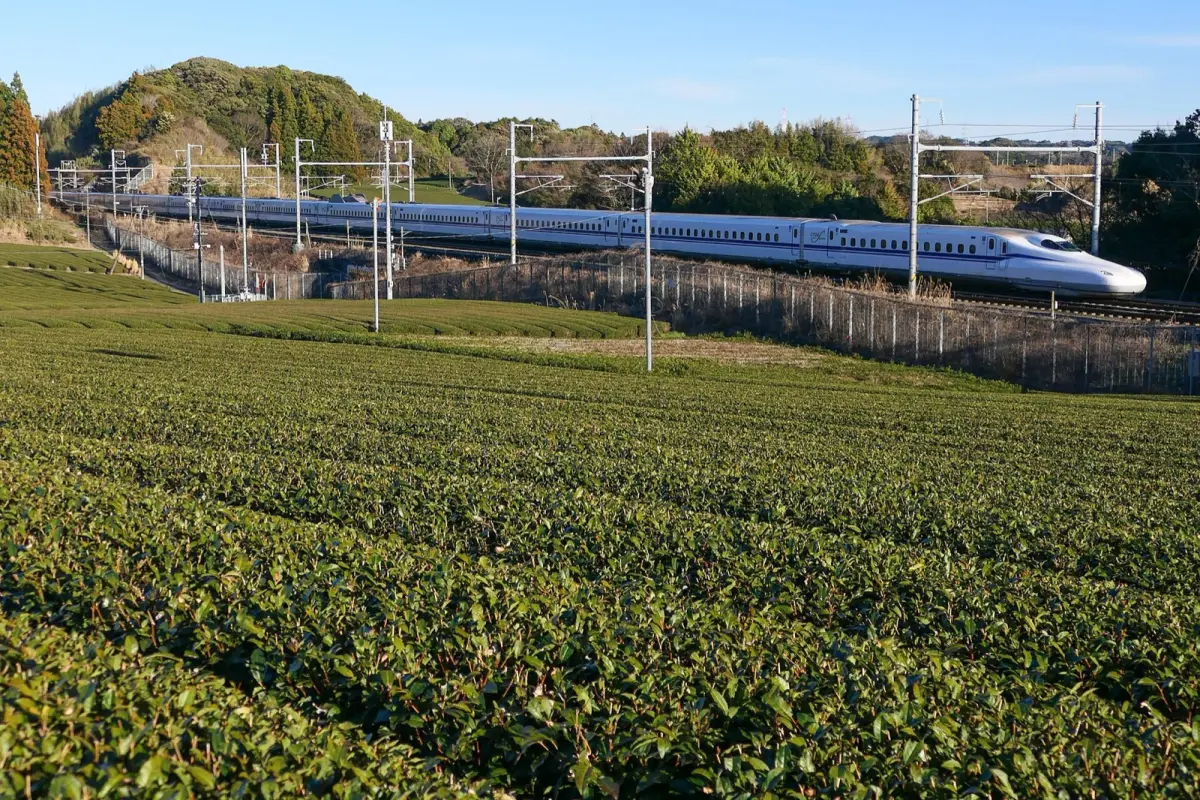
The wide plateau of Makinohara stretches green and orderly under Mount Fuji's shadow, row upon row of tea bushes marching toward the horizon. This is Shizuoka-cha (静岡茶), the heartland that produces roughly forty percent of Japan's tea—a dominance built on samurai ambition, volcanic soil, and one ingenious steaming technique.
From Shogun's Men to Tea Pioneers
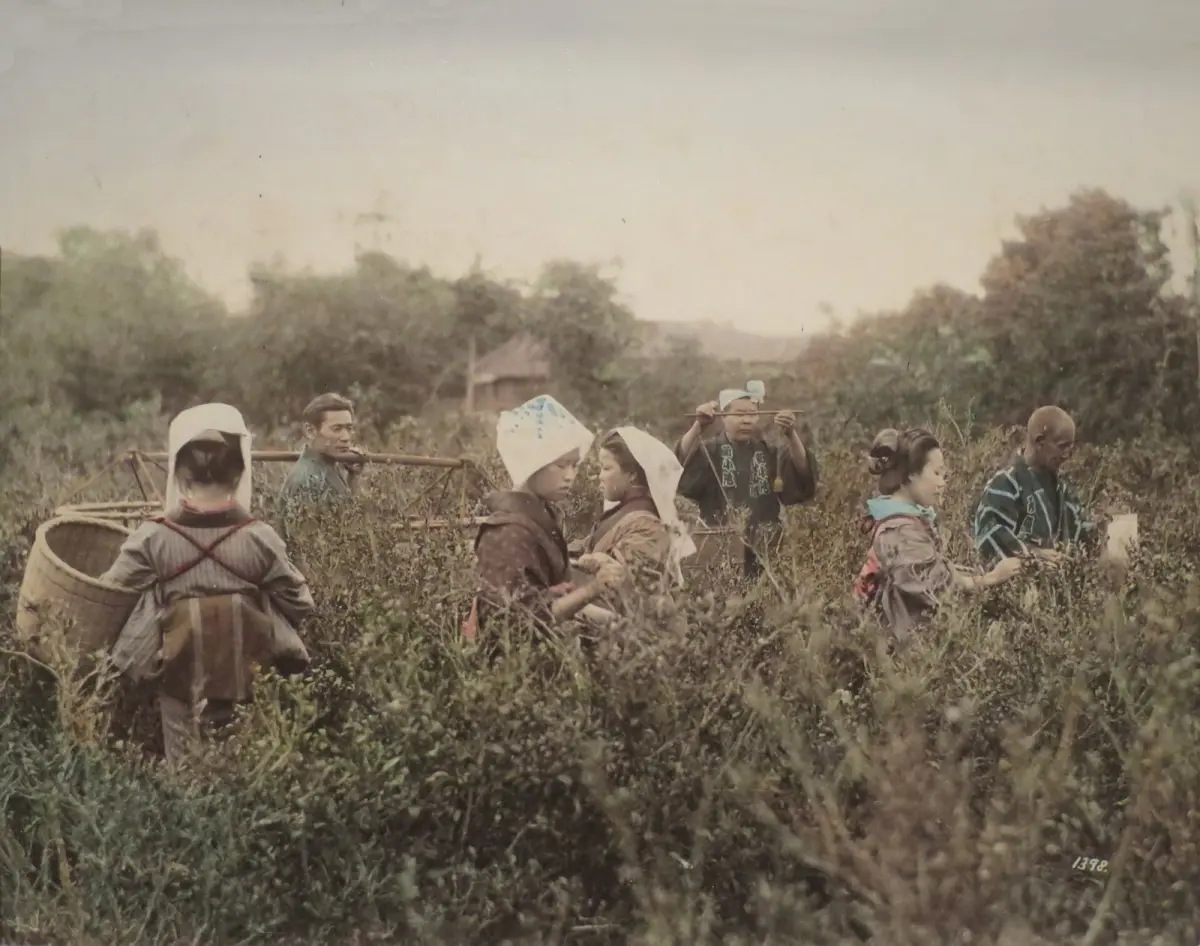
In 1869, as the Tokugawa shogunate collapsed and the Meiji era dawned, some 250 households of former retainers faced an uncertain future. These men had escorted the last shogun, Tokugawa Yoshinobu, to his retirement in Sunpu (present-day Shizuoka City), and now found themselves without stipends or purpose. Their answer was radical: they would tame the wild Makinohara plateau and plant tea. Within decades, this reclaimed land became Japan's largest tea belt, transforming Shizuoka from a modest producer—under fourteen percent of national output in 1883—into the giant it is today.
Layers of History in the Hills
Not all Shizuoka tea is a Meiji invention. High in the Kawane region, cultivation reaches back to 1599, when mountain gardens first took root. By 1641, Kawane tea was deemed fine enough to serve as tribute to the shogun Tokugawa Iemitsu himself. The contrast between Kawane's ancient terraces and Makinohara's engineered expanse reveals two faces of the same region: one shaped by centuries of careful tending, the other by a single generation's determination to reinvent itself through agriculture.
The Art of the Deep Steam
Walk into a tea shop in Kakegawa, and you'll likely encounter fukamushi-cha (深蒸し茶)—deep-steamed sencha that defines much of Shizuoka's modern reputation. The leaves are steamed two to three times longer than standard sencha, breaking down cell walls and releasing a darker, cloudier liquor. The result is a cup both rich and mellow, with less astringency and a fuller body.
The technique suits Makinohara's strong sunlight and fertile volcanic soil, which can produce robust leaves that benefit from the extended steam.
What might seem like a minor adjustment in processing time has become a regional signature, distinguishing Shizuoka's approachable everyday teas from the more delicate, translucent brews of other prefectures.
A Landscape Built for Volume and Quality
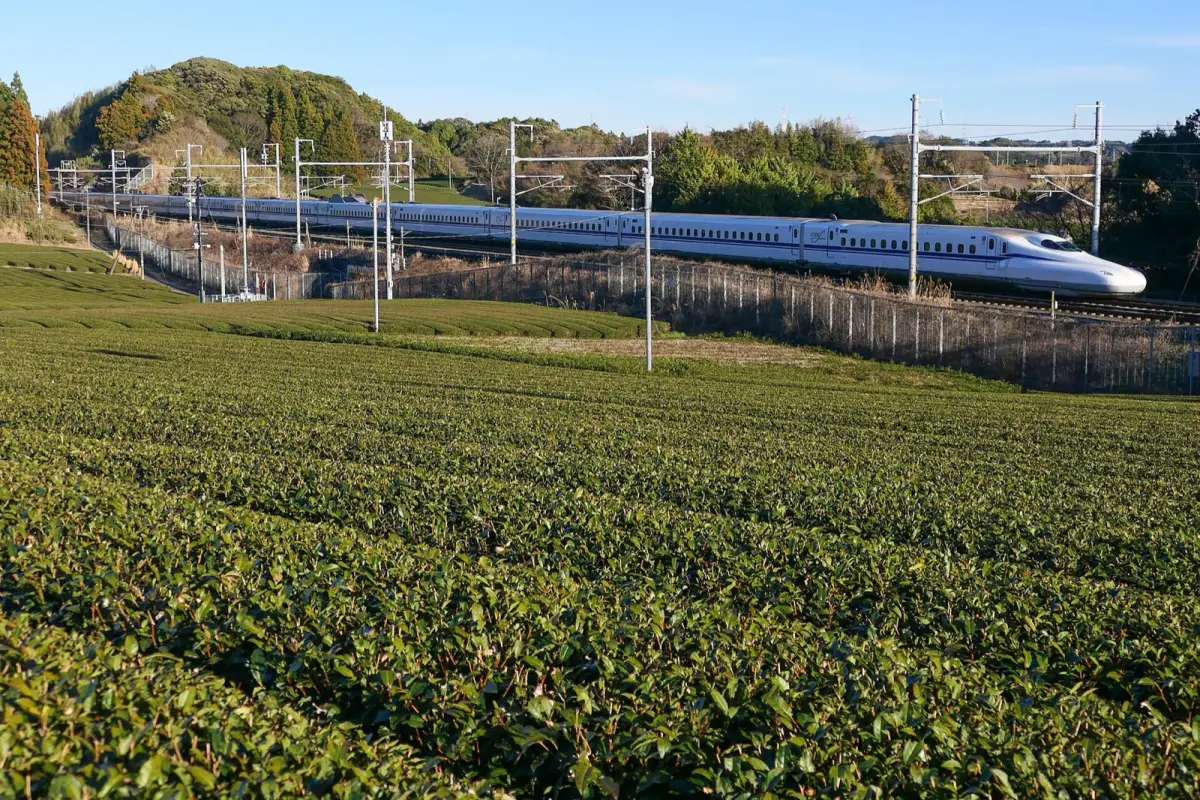
Shizuoka's geography is a tea grower's dream: long hours of sunshine, well-drained slopes, and the moderating influence of both mountains and sea. The Abe River, the Ōi River, and dozens of smaller waterways carve the land into microclimates, each lending subtle character to the leaf. Makinohara's flat expanse allows for mechanization and scale, while Kawane's steep gardens still demand hand-picking and artisanal care. Together, they form a spectrum—from the everyday to the exceptional—that has made Shizuoka synonymous with Japanese tea itself.
Sipping the Legacy
To drink Shizuoka tea is to taste both innovation and inheritance. The deep-steamed sencha in your cup may come from fields that didn't exist 150 years ago, planted by men who traded swords for hoes. Or it may descend from gardens that once sent tribute to shoguns, their roots older than the nation as we know it. Either way, the liquid is green, warm, and unmistakably Japanese—a daily ritual born of ambition, adaptation, and the patient work of countless hands.
The story of Shizuoka is the story of reinvention: a region that turned crisis into cultivation, and cultivation into a quiet, enduring excellence.
FAQ
Chaware curates authentic Japanese crafts — straight from the makers in Japan to your table.
Explore the Chaware collection →
Keep exploring