Uji: The Home of Japan's Finest Matcha
On this page
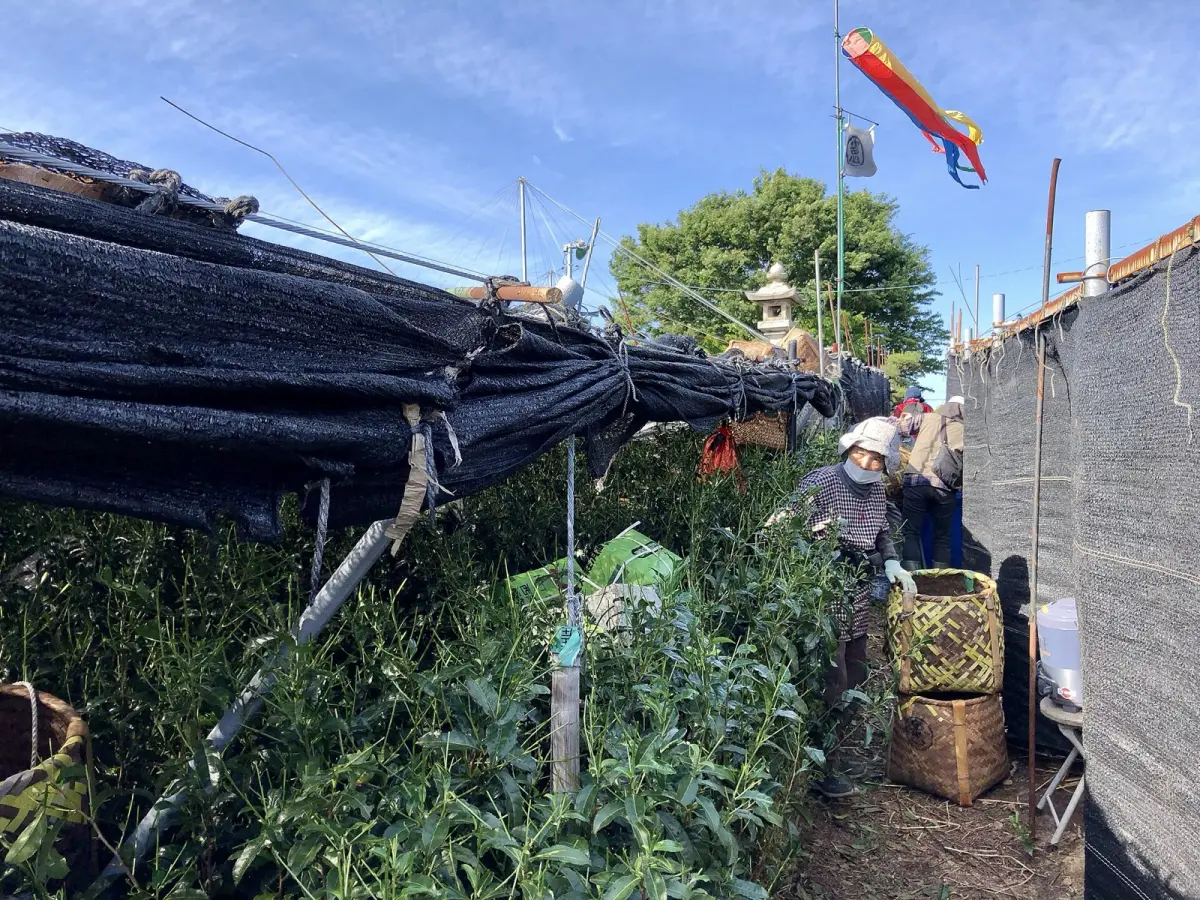
The hills south of Kyoto have been synonymous with Japan's finest tea for six centuries, their terraced slopes veiled in black shade-cloth each spring. What began with a handful of seeds from China became a craft shaped by shoguns, tea masters, and one farmer's quiet revolution.
Seeds from the Continent
When the monk Eisai (栄西) returned from Song China in 1191, he carried tea seeds that would reshape Japanese culture. His fellow monk Myoe (明恵) planted them at Kozan-ji temple in Toganoo, northwest of Kyoto, where the plants took root in mountain soil. Soon after, cuttings were transplanted to Uji (宇治), a river valley whose climate and mists proved ideal. The plants flourished, and Uji's reputation began its long ascent.
The Shogun's Favour
By the fifteenth century, the Ashikaga shogunate had taken notice. The military government actively encouraged Uji's tea gardens, elevating the region's leaves above all others. This patronage was not merely aesthetic—it was political, a way to codify taste and control a luxury good. Tea from Uji became the standard against which all other Japanese tea was measured, a status it has never relinquished. The shogunate's endorsement turned local cultivation into a national institution.
The Invention of Shade
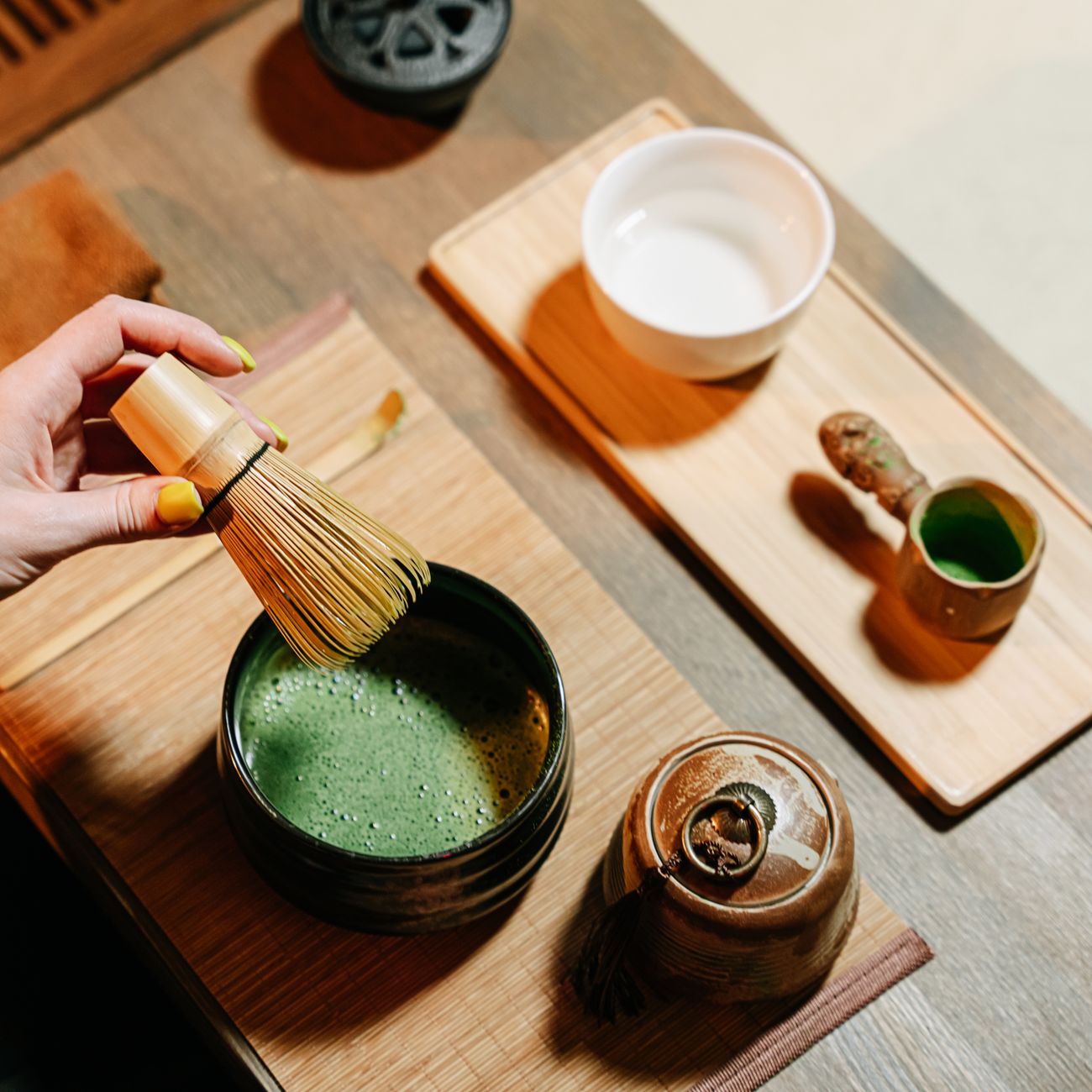
The sixteenth century brought the tea ceremony to its zenith, and with it new demands. Masters like Sen no Rikyū (千利休) sought a tea that was sweeter, less astringent, with a colour like liquid jade. In response, Uji farmers developed oishita-saibai (覆下栽培)—shaded cultivation. By covering the tea plants with reed screens or straw mats weeks before harvest, they blocked direct sunlight, forcing the leaves to produce more chlorophyll and amino acids. The result was a deep-green powder with pronounced umami, the savoury richness that defines matcha (抹茶). This technique, born from the demands of ceremony, became Uji's signature.
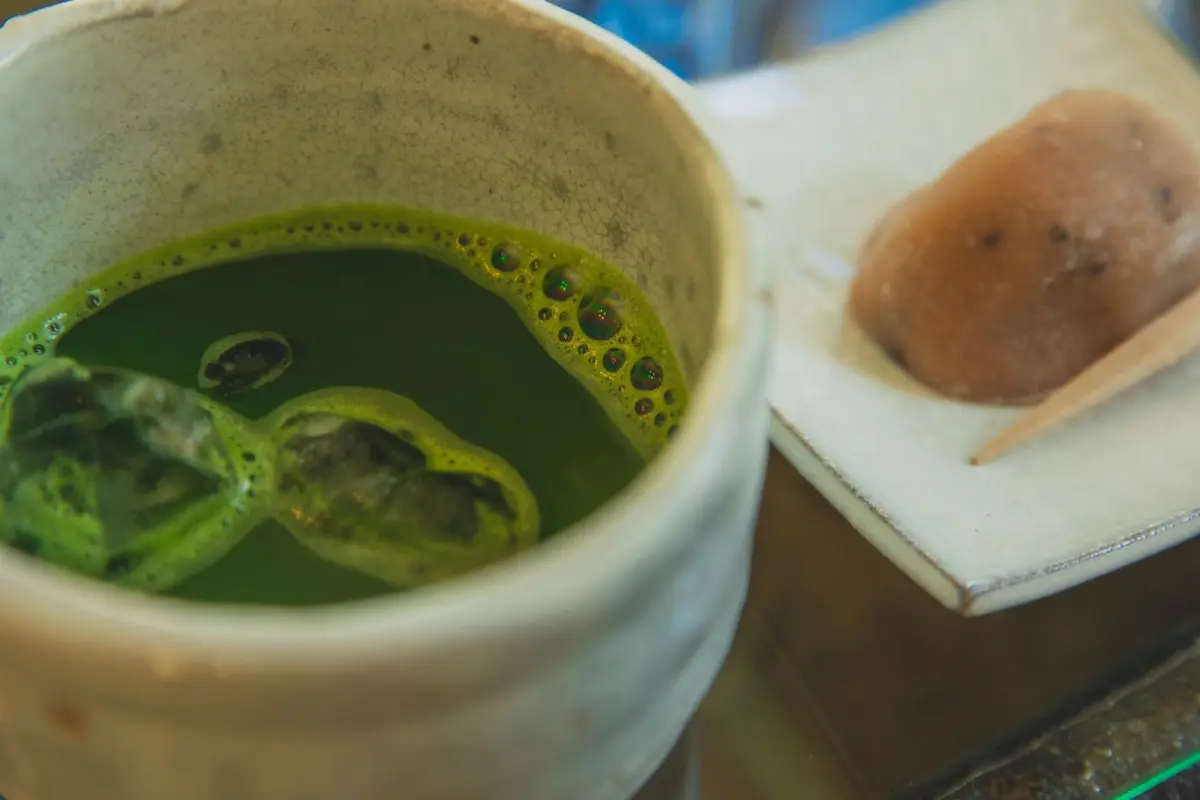
The practice of shading transforms the leaf's chemistry: less sunlight means less catechin bitterness, more theanine sweetness, and that luminous green that glows in the tea bowl.
Nagatani Soen's Revolution
In 1738, a farmer named Nagatani Soen (永谷宗円) perfected what became known as the Uji method. Instead of roasting tea leaves in the Chinese manner, he steamed them immediately after picking to halt oxidation, then hand-rolled them while drying. This preserved the leaves' vivid green and delicate flavour, creating the foundation of modern Japanese green tea. When combined with shaded cultivation, Soen's method produced gyokuro (玉露)—"jewel dew"—the most refined leaf tea Japan has ever known. His innovation spread across the country, but Uji remained its spiritual and technical home.
The Terroir of Tradition
Today Uji's tea gardens still cling to the hillsides between Kyoto and Nara, though urban sprawl has claimed some of the old fields. The river mists, the particular soil, and centuries of accumulated knowledge continue to distinguish Uji tea from imitators. Both matcha and gyokuro from this small region command premium prices, their flavour a direct inheritance from Eisai's seeds, the Ashikaga's patronage, Rikyū's aesthetics, and Soen's technical genius. The black shade-cloth that drapes the May fields is not a modern convenience but the visible continuation of a conversation between farmers and tea masters that has lasted half a millennium.
In every bowl of Uji matcha, six hundred years dissolve on the tongue.
FAQ
Chaware curates authentic Japanese crafts — straight from the makers in Japan to your table.
Explore the Chaware collection →
Keep exploring