Mino Washi: The Traditional Paper Behind Japan's Luminous Screens and Lanterns
On this page
The oldest paper in Japan still exists today—a household register from the year 702, preserved in the Shosoin treasury in Nara. It was made in Mino, in what is now Gifu Prefecture, and it remains legible after thirteen centuries. That durability is no accident.
Paper Fit for Emperors and Shoguns
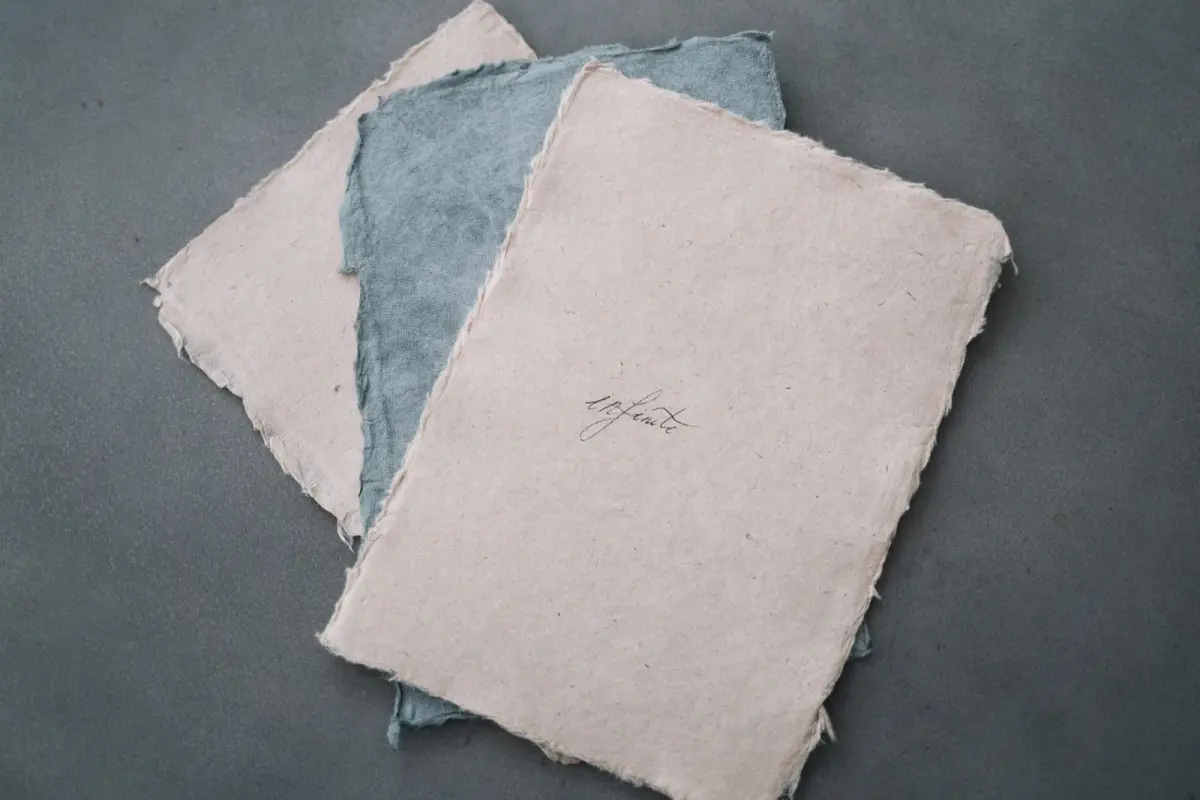
Mino washi (美濃和紙) is one of Japan's three great paper-making traditions, with a documented history stretching back more than 1,300 years. During the Heian period, Kyoto's nobles and priests sought out Mino paper for important documents and calligraphy, valuing its smooth surface and reliable strength. By the Edo period, the shogunate had designated Mino as an official supplier of premium shoji paper—the translucent sheets that fill wooden lattice screens in traditional architecture. The region's papermakers became masters at producing large, flawless sheets that could filter light without tearing under the strain of daily use.
The Hallmark of Hon-Minoshi
The finest expression of this craft is Hon-Minoshi (本美濃紙), a designation reserved for paper made using the most exacting traditional methods. Hon-Minoshi is remarkably thin and even, with no visible blemishes or thick spots when examined against the light. Yet this delicacy conceals exceptional tensile strength—the paper can be folded, handled, and aged without falling apart. The texture has a particular luminous quality, a soft glow that comes from the even distribution of kozo (paper mulberry) fibres suspended in each sheet. This combination of thinness, uniformity, and durability became the benchmark against which other Japanese papers were measured.
Recognition and Protection
In 1969, the Japanese government named the Hon-Minoshi technique an Important Intangible Cultural Property, acknowledging both its historical significance and the skill required to sustain it. The designation came with responsibilities: papermakers had to adhere strictly to traditional methods, using only kozo fibres, natural formations agents like neri (derived from the tororo-aoi plant), and hand tools passed down through generations. Then in 2014, Hon-Minoshi was inscribed on UNESCO's Intangible Cultural Heritage list as part of 'Washi: craftsmanship of traditional Japanese hand-made paper,' alongside Sekishu-banshi from Shimane and Hosokawa-shi from Saitama. The recognition brought international attention to a craft that had quietly endured for over a millennium.
The Making of Light
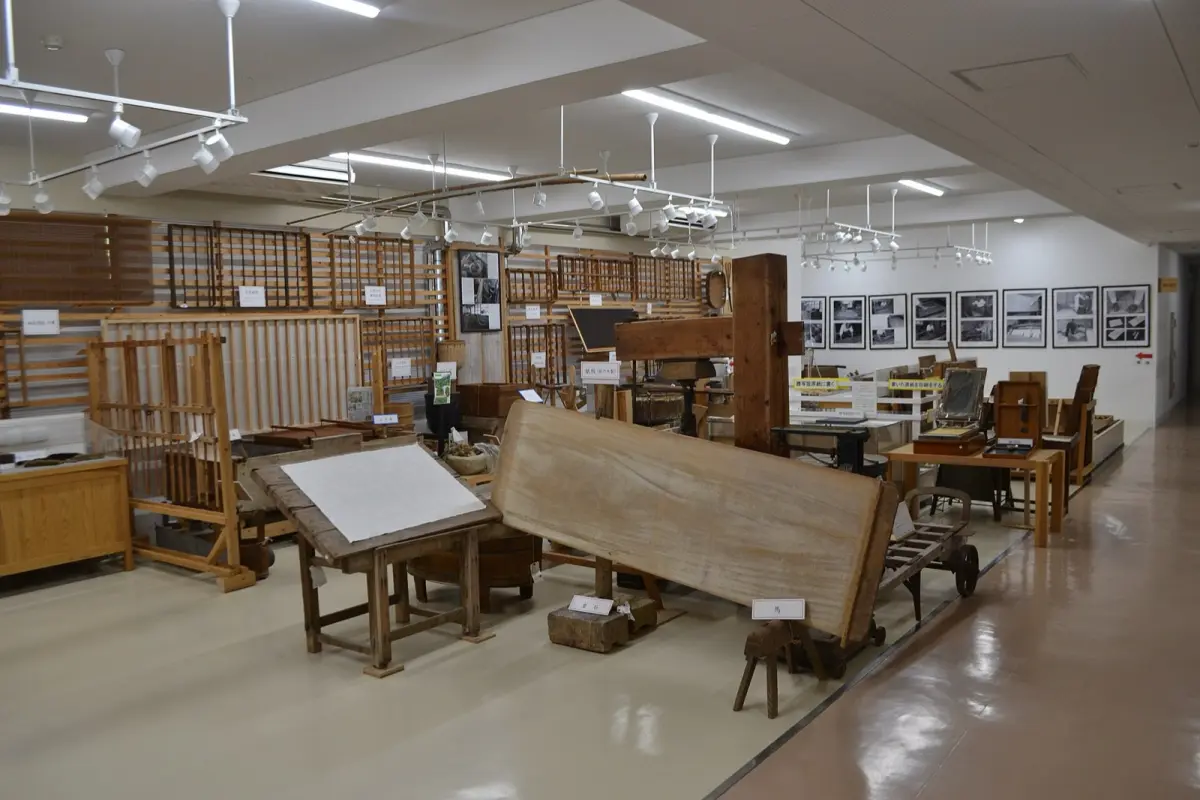
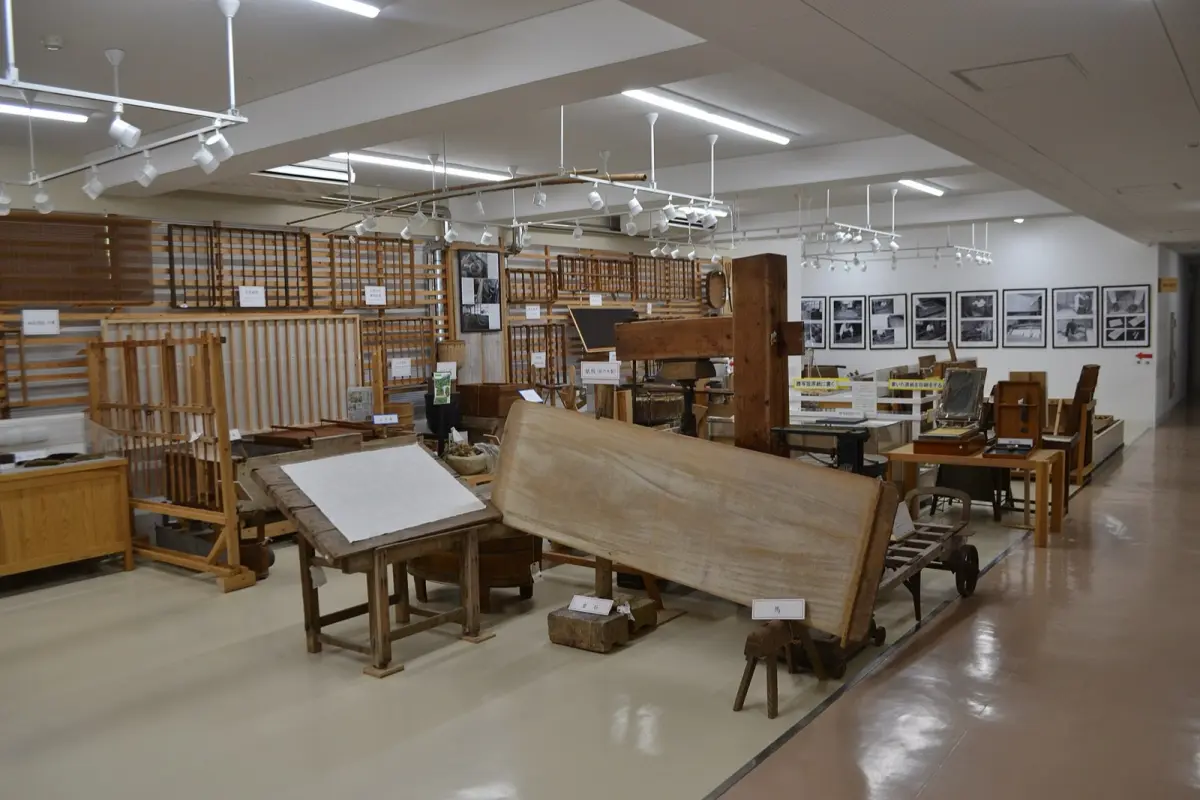
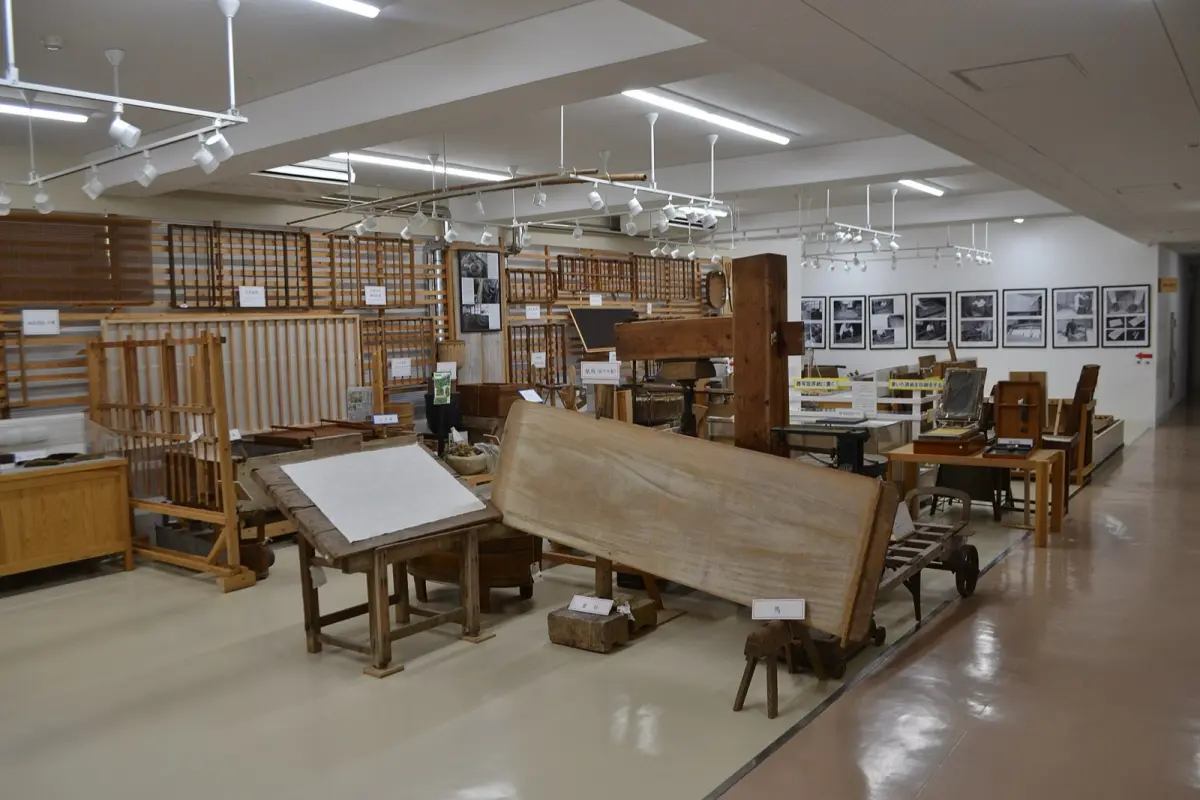
Creating Hon-Minoshi requires patience at every stage. Kozo branches are steamed, stripped, and boiled until only the white inner bark remains. This is beaten into a pulp, then mixed with cold water and neri in a large vat. The papermaker uses a suketa—a bamboo screen stretched over a wooden frame—to scoop the mixture in a rhythmic back-and-forth motion, building up thin layers of fibre. Each dip must be timed precisely; too much pulp and the sheet becomes thick and uneven, too little and it will be weak. The wet sheets are then stacked, pressed to remove excess water, and dried on wooden boards in the sun. The entire process is done by hand, and a single artisan might produce only a few dozen sheets in a day.
A Living Tradition
Today, a small number of workshops in Mino continue to make Hon-Minoshi using these centuries-old techniques. The paper is used for conservation work on historical documents, for fine art prints, and occasionally for new shoji screens in temples and traditional homes. It remains expensive and labour-intensive, but those who work with it speak of a quality that cannot be replicated by machine. The luminous texture, the strength, the way ink sits on the surface without bleeding—these are the same qualities that impressed Heian courtiers and Edo officials. In Mino, the past is still legible, still held up to the light.
FAQ
Chaware curates authentic Japanese crafts — straight from the makers in Japan to your table.
Explore the Chaware collection →
Keep exploring