Shigaraki Ware: The Soul of Rough Clay and the Story Behind Japan's Smiling Tanuki
On this page
The clay beneath Shigaraki holds the memory of an ancient lake. When fire meets it in the kiln's heart, that memory surfaces as colour — scorched orange, glassy green, charred black — each piece a small geography of flame.
Clay from the Bed of an Ancient Lake
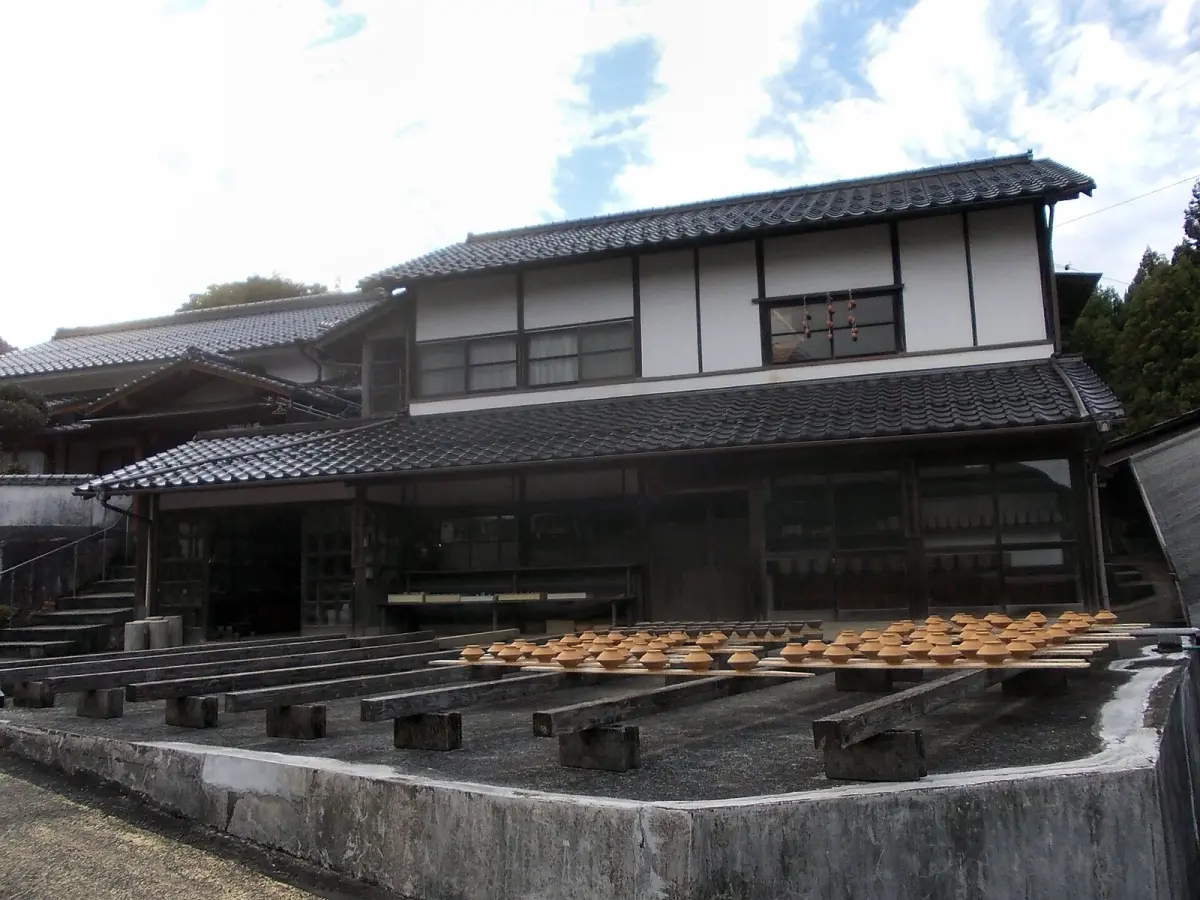
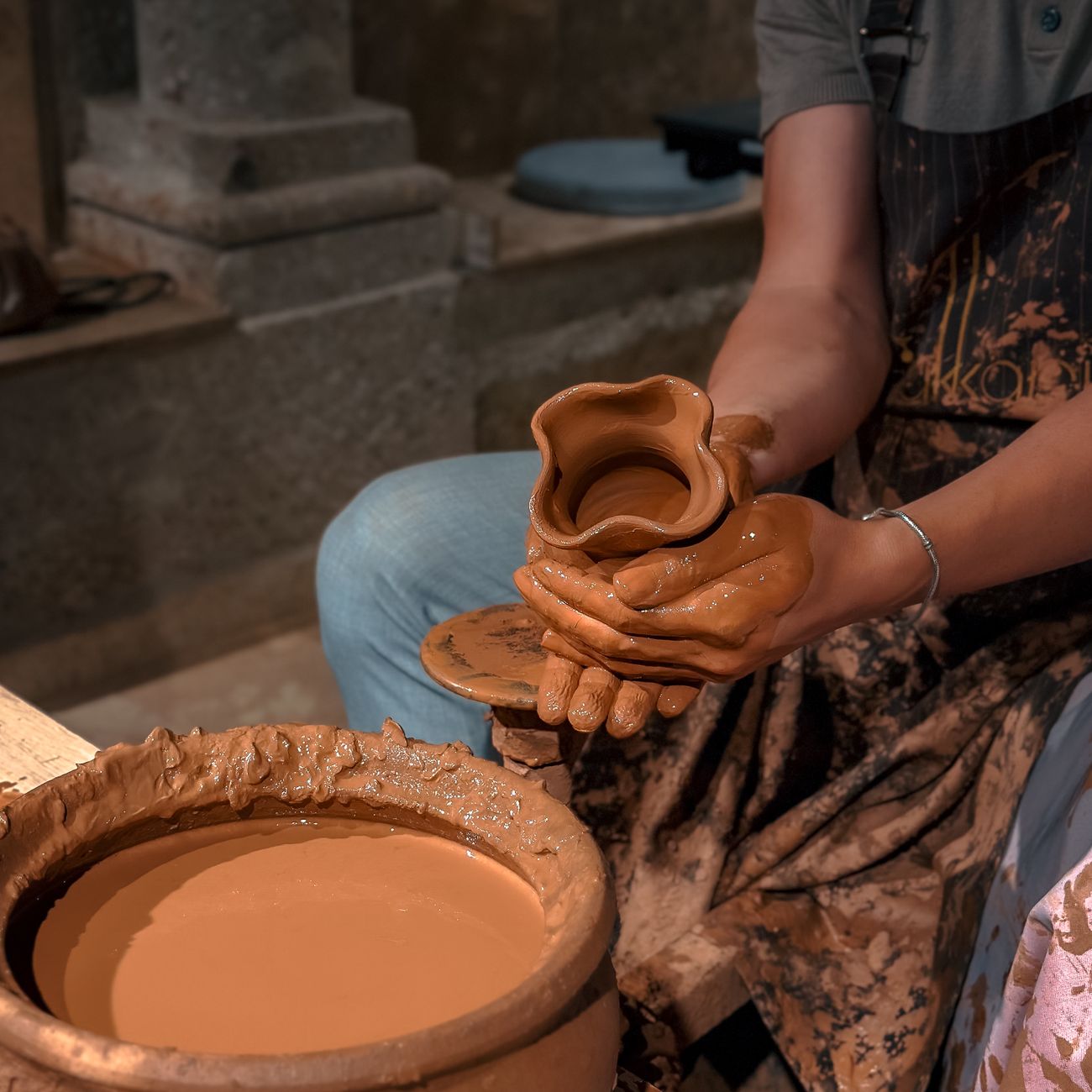
The story of Shigaraki-yaki (信楽焼) begins not with potters but with water. The clay that defines this craft comes from geological strata laid down when Ko-Biwako — ancient Lake Biwa — covered a different part of Shiga Prefecture millions of years ago. This sedimentary clay is exceptionally fire-resistant and workable, qualities that made Shigaraki one of Japan's Six Ancient Kilns and allowed its potters to create everything from humble roof tiles to storage jars tall enough to hold a person.
Production began in the late Heian period, initially absorbing techniques from nearby Tokoname. By the fourteenth century, Shigaraki had developed its own distinctive character, shaped as much by what its potters chose not to do as by what they did.
The Unglazed Path
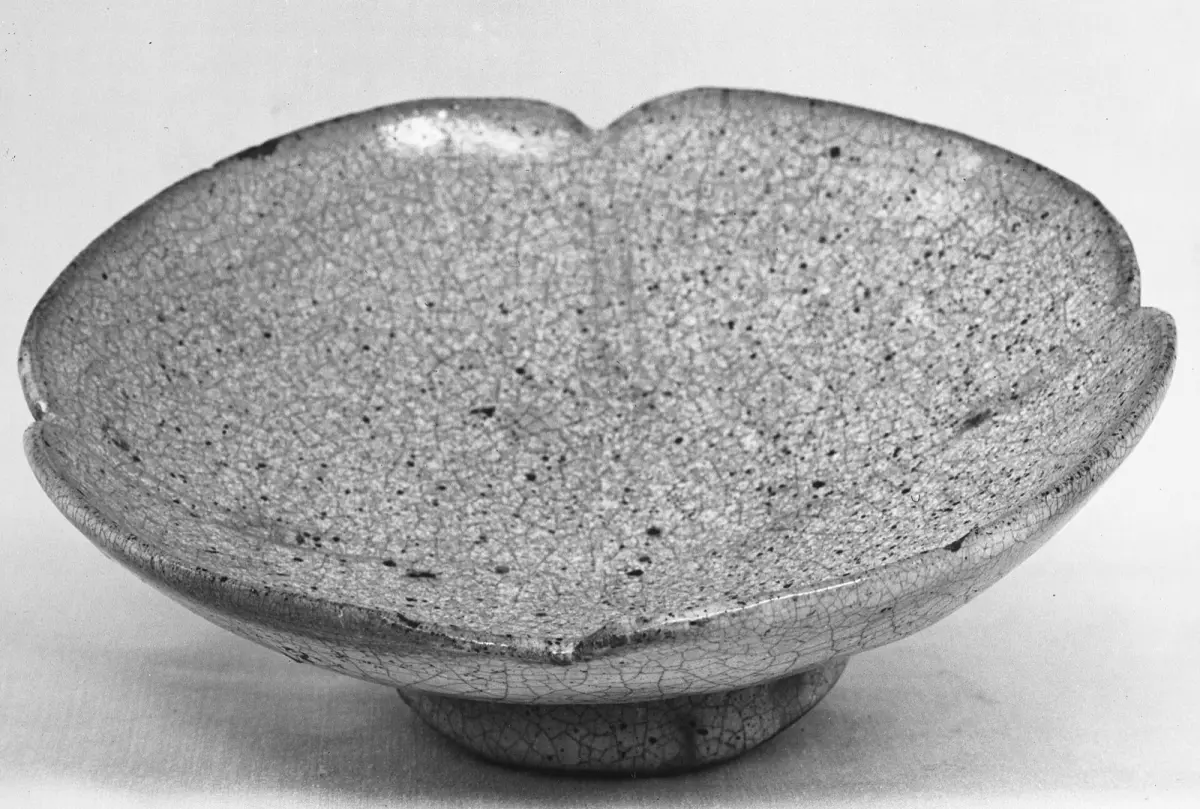
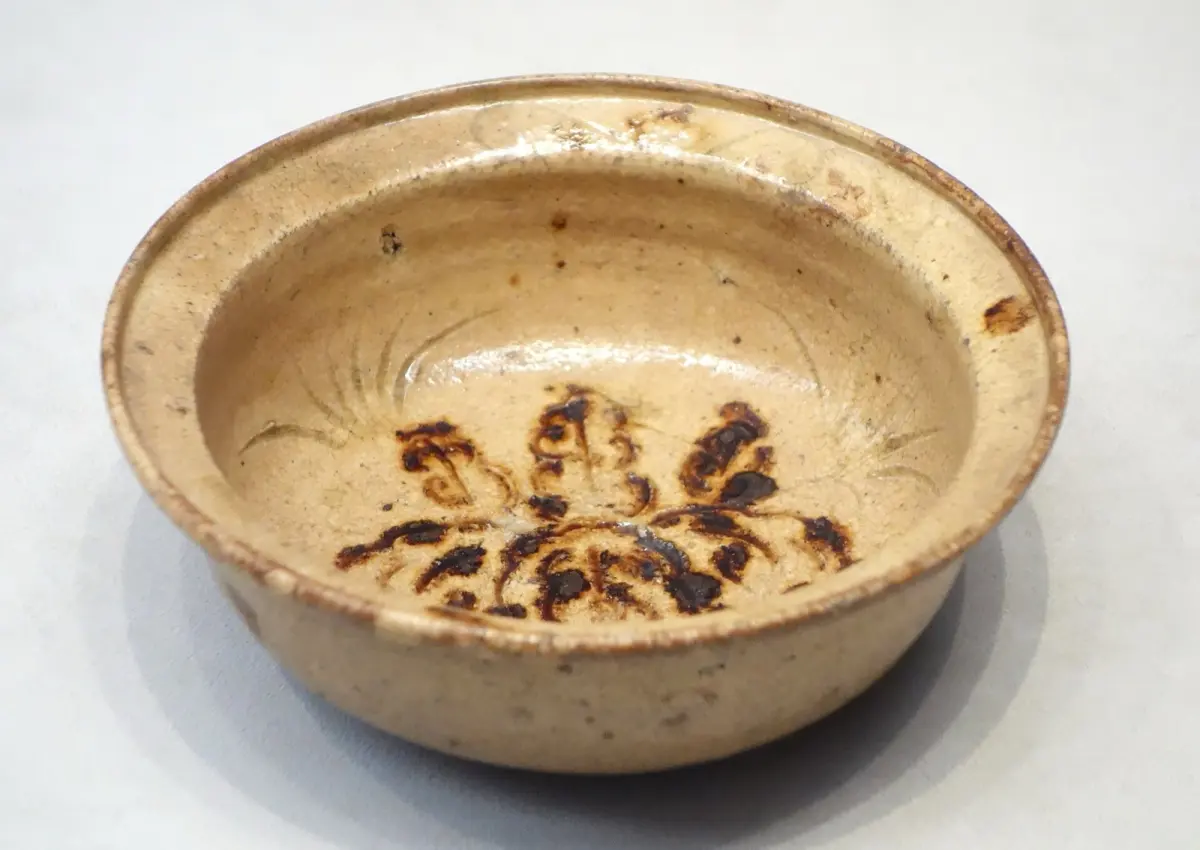
Shigaraki ware is traditionally fired without applied glaze, relying instead on the kiln's atmosphere to decorate the clay. Wood-fired in climbing kilns, each piece becomes a canvas for chance and chemistry. Three signature effects emerge from this process:
- Hiiro (火色, 'fire colour'): warm orange-red scorch marks where flame touched bare clay
- Bidoro (ビードロ): glassy green patches formed when wood ash melts and fuses to the surface
- Koge (焦げ): charred black areas where intense heat altered the clay itself
These aren't defects but defining features, each one unrepeatable. The potter sets the stage, but fire writes the final script.
From Jars to Tea
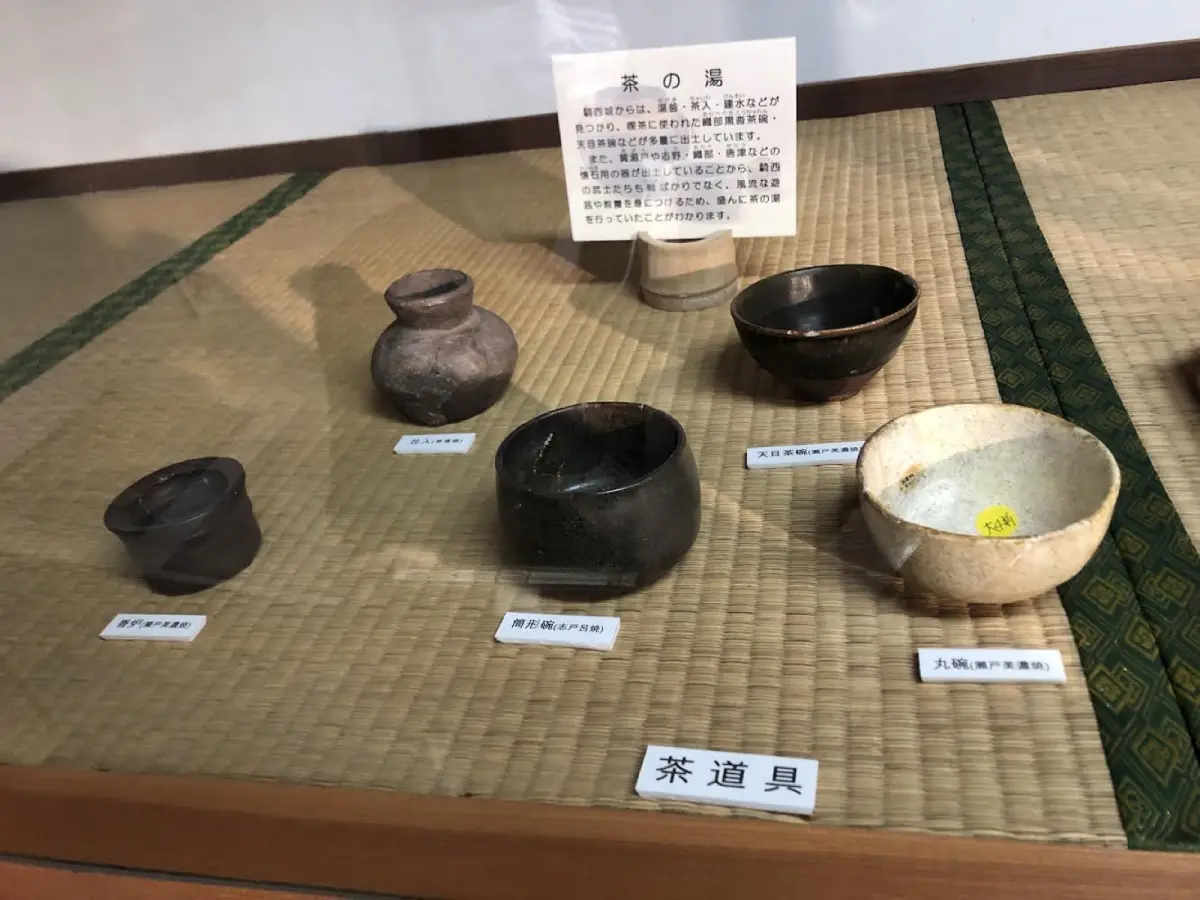
The robust, fire-resistant clay that once made Shigaraki indispensable for utilitarian wares — grain storage, roof tiles, grinding mortars — also caught the attention of tea masters. The rough, unpretentious surface and warm earth tones aligned with wabi-sabi aesthetics. Shigaraki tea wares became valued precisely because they looked like they had emerged from the ground with minimal human interference, their natural ash glazes and scorch marks offering a visual humility that matched the tea ceremony's philosophical underpinnings.
This dual identity — practical and contemplative, rustic and refined — has allowed Shigaraki to remain relevant across centuries of shifting taste.
The Tanuki That Stopped Traffic
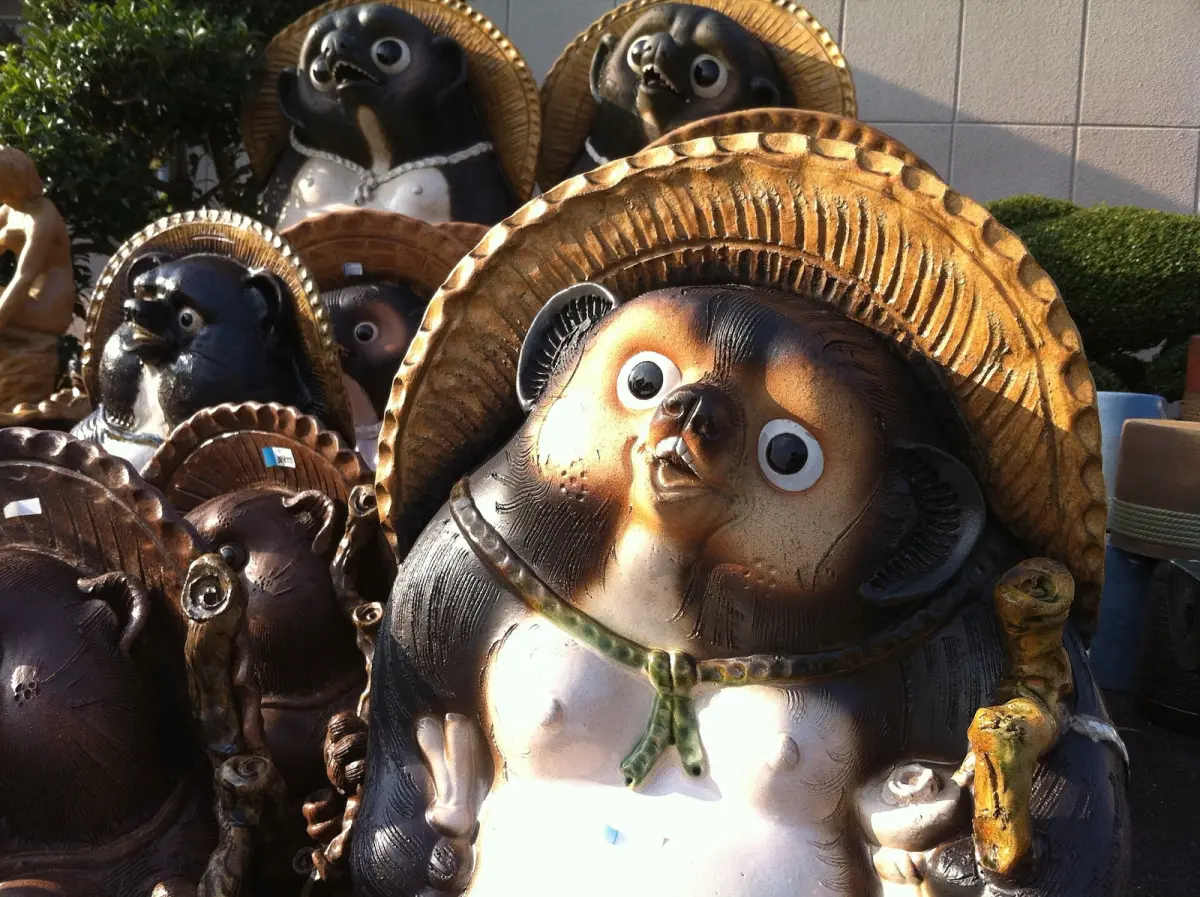
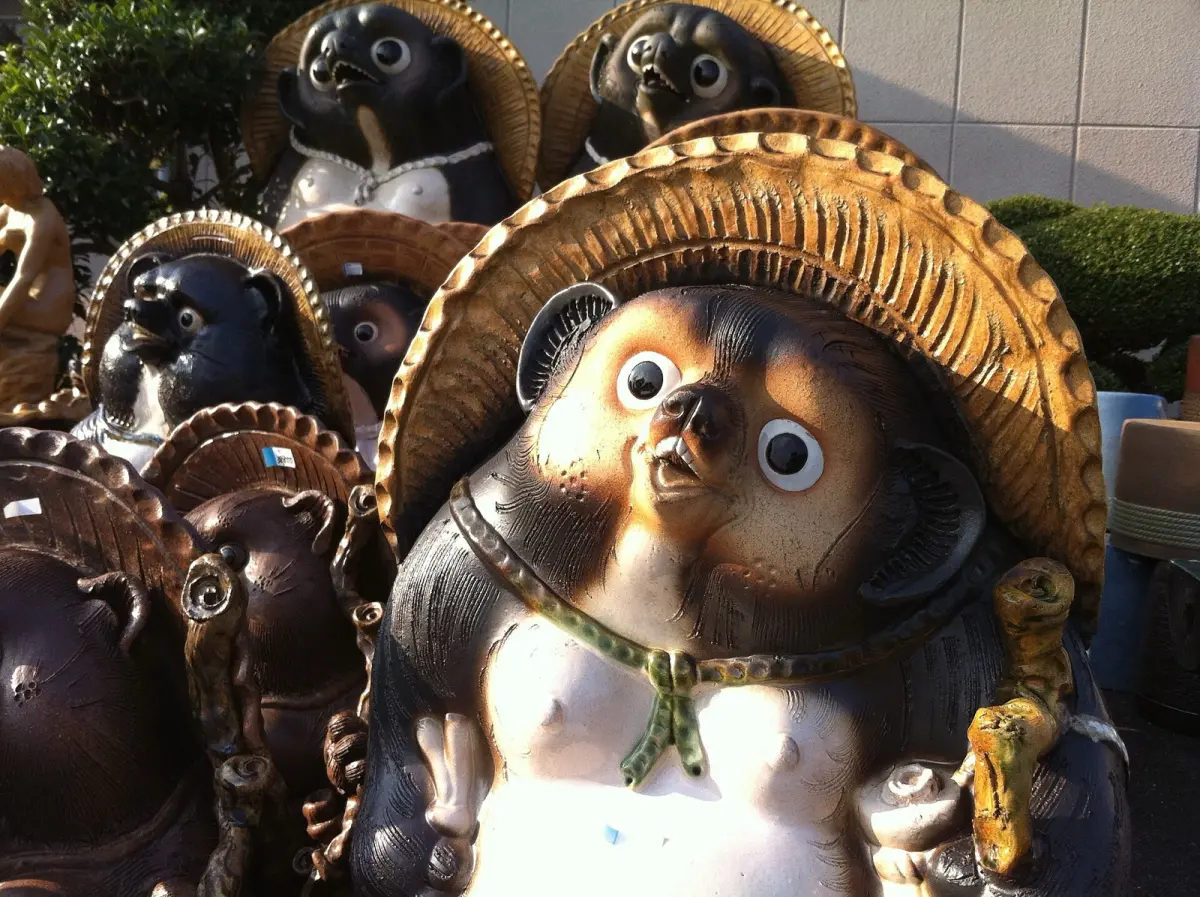
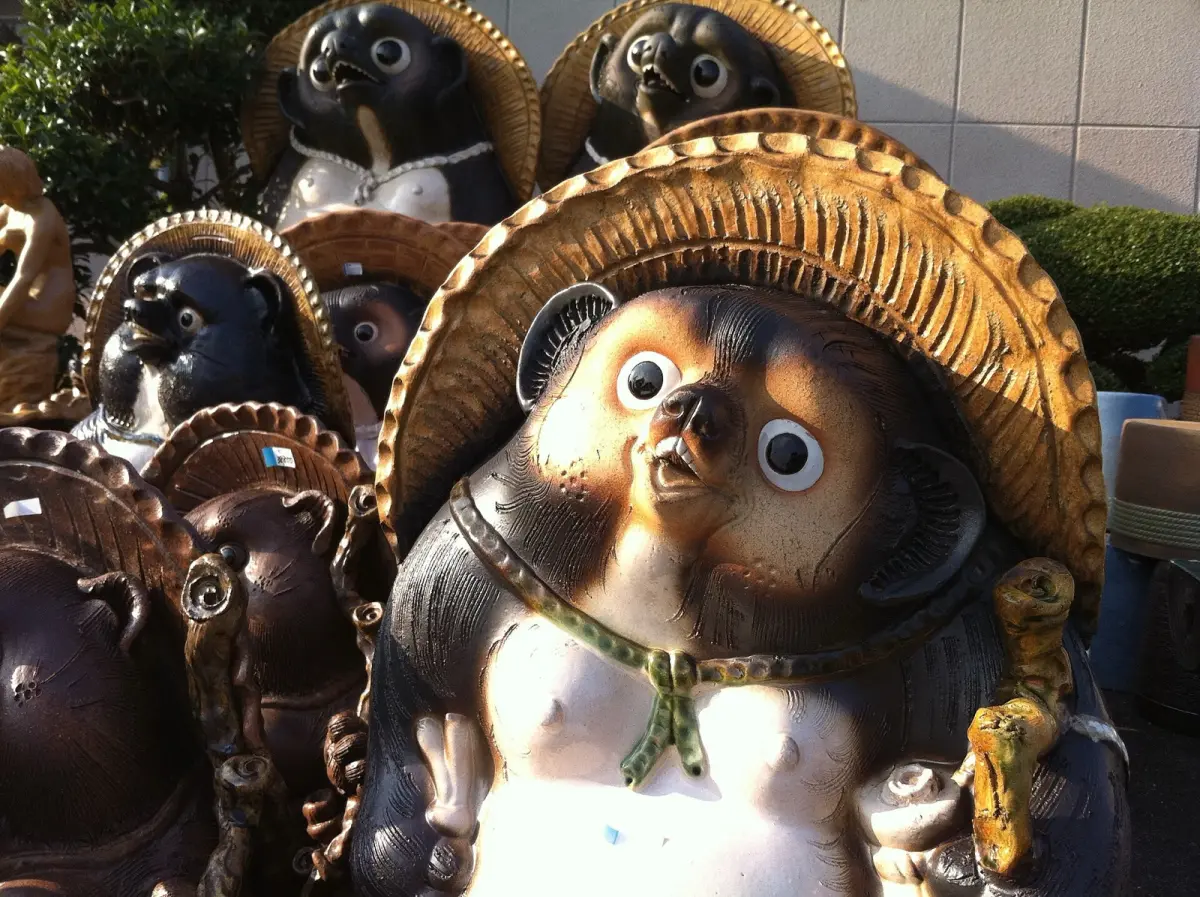
Walk through Shigaraki today and you'll encounter smiling tanuki (raccoon-dog) figurines everywhere: outside shops, guarding doorways, perched on shelves. These rotund creatures, often depicted with oversized features and a sake flask, became Shigaraki's most recognizable export through a moment of imperial serendipity.
In 1951, Emperor Showa visited Shigaraki. Local potters lined the route with hundreds of tanuki figurines holding flags in welcome. The sight charmed the Emperor and captivated the national press. Suddenly, Shigaraki tanuki became symbols of good fortune across Japan, their cheerful faces appearing in restaurants, shops, and homes nationwide. What began as a spontaneous gesture of hospitality transformed into an industry, though one that sits somewhat awkwardly alongside the ware's ancient, austere roots.
Fire and Earth, Still Speaking
Modern Shigaraki potters work in the shadow of both traditions — the unglazed austerity valued by tea practitioners and the playful commercial appeal of the tanuki. Some continue wood-firing in traditional climbing kilns, accepting the unpredictability and labour that process demands. Others explore the clay's versatility in new directions, creating contemporary forms that still bear hiiro and bidoro as their birthmarks.
The clay itself remains constant: that ancient lakebed sediment, patient and fire-resistant, waiting to remember flame. In Koka, kilns still transform earth into objects that carry the marks of their making on their skin.
FAQ
Chaware curates authentic Japanese crafts — straight from the makers in Japan to your table.
Explore the Chaware collection →
Keep exploring