Nara, Go Deeper
Nara wears its history lightly. Japan's first permanent capital may have lost that title to Kyoto in 794, but what remains is older, quieter, and somehow more intimate. Deer wander freely through temple precincts where bronze Buddhas have sat for over a millennium. Vermilion shrines glow beneath ancient cryptomeria. Beyond the famous park, latticed merchant quarters and moss gardens reveal a city that never stopped living inside its past.
- Tap Open in Google Maps on any place for live directions, transit, hours & reviews.
- Get an ICOCA / Suica IC card — tap on/off trains, subways & buses, no ticket needed.
- Carry some cash (¥) — many small shops, shrines & old streets are cash-only.
- Go early: the famous spots are calm and beautiful before ~9am.
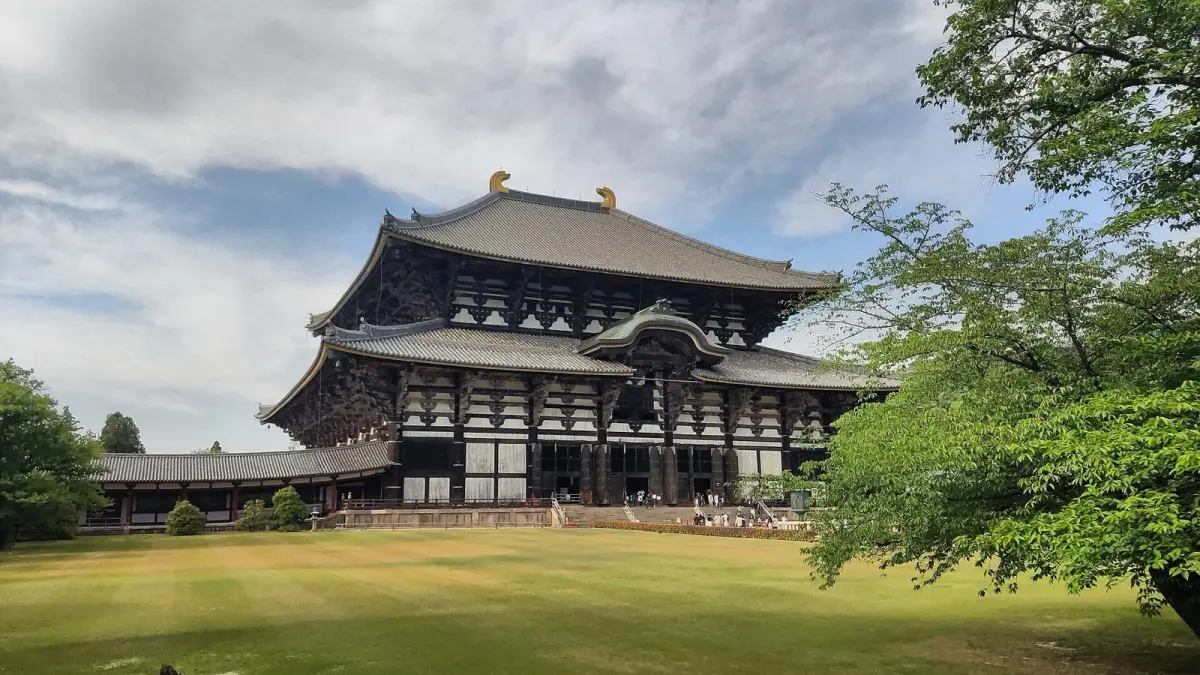
Tōdai-ji
The Great Buddha Hall shelters the vast bronze Vairocana, cast when Emperor Shomu completed this temple in 751. Though fire claimed the original building twice, the statue and the hall's sheer scale still inspire awe. This is where Nara's ambition as an eighth-century capital becomes tangible.
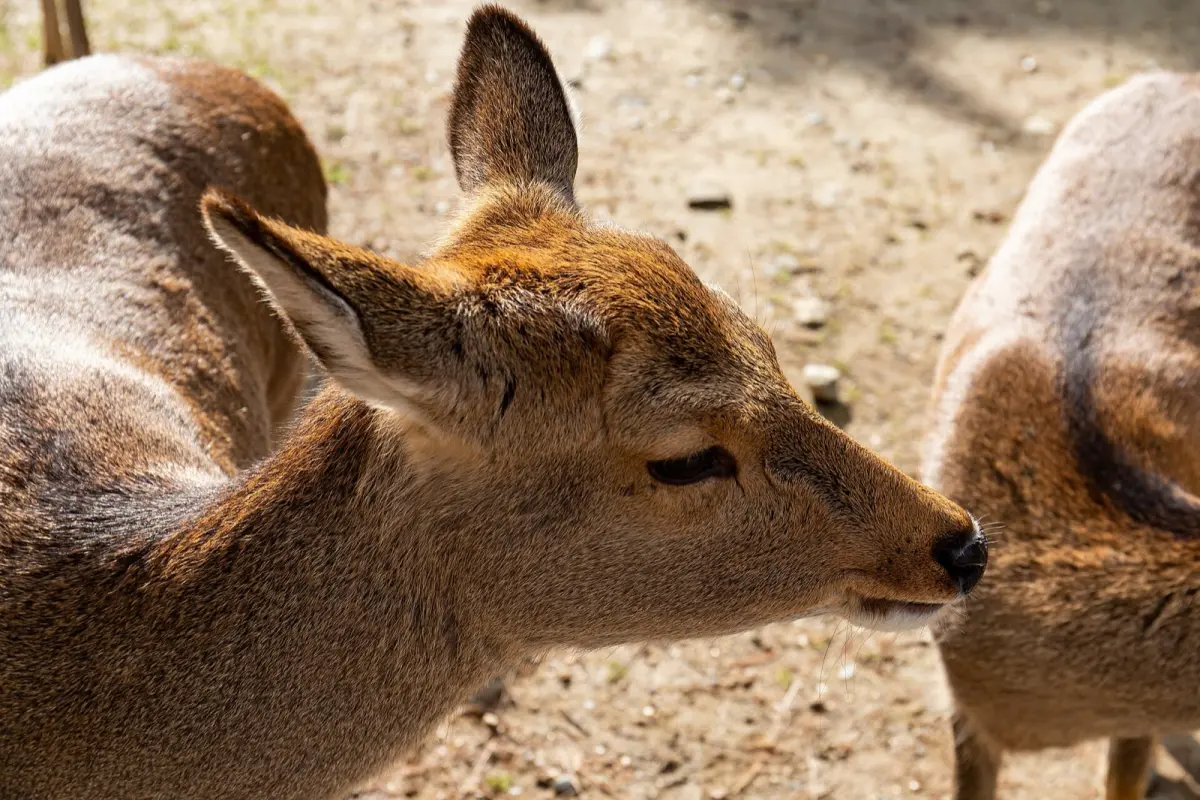
Nara Park Deer
More than a thousand sika deer roam freely here, sacred messengers who have learned to bow politely for rice crackers. They are genuinely wild, protected for centuries, and their presence turns a stroll through temple grounds into something unexpectedly playful and strange.
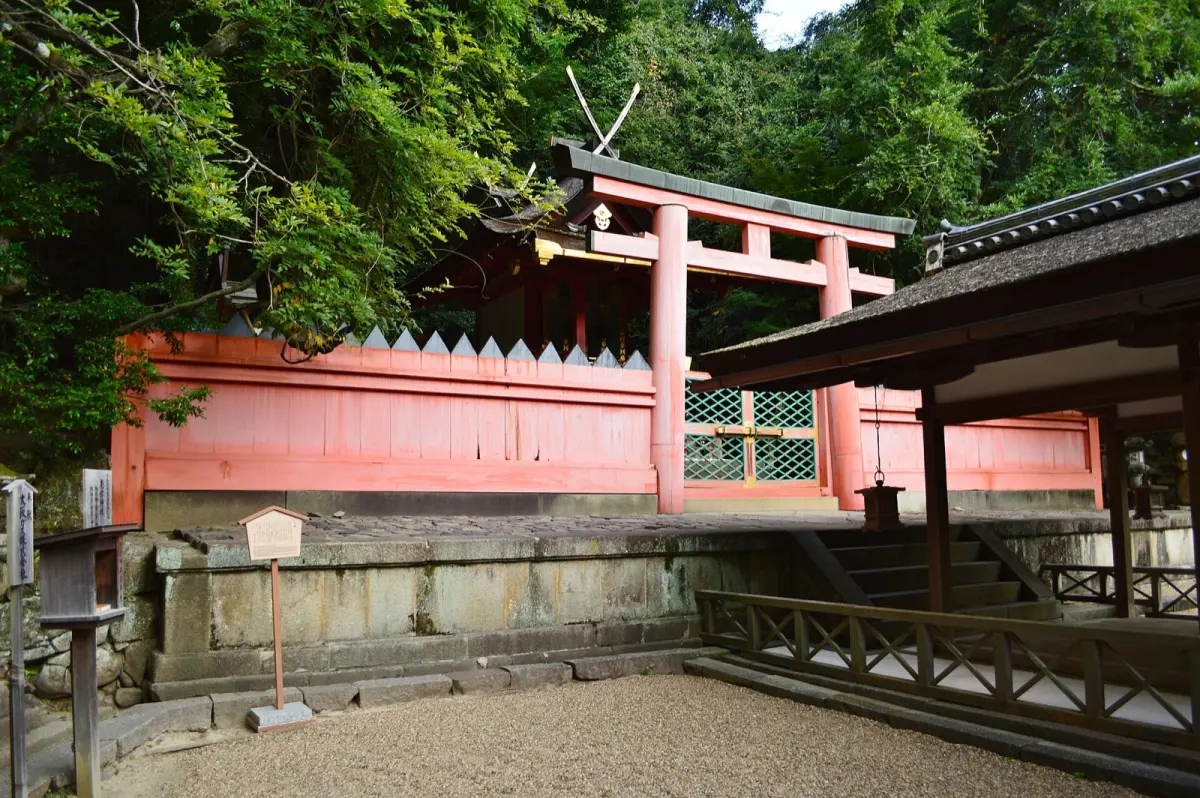
Kasuga Taisha
Founded in 768 to protect the young capital, this vermilion shrine belongs as much to the forest as to the Fujiwara clan who built it. Thousands of stone and bronze lanterns line the paths and fill the corridors, a constellation that glows during twice-yearly festivals.
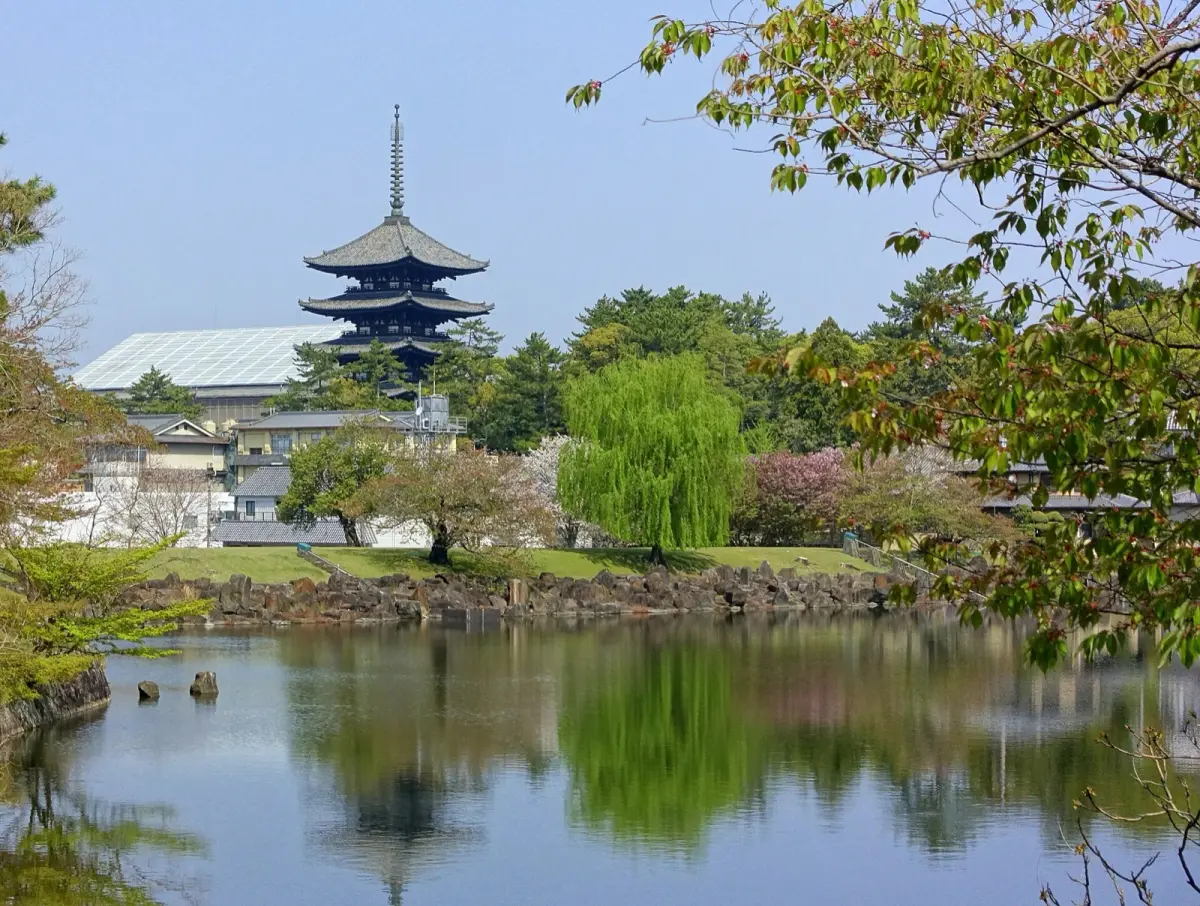
Kōfuku-ji
The Fujiwara family temple commands the edge of Nara Park with its elegant five-storey pagoda, rebuilt in 1426 and rising just over fifty metres. It is Japan's second-tallest wooden pagoda, a slender exclamation mark against the hills that has defined Nara's skyline for centuries.
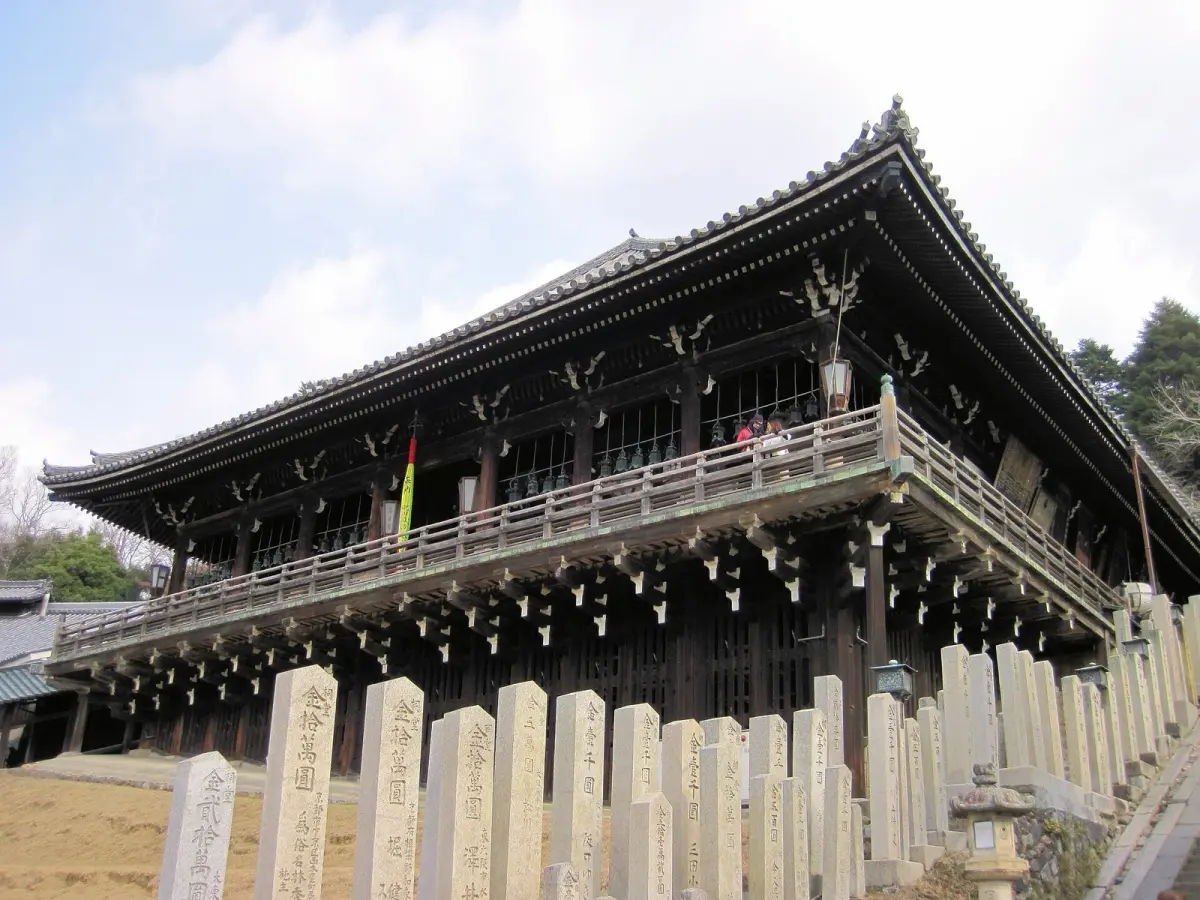
Nigatsu-dō
This hillside hall of Todaiji offers sweeping views over the city and hosts the dramatic Omizutori fire ceremony every March. The wooden veranda, the lanterns, and the sense of elevation make it feel like a place of both pilgrimage and pause.
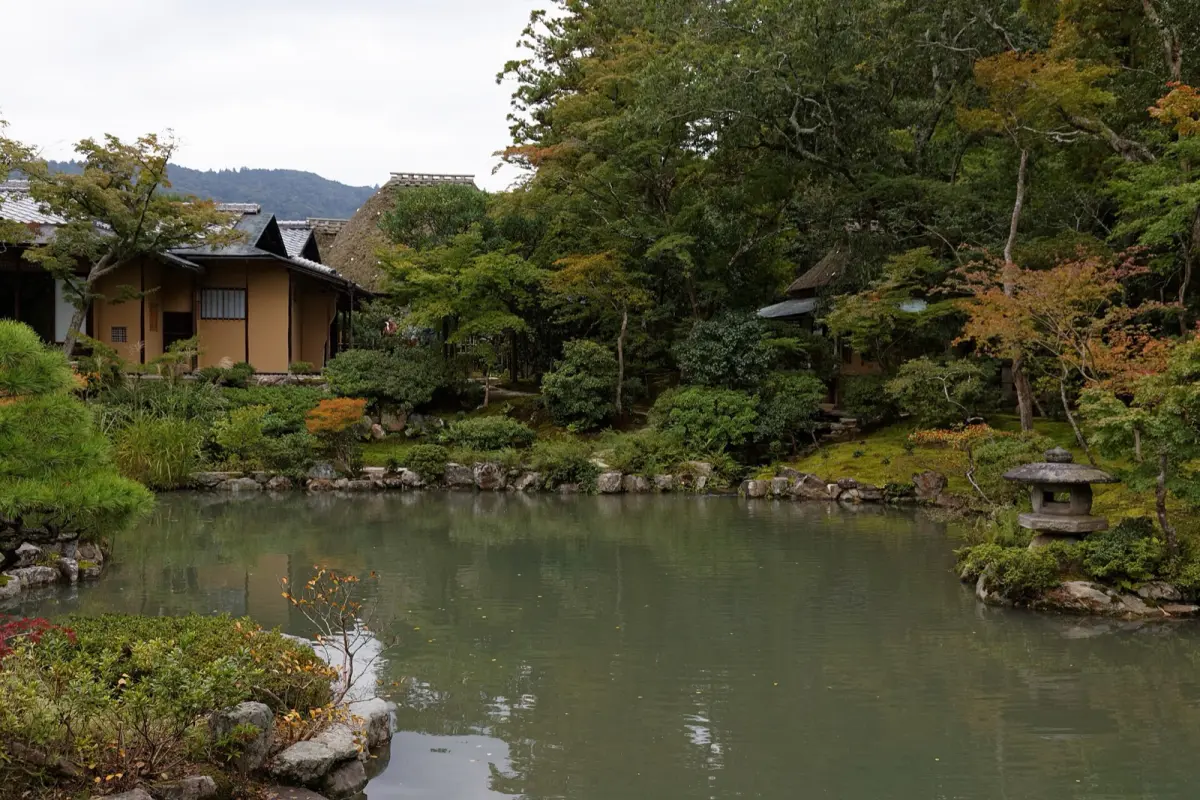
Isui-en Garden
A masterful strolling garden that borrows Todaiji's gate and the forested hills beyond as living backdrop. The ponds, stones and teahouses are composed with such care that the boundary between garden and distant scenery dissolves entirely.
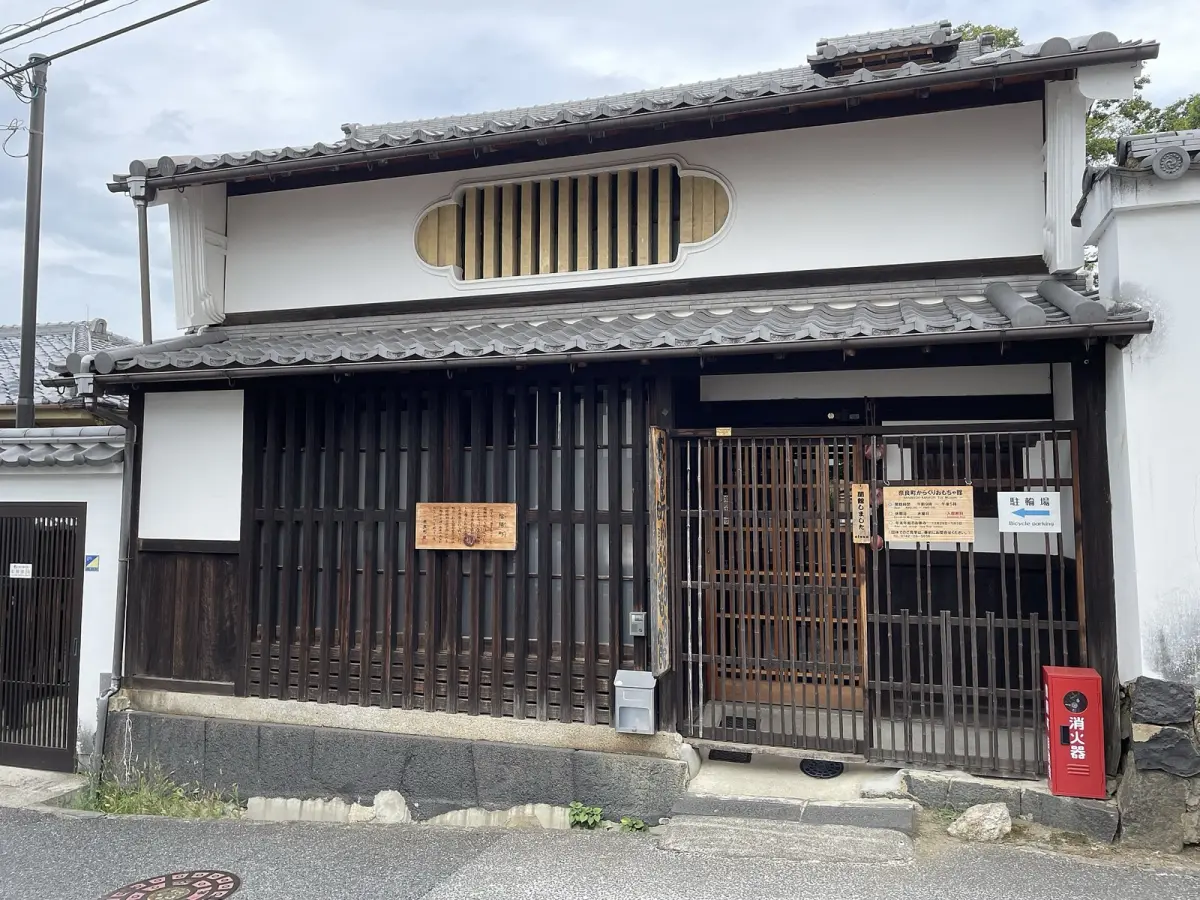
Naramachi Old Town
Nara's old merchant quarter survives as a lattice-fronted labyrinth of machiya townhouses, now filled with small craft studios, cafes and shops. The narrow lanes and dark wooden facades feel lived-in rather than preserved, a neighbourhood that adapted without erasing itself.
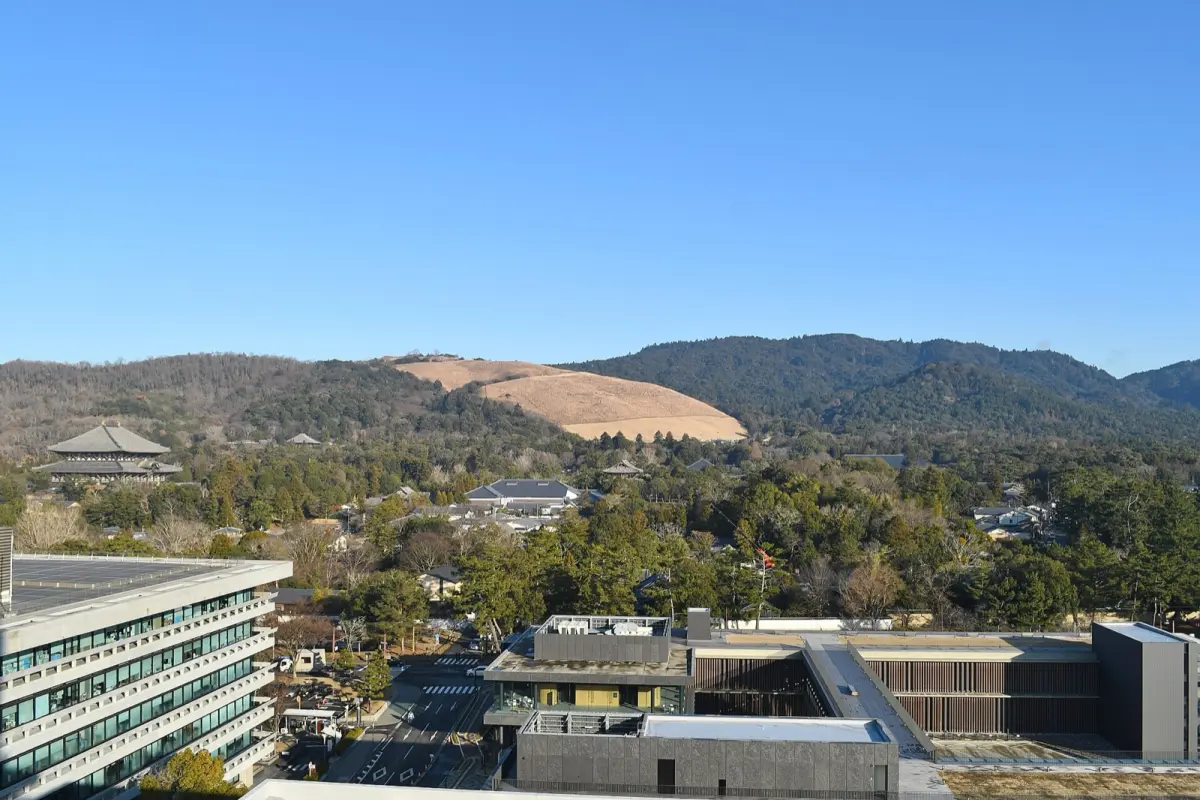
Mount Wakakusa
This grassy hillside above the park is set ablaze each January during the Yamayaki festival, a spectacle visible across the city. The rest of the year it offers an easy climb and panoramic views that stretch from the temples to the mountains beyond.
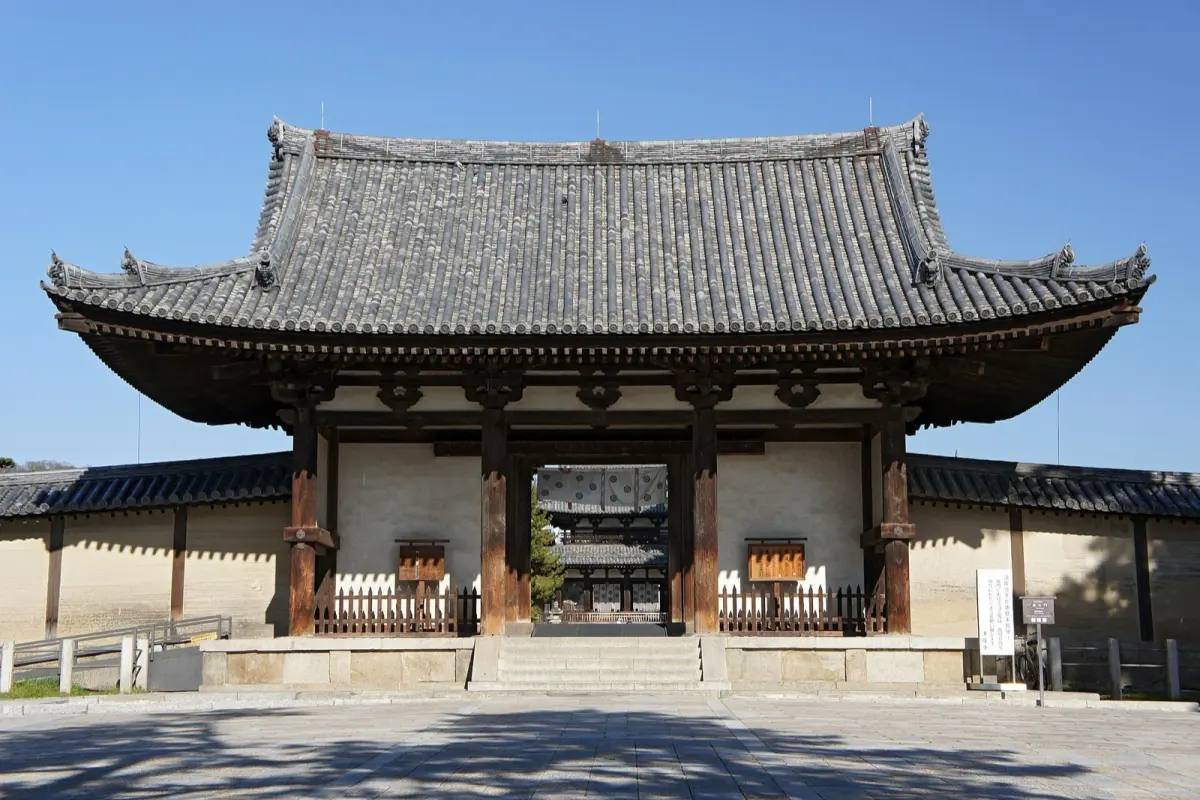
Hōryū-ji
Prince Shotoku founded this temple complex in the early seventh century, and its halls remain among the oldest surviving wooden structures on earth. Japan's first UNESCO World Heritage site, it holds an atmosphere of quiet antiquity that even Nara Park cannot match.
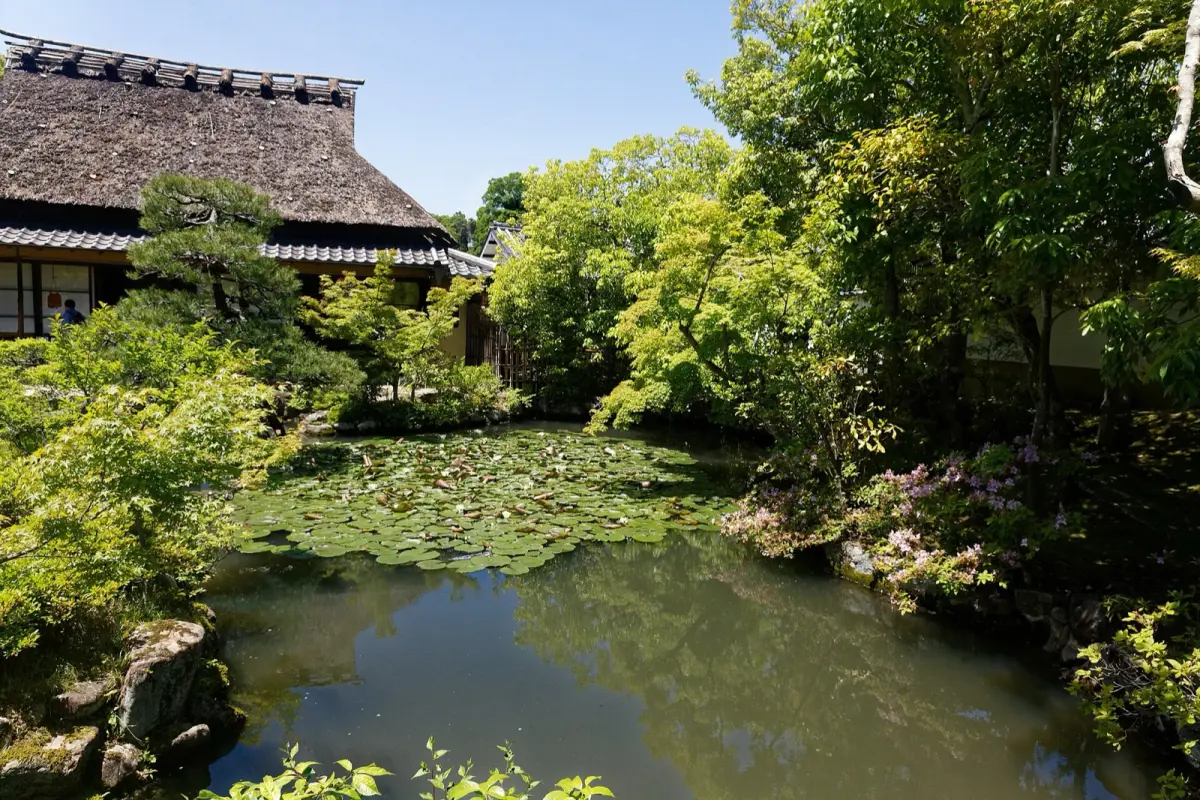
Yoshiki-en Garden
A serene garden divided into three distinct styles - pond, moss and tea-ceremony landscapes - that sits quietly beside the busier Isuien. Its mossy pathways and bamboo groves offer a moment of stillness just steps from the main temple route.
Crafts of this region
Authentic pieces made near here — learn the story, then bring one home.
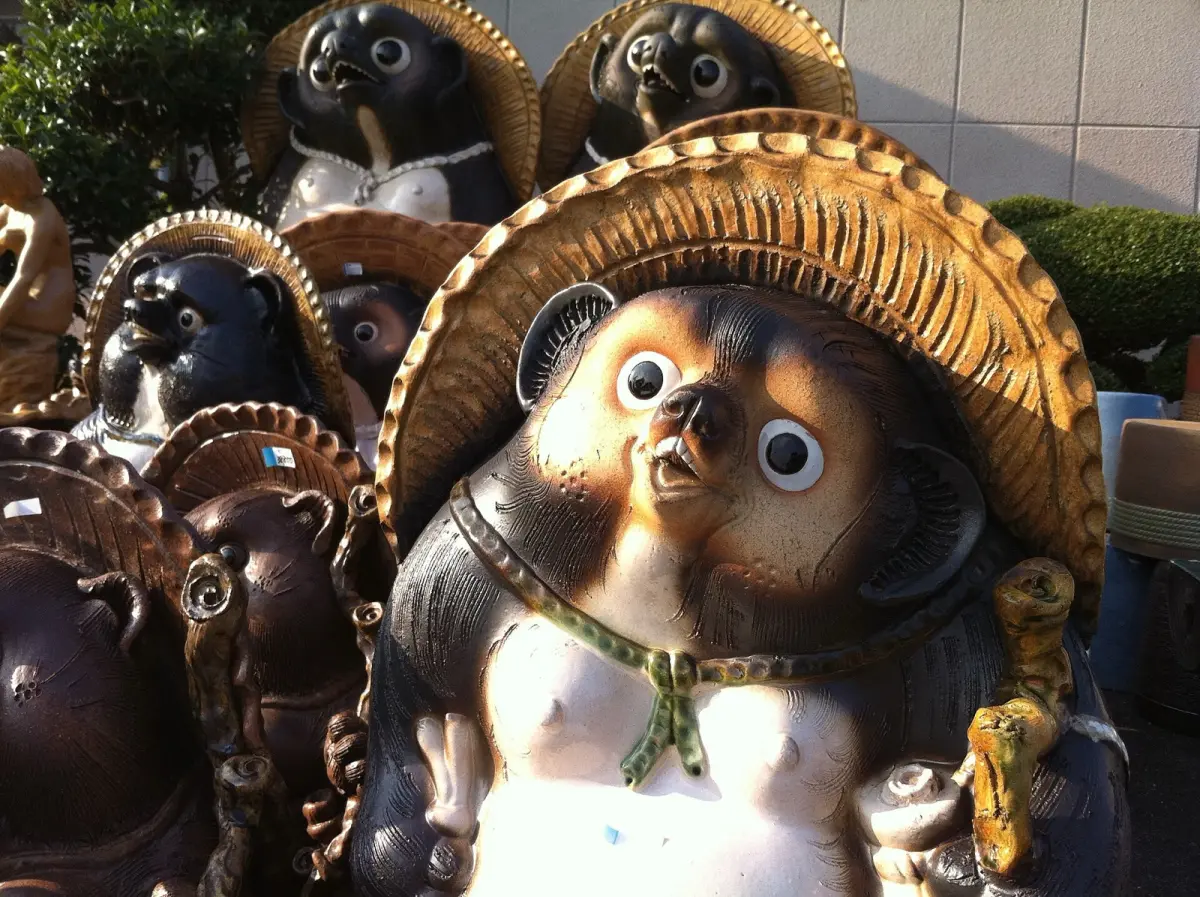 Shigaraki Ware
信楽焼 · Kōka, Shiga
Shigaraki Ware
信楽焼 · Kōka, Shiga
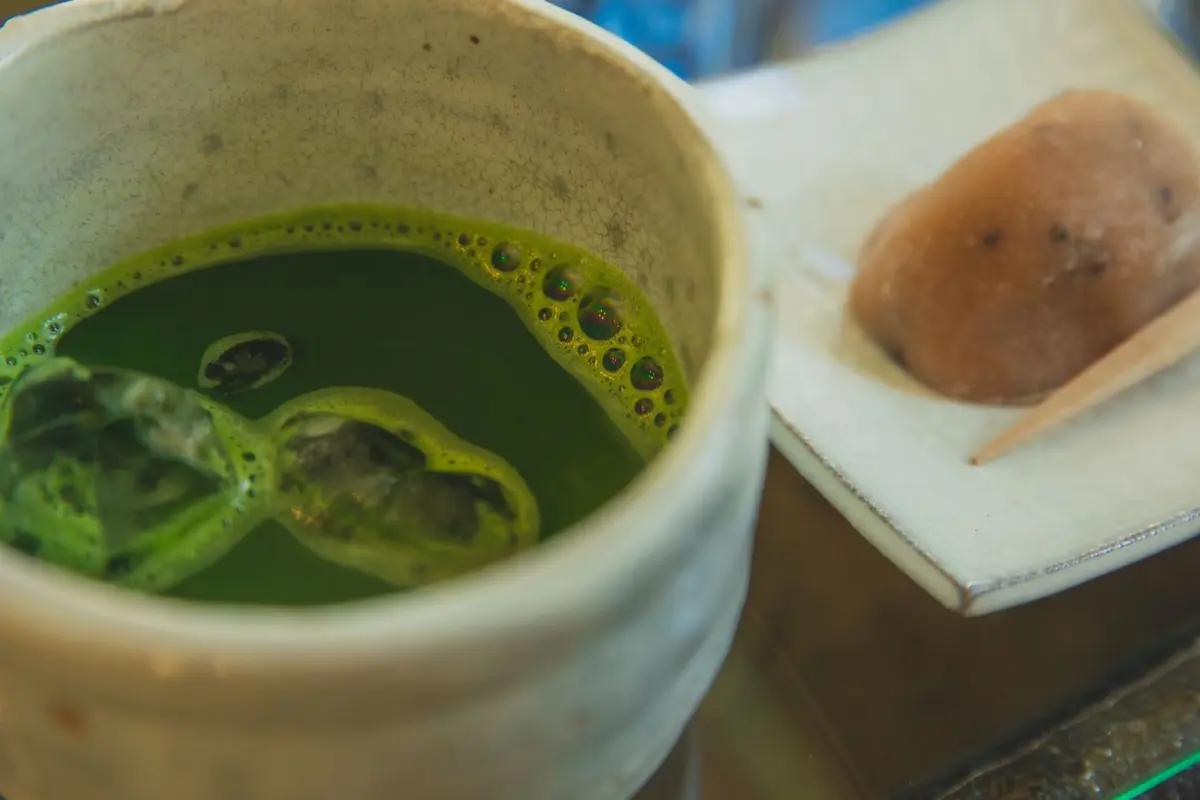 Uji Matcha
宇治茶 · Uji, Kyoto
Uji Matcha
宇治茶 · Uji, Kyoto
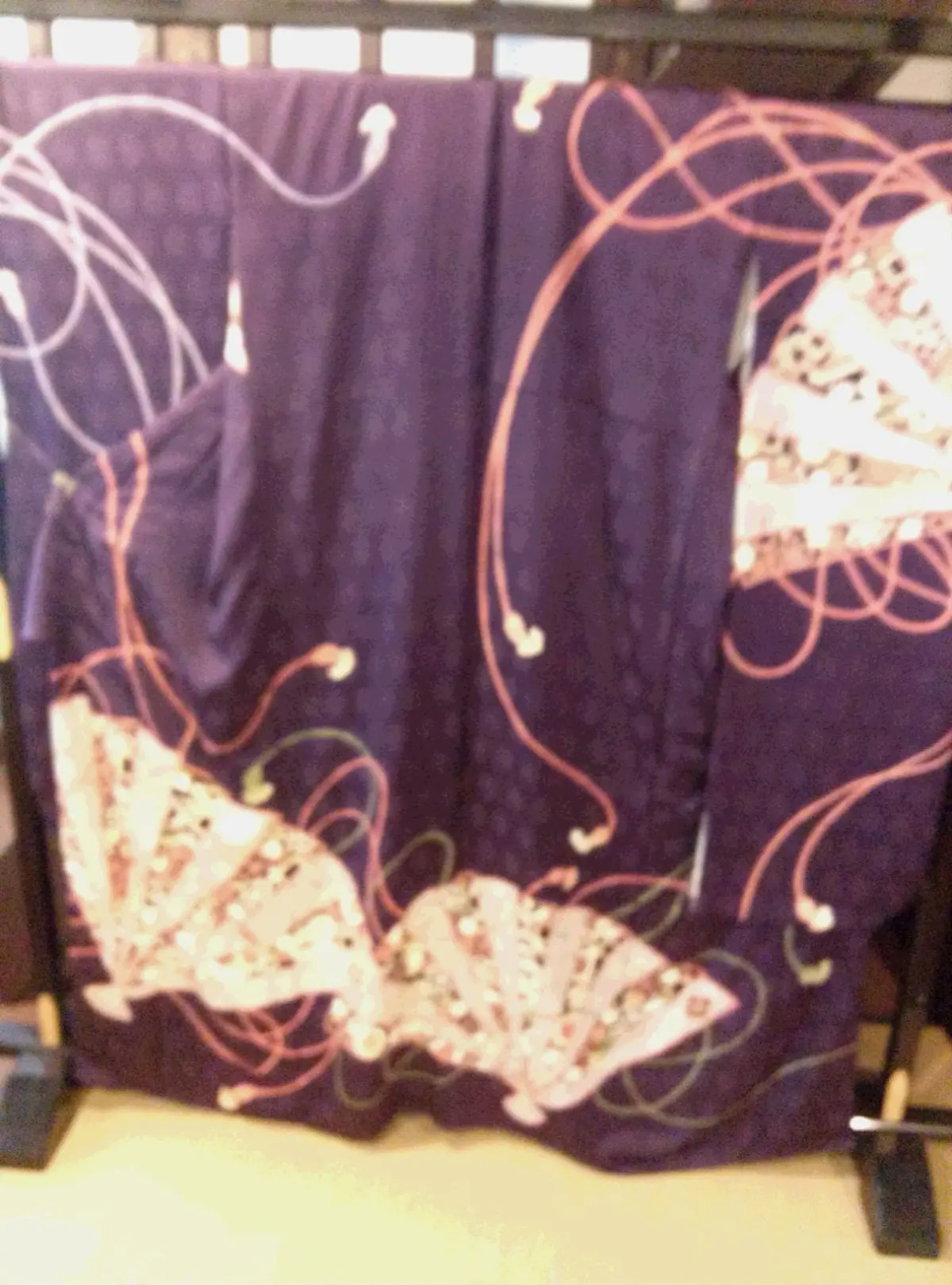 Nishijin Weaving
西陣織 · Nishijin, Kyoto
Nishijin Weaving
西陣織 · Nishijin, Kyoto
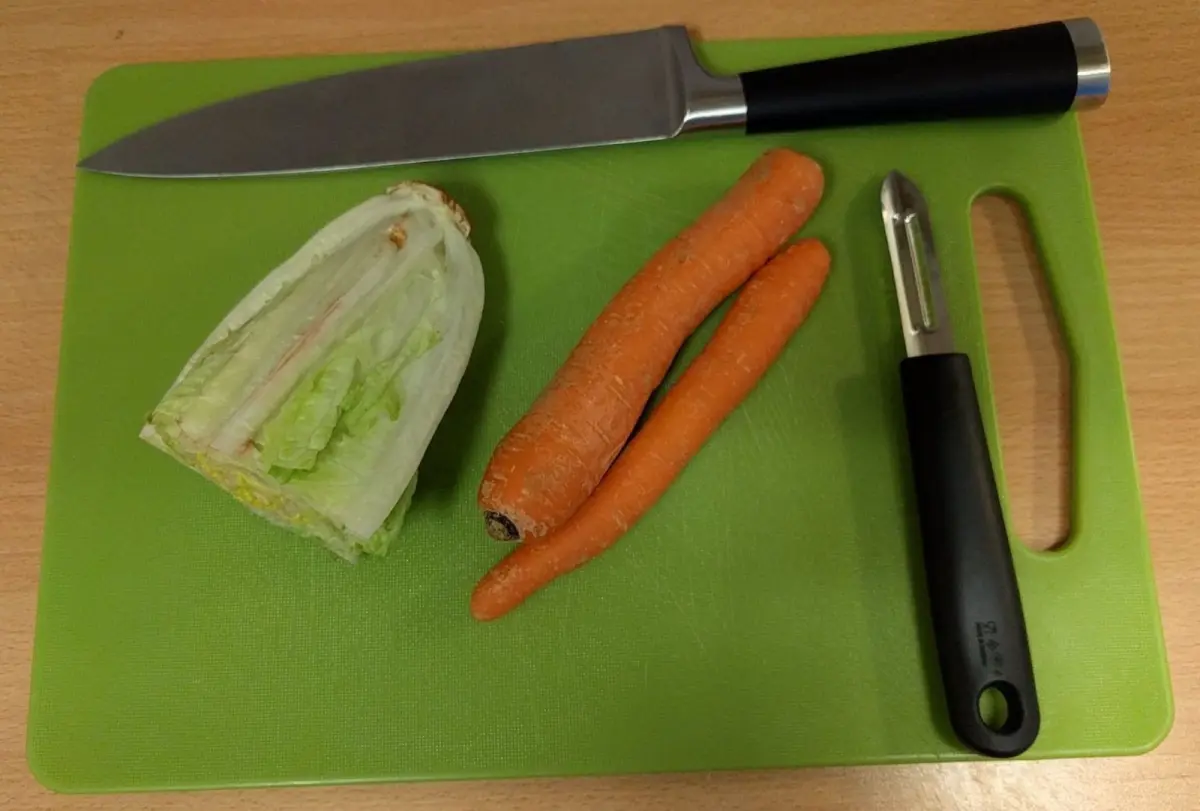 Sakai Blades
堺打刃物 · Sakai, Osaka
Sakai Blades
堺打刃物 · Sakai, Osaka
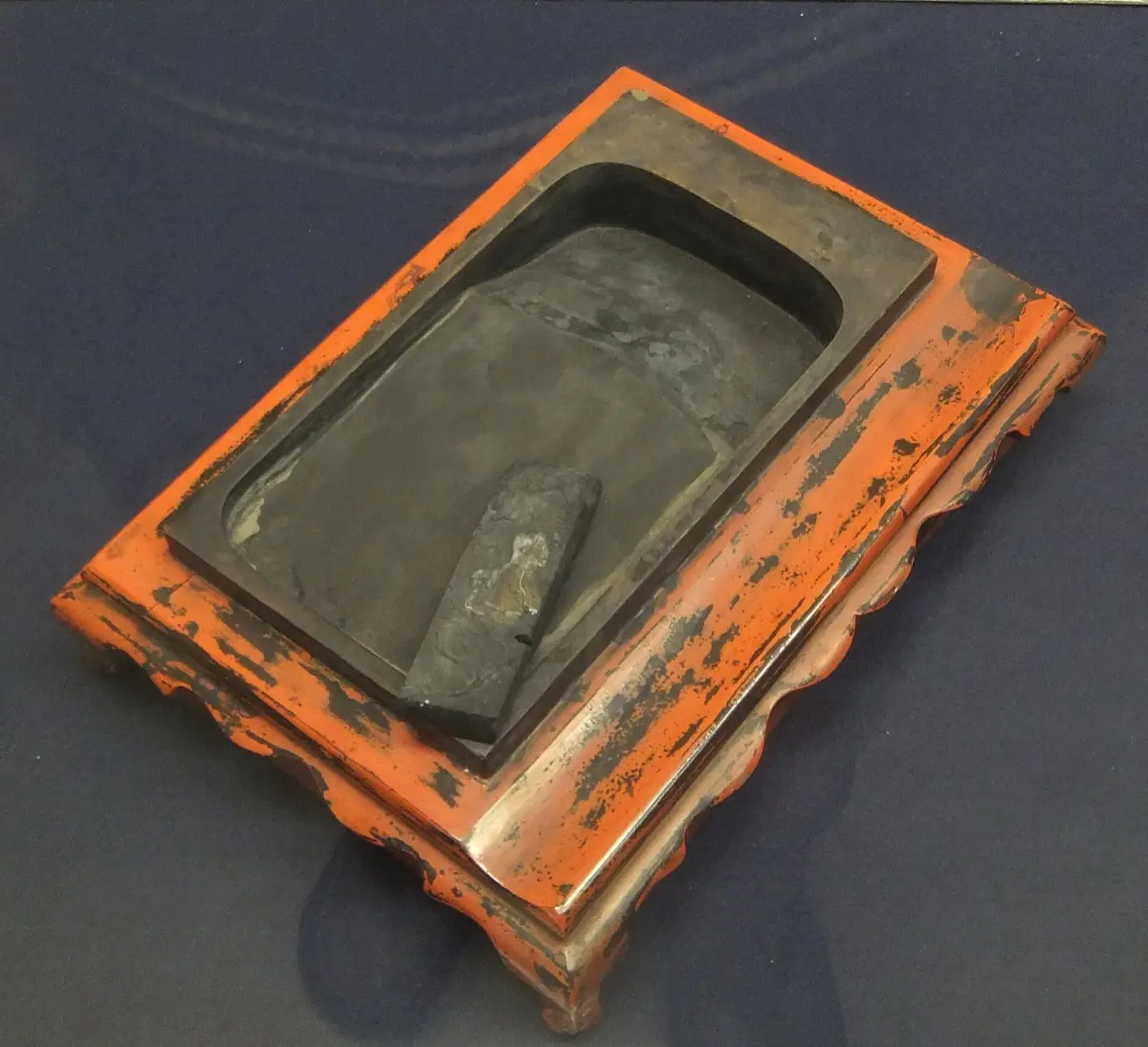 Kishū Lacquer
紀州漆器 · Kainan, Wakayama
Kishū Lacquer
紀州漆器 · Kainan, Wakayama
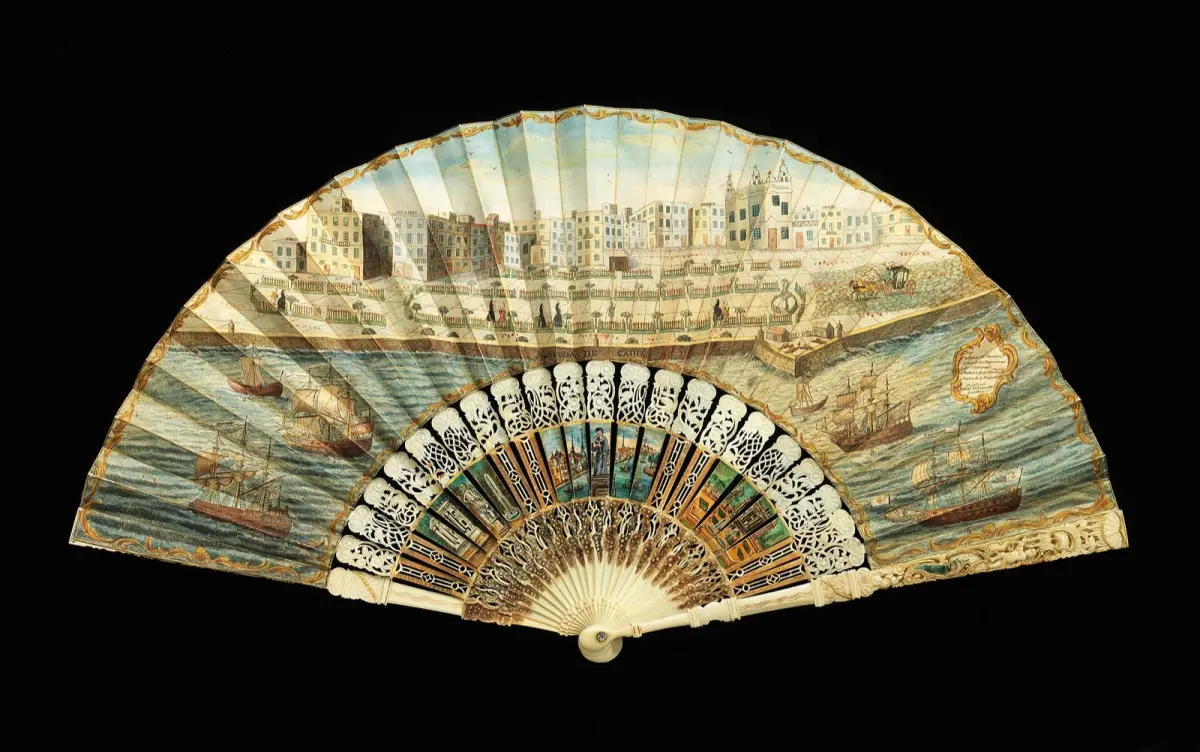 Kyoto Folding Fans
京扇子 · Kyoto
Kyoto Folding Fans
京扇子 · Kyoto
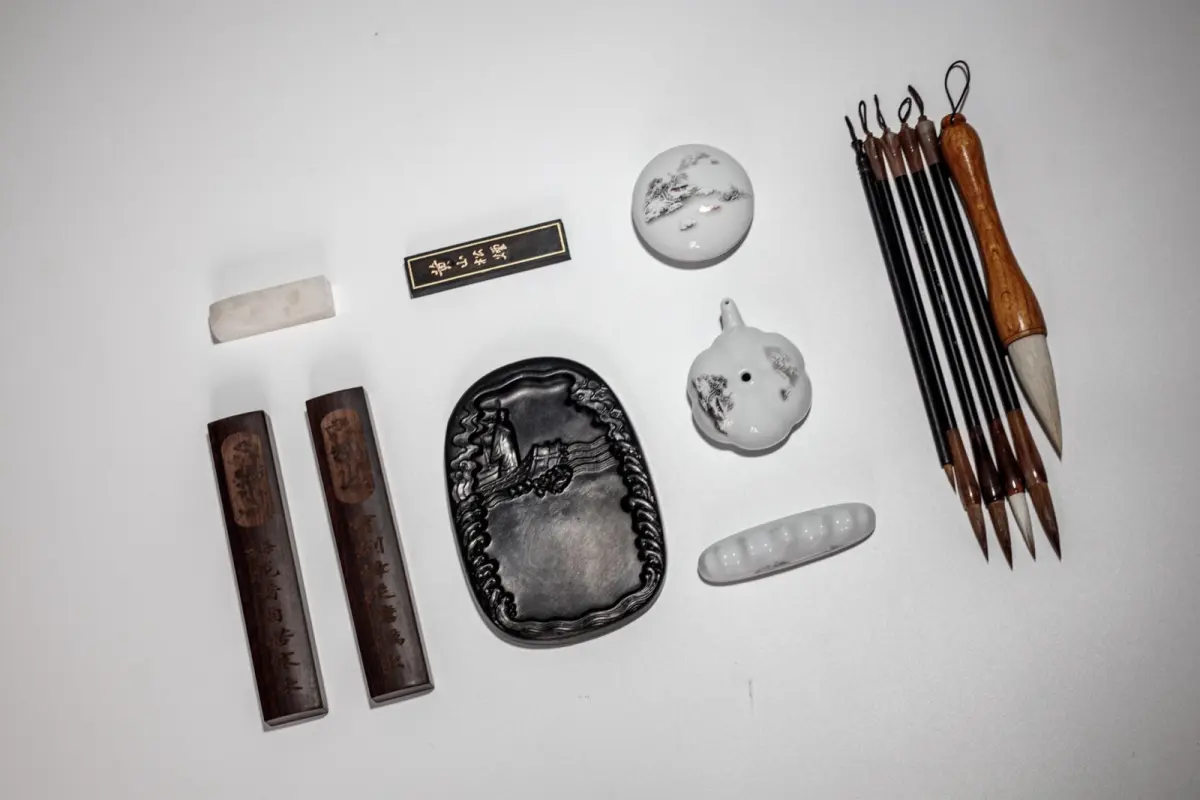 Nara Ink Sticks
奈良墨 · Nara
Nara Ink Sticks
奈良墨 · Nara
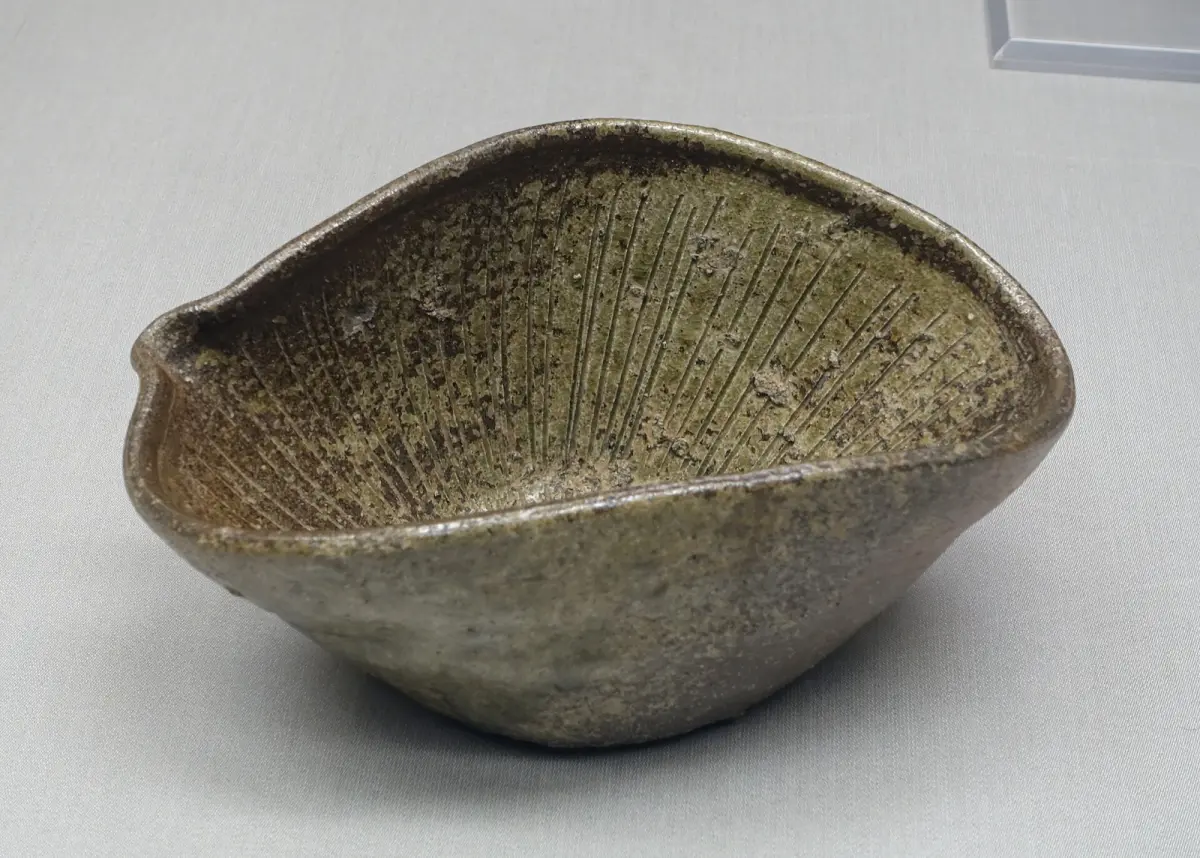 Tamba Ware
丹波焼 · Tamba-Sasayama, Hyogo
Tamba Ware
丹波焼 · Tamba-Sasayama, Hyogo