Ise & Shima, Go Deeper
Ise has drawn pilgrims for centuries to Japan's most sacred Shinto site, where the sun goddess Amaterasu is enshrined in ancient cedar groves rebuilt every generation. Beyond the shrines, the Shima peninsula unfolds in a mosaic of forested headlands, pearl-farm bays, and seaside villages where ama divers still work the waves. This is a place to slow down, to walk forest paths and waterfront lanes, to taste the soft noodles pilgrims have eaten for hundreds of years, and to understand why the Japanese have long called this corner of Kansai the soul of the nation.
- Tap Open in Google Maps on any place for live directions, transit, hours & reviews.
- Get an ICOCA / Suica IC card — tap on/off trains, subways & buses, no ticket needed.
- Carry some cash (¥) — many small shops, shrines & old streets are cash-only.
- Go early: the famous spots are calm and beautiful before ~9am.
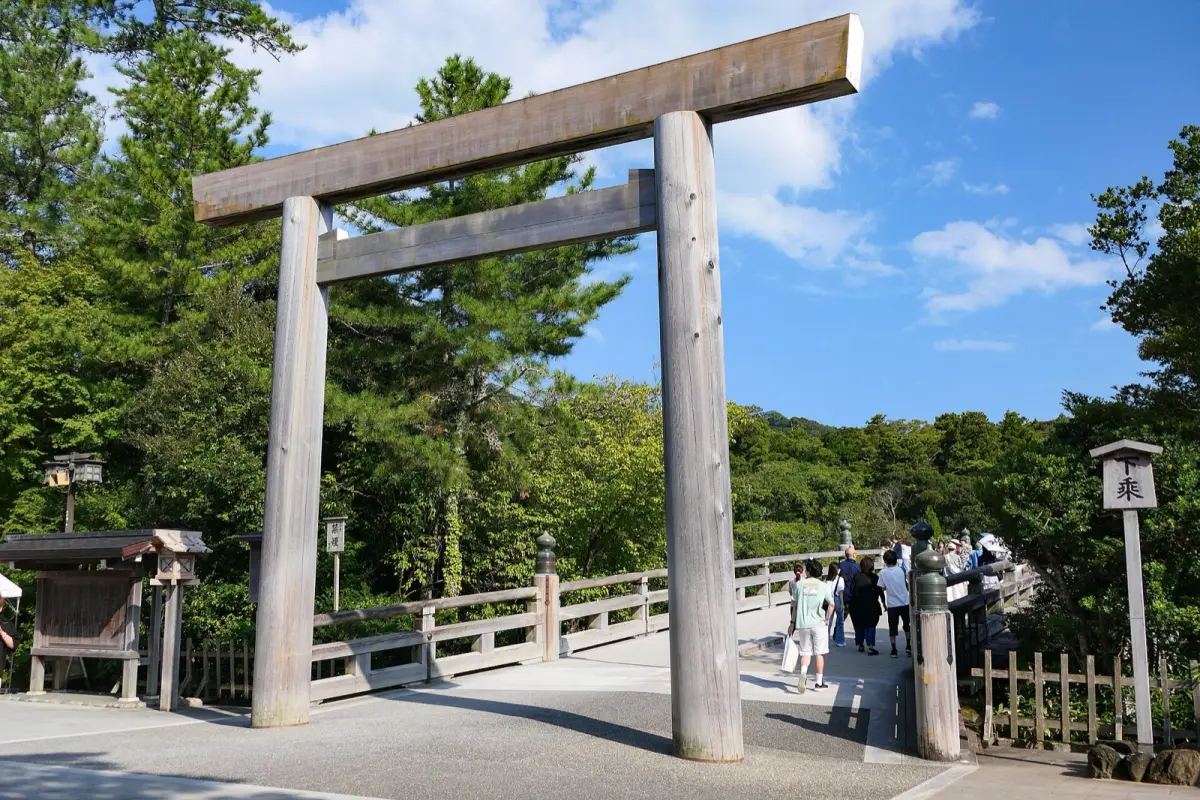
Ise Jingu — Naiku (Inner Shrine)
The Naiku enshrines Amaterasu, the sun goddess, in a sanctuary of towering cedars reached by crossing the Uji Bridge over the clear Isuzu River. Every twenty years the entire shrine is rebuilt in the ancient Shikinen Sengu ceremony, a cycle of renewal that has continued for over a millennium. The forest hush and the simplicity of the thatched cypress halls make this Japan's most sacred ground.

Ise Jingu — Geku (Outer Shrine)
Toyouke Daijingu, the Geku, honours the goddess of harvests and sustenance who provides for Amaterasu herself. Tradition asks pilgrims to visit here first, walking gravel paths through tall cryptomeria to wooden halls of spare, timeless beauty. The atmosphere is quieter than the Naiku, an invitation to linger and reflect.
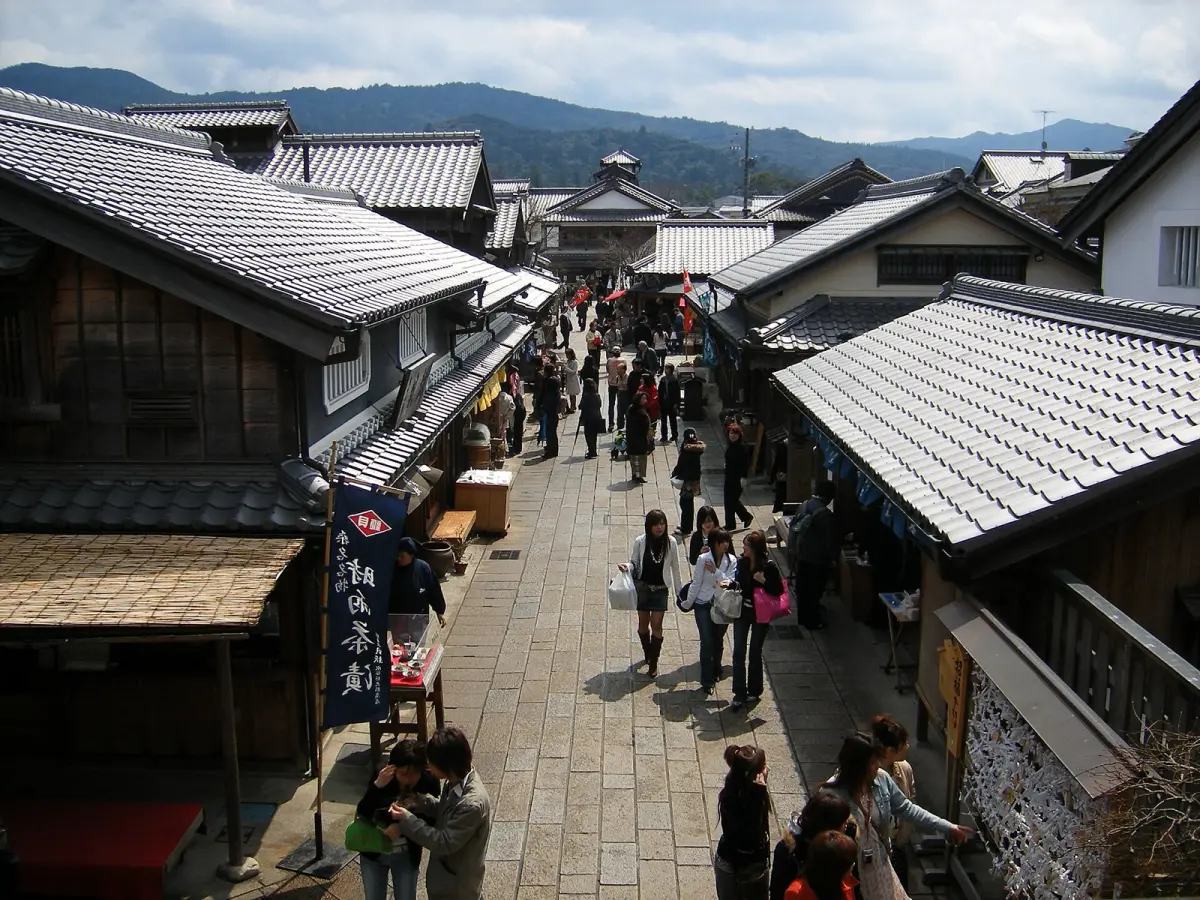
Okage Yokocho
This lively stretch of wooden shopfronts and tea-houses recreates the Edo and Meiji streetscape that greeted generations of pilgrims at the Naiku gate. Stalls offer Akafuku mochi, grilled skewers, and every manner of souvenir, while the scent of soy and charcoal drifts through the crowds. It is nostalgia made edible and utterly irresistible.
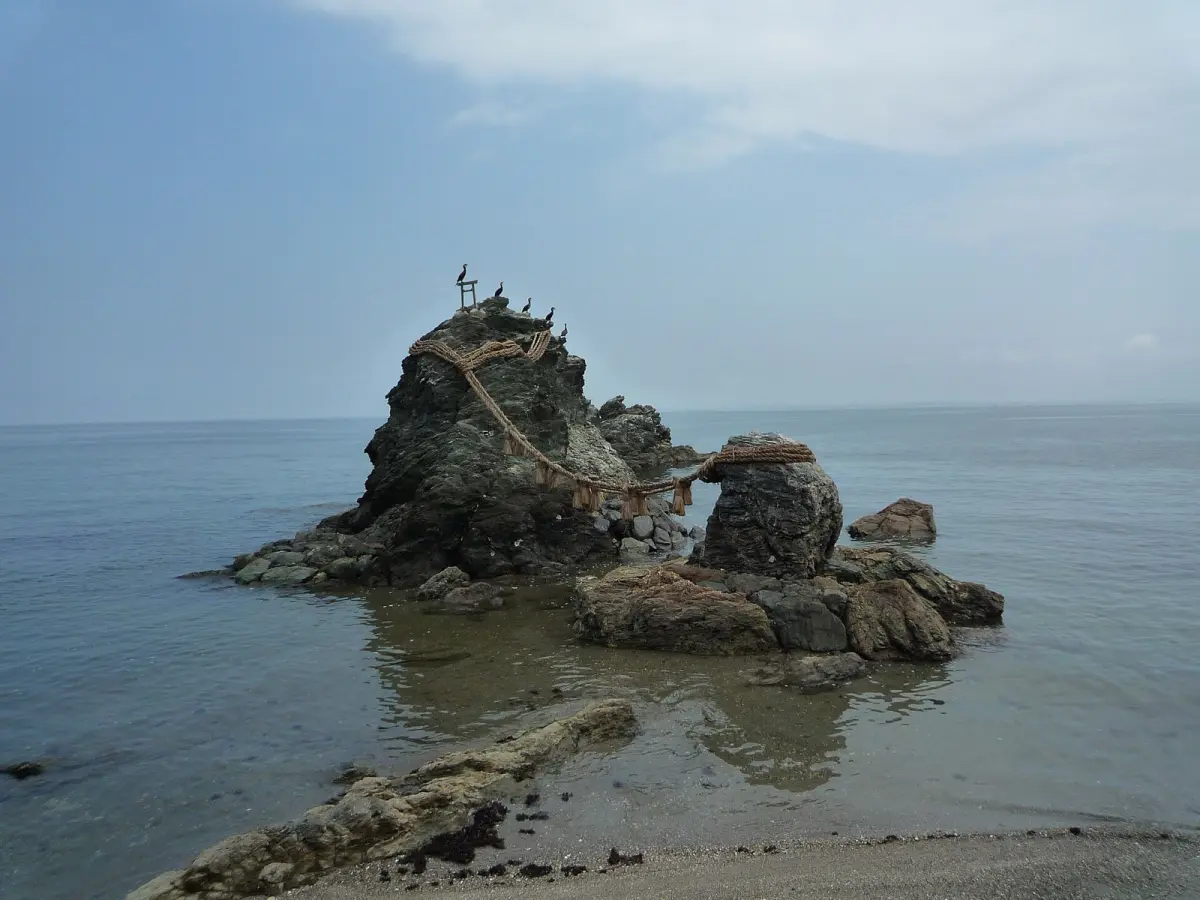
Meoto Iwa (Wedded Rocks)
Two sea rocks bound by a heavy sacred rope rise from the waves at Futami, symbols of union and a traditional place of purification before approaching the shrines. Pilgrims once bathed in these waters at dawn, and the Futami Okitama Shrine still watches over the scene. At sunrise the view between the rocks frames distant Mount Fuji on the clearest mornings.
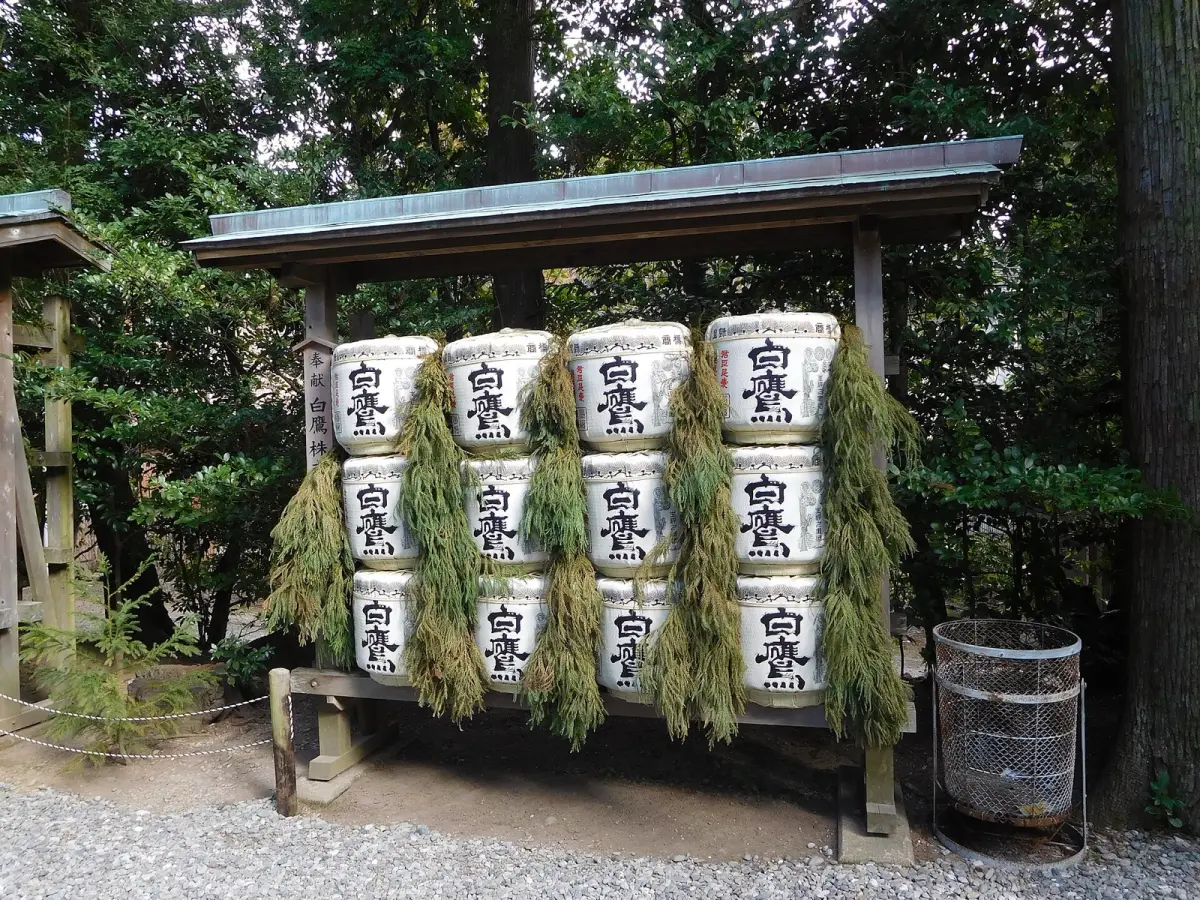
Sarutahiko Shrine
Sarutahiko Shrine honours the deity who guided the heavenly grandson to earth and now guides travellers onto the right path. Visitors seek blessings for new journeys, business ventures, and life transitions, touching the octagonal stone pillar said to channel the god's power. The atmosphere is warm and hopeful, a counterpoint to the solemnity of the grand shrines nearby.
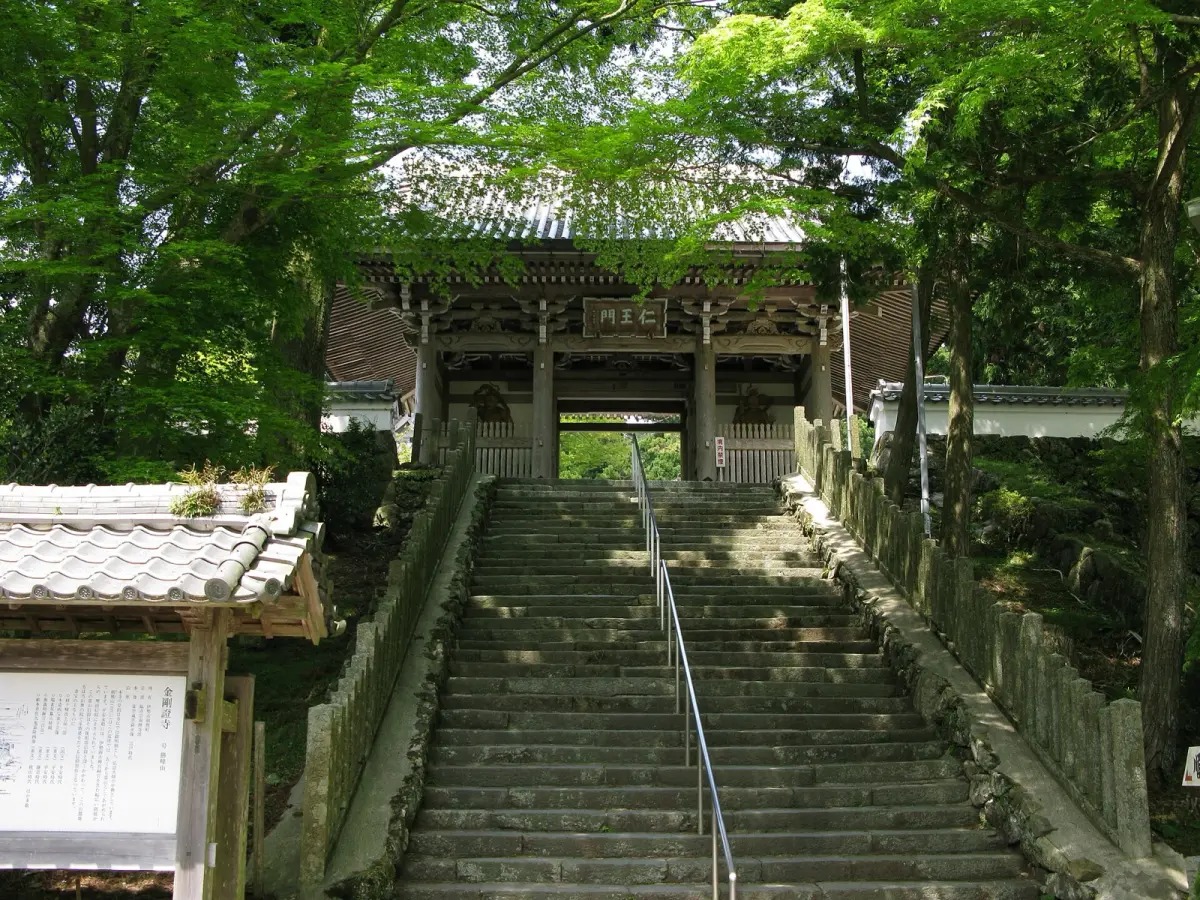
Kongosho-ji (Mt Asama)
Perched on Mount Asama, Kongosho-ji has guarded Ise Jingu from the unlucky northeastern direction for centuries. The temple grounds offer sweeping views over Ise Bay and the city below, and the climb through forest and past stone markers feels like a pilgrimage within a pilgrimage. Few foreign visitors make it here, but the quiet and the vistas reward those who do.
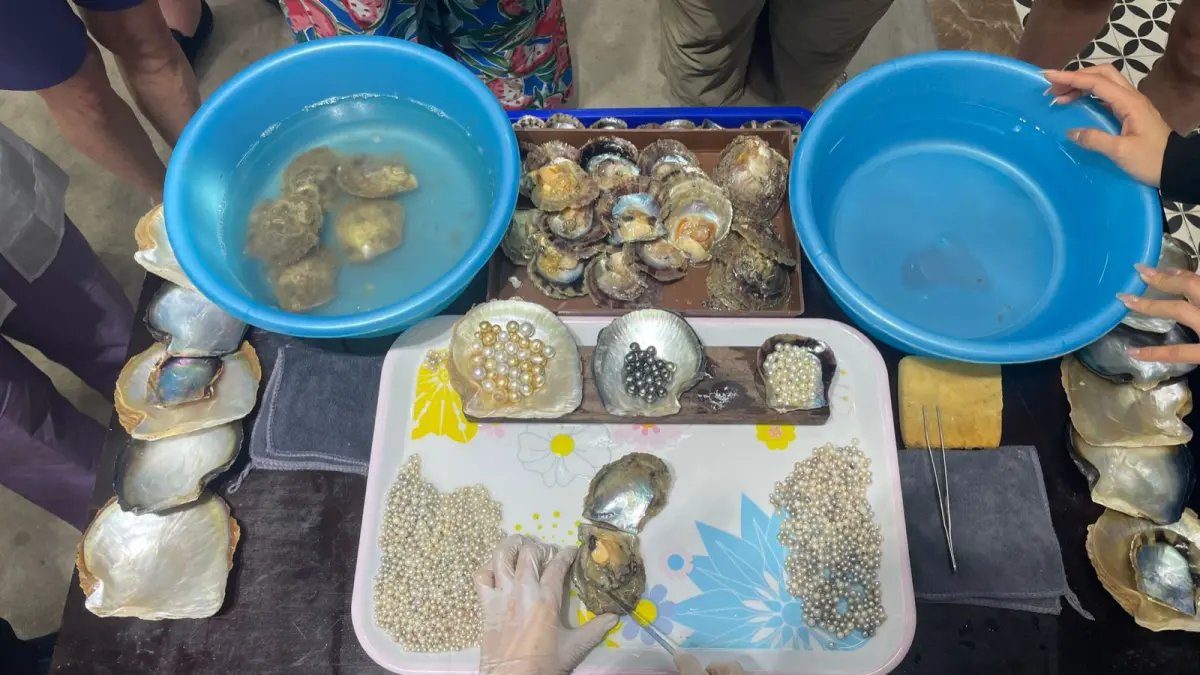
Mikimoto Pearl Island (Toba)
Mikimoto Pearl Island at Toba marks the spot where Kokichi Mikimoto succeeded in culturing the world's first round pearl over a century ago. A small museum tells the story, and ama divers in traditional white cotton still demonstrate the breath-hold technique once used to gather oysters from the seabed. The island is compact, but the history it holds changed the jewellery world forever.
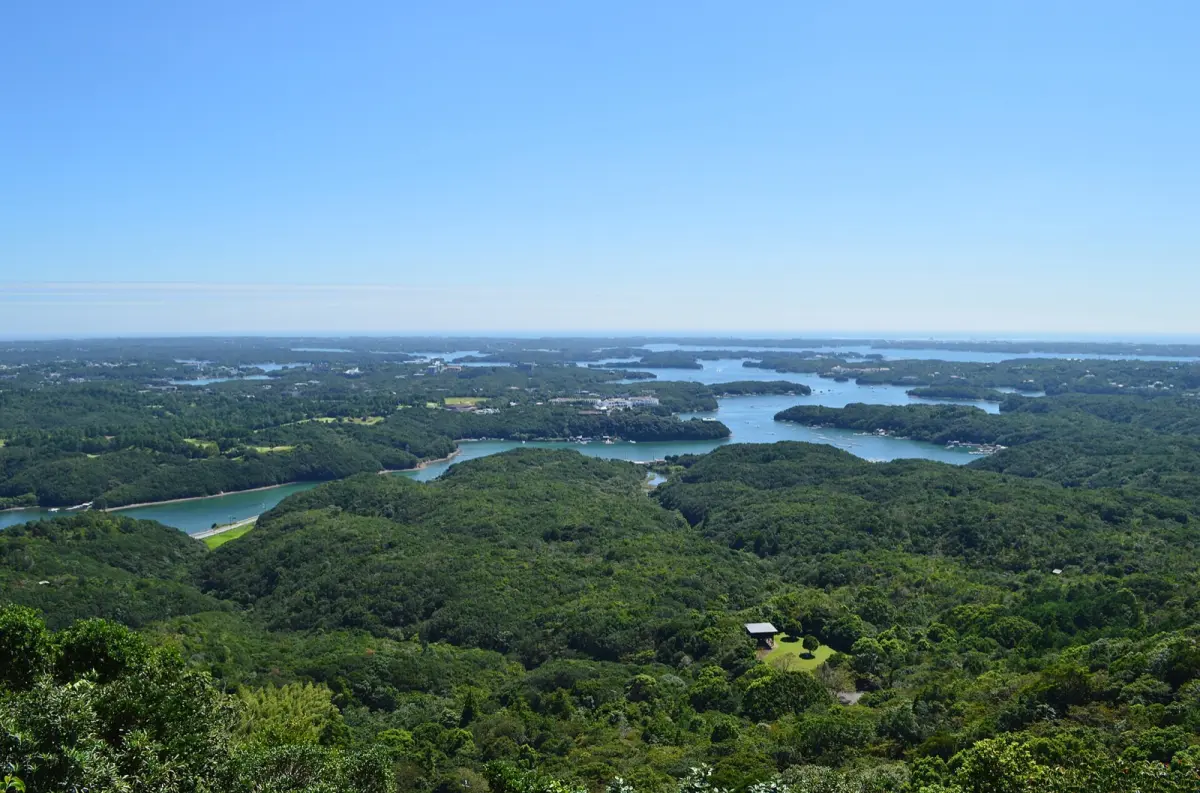
Yokoyama Viewpoint (Ago Bay)
The Yokoyama viewpoint looks out over Ago Bay, a glittering jigsaw of pine-covered islets and the wooden rafts where pearls are still farmed today. This is the landscape that earned Ise-Shima its national park status, and on clear days the view stretches to the Pacific horizon. A short boardwalk trail leads through the forest to several observation decks, each framing the bay differently.
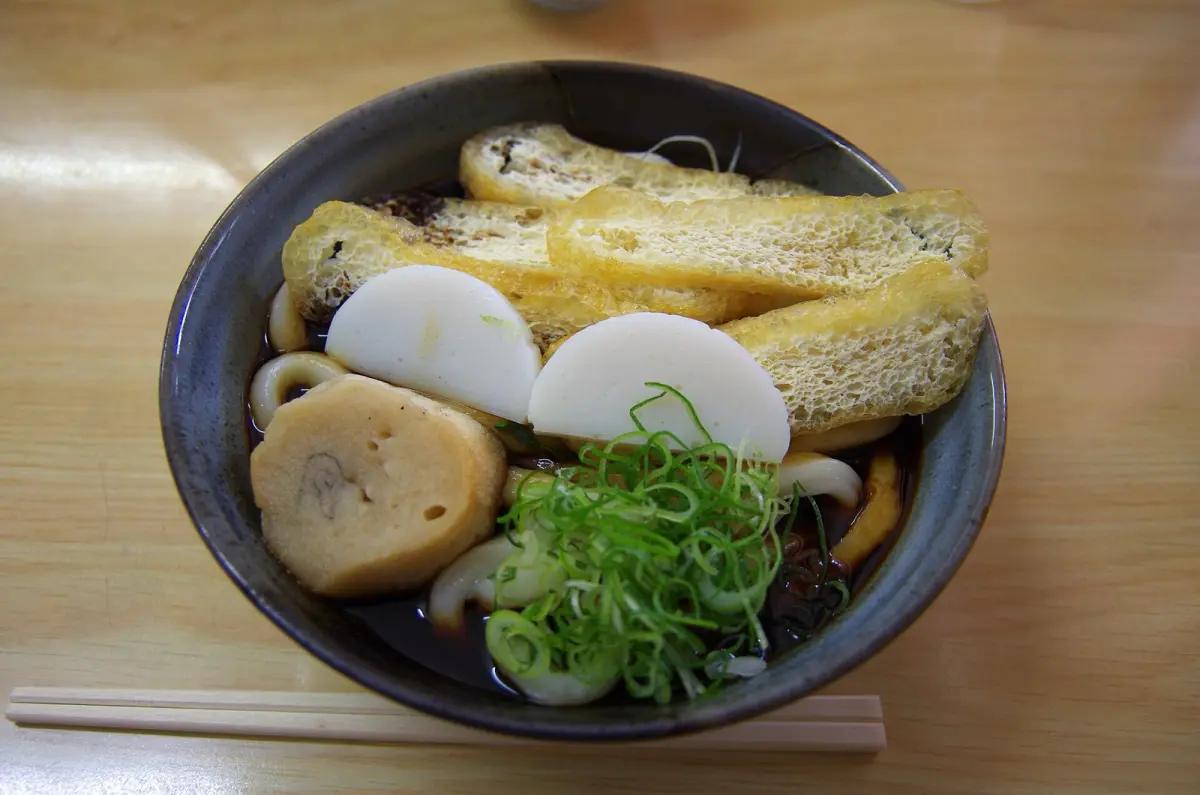
Ise Udon
Ise udon are fat, impossibly soft noodles served under a dark, sweet tamari sauce, designed to be slurped quickly by pilgrims with shrines to visit. The texture is nothing like the firm bite of Sanuki udon; these dissolve on the tongue, comforting and faintly sweet. You will find them at every corner of Oharaimachi, steaming in lacquered bowls, a taste unchanged across centuries.
Crafts of this region
Authentic pieces made near here — learn the story, then bring one home.
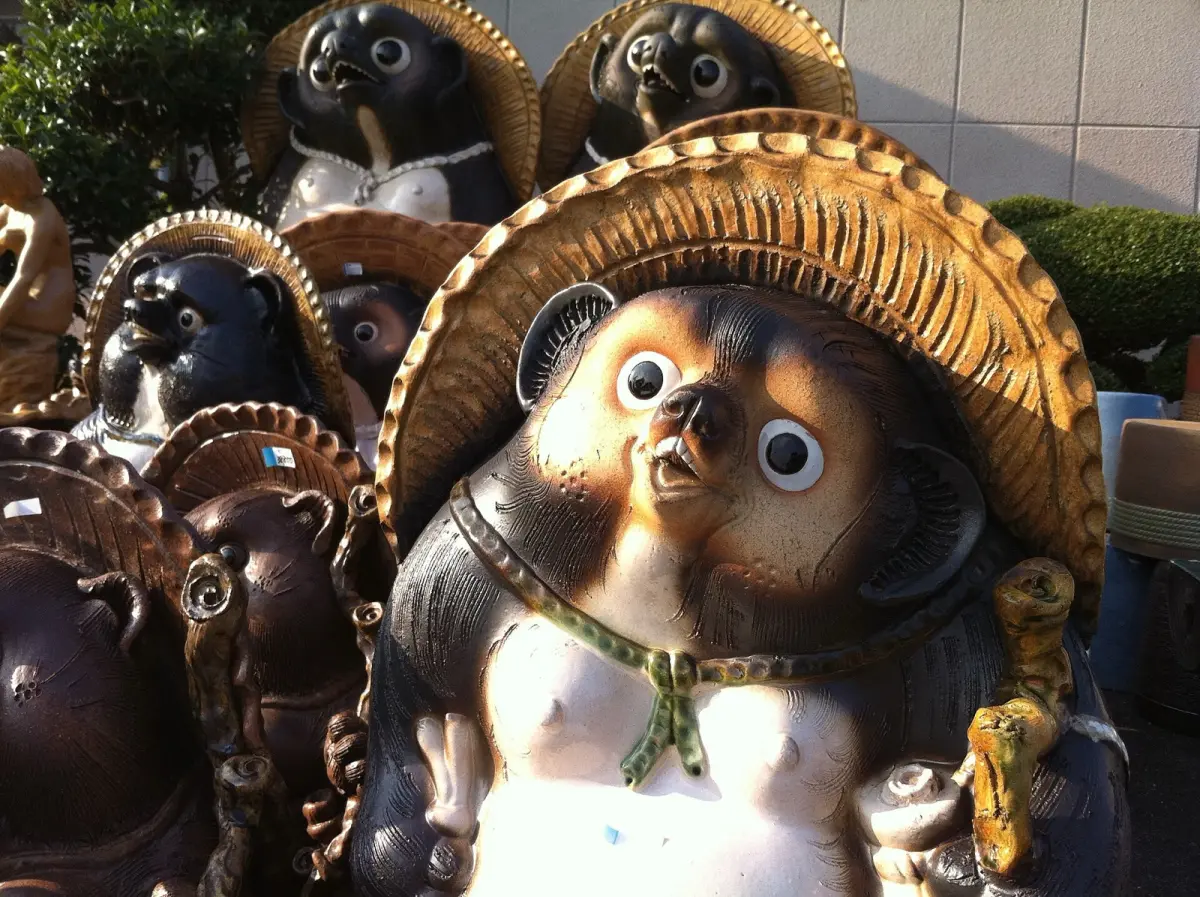 Shigaraki Ware
信楽焼 · Kōka, Shiga
Shigaraki Ware
信楽焼 · Kōka, Shiga
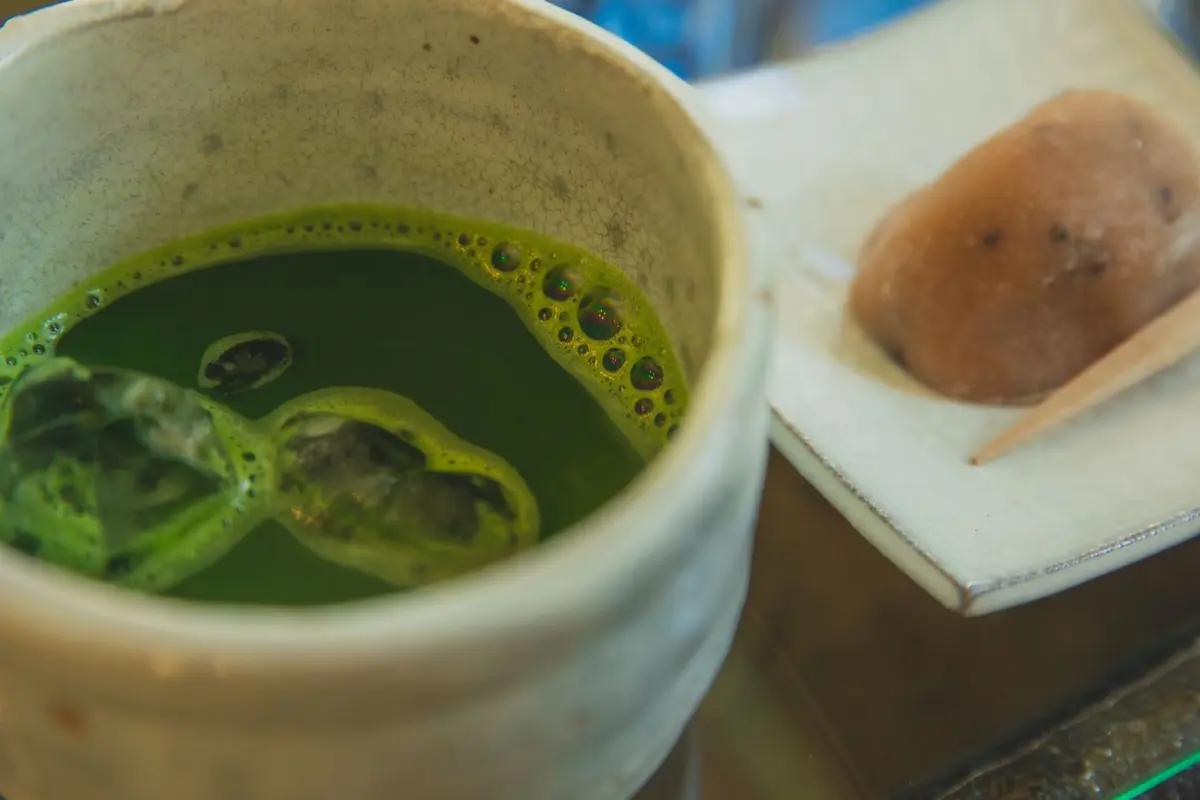 Uji Matcha
宇治茶 · Uji, Kyoto
Uji Matcha
宇治茶 · Uji, Kyoto
 Nishijin Weaving
西陣織 · Nishijin, Kyoto
Nishijin Weaving
西陣織 · Nishijin, Kyoto
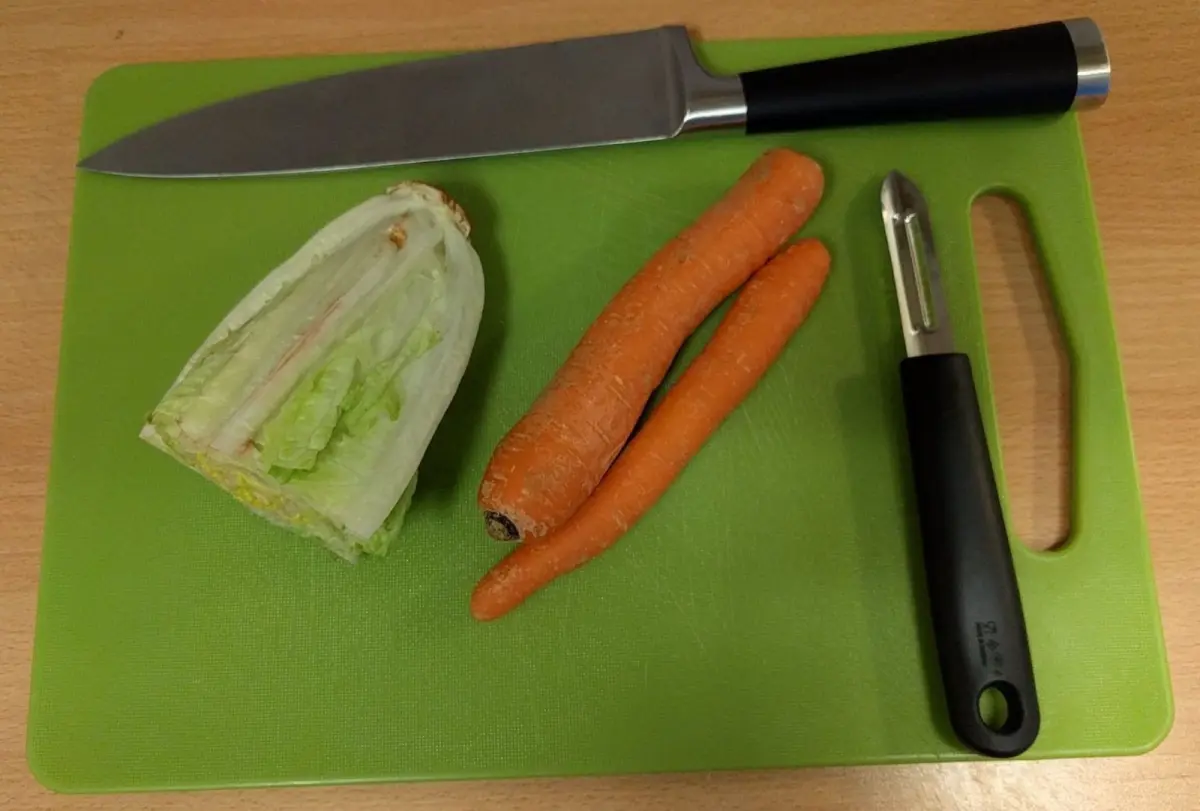 Sakai Blades
堺打刃物 · Sakai, Osaka
Sakai Blades
堺打刃物 · Sakai, Osaka
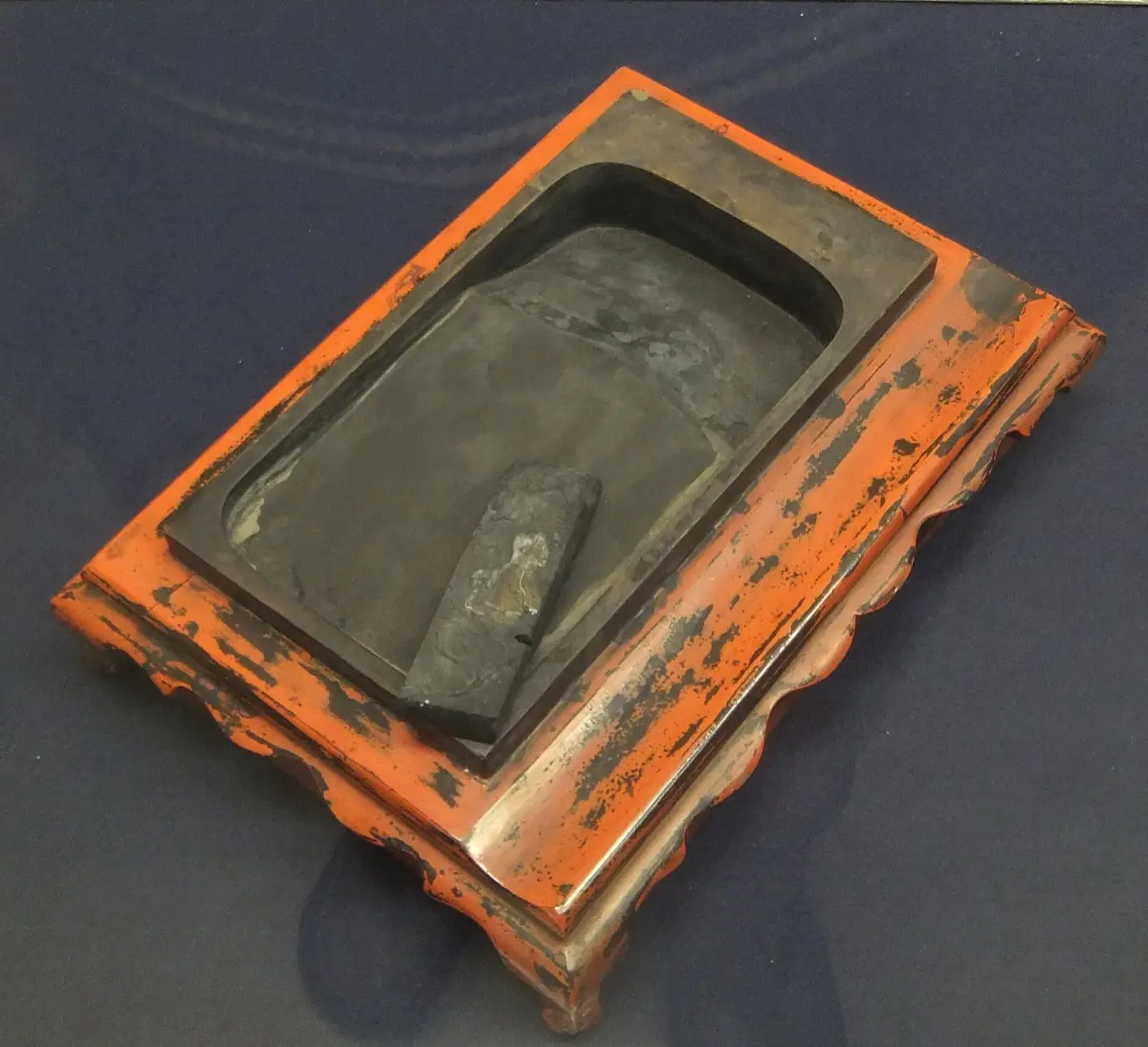 Kishū Lacquer
紀州漆器 · Kainan, Wakayama
Kishū Lacquer
紀州漆器 · Kainan, Wakayama
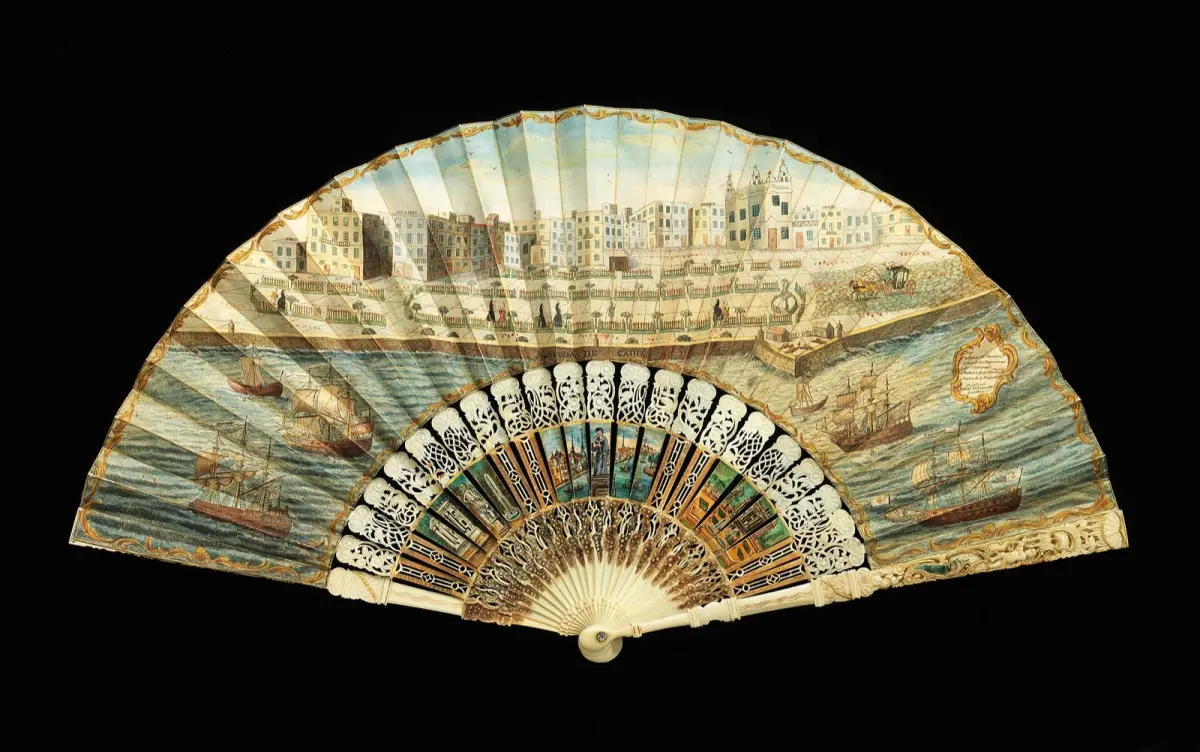 Kyoto Folding Fans
京扇子 · Kyoto
Kyoto Folding Fans
京扇子 · Kyoto
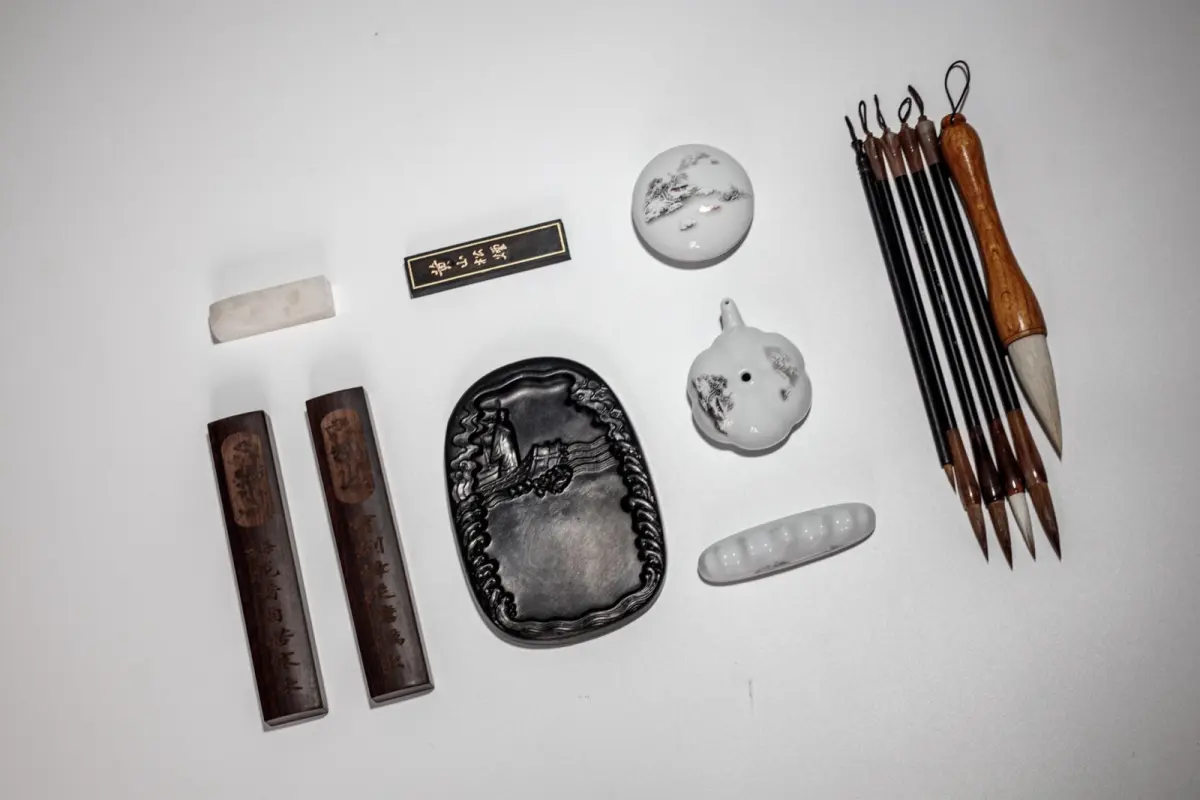 Nara Ink Sticks
奈良墨 · Nara
Nara Ink Sticks
奈良墨 · Nara
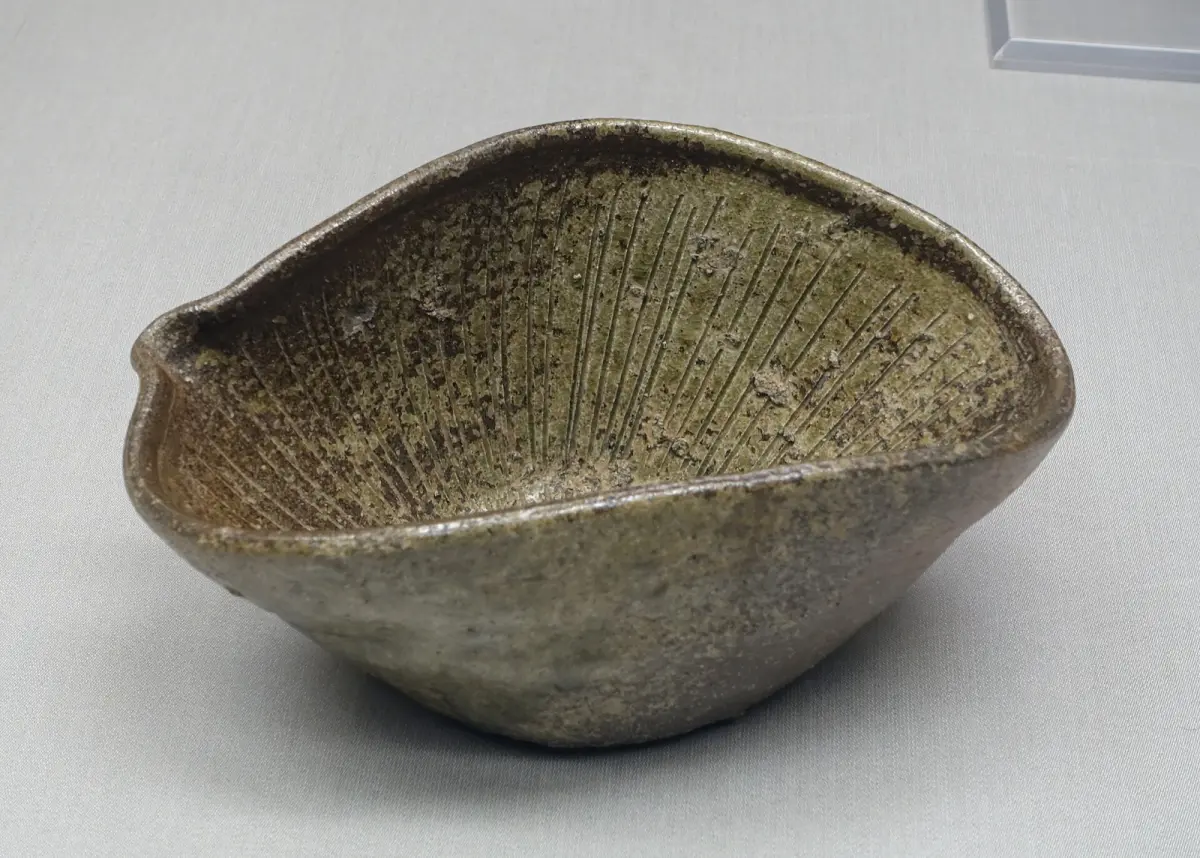 Tamba Ware
丹波焼 · Tamba-Sasayama, Hyogo
Tamba Ware
丹波焼 · Tamba-Sasayama, Hyogo