Echizen Ware: Fukui's Ancient Kiln of Everyday Stoneware
On this page
Article Body
The clay of Echizen has been turning to stone in fire for eight and a half centuries. Along the rugged coast of Fukui, potters have shaped the honest vessels that held the daily life of fishing villages and mountain hamlets—jars for fermenting, bowls for grinding, flasks that rode the waves. This is ware made not for ceremony but for use, hardened in flame until it rang like iron.
The Kiln That Wouldn't Stop
Echizen-yaki (越前焼) stands among Japan's Rokkoyo (六古窯)—the Six Ancient Kilns—a lineage that reaches back to the late Heian period, around the twelfth century. While other pottery centres turned toward refinement and tea ceremony aesthetics, Echizen kept its gaze steady on the everyday. The potters of this Hokuriku coast region fired their climbing kilns for the fishermen, the farmers, the makers of miso and sake. Over 200 old kiln sites scatter the hills around Echizen town, each one a testament to centuries of unbroken making.
The designation as a national Traditional Craft acknowledges what the people of the region have always known: this is the pottery that worked.
Vessels for Real Life
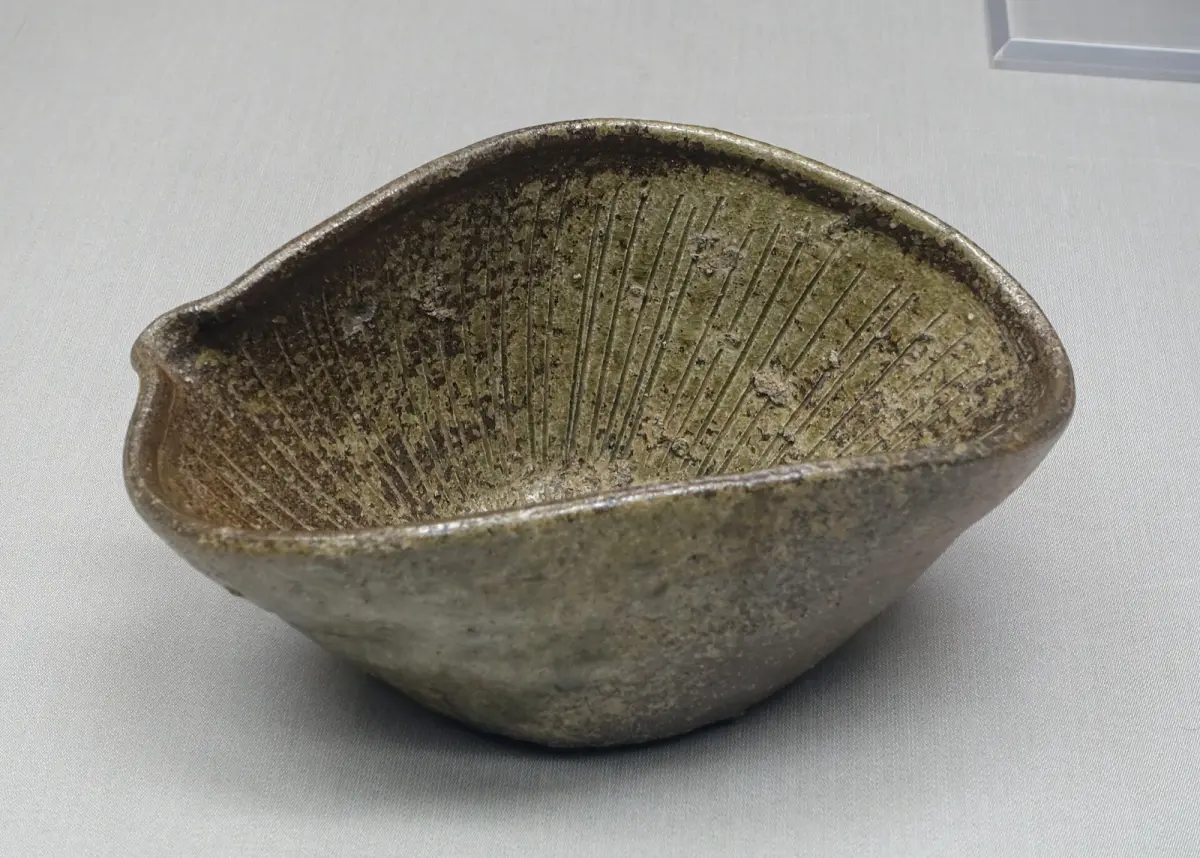
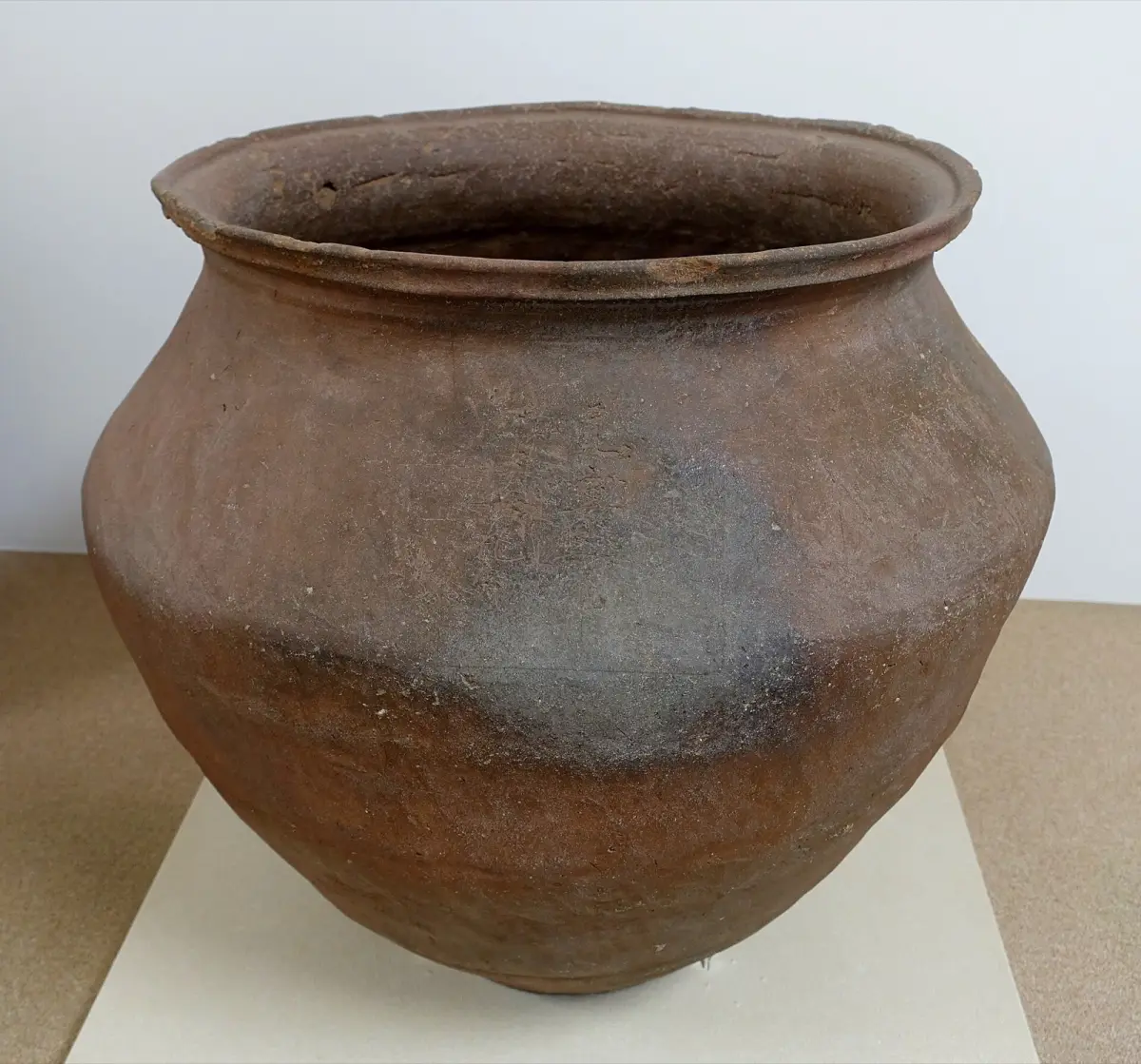
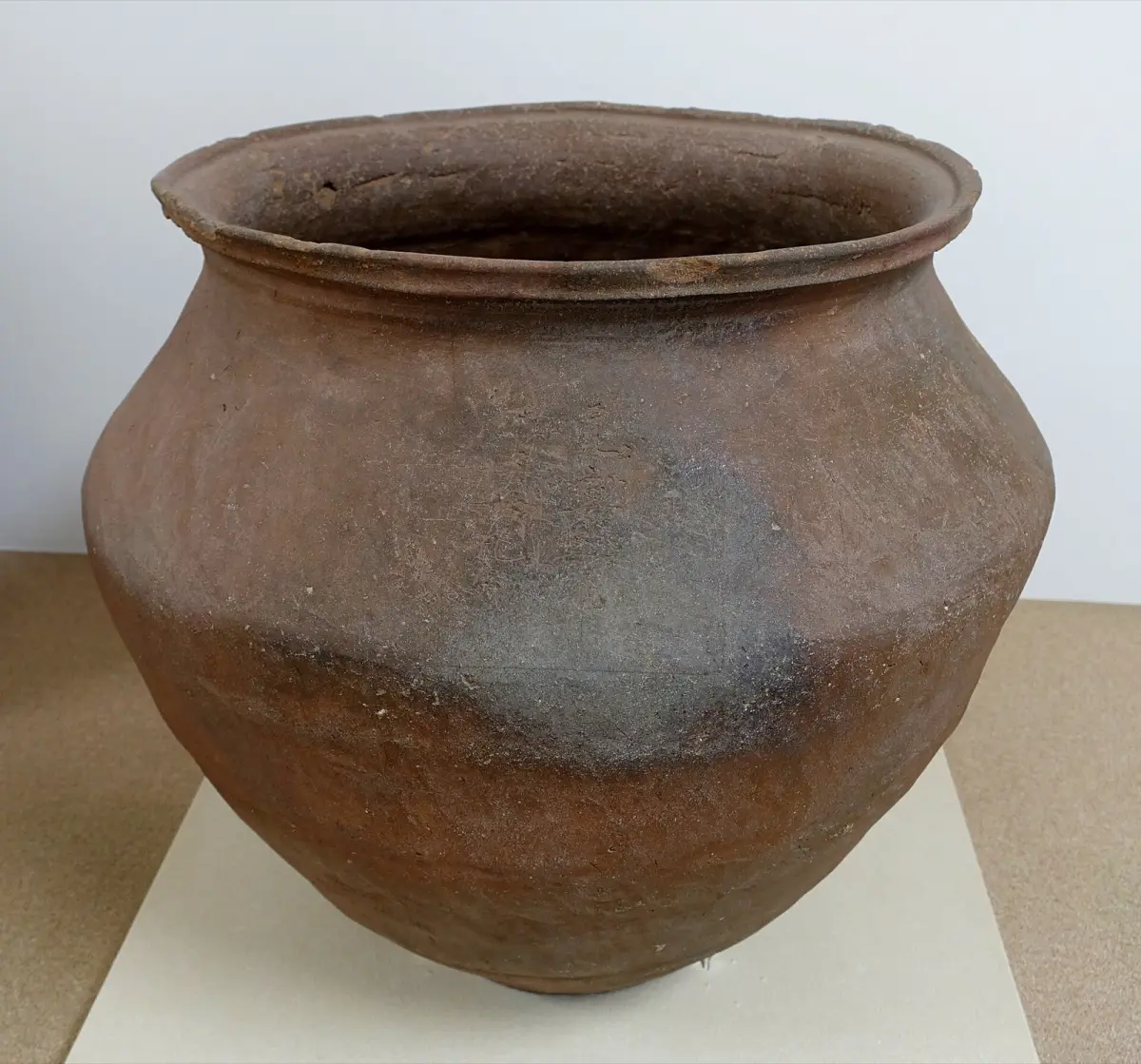
Walk through the history of Echizen-yaki and you walk through a catalogue of necessity. The signature forms tell their own stories: kame (瓶), wide-mouthed storage jars for pickling and fermenting; tsubo (壺), narrow-necked pots that kept precious liquids safe; suribachi (すり鉢), grinding bowls with their distinctive ridged interiors for crushing sesame and miso. There were flasks shaped to nestle in fishing boats, their low centres of gravity keeping sake stable on rough seas. There were even pots for ohaguro—the tooth-blackening cosmetic once worn by married women and aristocrats.
None of these pieces courted beauty for its own sake. They courted durability, function, the kind of rightness that makes a tool disappear into the hand that uses it.
Fire's Honest Marks
Traditional Echizen ware emerges from the kiln unglazed, its surface marked only by what the fire itself decides to paint. The high temperatures—hot enough to vitrify the iron-rich local clay into true stoneware—create a surface as hard as the work it was meant to do. Where wood ash settles and melts during the long firing, it forms a natural glaze: streaks of brown, amber, sometimes a flash of green where the chemistry aligned just so.
These accidental glazes are called shizen-yu (自然釉)—natural glaze—and no two pieces wear them the same way. The flame writes its own signature.
The unglazed body itself takes on colours from soft grey to deep rust-brown, the clay's iron content blooming in the heat. This is pottery that shows its bones, that never pretends to be anything other than earth transformed by fire into something harder than itself.
The People's Pottery
Echizen earned its reputation as the everyday ware of the Hokuriku coast not through imperial patronage or tea master's approval, but through sheer reliability. A fishing village needed jars that wouldn't crack when packed with salt and mackerel. A farmhouse needed grinding bowls that could take decades of daily pounding. Echizen provided both, fired hard enough to outlast the hands that used them.
This democratic character—pottery made for everyone, not for connoisseurs—shaped both the aesthetic and the economics of the craft. Potters worked at scale, their kilns large enough to fire hundreds of pieces at once, their forms standardised by generations of problem-solving. Beauty arrived as a byproduct of honest making.
Ancient Craft, Living Tradition
Today's Echizen potters inherit those 200-plus kiln sites as both archive and inspiration. The national Traditional Craft designation supports workshops that still coil and throw the old forms, though contemporary makers also explore the expressive possibilities of that iron-rich clay and those wood-fired surfaces. The suribachi still grinds sesame in modern kitchens; the kame still ferments miso in wooden-floored pantries.
What endures is the fundamental contract Echizen ware has always offered: clay shaped with skill, fired with knowledge, made to last. Eight and a half centuries later, the kilns still speak in flame and ash.
Chaware curates authentic Japanese crafts — straight from the makers in Japan to your table.
Explore the Chaware collection →
Keep exploring