Hakone, Go Deeper
Hakone is more than a quick escape from Tokyo—it is a landscape of volcanic drama, ancient pilgrimage routes, and hot springs that have welcomed travellers for centuries. Tucked into the mountains of Kanagawa, this compact region layers nature and history with surprising depth: steaming valleys, a serene crater lake, cedar-shaded paths once walked by Edo-period wayfarers, and art scattered across hillsides. To go deeper here is to slow down, to trace the old roads, and to let the mist and sulphur and quiet shrines reveal a Japan both timeless and alive.
- Tap Open in Google Maps on any place for live directions, transit, hours & reviews.
- Get an ICOCA / Suica IC card — tap on/off trains, subways & buses, no ticket needed.
- Carry some cash (¥) — many small shops, shrines & old streets are cash-only.
- Go early: the famous spots are calm and beautiful before ~9am.
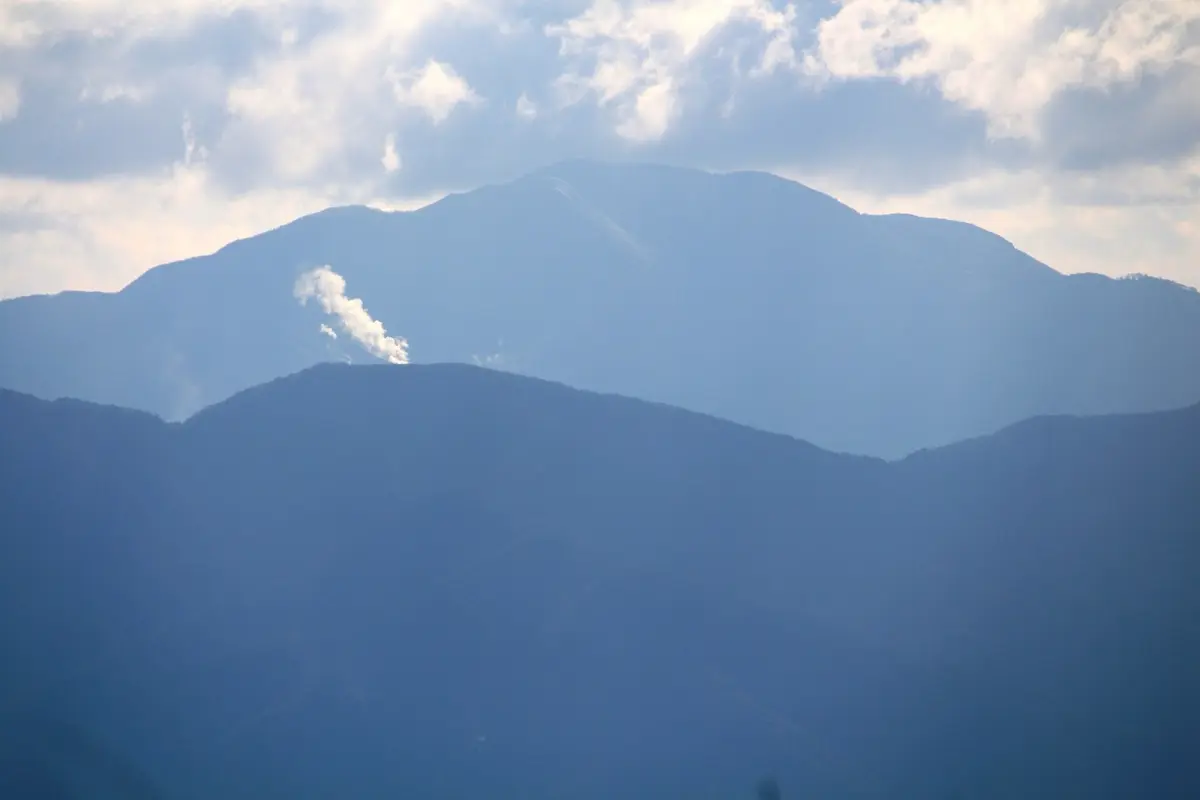
Ōwakudani
Ōwakudani is a steaming, sulphurous cauldron perched high in the mountains, reached by swaying ropeway over forested ridges. The volcanic valley churns with vents and hot springs, and its signature 'black eggs'—boiled in the mineral-rich waters—are a local ritual. The air is sharp with sulphur, the ground pale and raw, a reminder that Hakone's beauty is born of restless geology.
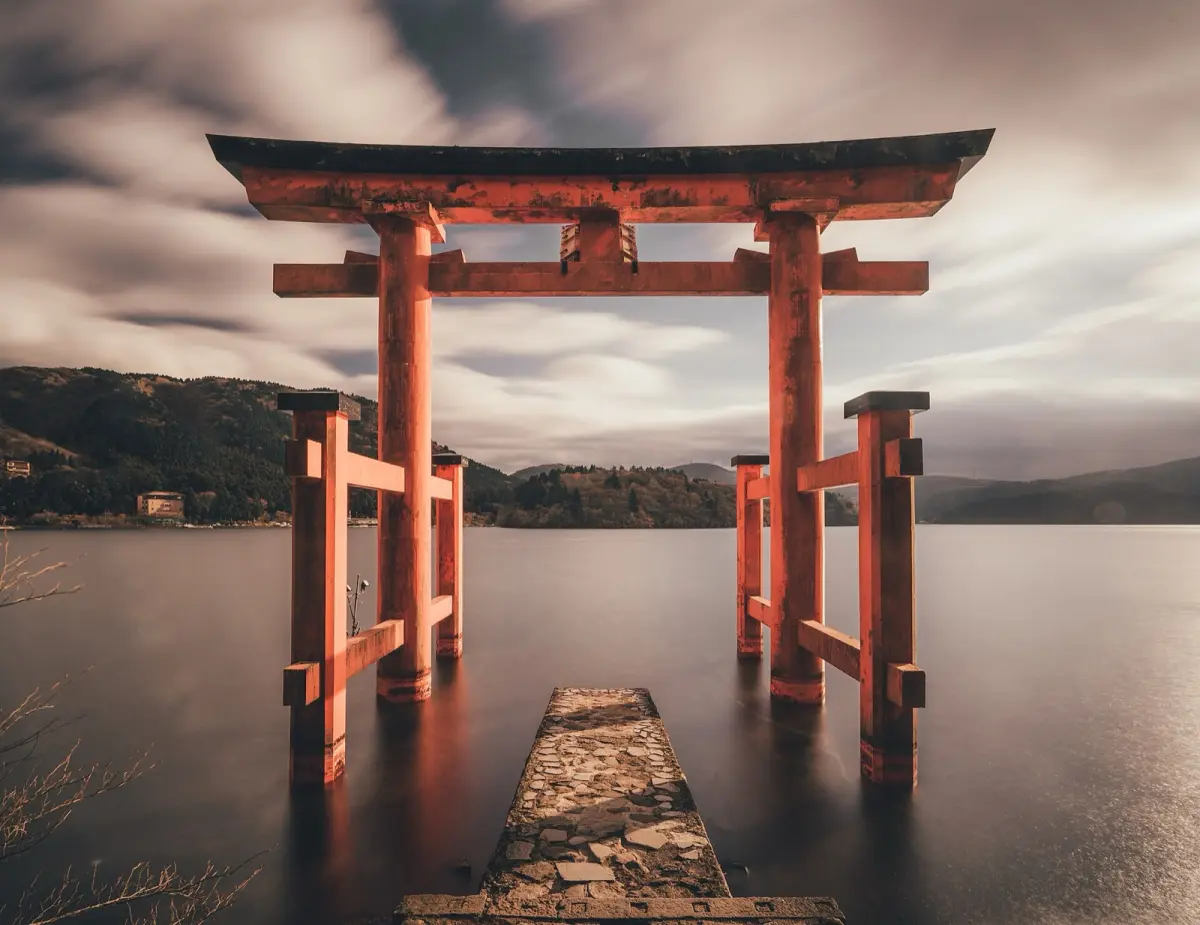
Hakone Shrine & Lake Torii
Hakone Shrine has stood as a guardian of these mountains for centuries, its grounds shaded by ancient cryptomeria and its vermilion torii gate rising from the waters of Lake Ashi. The lakeside 'Peace Torii' is a modern icon, but the shrine itself is older, quieter, a place where pilgrims once paused before crossing the Hakone pass. On still mornings, the gate and its reflection frame the distant silhouette of Mount Fuji.
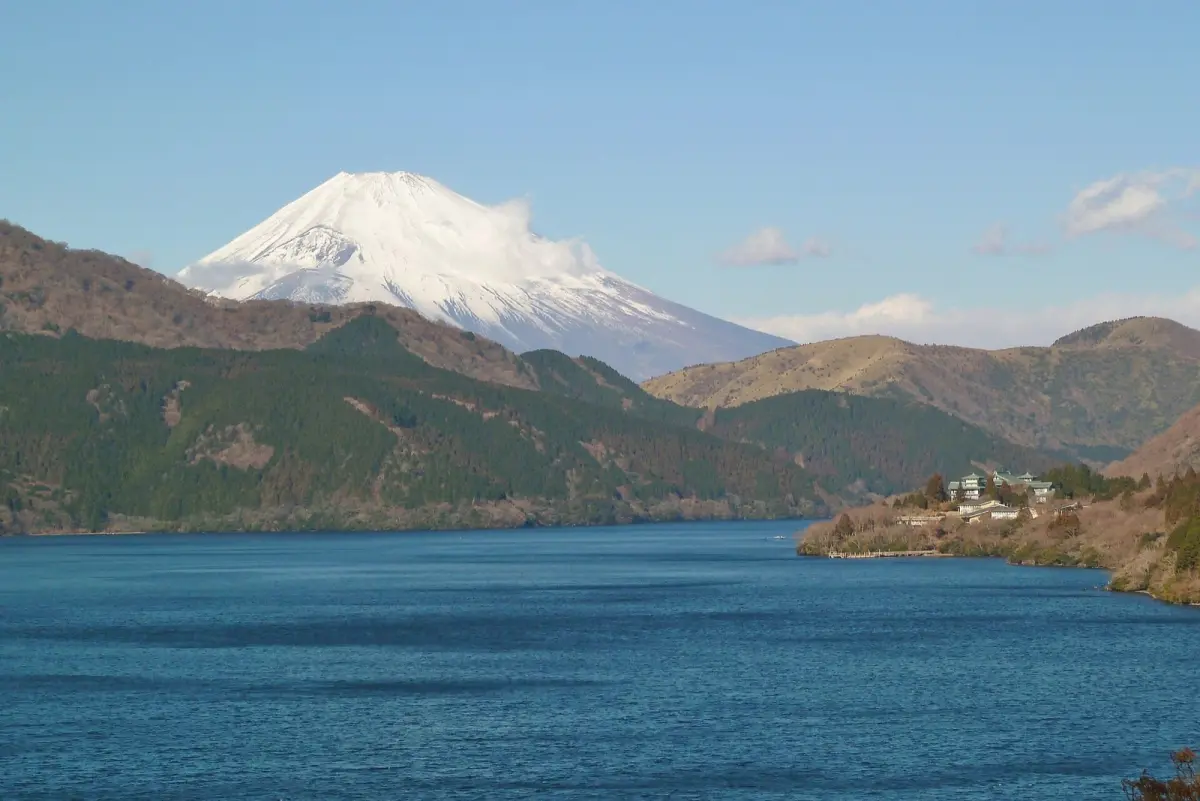
Lake Ashi
Lake Ashi is a crater lake cradled by forested peaks, its surface often brushed with mist. Pirate-ship cruises ply the water, a whimsical touch against the solemnity of the landscape, and on clear days Mount Fuji appears across the southern shore, its cone mirrored in the lake. The view has been painted, photographed, and admired for generations, yet it never quite loses its power to surprise.
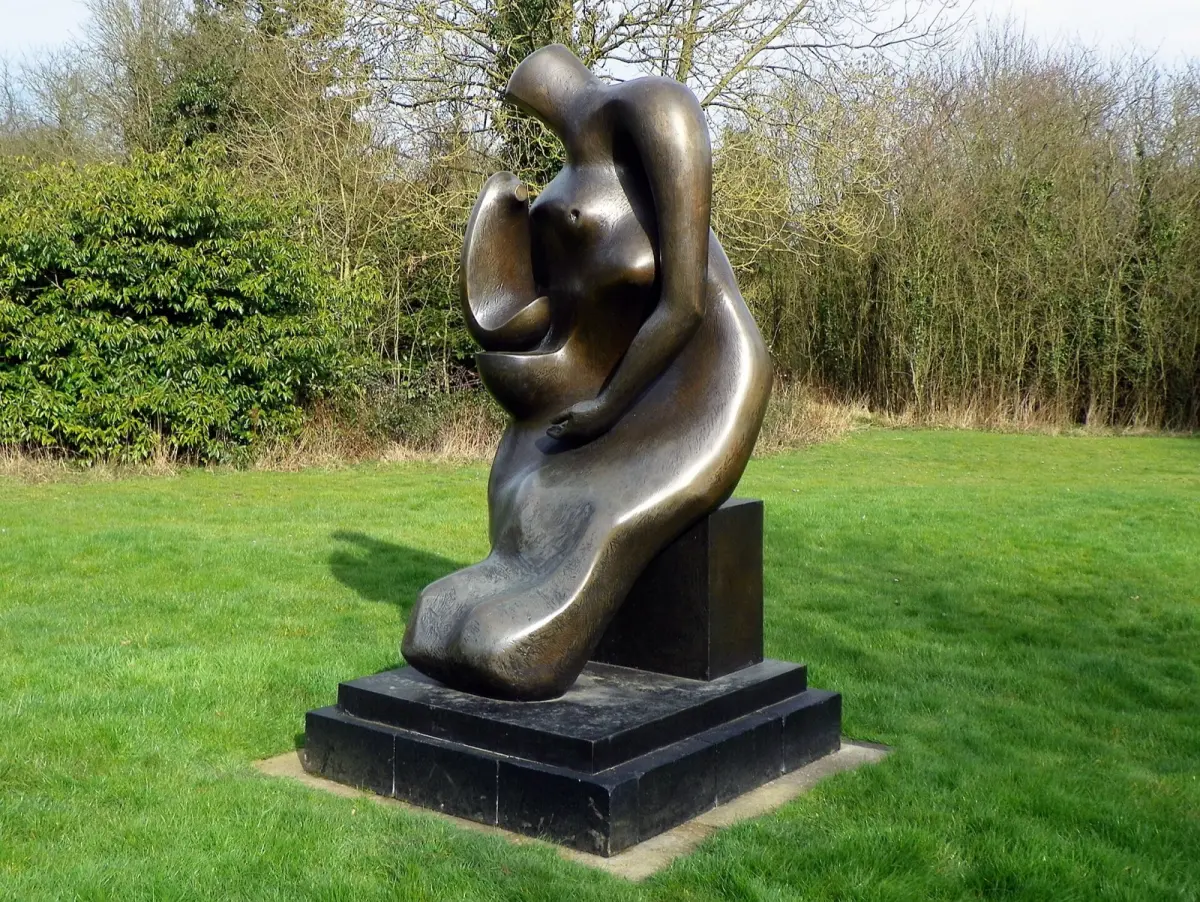
Hakone Open-Air Museum
The Hakone Open-Air Museum scatters sculpture across a hillside, turning the landscape itself into a gallery. Works by Henry Moore and others stand among lawns and trees, and a dedicated Picasso pavilion houses paintings and ceramics. The setting—open sky, mountain air, art in conversation with nature—makes this more than a museum; it is a place to wander and pause, to let form and space speak.
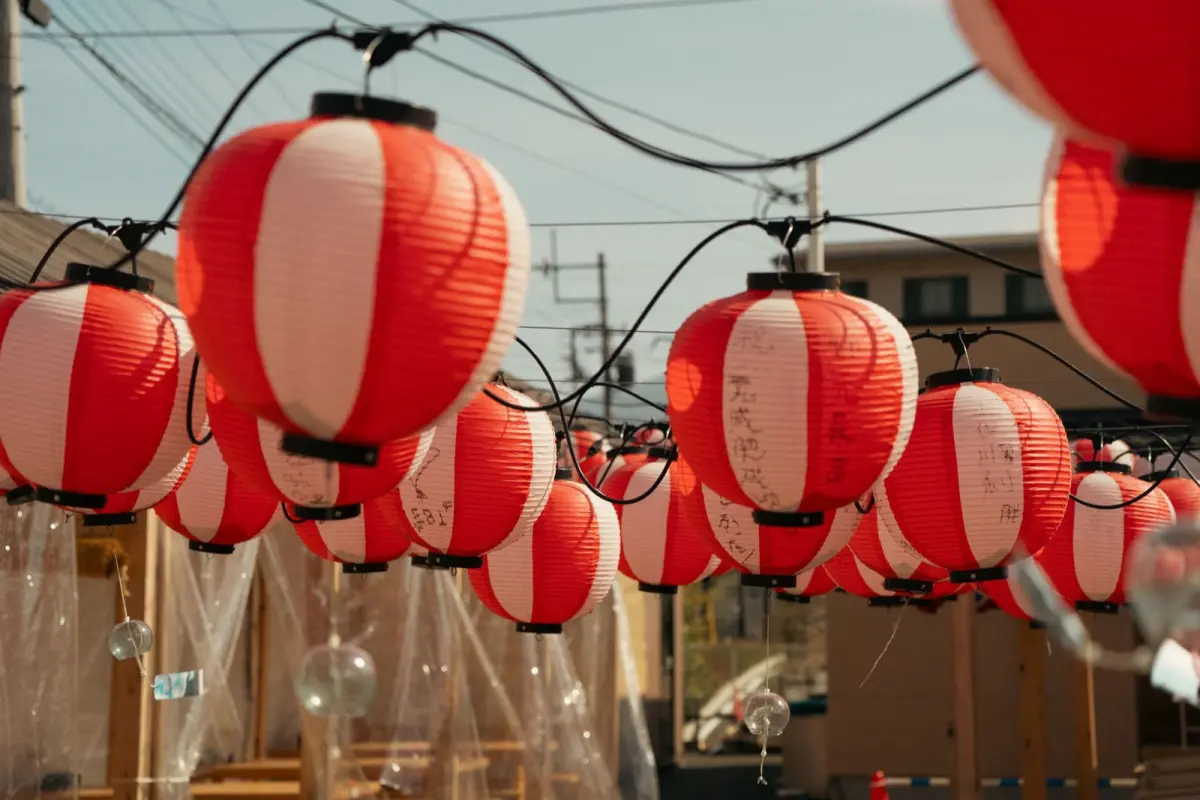
Hakone-Yumoto Onsen
Hakone-Yumoto is the gateway, a hot-spring town nestled at the foot of the mountains where the Hayakawa River rushes through narrow streets. Inns, souvenir shops, and the scent of steamed buns fill the air, and the onsen waters have drawn bathers for centuries. It is the first taste of Hakone for most visitors, lively and welcoming, a place to shed the city before climbing higher.
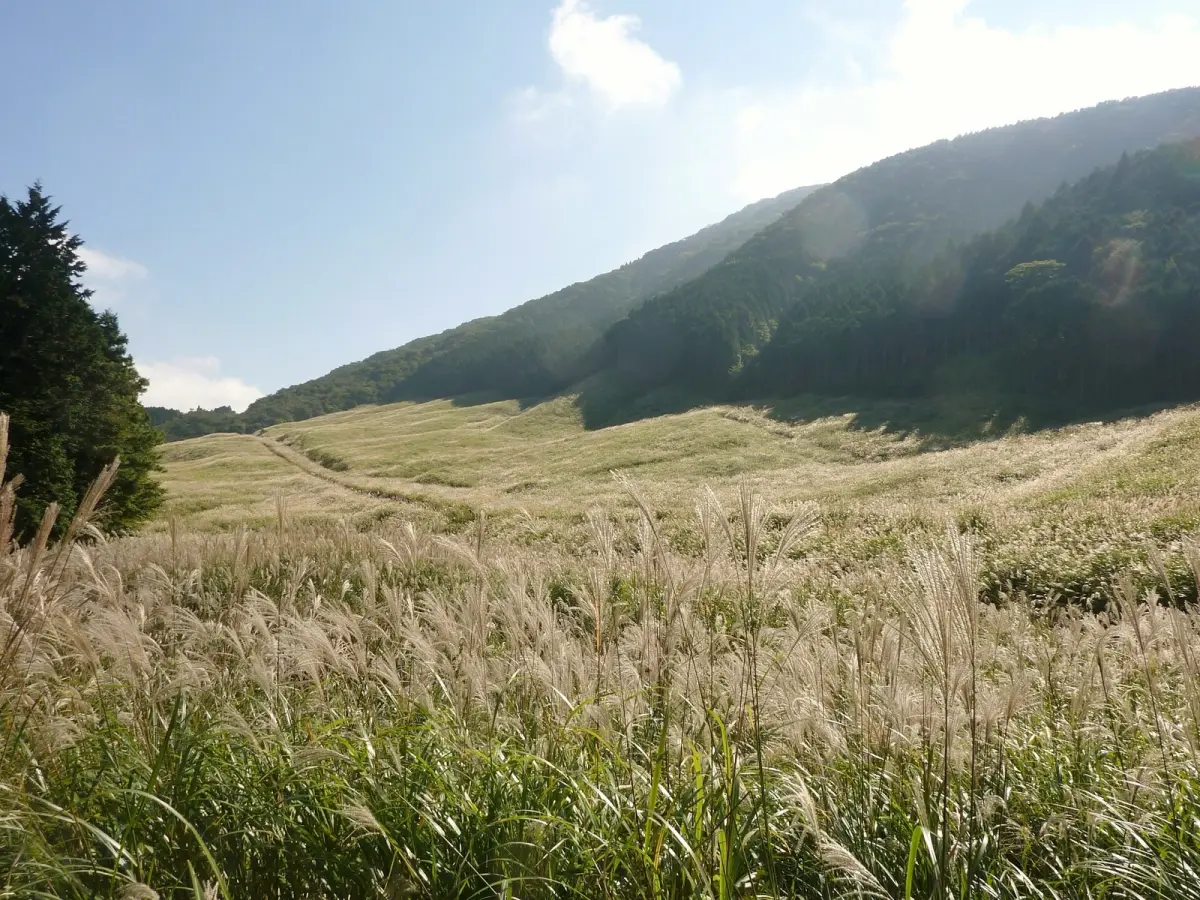
Sengokuhara Pampas Grass
Sengokuhara is a highland plateau where silver pampas grass blankets the fields, especially in autumn when the plumes catch the low sun and glow like a sea of light. The grassland stretches wide and open, a rare flatness in Hakone's crumpled terrain, and walking paths let you wade into the rustling expanse. It is a seasonal spectacle, quiet and luminous, best seen in late September and October.
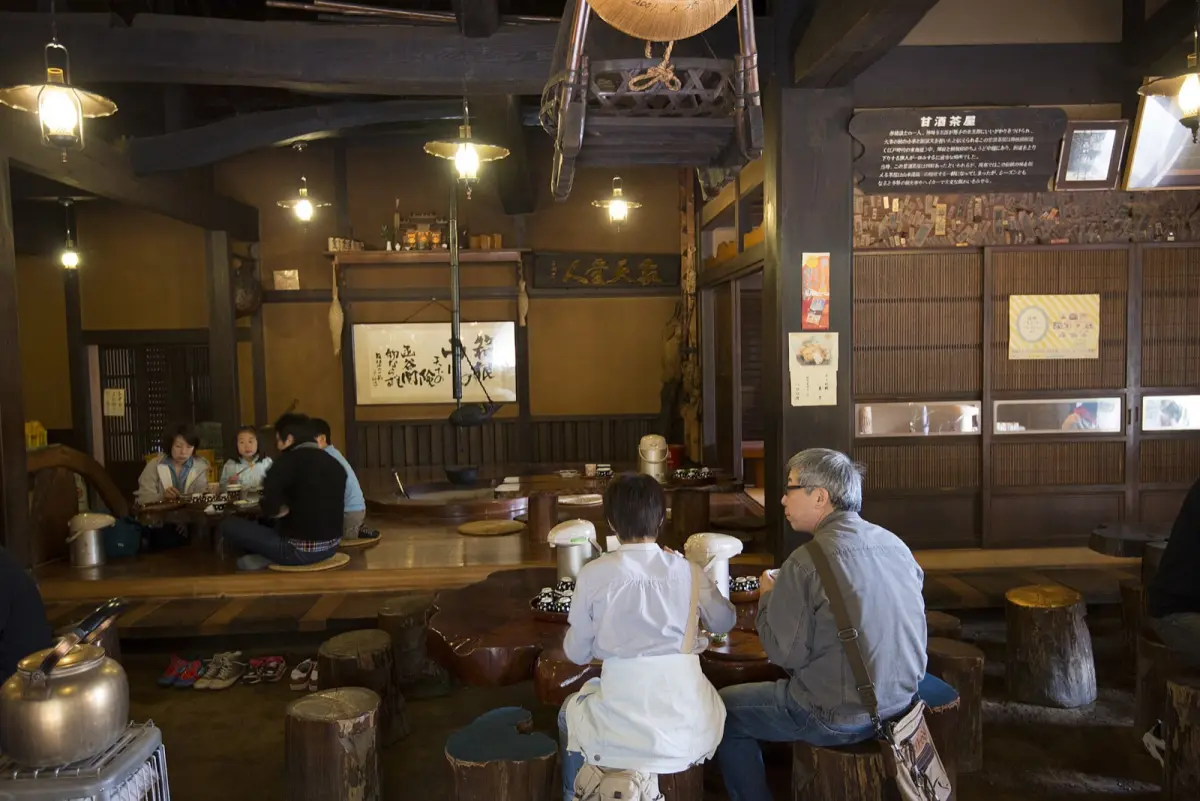
Amazake-chaya Teahouse
The Amazake-chaya is a thatched teahouse that has served sweet amazake and mochi to travellers on the old Tōkaidō for more than three centuries. Inside, the hearth still burns, the tatami creaks, and the ritual of rest continues as it did when samurai and merchants paused here on the mountain pass. It is a living fragment of the Edo period, humble and enduring.
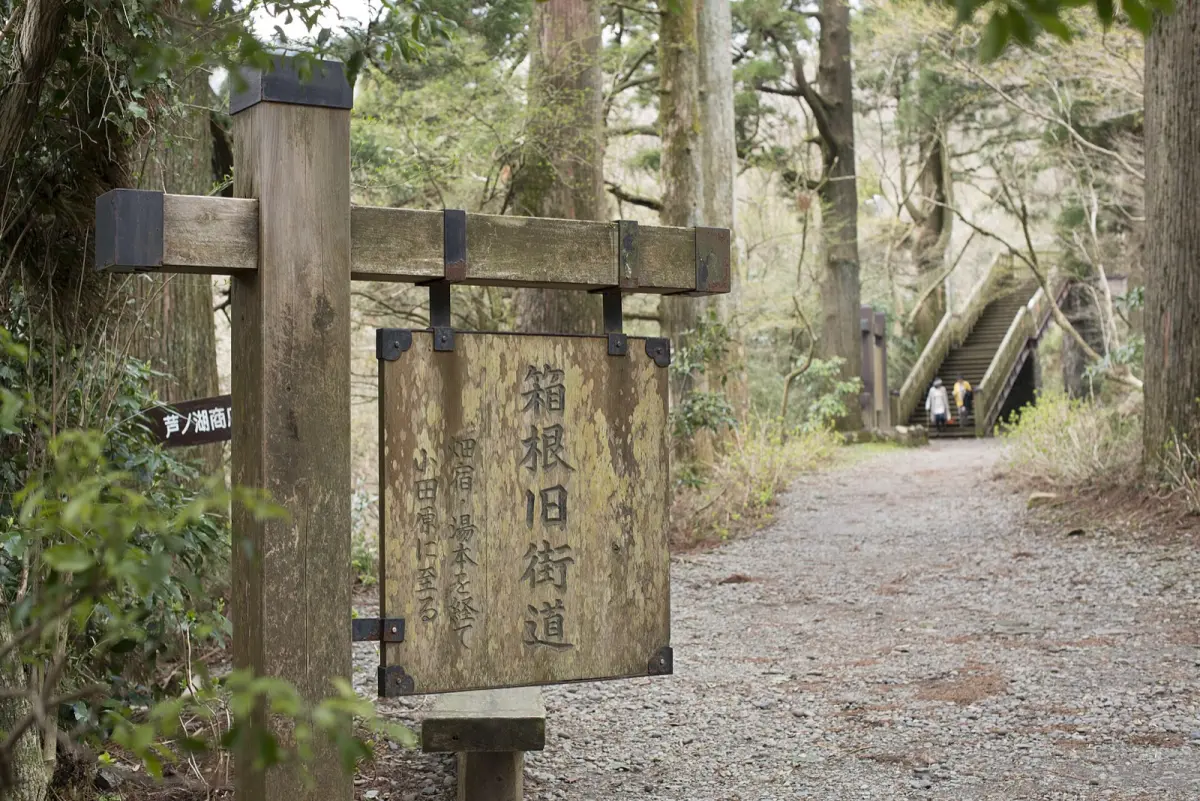
Old Tōkaidō Cedar Avenue
The old Tōkaidō road climbs through Hakone beneath a canopy of towering cedars, their trunks straight and ancient, their roots gripping the stone-paved path. This was the route between Edo and Kyoto, worn smooth by centuries of footsteps, and walking it today is to move through history. The trees muffle sound, the air is cool and green, and the past feels close.
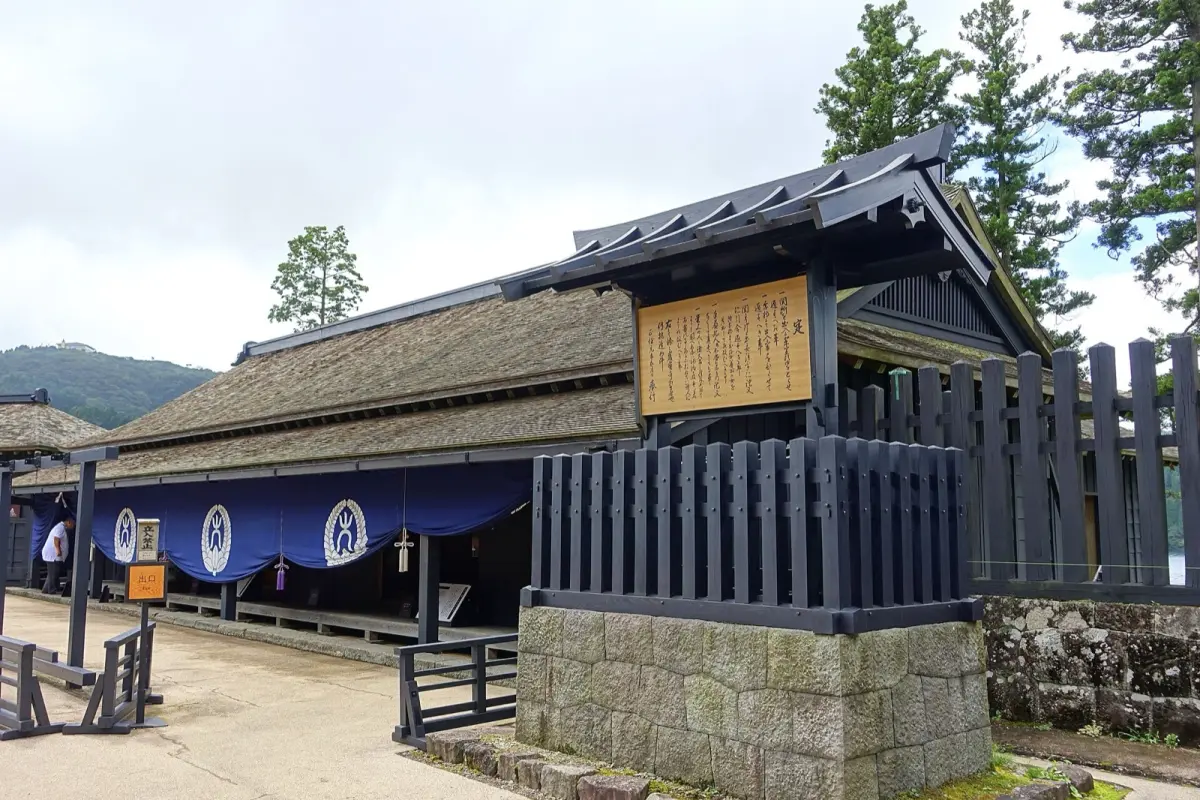
Hakone Checkpoint
The Hakone Checkpoint is a meticulous reconstruction of the Edo-period barrier station that once controlled all passage between Edo and the western provinces. Guards inspected travel permits, especially watching for women leaving the capital and weapons entering it, and the checkpoint's location on the shore of Lake Ashi made it nearly impossible to bypass. Today, the wooden gates, watchtowers, and exhibits offer a window into the strict order of Tokugawa Japan.
Crafts of this region
Authentic pieces made near here — learn the story, then bring one home.
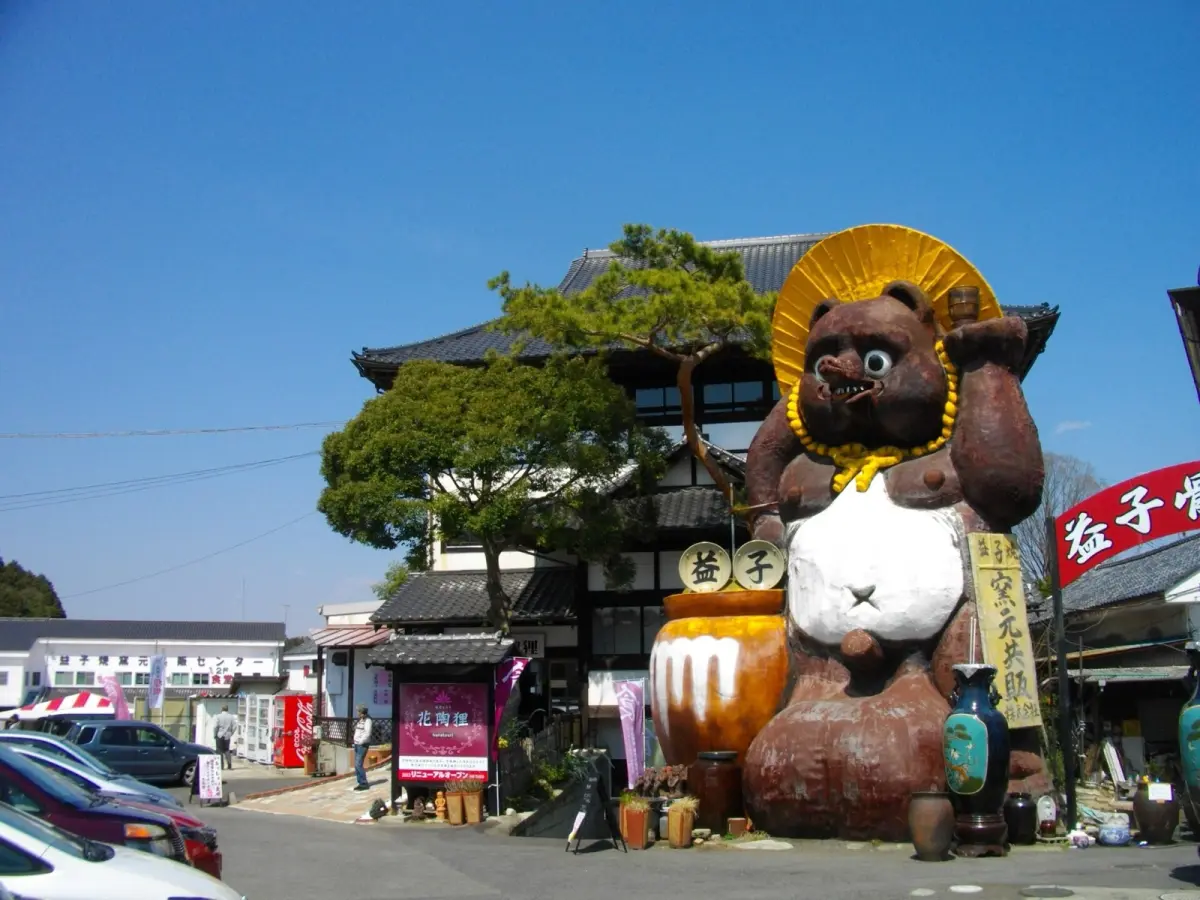 Mashiko Ware
益子焼 · Mashiko, Tochigi
Mashiko Ware
益子焼 · Mashiko, Tochigi
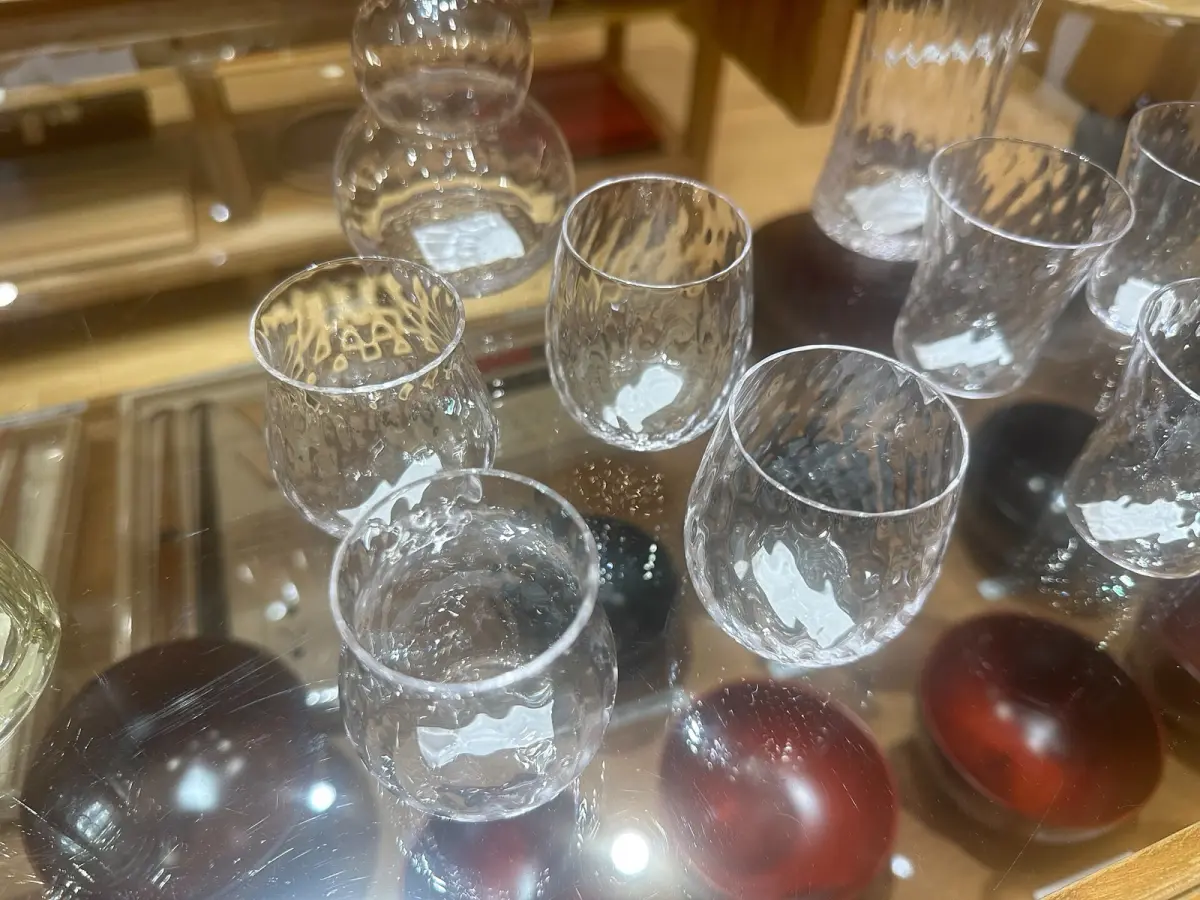 Edo Kiriko
江戸切子 · Sumida, Tokyo
Edo Kiriko
江戸切子 · Sumida, Tokyo
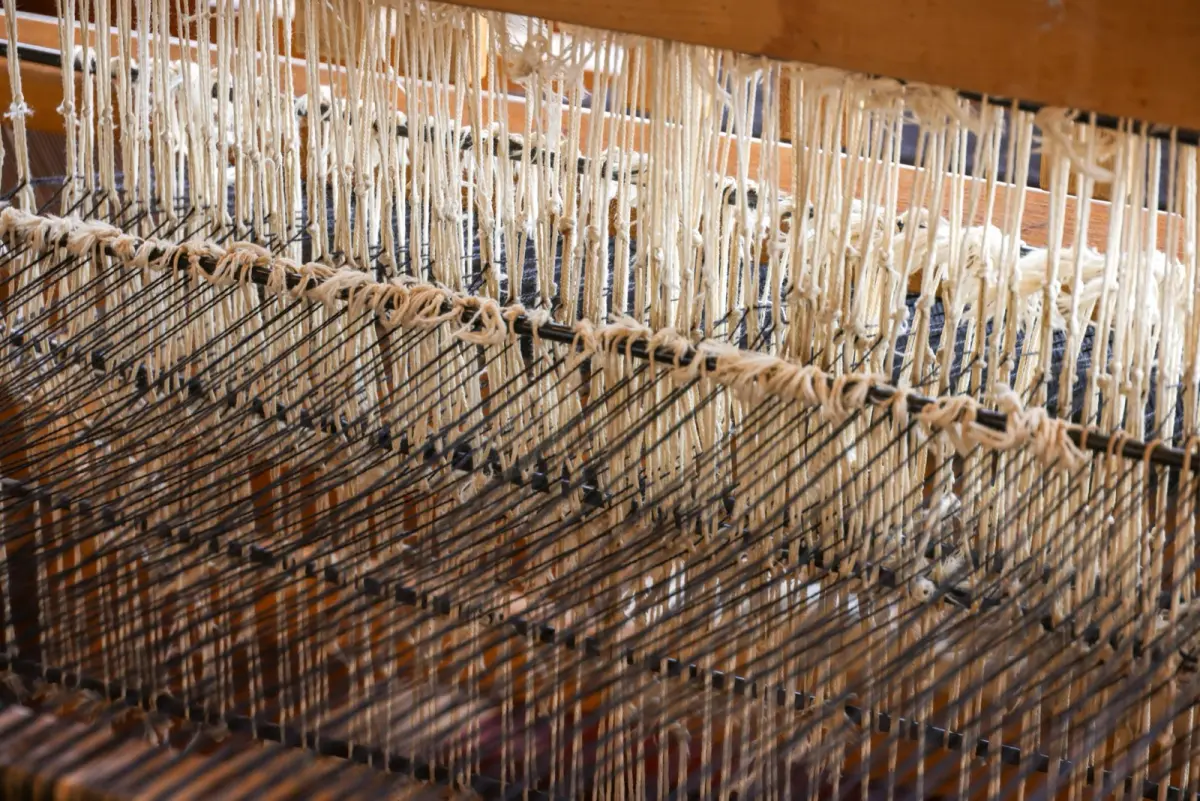 Kiryū Textiles
桐生織 · Kiryū, Gunma
Kiryū Textiles
桐生織 · Kiryū, Gunma
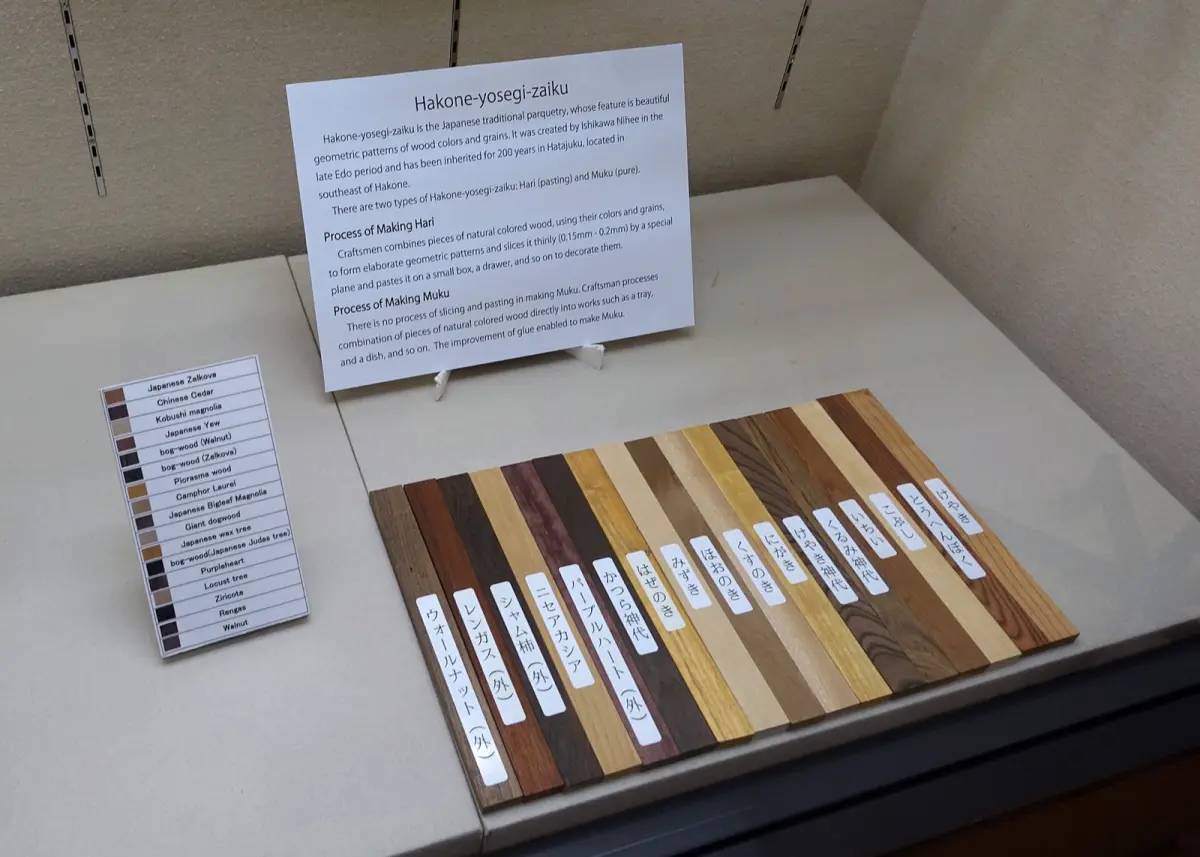 Hakone Yosegi
箱根寄木細工 · Hakone, Kanagawa
Hakone Yosegi
箱根寄木細工 · Hakone, Kanagawa
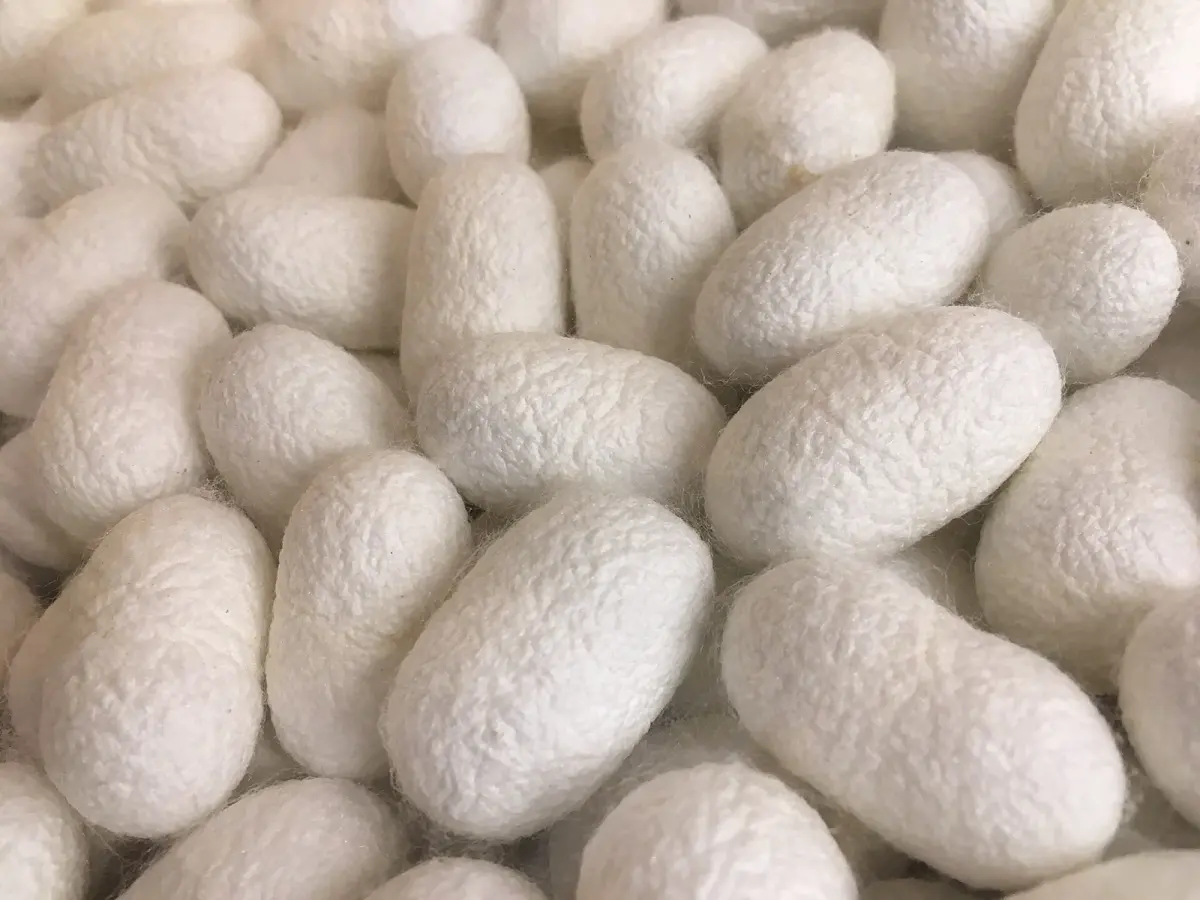 Yūki Tsumugi
結城紬 · Yūki, Ibaraki
Yūki Tsumugi
結城紬 · Yūki, Ibaraki
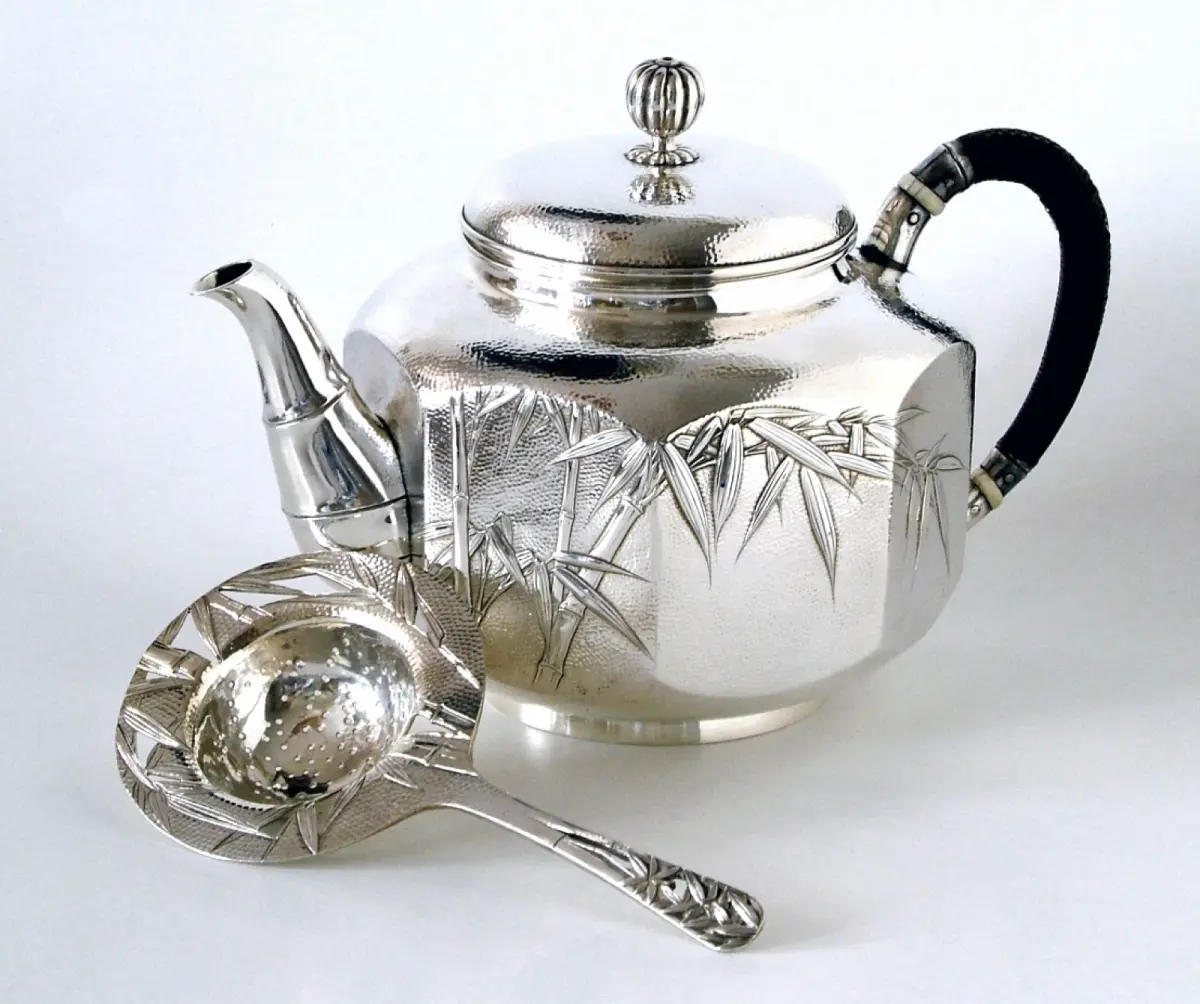 Tokyo Silver
東京銀器 · Taito, Tokyo
Tokyo Silver
東京銀器 · Taito, Tokyo
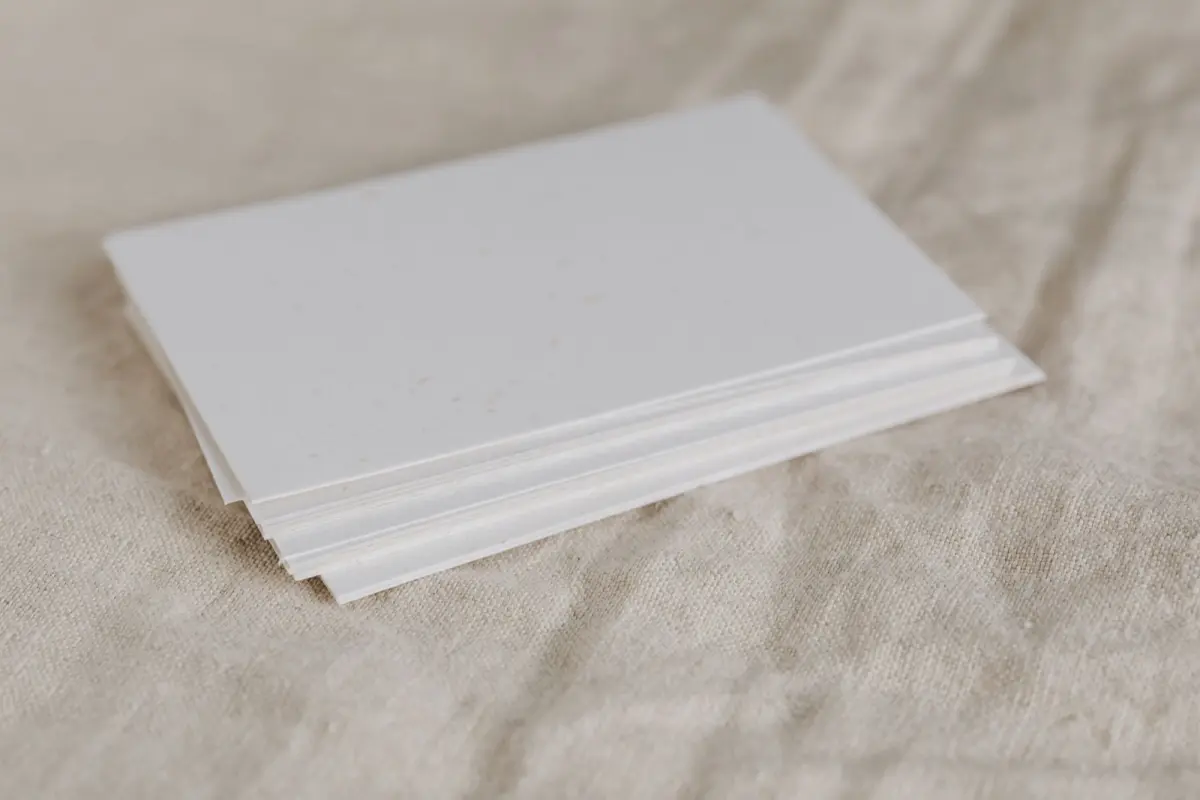 Hosokawa Paper
細川紙 · Ogawa, Saitama
Hosokawa Paper
細川紙 · Ogawa, Saitama
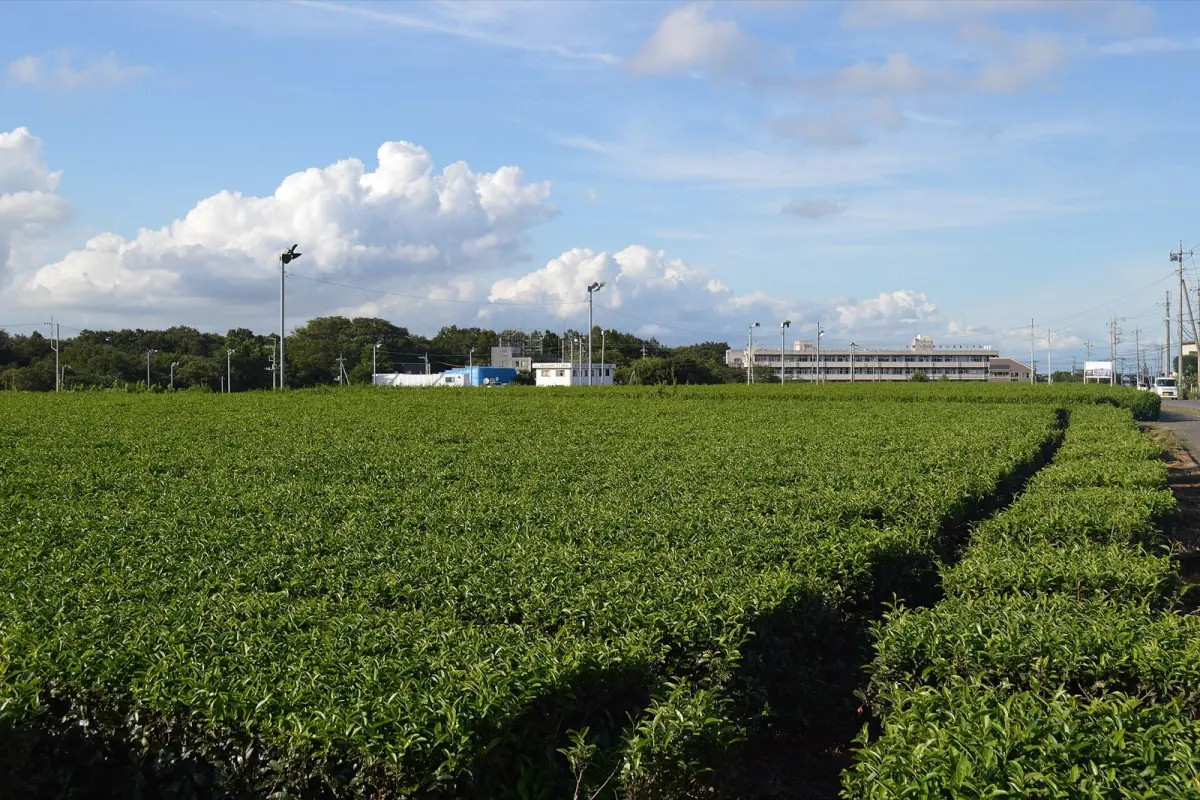 Sayama Tea
狭山茶 · Iruma, Saitama
Sayama Tea
狭山茶 · Iruma, Saitama