Kumamoto & Aso, Go Deeper
Kumamoto and the Aso highlands offer a journey from samurai stronghold to volcanic heartland. The castle city guards one of Japan's mightiest fortresses, still rising from earthquake damage, while eastward the land opens into Aso's vast caldera—a smoking crater ringed by farms, hot-spring villages, and lookouts where clouds pool like an inland sea. Venture further to forest shrines lit by stone lanterns, waterfalls you can step behind, and islands where dolphins swim and history hides in plain sight.
- Tap Open in Google Maps on any place for live directions, transit, hours & reviews.
- Get an ICOCA / Suica IC card — tap on/off trains, subways & buses, no ticket needed.
- Carry some cash (¥) — many small shops, shrines & old streets are cash-only.
- Go early: the famous spots are calm and beautiful before ~9am.
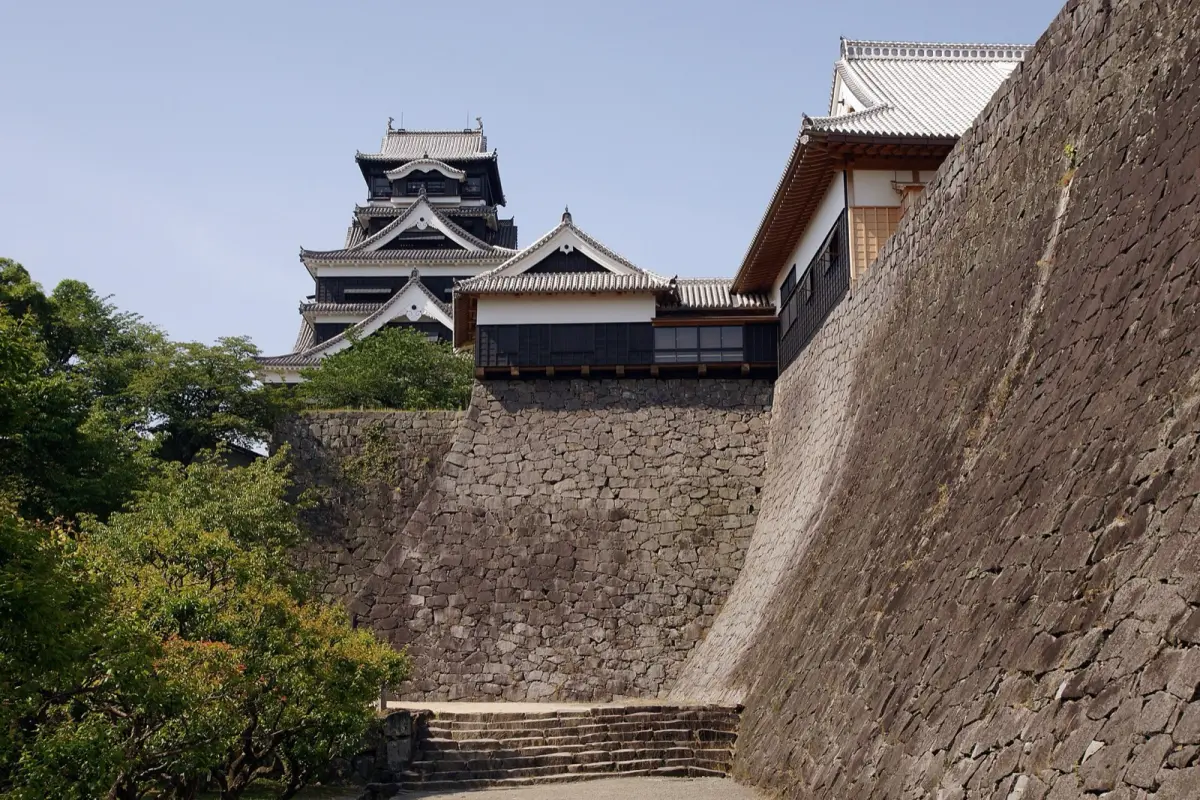
Kumamoto Castle
One of Japan's three great castles, Kumamoto-jo was built around 1600 by warlord Kato Kiyomasa, its famously steep, curved stone walls designed to repel attackers. Badly shaken in the 2016 earthquake, the fortress is being painstakingly restored, and watching it rise again has become part of the city's story.
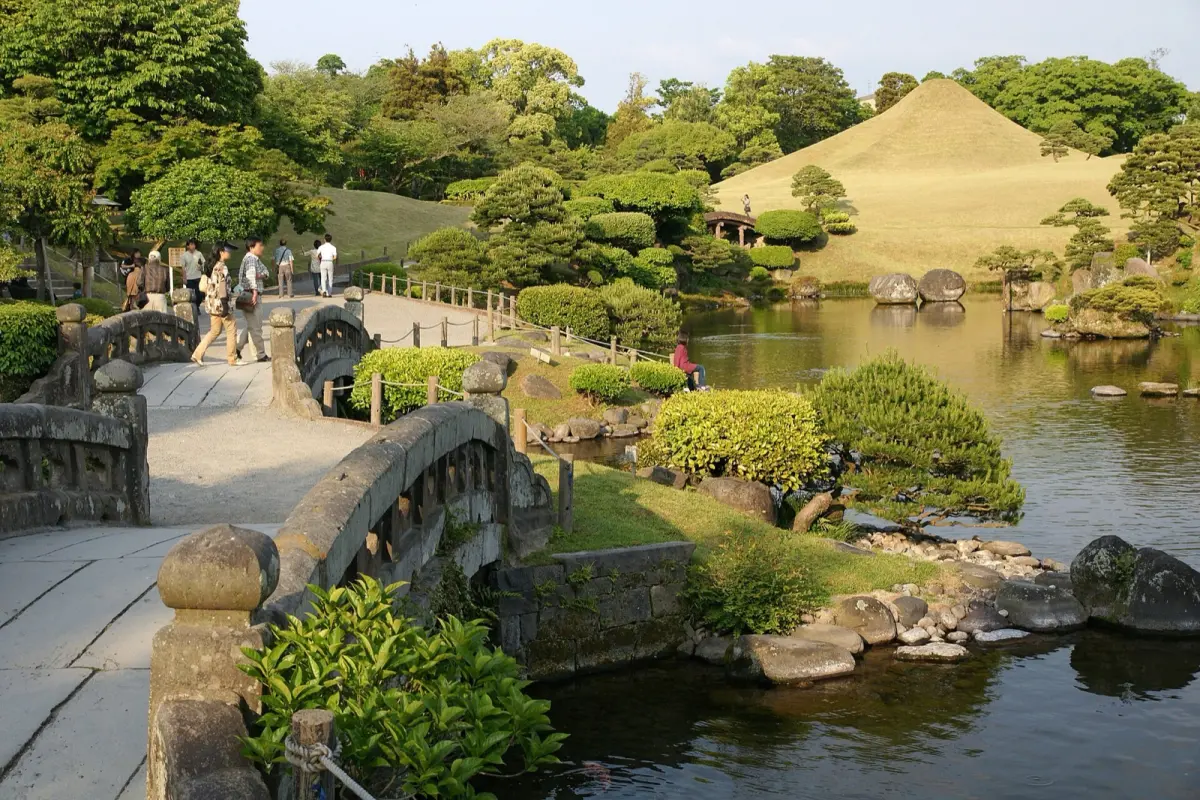
Suizenji Jojuen Garden
Begun in 1632 by the ruling Hosokawa lords, this strolling garden miniaturises the old Tokaido road's famous landmarks around a spring-fed pond—including a grassy mound shaped like Mount Fuji. Pause for matcha in the old teahouse and follow the path through centuries of careful design.
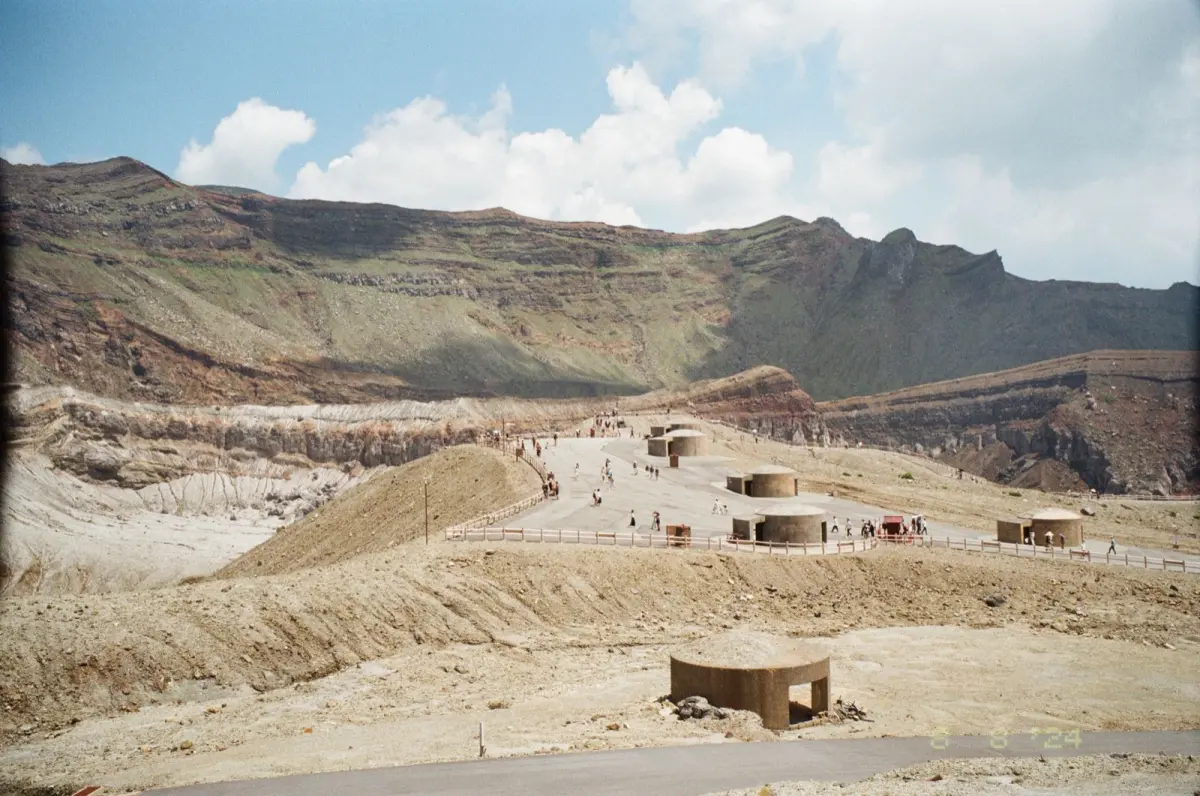
Mount Aso
One of the world's largest calderas, Aso stretches roughly 25 kilometres across, with the smoking Nakadake crater at its heart. Farms, villages, and a whole town lie inside the ancient rim, making this a living volcanic landscape you can drive, hike, and even inhabit.
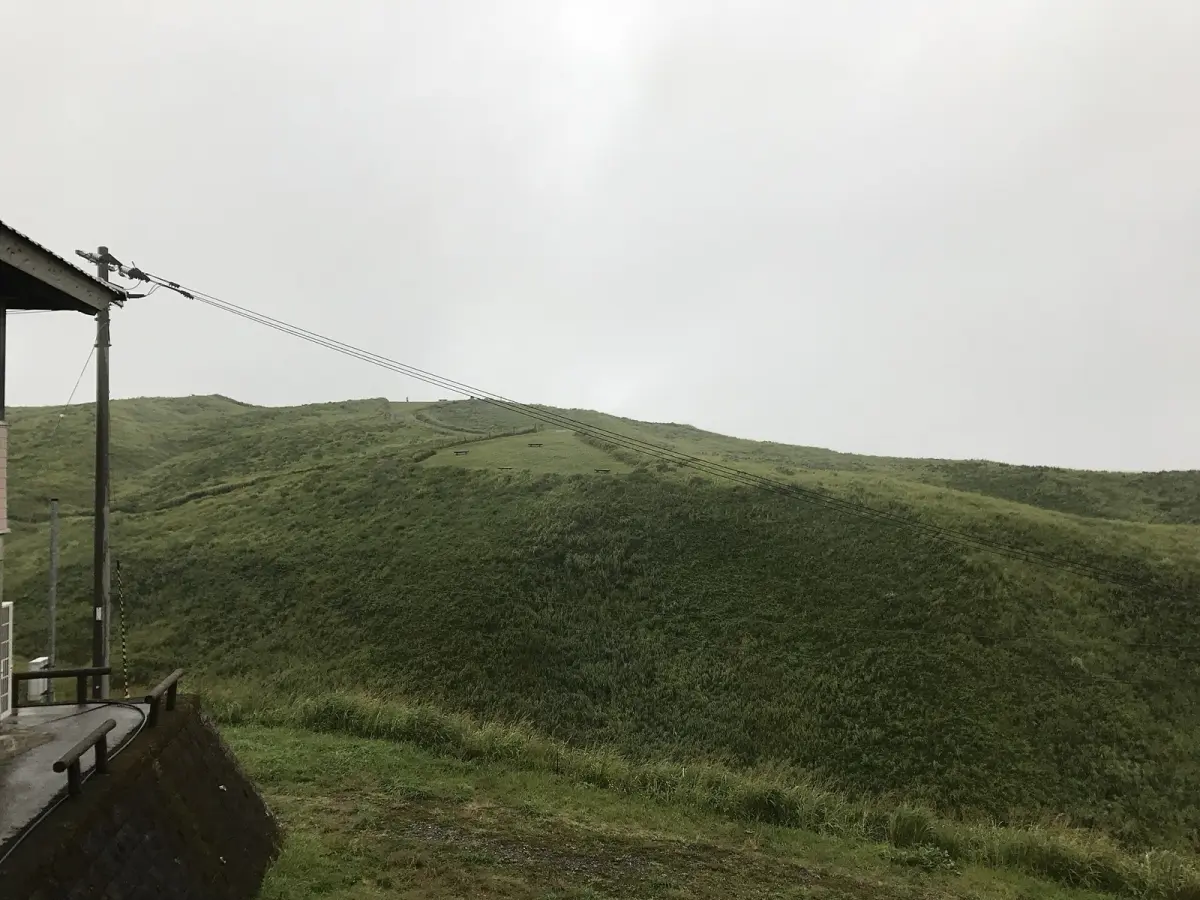
Daikanbo Lookout
Perched on the northern caldera rim, Daikanbo offers the finest view over Aso's central cones and patchwork valleys. On clear autumn mornings, a sea of cloud fills the basin below, turning the peaks into islands adrift in white.
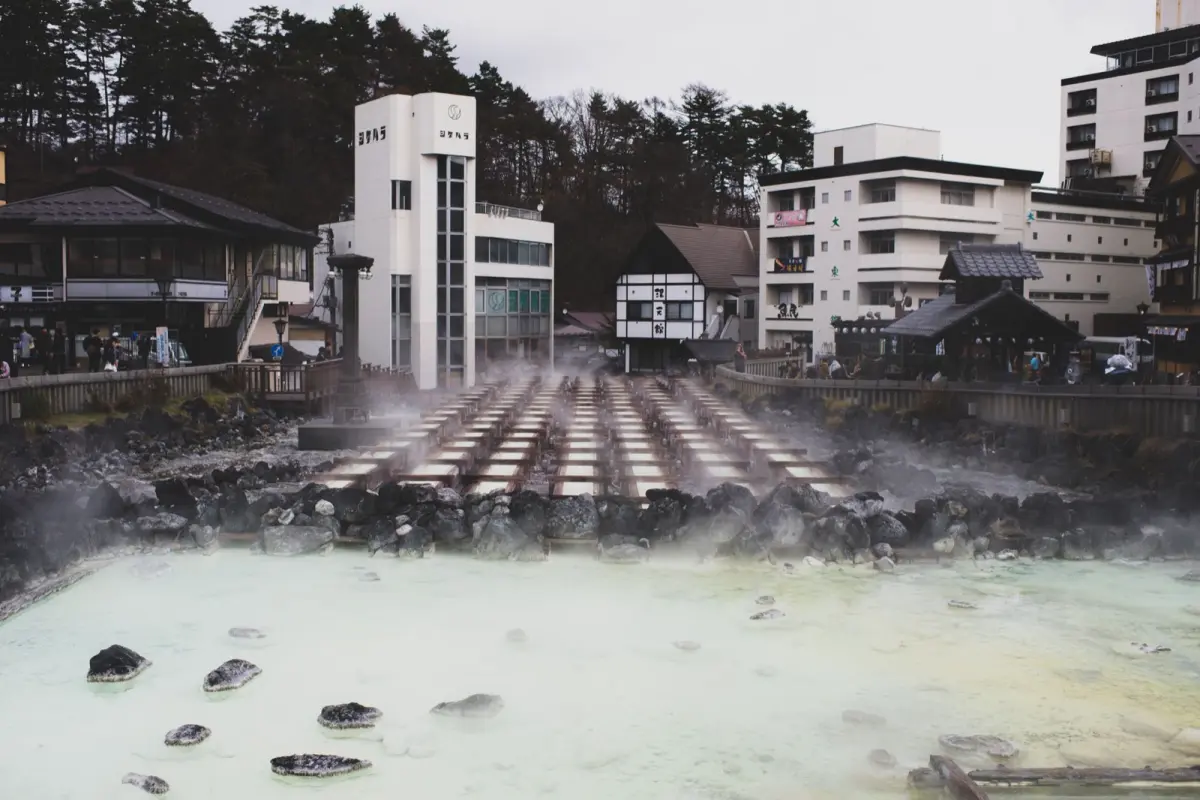
Kurokawa Onsen
This hot-spring village keeps things deliberately old and quiet, its wooden inns strung along a forested gorge. Buy a wooden pass and wander between open-air baths, each one different, the water drawn from the same ancient volcanic heat.
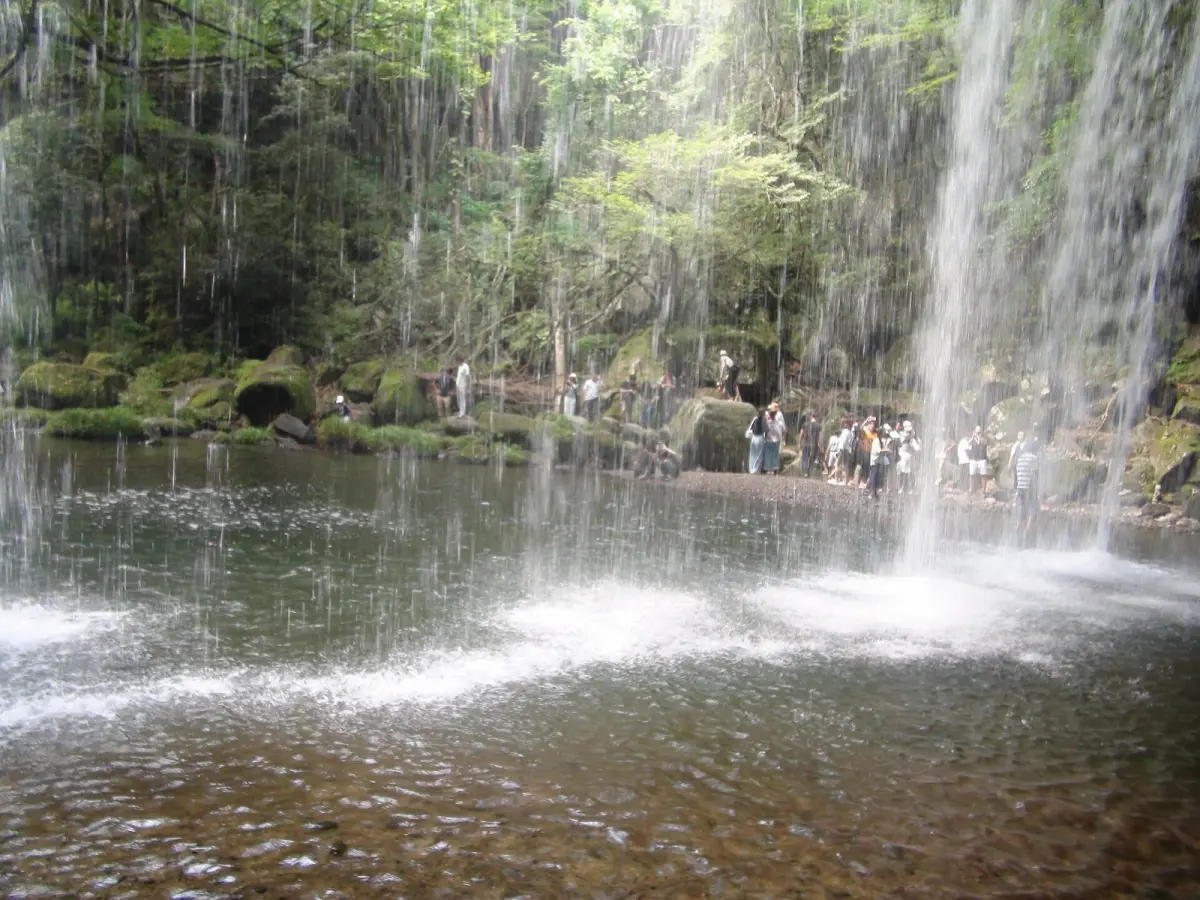
Nabegataki Falls
A wide, low curtain of water formed by an ancient Aso eruption, Nabegataki lets you walk right behind the falls into a cool, mossy grotto. The view back through the veil is worth the short hike in.
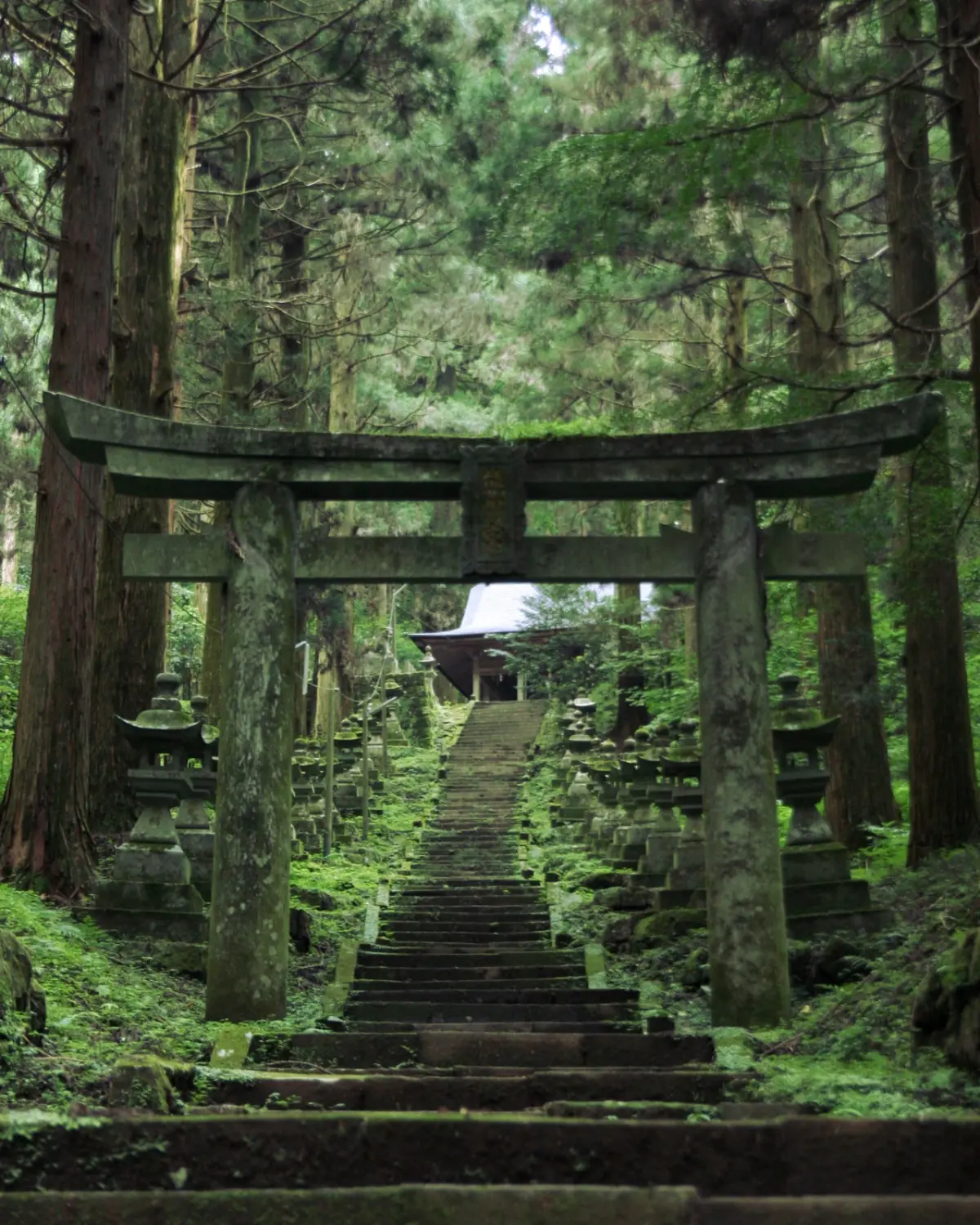
Kamishikimi Kumanoimasu Shrine
A hushed forest path lined with roughly a hundred moss-covered stone lanterns leads to this clifftop shrine. At the end, a natural wind-hole blasted through the rock adds to the otherworldly quiet.
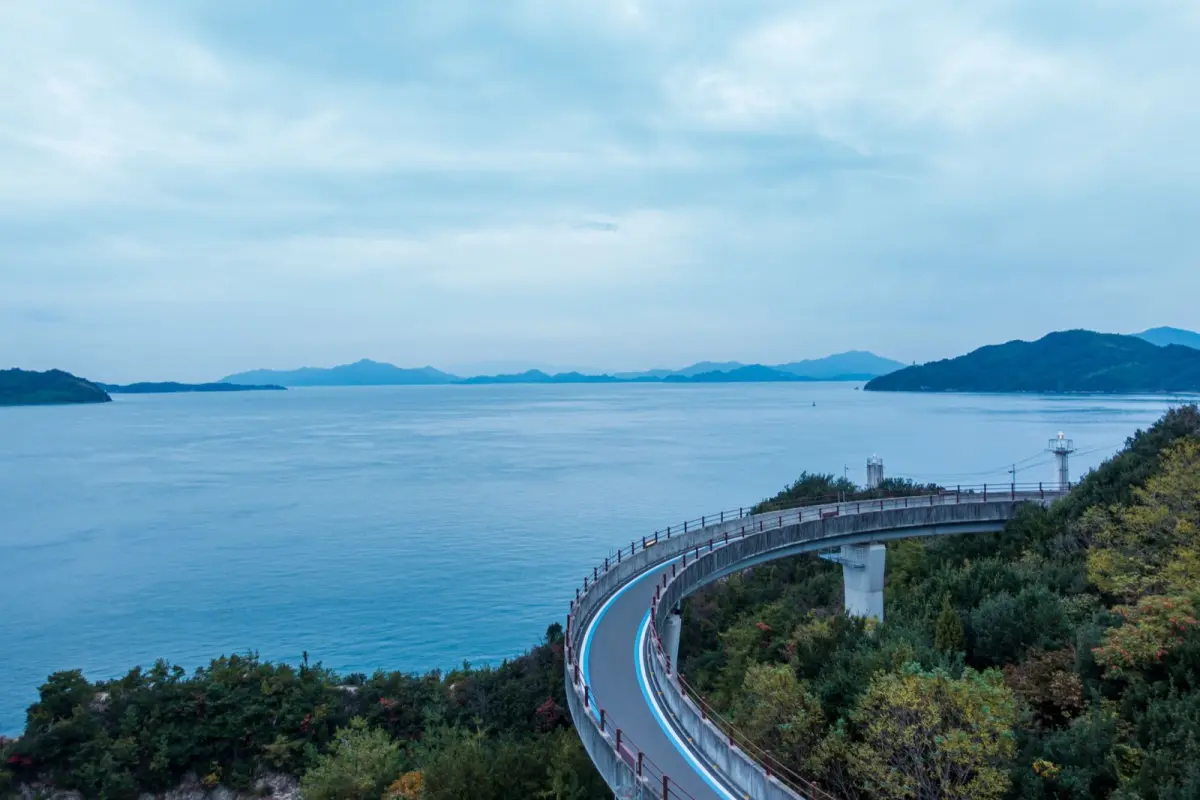
Amakusa Islands
Linked by bridges over calm straits, the Amakusa islands are known for year-round dolphin sightings and a hidden Christian history—communities that kept their faith in secret for centuries. The pace is slow, the water clear, the past close.
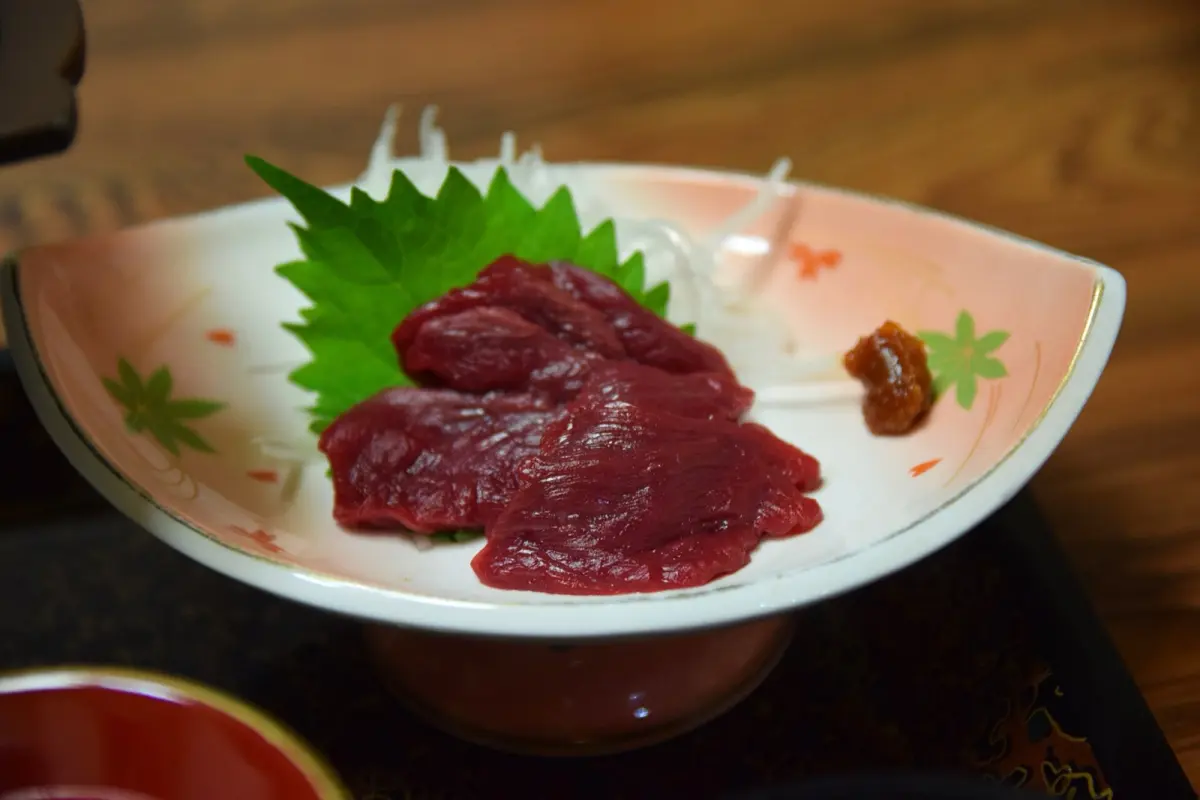
Basashi (Horse Sashimi)
Kumamoto's signature dish is raw horse sashimi, sliced thin and served with sweet soy, ginger, and garlic. The meat is lean, faintly sweet, and softer than you expect—an acquired taste that locals consider essential.
Crafts of this region
Authentic pieces made near here — learn the story, then bring one home.
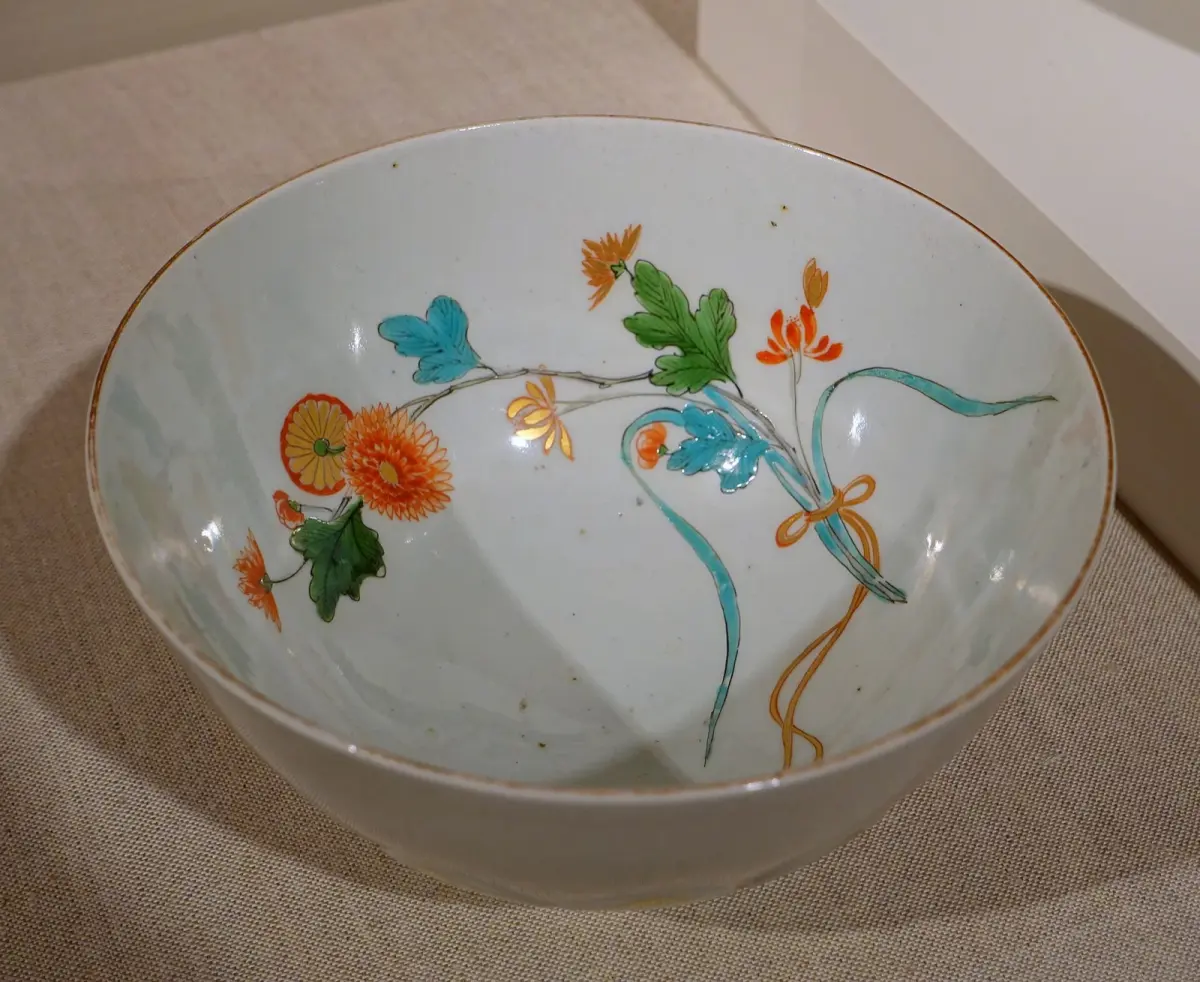 Arita Ware
有田焼 · Arita, Saga
Arita Ware
有田焼 · Arita, Saga
 Hasami Ware
波佐見焼 · Hasami, Nagasaki
Hasami Ware
波佐見焼 · Hasami, Nagasaki
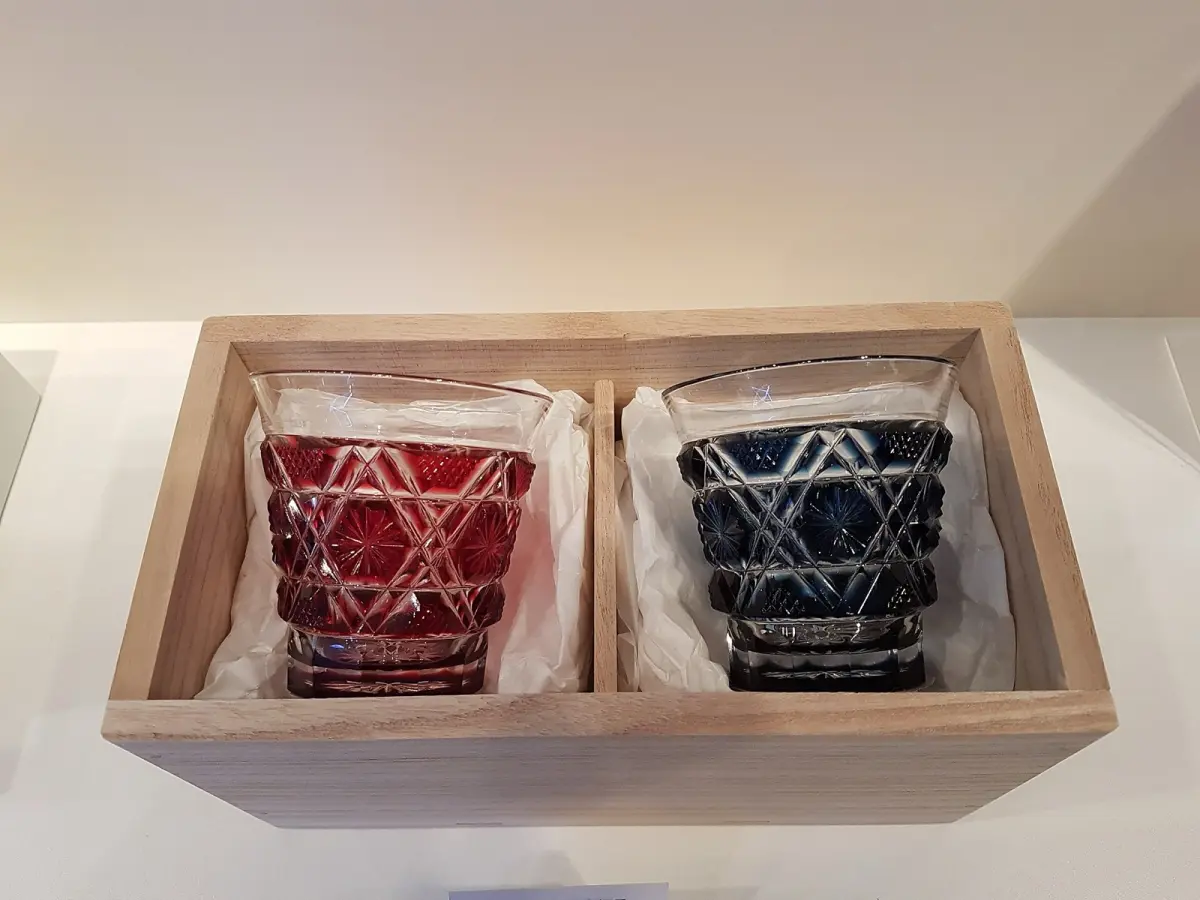 Satsuma Kiriko
薩摩切子 · Kagoshima
Satsuma Kiriko
薩摩切子 · Kagoshima
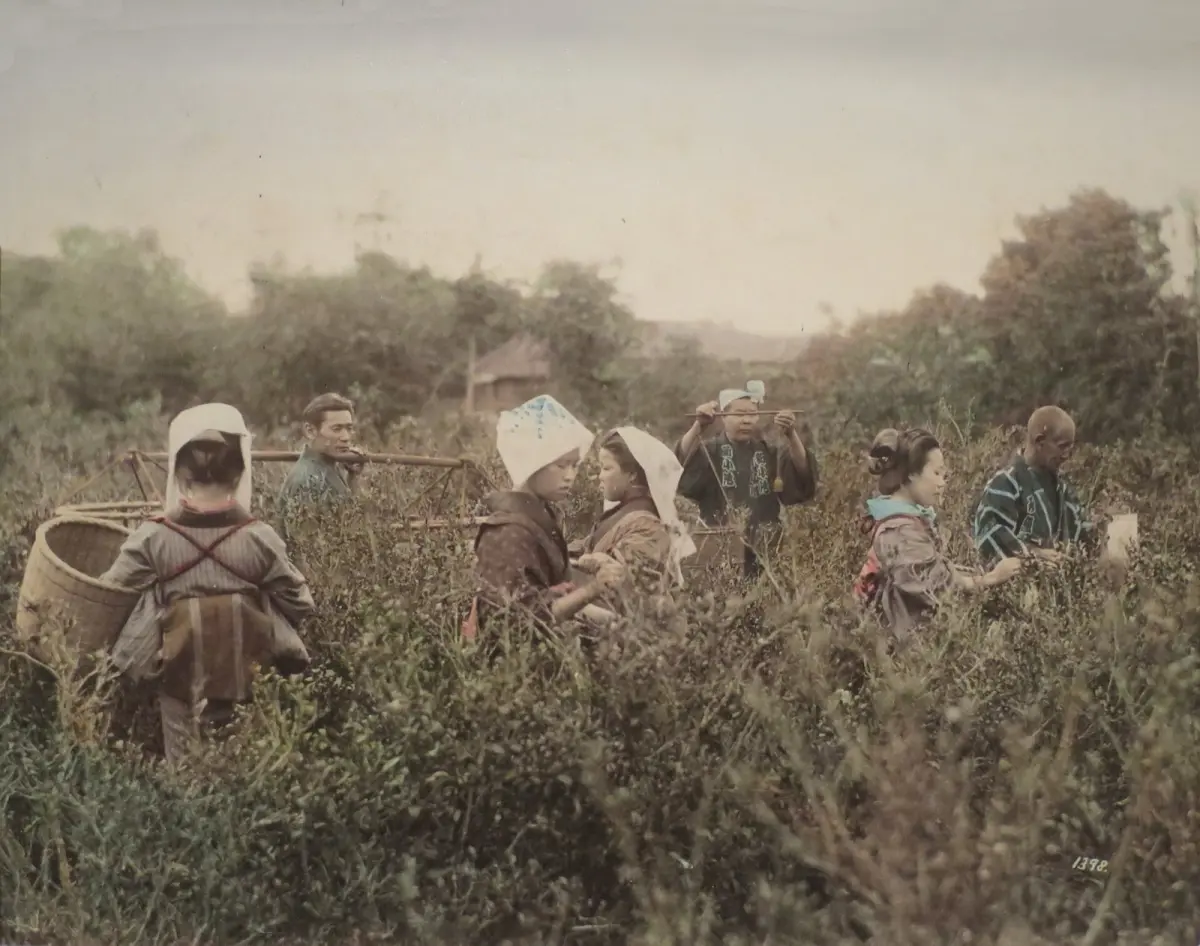 Yame Gyokuro
八女茶 · Yame, Fukuoka
Yame Gyokuro
八女茶 · Yame, Fukuoka
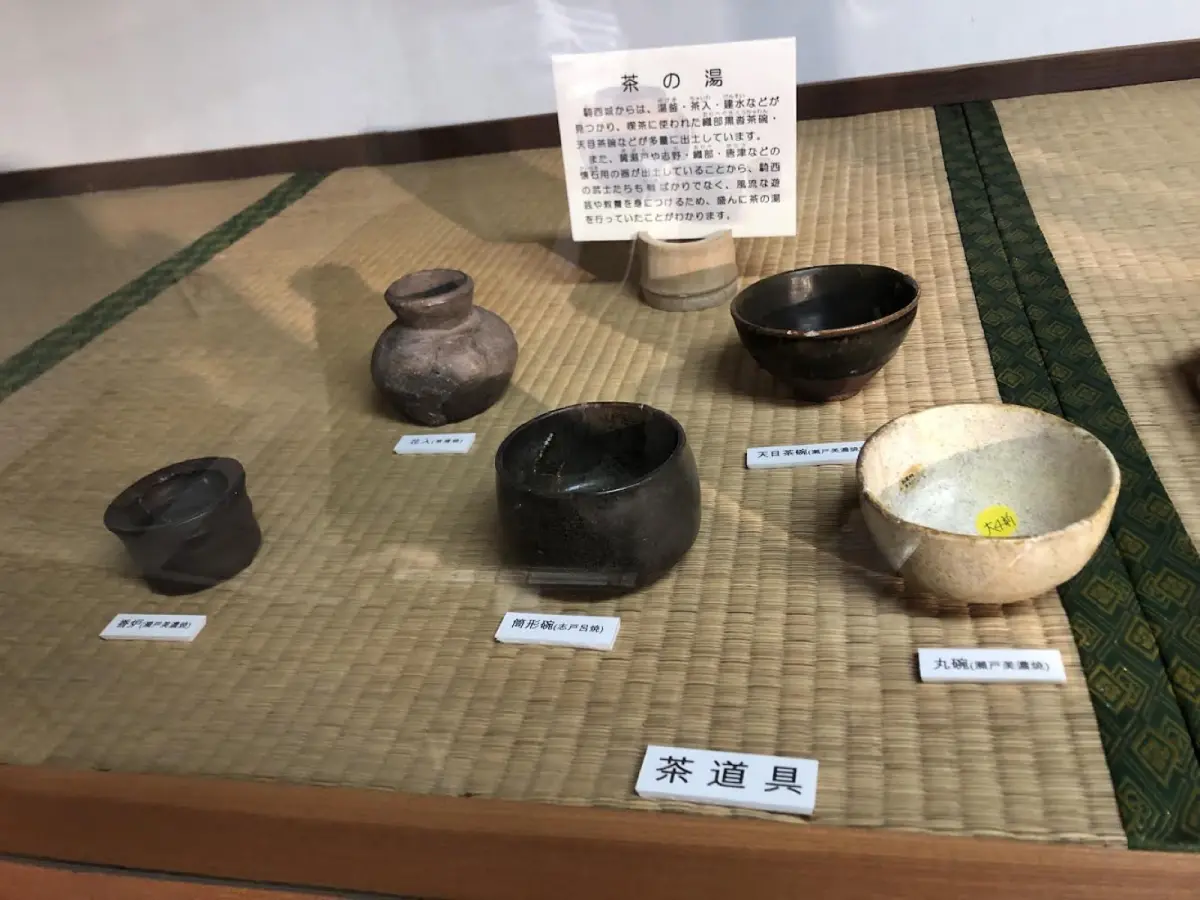 Karatsu Ware
唐津焼 · Karatsu, Saga
Karatsu Ware
唐津焼 · Karatsu, Saga
 Kurume Kasuri
久留米絣 · Kurume, Fukuoka
Kurume Kasuri
久留米絣 · Kurume, Fukuoka
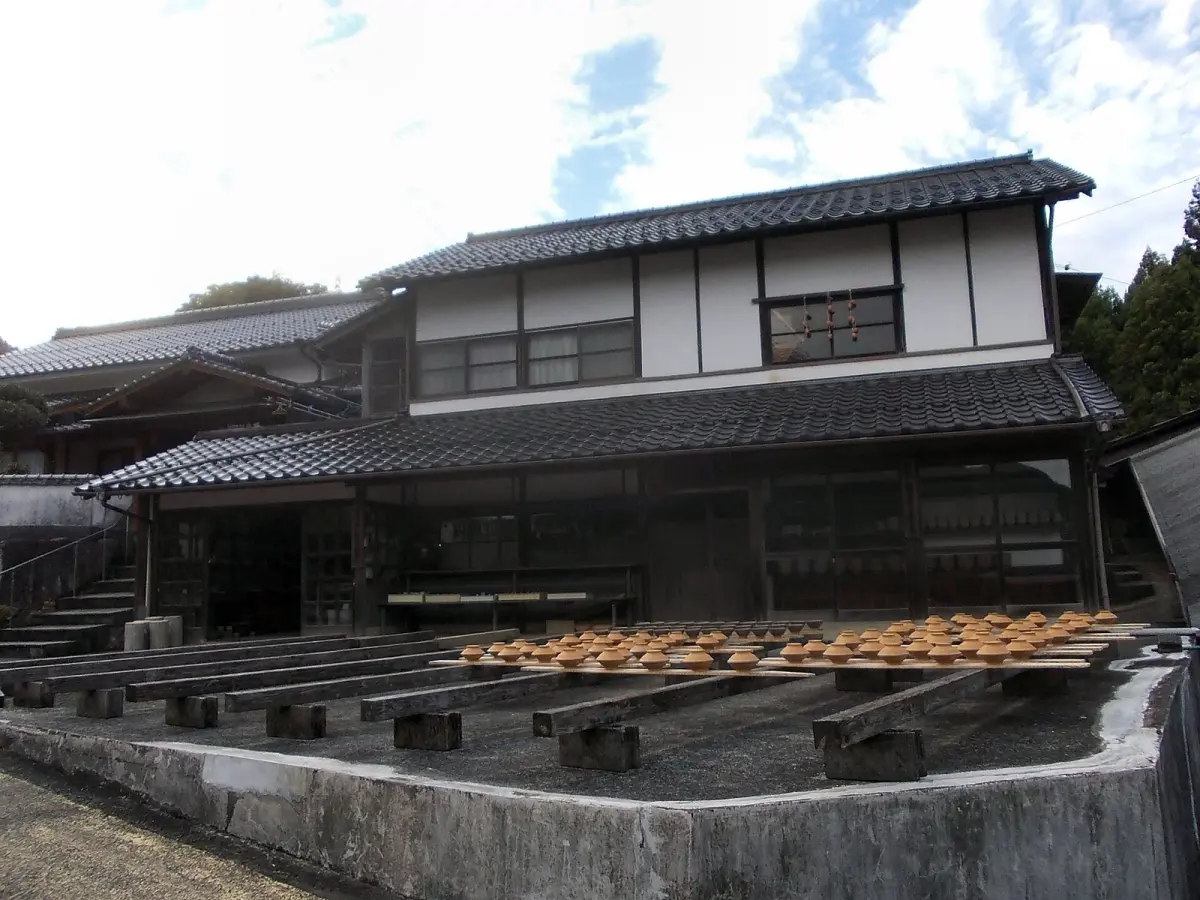 Onta Ware
小鹿田焼 · Hita, Ōita
Onta Ware
小鹿田焼 · Hita, Ōita
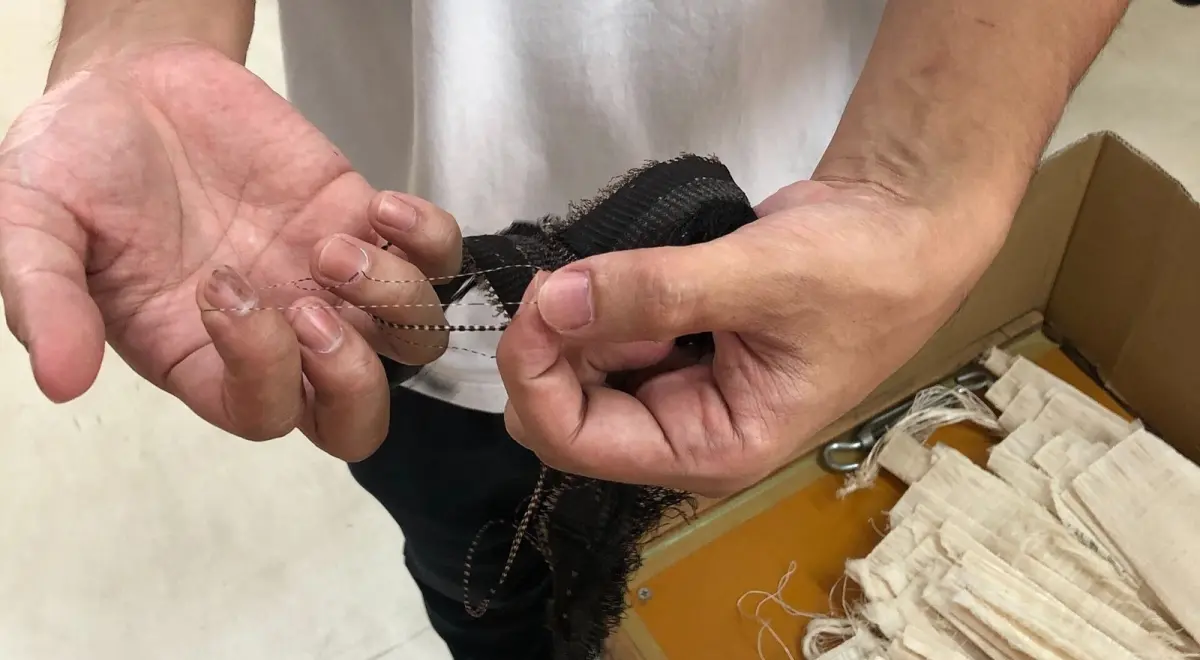 Ōshima Tsumugi
大島紬 · Amami, Kagoshima
Ōshima Tsumugi
大島紬 · Amami, Kagoshima