Karatsu Ware: Where Pottery Serves The Tea Ceremony
On this page
The tea masters of old Japan knew a secret: sometimes the most honest vessel is the one that doesn't try too hard. In the hills of Karatsu, clay and fire conspired to create something both humble and irreplaceable — pottery that wore its imperfections like a badge of honor.
When Korea Met Kyushu
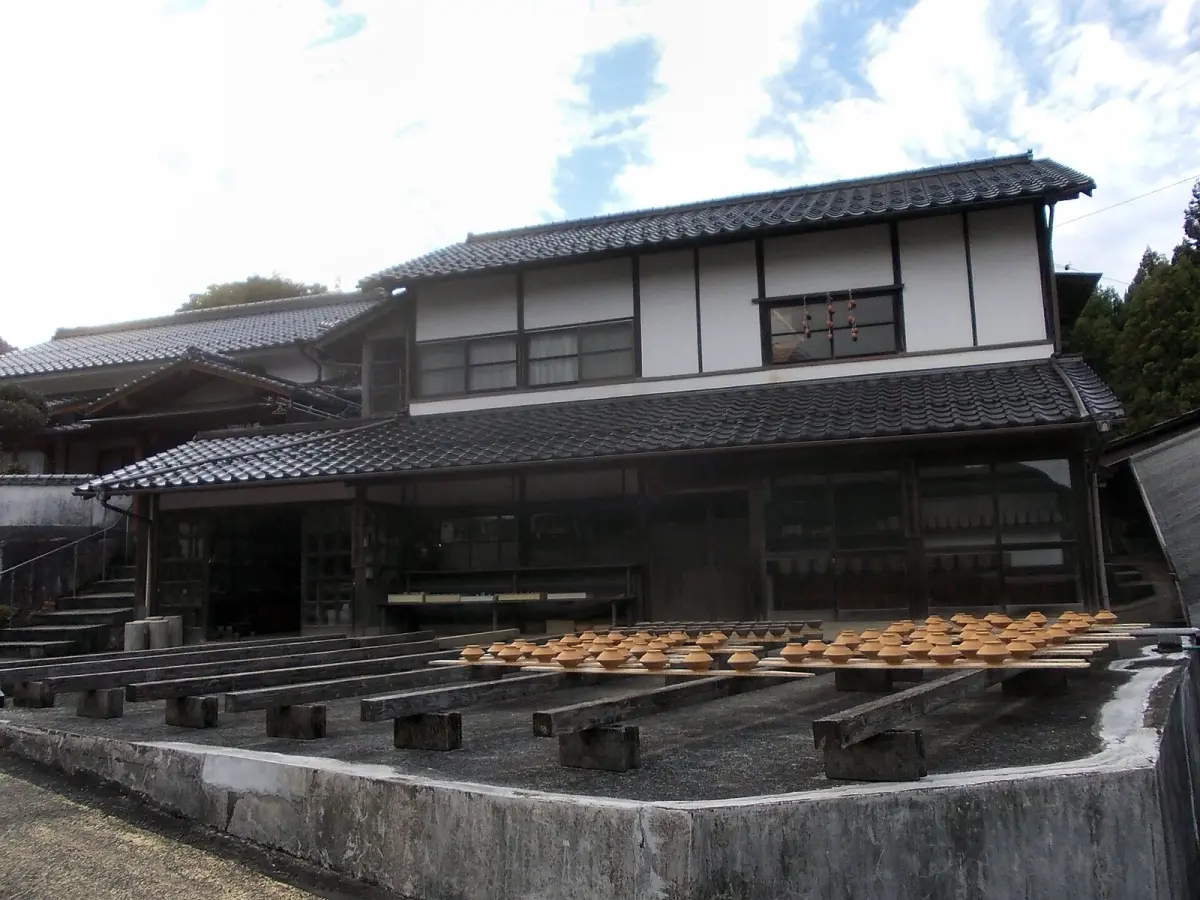
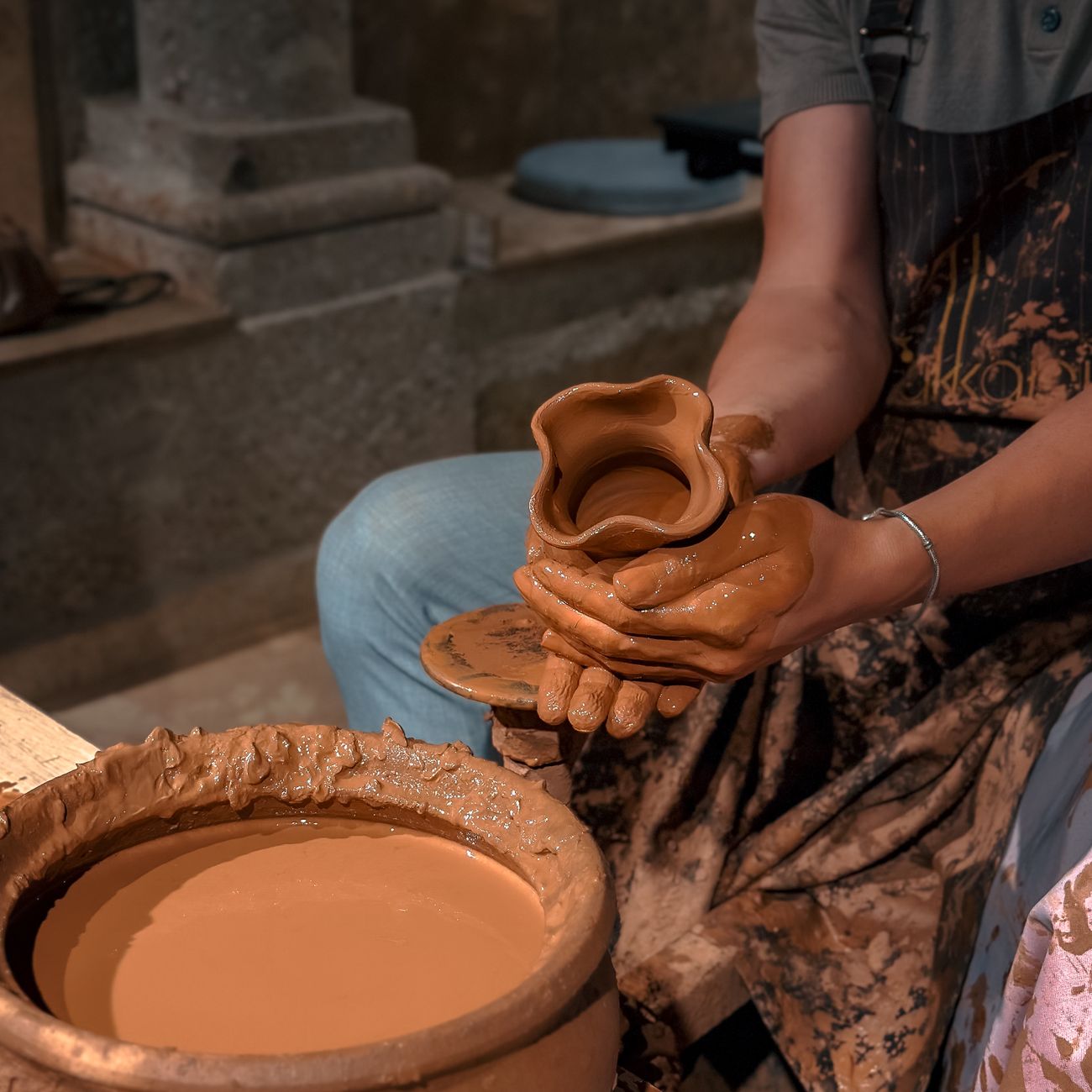
The story begins in the late sixteenth century, around the 1580s, when the first kilns sparked to life in the domain of the Hata clan near Kishidake. But the true transformation came with Hideyoshi's invasions of Korea, which, despite their brutality, brought Korean potters to Japanese soil. These craftsmen carried with them two revolutionary technologies: the noborigama (登り窯), Japan's first climbing kilns that snaked up hillsides, and the keri-rokuro (蹴りろくろ), kick-wheels that freed both hands for shaping. Karatsu-yaki (唐津焼) was born from this unlikely marriage of circumstance and skill.
The Japanese Answer to Ido
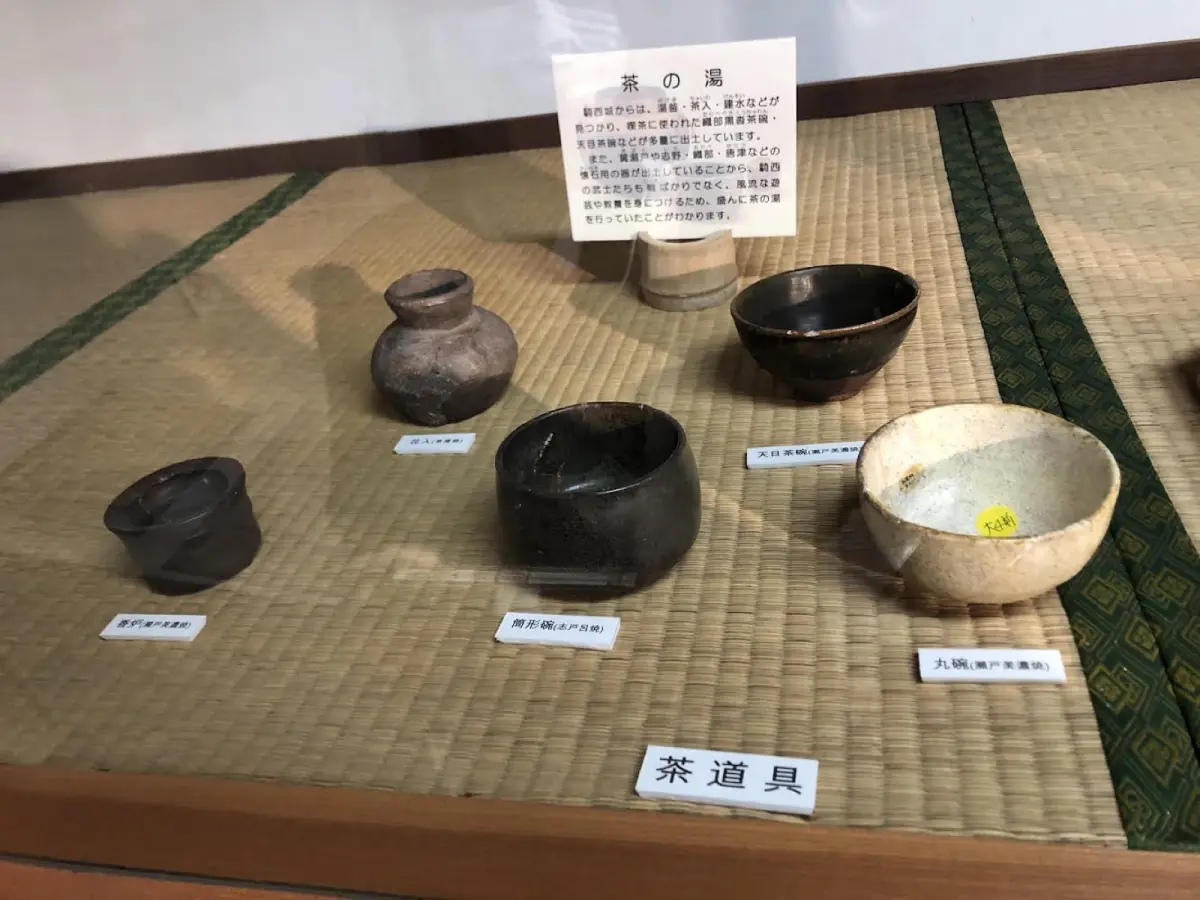
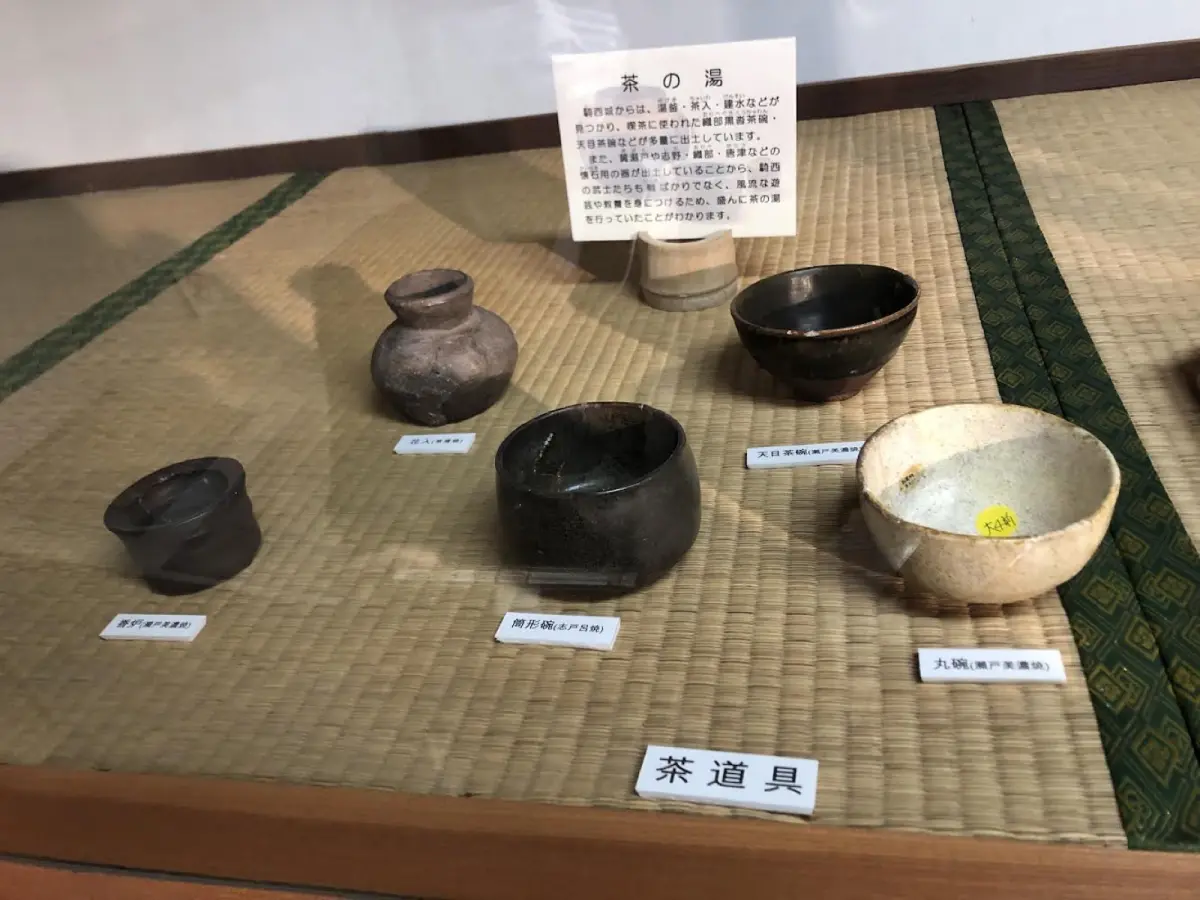
In the rarified world of tea ceremony, a saying took hold: "first Ido, second Raku, third Karatsu." The Korean Ido tea bowls occupied the pinnacle, their rough beauty considered unsurpassable. Yet Karatsu earned its place as the "Japanese Ido" — the closest thing the archipelago could produce to that Korean ideal. The comparison was no accident. Karatsu's rugged, understated character echoed the wabi aesthetic that tea masters cherished: beauty found not in perfection but in the marks left by human hands and hungry flames.
Iron Brushstrokes and Honest Clay
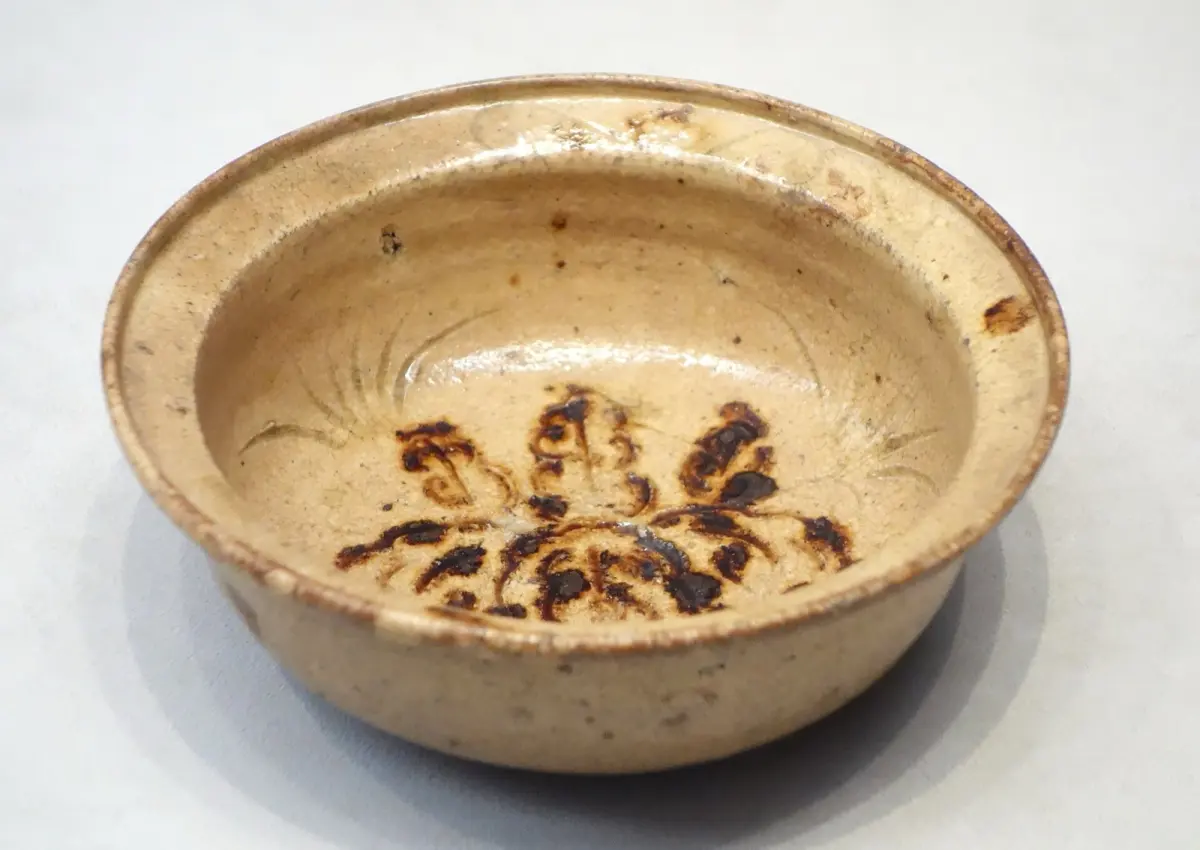
Among Karatsu's variations, e-Karatsu (絵唐津) stands out for its iron-painted decoration. Using iron-rich pigment, potters brushed swift, confident designs onto the clay before glazing — grasses bending in wind, reeds by water, abstract gestures that suggested rather than described. The iron turned dark brown or black in the kiln's heat, creating stark contrasts against pale glazes. These weren't careful illustrations but spontaneous marks, capturing a moment's energy:
The brush moved once, twice, and the design was done — no second chances, no corrections.
This directness became Karatsu's signature, a visual echo of the tea ceremony's own emphasis on the unrepeatable moment.
Consolidation and Survival
The Edo period brought upheaval. As Arita's porcelain industry expanded, many local kilns were consolidated toward that center of production. Yet Karatsu endured, maintaining its identity as an official kiln specializing in tea ware. The finest pieces — those deemed worthy of the shogunate — received the designation kenjo Karatsu (献上唐津), "presented Karatsu." These weren't merely commercial goods but diplomatic offerings, vessels that carried the weight of political relationships in their clay bodies. The tradition kept Karatsu alive even as the ceramic landscape shifted around it.
Fire and Earth, Still Speaking
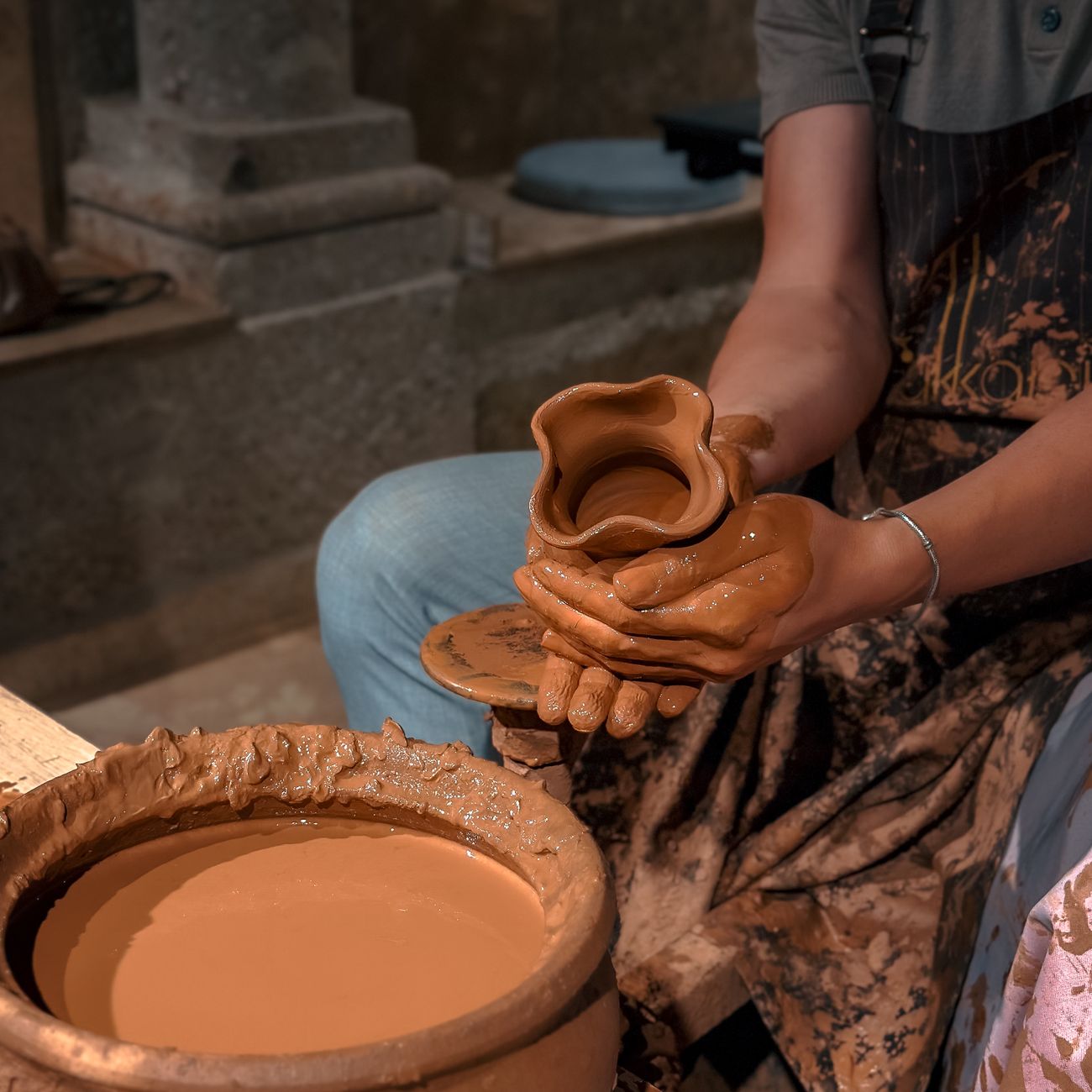
Today's Karatsu potters work in the shadow of that long lineage, still coaxing character from local clay and wood-fired kilns. The climbing kilns may be fewer now, but the aesthetic remains: surfaces that show their making, glazes that pool and break unpredictably, forms that sit comfortably in the hand without announcing their cleverness. Karatsu-yaki never shouts. It waits to be discovered, cup by cup, bowl by bowl — the same quiet confidence that made tea masters reach for it four centuries ago.
The clay remembers what the potters knew: honesty needs no ornament.
FAQ
Chaware curates authentic Japanese crafts — straight from the makers in Japan to your table.
Explore the Chaware collection →
Keep exploring