Inami Woodcarving: Toyama's Town of Carvers
On this page
Article Body
In a small town at the foot of the Tateyama mountains, the tap of mallet on chisel has echoed for more than two and a half centuries. Here, in Inami, wood becomes forest, wave, and flame—not painted, but carved so deeply that light and shadow alone bring the grain to life.
The Temple That Taught a Town
Zuisen-ji (瑞泉寺), founded in 1390, stands at the heart of Inami's story. Like many wooden temples in Japan, it has known fire—and each rebuilding became a school. The shrine-carpenters, or miyadaiku (宮大工), who restored it were local men, their skills honed through necessity and devotion. But during the Horeki-An'ei era rebuild between 1763 and 1774, something shifted. The master carver Maekawa Sanshiro arrived from Kyoto's great Hongan-ji temple, and the Inami carpenters studied under him with fierce attention. What they learned—the deep relief, the sculptural boldness—they carried beyond the temple gates, into homes and workshops across the town.
Chisels, Not Brushes
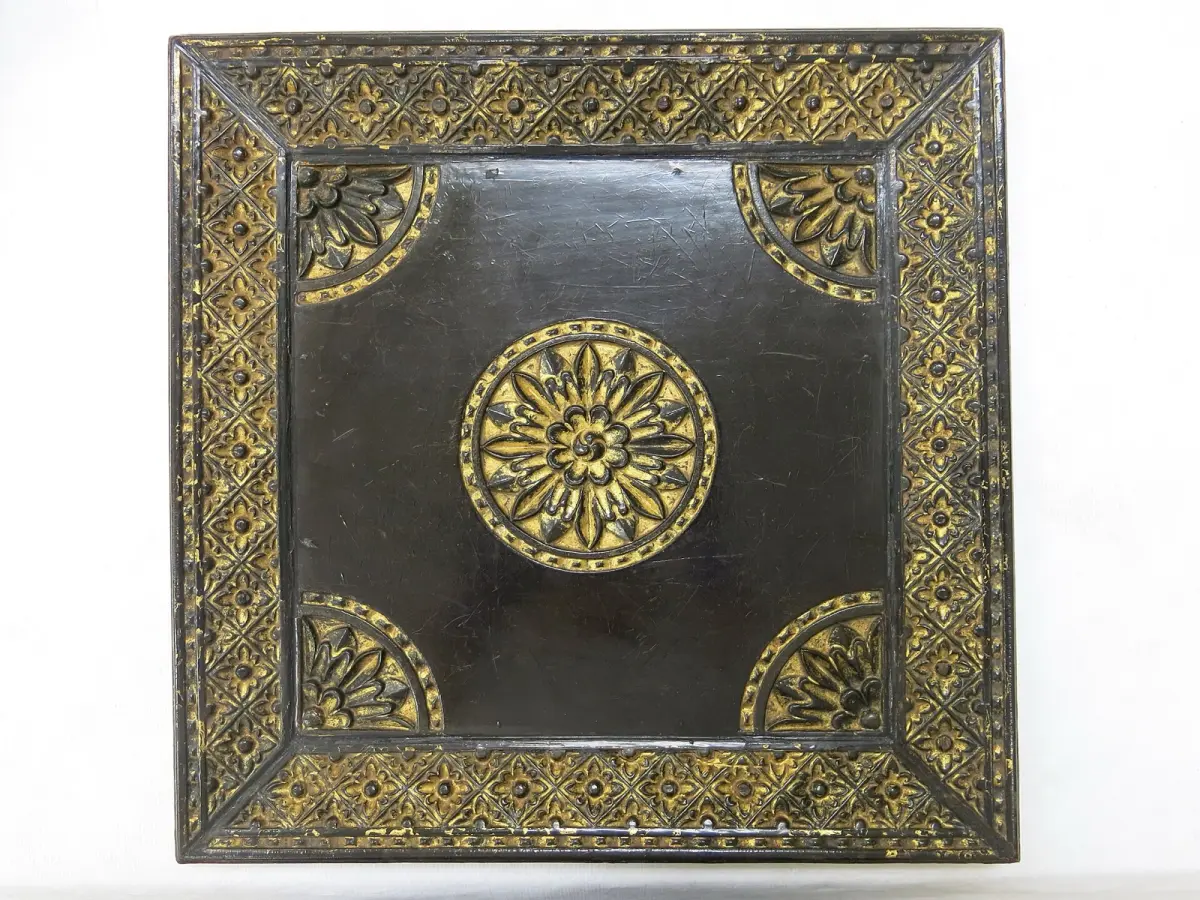
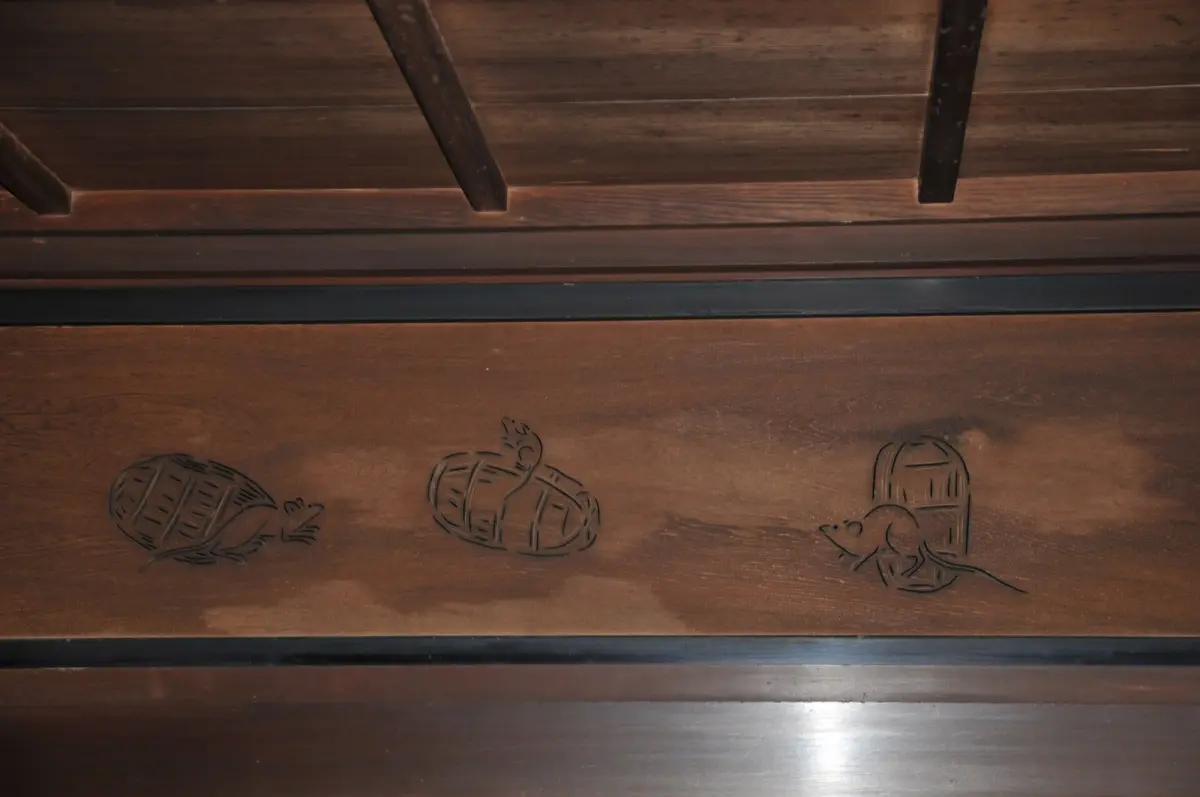
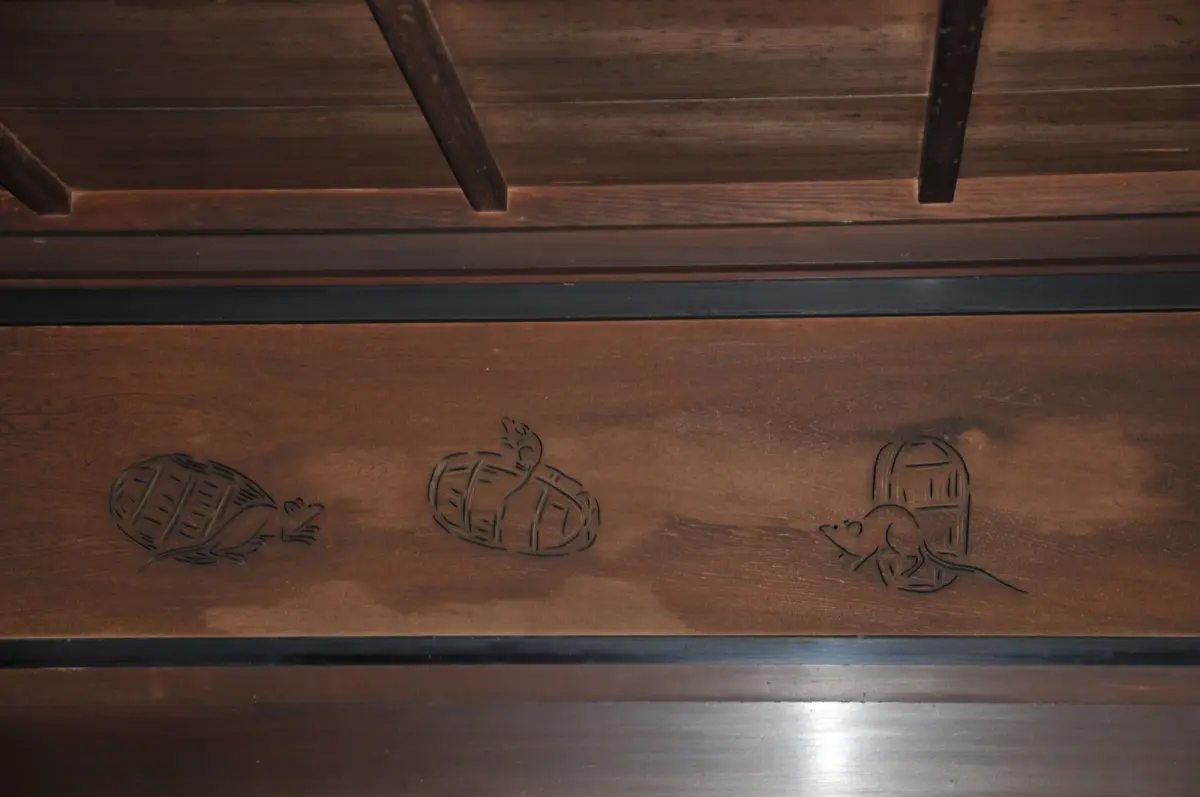
Inami chōkoku (井波彫刻) is defined by its depth. Where some decorative carving sits politely on the surface, Inami work plunges into the wood, creating forms that seem to breathe and move. Pine branches twist in three dimensions; bamboo leaves curl away from their stems; dragons coil through clouds you could almost reach behind. All of this is achieved with chisels alone—no paint, no stain, just the patient removal of everything that isn't the image.
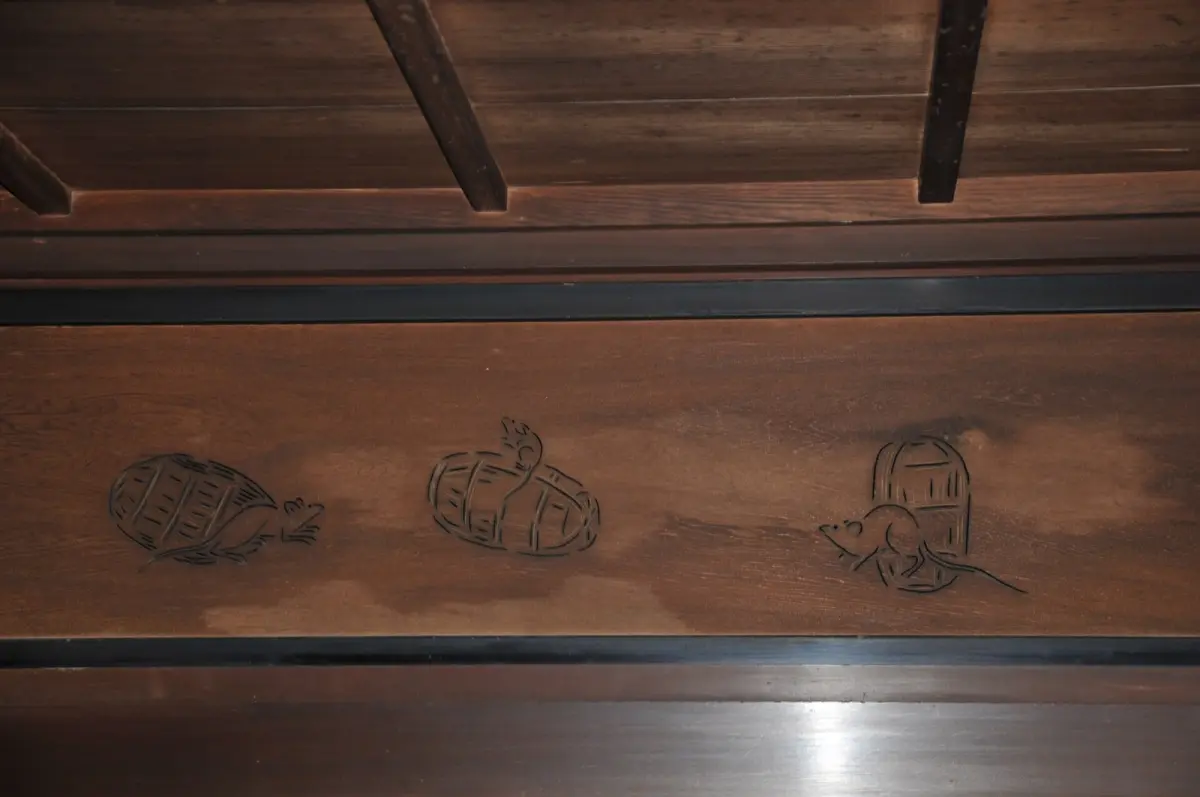
The carvers work primarily in camphor and zelkova, woods that hold fine detail without splintering. A single ranma (欄間)—the transom panel that sits above sliding doors in traditional architecture—might take weeks or months, depending on the intricacy of its design.
Lions, Scholars, and the Space Between
Traditional motifs recur with purpose. The shishi-gashira (獅子頭), or lion head, appears often—a guardian figure whose mane flows in wooden waves. Images of Tenjin (天神), the deified scholar Sugawara no Michizane, honour learning and perseverance. Seasonal themes abound:
- Plum blossoms for early spring and scholarly virtue
- Pines and bamboo for resilience
- Cranes and tortoises for longevity
- Waves and dragons for power and transformation
But beyond the subjects themselves, Inami carvers prize ma (間)—the space, the negative, the air around the form. It is this emptiness that allows the carved elements to float, to move, to live.
A Town of Two Hundred Workshops
Today, Inami remains a living craft town. More than two hundred workshops line its streets, many still family-run, some now in their eighth or ninth generation. In 1975, Inami chōkoku was designated a National Traditional Craft, formal recognition of techniques passed master to apprentice across centuries. The town itself has been incorporated into Japan's Heritage system, acknowledged as a place where culture is not preserved behind glass but practised daily, chisel in hand.
Walk through Inami and you will see it: storefronts adorned with carved panels, workshops open to the street, the sound of steel on wood a constant, quiet music.
Carving Forward
The craft adapts without abandoning its roots. While ranma panels and temple ornaments remain central, contemporary carvers also create sculpture, furniture, and architectural elements for modern spaces. Young apprentices still begin with years of sharpening chisels and carving practice blocks, but some eventually bring new forms to the old vocabulary—abstract compositions that honour depth and shadow, the essential grammar of Inami, even as the subject changes.
The wood remembers the forest; the chisel remembers the temple. And Inami remembers that craft is not what we keep, but what we keep doing.
Chaware curates authentic Japanese crafts — straight from the makers in Japan to your table.
Explore the Chaware collection →
Keep exploring