Tobe Ware: The Sturdy Blue-and-White Porcelain of Ehime
On this page
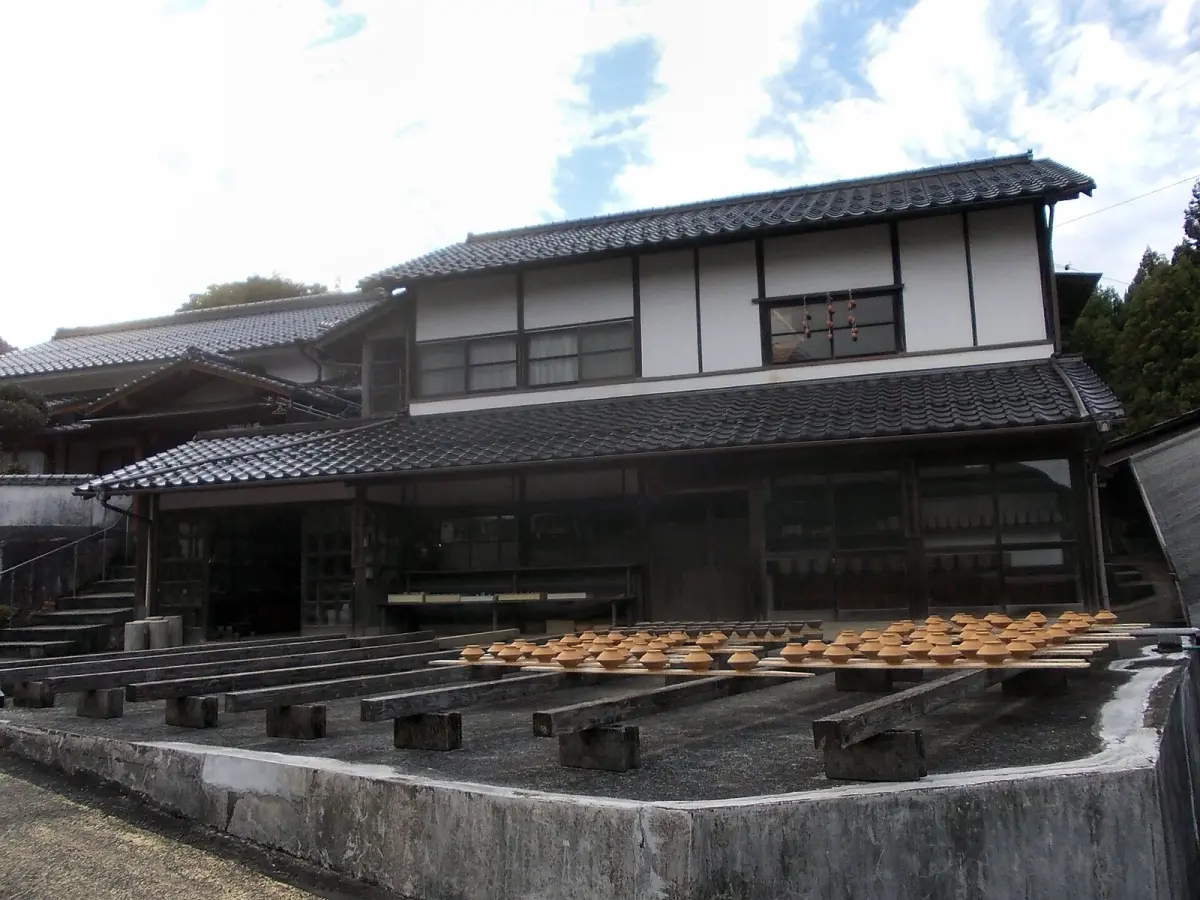
The kilns of Tobe have been turning out sturdy white porcelain for more than two centuries, each piece thick enough to survive the tumble of everyday life. What began as a domain project in 1777 has become a byword for honest, hard-wearing tableware that doesn't flinch at daily use.
A Domain's Gamble in the Mountains
In 1777—An'ei 6 by the old calendar—a potter named Sugino Johsuke successfully fired white porcelain in the town of Tobe, nestled in what is now Ehime Prefecture. The achievement came at the behest of the Ozu domain, which had ordered the start of porcelain production in the area. The timing was no accident: domains across Japan were seeking new revenue streams, and porcelain, with its growing domestic market, offered a promising path. Tobe's clay and the technical knowledge Johsuke brought together proved a winning combination, and the kilns have been firing ever since.
Built for the Long Haul
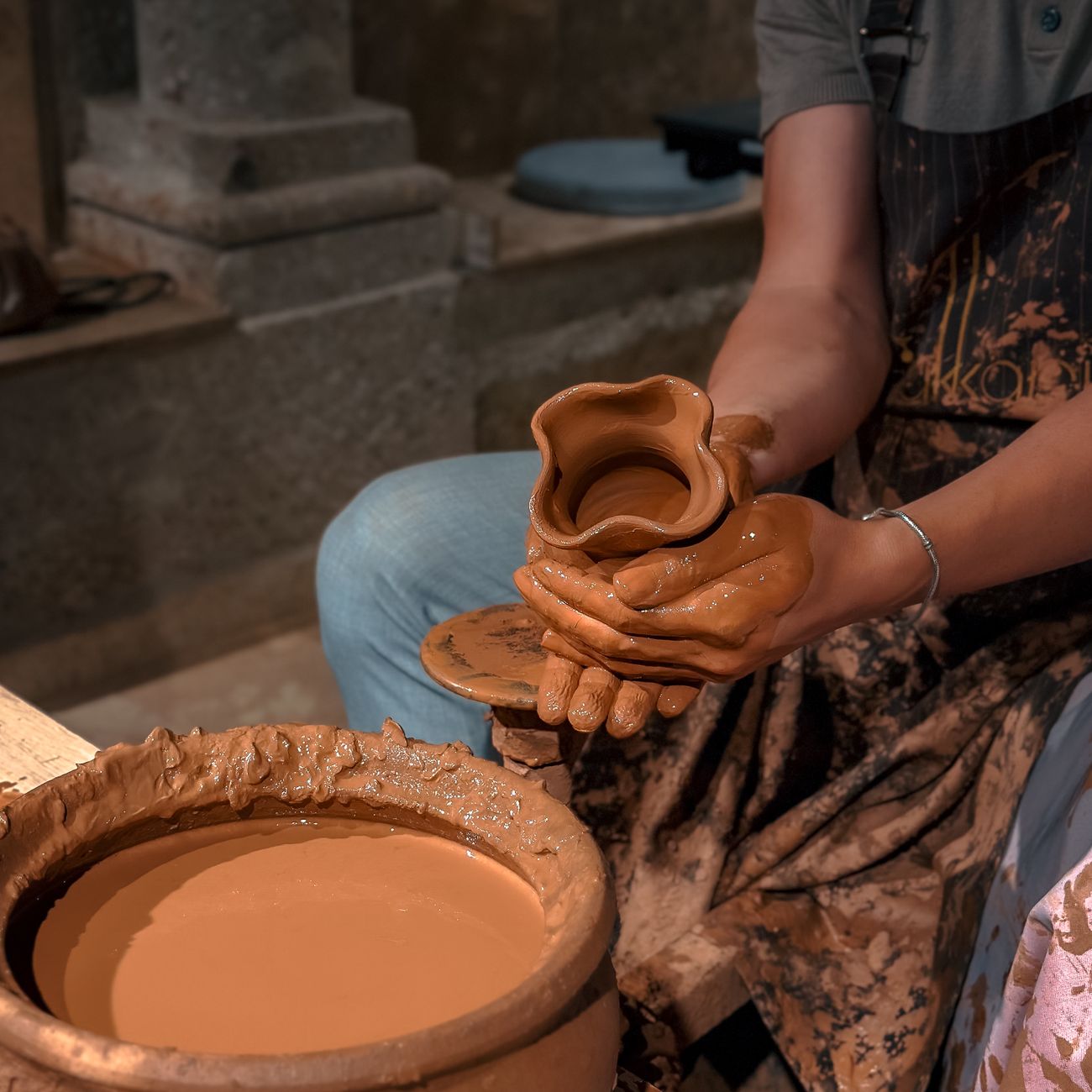
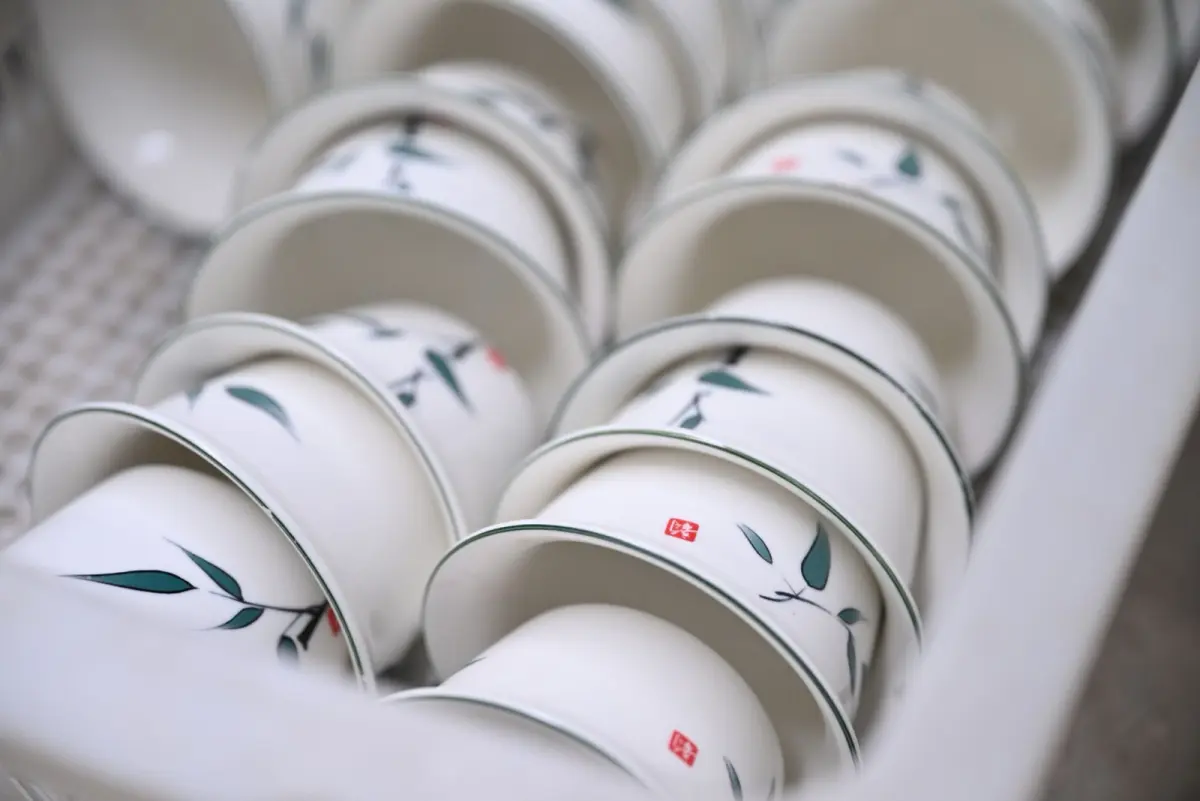
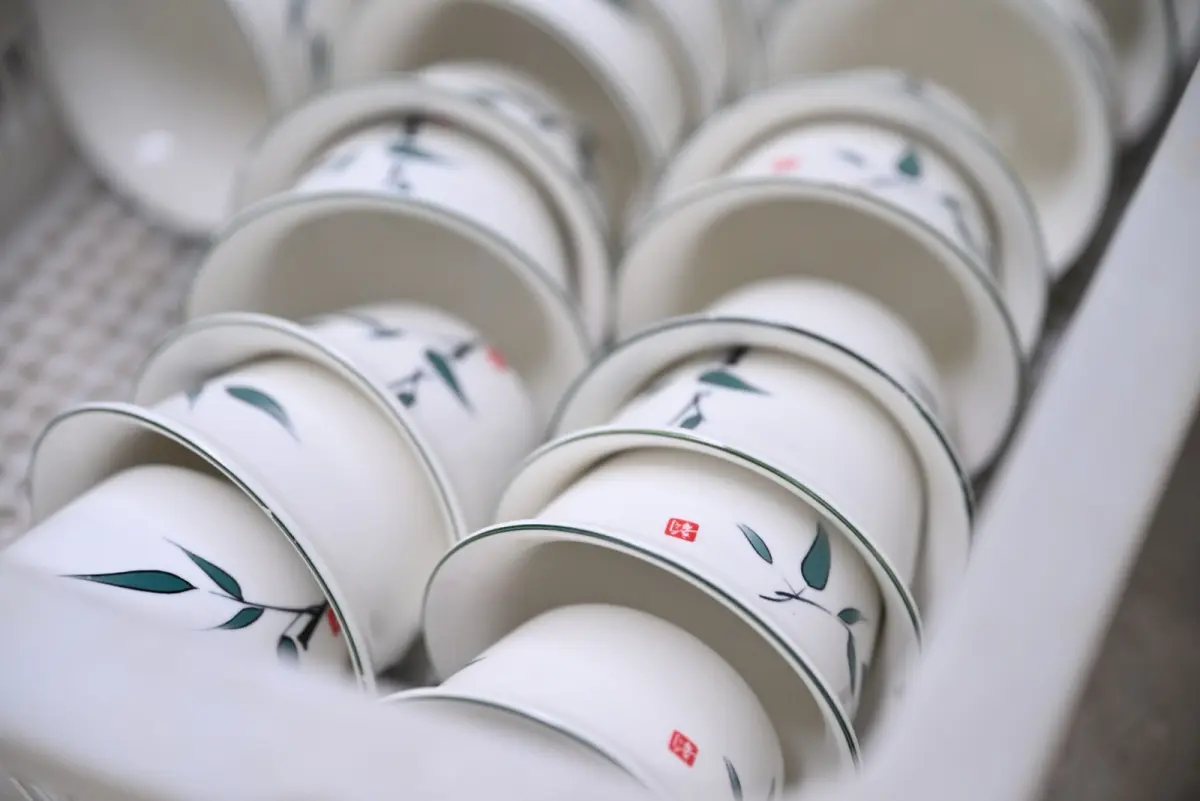
Tobe-yaki (砥部焼) earns its reputation not through delicacy but through sheer durability. The porcelain here is comparatively thick and heavy, a deliberate choice that makes it resistant to chips and cracks. This is ware designed to be used, not merely admired—bowls and plates that can withstand the clatter of a busy kitchen, the knock of a chopstick, the occasional tumble from a drying rack. That sturdiness has made Tobe a favourite for daily tableware, the kind of porcelain that becomes part of the rhythm of a household rather than a special-occasion treasure.
The Confident Stroke of Cobalt
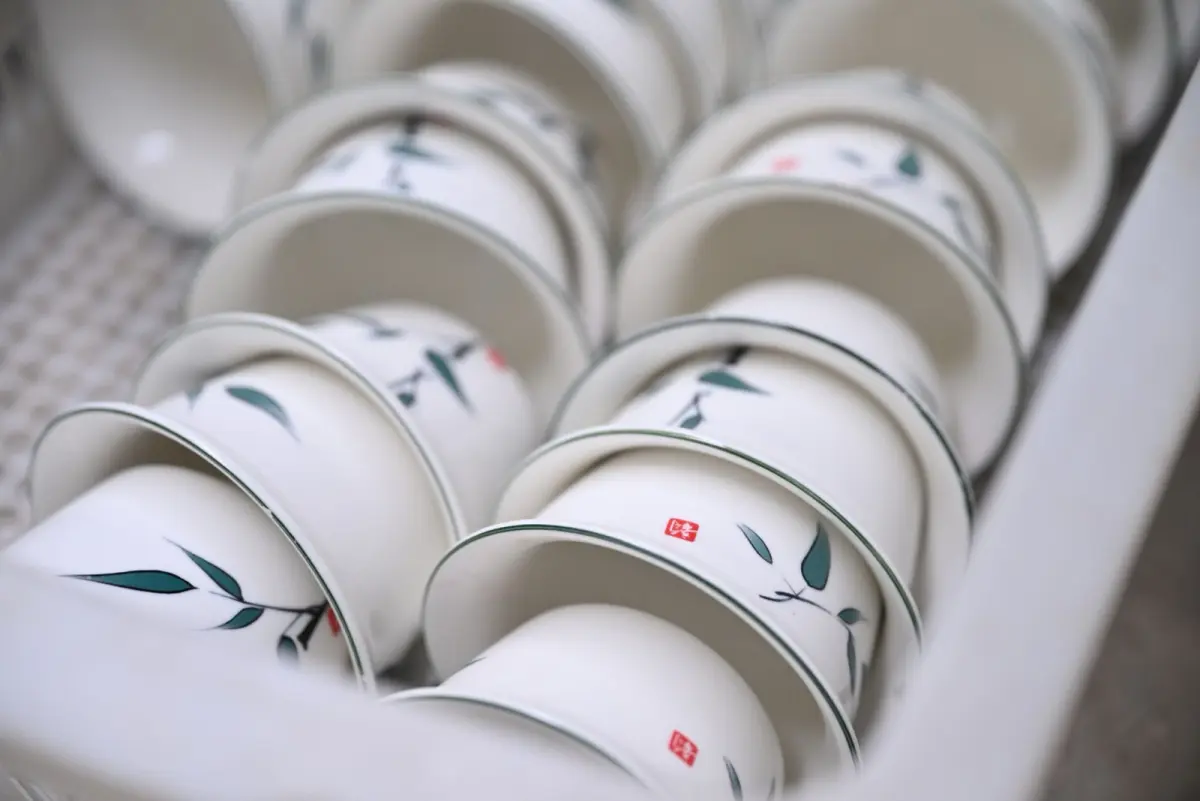
The most recognizable Tobe pieces wear their decoration in cobalt blue: sweeping arabesque patterns known as karakusa (唐草), drawn freehand in a technique called tsuketate no ippitsu-gaki (付立の一筆描き)—literally, "single-stroke painting applied directly." The painter loads the brush with pigment and commits to the line in one fluid motion, no sketching, no hesitation.
The result is a pattern that feels alive, each curl and tendril slightly different from the last, bearing the trace of the hand that made it.
This approach demands both skill and nerve: there is no erasing, no second pass to tidy up a wobbling line. The karakusa motif itself—a vine that loops and spirals endlessly—has long been a symbol of prosperity and continuity in Japanese design, and on Tobe's white ground it takes on a crisp, almost calligraphic energy.
Big Bowls and Broad Appeal
Among Tobe's output, the kurawanka bowls hold a special place. These generous vessels, about ten to eleven centimetres across, take their name from the old street vendors' cry—kurawanka, kurawanka—hawking food to travellers. The bowls are wide and deep, built for hearty servings of rice or noodles, and their heft makes them easy to cradle in one hand while eating. They embody the Tobe philosophy: practical, unpretentious, and made to be filled and emptied again and again.
A Living Tradition, Officially Recognized
In 1976—Showa 51—Tobe-yaki received designation as a national Traditional Craft, an acknowledgment of its historical continuity and cultural significance. The designation covers several styles: classic white porcelain, the blue-and-white sometsuke (染付) that most people picture when they think of Tobe, celadon with its soft green glaze, and tenmoku (天目), the dark iron-glazed ware. Today, more than eighty kilns and workshops continue to operate in and around Tobe, some adhering closely to historical forms, others experimenting with contemporary shapes and patterns while honouring the core techniques.
The porcelain that emerges from Tobe's kilns still carries the same qualities Sugino Johsuke coaxed from the clay nearly two and a half centuries ago: strength, clarity, and an unshowy grace that deepens with use.
FAQ
Chaware curates authentic Japanese crafts — straight from the makers in Japan to your table.
Explore the Chaware collection →
Keep exploring