Ceremonial vs Culinary Matcha: Understanding the Difference
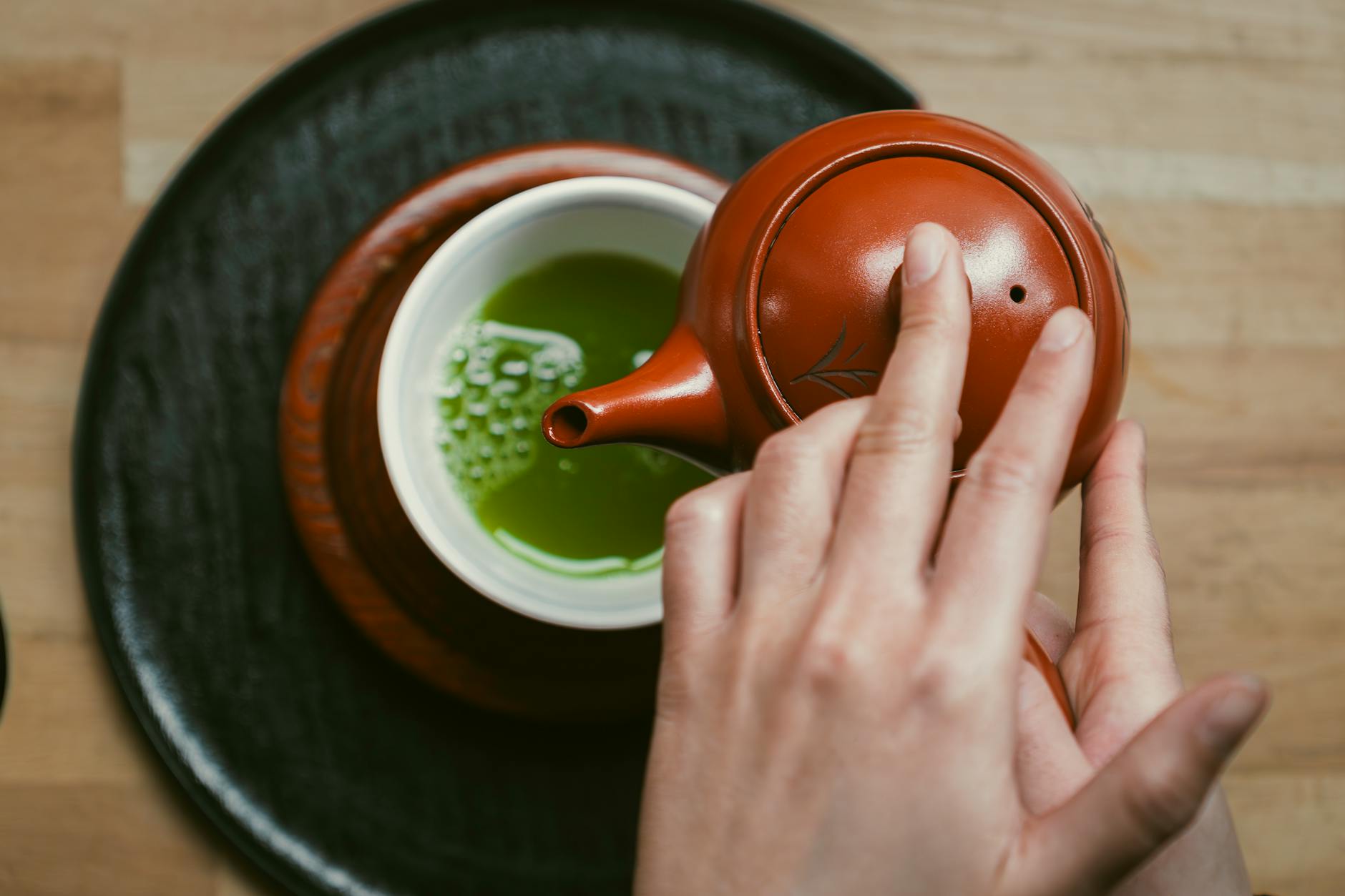
Not all matcha is meant for your morning latte.
In Kyoto's tea rooms, there's a quiet ritual that happens before whisking: the host carefully measures ceremonial-grade matcha with a bamboo scoop, checking the color in natural light. It should be vivid, almost luminous green—the shade of new leaves in spring. This matcha is stone-ground from the youngest tea leaves, shaded for weeks before harvest to concentrate chlorophyll and amino acids. The result? A powder so fine it dissolves into silk, with a naturally sweet, umami-rich flavor that needs nothing added.
Culinary matcha tells a different story. It comes from later harvests, slightly older leaves, sometimes including stems. The color leans more olive or khaki. The flavor is bolder, more astringent, even bitter on its own—which is exactly the point. It's designed to hold its character when mixed with milk, sugar, or baked into cookies. It's the workhorse, not the meditation.
The difference isn't about "better" or "worse." It's about purpose. Ceremonial matcha is meant to be tasted in stillness, whisked with hot (not boiling) water and sipped from a bowl. Culinary matcha is meant to be blended, cooked, stirred into the everyday. One asks you to pause. The other invites you to create.
If you've ever wondered why your latte-grade matcha tastes harsh when whisked alone, or why ceremonial matcha seems "wasted" in a smoothie—now you know. Each has its place. The key is knowing which moment you're in.
Next time you reach for that tin, ask yourself: am I making space for ceremony, or am I building flavor into something new?
What Defines Ceremonial Matcha
- Harvested from the first spring flush (ichiban-cha), the youngest, most tender leaves with highest amino acid content
- Stone-ground slowly to preserve delicate flavor compounds and vibrant jade color
- Smooth, naturally sweet umami with minimal bitterness—designed to be whisked with water alone
- Used in chanoyu (Japanese tea ceremony) where the tea itself is the focal point of mindful appreciation
What Defines Culinary Matcha
- Often from later harvests (second or third flush) with more robust, astringent flavor profiles
- Leaves may include slightly older growth, resulting in a darker green and more pronounced bitterness
- Ground to a slightly coarser texture; speed of production prioritized over ceremonial-grade refinement
- Intended to blend into lattes, baked goods, smoothies—where other ingredients balance the tea's intensity
How to Choose Between the Two
- For traditional whisked tea (usucha or koicha), ceremonial grade provides the intended sensory experience
- For cooking and beverages with milk or sweeteners, culinary grade offers better value without sacrificing color or health benefits
- Price reflects labor: ceremonial matcha involves meticulous shading, hand-selection, and slow grinding
- Both are authentic matcha—the distinction is about context and purpose, not superiority
FAQ
Explore the crafts we feature →