What Is Matcha? The Story Behind Japan's Emerald Tea Powder
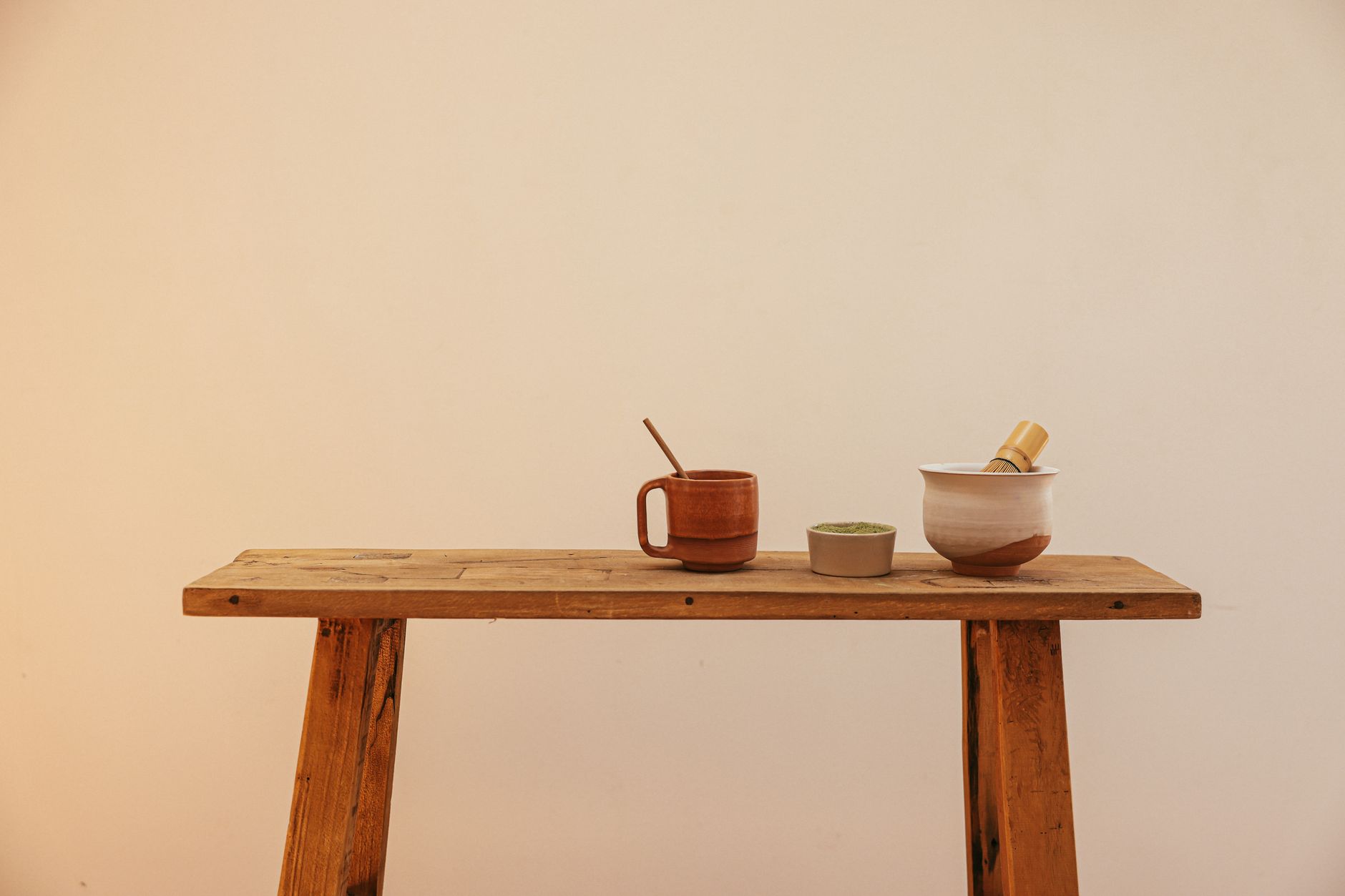
That brilliant green powder didn't start in cafés—it started in temples, where monks whispered prayers into dawn darkness.
Matcha is stone-ground green tea, but calling it "tea" feels incomplete. It's the whole leaf, consumed entirely, which is why one bowl delivers a quiet, alert energy unlike anything else. The process begins in spring, when tea plants are shaded under black tarps for three weeks before harvest. This darkness forces the leaves to produce more chlorophyll and L-theanine—the compounds that give matcha its jade color and that calm, focused feeling.
After harvest, leaves are steamed to stop oxidation, dried, and stripped of stems and veins. What remains is called *tencha*. Only tencha becomes matcha. It's then ground between slow-turning granite stones—30 grams per hour, nothing faster. Rush it, and friction heat destroys the flavor.
The practice traces back to 12th-century Zen monasteries, where monks drank it before meditation. It kept them awake but centered. When the tea ceremony evolved centuries later, matcha became its heart—not for caffeine, but for presence. Every gesture, every angle of the bowl, was designed to bring you into the moment.
Today, matcha has traveled far from those temple halls. But the good stuff—the kind that tastes like spring sweetness, not bitter grass—still follows the old rhythms. Shade, steam, stone. Patience over speed. It's a small green reminder that some things can't be hurried.
Next time you see that emerald powder, know this: you're looking at leaves that grew in deliberate darkness, ground by stones older than most recipes, carrying a tradition that believed paying attention was sacred.
What Is Matcha? Understanding Japan's Powdered Green Tea
- Matcha is finely ground powder made from specially grown and processed green tea leaves (Camellia sinensis)
- Unlike steeped tea, matcha involves consuming the entire leaf, suspended in water, creating a thick, jade-green beverage
- The leaves are shade-grown for 20-30 days before harvest, boosting chlorophyll and amino acids (especially L-theanine)
- Traditional stone-grinding produces the silky texture; modern methods exist but artisan mills remain prized
Where Matcha Comes From: Origins in China, Perfection in Japan
- Powdered tea originated in Tang Dynasty China (7th-10th century), brought to Japan by Zen monk Eisai in 1191
- While China eventually abandoned powdered tea, Japan preserved and refined it within Zen monasticism
- The practice evolved into the Japanese tea ceremony (chanoyu), codified by Sen no Rikyū in the 16th century
- Today, Uji (Kyoto Prefecture), Nishio (Aichi), and parts of Shizuoka are Japan's most celebrated matcha-growing regions
Why Matcha Matters in Japanese Culture
- Matcha embodies Zen principles: mindfulness, simplicity, respect, and presence in the tea ceremony
- The ritual of preparing matcha—whisking, serving, receiving—is a meditative practice, not just a beverage
- Seasonal awareness (using specific bowls, sweets, utensils) reflects Japan's deep connection to nature's cycles
- Beyond ceremony, matcha appears in traditional sweets (wagashi), modern desserts, and daily life as a cultural anchor
FAQ
Explore the crafts we feature →