What Is Hojicha? Discover Japan's Roasted Green Tea
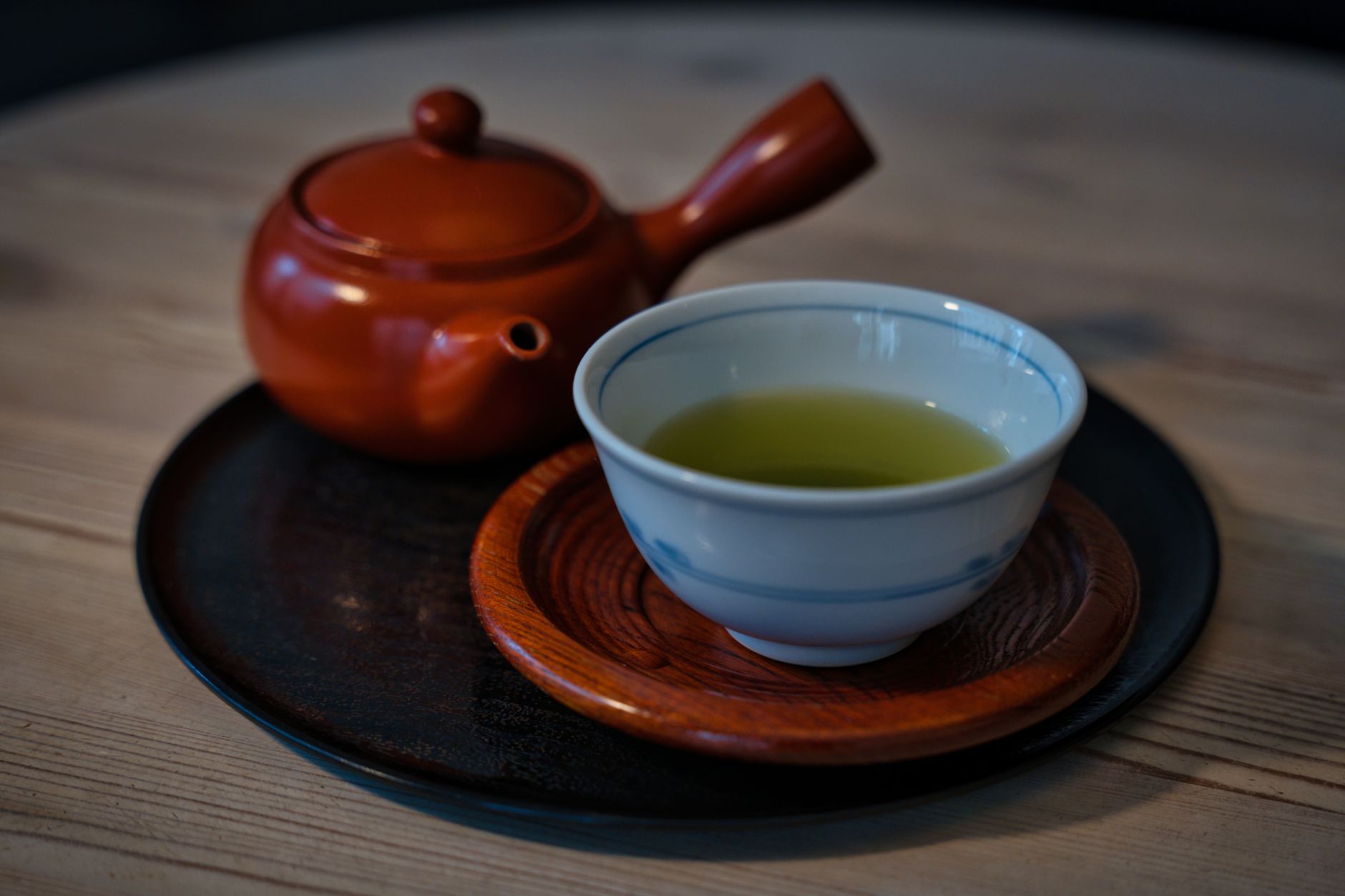
That warm, toasty aroma drifting from a Japanese tea shop? That's hojicha calling.
Unlike the grassy brightness of sencha or the creamy sweetness of matcha, hojicha takes a different path. It starts as green tea—usually bancha or kukicha, the everyday leaves and stems—but then something magical happens. The leaves are roasted in a porcelain pot over high heat until they turn golden brown and release a scent somewhere between toasted rice, coffee, and autumn campfires.
This roasting transforms everything. The color shifts from jade to amber. The caffeine drops significantly. And the flavor? It becomes gentle, nutty, almost caramel-like, with none of green tea's astringency. It's the tea grandmothers serve after dinner, the one children drink without complaint, the cup that soothes rather than energizes.
Hojicha emerged in Kyoto during the 1920s, born from resourcefulness—a tea merchant roasted older leaves to give them new life, and customers loved the mellow result. Today, you'll find it served hot in winter, poured over ice in summer, whisked into lattes, and even folded into desserts.
But the real beauty of hojicha is its humility. It doesn't demand ceremony or expertise. It simply offers warmth, comfort, and that singular roasted character that tastes like Japan feels on a quiet evening—unhurried, grounded, deeply satisfying.
Next time you want tea that wraps around you like a soft blanket, reach for hojicha.
What Is Hojicha and How Is It Made?
- Hojicha is a type of Japanese green tea that has been roasted over high heat, typically at around 200°C (392°F), transforming its color from green to reddish-brown
- The roasting process uses bancha (later harvest tea leaves) or sometimes sencha, along with stems and twigs, giving it a distinctly different character from steamed green teas
- Developed in Kyoto during the 1920s as a way to use leftover tea leaves and stems, making tea more accessible and affordable
- The high-heat roasting reduces caffeine content and removes much of the astringency, creating a smooth, mellow beverage suitable for all ages
The Flavor Profile and Aroma of Roasted Green Tea
- Hojicha offers warm, toasty, nutty notes with hints of caramel and wood smoke—completely different from the grassy, vegetal taste of unroasted green teas
- The aroma is comforting and slightly sweet, often compared to roasted barley, chestnuts, or coffee, making it approachable for those new to Japanese tea
- Its light body and low astringency mean it pairs well with meals and desserts without overwhelming the palate
- The roasted character makes it particularly satisfying in cooler months, though it's enjoyed year-round in Japan
Hojicha's Place in Japanese Daily Life
- Commonly served after dinner or before bed due to its low caffeine content, making it a gentle evening ritual
- Popular in family settings and often given to children and elderly people for its mild, soothing qualities
- Increasingly featured in modern cafés and desserts—hojicha lattes, ice cream, and baked goods have become trendy while honoring tradition
- Reflects the Japanese value of mottainai (avoiding waste), as it was originally created to make use of every part of the tea plant
FAQ
Explore the crafts we feature →