How to Hold Chopsticks Correctly: A Step-by-Step Guide to Proper Technique
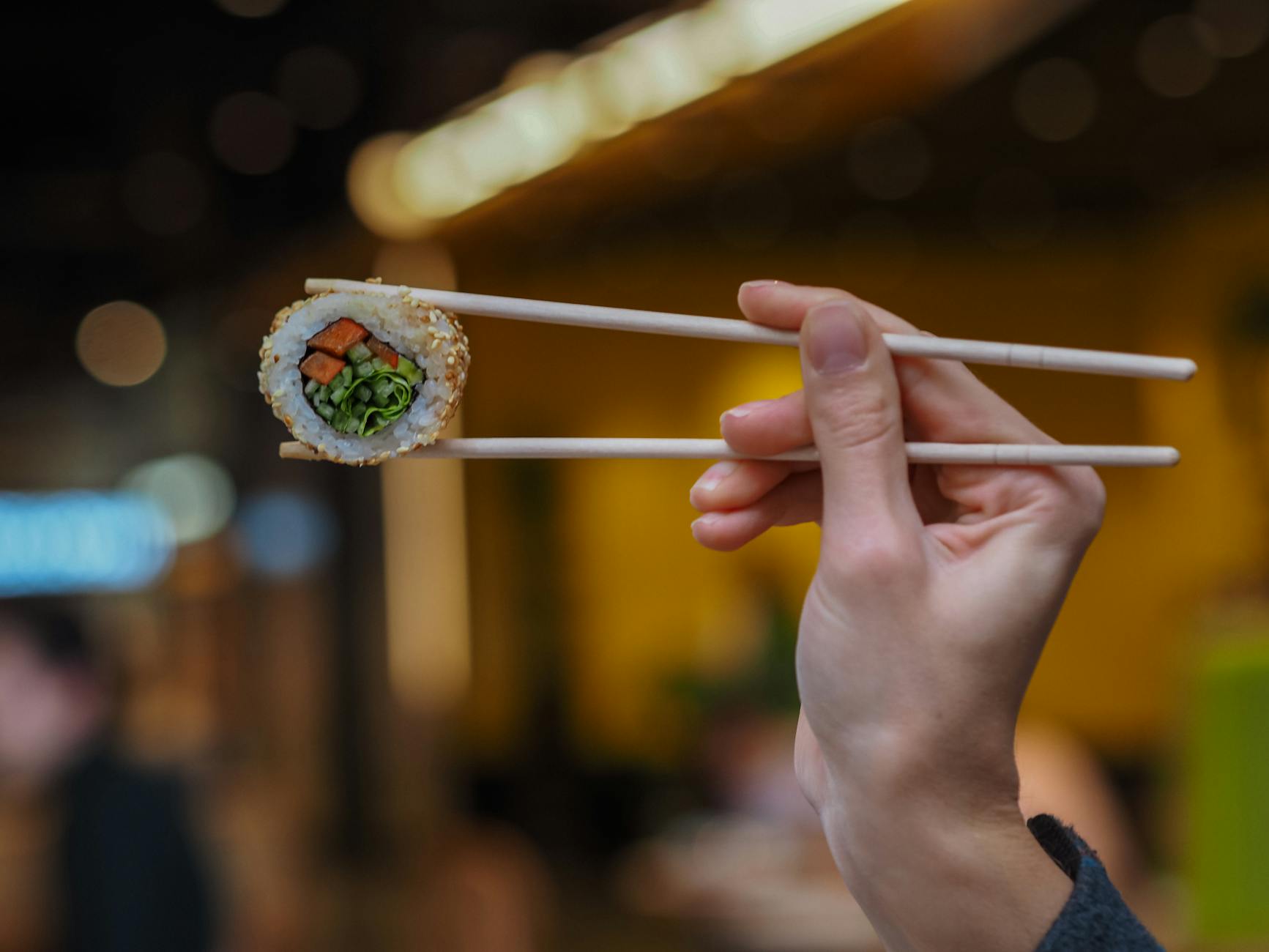
There's a reason your hand feels awkward at first — you're learning a gesture that's been refined over three thousand years.
In Japan, how you hold your chopsticks isn't just about function. It's about balance, respect, and a quiet kind of grace passed down through generations. The correct hold — *hashi no mochi-kata* — uses your ring finger and the base of your thumb as a stable cradle for the lower chopstick. It stays still. The upper chopstick rests between your thumb, index, and middle fingers, moving like a hinge. Together, they become an extension of your hand.
Children in Japan learn this the same way you might learn to tie your shoes: through patient repetition, gentle correction, and the occasional dropped grain of rice. There's no shame in starting slowly. In fact, there's a word for it — *minarai*, or learning through observation. You watch, you try, you adjust.
What surprises most beginners is how little force you need. The magic isn't in gripping tightly; it's in finding the pivot point. Once your hand relaxes into the rhythm, the chopsticks almost move themselves. A pickled plum. A sliver of ginger. A single edamame bean. Each lift becomes a small, mindful act.
If your hand cramps or your chopsticks cross, pause. Reposition. Try again. Even in Japan, no one is born knowing this. It's learned. And in that learning, there's something worth savoring — the idea that some skills are not about speed, but about presence.
Every meal is practice. Every attempt, progress.
The Standard Chopstick Grip: Breaking Down the Technique
- Position the lower chopstick in the crook between thumb and index finger, resting on your ring finger like a pencil — this stick remains stationary
- Hold the upper chopstick like a pen, gripped between thumb tip, index, and middle fingers — only this stick moves
- Keep approximately one-third of the chopstick length extending beyond your fingertips for control and balance
- Practice the pinching motion by moving only your index and middle fingers while keeping your thumb and lower stick still
Common Mistakes and How to Correct Them
- Crossing the tips: Ensure chopsticks stay parallel by adjusting the position of your ring finger supporting the lower stick
- Gripping too tightly: Relax your hand — chopsticks work through leverage and precision, not force
- Holding too close to the tips: Move your grip higher up the sticks for better control and to avoid hand fatigue
- Moving both sticks: Train yourself to keep the lower chopstick completely still, activating only the upper stick with finger movements
Cultural Context: Why Proper Form Matters
- In Japan, chopstick etiquette reflects respect for food, the cook, and dining companions — technique is part of mindfulness at the table
- Certain gestures are considered taboo: never stick chopsticks upright in rice (resembles funeral offerings) or pass food stick-to-stick
- Proper hold enables you to pick up everything from a single grain of rice to slippery noodles without struggle or mess
- Learning correct form early prevents developing hard-to-break habits and shows cultural appreciation when dining in Japanese settings
FAQ
Explore the crafts we feature →