Why Hasami Ware Became Japan's Everyday Tableware
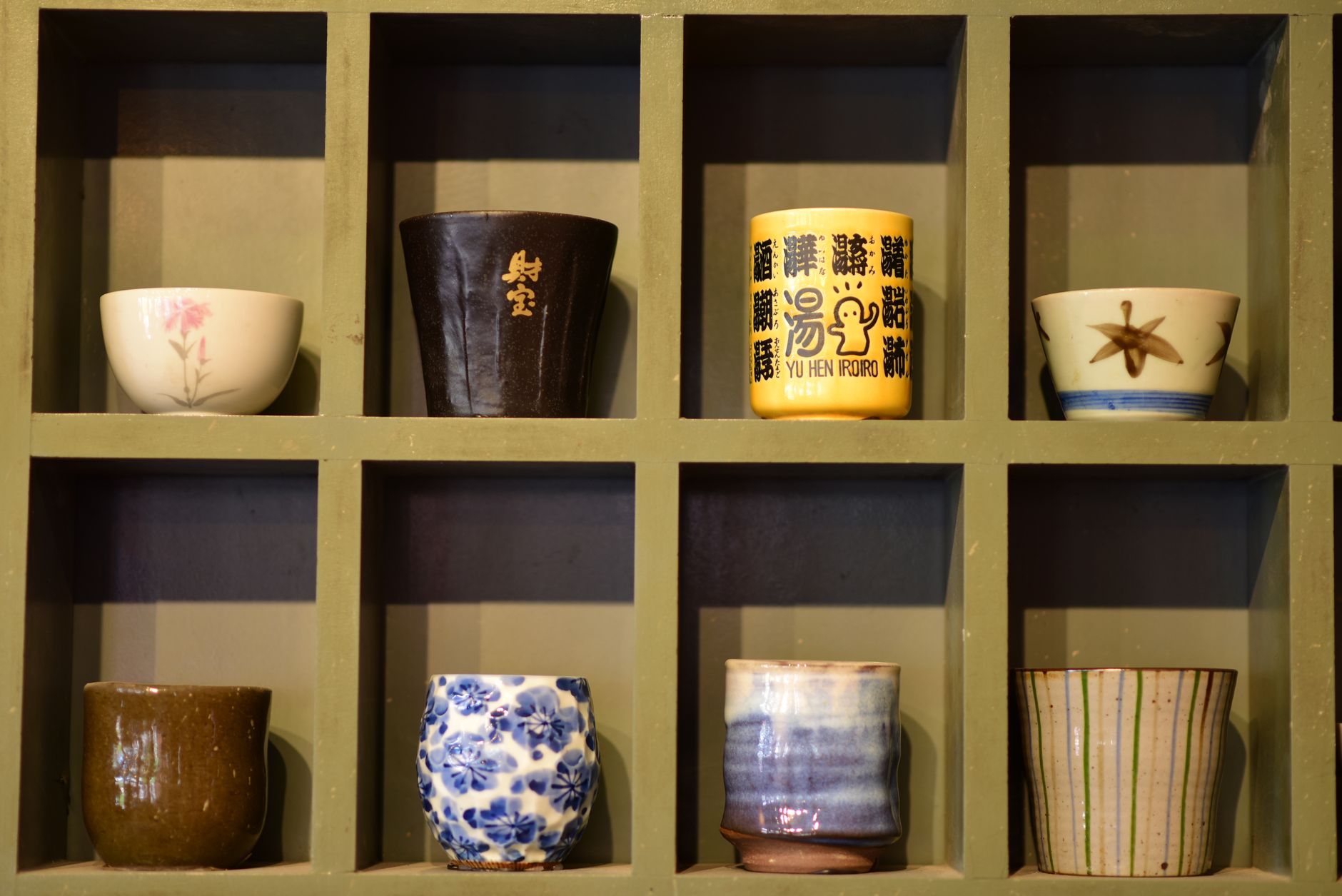
While Arita ware dazzled the aristocracy, Hasami ware quietly set the tables of everyday Japan.
In the early 1600s, porcelain production began in Kyushu's Nagasaki region. Arita potters created exquisite pieces for export and the elite. But just a few kilometers away, Hasami took a different path. The workshops there focused on something radical for the time: beautiful ceramics that ordinary people could actually afford.
Hasami's secret was efficiency without compromise. Potters developed streamlined production methods—simple, stackable shapes that saved kiln space, underglaze painting that required fewer firings, and designs that looked refined but didn't demand hours of intricate handwork. They understood something profound: everyday beauty matters just as much as luxury.
By the Edo period, Hasami ware was everywhere. In merchant homes, fishing villages, and tea houses across Japan, these white-and-blue dishes served miso soup, pickles, and rice. The plates stacked neatly in small kitchens. The bowls fit comfortably in hand. They were sturdy enough to survive daily use, yet elegant enough to make a simple meal feel considered.
This wasn't "cheap" pottery—it was democratic design centuries before that term existed. Hasami proved that craft and accessibility aren't opposites. The potters created a visual language of clean lines and thoughtful proportion that still feels modern today.
That philosophy lives on. Contemporary Hasami ware maintains the same spirit: understated forms, honest materials, designed for the rhythm of real life. It's tableware that doesn't shout for attention but quietly elevates every meal.
Sometimes the most revolutionary act is making beauty ordinary.
The Geography and Economics That Shaped Hasami Ware
- Hasami's proximity to Arita and access to kaolin clay enabled mass production from the 17th century
- Unlike decorative Arita ware for nobility, Hasami focused on sturdy, affordable pieces for common households
- The kurawanka bowl tradition: stackable, durable vessels for daily rice and miso soup
- Port access allowed both domestic distribution and export, driving volume and refinement of technique
Design Philosophy: Function Over Ornament
- Simple cobalt blue patterns (sometsuke) kept costs low while maintaining visual appeal
- Stackability and uniform sizing made storage practical in small Japanese homes
- Thick walls and sturdy construction withstood daily use, washing, and the rigors of family meals
- Neutral aesthetic complemented rather than competed with food presentation
Cultural Shifts That Cemented Hasami's Place on the Table
- Post-war modernization and the rise of the nuclear family increased demand for matching tableware sets
- The mingei (folk craft) movement of the 1920s-1930s elevated 'utilitarian beauty' as a cultural value
- Mid-century collaborations with designers brought Hasami ware into contemporary lifestyles without losing craft roots
- Today's minimalist aesthetic aligns perfectly with Hasami's restrained, timeless forms
FAQ
Explore the crafts we feature →