Understanding Mino Ware: A Guide to Japan's Most Diverse Pottery Tradition
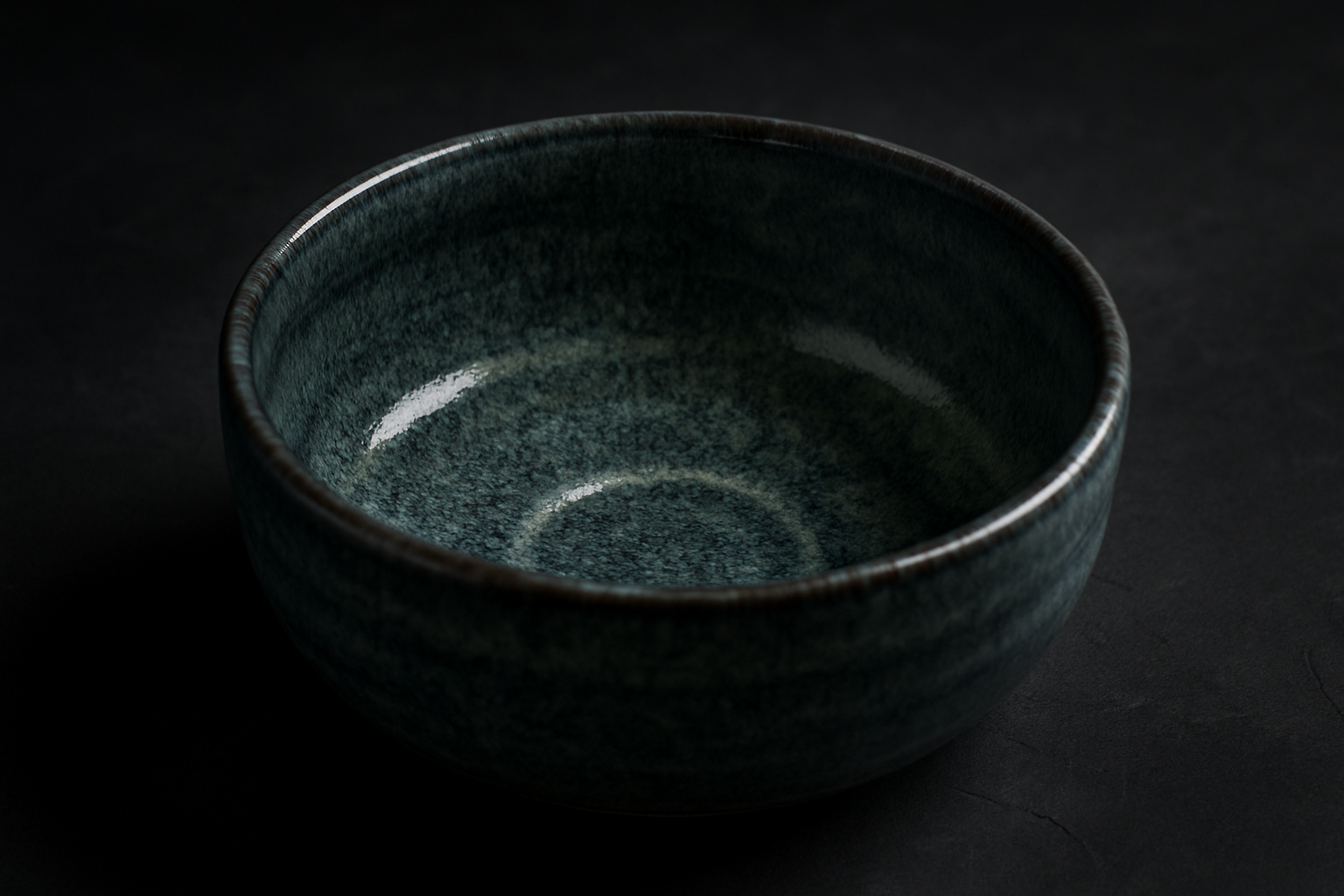
Over half of Japan's ceramic tableware comes from one place. But you'd never know it — because Mino ware has no single "look."
Walk into a Japanese home, and chances are high you're eating from Mino. It's made in Gifu Prefecture, in kilns that have been firing clay for over 1,300 years. But here's what makes it unusual: Mino doesn't have one iconic style. It has dozens.
There's Shino — soft white glaze with gentle orange flushes, beloved in tea ceremony. Oribe — bold green copper glaze with geometric patterns, named after a 16th-century tea master with radical taste. Yellow Seto, iron-glazed Seto-Guro, rustic Kiseto. Each emerged in different eras, shaped by different hands and philosophies.
Why so many faces? Because Mino potters have always been explorers. During Japan's turbulent Sengoku period, tea culture exploded, and Mino kilns became laboratories. They borrowed, adapted, invented. When tastes shifted from Chinese perfection to wabi-sabi rusticity, Mino shifted too. When everyday dishes were needed, Mino made them by the thousands.
Today, this shape-shifting quality is Mino's identity. It's not about one glaze or one form. It's about adaptability, craftsmanship that listens to the moment. Some pieces look ancient and earthy. Others are sleek, modern, minimalist. All are Mino.
In a way, Mino ware is a mirror: it reflects not just clay and fire, but the evolving spirit of the people who made it — and still do.
Next time you hold a Japanese bowl, look for subtle texture, unexpected color, quiet asymmetry. You might be holding centuries of curiosity in your hands.
What Is Mino Ware and Why Does It Matter?
- Mino ware originates from the Mino region (present-day Gifu Prefecture) and accounts for over half of Japan's pottery production today
- Unlike single-style pottery traditions, Mino ware encompasses dozens of distinct styles developed over 1,300 years
- The region's abundant clay, fuel sources, and proximity to Kyoto made it a pottery powerhouse during the Momoyama period (1568–1600)
- Mino potters pioneered wabi-sabi aesthetics in tea ceremony ware, valuing natural imperfection and rustic beauty
The Five Iconic Mino Pottery Styles You Should Know
- Shino: Japan's first white-glazed pottery with a soft, milky surface and warm orange fire marks—intimately tied to tea ceremony culture
- Oribe: Bold green copper glaze with dramatic geometric patterns and asymmetrical forms reflecting samurai Furuta Oribe's avant-garde taste
- Ki-Seto (Yellow Seto): Warm amber-yellow glaze with iron-painted natural motifs, developed as an affordable alternative to Chinese celadon
- Setoguro (Black Seto): Glossy jet-black glaze achieved by removing pieces from the kiln at peak temperature—a technique unique to Mino
How Mino Ware Shaped Japanese Aesthetic Philosophy
- Mino potters rejected Chinese perfection, embracing asymmetry, spontaneity, and the beauty of accidents in the kiln
- Tea masters like Sen no Rikyū elevated rough Mino tea bowls above refined imported ceramics, redefining Japanese taste
- The tradition continues today with both traditional artisans and contemporary creators exploring Mino's versatile clay and glazes
- Mino's diversity allows it to serve every aspect of Japanese life—from rustic tea bowls to everyday tableware to modern art pieces
FAQ
Explore the crafts we feature →