What Is Wabi Sabi? A Beginner's Guide to the Japanese Beauty of Imperfection
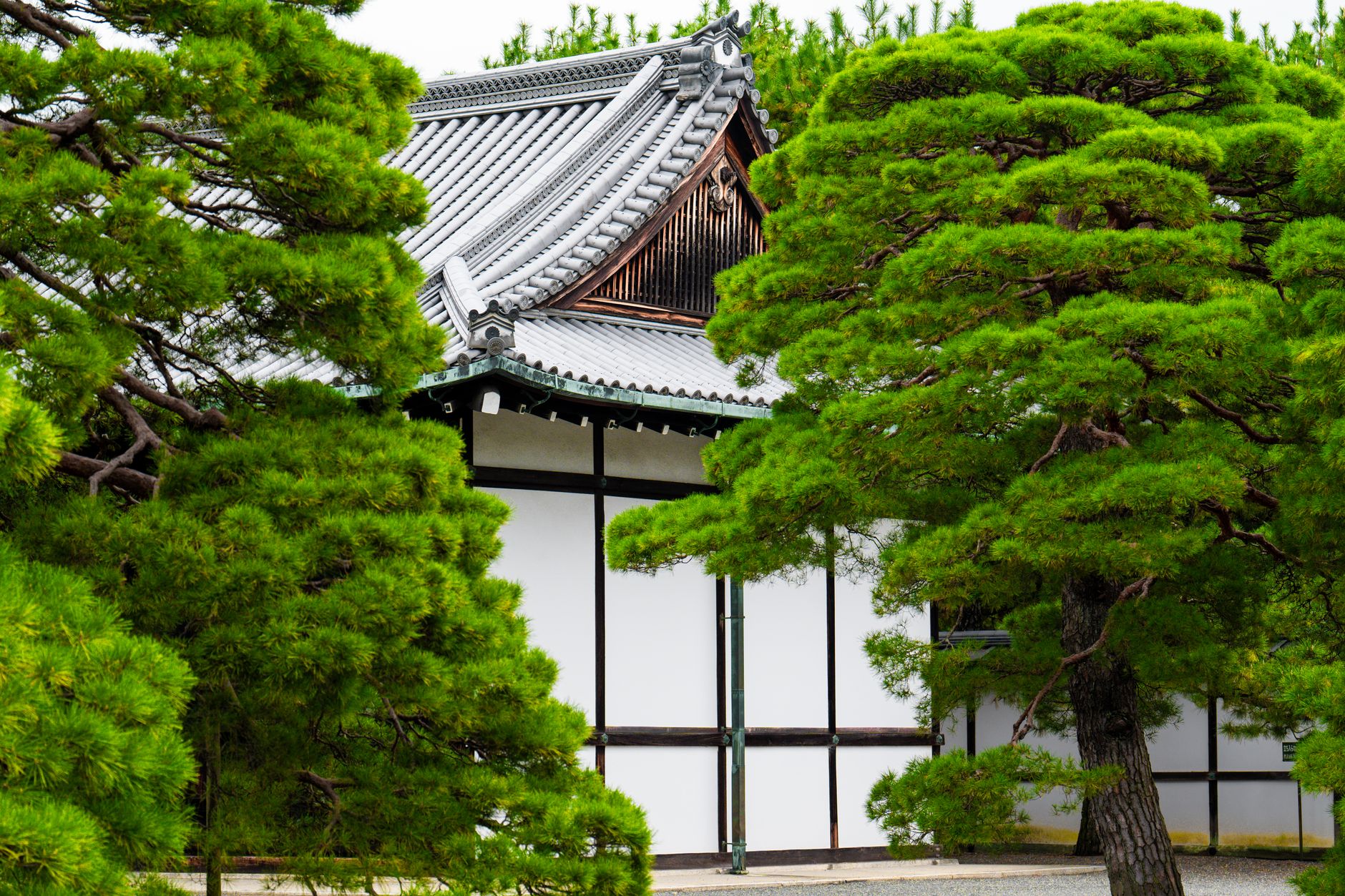
What if the chip in a teacup was not a flaw, but the most beautiful thing about it?
Wabi sabi is one of Japan's most quietly profound aesthetic ideas. It is often described as the beauty of things imperfect, impermanent, and incomplete. The word joins two older concepts: wabi, a feeling of rustic simplicity and serene solitude, and sabi, the gentle patina that time and use leave on an object, the rust, the fading, the softening.
The sensibility grew from Zen Buddhism and matured within the Japanese tea ceremony. In the sixteenth century, the great tea master Sen no Rikyu turned away from polished, expensive utensils and chose instead humble, hand-shaped bowls, rough walls, and small, modest tea rooms. In that simplicity he found a deeper kind of beauty, one that asks us to slow down and pay attention.
You can sense wabi sabi in a moss-covered stone, a weathered wooden gate, an asymmetrical bowl, or the muted colors of late autumn. It is closely tied to kintsugi, the craft of repairing broken pottery with golden lacquer, where the mend becomes a visible part of the object's history rather than a thing to hide.
At its heart, wabi sabi is an invitation. It asks us to accept that nothing lasts, nothing is finished, and nothing is perfect, and to find a quiet contentment in that. There is freedom in letting go of the flawless, and tenderness in loving things as they truly are.
What Wabi Sabi Means
- Wabi sabi is a Japanese aesthetic and worldview centered on the beauty of things that are imperfect, impermanent, and incomplete.
- The term joins two ideas: wabi, suggesting rustic simplicity, humility, and quiet solitude, and sabi, the beauty that comes with age, wear, and the passage of time.
- Rather than a single design rule, it is a way of perceiving and appreciating the world that values authenticity over polish.
Where Wabi Sabi Comes From
- The sensibility is deeply connected to Zen Buddhism, which emphasizes simplicity, impermanence, and being present in the moment.
- It was refined through the Japanese tea ceremony, where the 16th-century tea master Sen no Rikyu favored modest, hand-made, irregular utensils and small, plain tea rooms.
- Over centuries the aesthetic spread beyond tea into pottery, architecture, gardens, poetry, and everyday Japanese life.
How to Recognize Wabi Sabi
- Look for natural materials, asymmetry, muted colors, and surfaces marked by time, such as moss, patina, or weathered wood.
- The craft of kintsugi, repairing broken pottery with golden lacquer, embodies wabi sabi by honoring an object's history instead of hiding its flaws.
- Wabi sabi encourages noticing small, fleeting moments of beauty and accepting that nothing stays the same forever.
FAQ
Explore the crafts we feature →