Why Japan's Bullet Trains Are Almost Never Late
On this page
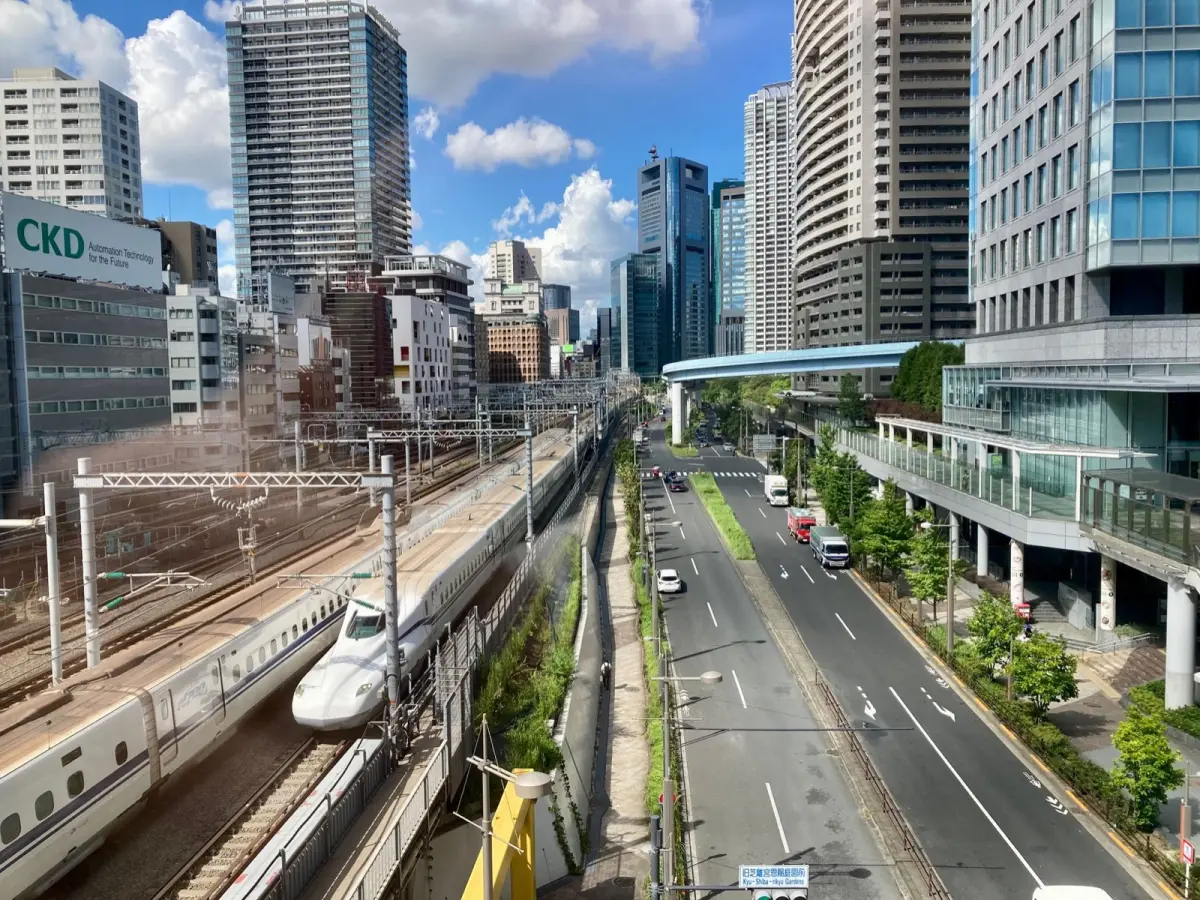
There is a statistic about Japanese trains that sounds like an exaggeration until you check it. On the Tōkaidō Shinkansen — the busiest high-speed line in the country, running some 130,000 trains a year — the average delay per train is around 24 seconds. And that figure includes the years with typhoons and earthquakes. No other country's railways come close. So how does Japan do it?
First, an almost absurd definition of 'late'
Part of the answer is that Japan simply refuses to round up. On the Shinkansen, a train is counted as on time until it is a full minute behind — arrive 59 seconds late and, officially, you were punctual; cross into one minute and it is logged as a delay. Compare that with Europe, where a long-distance train is often considered 'on time' if it arrives within 5, 10, even 15 minutes. Japan is not just more punctual; it is playing an entirely stricter game, and still winning it.
Timetables designed to the second
Behind the scenes, Japanese railway timetables are engineered with a precision closer to software than to a printed schedule. Planners model each train's acceleration, braking, the distance between stations, passenger loading times and more, building a diagram in which every train has its exact slot down to the second. Drivers are trained to hit those times precisely, checking their speed against the schedule continuously as they run.
A culture that treats seconds as sacred
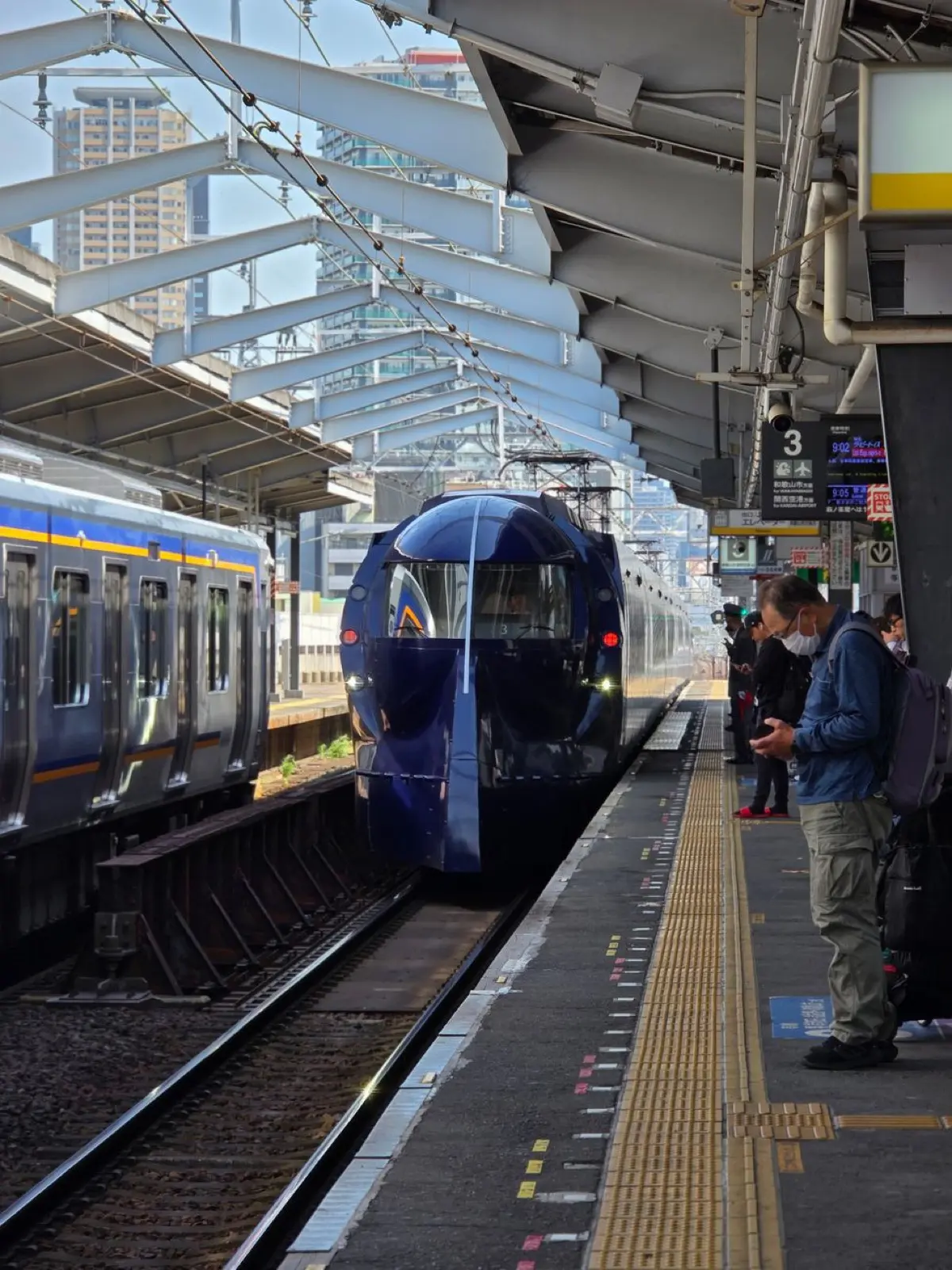
The technology only works because everyone around it treats time with the same seriousness. Cleaning crews famously turn around a Shinkansen in about seven minutes. Passengers line up at marked points on the platform where the doors will open, board quickly and without fuss, and step aside for those getting off. Station staff choreograph the whole dance. Punctuality in Japan is not one clever system; it is thousands of people all agreeing that other people's time matters.
When a train is late, they apologise — and explain
The flip side of this precision is accountability. If a Japanese train runs even a few minutes behind, staff will apologise over the intercom, and railways have been known to hand out 'delay certificates' so commuters can prove to their employers that the fault was the train's, not theirs. A delay is treated not as an inconvenience to be shrugged off but as a small broken promise that deserves an explanation.
What it means for a visitor
- You can plan to the minute. Tight connections that would be reckless elsewhere are entirely normal in Japan — the train will be there.
- Be on the platform early. The train stops for a precise, short interval and leaves exactly on time; it will not wait for a running passenger.
- Stand where the door will be. Platform markings show you exactly where each carriage's doors will open — queue there.
- Trust the schedule completely. If the timetable says 14:07, it means 14:07, not 'around then.'
The Shinkansen's punctuality is often held up as a symbol of Japanese efficiency, but it is really about something gentler: a deep, shared respect for other people's time. Twenty-four seconds a year is not just an engineering achievement. It is a promise, kept 130,000 times.
FAQ
Part of the Chaware Library — practical guides and terms, not just stories. Visit the Library →
Chaware curates authentic Japanese crafts — straight from the makers in Japan to your table.
Explore the Chaware collection →
Keep exploring