Why Umami Is Central to Japanese Food Culture
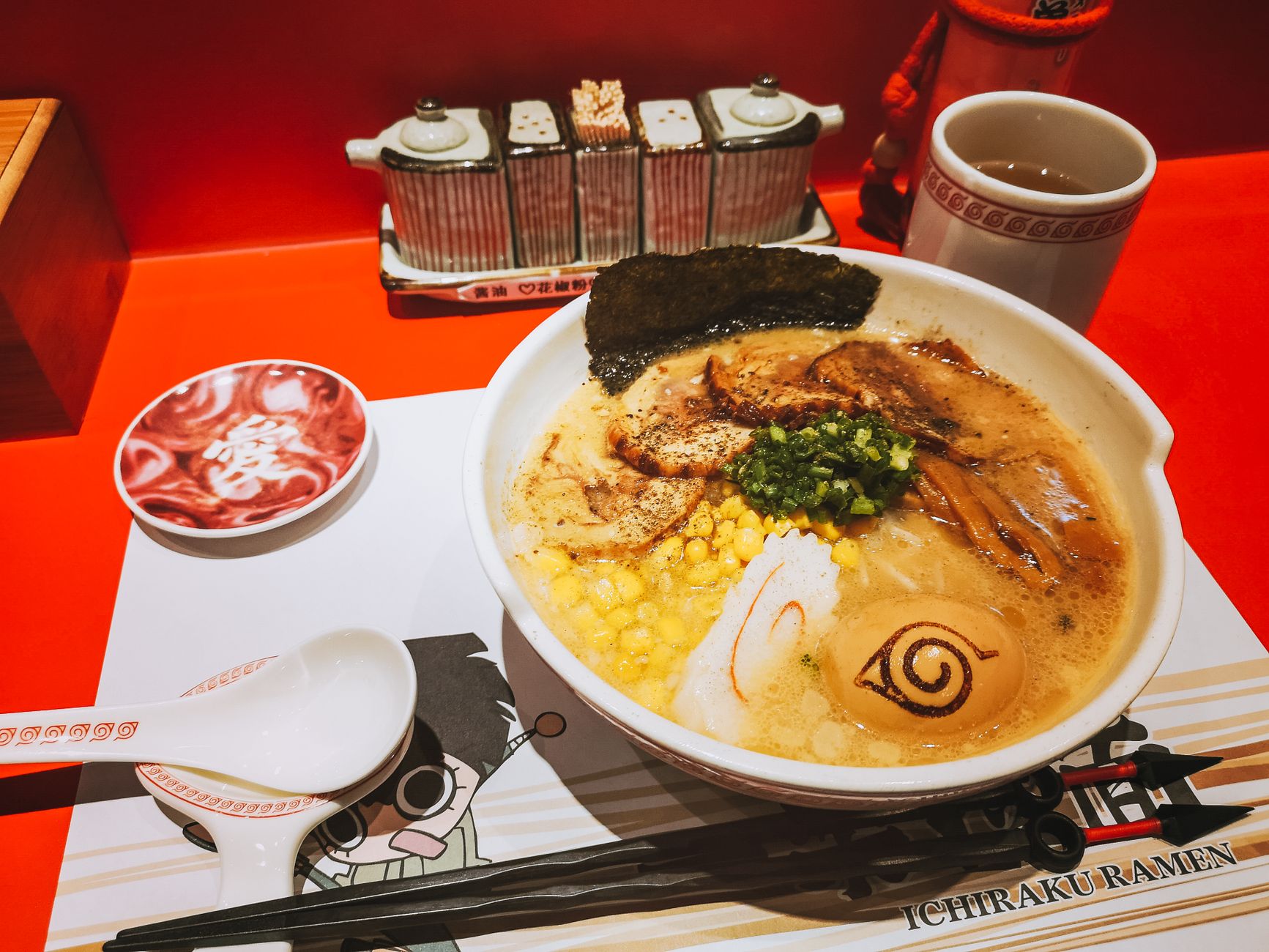
In Japan, umami isn't just a flavor—it's a philosophy.
Walk into any Japanese kitchen and you'll find the building blocks: kombu kelp drying on a cloth, bonito flakes in a glass jar, aged miso in a wooden barrel. These aren't random ingredients. They're the architects of umami, the fifth taste that makes Japanese food feel complete without heaviness.
Umami was identified by Tokyo chemist Kikunae Ikeda in 1908 when he isolated glutamate from kombu dashi. But Japanese cooks had been layering it for centuries—not through cream or butter, but through fermentation, aging, and the patient coaxing of flavor from the sea and the earth. A bowl of miso soup draws umami from three sources: the kombu, the bonito, and the fermented soybean paste itself. Together, they create depth that lingers.
This is why Japanese cuisine can feel so satisfying with such simplicity. There's no need to mask or overwhelm. Umami brings forward the natural taste of rice, vegetables, fish. It's the reason a piece of grilled fish with a few drops of soy sauce feels like a complete experience. It's the invisible thread that ties together kaiseki courses, ramen bowls, and home-cooked rice.
Understanding umami is understanding restraint. It's the knowledge that flavor doesn't need to shout—it can whisper and still be heard. In a world that often equates more with better, Japanese umami asks us to find richness in what's already there.
Next time you taste something deeply savory yet light, you're likely meeting umami—the taste Japan taught the world to name.
What Is Umami and Why Does It Matter in Japanese Food?
- Umami defined: the savory, mouth-filling fifth taste discovered by Japanese chemist Kikunae Ikeda in 1908
- The role of glutamates and nucleotides in creating depth and satisfaction without heaviness
- How umami reduces the need for excessive salt, fat, or sugar—aligning with Japanese ideals of subtlety and balance
- Umami as a bridge flavor: it enhances vegetables, grains, and proteins alike, making it foundational rather than supplementary
The Building Blocks: Dashi, Fermentation, and Natural Ingredients
- Dashi as the umami backbone: kombu (kelp) and katsuobushi (bonito flakes) create the flavor foundation for miso soup, noodles, and simmered dishes
- Fermented staples rich in umami: miso, soy sauce, natto, and tsukemono (pickles) developed over centuries
- Naturally umami-rich ingredients: shiitake mushrooms, tomatoes, aged fish, and seaweed
- The synergy effect: combining different umami sources (like kombu + katsuobushi) multiplies flavor intensity
Umami and the Philosophy of Japanese Cooking
- Alignment with *washoku* principles: respect for ingredients, seasonality, and minimal intervention
- How umami supports *hara hachi bu* (eating until 80% full)—satisfaction without excess
- The aesthetic of *shibui* (quiet elegance): umami delivers complexity without loudness or visual distraction
- Umami in tea culture and kaiseki: even delicate broths and vegetable preparations rely on layered, restrained savoriness
FAQ
Explore the crafts we feature →