Why Japanese Tea Cups Have No Handle: The Meaning Behind the Yunomi
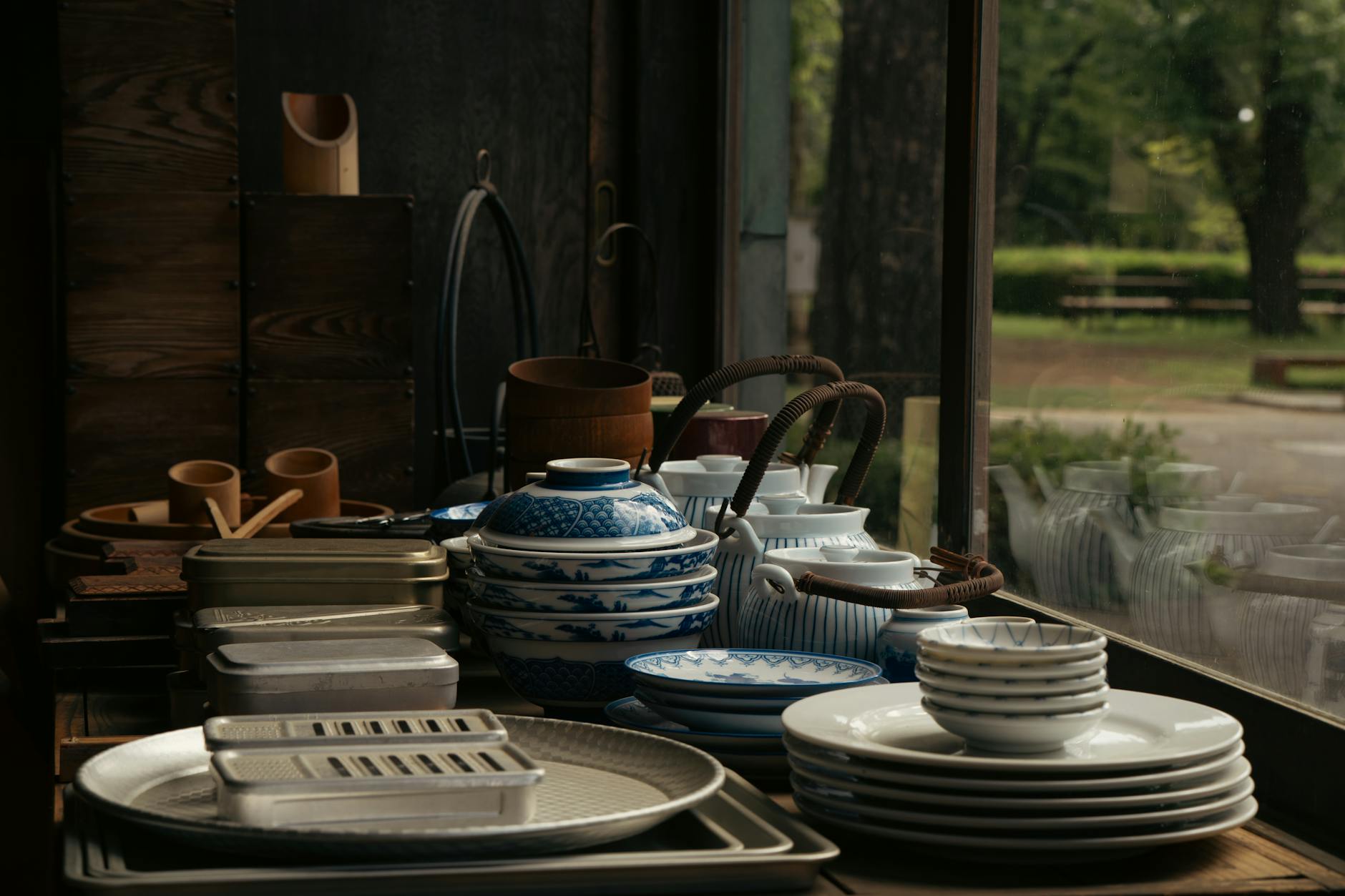
Reach for a Japanese tea cup and your fingers find no handle. For many first-time visitors to a tea table, this is the first small surprise. Where Western cups protect the hand from heat with a looped handle, the Japanese yunomi invites the hand toward the warmth instead.
This is not a gap in design. It is design. Tea drinking in Japan grew from traditions carried over from China, where tea was first sipped from handleless bowls. As Japanese tea culture deepened, especially around the formal tea gathering, the vessel became something to hold with both hands, to feel, and to turn with care before drinking. The chawan used for matcha and the everyday yunomi for green tea both ask for the same closeness.
The handleless form does quiet, practical work too. The clay tells you when the tea is ready. If the cup is too hot to comfortably hold, the tea is too hot to enjoy, so the vessel becomes a gentle timekeeper. Cupping it in your palms on a cool morning is its own small comfort.
There is something worth sitting with here. So much of daily life is built to keep us at a distance from discomfort, from heat, from pausing. A handleless cup gently does the opposite. It asks you to slow down, to pay attention, and to be present with a single warm thing in your hands.
Next time you hold one, notice how the design changes the way you drink.
The Cup You Hold With Both Hands
- A traditional Japanese tea cup, called a yunomi, has no handle and is meant to be cradled in the hands.
- Where a Western cup uses a handle to keep heat away from the fingers, the yunomi invites the hand toward the warmth of the tea.
- Feeling the heat of the clay is considered part of the experience, connecting the drinker to the tea rather than separating them from it.
Where the Tradition Comes From
- Tea was introduced to Japan from China, where early tea was drunk from handleless bowls and cups.
- As Japanese tea culture developed, the vessel became something held and turned with both hands, especially within the formal tea ceremony where the chawan bowl is handled with deliberate care.
- The everyday yunomi for green tea inherited this same sense of intimacy and attention.
Practical Wisdom in a Simple Form
- The handleless design acts as a built-in temperature guide: if the cup is too hot to hold comfortably, the tea is too hot to enjoy.
- Holding the warm cup in cupped palms is a quiet comfort, particularly in cooler seasons.
- The form encourages slowing down and paying attention, turning an ordinary drink into a small moment of mindfulness.
FAQ
Explore the crafts we feature →