Why You Remove Shoes in Japanese Homes: History, Meaning, and Etiquette
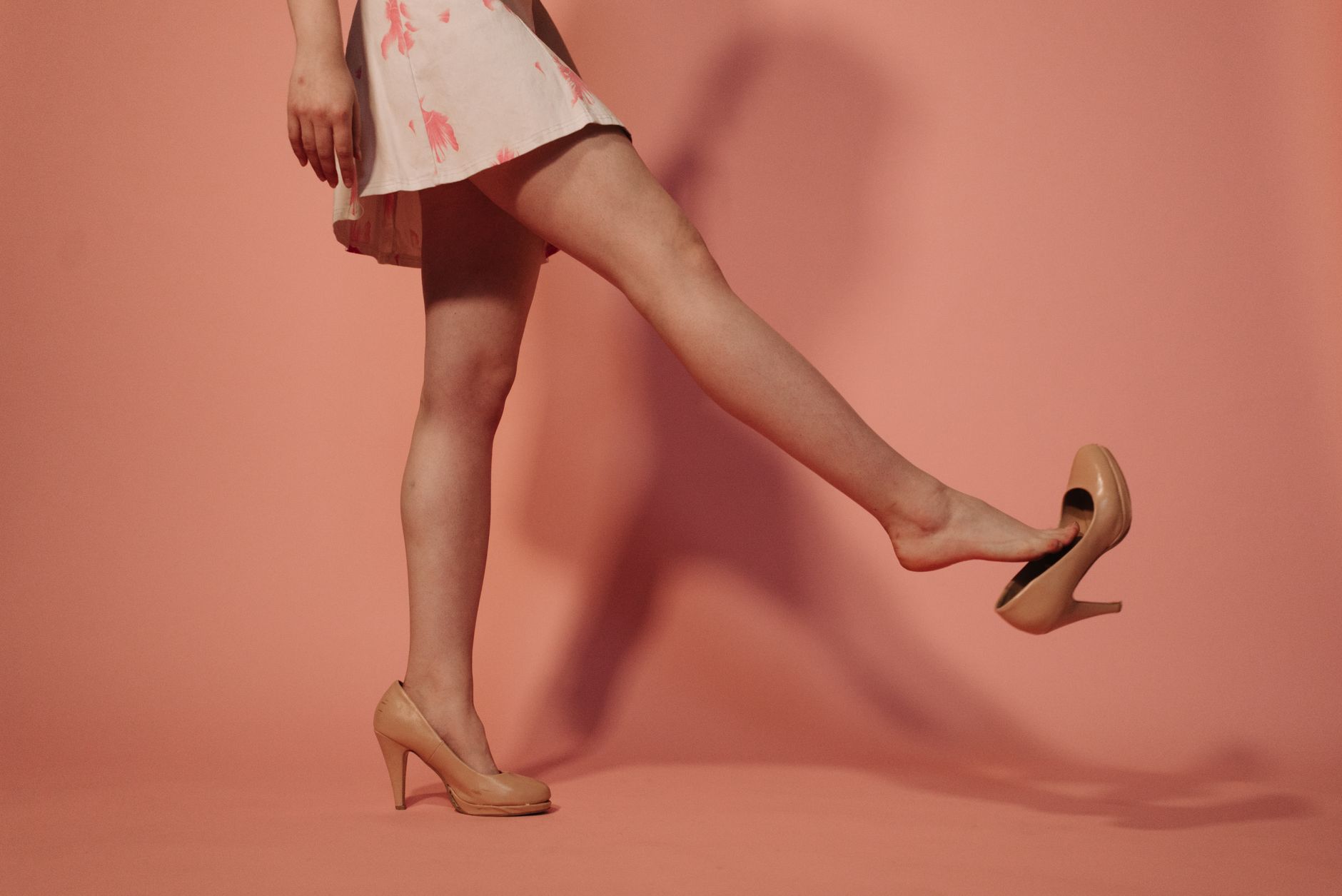
You step into a Japanese home, and before you even say hello, everyone's already removing their shoes. Why?
It's not just politeness—it's about boundaries. In Japan, the genkan (entryway) acts as a sacred threshold between the outside world and the sanctuary of home. Shoes carry dust, dirt, and pollution from the street. But more than that, they carry the energy of the public world—trains, crowds, work stress. Taking them off is a small ritual of transition: you're leaving all that behind.
Inside, floors are clean enough to sit on, sleep on, walk barefoot. Many homes still have tatami mats, woven rush grass that would be damaged by outdoor shoes. Even in modern apartments without tatami, the custom remains. It's practical, yes—but it's also philosophical. The home is a place of rest, intimacy, and care. You wouldn't bring the chaos of the outside in.
Guests are often offered slippers at the door, but here's the detail that surprises people: you remove even those slippers before stepping onto tatami, or when entering certain rooms. And there are separate toilet slippers—never to be worn elsewhere. It sounds complicated, but it's intuitive once you understand the principle: each space has its own level of purity.
This small act—bending down, unlacing, stepping up into the home—teaches you something deeper. It asks you to be mindful. To notice where you are. To respect the invisible line between outside and in.
Next time you remove your shoes at someone's door, notice how it feels. That brief pause. That shift. You're not just being polite. You're practicing presence.
The Cultural and Spiritual Roots of Removing Shoes in Japan
- Shinto concepts of purity (kegare and harae) — outside is spiritually unclean, home is sacred
- Historical influence of tatami mat flooring, which is damaged by outdoor footwear
- Buddhist temple practices that reinforced the indoor/outdoor boundary
- Climate and agriculture: wet rice paddies made mud tracking a practical concern
How the Genkan Defines Inside and Outside
- The genkan (entryway) as a transitional threshold, not yet 'inside' the home
- Stepping up from genkan to main floor symbolizes crossing into clean space
- Proper shoe placement: align shoes facing the door, never leave them scattered
- Slippers are provided for indoor use, but removed again before stepping on tatami
Modern Etiquette: What to Do When Visiting a Japanese Home
- Remove shoes immediately upon entering; wait for host's cue before stepping up
- Wear clean socks or bring indoor footwear if you prefer — avoid bare feet in formal settings
- Never wear toilet slippers outside the bathroom (a common mistake)
- In traditional homes, remove slippers before entering tatami rooms or washitsu (Japanese-style rooms)
FAQ
Explore the crafts we feature →