How Zen Shaped Modern Minimalist Design
On this page
The clean lines, empty space and calm restraint of modern minimalist design feel thoroughly contemporary. But their roots run deep and, in large part, lead back to one source: Zen. The global love of simplicity — in architecture, product design, interiors and technology — owes an enormous, often unspoken debt to Japanese Zen aesthetics. Understanding that link explains why so much of what we call 'minimalist' also feels distinctly Japanese.
Zen's radical simplicity
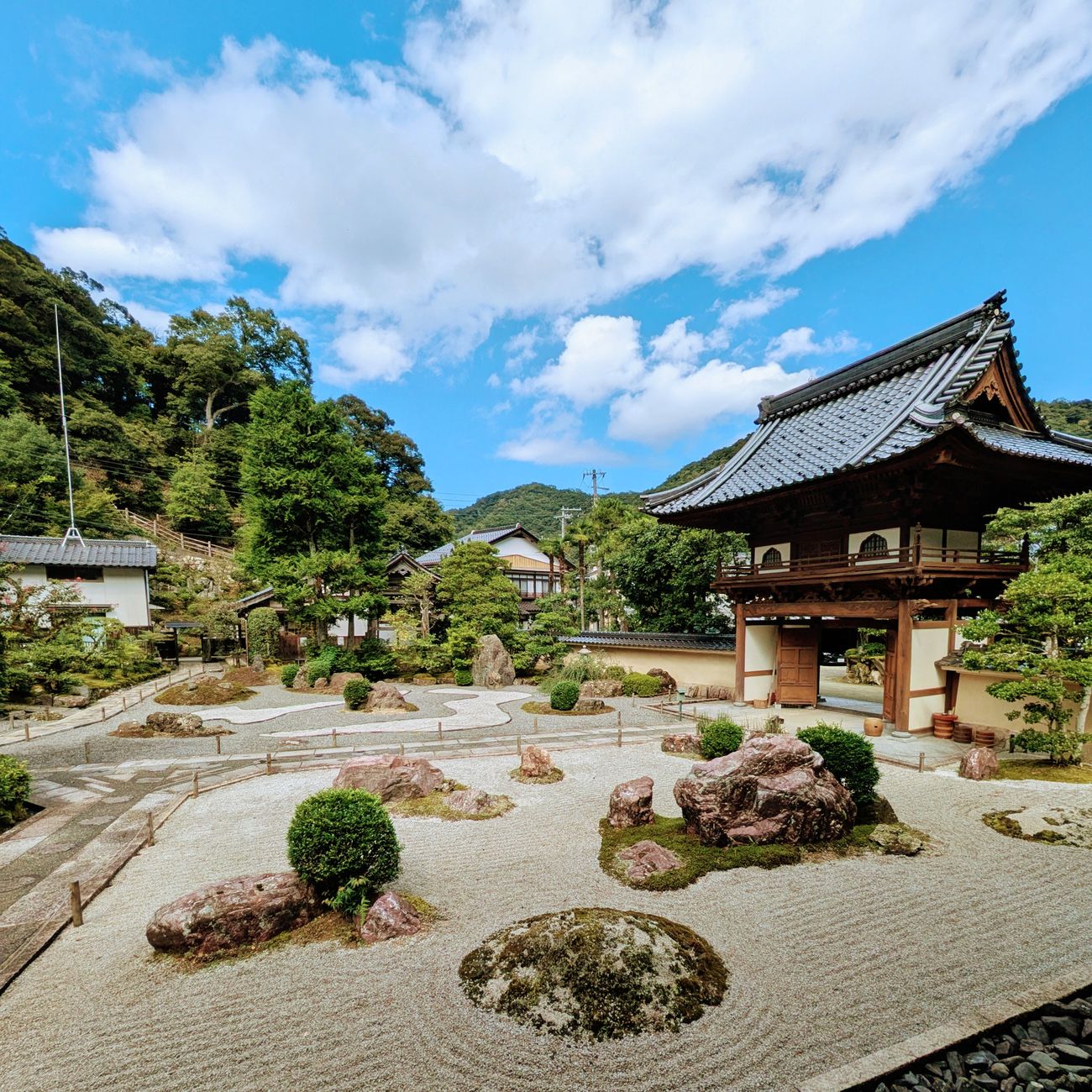
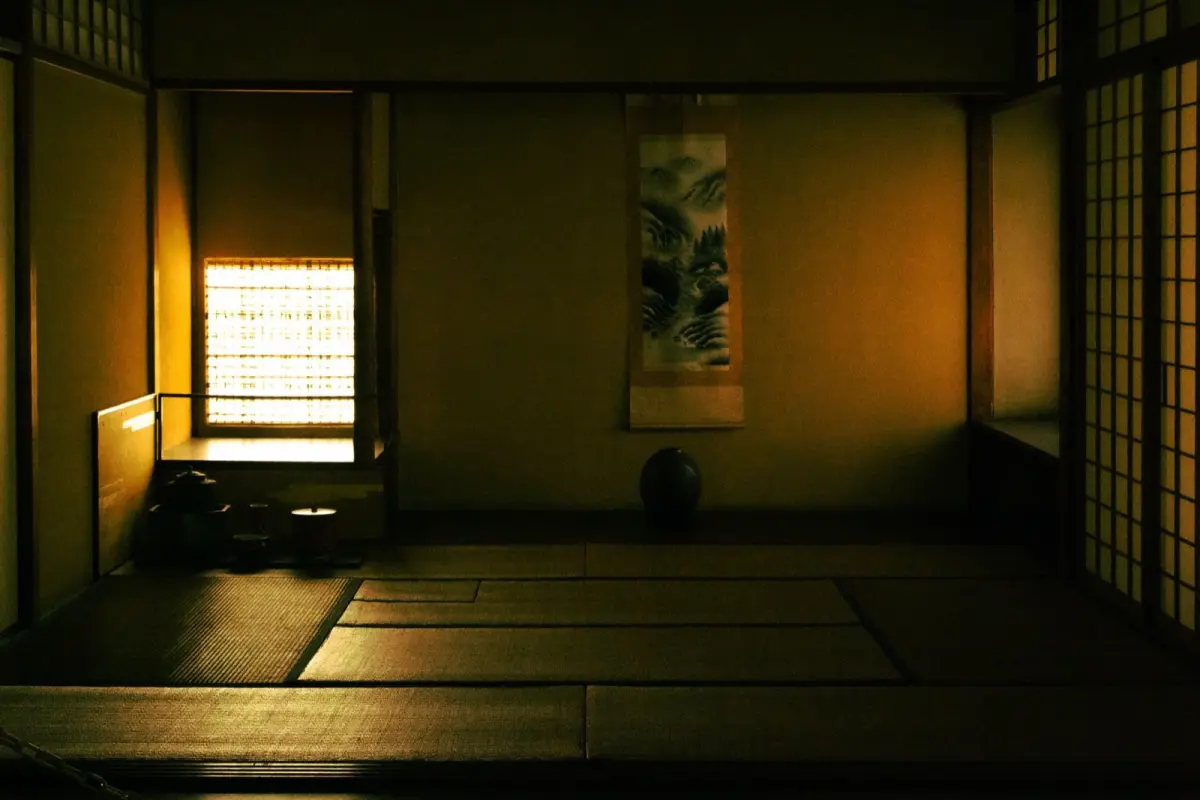
Zen Buddhism prized the stripping-away of the unnecessary. Its temples, gardens and tea rooms sought to quiet the mind through emptiness, natural materials and restraint — the raked gravel of a dry garden, the bare tatami room, the single flower in an alcove. Out of this came a cluster of aesthetic ideas that would prove astonishingly portable:
- Ma — the meaningful use of empty space.
- Kanso — simplicity, the elimination of clutter and the non-essential.
- Shizen — naturalness, and honest, unforced materials.
- Seijaku — stillness and calm.
These are, almost word for word, the core principles of modern minimalism.
From tea room to global design
The transmission happened in stages. Early-20th-century Western architects and designers, encountering the Japanese house with its clean modular lines and open, flexible space, found in it a model for modern living — Japanese aesthetics fed directly into modernist and mid-century design. Later, Japan's own designers carried Zen simplicity into contemporary form: the retailer MUJI built an entire global brand on the idea of quiet, unbranded, essential objects, while designers like Naoto Fukasawa made 'no-design design' a philosophy.
The Apple connection
Perhaps the most famous heir is technology. Steve Jobs was a serious student of Zen for much of his life, and its influence on Apple is hard to miss: the obsession with simplicity, the removal of buttons and clutter, the calm white space, the belief that 'simplicity is the ultimate sophistication.' The clean, uncluttered products that reshaped modern design carry, knowingly, the fingerprints of Zen. When a device or a room feels serene and essential, you are often feeling Zen at second or third hand.
Why the idea travelled so well
Zen simplicity spread because it answered a modern need. As life filled with more — more objects, more noise, more information — the Zen proposition that less is more, that empty space and calm are valuable, and that a few well-made things beat many cheap ones, felt like an antidote. Minimalism is, in a sense, the world borrowing a centuries-old Japanese spiritual insight and applying it to the design of everyday life.
Living it
- Subtract, don't add. Zen-influenced design improves things by removing the unnecessary, not by decorating.
- Choose few, choose well. A handful of honest, well-made objects with room to breathe beats abundance.
- Let materials be themselves. Natural, unforced materials and muted tones over the loud and artificial.
- Value the calm. The stillness of a spare, considered space is the whole point — it's Zen, quietly at work.
So the next time a clean, calm, minimalist space or object gives you a sense of ease, look past the modern surface. Much of what feels most contemporary about it is, in truth, very old — the quiet wisdom of the Zen temple, still shaping the way the world designs its life.
FAQ
Chaware curates authentic Japanese crafts — straight from the makers in Japan to your table.
Explore the Chaware collection →
Keep exploring