A Beginner's Guide to Zazen Meditation: The Art of Seated Zen Practice
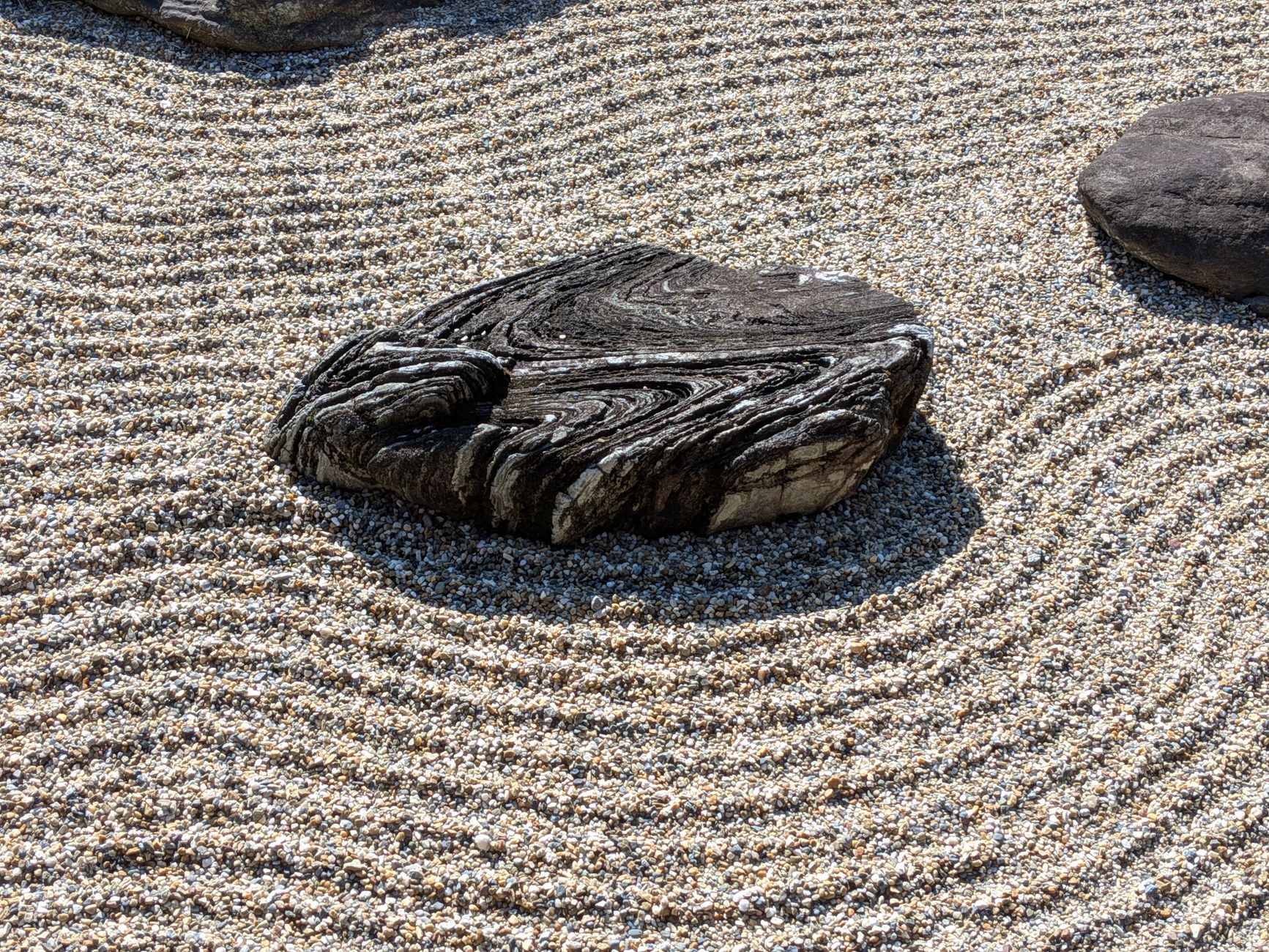
Zazen isn't about emptying your mind. It's about sitting still enough to notice what's already there.
In a Zen monastery, the meditation hall is called a zendo — a space so quiet you can hear the grain of wooden floorboards settling. Practitioners sit facing a blank wall, legs folded, spine upright but not rigid. The posture itself becomes the practice. Hands rest in the cosmic mudra: left palm cradling right, thumbs barely touching to form an oval, like holding something precious and invisible.
The instruction is deceptively simple: "Just sit." But within moments, the mind does what minds do — it wanders. You notice an itch. A memory surfaces. You mentally rewrite yesterday's conversation. In zazen, you don't fight these thoughts. You acknowledge them the way you'd nod at a passerby, then return your attention to your breath, to the weight of your body, to the present moment.
There's no goal to achieve, no blissful state to unlock. The practice is the point. Zen teachers say that zazen is "the art of doing nothing in particular, with great sincerity." It's a kind of training in being fully alive to the ordinary — the inhale, the exhale, the pulse of now.
Beginners often start with just ten minutes. A zafu cushion helps tilt the hips forward. Incense marks the passage of time. But the real tools are simpler: patience with yourself, and the willingness to return, again and again, to the seat.
Sitting zazen is less like switching off the noise and more like learning to sit with it — until the noise becomes just another sound in a much wider silence.
What Is Zazen Meditation?
- Zazen literally means 'seated meditation'—the foundational practice of Zen Buddhism
- Unlike visualization or mantra-based meditation, zazen emphasizes 'just sitting' with alert awareness
- Rooted in 6th-century China and refined in Japan, zazen is practiced in Soto and Rinzai Zen schools
- The practice aims not to achieve something, but to experience reality as it is, moment by moment
How to Practice Zazen: Posture, Breathing, and Mind
- Posture: Sit on a zafu cushion in full lotus, half lotus, or seiza position—spine straight, chin tucked, hands in cosmic mudra
- Breathing: Breathe naturally through the nose, allowing the breath to settle in the lower belly (hara)
- Gaze: Eyes half-open, cast downward at a 45-degree angle to maintain wakefulness without distraction
- Mind: When thoughts arise, acknowledge them without judgment and return attention to posture and breath—this is the practice
The Philosophy and Benefits of Seated Zen Practice
- Zazen is not a means to an end—sitting itself is enlightenment, a concept called 'shikantaza' (just sitting)
- Regular practice cultivates awareness, reduces reactivity, and reveals the interconnectedness of all things
- Many practitioners report improved focus, emotional resilience, and a deeper sense of presence in daily life
- Zazen is traditionally practiced in a zendo (meditation hall) but can be adapted to any quiet space at home
FAQ
Explore the crafts we feature →