Sencha vs Matcha: Understanding the Difference Between Japan's Two Iconic Teas
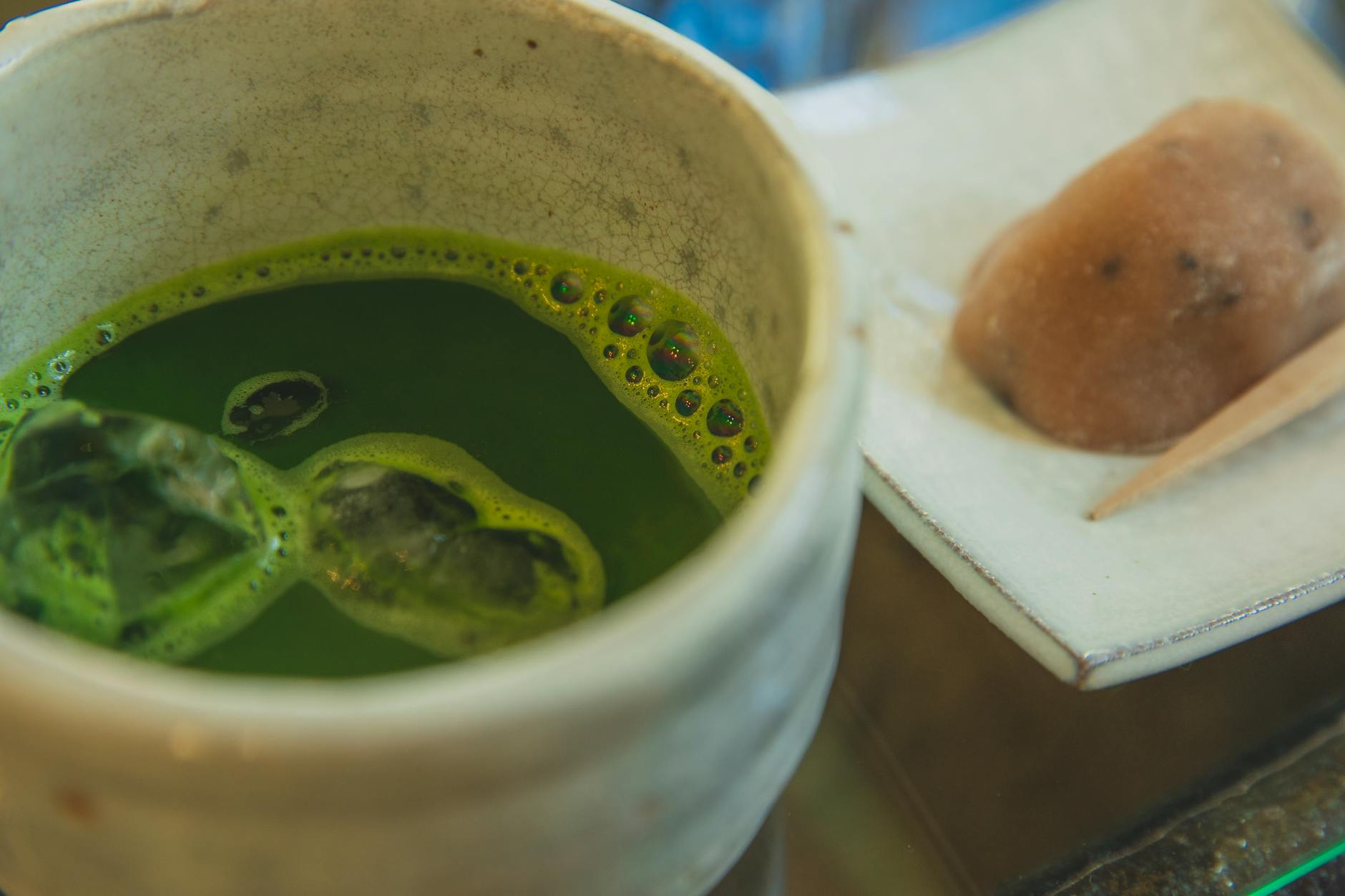
One leaf. Two worlds.
Both sencha and matcha come from the same tea plant, *Camellia sinensis*, yet the experience of drinking them couldn't feel more different. The secret? It's all in how they're grown, prepared, and welcomed into the cup.
Sencha grows under open sunlight, developing a bright, grassy flavor with a gentle astringency — the kind that wakes you up softly, like morning light through shoji screens. The leaves are steamed, rolled, and dried, then steeped in hot water. You drink the infusion, not the leaf itself. It's light. Refreshing. The everyday companion of Japanese homes.
Matcha, on the other hand, is grown in shade for weeks before harvest. This darkness coaxes the leaves to produce more chlorophyll and amino acids, giving matcha its vivid green color and umami-rich sweetness. After steaming, the leaves are stone-ground into a fine powder. When you whisk matcha, you're not just steeping — you're suspending the entire leaf in water and drinking it whole. The texture is creamy. The flavor, layered and intense. The ritual, meditative.
Think of it this way: sencha is a conversation over tea. Matcha is a ceremony.
One isn't better than the other. They simply ask different things of you. Sencha invites ease and daily rhythm. Matcha invites presence and attention. Both honor the leaf. Both hold centuries of care.
Which one speaks to the moment you're in today?
How Sencha and Matcha Are Grown and Processed
- Sencha grows in full sunlight, while matcha is shade-grown for 3-4 weeks before harvest to boost chlorophyll and amino acids
- Sencha leaves are steamed, rolled, and dried whole; matcha leaves (called tencha) are steamed, dried flat, then stone-ground into fine powder
- Shading matcha plants slows growth and intensifies umami, giving matcha its signature vibrant green color and sweet-savory taste
- Sencha represents about 80% of Japan's tea production, making it the everyday tea, while matcha has ceremonial roots
Preparation Methods: Steeping vs Whisking
- Sencha is steeped in water (70-80°C) for 1-2 minutes, then the leaves are discarded—you drink the infusion, not the leaf
- Matcha powder is whisked directly into hot water (70-80°C) with a bamboo whisk (chasen), so you consume the entire leaf
- Sencha can be re-steeped 2-3 times with different flavor profiles each round; matcha is a single-serving experience
- Matcha requires specific tools (chawan bowl, chasen whisk, chashaku scoop), while sencha needs only a teapot and cup
Flavor, Texture, and Cultural Context
- Sencha offers a light, refreshing, grassy taste with pleasant astringency; matcha is creamy, umami-rich, and slightly sweet with a fuller body
- Matcha has a thick, frothy texture; sencha is a clear, delicate liquid
- Matcha is central to the Japanese tea ceremony (chanoyu), representing mindfulness and aesthetics; sencha is the casual, daily tea of modern Japan
- Both teas contain caffeine and L-theanine, but matcha delivers more of both since you ingest the whole leaf
FAQ
Explore the crafts we feature →